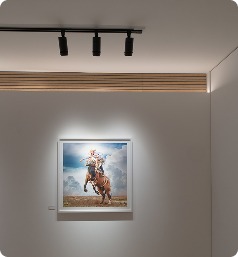
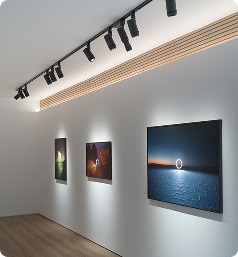
How Professional Lighting Shapes Experience, Perception, and Sales?
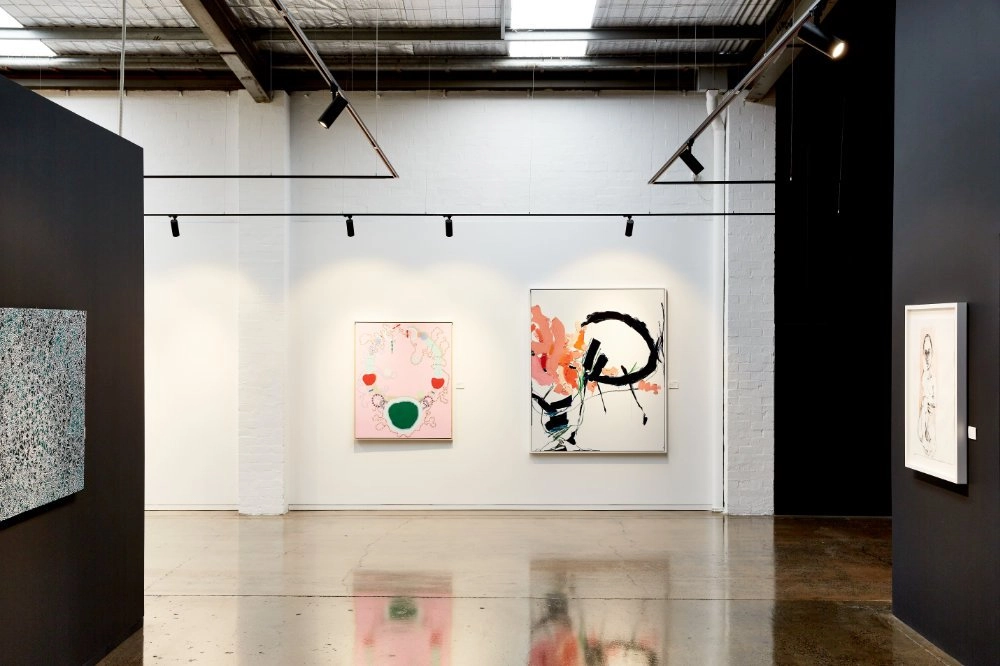
Balanced illumination enhancing perception and emotional connection
Gallery lighting for art is not about making a space bright. It is about making art feel right.
In a professional gallery, lighting is part of the exhibition itself. It shapes how visitors move, how long they stay, and how confidently they connect with the work. When lighting is done well, it disappears. The art feels present, intentional, and resolved. When lighting is done poorly, even strong artwork feels unsettled and incomplete.
This complete art gallery lighting guide explains how gallery lighting for art should be approached, why generic lighting consistently fails galleries, and how professional systems built around track lighting, Zoom, Multi, and Deluxe solutions support long term success.
A gallery is an experience, not just a display

Intentional lighting guiding movement through curated interior
People do not visit galleries only to look at art. They visit to feel something.
Lighting directly influences:
• Emotional response
• Sense of calm or tension
• Focus and attention
• Movement through the space
• Memory of the visit
Good gallery lighting slows people down. It encourages pause and contemplation. It gives artworks space to breathe. Poor lighting rushes people through the space, even if they cannot explain why.
Lighting is the invisible framework that turns a room with art into a gallery experience.
4.9 stars & reviews from art collectors and galleries
How gallery lighting affects art sales?

Refined spotlight revealing surface texture and depth
Art buying is emotional, but it is supported by confidence.
Collectors need to trust what they are seeing. Lighting plays a critical role in that trust.
Professional lighting for art galleries:
• Reveals true colour and surface detail
• Avoids glare and distortion
• Creates a sense of value and care
• Signals professionalism and authority
When lighting is inconsistent or generic, doubt enters quietly. Buyers hesitate. Decisions slow. Sales suffer.
Many galleries discover that improving lighting leads to longer dwell time, fewer objections, and faster buying decisions.
Why generic lighting fails in galleries?

Narrow controlled beams creating visual clarity on walls
Most generic lighting is designed for retail, hospitality, or residential use. These environments have very different goals.
Generic lighting prioritises:
• Broad illumination
• Cost efficiency
• Visual impact
• One size fits all solutions
Art gallery lighting design strategies prioritise:
• Precision
• Control
• Consistency
• Flexibility
This mismatch is why galleries using generic fittings often feel that something is missing, even when the art is strong.
Gallery lighting must start with a plan

Narrow controlled beams creating visual clarity on walls
One of the clearest signs of professional gallery lighting is the presence of a lighting plan.
Art gallery lighting system planning begins with a proper lighting plan that considers:
• Wall lengths and heights
• Ceiling height and structure
• Track placement and spacing
• Viewing distances
• Circulation paths
• Future exhibition changes
Without a plan, galleries rely on trial and error. Lights are moved constantly. Glare is fought repeatedly. Consistency is never achieved.
Lighting plans ensure that lighting works now and continues to work as exhibitions evolve.
Track lighting as the foundation of gallery lighting for art

Minimal track system integrated within white ceiling
Track lighting is the backbone of most professional galleries worldwide.
It allows:
• Fixtures to be repositioned easily
• Exhibitions to change without rewiring
• Clean, minimal ceilings
• Long term flexibility
However, track lighting for art is not the same as standard architectural track lighting.
Gallery track lighting versus generic track lighting

Professional fixture delivering consistent wall presentation
Generic track lighting is designed to serve many environments. Gallery track lighting is designed to deliver precision lighting for fine art displays.
Gallery grade track lighting focuses on:
• Precision beam control
• Minimal glare
• High colour accuracy
• Consistency across fixtures
• Visual restraint
This difference is immediately visible in how artworks feel on the wall.
Beam control is central to gallery lighting
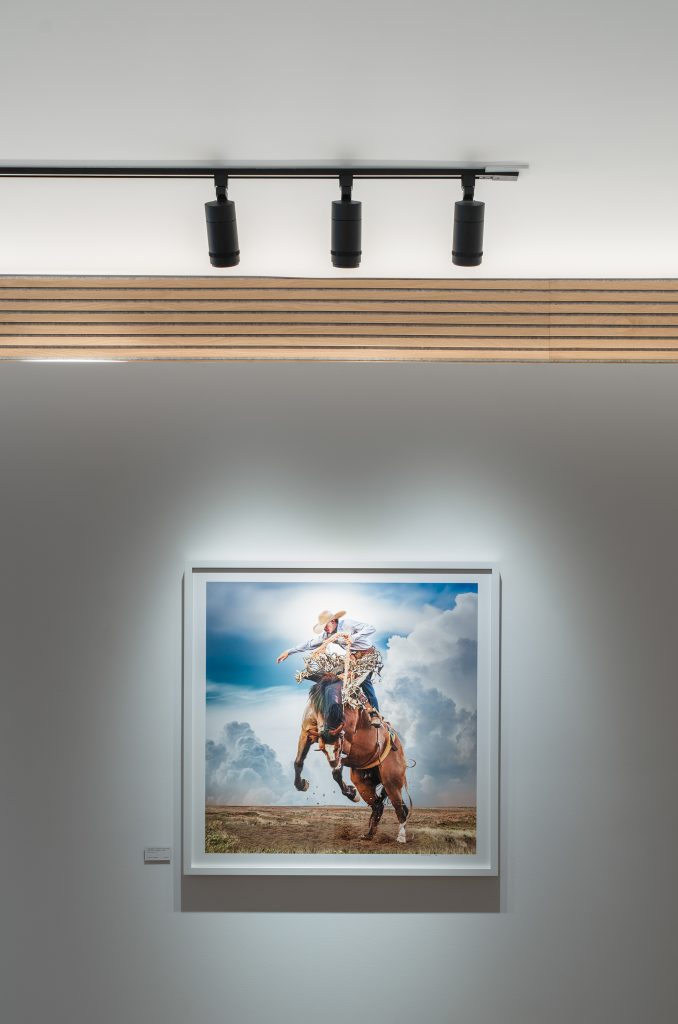
Professional fixture delivering consistent wall presentation
Gallery lighting is defined by control, not brightness.
Precision beam control:
• Frames artworks cleanly
• Reduces spill onto adjacent works
• Enhances texture and depth
• Creates visual clarity
Wide, uncontrolled beams flatten art and create visual noise. Controlled beams give artworks presence and dignity.
Zoom lighting for adaptable galleries
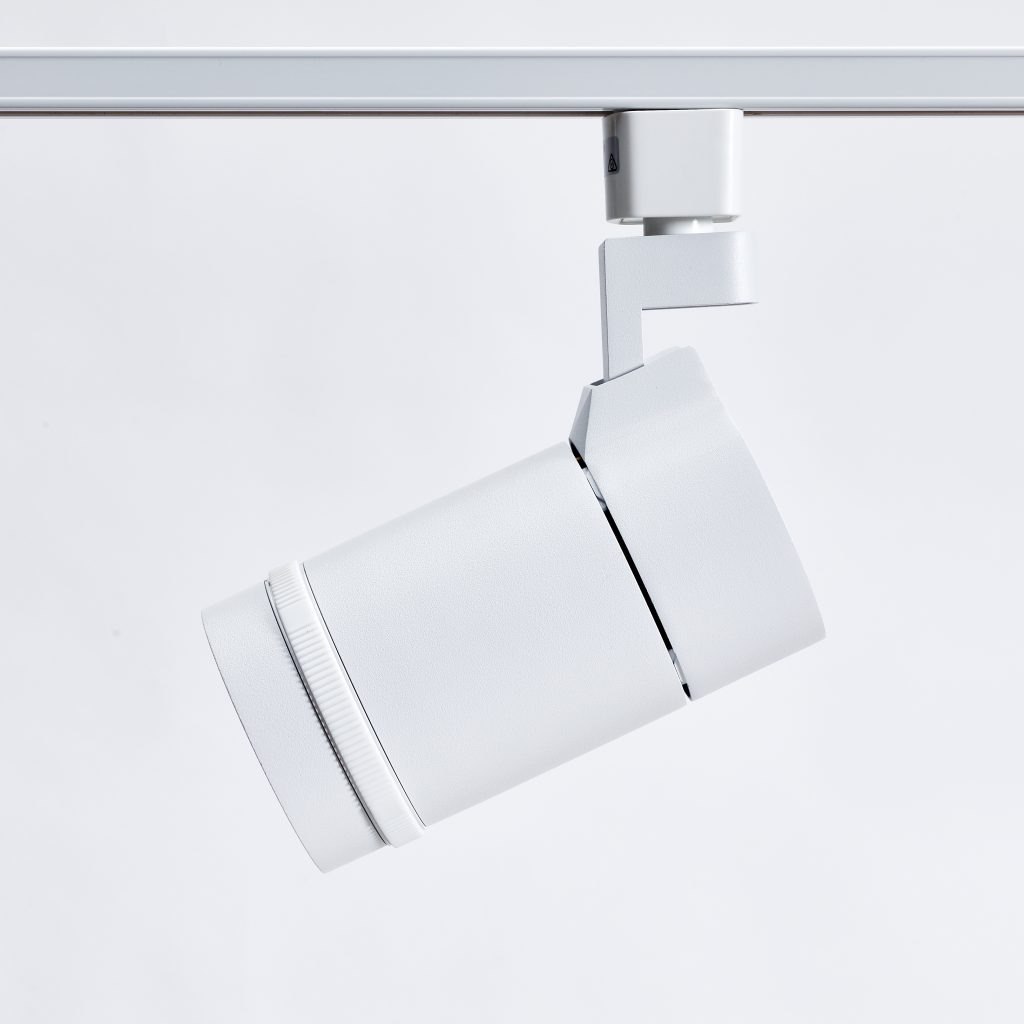
Adjustable beam angle reframing varying artwork sizes
Zoom lighting systems are ideal for galleries that change exhibitions frequently or display artworks of varying sizes.
Zoom lighting allows:
• Adjustable beam angles from a single fixture
• Precise framing of different artworks
• Faster rehanging and setup
• Reduced need for multiple fixture types
This flexibility makes Zoom systems a common foundation in professional gallery lighting for art.
Multi lighting for layered and curated exhibitions

Layered brightness shaping visual hierarchy intentionally
Multi lighting systems are used when exhibitions require nuance.
They are particularly effective when:
• Multiple mediums are displayed together
• Some works require emphasis
• Curatorial hierarchy matters
• The exhibition narrative is complex
Multi systems allow galleries to apply different lighting treatments while maintaining cohesion across the space.
Lighting becomes a curatorial tool rather than just infrastructure.
Deluxe lighting for high value and flagship galleries

Museum grade spotlight elevating premium exhibition space
Deluxe lighting systems are chosen when presentation quality must be unquestionable.
They are used in:
• Flagship galleries
• Museums
• Private collections
• Spaces showing high value works
Deluxe lighting focuses on:
• Exceptional beam quality
• Superior colour stability
• Minimal visual presence
• Long term consistency
In these environments, lighting should almost disappear while elevating the artwork completely.
Colour temperature in gallery lighting for art
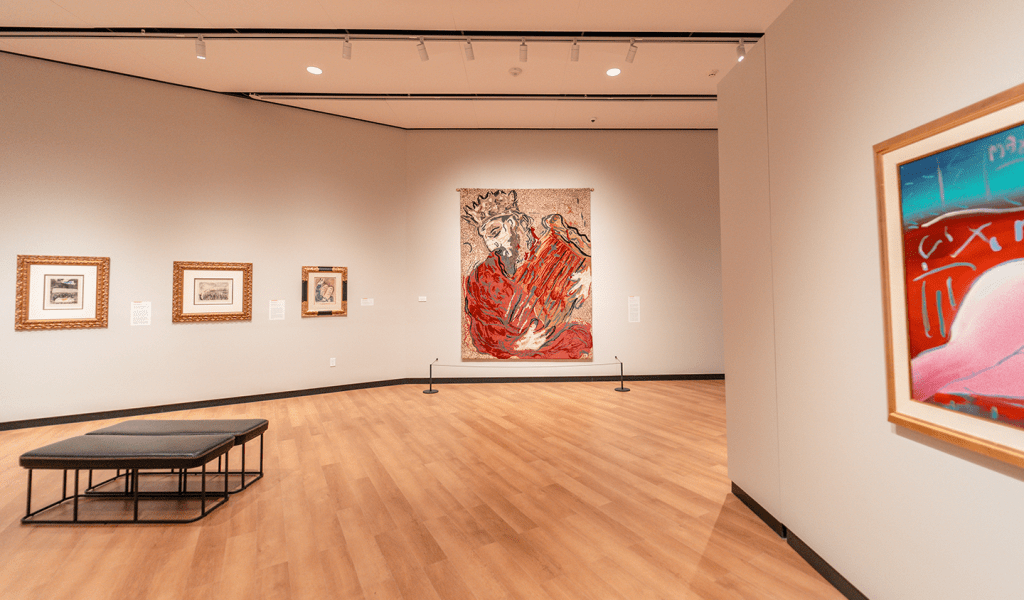
Consistent colour temperature across exhibition walls
Most professional galleries use 3000K as their baseline colour temperature.
3000K:
• Feels warm yet neutral
• Supports a wide range of artworks
• Maintains buyer confidence
• Creates a calm viewing environment
Some galleries use 2700K selectively on master works where warmth enhances emotional presence. This must be done intentionally and usually with Multi control to avoid inconsistency.
Cooler temperatures are rarely used, as they feel clinical and flatten tonal nuance.
Glare control and viewer comfort
Glare breaks immersion instantly.
Professional gallery lighting addresses glare through:
• Precision optics
• Correct track placement
• Thoughtful aiming
• Consideration of viewing angles
When glare is controlled, visitors engage longer and more comfortably. This directly improves both experience and sales outcomes.
Consistency across walls and exhibitions

Uniform brightness maintained across multiple gallery walls
Gallery lighting must feel cohesive.
Consistency means:
• Fixtures match in colour and output
• Lighting feels balanced wall to wall
• Presentation remains stable over time
Inconsistent lighting undermines trust. Collectors notice when artworks look different under different lights.
Professional museum-grade lighting systems for artworks are designed to maintain consistency.
Thinking long term with gallery lighting

Durable lighting system supporting years of exhibitions
Gallery lighting for art should be designed once, properly.
A professional system allows:
• Years of exhibitions without replacement
• Flexible rehanging
• Reduced operational stress
• Long term cost efficiency
Short term fixes lead to long term compromise.
Why galleries need guidance, not just products?
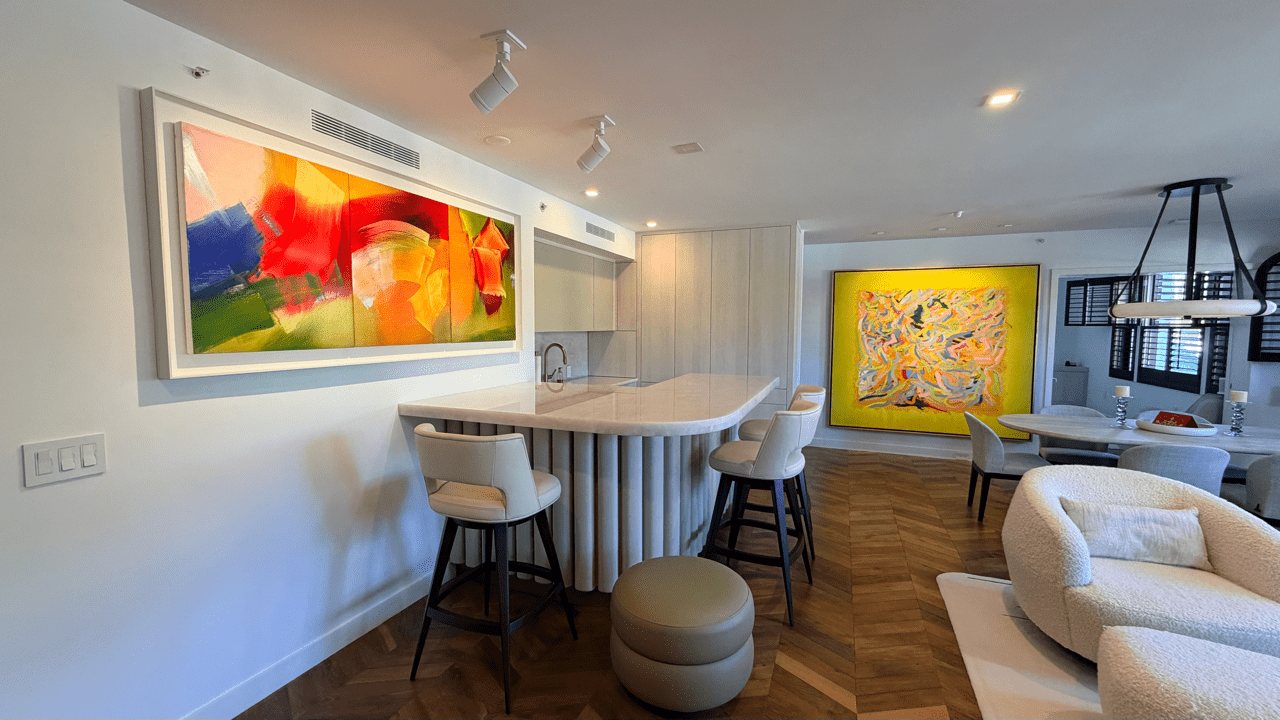
Professional advice preventing costly installation mistakes
Lighting decisions are complex. Galleries should not have to navigate them alone.
A specialist lighting partner provides:
• System level thinking
• Gallery specific lighting plans
• Product selection based on art, not trends
• Ongoing support as exhibitions change
At Banno Lighting, our role is to guide galleries toward the best lighting solutions for galleries so lighting becomes a strength rather than a constant concern.
Gallery lighting as a signal of credibility

Sophisticated interior reflecting curatorial seriousness
Lighting communicates seriousness.
Artists notice how their work is presented.
Collectors notice consistency and care.
Institutions notice attention to detail.
Professional gallery lighting signals:
• Curatorial confidence
• Respect for artwork
• Authority and trust
Poor lighting quietly undermines reputation over time.
Final perspective on gallery lighting for art

Professional gallery defined through precision control
Gallery lighting for art is not optional. It is foundational.
When lighting is done properly:
• The art feels present
• The space feels intentional
• Visitors slow down
• Buyers feel confident
• The gallery’s reputation strengthens
This is the purpose of professional gallery lighting.
Why galleries choose Banno Lighting?
Galleries work with Banno Lighting because we understand lighting at a gallery level, not just a product level.
We provide:
• Expert guidance
• Professional lighting plans
• Track based gallery systems
• Zoom, Multi, and Deluxe solutions
• Long term support
If you want gallery lighting for art that enhances experience, supports sales, and adapts over time, professional systems and guidance are essential.
Advanced Principles of Gallery Lighting for Art
Once the foundations of gallery lighting for art are established, the next level is refinement. This is where lighting moves beyond functionality and becomes a precise instrument for shaping perception, hierarchy, and spatial clarity.
Professional art gallery lighting design is defined not by how much light is used, but by how controlled and intentional that light is. Every decision—from beam angle to fixture placement—contributes to how artwork is experienced.
Beam Angle Strategy and Visual Framing

Balanced light distribution preventing hotspots and spill on gallery walls.
Beam angle is one of the most critical tools in lighting for art gallery environments.
It determines how light is distributed across an artwork and how that artwork sits within the surrounding space. Incorrect beam selection leads to uneven illumination, visible hotspots, or unnecessary spill onto adjacent walls.
A structured approach to beam angles includes:
- Narrow beams for small or high-value works requiring strong focus
- Medium beams for standard paintings and photography
- Wide beams for large-scale or immersive pieces
With led track lighting for art gallery systems, this level of control becomes highly adaptable. Adjustable optics allow galleries to refine presentation without changing infrastructure.
When beam angles are correctly matched, artworks appear stable, contained, and visually resolved.
Fixture Positioning and Lighting Angles
Positioning is just as important as the fixture itself.
In art gallery lighting systems, the angle at which light hits the artwork directly affects visibility, texture, and glare. Poor positioning results in reflections, especially on glass-covered works or polished surfaces.
A widely used principle in lighting for art galleries is the 30-degree rule. This angle balances even illumination with minimal reflection, ensuring that artworks remain clear from multiple viewing positions.
However, this is not a fixed rule. Professional lighting design adjusts positioning based on:
- Artwork size and material
- Viewer distance
- Ceiling height
- Exhibition layout
Precision in positioning ensures that lighting enhances, rather than interferes with, the artwork.
Understanding Light Distribution and Uniformity

Even illumination across individual pieces supporting a balanced viewing environment.
Uniformity is often misunderstood in gallery environments.
While consistency is important, complete uniform lighting can flatten artworks and reduce visual interest. Instead, gallery lighting for artwork should aim for controlled uniformity within each piece, while allowing subtle variation across the space.
This approach ensures:
- Even illumination across individual artworks
- Clear separation between pieces
- A balanced overall environment
In art gallery lighting design, uniformity is carefully managed to support clarity without removing depth.
Colour Rendering and Material Accuracy
Accurate colour representation is essential in art gallery lighting.
High-quality LED systems are designed to reveal colours as the artist intended, without distortion. Poor colour rendering leads to:
- Dull or muted tones
- Inaccurate colour relationships
- Reduced perceived quality
Professional systems prioritise high CRI performance, ensuring that artworks appear natural and consistent under different viewing conditions.
This is especially important for collectors comparing works across multiple environments. Reliable gallery lighting for paintings builds confidence and supports decision-making.
Managing Contrast Without Creating Drama

Soft transitions between lit and unlit areas creating visual focus.
Contrast is a powerful tool, but it must be used carefully.
In lighting art gallery environments, contrast helps guide attention and create hierarchy. However, excessive contrast introduces a theatrical quality that is rarely appropriate for contemporary galleries.
A refined approach involves:
- Slightly higher intensity on artworks compared to surrounding walls
- Soft transitions between lit and unlit areas
- Avoidance of harsh edges or abrupt changes
This creates focus without distraction, maintaining the calm and balanced atmosphere expected in professional galleries.
Track Layout and Spatial Alignment
Track layout is a structural component of art gallery track lighting systems.
The position of tracks determines how effectively fixtures can be aimed and how flexible the system will be over time.
Best practices include:
- Aligning tracks with wall geometry
- Maintaining consistent spacing
- Positioning tracks to allow optimal lighting angles
In track lighting for art gallery environments, poor layout cannot be corrected by fixture adjustment alone. Proper planning ensures that lighting remains effective across different exhibitions.
Flexibility as a Design Requirement

Modular track systems and adjustable fixtures supporting dynamic gallery spaces.
Galleries are dynamic spaces. Lighting systems must support change without compromise.
Flexibility in gallery lighting for art is achieved through:
- Adjustable fixtures
- Modular track systems
- Consistent performance across different configurations
This allows galleries to adapt quickly to new exhibitions while maintaining professional presentation standards.
Without flexibility, lighting becomes a limitation rather than a support.
Adapting Gallery Lighting for Evolving Exhibitions
No gallery remains static, which means gallery lighting for art must be designed with change in mind. As exhibitions rotate, artwork sizes, mediums, and curatorial approaches shift, often dramatically. A lighting system that performs well for one exhibition but struggles with the next quickly becomes a limitation.
Professional art gallery lighting systems are built to handle this variability without requiring constant reconfiguration or compromise. Adjustable fixtures, consistent beam quality, and reliable colour output allow galleries to transition between exhibitions efficiently while maintaining presentation standards.
This is where track lighting for art gallery environments becomes essential. It enables repositioning, re-aiming, and recalibration without structural changes, supporting both flexibility and precision.
Adaptability also reduces operational friction. Staff can rehang exhibitions faster, with fewer technical adjustments, and with predictable results.
Ultimately, a well-designed lighting system ensures that every exhibition—regardless of scale or complexity—feels intentional, consistent, and professionally presented. This continuity strengthens both the visitor experience and the gallery’s long-term credibility.
The Relationship Between Light and Architecture

Seamlessly integrated lighting systems minimizing visual ceiling clutter in galleries.
Lighting does not exist independently from the space.
In art gallery lighting design, the relationship between light and architecture is critical. Ceilings, walls, and spatial proportions all influence how light behaves.
Key considerations include:
- Minimising visual clutter on ceilings
- Aligning lighting systems with architectural lines
- Maintaining a clean and unobtrusive appearance
When lighting integrates seamlessly with architecture, the space feels cohesive and intentional.
Light Intensity and Viewer Comfort
Brightness must be carefully controlled in lighting for art galleries.
Excessive light levels can:
- Reduce contrast
- Cause visual fatigue
- Flatten the appearance of artworks
Insufficient light reduces clarity and engagement.
Professional lighting systems allow fine adjustment of intensity, ensuring that artworks are clearly visible without overwhelming the viewer.
Comfortable lighting encourages longer viewing times and deeper engagement.
Lighting Different Artwork Types

Directional lighting revealing form and depth in sculptural art pieces.
Different artworks require different lighting approaches.
In gallery lighting for paintings, even illumination and accurate colour rendering are essential.
Sculptures require directional lighting to reveal form and depth. Mixed media works may require careful balancing to avoid overemphasising reflective elements.
Digital works often require lower ambient light levels to maintain screen visibility.
A flexible art gallery lighting system must accommodate all of these requirements without compromising consistency.
Maintaining Consistency Over Time
Consistency is a defining feature of professional galleries.
In art gallery lighting systems, consistency means:
- Stable colour temperature across fixtures
- Predictable light output
- Uniform performance over time
Low-quality systems often develop inconsistencies, where fixtures no longer match. This creates visual disruption and reduces trust.
Professional systems are designed to maintain consistency across years of use and multiple exhibitions.
The Impact of Lighting on Spatial Perception
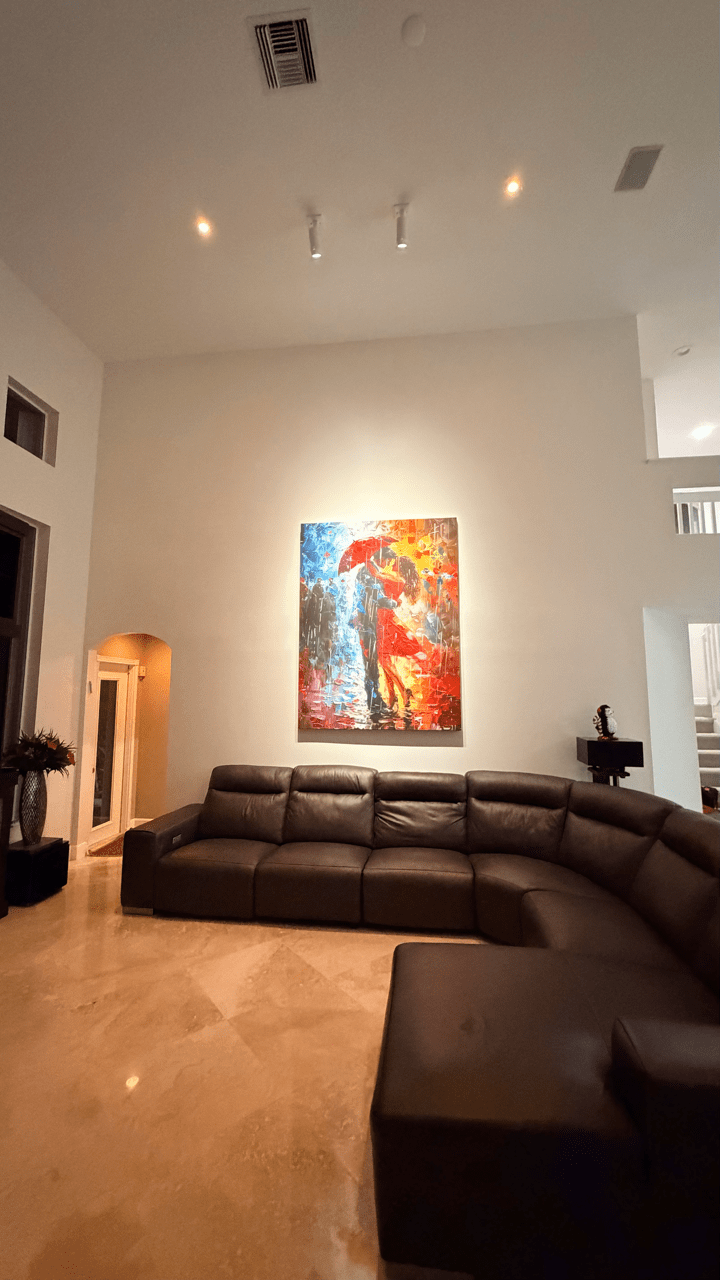
Refined light distribution creating an intentional and professional spatial feel.
Lighting influences how space is perceived.
Balanced gallery lighting for art can make a gallery feel:
- More open
- More organised
- More refined
Uneven or poorly controlled lighting can make the same space feel cluttered or compressed.
This spatial perception affects how visitors move and how comfortable they feel within the gallery.
Supporting Curatorial Intent
Lighting is an extension of curatorial strategy.
Curators use lighting for art gallery environments to:
- Emphasise key works
- Create visual rhythm
- Guide visitor movement
- Support the narrative of the exhibition
A well-designed lighting system provides the flexibility needed to adapt to different curatorial approaches without requiring technical complexity.
Reducing Visual Noise
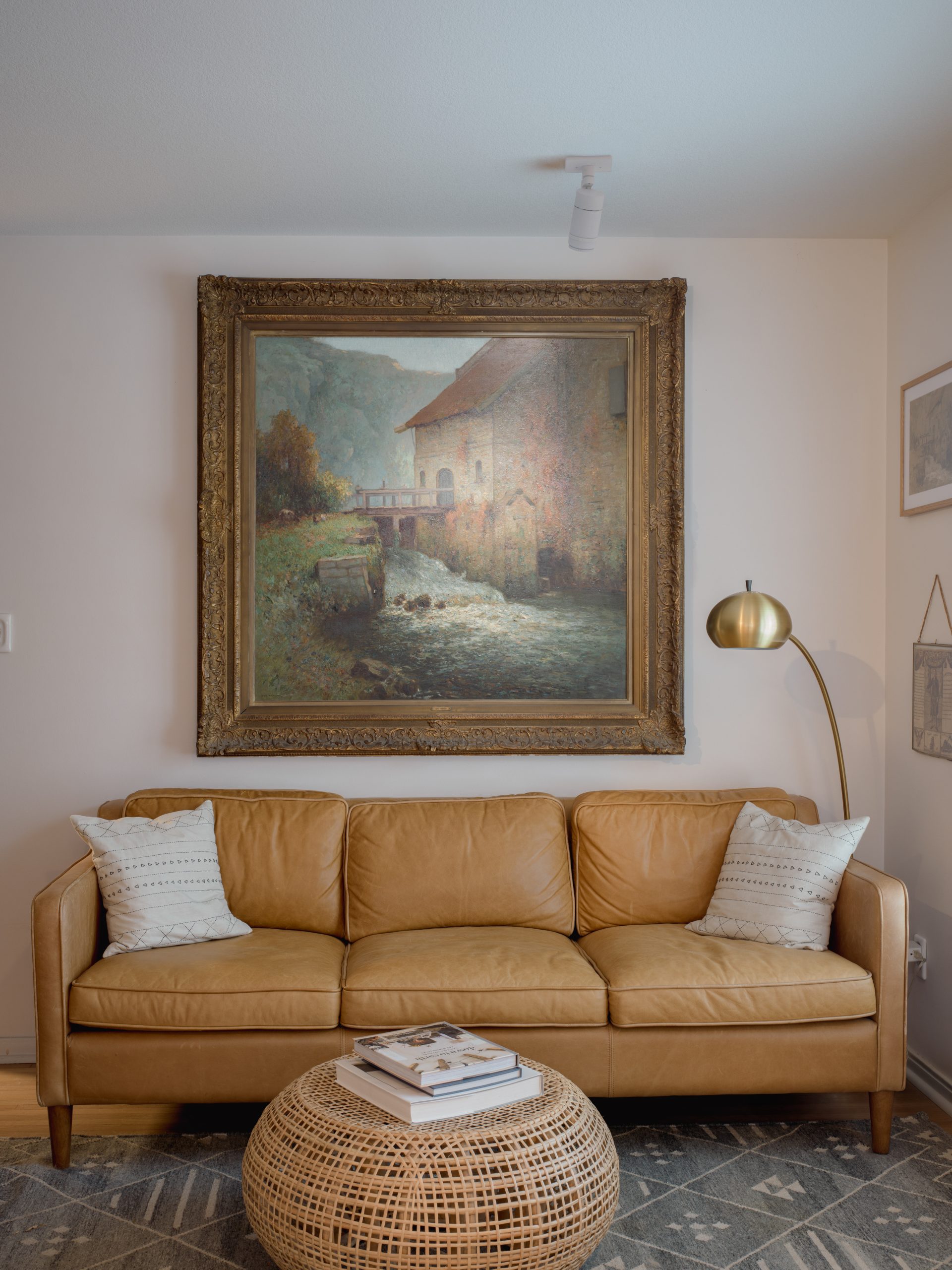
Minimalist fixtures and even beams removing distractions from the artwork.
Visual noise is any element that distracts from the artwork.
In art gallery lighting, noise can come from:
- Visible fixtures
- Uneven beams
- Glare
- Inconsistent intensity
Professional lighting design focuses on reducing this noise to the minimum.
The goal is clarity. When distractions are removed, the artwork becomes the focal point.
Long-Term Performance and Reliability
Lighting systems must perform reliably over time.
In gallery lighting for artwork, this means:
- Durable fixtures
- Stable optical performance
- Minimal maintenance requirements
A reliable system reduces operational disruption and ensures consistent presentation across exhibitions.
This long-term performance is essential for galleries that operate continuously.
The Role of Lighting in Professional Identity

Consistent light quality reinforcing the reputation of flagship art galleries.
Lighting communicates professionalism.
In art gallery lighting design, consistent, high-quality lighting signals:
- Attention to detail
- Respect for artwork
- Curatorial seriousness
- Institutional credibility
Visitors may not consciously analyse lighting, but they respond to its effects.
Well-executed lighting reinforces the identity of the gallery and supports its reputation.
Final Insight on Advanced Gallery Lighting
At an advanced level, gallery lighting for art is not about adding more light, but about removing everything unnecessary.
It is about precision, restraint, and consistency.
When lighting is designed at this level:
- Artworks feel clear and resolved
- Spaces feel calm and intentional
- Visitors engage more deeply
- Collectors feel confident in what they see
This is what defines truly professional art gallery lighting—a system that supports the artwork completely while remaining almost invisible.
Professional Art Gallery Lighting: FAQs
1. How does professional lighting improve the art gallery experience?
Professional lighting shapes the visitor's journey by creating a sense of calm and intentionality. By using precise beam control and high color accuracy, it slows down the viewer, encourages contemplation, and allows the artwork to breathe, turning a simple room into a curated environment.
2. Can gallery lighting increase art sales?
Yes. Art buying is an emotional process supported by collector confidence. Professional lighting reveals true colors and textures while eliminating distracting glare. This transparency builds trust, reduces buyer hesitation, and often leads to faster decision-making and higher sales.
3. Why do generic light fixtures fail in professional art galleries?
Generic lights are designed for broad illumination in retail or residential spaces, prioritizing cost over control. Gallery-grade systems prioritize precision and flexibility, ensuring that light stays on the artwork rather than spilling onto the floors or ceilings, which flattens the art's impact.
4. What are the benefits of using track lighting for art galleries?
Track lighting is the industry standard because of its modularity. It allows fixtures to be repositioned, added, or removed instantly to accommodate changing exhibitions without the need for expensive rewiring or structural ceiling changes.
5. What is "Zoom" lighting for art galleries?
Zoom lighting systems feature fixtures with adjustable beam angles. This allows a gallery to use a single light type to frame a small sketch or a large-scale mural perfectly, providing maximum flexibility for rotating shows and varying artwork sizes.
6. When should a gallery use a "Multi" lighting system?
Multi systems are ideal for layered or complex exhibitions where different mediums (like sculptures and paintings) are shown together. They allow for varied intensities and beam shapes within one cohesive system to establish a clear curatorial hierarchy.
7. What defines "Deluxe" gallery lighting?
Deluxe systems are museum-grade solutions used in flagship galleries and private collections. They focus on exceptional beam quality, superior color stability, and a minimal architectural footprint, ensuring the hardware is almost invisible while the art is perfectly elevated.
8. Why is a professional lighting plan necessary?
A lighting plan prevents trial and error by calculating wall heights, track placement, and viewing distances beforehand. It ensures consistent illumination across all walls and prevents common issues like head shadows or uneven "hot spots."
9. What is the best color temperature for art gallery lighting?
The industry standard is 3000K (Warm White) because it is neutral yet inviting. It accurately represents a wide range of colors without looking clinical. 2700K is occasionally used for masterworks to add emotional warmth and intimacy.
10. How do you reduce glare on glass-covered artwork?
Glare is controlled through precision optics and the "30-degree rule." By positioning the track at a specific distance and aiming the light at an angle, reflections are bounced away from the viewer’s eyes, ensuring a clear view of the art.
11. What is the difference between gallery track lighting and architectural track lighting?
Gallery-grade tracks focus on precision beam control and high color rendering (CRI). Unlike standard architectural tracks, they are designed to minimize spill and glare specifically for the unique demands of fine art displays.
12. Why is beam control more important than brightness in a gallery?
Excessive brightness flattens art and creates visual fatigue. Precision beam control frames the artwork cleanly, enhancing texture and depth while keeping "negative space" dark, which gives the art more presence and dignity.
13. How should sculptures be lit in a gallery setting?
Sculptures require directional lighting from multiple angles to reveal their three-dimensional form. Using layered shadows helps define the depth and material texture of the work, making it feel more dynamic than if lit by a single, flat source.
14. What is high CRI and why is it essential for art?
CRI (Color Rendering Index) measures a light's ability to reveal colors accurately. Professional systems use high CRI LEDs to ensure that the artist's original palette is represented truthfully, preventing colors from looking muddy or distorted.
15. How does lighting influence spatial perception in a gallery?
Balanced lighting makes a gallery feel more organized, open, and refined. Poorly controlled or uneven lighting can make a space feel compressed, cluttered, or exhausting for the visitor to navigate.
16. What is "visual noise" in gallery lighting?
Visual noise includes anything that distracts from the art, such as visible fixture glare, light spilling onto the ceiling, or inconsistent color temperatures. Professional design removes these distractions so the focus remains solely on the artwork.
17. How does lighting support curatorial intent?
Lighting acts as a curatorial tool by establishing visual rhythm and hierarchy. Curators use light to emphasize "star" pieces, guide visitor movement through a narrative, and pace the exhibition experience.
18. Why is consistency important across different gallery walls?
Inconsistent lighting undermines the gallery's credibility. Collectors expect artworks to look the same regardless of which wall they are on. Professional systems ensure stable color and intensity across the entire space.
19. Is LED lighting safe for long-term art preservation?
Professional LED systems are designed with conservation in mind, offering stable output and minimal UV/heat emission. This protects sensitive materials like paper and pigments from fading or heat damage over time.
20. Why should galleries work with a lighting specialist like Banno Lighting?
Specialists provide "system-level thinking" rather than just products. They offer tailored lighting plans and expert guidance that align the lighting with the gallery's architectural identity, sales goals, and long-term operational needs.
Work with proven art lighting specialists