How to Choose, Place, and Use the Right Lights to Reveal Colour, Texture, and Visual Presence

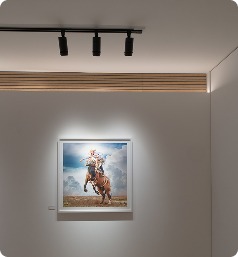
Professional setup strengthening visual presence without distraction
Choosing lights for illuminating paintings is one of the most impactful decisions you can make for displaying art. Whether in a gallery, museum, professional collection, or even a refined home, the right lighting transforms how paintings are seen and experienced — and the wrong lighting can undo hours of careful framing, curation, and placement.
Lighting a painting is not about making it bright. It is about making it honest, comfortable, accurate, and visually compelling.
This complete art gallery lighting guide explains what lights for illuminating paintings must do, why common solutions fail, and how professional LED lighting systems with controlled optics, CRI 97+ accuracy, and features like dimming, Zoom, Multi, and Deluxe solutions deliver consistent, museum-grade results.
What lights for illuminating paintings are meant to do
Focused lighting revealing true colour, texture, and depth of artwork
Lights for illuminating paintings are fundamentally different from general lighting.
Their core purposes are to:
• Reveal colour accurately
• Enhance surface texture
• Minimise glare and reflections
• Frame the artwork with precision
• Support comfortable and sustained viewing
• Protect the artwork from damage
If a light source only makes a painting visible, it has failed. The right light should make the artwork understandable and engaging.

4.9-star rated by art collectors and gallery professionals
Why illuminating paintings is more complex than it seems
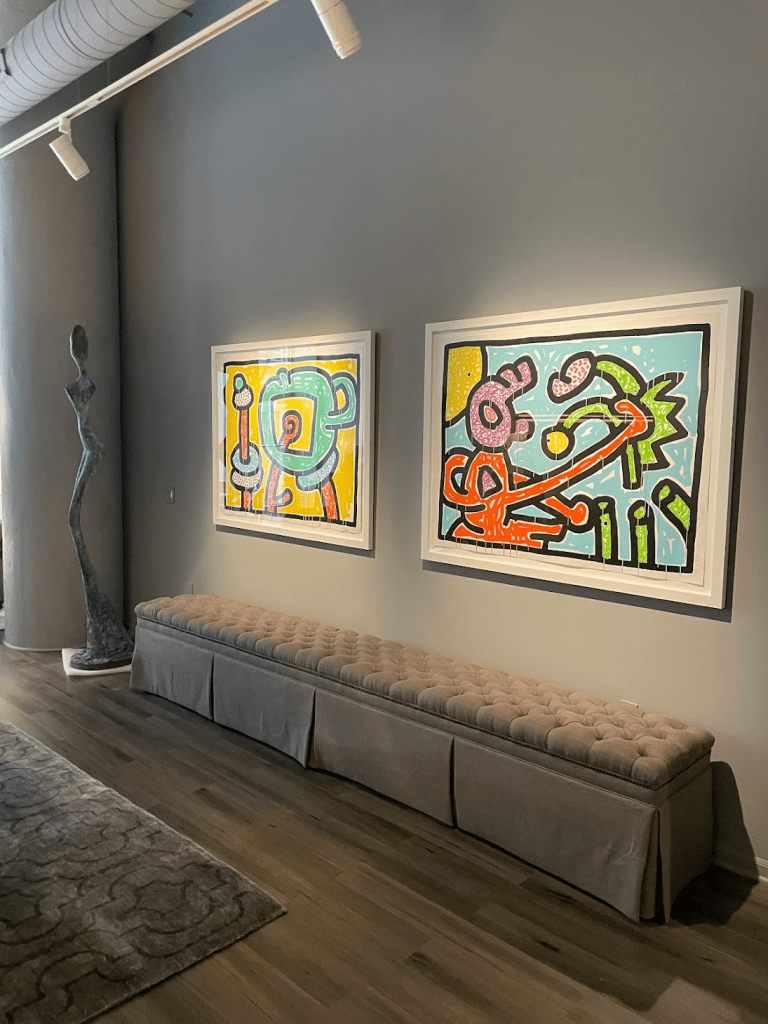
Light interacting with textured paint and glazing
Paintings are visually complex and multi-layered.
Light interacts with:
• Pigment thickness
• Brushwork relief
• Canvas or panel surface
• Varnish or glaze
• Framing and glazing (glass or acrylic)
Every surface responds differently to light, and poor lighting can flatten colours, exaggerate glare, or obscure detail. Lights for illuminating paintings must be chosen with these sensitivities in mind.
Modern LED: the standard for illuminating paintings

Stable output maintaining consistent colour performance
LED lighting has replaced traditional halogen and incandescent sources for good reasons:
Benefits of LED lighting for paintings:
• Low heat output — protects paint and surfaces
• No UV or IR radiation — safer for artwork longevity
• Long life and low maintenance — cost effective over years
• Precise optical design — tight beam control
• Excellent dimming capability — nuanced expression
However, not all LED lights are suitable for paintings. Only art-grade LED lighting delivers the precision and fidelity needed.
The critical role of colour accuracy — CRI 97+

High CRI lighting revealing authentic pigment relationships
When illuminating paintings, colour rendering is everything.
CRI (Colour Rendering Index) measures how faithfully a light source shows colour compared with natural light. For paintings, light sources should be CRI 97+.
Why CRI 97+ matters:
• Reveals true pigment relationships
• Keeps whites neutral
• Preserves subtle undertones
• Avoids colour distortion that undermines trust
Standard LED lighting (usually CRI 80–90) can make colours look washed out or altered — unacceptable for paintings.
Lights for illuminating paintings must prioritise CRI 97+ as the baseline, not an optional add-on.
Dimming: precision, not ambience

Smooth dimming balancing varied artwork sizes
Dimming is often misunderstood as an aesthetic tool. For paintings, dimming is a precision control.
Paintings vary widely in:
• Medium
• Surface reflectivity
• Glazing
• Viewer proximity
• Wall context
Smooth dimming allows you to:
• Balance light levels between small and large works
• Reduce glare on framed or varnished surfaces
• Adjust emphasis without moving fixtures
• Preserve sensitive works from overexposure
Good LED lights for illuminating paintings dim smoothly, without flicker, stepping, or colour shift. Anything less reduces perceived quality instantly.
Track lighting: the foundation for professional painting illumination

Clean ceiling layout maintaining architectural simplicity
The most versatile and controllable way to deploy lights for illuminating paintings is through track lighting.
Track lighting systems allow:
• Precise aiming of each light at the artwork
• Easy repositioning as paintings change
• Clean ceilings with minimal visual intrusion
• Flexible power distribution without rewiring
Because paintings and displays evolve over time, track lighting provides long-term adaptability without compromise, making it a core system for professional lighting for illuminating paintings.
However, track lighting is a system, not a single fixture. The quality of the fixtures on the track determines the final result.
Gallery-grade LED lights versus generic LED lights

Controlled optic creating defined beam edges
Generic LED lights may be energy efficient, but they lack the precision needed for painting illumination.
Common issues with generic LEDs:
• Wide, uncontrolled beam spread
• Harsh hotspots
• Poor dimming behaviour
• Sub-optimal colour accuracy
• Visible glare
In contrast, professional LED lights for paintings prioritise the qualities that define the best lights for paintings and artwork:
• Controlled beam optics
• Precise aiming mechanisms
• CRI 97+ LED sources
• Stable dimming performance
• Visual restraint (no glare, no distraction)
The difference is immediately noticeable on the wall.
Beam control: shaping the light
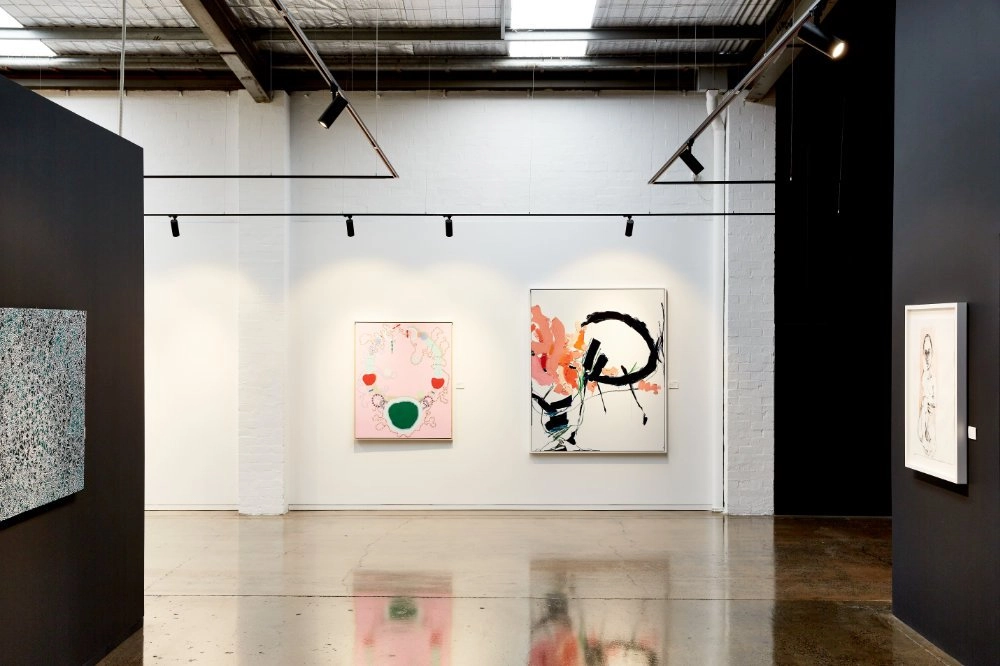
Focused illumination enhancing surface definition
Beam control is the essence of painting illumination and a defining principle of precision lighting for illuminating artwork.
Good beam design:
• Frames the artwork cleanly
• Prevents light spill onto adjacent work
• Enhances contrast and depth
• Reduces reflections on glass or varnish
Wide beams flatten artwork and reduce visual impact. Narrow, controlled beams provide presence and clarity.
Professional lights for illuminating paintings always prioritise optics over brightness.
Zoom lights for varying painting sizes

Wider coverage supporting larger statement paintings
Zoom lighting fixtures allow the beam angle to be adjusted without changing fixtures, making them one of the best lighting choices for paintings when collections contain artworks of different sizes.
Why Zoom matters:
• Single fixture adapts to many painting sizes
• Tight beam for small works
• Wider beam for larger paintings
• No need to swap fixtures constantly
Zoom lights are especially useful if you:
• Change exhibitions frequently
• Display a range of sizes
• Want a flexible, future-proof solution
With Zoom lighting, one fixture creates multiple effects without visual compromise.
Multi lighting for curated painting displays

Balanced brightness maintaining cohesive presentation
In professional installations, some paintings demand emphasis while others should recede.
Multi lighting systems allow:
• Different treatment within the same lighting language
• Subtle hierarchy between works
• Greater control without visual chaos
• Balanced environments with varied artwork
Multi systems are often used where curatorial intent requires nuance rather than uniform lighting, a common approach in gallery lighting for displaying paintings.
Deluxe lighting for flagship and high-value paintings

Balanced brightness maintaining cohesive presentation
Deluxe lighting systems represent the highest level of painting illumination.
Used where:
• Presentation quality must be impeccable
• Colour fidelity is non-negotiable
• Dimming performance is critical
• The lighting itself must visually disappear
Deluxe solutions combine:
• Superior optical precision
• CRI 97+ LED sources
• Best-in-class dimming
• Long-term stability
In flagship galleries, museums, and private collections, Deluxe is the standard.
Colour temperature: 3000K and when 2700K makes sense

Neutral 3000K preserving authentic colour balance
Colour temperature affects how a painting feels.
Most professionals use 3000K because it:
• Feels warm yet neutral
• Preserves colour accuracy
• Works across most painting styles
• Encourages comfortable viewing
Some master works or specific materials may benefit from 2700K when warmth enhances emotional presence. This decision should be intentional and context-driven.
Cooler temperatures (3500K+) tend to feel clinical and can flatten tonal nuance.
Avoiding glare when illuminating paintings

Controlled beam direction improving viewer comfort
Glare is the most common and noticeable problem when lighting paintings — especially framed works with glass or acrylic glazing.
Good fixture design and placement eliminate glare by:
• Controlling beam direction
• Avoiding direct reflection angles
• Using precision optics
• Allowing careful aiming per picture
When glare is properly managed, viewers can approach the painting comfortably and engage more deeply.
Placement and aiming: practical tips

Thirty degree intersection optimising balanced illumination
Even the best lights fail if poorly placed or aimed, which is why proper lighting techniques for paintings are just as important as the fixtures themselves.
Guidelines for illuminating paintings:
• Mount lights so beams intersect paintings at ~30° (adjust per context)
• Avoid aiming directly at glazed surfaces
• Test from multiple eye-level positions
• Adjust dimming during installation, not afterwards
• Use controlled optics to keep light where it belongs
Small adjustments in aiming can significantly improve perceived depth and reduce glare.
Consistency across walls and exhibitions

Balanced light levels connecting separate display areas
Professional lighting requires consistency.
Good systems ensure:
• Colour matching across fixtures
• Balanced illumination across walls
• Stable performance over time
• Repeatable results when paintings rotate
Inconsistent lighting undermines trust in the presentation and makes the experience feel accidental rather than curated.
Long-term thinking for painting illumination

Long life LED reducing maintenance requirements
Lights for illuminating paintings should be chosen once and designed to last.
A professional system allows:
• Years of use without replacement
• Easy adaptation as displays change
• Reduced maintenance
• Long-term visual consistency
Short-term lighting decisions often lead to long-term dissatisfaction.
Lights for Illuminating Paintings: How to Choose the Best Lighting for Artwork Display
Choosing the right lights for illuminating paintings is one of the most important decisions in presenting artwork. Whether in a gallery, museum, or private collection, lighting determines how a painting is perceived, understood, and appreciated. The right lighting reveals colour, texture, and depth, while poor lighting can flatten detail, distort tones, and create distracting reflections. Lighting a painting is not simply about brightness. It is about clarity, accuracy, and control. This guide explains how to select the best lights for paintings, how to position them correctly, and why professional lighting systems consistently outperform standard solutions.
Why Lights for Illuminating Paintings Matter
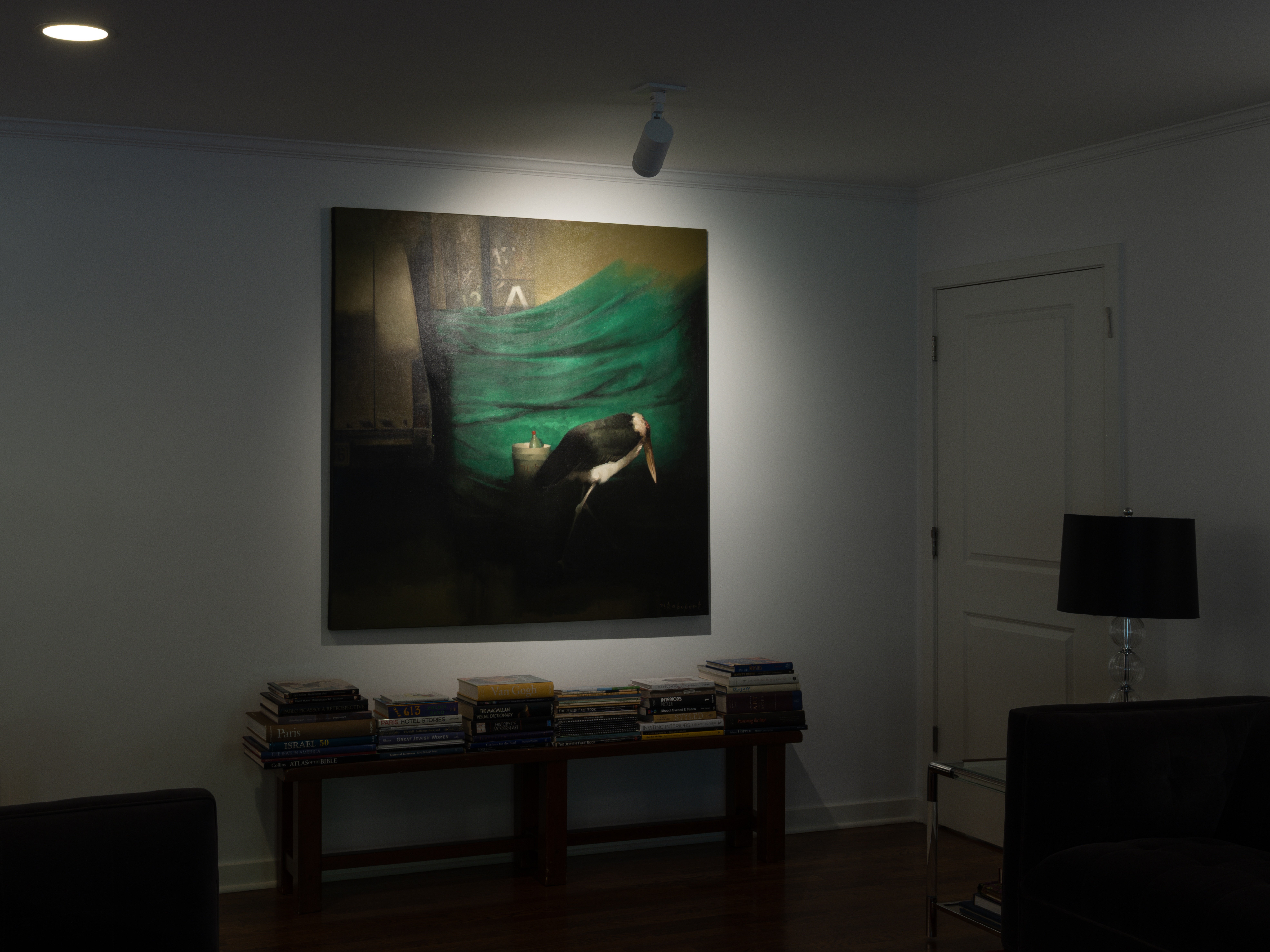
Light revealing brushstrokes and varnish detail without reflections or distortion
Paintings are complex, physical objects made up of layered pigments, brushstrokes, surface variations, and often varnish or glazing. Light interacts with all of these elements simultaneously. Effective lights for illuminating paintings must reveal true colour relationships, enhance surface texture and depth, minimise glare and reflections, and provide comfortable, even illumination. When lighting is poorly executed, colours appear muted, contrast is reduced, and viewers may struggle to engage with the artwork. This is why general room lighting is rarely sufficient. Dedicated lighting for paintings ensures that each piece is presented accurately and consistently.
What Makes the Best Lights for Paintings
Not all lighting is suitable for artwork. The best lights for paintings combine precision optics, high colour accuracy, and flexibility.
High Colour Accuracy (CRI 97+)
Colour rendering is the most critical factor when choosing lights for paintings. A light source must display colours as they truly are. CRI (Colour Rendering Index) measures how accurately colours are rendered compared to natural light. For artwork, lights should have a CRI of 97 or higher. This ensures true representation of pigments, neutral whites without colour distortion, and balanced warm and cool tones. Lower CRI lighting can alter the appearance of a painting, making colours appear dull or inaccurate. For serious artwork display, high CRI lighting is essential.
Controlled Beam Direction
Lights for illuminating paintings must be directed precisely. Uncontrolled or overly wide beams reduce contrast and create unwanted spill onto surrounding walls. Professional lighting for paintings provides defined beam angles, even coverage across the artwork, and clean edges that frame the painting. This level of control is especially important when displaying multiple artworks together.
Glare Reduction
Glare is one of the most common problems when lighting paintings, particularly those with glass or glossy varnish. To reduce glare, lights should be positioned at an angle (commonly around 30°), beam direction must be carefully controlled, and intensity should be adjustable. Well-designed lighting allows viewers to observe artwork comfortably from different positions without encountering reflections.
Smooth Dimming Control
Dimming is not just about mood. It is a practical tool for balancing lighting across different artworks. High-quality lights for paintings should dim smoothly without flicker, maintain consistent colour at all levels, and allow precise adjustment for each piece. Dimming enables fine control over brightness, helping to reduce glare and create visual balance within a display.
LED Lighting for Paintings
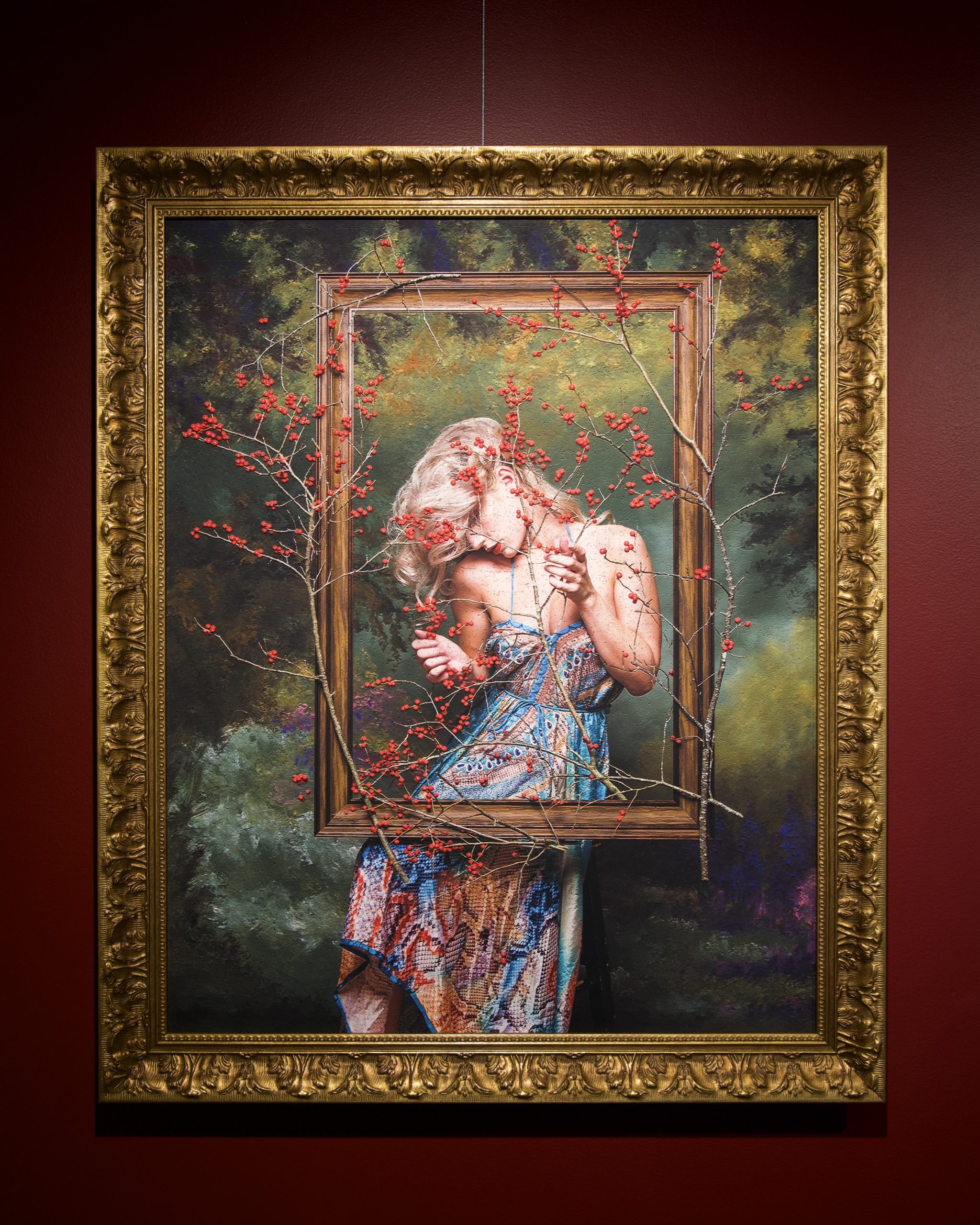
Energy efficient lighting system preserving artwork while maintaining visual clarity
LED technology has become the standard for illuminating paintings due to its performance and reliability. Benefits include low heat output that protects artwork, no UV or infrared radiation, long lifespan with minimal maintenance, energy efficiency, and precise optical control. However, not all LED lights for paintings are suitable. Many general-purpose LEDs lack the colour accuracy and beam precision required for artwork. Choosing art-specific LED lighting ensures consistent, high-quality results.
Track Lighting for Paintings
Track lighting is one of the most effective ways to use lights for illuminating paintings. It provides flexibility and precision, making it ideal for both professional and residential settings. Advantages include adjustable positioning for each light, easy repositioning as artwork changes, a clean and minimal ceiling appearance, and independent control for each painting. Track lighting allows you to adapt lighting as collections evolve, ensuring long-term usability without compromising quality.
Types of Lights for Paintings

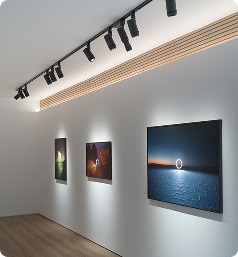
Gallery lighting setup using multiple fixture types for balanced presentation
Different lighting approaches can be used depending on the environment and the nature of the artwork.
Adjustable Track Lights
These are the most common lights for paintings in galleries and museums. They allow precise aiming and consistent performance, making them ideal for professional installations.
Zoom Lights
Zoom lights offer adjustable beam angles, allowing one fixture to accommodate paintings of different sizes. They are particularly useful when artwork sizes vary, displays change frequently, and flexibility is required. This reduces the need for multiple fixture types while maintaining consistent lighting quality.
Multi Lighting Systems
Multi lighting systems provide varied lighting treatments within the same space. They allow emphasis on focal artworks, balanced lighting across multiple pieces, and a subtle visual hierarchy. This approach is commonly used in curated exhibitions where not all artworks are intended to receive equal attention.
High-Performance Lighting Systems
Premium lighting systems offer the highest level of optical precision and consistency. These are used in environments where presentation quality is critical. They provide exceptional colour accuracy, advanced glare control, and stable performance over time. For high-value collections, investing in professional lighting systems ensures that artwork is presented at its best.
Colour Temperature for Lighting Paintings
Colour temperature plays a key role in how artwork is perceived. Most lighting for paintings uses 3000K because it feels warm yet neutral, preserves colour accuracy, and works across a wide range of styles. In some cases, 2700K may be used to enhance warmth, particularly for traditional or classical works. Cooler temperatures (3500K and above) are generally avoided, as they can make artwork appear flat or overly clinical.
How to Light a Painting Properly
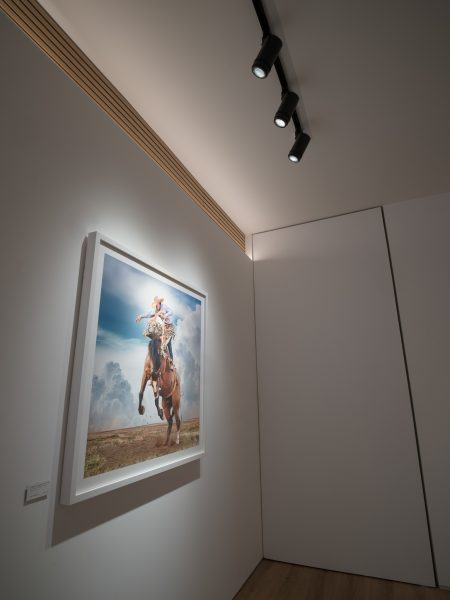
Balanced lighting setup tested from multiple viewing angles for clarity
Understanding how to light a painting correctly ensures the best possible presentation. Choose high-quality LED lights for paintings, position lights at an angle (around 30°), adjust beam spread to match the artwork size, use dimming to balance brightness, and test from multiple viewing angles. Following these steps helps achieve even illumination, accurate colour, and minimal glare.
Lighting for Paintings on Wall Displays
Lighting for paintings on wall installations requires careful consideration of spacing and alignment. Key principles include even distribution of light across the wall, consistent brightness between artworks, proper spacing between fixtures, and avoiding overlap or gaps in illumination. Wall-mounted displays benefit greatly from adjustable lighting systems that can be fine-tuned as needed.
Common Mistakes When Illuminating Paintings
Many lighting setups fail due to avoidable errors. Common mistakes include using standard ceiling lighting instead of dedicated lights for paintings, choosing low CRI light sources, over-lighting which reduces contrast, ignoring glare and reflections, and using fixed, non-adjustable fixtures. Avoiding these mistakes significantly improves the visual quality of artwork.
Lighting for Different Painting Sizes

Wide beam lighting covering large painting evenly without dark edges
Small paintings benefit from narrower beams and precise focus, while large paintings require wider beams or multiple lights to ensure even coverage across the surface. Adapting lighting to the size of the artwork ensures consistent and balanced presentation.
Why Professional Lighting Makes a Difference
Professional lights for illuminating paintings are designed specifically for artwork display. They provide consistency, accuracy, and flexibility that generic lighting cannot match. Benefits include reliable colour accuracy, stable long-term performance, adaptability for changing displays, and an improved viewer experience. Lighting directly influences how artwork is perceived, making quality lighting a critical investment.
Advanced Considerations for Illuminating Paintings

Consistent lighting maintaining harmony across curated gallery wall arrangement
Beyond the fundamentals, high-quality lighting for paintings involves subtle refinements that elevate presentation from good to exceptional. Small adjustments in angle, intensity, and beam shape can significantly influence how a painting is perceived, especially in environments where multiple works are displayed together.
One important consideration is visual balance. When illuminating several paintings on the same wall, each piece should feel equally considered, even if some are intended to stand out more than others. This requires careful control of brightness levels and beam spread so that no single artwork appears unintentionally overpowered or neglected.
Another key factor is viewing distance. Lights for illuminating paintings should be adjusted based on how close viewers will typically stand. In intimate spaces, softer and more controlled lighting creates a comfortable experience, while larger spaces may require slightly stronger illumination to maintain presence from a distance.
Surface sensitivity also plays a role. Highly textured paintings, such as those with thick brushwork, can benefit from slightly angled lighting that enhances shadows and depth. In contrast, smoother or heavily glazed works require more careful positioning to avoid reflections and maintain clarity.
Consistency is equally important. Variations in colour temperature or intensity between fixtures can disrupt the visual harmony of a display. Ensuring that all lights for paintings operate with the same specifications helps create a cohesive and professional presentation.
Ultimately, refining lighting for paintings is about precision rather than excess. The goal is not to make the artwork brighter, but to make it clearer, more natural, and more engaging for the viewer.

Final Thoughts on Lights for Illuminating Paintings
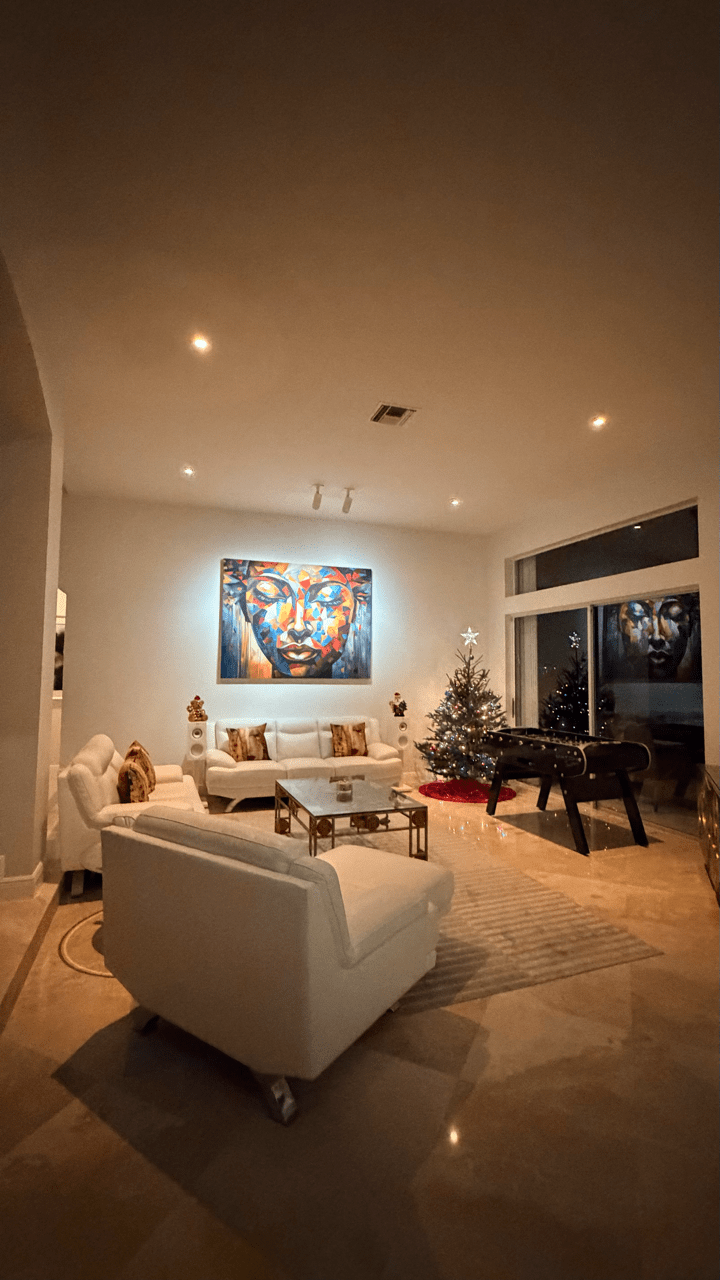
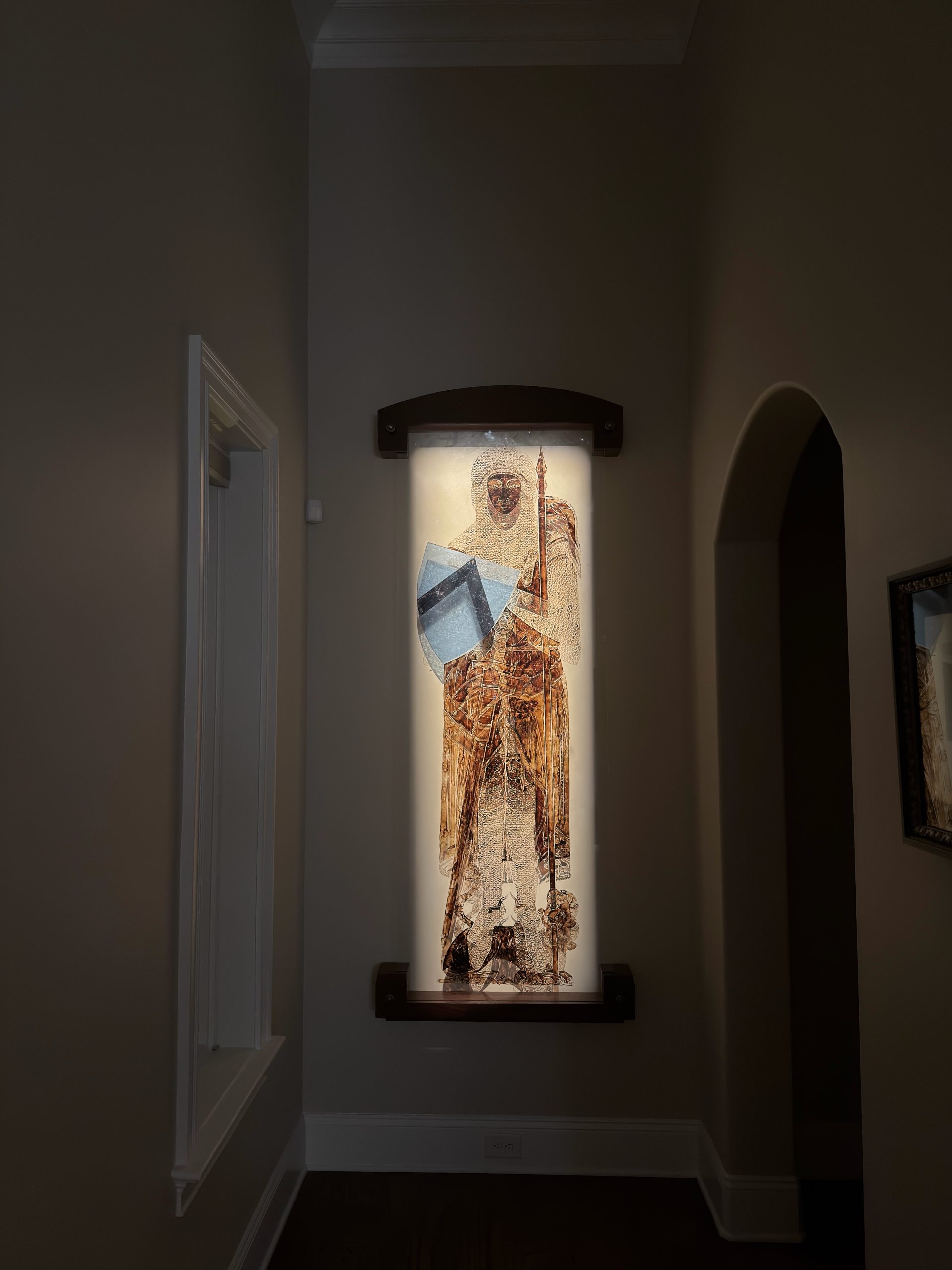
Well lit artwork appearing natural with balanced colour and minimal glare
Lights for illuminating paintings are more than functional tools. They are essential to how artwork is experienced. When lighting is done correctly, colours appear accurate, texture and detail are revealed, glare is minimised, and viewers engage more deeply. The best lighting does not draw attention to itself but allows the artwork to stand out naturally and confidently. Whether lighting a single piece or an entire collection, choosing the right lights ensures that every painting is seen at its full potential.
Frequently Asked Questions
Lights for illuminating paintings
What are the best lights for illuminating paintings?
The best lights for illuminating paintings are LED fixtures with CRI 97+ colour accuracy, smooth, stable dimming, and controlled optics, often deployed on track lighting systems for maximum flexibility and precision.
Why use LED lights for paintings?
LED lights provide low heat, no UV/IR radiation, precise optical control, stable colour, excellent dimming, and long life — making them ideal for painting illumination.
What does CRI 97+ mean and why does it matter?
CRI 97+ indicates exceptional colour fidelity. In painting illumination, accurate colour rendering preserves pigment relationships, tonal nuance, and visual trust.
Do lights for paintings need to be dimmable?
Yes. Dimming allows balanced illumination, glare reduction, protection for sensitive works, and nuanced emphasis without changing fixtures.
What colour temperature is best for painting lighting?
Most professionals use 3000K. 2700K may be used selectively when warmth enhances emotional presence, but must be applied intentionally.
Is track lighting the best way to illuminate paintings?
Track lighting is preferred because it allows precise aiming, flexibility as artwork changes, and clean integration into architecture.
How do you avoid glare when lighting paintings?
Glare is avoided by using controlled optics, careful aiming, appropriate fixture placement, and stable dimming.
Final perspective on lights for illuminating paintings

Professional illumination strengthening overall presentation quality
Lights for illuminating paintings are not decorative accessories.
They are precision tools that reveal artwork honestly, comfortably, and beautifully.
When done correctly:
• Colours are accurate
• Texture and depth are visible
• Glare disappears
• Viewers engage more deeply
• Painters, curators, and collectors feel confident
This is the difference between casual lighting and professional illumination.
Why professionals choose Banno Lighting
Banno Lighting is chosen because we understand lights for illuminating paintings at the highest level.
We provide:
• Expert lighting guidance
• Professional lighting plans
• LED track lighting systems
• Zoom, Multi, and Deluxe solutions
• CRI 97+ colour accuracy
• Smooth, stable dimming
• Long-term support
If you want lights that reveal your paintings with clarity and respect, professional systems and guidance are essential.
You’re working with dedicated art lighting experts