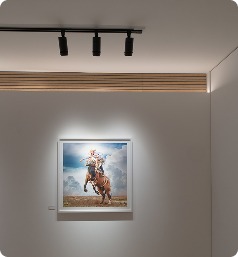
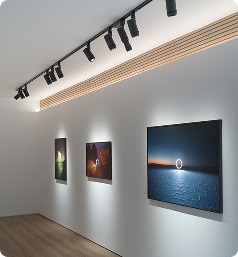
Adjustable ceiling track lights illuminating modern creative studio workspace
Studio track lighting is one of the most effective and flexible lighting solutions for creative environments where precision, adaptability, and visual clarity are essential. Whether in an art studio, photography studio, recording studio, or design workspace, a properly designed studio track lighting system allows complete control over how light interacts with the subject, artwork, or environment.
Unlike fixed ceiling lights, studio rail lighting systems allow fixtures to be repositioned, adjusted, and refined as the studio setup evolves. This makes them ideal for dynamic spaces where lighting requirements change frequently.
What Studio Track Lighting Actually Means
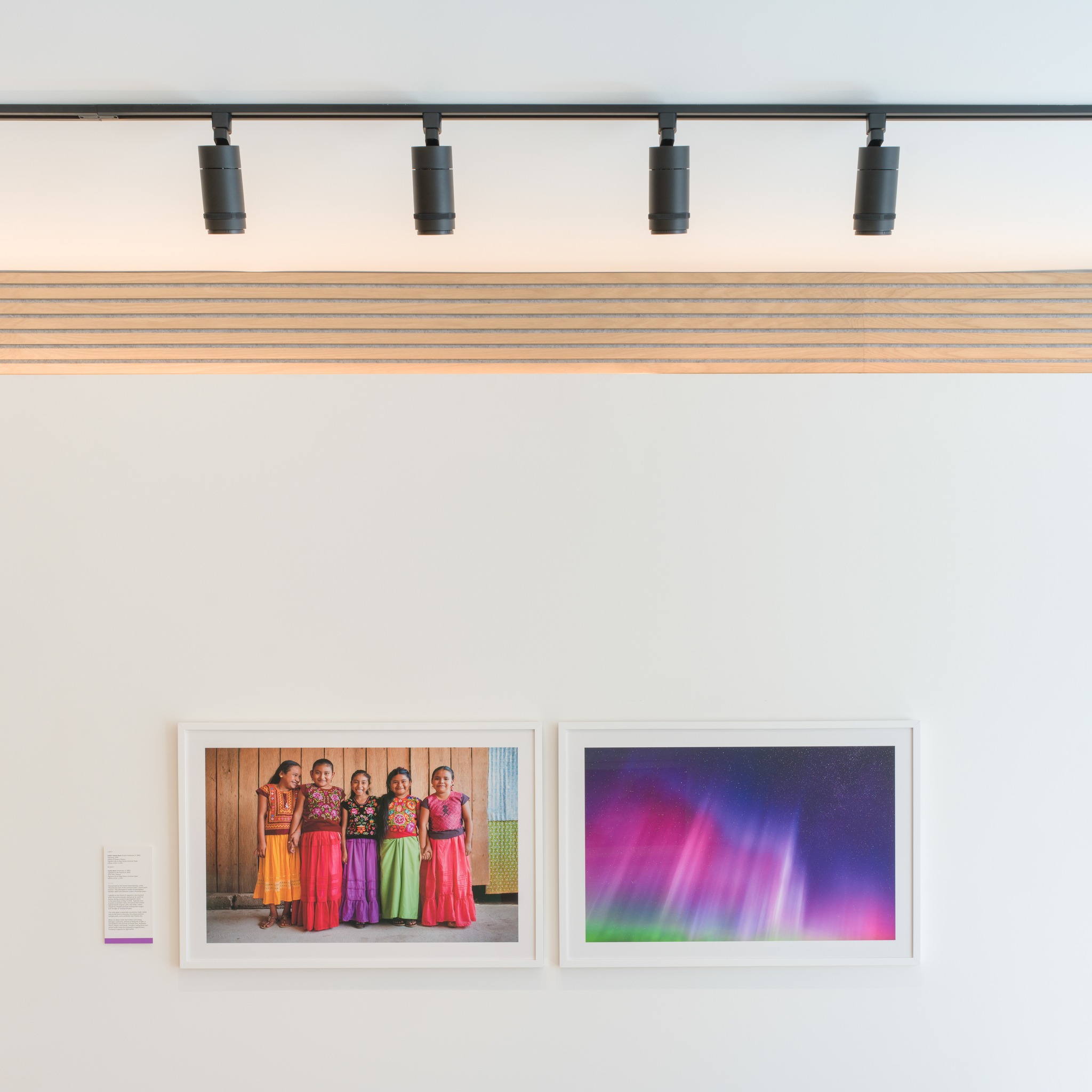
Ceiling-mounted rail system with movable lighting heads
Studio track lighting refers to a ceiling-mounted rail system that carries multiple adjustable light heads. These heads can be moved along the track, rotated, and focused to illuminate specific areas with precision.
Core components of a studio track lighting system include:
- Track rail (studio rail system)
- Adjustable track light heads
- Power feed connection
- Mounting hardware
- Optical lighting heads (spot, flood, zoom)
This modular design is why track lighting for studio environments is considered superior to traditional fixed lighting.

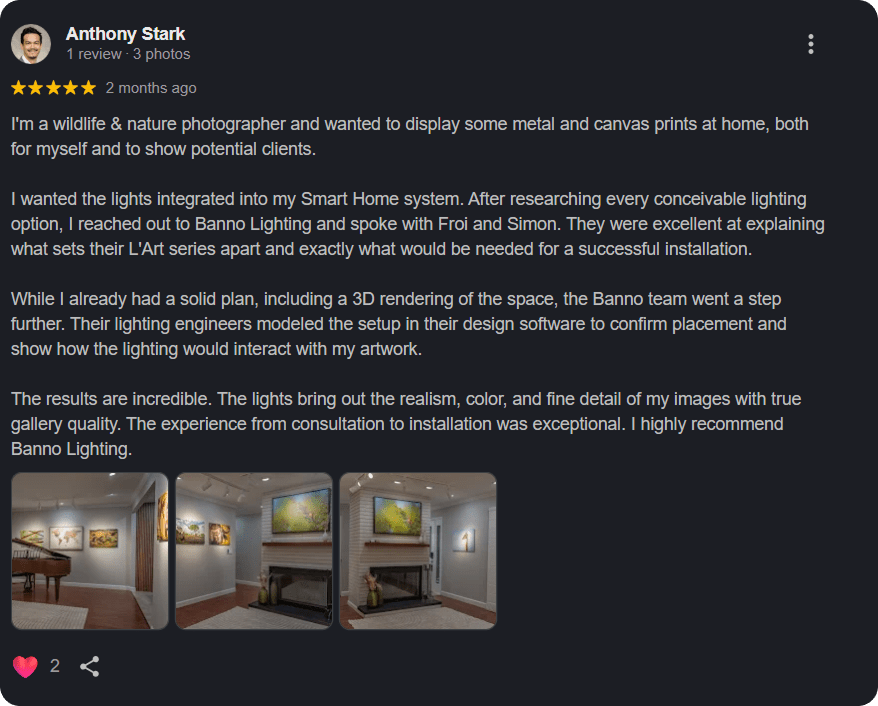
4.9-Star Google Review for Our Art Lighting Solutions
Studio Track Lighting Systems vs Standard Studio Lighting Setup

Precision beam control replacing flat overhead illumination
Many studios rely on basic overhead lighting, but this creates flat illumination that lacks depth and control. In contrast, studio track lighting systems provide layered lighting that can be directed exactly where needed.
Standard Studio Lighting:
- Fixed ceiling lights
- Limited directional control
- Uneven shadow distribution
- Poor artwork visibility
Studio Track Lighting:
- Adjustable beam direction
- Scalable rail lighting layout
- Precision illumination zones
- Professional visual clarity
For art studios and creative workspaces, this difference dramatically impacts how colours, textures, and details are perceived.
Art Studio Track Lighting for Artists and Creators

Adjustable lighting heads positioned over canvas surfaces
Art studio track lighting is specifically designed to support painters, illustrators, sculptors, and visual artists who require accurate lighting to evaluate their work. Lighting consistency is critical in an artist studio because poor lighting can distort colour perception and surface detail.
Benefits of track lighting for art studio environments:
- High CRI lighting for colour accuracy
- Adjustable heads for easels and work tables
- Even illumination across canvases
- Reduced shadow interference
Artist studio track lighting is often installed above easels, workbenches, and display walls to create a controlled lighting environment.
LED Track Lighting for Art Studio Precision

Dimmable LED track heads providing stable colour output
LED track lighting for art studio applications has become the industry standard due to its stability, energy efficiency, and conservation-friendly output. Unlike traditional bulbs, LED track lighting produces minimal heat and UV, making it safer for artwork and long working hours.
Advantages of LED studio track lighting:
- Stable colour temperature
- Low heat emission
- Long lifespan
- Dimmable control
- Conservation-safe illumination
This is especially important when lighting paintings, drawings, and mixed media artworks.
Studio Rail Lighting System and Ceiling Rail Integration

Sliding light heads along architectural ceiling track
A studio rail lighting system provides the structural backbone of professional studio lighting. Ceiling track rails allow multiple fixtures to be distributed across the studio space while maintaining a clean architectural aesthetic.
Studio lighting ceiling rail systems are commonly used in:
- Art studios
- Photography studios
- Recording studios
- Dance studios
- Design studios
Because the rail allows lights to slide and reposition, the lighting layout can evolve as the studio workflow changes.
How Track Lighting Works in Studio Environments
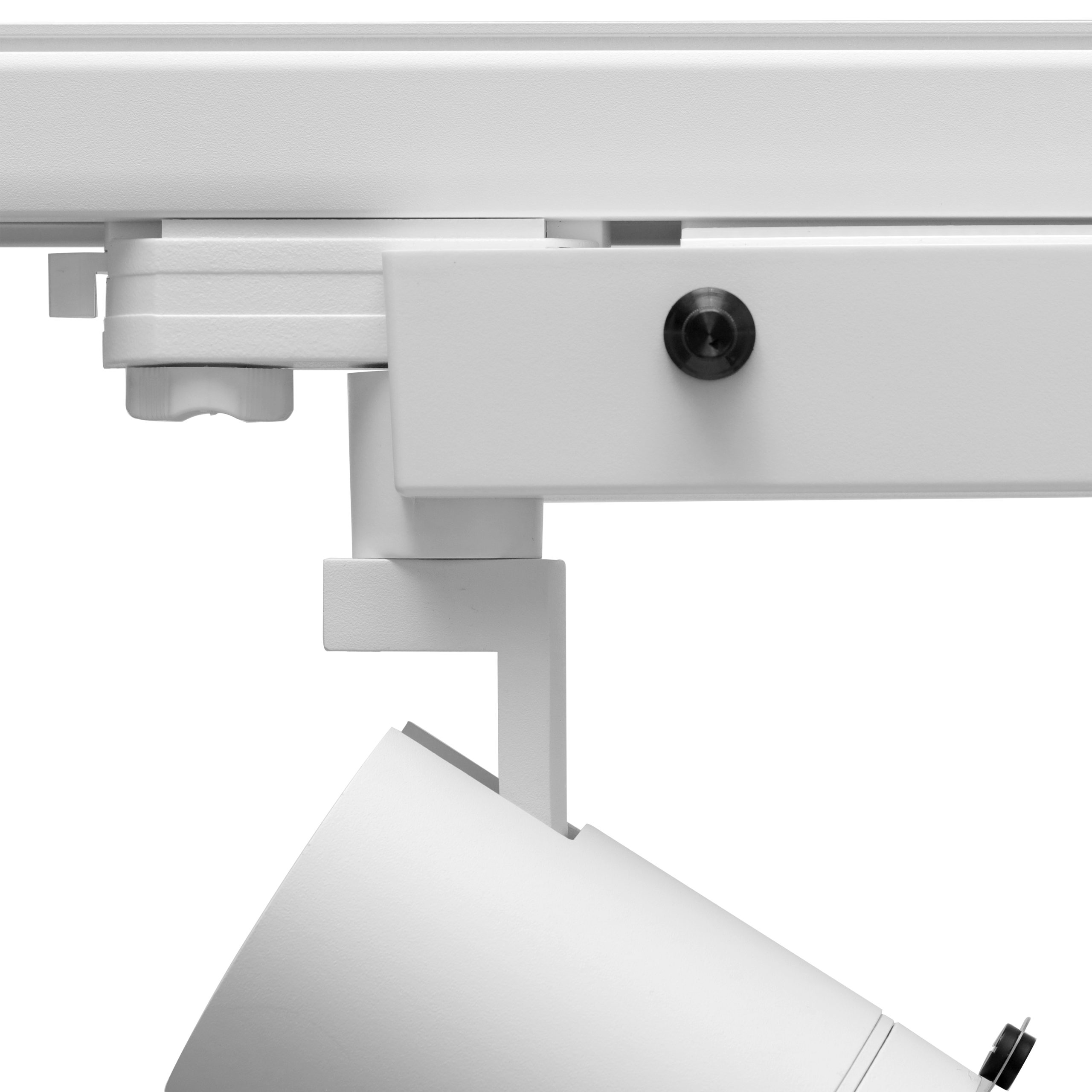
Adjustable beam angle targeting creative work zone
Understanding how track lighting works is essential when designing a studio lighting setup. Track systems distribute electrical power along the rail, allowing each track light head to receive power independently while being movable along the track.
Key operational features:
- Lights clip into the track rail
- Fixtures can be repositioned without rewiring
- Beam direction is fully adjustable
- Multiple lighting zones can be created
This flexibility is why track lighting in studio spaces is considered a long-term scalable lighting solution.
Track Lighting for Photography Studio Applications

Focused rail lighting highlighting product photography setup
Track lighting for photography studio environments provides controlled accent lighting that complements softboxes and key lights. While traditional studio lighting setup examples rely on large light rigs, ceiling track lighting studio systems add precision accent and background illumination.
Use cases in photography studios:
- Background wall lighting
- Artwork and product highlighting
- Accent lighting for subjects
- Controlled fill lighting
This layered lighting approach improves depth, contrast, and professional visual output.
Recording Studio Track Lighting and Acoustic-Friendly Design
Recording studio track lighting is often selected because it can be installed without bulky floor fixtures that interfere with equipment and acoustics. Ceiling-mounted studio track light systems maintain clean floor space while providing adjustable illumination.
Advantages in music and recording studios:
- Minimal floor obstruction
- Focused lighting zones
- Adjustable brightness for mood control
- Sleek architectural integration
Track lighting for recording studio environments also allows dimmed ambient lighting during sessions.
Dance Studio and Pilates Studio Track Lighting
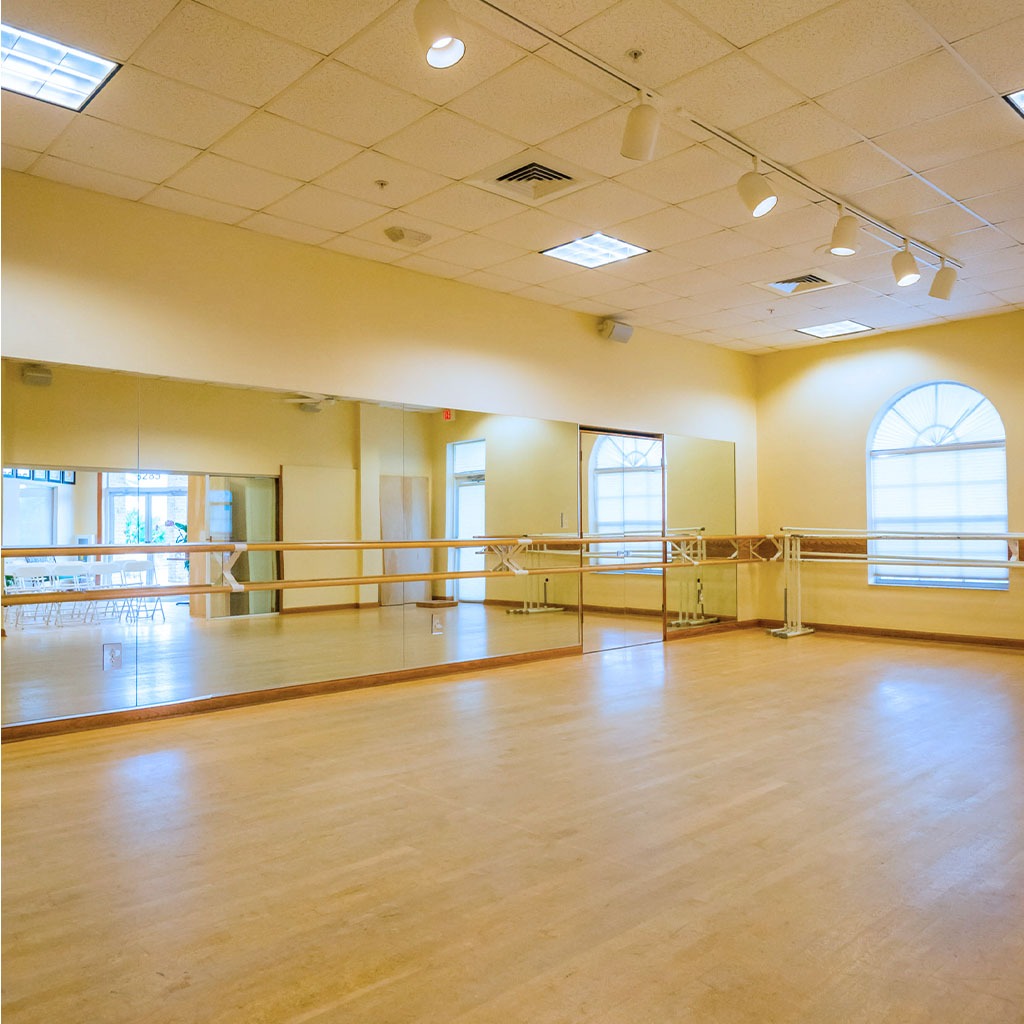
Even ceiling rail lighting over open dance floor
Dance studio track lighting and track lighting for pilates studio spaces require evenly distributed illumination across large open floors. Track systems allow multiple light heads to be angled downward for uniform lighting without harsh glare.
Benefits include:
- Wide beam coverage
- Reduced shadowing on floors
- Balanced lighting across mirrors and walls
- Flexible repositioning for choreography setups
This makes studio rail lighting an ideal solution for movement-based environments.
Best Track Lighting for Art Studio: What Actually Matters

Dimmable rail lighting with consistent colour temperature
When selecting the best track lighting for art studio environments, the focus should be on optical quality rather than just brightness.
Key specifications to prioritise:
- CRI 95+ for colour accuracy
- Adjustable beam angles
- Flicker-free output
- Dimmable control
- Consistent colour temperature
Professional studio track lighting should enhance visual clarity, not overpower the artwork with excessive brightness.
Studio Track Lighting Positions and Layout Strategy

Multiple light heads creating balanced illumination zones
Proper studio lighting positions determine how effectively track lighting performs. Poor placement can create shadows, glare, and uneven illumination.
Recommended layout guidelines:
- Place track lighting parallel to work surfaces
- Angle lights at 30 degrees toward artwork
- Avoid direct overhead glare
- Use multiple light heads instead of one strong fixture
This creates a balanced studio lighting setup that supports long working sessions.
Ceiling Track Lighting Studio for Modern Creative Spaces
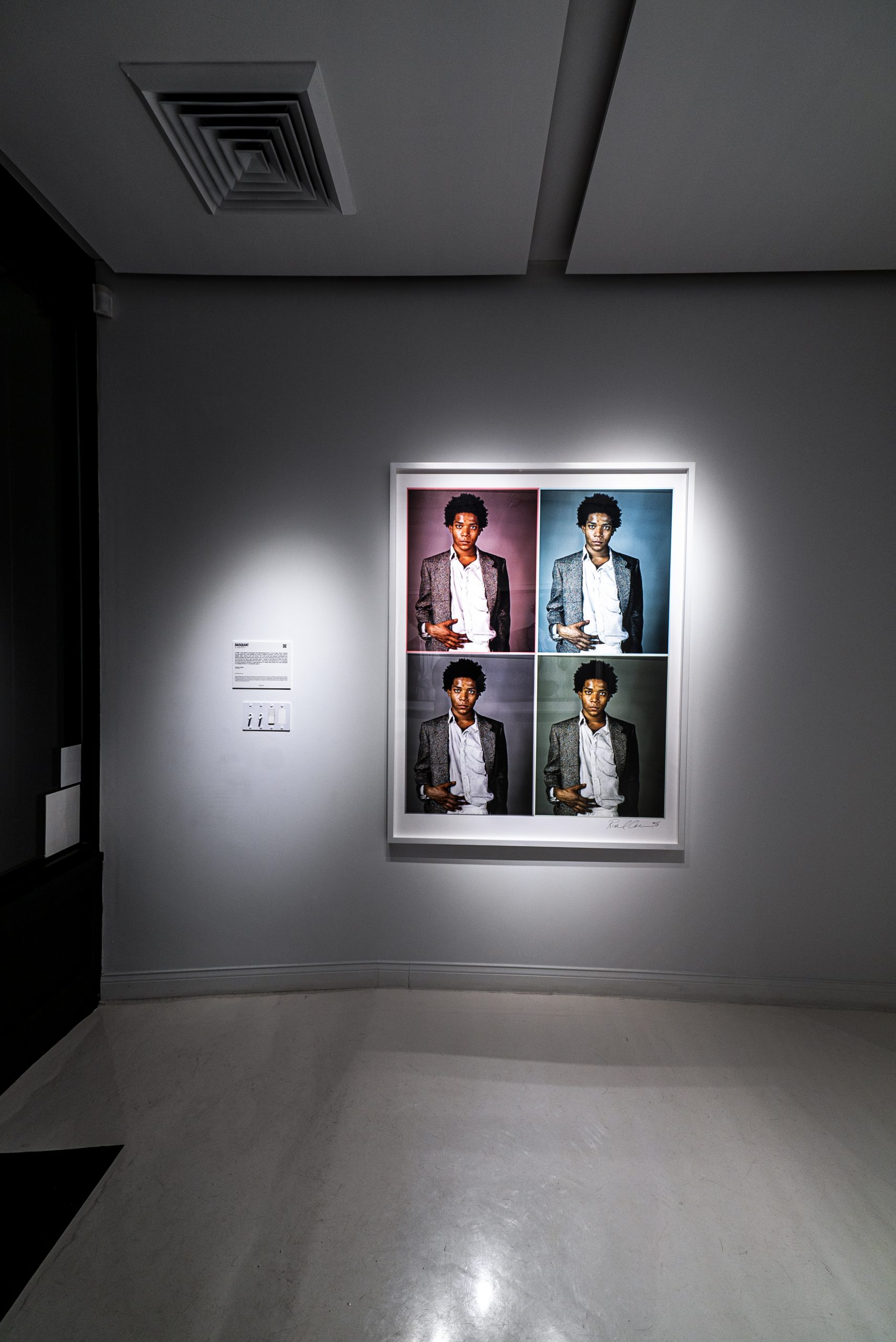
Gallery-style ceiling track system highlighting display walls
Ceiling track lighting studio installations are becoming standard in modern creative architecture due to their minimalist appearance and high functionality. Unlike bulky lighting rigs, ceiling track systems provide a clean and professional visual environment.
Ideal for:
- Contemporary art studios
- Design studios
- Creative workspaces
- Exhibition studios
- Multi-use studio environments
They also pair well with gallery-style lighting setups when artwork is displayed on walls.
Types of Studio Lighting Setup Using Track Systems

Primary task lighting over workspace
There are several types of studio lighting setup configurations that incorporate track lighting:
Primary Task Lighting
Focused lighting over work areas such as easels or desks.
Accent Lighting
Directed lighting for showcasing artwork or focal pieces.
Ambient Track Lighting
General studio illumination using wider beam heads.
Layered Studio Lighting
Combination of track lights, spotlights, and ambient ceiling lighting for professional-grade control.
Studio Track Lighting for Multi-Purpose Creative Studios

Narrow and medium beam heads on ceiling rail
Many modern studios are hybrid spaces used for painting, filming, designing, and displaying artwork. A studio rail system allows one lighting infrastructure to serve multiple purposes.
For example:
- Narrow beam lights for painting detail
- Medium beam for general studio work
- Adjustable spotlights for display walls
This adaptability makes track lighting for artist studio environments extremely cost-effective long-term.
Is Track Lighting Universal in Studio Design?

Scalable ceiling rail system for long-term expansion
A common question is whether track lighting is universal. The answer is that while many track systems follow similar standards (such as H-track), compatibility can vary between manufacturers. However, professional studio track lighting systems are designed for scalability and long-term flexibility.
It is always recommended to use a consistent studio rail lighting system to ensure fixture compatibility and optimal performance.
When to Use Track Lighting in a Studio

Precision track lights repositioned for new artwork
Track lighting should be used in studios where:
- Lighting needs to adapt frequently
- Artwork is regularly repositioned
- Precision illumination is required
- Clean architectural aesthetics are preferred
- Multiple lighting zones are necessary
In contrast, fixed lighting is better suited only for static environments with no layout changes.
Studio Track Lighting and Professional Art Lighting Systems

Zoom lighting head focusing on detailed canvas
For high-end art studios, combining studio track lighting with precision art lighting fixtures such as Zoom, Multi, and Deluxe lighting heads creates a museum-grade studio environment. This allows artists to both create and display artwork under professional lighting conditions.
Zoom heads provide pinpoint focus for detailed artwork.
Multi heads deliver even illumination across larger canvases.
Deluxe lighting systems offer premium colour rendering and refined optical control for professional studios.
This hybrid system transforms a standard studio into a gallery-level creative workspace.
Final Perspective on Studio Track Lighting

Gallery-grade track lighting transforming modern studio environments
Studio track lighting is not just a lighting choice. It is a foundational infrastructure for any serious creative environment. Whether installed in an art studio, photography studio, recording studio, or design workspace, a well-planned studio track lighting system provides unmatched flexibility, visual accuracy, and long-term scalability.
By integrating studio rail lighting, adjustable track heads, and high-quality optical fixtures, studios can achieve professional-grade lighting conditions that support creativity, precision, and high-quality artistic output without the limitations of traditional fixed lighting systems.
Advanced Considerations for Studio Track Lighting Performance and Long-Term Use

Energy efficient LED studio lighting for extended use
When designing a studio track lighting setup, most people focus only on brightness, but professionals understand that beam control, colour accuracy, and adaptability are far more important than raw lumen output. In creative environments, lighting must support concentration, visual judgement, and long working hours without causing fatigue or colour distortion.
One of the biggest advantages of studio track lighting systems is long-term flexibility. Studios evolve. Easels move. Workstations change. Displays rotate. A fixed lighting system becomes restrictive over time, whereas a studio rail lighting system allows you to reposition light heads instantly without electrical modifications.
This is especially valuable in artist studio track lighting layouts where different artworks require different lighting angles. Large canvases need wider beam spreads, while detailed pieces require narrow beam focus. With adjustable track lighting for art studio environments, one system can handle both needs efficiently.
Another critical factor is colour temperature consistency. Many studios use mixed lighting sources, which leads to uneven visual perception. Professional ceiling track lighting studio systems should maintain a consistent colour temperature, typically between 3000K and 4000K, to provide neutral, true-to-life illumination for artwork and creative work.
Glare control is also essential. Poorly positioned studio track light heads can create reflective hotspots on canvases, glossy artwork, or digital screens. Proper angling and beam selection ensure that lighting enhances visibility rather than distracting from the work.
From a workflow perspective, track lighting for studio environments also improves productivity. Instead of adjusting lamps or moving equipment, lighting can be repositioned in seconds. This is why many professional art studios, photography studios, and design studios rely on track lighting as their primary lighting infrastructure rather than secondary lighting.
Energy efficiency is another major benefit of modern LED track lighting for art studio applications. Compared to traditional halogen or fluorescent systems, LED track lighting consumes significantly less power while delivering superior optical performance and longer lifespan. This makes it ideal for studios that operate for extended hours daily.
Scalability should also be considered. A studio lighting ceiling rail system can start small and expand as the studio grows. Additional tracks and light heads can be added without redesigning the entire lighting layout. This modular expansion is one of the key reasons studio rail systems are preferred in professional creative spaces.
Finally, studio track lighting contributes to the overall aesthetic of the workspace. Clean ceiling-mounted tracks create a modern, professional environment that aligns with gallery and museum lighting standards. This is particularly valuable for studios that double as client presentation spaces or private galleries where artwork must be displayed under high-quality lighting conditions.

30 FAQ – Studio Track Lighting
1. What is studio track lighting?
Studio track lighting is a ceiling-mounted rail lighting system with adjustable light heads designed for flexible and precise illumination in creative spaces.
2. Is track lighting good for an art studio?
Yes, track lighting for art studio environments provides adjustable, accurate lighting that enhances colour perception and artwork visibility.
3. How does track lighting work in a studio?
Track lighting works by distributing power through a rail system that allows movable light heads to be positioned and angled as needed.
4. What is the best track lighting for art studio use?
The best track lighting for art studio use includes high CRI LED fixtures, adjustable beam angles, and stable colour temperature.
5. What colour temperature is best for studio lighting?
Neutral white between 3000K and 4000K is ideal for most studio lighting setups because it preserves true colour accuracy.
6. Can track lighting replace traditional studio lights?
Yes, in many cases studio track lighting systems can replace fixed ceiling lights and provide more flexibility and control.
7. Is LED track lighting better for studios?
Yes, LED track lighting offers energy efficiency, low heat output, and long lifespan, making it ideal for studio environments.
8. Where should track lights be positioned in a studio?
Track lights should be positioned at angles toward work areas, easels, and display walls rather than directly overhead.
9. What is a studio rail lighting system?
A studio rail lighting system is a modular ceiling track that holds multiple adjustable lighting fixtures.
10. Is ceiling track lighting suitable for photography studios?
Yes, ceiling track lighting studio setups are excellent for background lighting and controlled accent illumination.
11. How many track lights does a studio need?
This depends on studio size, but most creative studios use multiple adjustable heads for layered lighting coverage.
12. Does track lighting create glare on artwork?
It can if installed incorrectly, but proper angling and beam control eliminate glare issues.
13. Can studio track lighting be dimmed?
Yes, many professional track lighting systems are fully dimmable for lighting control.
14. Is track lighting flexible for changing studio layouts?
Yes, flexibility is one of the main advantages of studio track lighting systems.
15. What beam angle is best for art studio lighting?
Narrow beams for detailed work and medium beams for general studio illumination work best.
16. Is track lighting energy efficient?
Modern LED studio track lighting is highly energy efficient compared to older lighting technologies.
17. Can track lighting be used in recording studios?
Yes, recording studio track lighting keeps floors clear and provides adjustable ambient lighting.
18. Is track lighting good for small studios?
Yes, track lighting maximises lighting control even in compact creative spaces.
19. How long do LED track lights last in studios?
High-quality LED track lights can last 30,000 to 50,000 hours depending on usage.
20. Can track lighting highlight artwork in a studio?
Yes, it is one of the most effective ways to highlight artwork with precision.
21. Is track lighting better than recessed lighting for studios?
Track lighting is more flexible and adjustable than recessed lighting for creative workspaces.
22. Can I expand a studio track lighting system later?
Yes, additional tracks and light heads can be added easily due to modular design.
23. What CRI should studio lighting have?
A CRI of 90+ or higher is recommended for accurate colour rendering in studios.
24. Does studio track lighting produce heat?
LED track lighting produces minimal heat, making it safe for long studio sessions.
25. Can track lighting be used for display walls?
Yes, track lighting is ideal for illuminating studio display walls and artworks.
26. Is track lighting suitable for artist studios?
Yes, artist studio track lighting provides precision and consistency for creative work.
27. What ceiling height is best for track lighting?
Standard studio ceiling heights work well, but higher ceilings may require stronger beam control.
28. Can track lighting support gallery-style lighting in a studio?
Yes, many studios use gallery-style track lighting to display finished artworks professionally.
29. Is installation complex for studio track lighting?
Installation is relatively straightforward compared to large studio lighting rigs.
30. Why do professional studios prefer track lighting systems?
Because they offer precision control, flexibility, scalability, and consistent lighting quality for creative work.
What Our Clients Say About Our Gallery Lighting