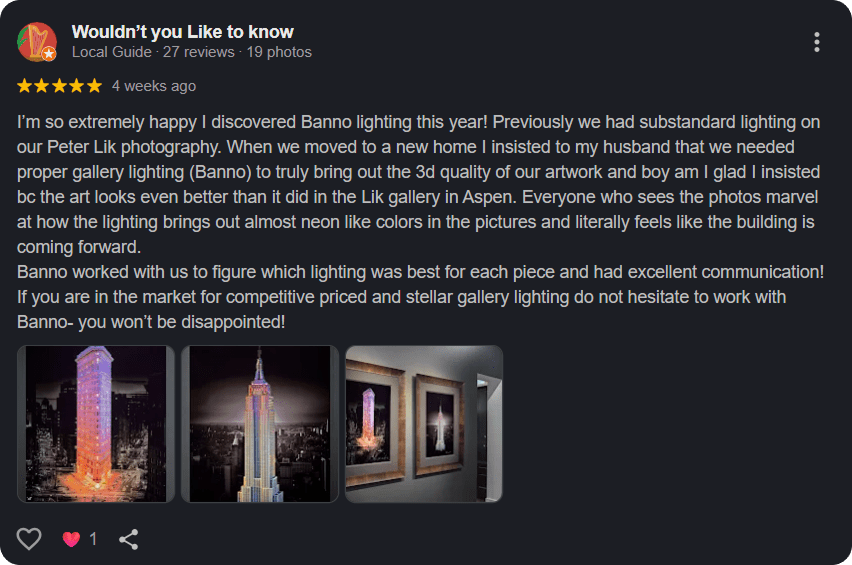
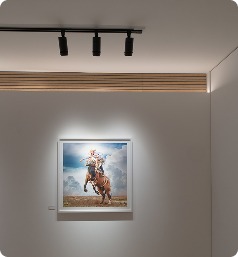
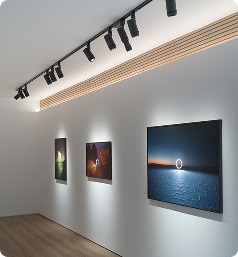
Professional exhibition lighting system enhancing artwork colour accuracy
Art display lights are one of the most overlooked yet powerful factors in how artwork is perceived, valued, and emotionally experienced. Whether you are a collector, gallery owner, interior designer, or museum curator, the right art display lighting can dramatically enhance colour accuracy, depth, texture, and visual impact.
Poor lighting can flatten a masterpiece.
Precision lighting can make it come alive.
In this comprehensive guide, we will cover everything you need to know about art display lights, including wall art display lights, battery operated art display lights, gallery lighting, and the best lighting techniques used in museums and high-end exhibitions.
What Are Art Display Lights?
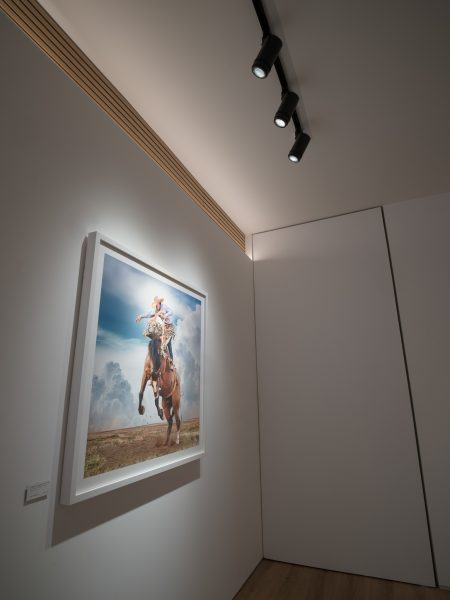
Specialised LED fixtures illuminating framed artwork professionally
Art display lights are specialised lighting fixtures designed specifically to illuminate artwork such as paintings, sculptures, photographs, and installations without causing damage or visual distortion.
Unlike standard ceiling lights or decorative lighting, true art display lighting is engineered to:
- Highlight colour accuracy
- Reduce glare and reflections
- Protect artwork from UV and heat damage
- Create depth and visual focus
- Enhance the emotional experience of the piece
This is why art galleries, museums, and luxury homes never rely on generic lighting when displaying artwork.

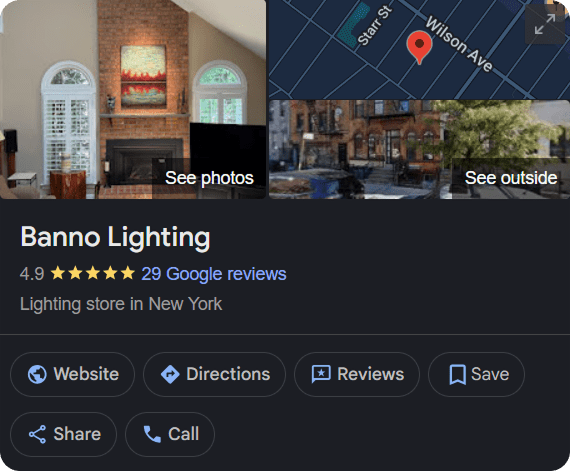
4.9-Star Google Review for Our Art Lighting Solutions
Why Proper Lighting Is Critical for Artwork

Directional lighting revealing brush strokes and fine details
Most people invest thousands in artwork but use poor lighting that diminishes its value.
The reality is:
Lighting is part of the artwork presentation.
Professional art exhibition lights are designed to reveal:
- Brush strokes
- Texture
- Contrast
- True colour rendering
- Fine details invisible under normal lighting
For collectors and galleries, this directly impacts perceived value and buyer interest.
Best Lighting for Artwork (Museum & Gallery Standard)

High CRI LED art lights with adjustable beams
The best lighting for artwork is LED-based, high CRI (Colour Rendering Index), and precisely adjustable.
Key characteristics of museum-grade art display lights:
- CRI 95+ (ideally 97+)
- Adjustable beam angles
- Low heat emission
- Flicker-free technology
- UV-safe output
- Controlled brightness levels
This is why professional art gallery display lights differ significantly from regular home lighting fixtures.
How to Light Up Artwork Properly (Step-by-Step)

Beam spread adjusted for painting size
1. Use Directional Lighting Instead of Ambient Light
Ambient ceiling lights are not suitable for displaying art. Directional art display light fixtures allow precise control over where the light falls.
2. Position Lights at the Correct Angle
The ideal angle for lights to display artwork is typically 30 degrees.
This minimises glare and prevents harsh reflections on glass or canvas.
3. Choose the Right Beam Spread
- Narrow beam: Small artworks or spotlight effect
- Medium beam: Standard wall art display lights
- Wide beam: Large paintings or gallery walls
4. Adjust Brightness Based on Artwork Type
Delicate works (like watercolours) require softer illumination compared to oil paintings or textured pieces.
Does LED Light Damage Paintings?

Low heat LED art lighting protecting canvas surfaces
This is one of the most common concerns among collectors and galleries.
High-quality LED art lights are safe for artwork because they:
- Emit minimal UV radiation
- Produce very low heat
- Reduce long-term fading risk
However, low-quality LED decorative lights can still cause damage due to:
- Poor colour stability
- Excessive brightness
- Inconsistent spectrum output
Museum-grade LED art display lighting is specifically designed to preserve artwork while enhancing visibility.
Types of Art Display Lights Explained
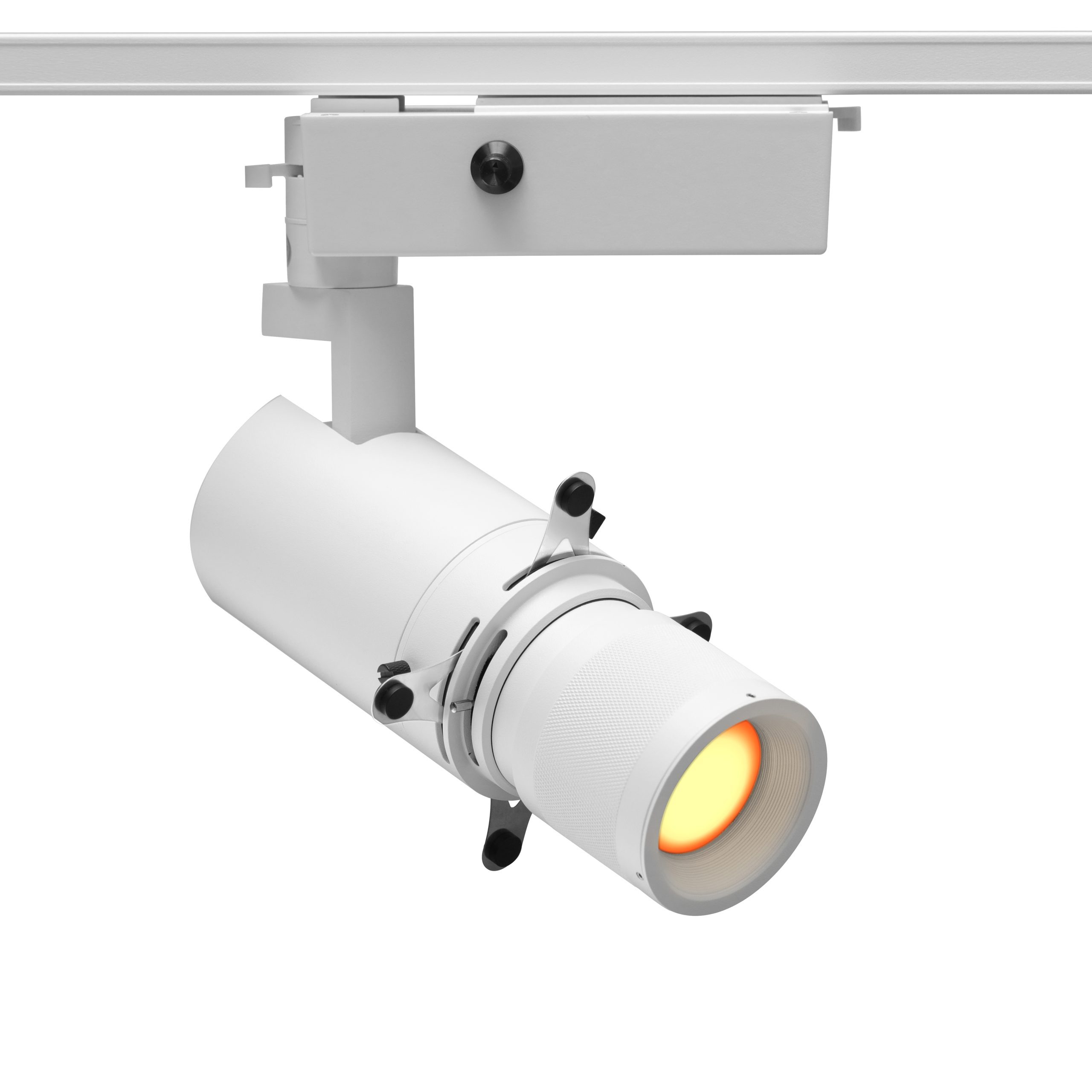
LED art spotlights designed for galleries
Wall Art Display Lights
Wall art display lights are mounted above or near artwork to create focused illumination. These are commonly used in:
- Homes
- Galleries
- Hotels
- Museums
- Showrooms
They provide a clean, professional look while highlighting the artwork as a focal point.
Picture Lights (Classic & Modern)
Art display picture lights are a traditional yet highly effective method for lighting paintings. Modern LED picture lights now offer:
- Wireless options
- Rechargeable batteries
- Remote control brightness
- Minimal installation requirements
Track Lighting for Art Displays (Professional Choice)
Track lighting is the gold standard for art display and gallery lighting.
Benefits:
- Adjustable positioning
- Scalable for exhibitions
- Perfect for multiple artworks
- Used in museums and exhibitions worldwide
For serious collectors and curators, track-mounted art lights provide the highest level of control and flexibility.
Battery Operated Art Display Lights vs Plug-In Lights

Rechargeable art light fixture above framed print
Battery Operated Art Display Lights
Best for:
- Renters
- Temporary exhibitions
- Wireless installations
- Minimal wall drilling
Pros:
- Easy installation
- Portable
- Remote control options
- Clean aesthetic
Cons:
- Limited brightness compared to wired systems
- Requires charging or battery replacement
Plug-In Art Display Lights
Best for:
- Permanent displays
- Galleries
- Museums
- High-value artwork collections
Pros:
- Consistent brightness
- Higher output
- Long-term reliability
- Professional-grade performance
Wireless & Rechargeable Art Display Lighting (Modern Trend)

Discreet wireless picture light in luxury apartment
Rechargeable art display lights and wireless art display lighting have become increasingly popular in residential settings due to their convenience and minimalist installation.
They are ideal for:
- Luxury apartments
- Home galleries
- Temporary art exhibitions
- Art fairs and art shows
However, premium collectors and galleries still prefer wired systems for superior light consistency and output.
Art Exhibition Lights: Professional Standards
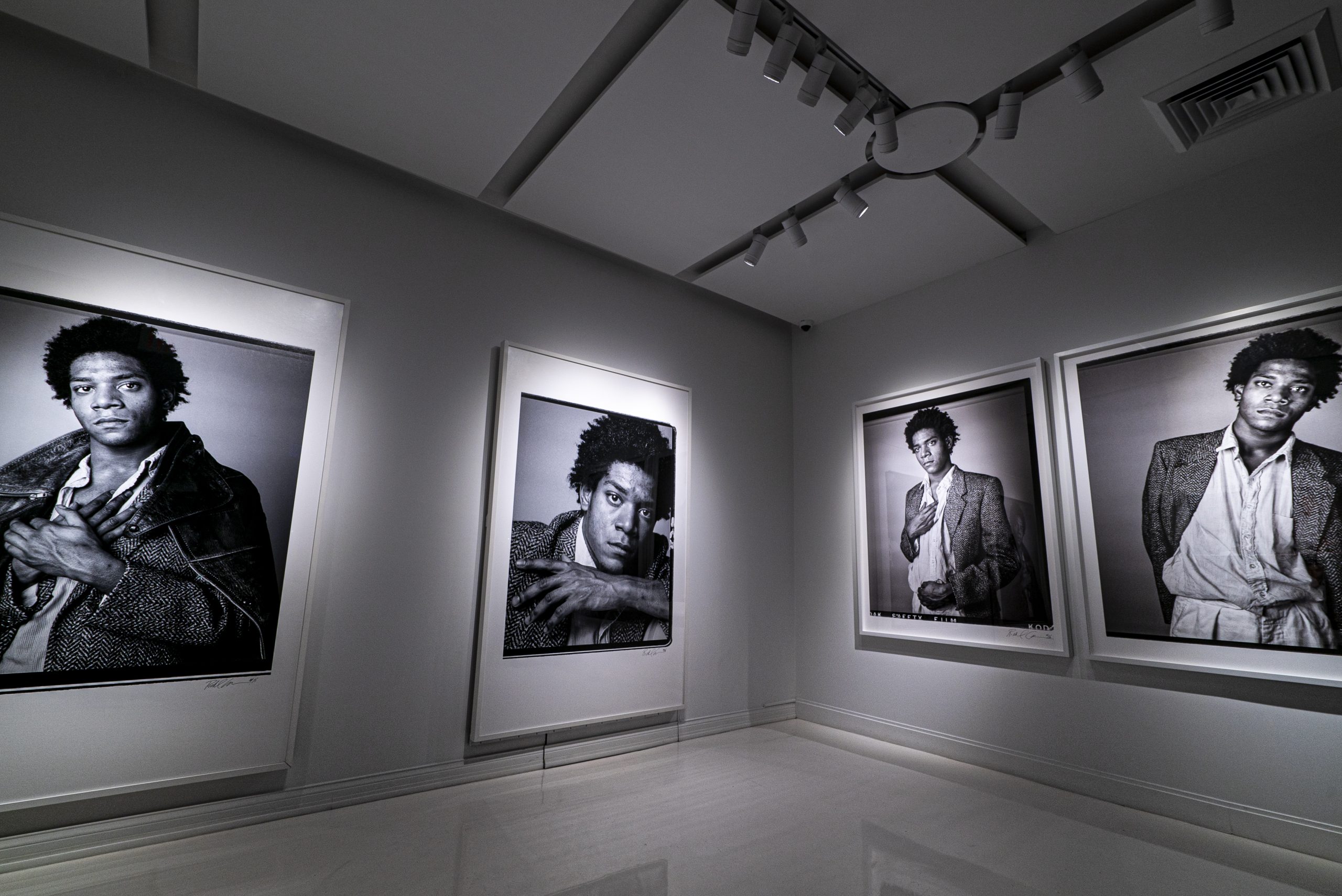
Anti-glare exhibition lighting across multiple artworks
Art exhibition lighting requires a different approach compared to residential art lighting.
Key considerations:
- Adjustable lighting scenes
- Even illumination across multiple artworks
- Anti-glare optics
- Consistent colour temperature
- Flexible mounting systems
Exhibition lighting is designed not just to illuminate art, but to guide viewer attention and create a curated visual journey.
Display Lights for Different Types of Art
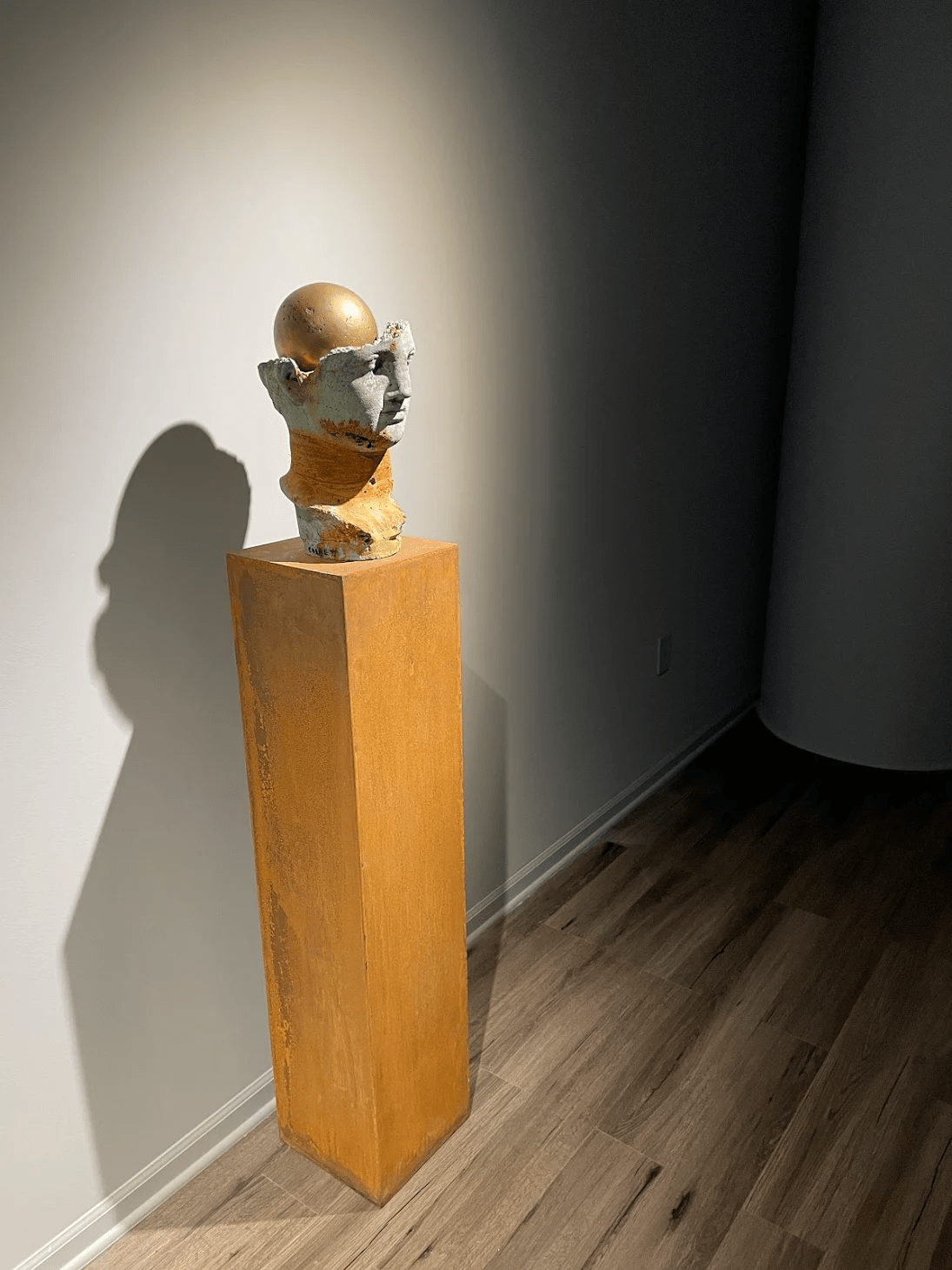
Multi-angle lighting creating sculpture depth
Paintings
Use soft directional LED art display lights with high CRI for accurate colour rendering.
Glass Art
Requires carefully angled lighting to avoid reflections and glare.
Sculptures
Best lit using multi-angle display lights to create shadows and depth.
Photography & Prints
Even lighting is essential to prevent hotspots and uneven brightness.
Art Display Lighting for Homes vs Galleries

Residential art lighting blending ambient and accent
Residential Art Lighting
- Focus on aesthetics
- Wireless or minimal installation
- Soft ambient + directional lighting combination
Gallery & Museum Lighting
- Precision beam control
- High CRI lighting systems
- Professional track lighting setups
- Long-term artwork preservation focus
Given that around 70% of art lighting buyers are residential (as seen in premium lighting markets), there is a growing demand for high-end but simple-to-install art display lighting solutions.
Common Mistakes When Lighting Artwork
- Using harsh ceiling lights directly above artwork
- Choosing low CRI lights that distort colours
- Placing lights too close to the artwork
- Ignoring glare and reflections
- Using decorative lights instead of purpose-built art lights
These mistakes can significantly reduce the visual impact of even the most valuable artworks.
Art Gallery Display Lights: What Professionals Use
Top galleries and museums typically use:
- Track-mounted LED art lights
- Adjustable beam spotlights
- High CRI museum lighting systems
- Flicker-free illumination technology
This ensures artwork is presented at its absolute best under all viewing conditions.
How to Choose the Best Art Display Light Fixture

Choosing high CRI LED art fixture
When selecting art display light fixtures, consider:
- Artwork size
- Wall height
- Installation type (wired vs wireless)
- Beam angle requirements
- Colour temperature (3000K–4000K ideal)
- CRI rating (95+ recommended)
Premium art lighting systems allow full control over brightness, angle, and focus — essential for serious collectors and galleries.
Art Display Lighting and Perceived Value of Artwork

Professional lighting enhancing colour vibrancy
Lighting directly affects how valuable artwork appears to viewers and potential buyers.
Professional art lighting can:
- Increase visual depth
- Enhance texture perception
- Improve colour vibrancy
- Create a museum-like presentation
- Elevate the entire space aesthetically
This is why luxury galleries and high-end collectors treat lighting as an investment, not an accessory.
Final Thoughts: Investing in Proper Art Display Lighting
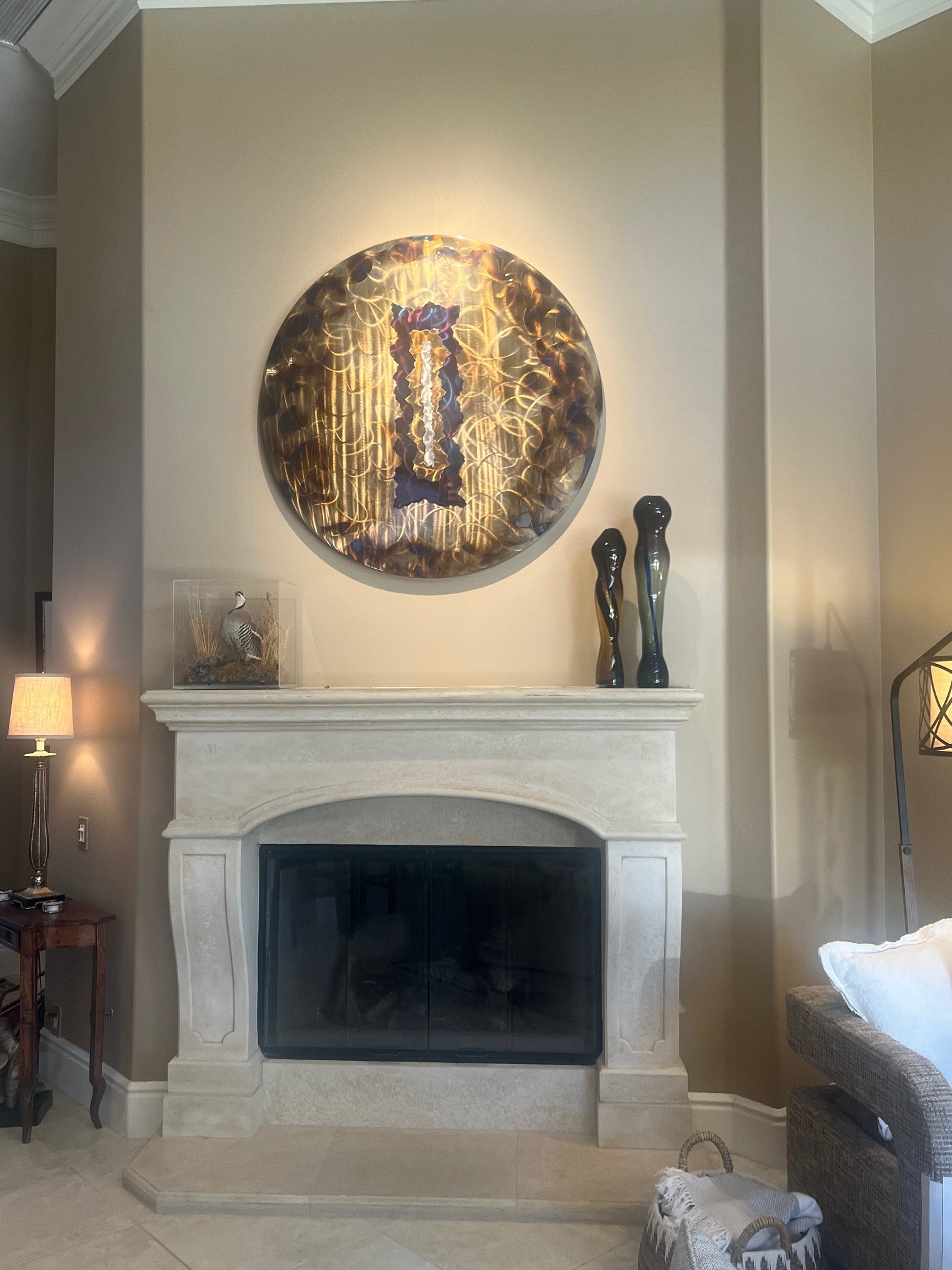
Premium LED art lighting in curated interior
Art display lighting is not just about illumination — it is about presentation, preservation, and emotional impact.
Whether you are displaying artwork in a private residence, gallery, exhibition, or commercial space, choosing the right art display lights ensures:
- Artwork protection
- Accurate colour rendering
- Premium visual presentation
- Long-term value preservation
For collectors, designers, and galleries seeking museum-grade results, specialised LED art display lights with high CRI, adjustable beam control, and glare reduction remain the industry standard for lighting artwork professionally.
Excellent.
This extension will strengthen topical authority, capture more long-tail keywords, and increase dwell time — which is exactly what Banno needs to dominate “art display lights” SERPs and attract high-value collectors, galleries, and designers.
Below is a seamless continuation (add directly under your existing article).
Advanced Art Display Lighting Techniques Used by Museums & High-End Galleries
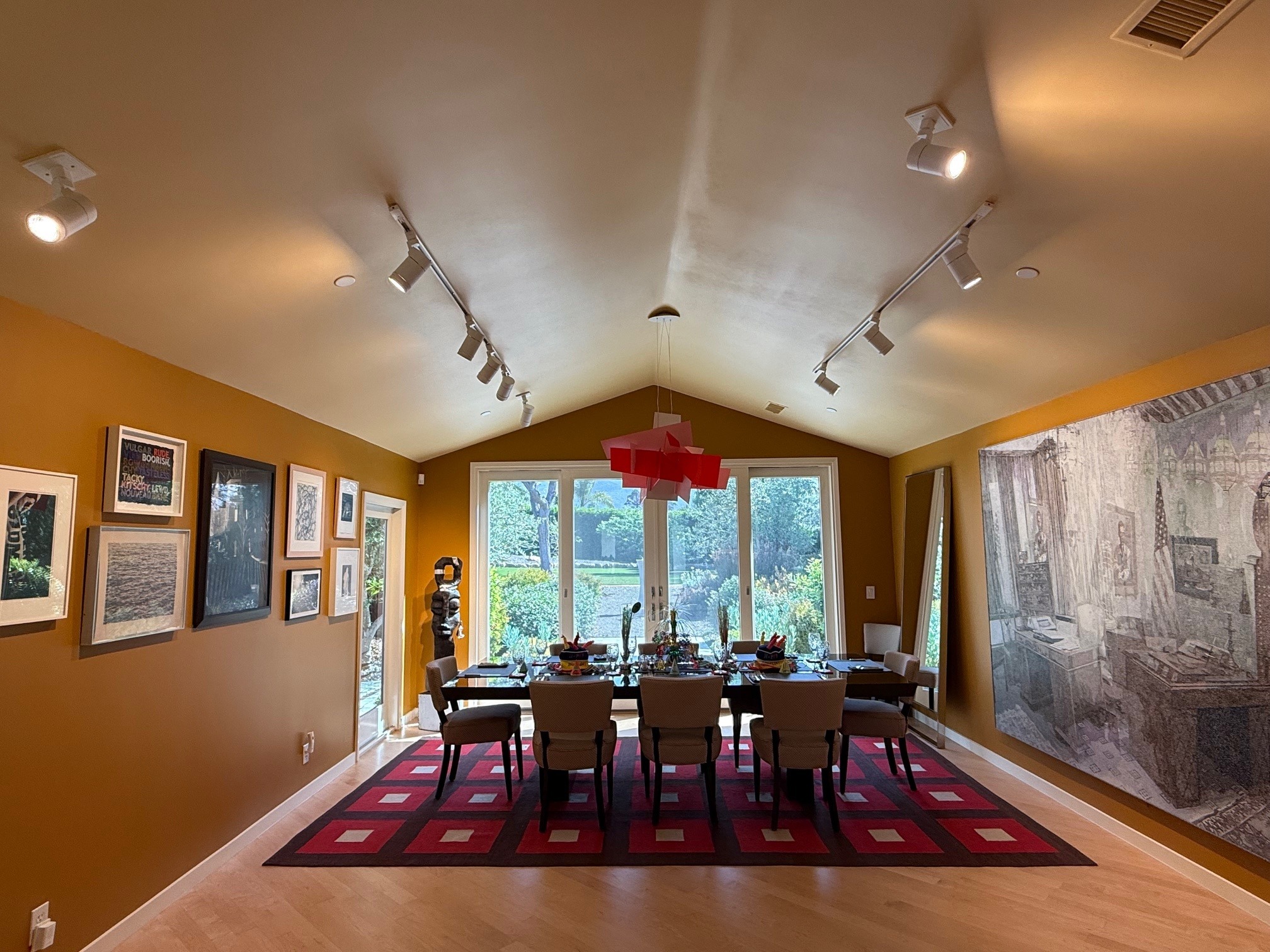
Curated spotlight positioning for exhibition displays
Professional museums and leading art galleries do not treat lighting as a basic utility. They treat it as a curatorial tool that shapes how artwork is experienced emotionally and visually.
Museum-grade art display lighting is carefully engineered to balance preservation, accuracy, and drama. Every artwork is analysed individually before lighting placement is finalised. This includes factors such as surface texture, medium, varnish, framing glass, and surrounding wall colour.
One of the most advanced techniques used in art exhibition lighting is layered illumination. Instead of relying on a single light source, curators use a combination of directional display lights for art and soft ambient lighting to create depth without overwhelming the artwork.
This approach ensures the artwork remains the focal point while the surrounding environment supports the visual narrative.
Colour Temperature and Its Impact on Art Display

Balanced colour temperature across gallery walls
Colour temperature plays a crucial role in how artwork is perceived. Even a perfectly lit painting can look dull or inaccurate under the wrong colour temperature.
For most art display lighting applications:
- 2700K–3000K creates a warm, intimate gallery feel
- 3000K–3500K offers balanced and natural artwork presentation
- 4000K provides a more neutral, museum-style clarity
Warm lighting is often preferred for oil paintings and classical artwork, while neutral white lighting is commonly used in contemporary galleries and exhibitions to maintain true colour accuracy.
Choosing the correct colour temperature is especially important when lighting high-value artwork, as inaccurate lighting can alter how collectors perceive colour tones and artistic intent.
Beam Angle Strategy for Display Lights for Art

Medium beam wall light covering framed painting
Beam angle determines how focused or spread out the light appears on artwork. This is one of the most overlooked aspects of art display light fixture selection.
Narrow beam (10–24 degrees)
Best for spotlighting a single artwork or creating dramatic emphasis in exhibitions.
Medium beam (25–45 degrees)
Ideal for standard wall art display lights in homes, galleries, and offices.
Wide beam (45+ degrees)
Suitable for large artworks, murals, or multiple pieces displayed in a single visual zone.
Premium art gallery display lights allow adjustable beam angles, giving curators and designers full flexibility as exhibitions change over time.
Lighting Artwork Without Glare or Reflection

Anti-glare lens protecting framed artwork visibility
Glare is one of the biggest challenges when lighting artwork, especially pieces protected by glass or glossy varnish.
To reduce glare when using lights to display artwork:
- Position lights at a 30-degree angle from the artwork
- Avoid placing lights directly above eye level
- Use anti-glare optics in professional art lights
- Adjust brightness based on surface reflectivity
- Use diffused beam technology for sensitive pieces
Professional art lighting systems are specifically designed with glare control lenses, ensuring viewers can appreciate the artwork without distraction.
Art Display Lighting for Luxury Interiors

Architectural spotlight highlighting curated art collection
In high-end residential interiors, art lighting is no longer just functional — it is a statement of sophistication.
Interior designers increasingly incorporate wall art display lights and discreet track lighting systems to create a private gallery aesthetic within luxury homes. This is especially popular among collectors who own multiple paintings, sculptures, or photographic works.
Art display and lighting integration in luxury interiors typically focuses on:
- Minimal visible fixtures
- Precision spotlighting
- Warm premium lighting tones
- Architectural integration with ceilings or walls
- Wireless art display light solutions for clean installations
This approach enhances both the artwork and the interior environment simultaneously.
The Rise of LED Art Display Lights in Modern Galleries

Energy-efficient LED gallery lighting system
LED art display lights have become the global standard due to their efficiency, longevity, and artwork-safe properties. Unlike traditional halogen lights, LED lighting produces significantly less heat and UV exposure, making it ideal for delicate and valuable artwork.
Modern LED art lights offer:
- Consistent colour rendering
- Long lifespan (up to 50,000 hours)
- Low maintenance
- Energy efficiency
- Flicker-free illumination
For galleries, museums, and exhibition spaces, this translates into lower operating costs while maintaining superior lighting quality.
Art Show Display Lights and Temporary Exhibition Setups
Art shows, fairs, and temporary exhibitions require flexible and portable lighting solutions that still maintain professional standards.
Common lighting solutions for art exhibitions include:
- Portable track lighting systems
- Rechargeable art display lights
- Clamp-mounted display lights for art
- Adjustable spotlight fixtures
- Wireless art display lighting with remote control
These solutions allow curators to quickly adapt lighting layouts based on artwork placement and exhibition design without compromising presentation quality.
Lighting Large Art Displays and Gallery Walls

Uniform beam angles over multiple artworks
When lighting multiple artworks across a large wall or gallery space, uniformity becomes essential. Uneven lighting can make some pieces appear more important while others fade into the background.
Best practices for large art display lighting include:
- Even spacing between light fixtures
- Consistent beam angles across artworks
- Balanced brightness levels
- Adjustable track systems for flexibility
- Professional lighting design planning before installation
This is why commercial galleries and museums invest heavily in custom art lighting plans rather than relying on generic lighting solutions.

Art Display Light Boxes and Illuminated Displays

Illuminated panel enhancing graphic artwork visibility
Art display light boxes are commonly used for photography, prints, and modern digital artwork. These illuminated display systems provide even backlighting that enhances visibility and colour vibrancy.
They are particularly effective for:
- Photography exhibitions
- Graphic artwork
- Retail art displays
- Contemporary installations
- Commercial showrooms
However, traditional paintings and textured artwork typically benefit more from directional art display lights rather than backlit solutions.
Lighting Design Planning for Art Collectors and Galleries
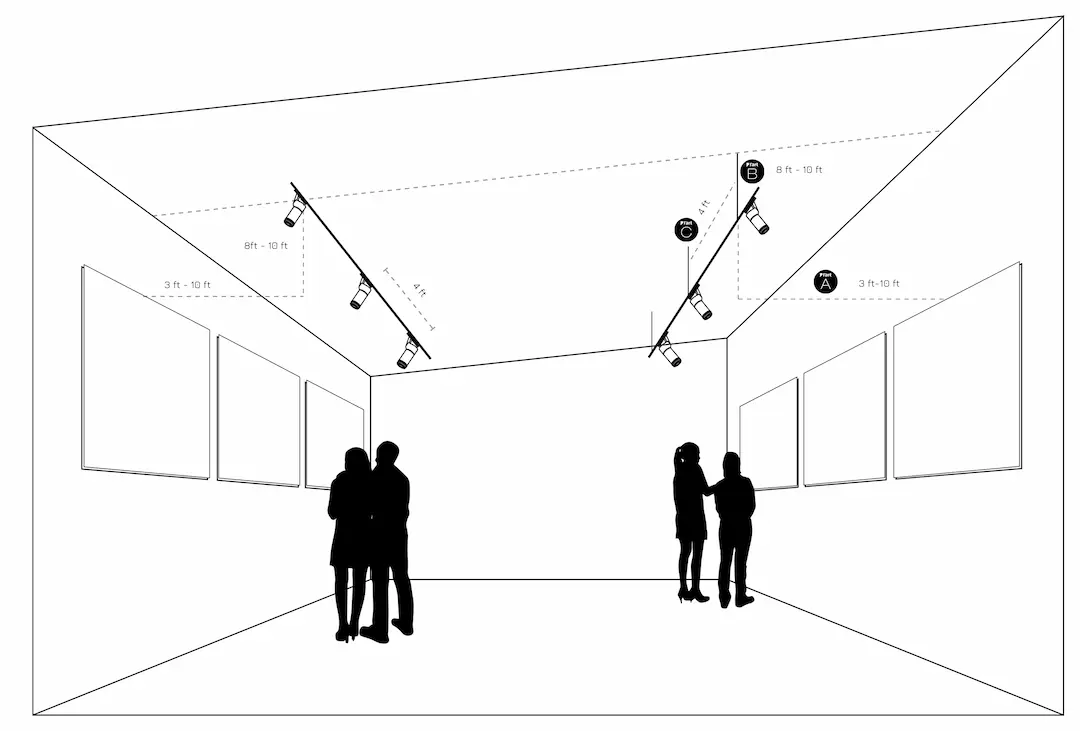
Ceiling height considered in art light placement
Professional art lighting begins with a lighting design plan. This ensures that every artwork is illuminated correctly based on size, placement, and environmental conditions.
A proper art lighting plan typically considers:
- Ceiling height
- Wall spacing
- Artwork dimensions
- Viewing distance
- Natural light sources
- Electrical layout
- Future artwork rotation
This strategic approach is especially valuable for galleries, museums, and serious collectors who frequently update their art displays.
Frequently Asked Questions (FAQ) About Art Display Lights
What is the best lighting for artwork?
The best lighting for artwork is high-CRI LED lighting (95+ CRI) with adjustable beam angles and low UV output. Museum-grade LED art display lights provide accurate colour rendering, minimal heat emission, and safe long-term illumination for paintings and fine art.
Do LED lights damage paintings?
High-quality LED art display lights do not damage paintings when used correctly. They produce very low heat and minimal UV radiation, making them significantly safer than traditional halogen or incandescent lighting for artwork preservation.
How bright should art display lighting be?
Art display lighting should be bright enough to highlight details without overpowering the artwork. Most professional galleries use moderate, focused illumination rather than extremely bright lighting to maintain visual balance and artwork integrity.
Are battery operated art display lights good for artwork?
Battery operated art display lights are suitable for residential use, temporary exhibitions, and wireless installations. However, wired or track-mounted lighting systems are generally preferred for galleries and high-value artwork due to their consistent brightness and reliability.
What colour temperature is best for art lighting?
A colour temperature between 3000K and 3500K is typically ideal for art display lighting. This range provides natural colour accuracy while maintaining a premium gallery-style appearance.
How do galleries light artwork professionally?
Galleries use adjustable track lighting, high CRI LED fixtures, and precise beam angle positioning. Lighting is usually installed at a 30-degree angle to minimise glare and enhance texture, depth, and colour accuracy.
Can lighting increase the perceived value of artwork?
Yes. Professional art display lighting significantly enhances how artwork is perceived. Proper lighting improves colour vibrancy, texture visibility, and overall presentation, which can elevate perceived value among collectors and buyers.
What are wall art display lights?
Wall art display lights are specialised fixtures mounted above or near artwork to provide focused illumination. They are commonly used in homes, galleries, hotels, and exhibitions to highlight paintings and decorative art pieces.
Is track lighting better than picture lights for displaying art?
Track lighting is generally considered superior for displaying art because it offers adjustable positioning, flexible beam control, and scalability for multiple artworks. Picture lights are more traditional and suitable for single artwork installations.
How far should lights be from artwork?
Art display lights are typically positioned at a 30-degree angle and placed at an appropriate distance to avoid glare and hotspots. The exact distance depends on artwork size, beam angle, and fixture intensity.
Do museums use special art display lights?
Yes. Museums use specialised museum-grade art lighting systems with high CRI, low UV output, anti-glare optics, and precision beam control to protect and present artwork at the highest professional standard.
What type of lights are best for art exhibitions?
Adjustable LED track lighting, portable exhibition spotlights, and rechargeable art display lights are commonly used in exhibitions due to their flexibility, precision, and artwork-safe illumination properties.
Why Designers and Collectors Trust Our Gallery Lights