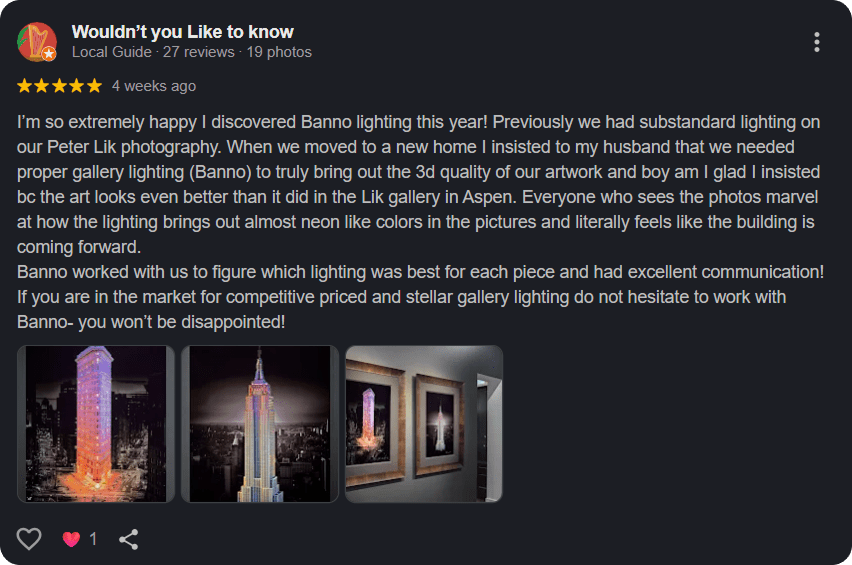
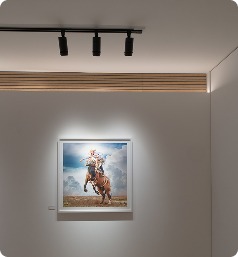
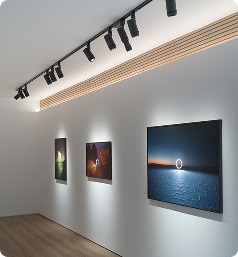
Introduction: What is Exhibition Lighting?
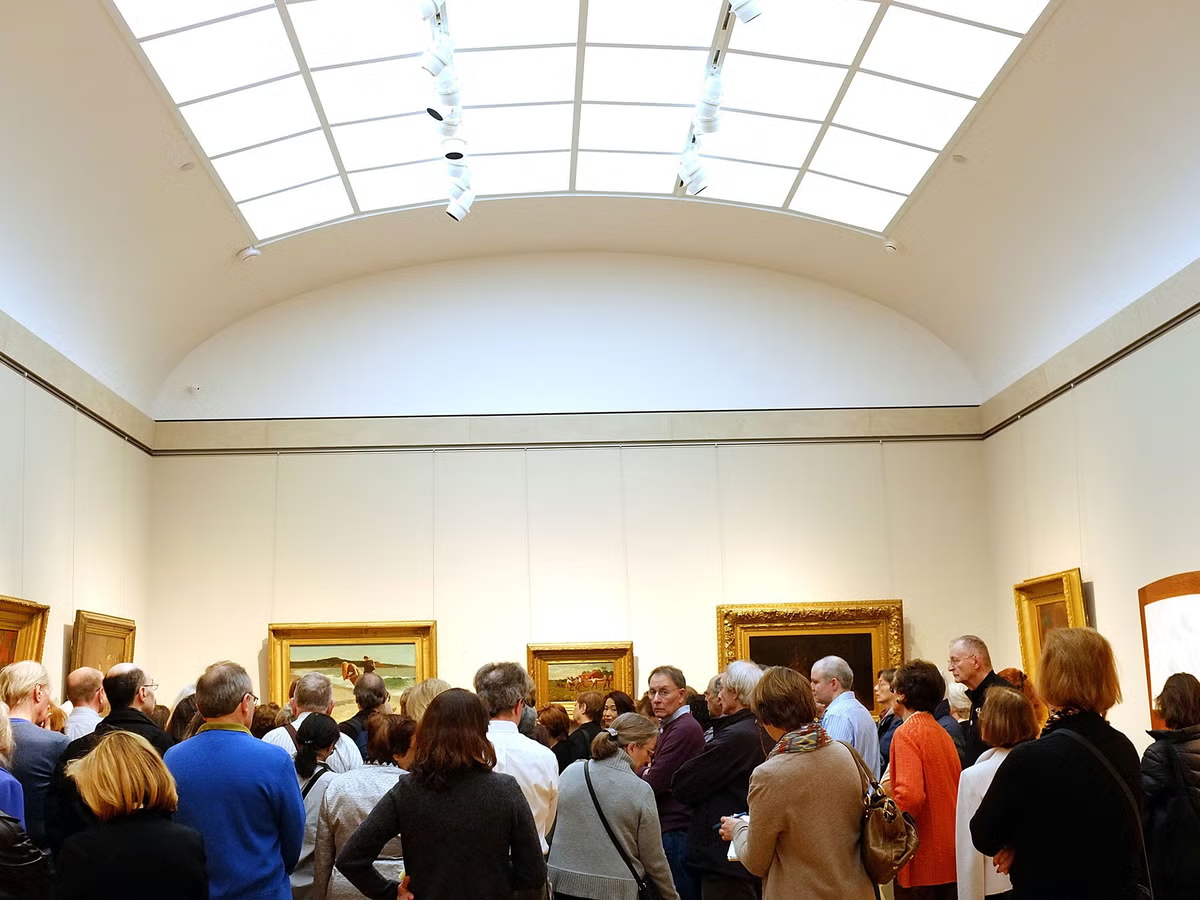
Controlled lighting design shaping visitor viewing experience
Exhibition lighting refers to specialized lighting systems used to illuminate artwork, displays, installations, and exhibition stands in galleries, museums, trade shows, and curated spaces. Unlike general lighting, exhibition lights are designed to enhance visual focus, preserve artwork integrity, and create a controlled viewing experience.
Professional exhibition lighting is not just about brightness. It is about precision, color accuracy, beam control, and strategic placement that guides the viewer’s attention toward the exhibit.
From art exhibitions to museum displays and trade show booths, lighting plays a critical role in how visitors experience the space.
Exhibition Light: What to Keep (Critical Design Principles)

Uniform temperature fixtures creating cohesive exhibition atmosphere
When designing exhibition lighting, there are essential elements that must always be maintained to achieve professional results.
1. High Color Rendering (CRI 90–97+)
Color accuracy is one of the most important factors in exhibition lighting. Low-quality lights distort artwork colors and reduce the visual impact of exhibits.
What to keep:
- High CRI LED fixtures
- Consistent color rendering across all displays
- Museum-grade lighting standards
This is especially critical for paintings, photography, textiles, and sculptures.
2. Consistent Color Temperature
Exhibition lighting should maintain a uniform color temperature throughout the entire space.
Best practice:
- 3000K to 3500K for art exhibitions
- 4000K for modern exhibition spaces
- Avoid mixing multiple color temperatures
Consistency ensures exhibits appear cohesive and professionally curated.
3. Controlled Beam Angles
Beam control is essential in exhibition lighting design. Different exhibits require different light spreads.
What to keep:
- Adjustable spotlights for focal exhibits
- Wide beam lights for large installations
- Narrow beams for featured artwork
This allows curators to shape the visual hierarchy of the exhibition.
4. Glare Control and Visitor Comfort
Excessive glare can ruin the viewing experience and cause reflections on glass displays and framed artwork.
Key glare reduction strategies:
- Anti-glare optics
- Proper lighting angles (around 30 degrees)
- Diffused exhibition lights where needed
Professional exhibitions always prioritize visual comfort.
5. Flexibility for Changing Exhibits
Exhibitions are dynamic. Displays often change, rotate, or move.
What to keep:
- Track lighting systems
- Adjustable exhibition spotlights
- Modular lighting layouts
Flexible lighting ensures the system adapts without requiring full rewiring.
Types of Exhibition Lights Used in Professional Spaces
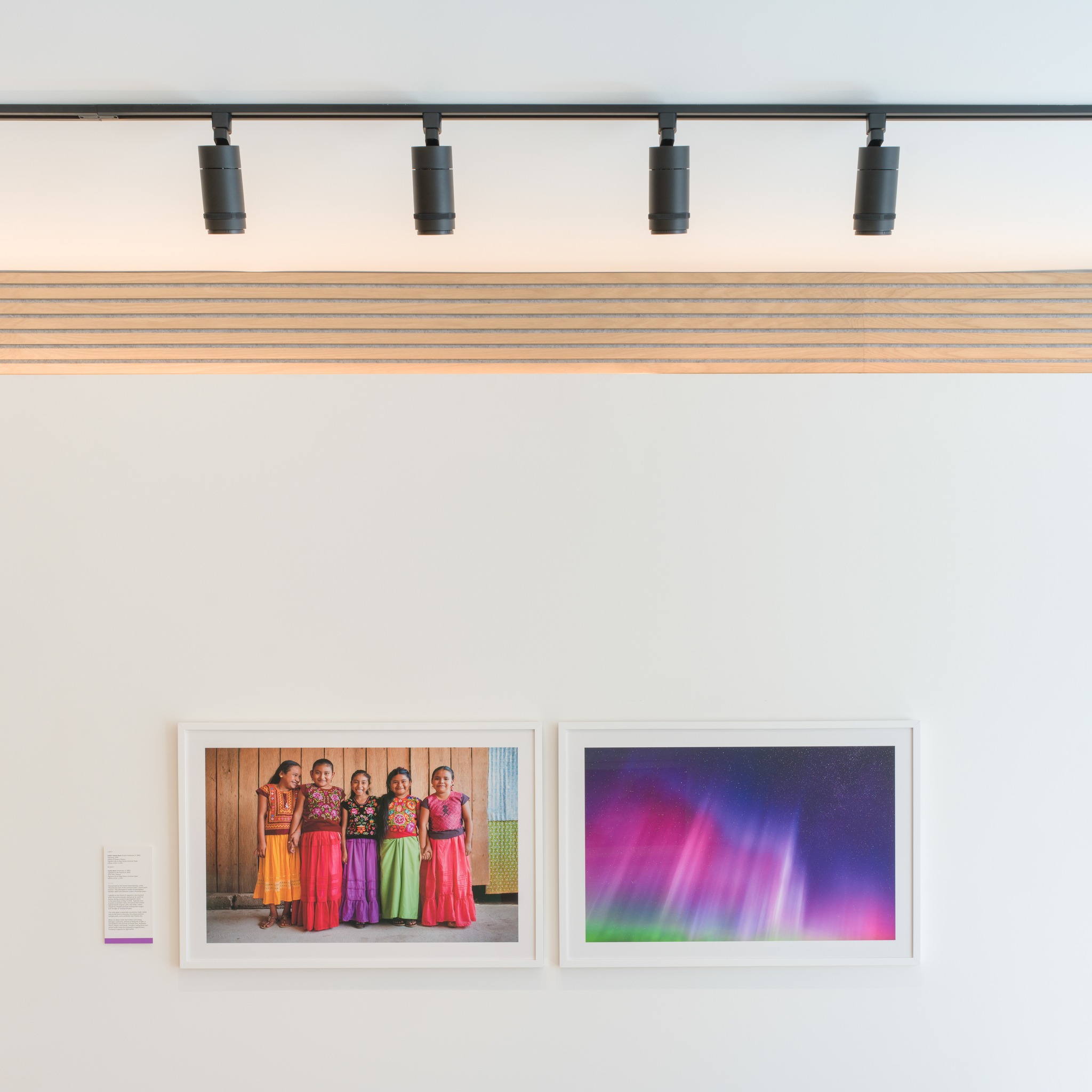
Track-mounted fixtures providing flexible exhibit illumination
Exhibition Spotlights
Spotlights are the most commonly used exhibition lights because they provide directional focus and dramatic highlighting for key exhibits.
Best for:
- Art exhibitions
- Museum displays
- Sculptures
- Feature installations
Exhibition Light Boxes
Exhibition light boxes are backlit display panels used in trade shows, museums, and commercial exhibitions.
Benefits:
- Even internal illumination
- High visual impact
- Ideal for graphics and signage
- Professional booth displays
These are widely used in exhibition stand design and commercial showcases.
Track Lighting for Exhibitions
Track lighting systems are considered the gold standard for exhibition lighting due to their flexibility and precision.
Advantages:
- Adjustable fixture positioning
- Scalable lighting layout
- Ideal for rotating exhibitions
- Clean professional aesthetic
Most museums and galleries rely heavily on track-based exhibition lighting systems.
Panel and Diffused Exhibition Lights
Panel lights provide soft and even illumination across large displays or exhibition walls.
Best for:
- Exhibition booths
- Informational displays
- Large installations
- Background ambient lighting
Exhibition Lighting Design for Art Exhibitions

Balanced ambient glow guiding visitor movement
Art exhibitions require a specialized lighting strategy that enhances artwork while protecting it from excessive heat and UV exposure.
Core design approach:
- Directional lighting for artwork
- Soft ambient lighting for navigation
- Accent lighting for featured pieces
- Controlled brightness levels
This layered lighting approach creates depth and visual storytelling within the exhibition space.
Exhibition Lighting for Trade Shows and Booth Displays
Exhibition stand lighting differs from gallery lighting because it must attract attention in competitive environments.
Key lighting strategies:
- Bright focal lighting on products
- Backlit light boxes for branding
- Spotlights for key display items
- Even front lighting for visibility
Exhibition booth lights must balance aesthetics with high visibility.
LED Exhibition Lights vs Traditional Lighting

Energy-efficient LED fixtures replacing halogen systems
Modern exhibitions almost exclusively use LED lighting due to performance and safety advantages.
LED Exhibition Lights
- Energy efficient
- Low heat output
- Long lifespan
- High color accuracy
- Dimmable control options
Traditional Lighting (Halogen/Incandescent)
- Higher heat emission
- Higher energy consumption
- Shorter lifespan
- Greater risk to sensitive exhibits
LED is now the industry standard for professional exhibition lighting worldwide.
Exhibition Lighting Placement and Distance
Proper placement ensures exhibits are evenly illuminated without harsh shadows.
General guidelines:
- Lights positioned 2 to 4 feet from display walls
- 30-degree lighting angle for artwork
- Even spacing across exhibition panels
- Avoid direct overhead glare on exhibits
Correct placement enhances clarity and preserves exhibit detail.
Exhibition Lighting for Museums and Galleries

Precision beam control enhancing gallery artwork
Museum-grade exhibition lighting must meet strict standards for conservation and visual accuracy.
Professional requirements:
- High CRI lighting (95+)
- UV-safe LED fixtures
- Low heat emission
- Precision beam control
- Dimmable lighting systems
These standards ensure long-term artwork preservation and premium visual presentation.
Common Exhibition Lighting Mistakes to Avoid
Overlighting the Exhibit
Excessive brightness can cause glare and visual fatigue.
Inconsistent Lighting Temperature
Mixed lighting tones create an unprofessional exhibition environment.
Poor Fixture Positioning
Incorrect angles lead to shadows and reflections.
Using General Lighting Instead of Exhibition Lights
Standard ceiling lighting lacks the precision required for exhibitions.
Conclusion: Why Exhibition Lighting Defines the Visitor Experience
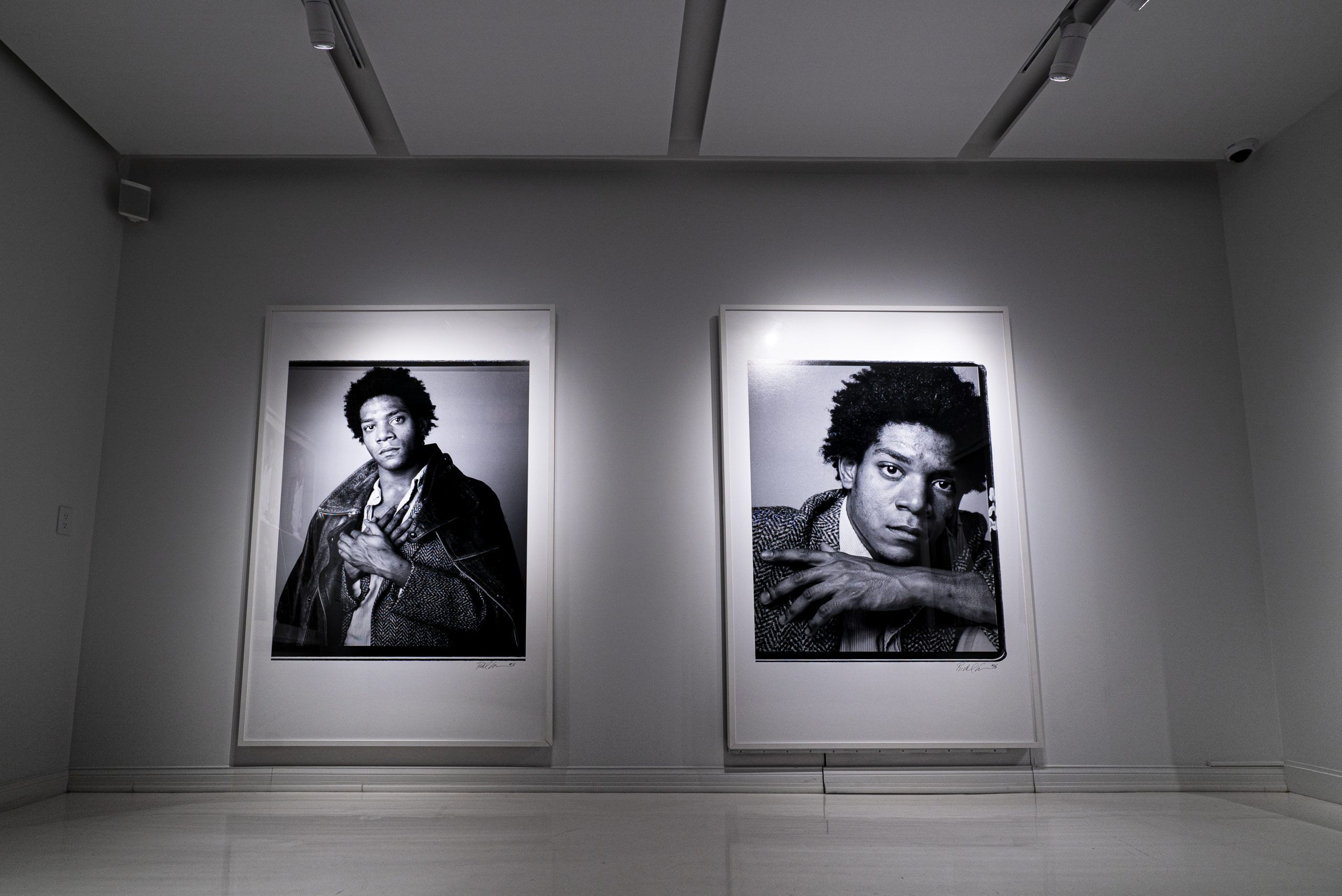
Well-lit gallery environment enhancing clarity, focus, and atmosphere
Exhibition lighting is one of the most critical components of any successful exhibition, gallery, or museum display. Properly designed exhibition lights enhance visibility, preserve artwork integrity, and create an immersive viewing experience that guides visitor attention.
By maintaining high color accuracy, consistent lighting temperature, glare control, and flexible lighting systems, exhibitions can achieve professional, museum-quality presentation standards.
For galleries, museums, trade shows, and curated exhibitions, high-performance LED exhibition lighting systems are not just a design feature. They are an essential tool for storytelling, visual impact, and long-term exhibit preservation.
Advanced Exhibition Lighting Design for Galleries, Museums, and Curated Displays
Exhibition lighting goes far beyond basic illumination. In professional exhibitions, lighting is used as a strategic design tool to guide visitor movement, emphasize key displays, and create an immersive visual experience. Whether used in art exhibitions, trade shows, museums, or installation spaces, properly designed exhibition lights shape how viewers engage with the content.
A well-lit exhibition space enhances clarity, improves visual hierarchy, and elevates the perceived value of the exhibits on display.
Exhibition Lighting Zones: How Professional Exhibitions Are Structured

Structured illumination plan balancing intensity levels
Professional exhibition lighting is typically divided into multiple zones to balance functionality and visual impact.
1. Feature Lighting (Primary Focus)
Feature lighting is used to highlight the most important exhibits, artworks, or installations. This is usually achieved using adjustable spotlights or track lighting systems.
Best used for:
- Masterpiece artwork
- Signature installations
- Product displays
- Interactive exhibits
Feature lighting should be brighter and more focused than surrounding ambient lighting to naturally draw attention.
2. Ambient Exhibition Lighting
Ambient lighting provides overall visibility across the exhibition space without overpowering featured displays. It ensures visitors can comfortably navigate the exhibition environment.
Common ambient lighting solutions:
- Ceiling-mounted LED lights
- Linear lighting systems
- Diffused panel lights
Ambient lighting should remain balanced and consistent throughout the exhibition hall.
3. Display Case and Object Lighting
Exhibition lights for display cases require precision and low heat output to protect sensitive items such as historical artifacts, textiles, and delicate artwork.
Key features:
- Low UV LED lighting
- Compact directional lights
- Even internal illumination
- Minimal heat emission
This type of lighting is widely used in museums and heritage exhibitions.
Exhibition Stand Lighting and Booth Illumination

Overhead panel lighting enhancing visibility
Exhibition stand lights are designed differently from gallery lighting because they must capture attention in crowded environments such as trade shows and expos.
Effective exhibition booth lighting strategies:
- Backlit light boxes for branding panels
- LED spotlights for featured products
- Display case lighting for small items
- Overhead exhibition panel lighting for visibility
A well-lit booth increases engagement, visibility, and visitor retention compared to poorly lit exhibition stands.
Exhibition Light Boxes and Backlit Displays
Exhibition light boxes are illuminated panels used to showcase graphics, branding, artwork, or informational displays. These are commonly used in trade shows, museums, and commercial exhibitions.
Advantages of exhibition light boxes:
- Uniform internal illumination
- High visual contrast
- Strong branding presence
- Professional exhibition aesthetics
Light boxes are especially effective for large-scale visual displays and storytelling exhibits.
Exhibition Lighting for Different Exhibition Types

High CRI spotlight used in art exhibition
Art Exhibitions
Art exhibitions require high-CRI lighting, controlled beam angles, and glare reduction to preserve artwork integrity and enhance visual clarity.
Museum Exhibitions
Museum lighting prioritizes conservation, low heat emission, and precise illumination to protect sensitive artifacts.
Trade Show Exhibitions
Trade show lighting focuses on visibility, branding impact, and product highlighting in competitive exhibition halls.
Interactive and Experiential Exhibitions
These exhibitions often incorporate dynamic lighting effects, programmable lighting systems, and immersive light environments.
Exhibition Lighting Height and Ceiling Considerations

Low ceiling space illuminated by wide beam LEDs
Ceiling height plays a major role in exhibition lighting performance and fixture selection.
Low Ceiling Exhibition Spaces
- Use wide beam LED fixtures
- Avoid harsh spotlights
- Maintain even ambient lighting
Medium Ceiling Exhibition Halls
- Ideal for track lighting systems
- Balanced spotlight and ambient lighting layers
- Flexible lighting adjustments
High Ceiling Exhibition Venues
- Require high-lumen exhibition lights
- Narrow beam spotlights for focused displays
- Suspended lighting systems for coverage
Proper fixture selection ensures consistent illumination across different exhibition environments.
Exhibition Lighting Color Temperature Strategy
Color temperature should be carefully selected based on the exhibition theme and display type.
Recommended exhibition lighting temperatures:
- 3000K: Warm and inviting exhibitions
- 3500K: Neutral gallery-style lighting
- 4000K: Modern exhibition environments
- 5000K: Technical or educational displays requiring high clarity
Maintaining a consistent color temperature throughout the exhibition ensures visual harmony.
Exhibition Lighting and Visitor Experience

Balanced lighting enhancing immersive environment
Lighting directly influences how visitors move through and interact with exhibition spaces. Strategic lighting placement can guide attention and enhance engagement.
Key visitor-focused lighting principles:
- Bright focal points for key exhibits
- Soft ambient lighting for comfort
- Clear pathways with balanced illumination
- Highlighted signage and informational panels
This creates a smooth and immersive exhibition journey.
Energy Efficiency and Sustainability in Exhibition Lighting
Modern exhibitions increasingly prioritize sustainable lighting solutions due to environmental concerns and operational costs.
Benefits of LED exhibition lights:
- Lower energy consumption
- Reduced maintenance costs
- Long operational lifespan
- Minimal heat output
Energy-efficient lighting is especially important for long-duration exhibitions and large-scale installations.

Exhibition Lighting Installation and Planning Process
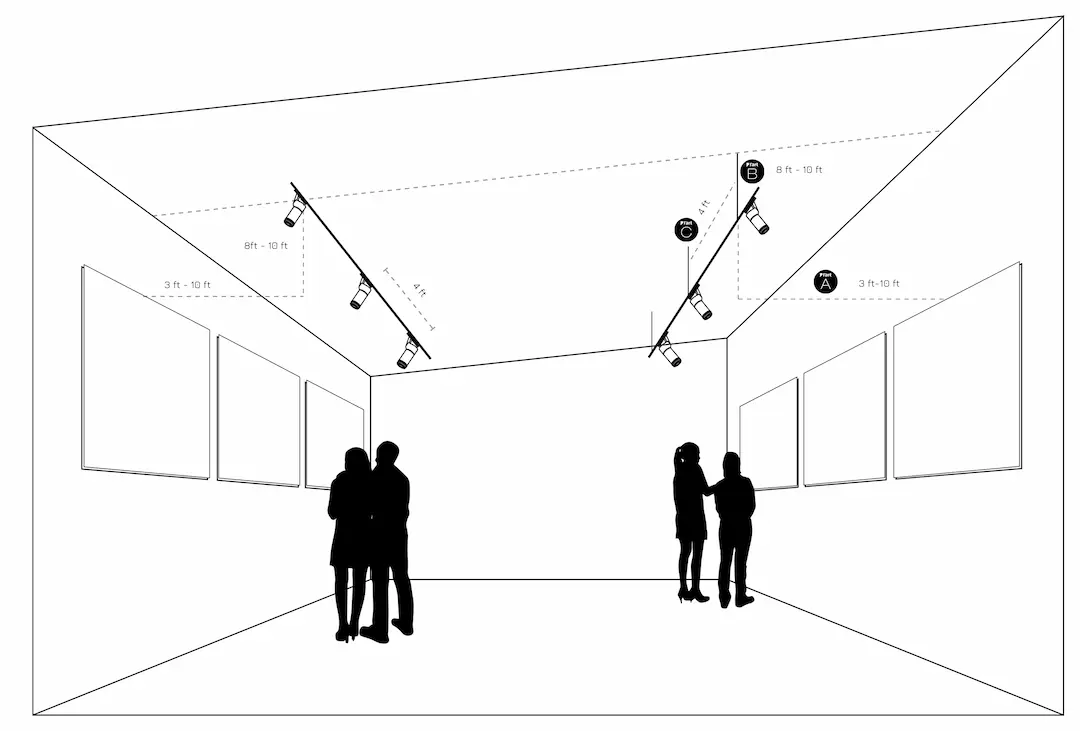
Lighting layout drafted before installation phase
Professional exhibition lighting design follows a structured planning process to ensure optimal results.
Typical planning steps:
- Identify exhibition layout and key focal points
- Select appropriate lighting fixtures
- Define lighting zones and intensity levels
- Install adjustable lighting systems
- Test beam angles and glare control
- Final calibration before exhibition opening
Proper planning ensures consistency, safety, and professional presentation standards.
Safety and Compliance in Exhibition Lighting
Exhibition lighting systems must meet safety standards, especially in public venues such as museums, galleries, and exhibition centers.
Important safety considerations:
- Proper electrical load management
- Fire-safe lighting fixtures
- Low heat emission lighting systems
- Secure fixture mounting and wiring
LED lighting is widely preferred because it meets modern safety and efficiency standards.
Future Trends in Exhibition Lighting Design

Modular wireless lighting for flexible installations
Exhibition lighting is evolving rapidly with advancements in LED technology and smart lighting systems.
Emerging trends include:
- Smart programmable exhibition lighting
- Dynamic color-tunable LED systems
- Interactive lighting environments
- Wireless and modular lighting setups
- Ultra-high CRI museum lighting fixtures
These innovations allow exhibition designers to create immersive and adaptive lighting experiences.
FAQ – Exhibition Light & Exhibition Lighting (SEO Optimized)
1. What is exhibition lighting?
Exhibition lighting refers to specialized lighting systems used to illuminate exhibits, artwork, displays, and installations in galleries, museums, and trade shows.
2. Why is exhibition lighting important?
It enhances visibility, guides visitor attention, protects exhibits, and improves the overall viewing experience.
3. What type of lights are used in exhibitions?
Common exhibition lights include LED spotlights, track lighting, panel lights, display case lights, and light boxes.
4. Are LED lights best for exhibitions?
Yes, LED lights are the preferred choice due to energy efficiency, low heat output, and high color accuracy.
5. What is the best color temperature for exhibition lighting?
3000K to 4000K is typically recommended depending on the exhibition style and display requirements.
6. What are exhibition light boxes?
Exhibition light boxes are backlit display panels used to highlight graphics, branding, and visual exhibits.
7. How bright should exhibition lighting be?
Brightness should be balanced, with stronger lighting on focal exhibits and softer ambient lighting throughout the space.
8. Can exhibition lighting be dimmable?
Yes, dimmable lighting is commonly used to adjust intensity based on exhibit sensitivity and ambiance.
9. What is the difference between gallery lighting and exhibition lighting?
Gallery lighting focuses on artwork presentation, while exhibition lighting covers a broader range of displays and environments.
10. How do museums light exhibitions?
Museums use high-CRI LED lighting, controlled beam angles, and low-heat fixtures to preserve artifacts and enhance visibility.
11. What lighting is best for exhibition stands?
LED spotlights, light boxes, and panel lighting are ideal for exhibition booth and stand displays.
12. Do exhibitions use track lighting?
Yes, track lighting is widely used due to its flexibility and adjustable directional control.
13. Is glare control important in exhibition lighting?
Yes, glare reduction improves visitor comfort and prevents reflections on display surfaces.
14. How do you design exhibition lighting?
By planning lighting zones, selecting appropriate fixtures, and calibrating brightness and beam angles.
15. Can exhibition lighting affect artwork preservation?
Yes, excessive heat and UV exposure can damage artwork, which is why LED lighting is recommended.
16. What is exhibition spotlighting?
It is focused lighting used to highlight key exhibits or focal display items.
17. Are wireless exhibition lights available?
Yes, wireless and portable lighting systems are often used in temporary exhibitions.
18. What is the lifespan of LED exhibition lights?
Most LED exhibition lights last tens of thousands of hours with minimal maintenance.
19. How far should lights be from exhibition walls?
Typically 2 to 4 feet depending on ceiling height and beam angle.
20. What lighting is used in art exhibitions?
High-CRI LED spotlights, track lighting, and wall wash fixtures are commonly used.
21. Can exhibition lighting be customized?
Yes, modern lighting systems allow full customization of intensity, beam angle, and color temperature.
22. Is exhibition lighting energy efficient?
LED exhibition lighting is highly energy efficient compared to traditional lighting systems.
23. What is ambient exhibition lighting?
Ambient lighting provides overall illumination across the exhibition space.
24. What is accent lighting in exhibitions?
Accent lighting highlights specific exhibits to create visual focus and hierarchy.
25. Do trade shows require special lighting?
Yes, exhibition booths use targeted lighting to attract attention and highlight products.
26. How do you reduce shadows in exhibition lighting?
Use multiple light sources, proper angles, and diffused lighting techniques.
27. What is exhibition lighting design?
It is the strategic planning of lighting layout, brightness, and fixture placement for exhibits.
28. Are exhibition lights safe for public venues?
Yes, when properly installed and compliant with safety standards.
29. Can exhibition lighting be portable?
Yes, many systems are modular and portable for temporary exhibitions.
30. Why do exhibitions use layered lighting?
Layered lighting improves visibility, depth, and visitor engagement across the exhibition space.
Real Feedback from Art Collectors