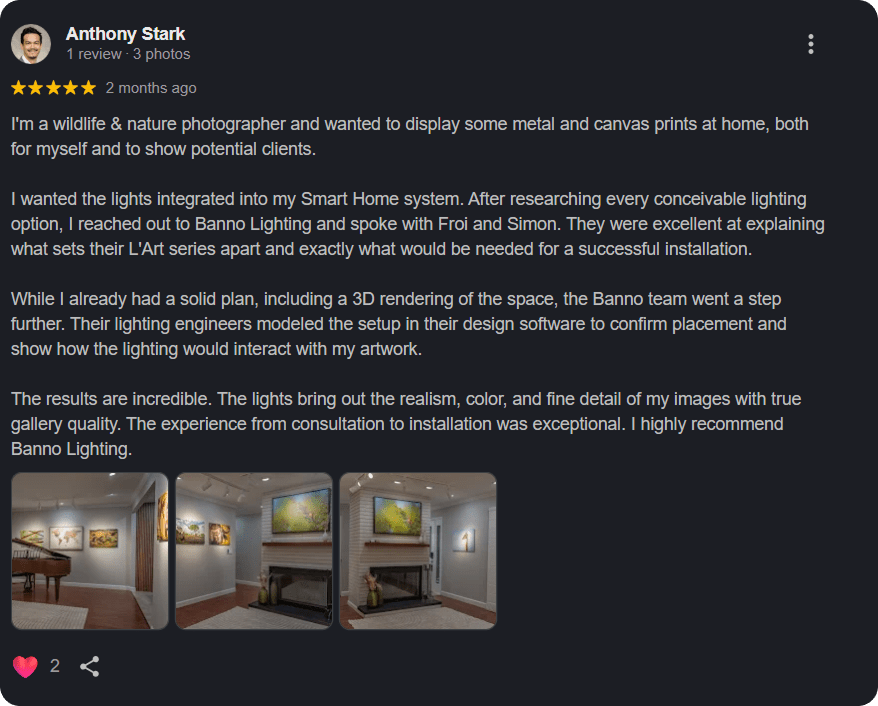
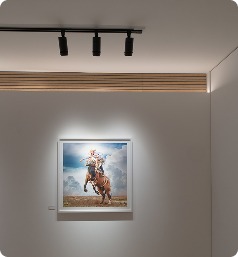
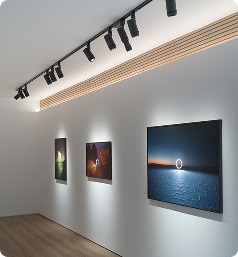
Minimalist ceiling with focused LED art lighting beams
The best recessed lighting for artwork is defined by precision, control, and visual refinement. Unlike general ceiling lighting, recessed art lighting is specifically designed to illuminate paintings, sculptures, and wall-mounted artworks with accuracy while maintaining a clean architectural ceiling appearance. For galleries, collectors, museums, and luxury homes, selecting the right recessed lighting for art is not a decorative decision but a curatorial one.
When properly specified, an artwork recessed light enhances color fidelity, reduces glare, and creates a focused visual experience that allows the artwork to remain the dominant focal point in the space.
Gallery Owner Testimonial: Why Professionals Choose Our Display Lighting
Why the Best Recessed Lighting for Artwork Requires Specialized Design
Standard recessed lights are not automatically suitable for art illumination. The best recessed lighting for artwork uses controlled beam angles, high color rendering, and strategic placement to avoid harsh hotspots or uneven illumination.
Key characteristics of premium recessed art lighting include:
- Narrow and adjustable beam control
- High color rendering accuracy
- Low glare optics
- Stable and consistent illumination
This level of control ensures that artwork is presented professionally rather than washed out by generic ceiling lighting.
Best Recessed Art Lighting and Beam Precision
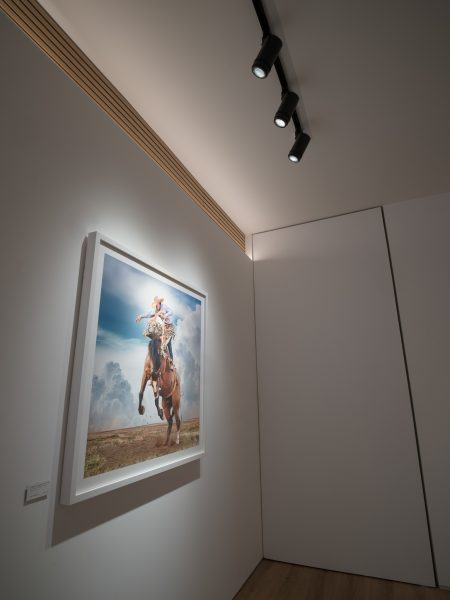
Narrow beam spotlight precisely centered on canvas artwork
Beam precision is one of the most important factors when choosing the best recessed art lighting. A wide, unfocused beam can spill light across walls and floors, reducing visual impact and distracting from the artwork itself.
Precision recessed lighting improves:
- Artwork emphasis
- Visual clarity
- Contrast and depth
- Viewer focus on key pieces
In gallery environments, even small differences in beam spread can significantly change how artwork is perceived.

4.9-star rated by art collectors and gallery professionals
Recessed Lighting for Artwork and Proper Light Placement
Recessed light placement is critical when illuminating artwork. Incorrect positioning can cause glare, shadowing, or uneven brightness across the surface of a painting.
Optimal recessed light placement for artwork typically involves:
- Positioning lights slightly in front of the artwork
- Angling beams at approximately 30 degrees
- Maintaining consistent spacing across a gallery wall
- Avoiding direct overhead glare
This placement technique ensures balanced illumination and a comfortable viewing experience.
Artwork Recessed Light and Glare Reduction

Soft controlled lighting reducing harsh reflections
Glare is a major issue when lighting framed paintings, glass-protected artwork, and varnished surfaces. An artwork recessed light helps reduce glare by controlling light angles from the ceiling rather than directing light straight toward the viewer.
Glare reduction strategies include:
- Using anti-glare recessed optics
- Selecting adjustable recessed fixtures
- Controlling beam intensity
- Offset ceiling positioning
These methods are essential in museums and professional exhibitions where visual clarity is a priority.
How to Choose Recessed Lighting for Artwork
Understanding how to choose recessed lighting for art involves more than selecting a fixture style. The technical specifications of the light determine the final visual result.
Important factors to evaluate include:
- Beam angle (narrow vs wide)
- Color rendering index (CRI 90+)
- Color temperature stability
- Adjustable aiming capability
- Light output consistency
High-CRI recessed LED fixtures are generally considered the best choice for fine art illumination.
Recessed LED Lighting for Artwork and Conservation Safety
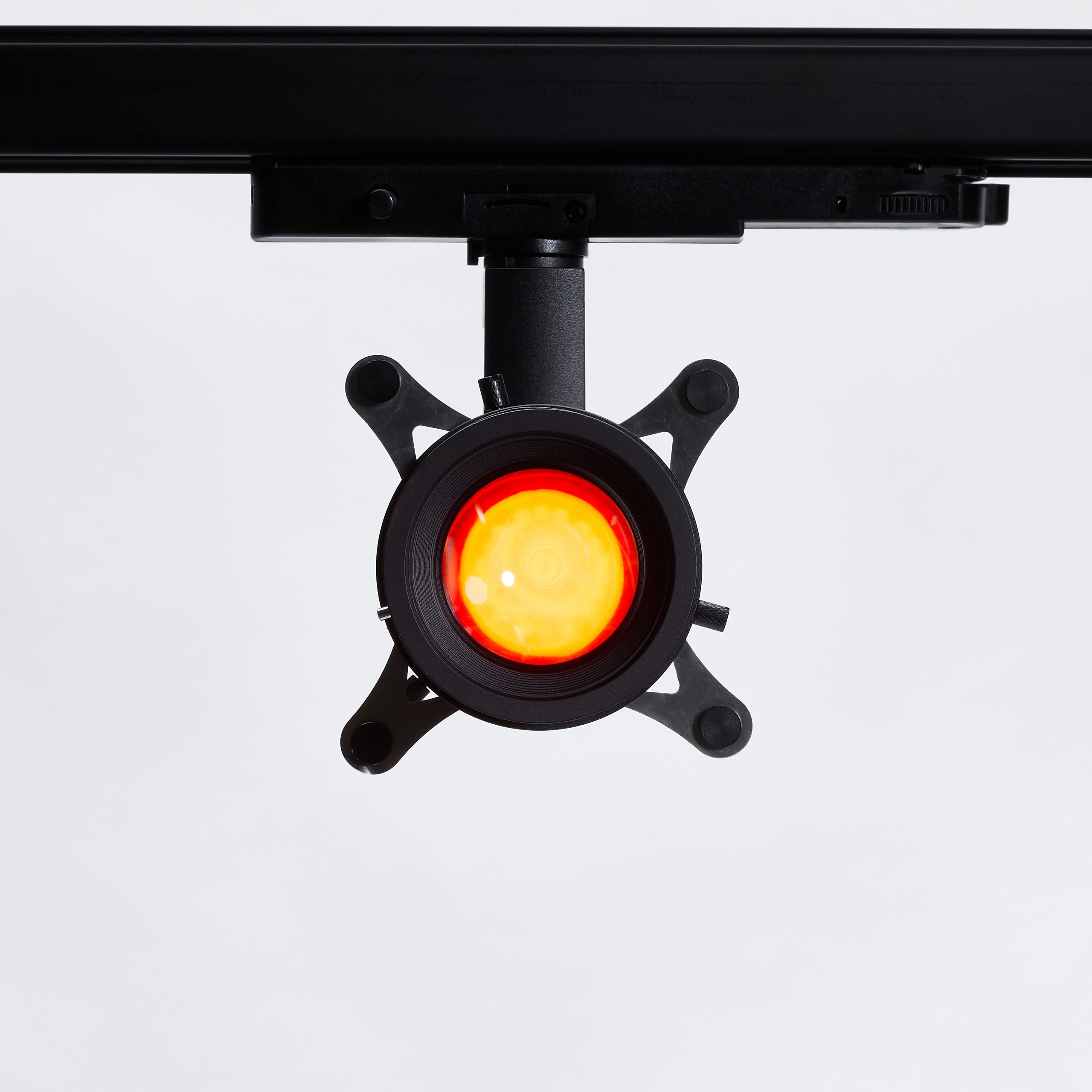
Museum-grade LED module with UV protection
Recessed LED lighting is widely regarded as the safest solution for artwork due to its low heat emission and minimal ultraviolet output. Traditional lighting sources can generate excessive heat that may damage delicate artworks over time.
Benefits of recessed LED lighting for art include:
- Reduced thermal impact on artwork
- Energy-efficient operation
- Long lifespan
- Stable illumination quality
This makes recessed LED systems ideal for museums and collector-grade environments.
Best Recessed Lighting for Art Galleries and Exhibition Spaces
Art galleries rely heavily on recessed lighting to maintain a clean ceiling while achieving professional artwork illumination. The best recessed lighting for art gallery environments allows curators to highlight individual pieces without visual clutter from visible fixtures.
Gallery-grade recessed lighting supports:
- Curated visual hierarchy
- Even illumination across exhibition walls
- Flexible lighting layouts
- Museum-level presentation standards
This architectural subtlety ensures the artwork remains the primary visual element.
Recessed Light Layout for Large Art Walls

Uniform light distribution across large art installation
Large gallery walls featuring multiple artworks require a carefully planned recessed light layout. Random ceiling light placement often results in uneven brightness and inconsistent visual rhythm.
A professional recessed layout provides:
- Uniform lighting distribution
- Balanced brightness across artworks
- Scalable lighting for rotating exhibitions
- Consistent presentation across collections
This structured approach is essential in both institutional and high-end residential art displays.
How to Improve Recessed Lighting for Artwork
Many spaces already have recessed lights but are not optimized for art. Improving recessed lighting for artwork often involves repositioning, adjusting beam angles, or upgrading to art-specific fixtures.
Effective improvements include:
- Installing adjustable recessed art lights
- Upgrading to high-CRI LED modules
- Reducing beam spread for precision
- Adding dimming control for flexibility
These adjustments can significantly enhance artwork presentation without major architectural changes.
How to Make Recessed Lighting Less Harsh for Art Displays

Warm temperature LED illuminating framed painting
Harsh lighting can flatten textures and create uncomfortable glare on artwork surfaces. The best recessed lighting for artwork should feel refined and controlled rather than aggressive.
Ways to soften recessed lighting include:
- Using narrower beam optics
- Dimming brightness levels
- Selecting warmer color temperatures
- Positioning lights with correct offset angles
This results in a more sophisticated and gallery-like viewing experience.
Professional Precision Fixtures in Recessed Art Lighting Systems
In high-end art environments, precision lighting fixtures such as Zoom, Deluxe, and Multi are often integrated into recessed lighting strategies to achieve controlled illumination without overpowering the artwork. These systems allow accurate beam shaping, consistent color rendering, and refined spotlighting suited for galleries, museums, and luxury residential collections.
Their role is not decorative but curatorial, supporting artwork visibility while maintaining architectural elegance.
Best Recessed Lighting for Artwork in Luxury Homes

Residential gallery wall illuminated with ceiling spotlights
Collectors increasingly seek the best recessed lighting for artwork in residential settings to replicate a gallery-quality display at home. Recessed lighting provides a discreet solution that integrates seamlessly into ceilings while enhancing artwork prominence.
Residential recessed art lighting enhances:
- Interior sophistication
- Artwork focal presence
- Clean ceiling aesthetics
- Professional display quality
This is especially effective in homes with dedicated gallery walls or curated art collections.
Recessed Can Lights vs Adjustable Recessed Art Lights
Standard recessed can lights often lack the directional control required for art lighting. Adjustable recessed art lights offer significantly greater precision and flexibility.
Differences include:
- Adjustable recessed lights allow beam aiming
- Standard can lights provide general ambient lighting
- Art-specific recessed lights reduce glare
- Precision optics improve artwork visibility
For serious art displays, adjustable recessed fixtures are the superior choice.
Long-Term Value of the Best Recessed Lighting for Artwork

Energy-efficient art lighting with consistent brightness
Investing in the best recessed lighting for artwork delivers long-term value in both presentation and preservation. High-quality recessed systems maintain consistent illumination, reduce maintenance needs, and support evolving art collections.
Long-term advantages include:
- Timeless architectural integration
- Energy-efficient performance
- Future-proof lighting flexibility
- Enhanced artwork preservation
Ultimately, the best recessed lighting for artwork combines precision optics, conservation-safe LED technology, and strategic placement to create a refined and museum-quality illumination experience. By prioritizing beam control, glare reduction, and color accuracy, recessed art lighting ensures that paintings, sculptures, and wall art are presented with clarity, depth, and authenticity in galleries, museums, and sophisticated collector spaces.
Best Recessed Lighting for Artwork and Beam Angle Calibration
A critical yet often overlooked factor in selecting the best recessed lighting for artwork is beam angle calibration. Beam angle determines how concentrated or diffused the light appears on the artwork surface. In professional art environments, overly wide beams can dilute visual focus, while beams that are too narrow may create harsh hotspots.
Carefully calibrated beam angles allow:
- Focused illumination on individual artworks
- Controlled light spill on surrounding walls
- Balanced brightness across different artwork sizes
- Enhanced visual clarity and depth
For small paintings and framed pieces, narrower beam angles create a refined spotlight effect, while larger artworks may require slightly wider beams to achieve even coverage without overexposure.
Recessed Lighting for Artwork and Viewing Distance Considerations
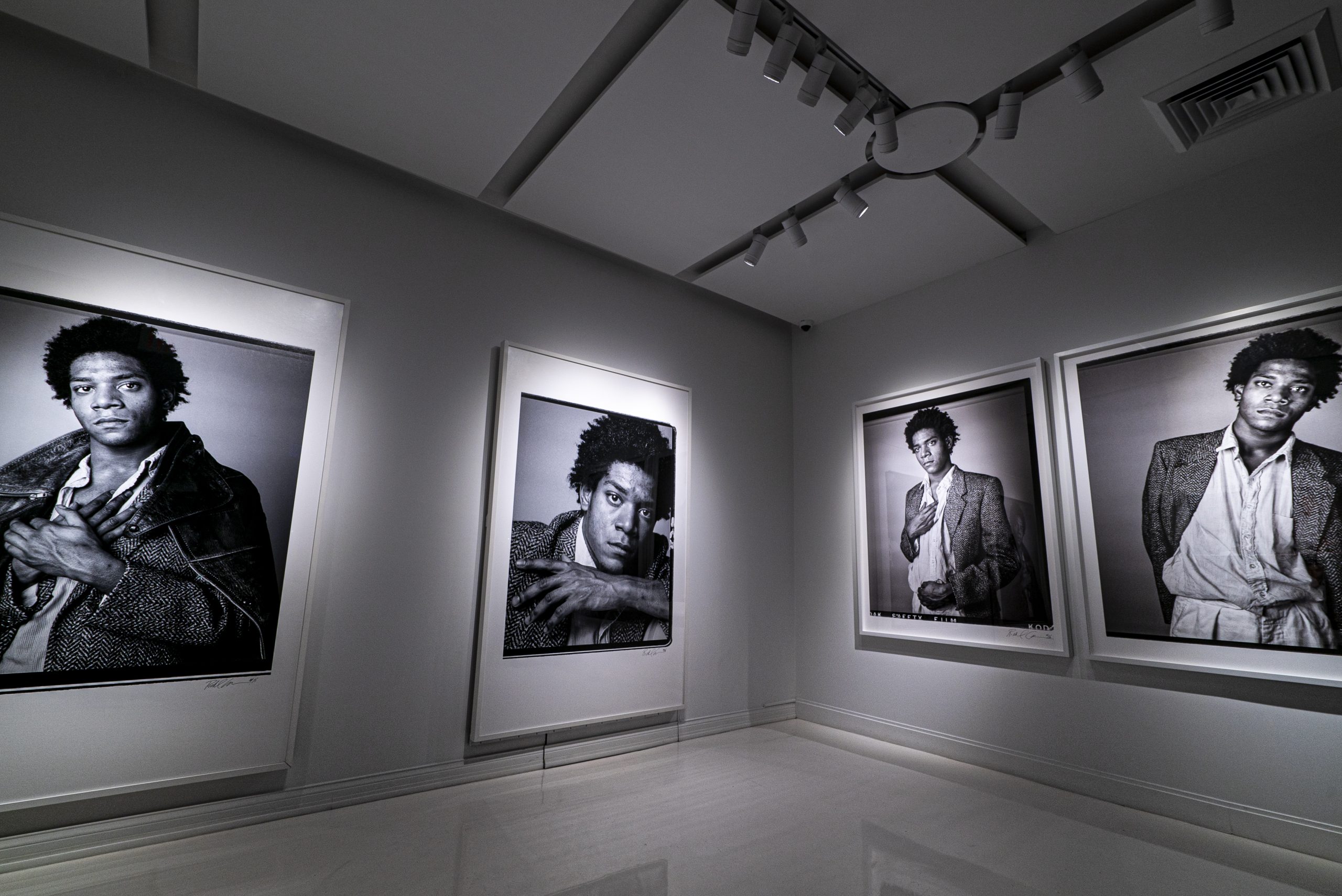
Ceiling spotlights aligned with exhibition sightlines
Viewing distance plays a significant role in how recessed lighting interacts with artwork. Lighting that appears balanced from close range may feel overly intense when viewed from a distance, especially in long gallery corridors or open exhibition spaces.
When planning recessed lighting for artwork, designers consider:
- Typical viewer standing distance
- Artwork scale and proportions
- Ceiling height and beam projection
- Sightlines within the space
This ensures that the lighting experience remains consistent and visually comfortable from multiple viewing positions.
Ceiling Height and Its Impact on Recessed Art Lighting Performance
Ceiling height directly affects how recessed lighting performs in art-focused environments. Higher ceilings require more precise optical control and potentially higher lumen output to maintain proper illumination levels on artwork surfaces.
In spaces with higher ceilings, recessed art lighting should:
- Use tighter beam spreads for focus
- Maintain consistent intensity levels
- Avoid excessive light dispersion
- Support accurate artwork highlighting
Conversely, lower ceilings benefit from softer beam distribution to prevent overly concentrated light on artwork.
Best Recessed Lighting for Artwork in Museums and Conservation Settings

Controlled LED illumination for artworks
Museums operate under strict conservation guidelines that prioritize artwork preservation alongside visual presentation. The best recessed lighting for artwork in museum environments is carefully controlled to minimize exposure risks while maintaining high visual fidelity.
Museum-grade recessed lighting typically focuses on:
- Low UV and infrared output
- Stable color temperature consistency
- Precise dimming controls
- Long-term illumination stability
These factors ensure that sensitive artworks, including historical paintings and mixed media pieces, are preserved while still being displayed effectively.
Recessed Lighting and Artwork Texture Enhancement
Texture is a defining characteristic of many artworks, particularly oil paintings, sculptures, and mixed media pieces. Recessed lighting can be strategically angled to enhance surface textures without creating distracting shadows.
Texture-enhancing recessed lighting achieves:
- Subtle shadow modelling
- Enhanced brushstroke visibility
- Improved material perception
- Greater visual depth and dimensionality
This is especially important in gallery environments where texture contributes significantly to artistic interpretation.
Layering Recessed Lighting with Ambient Illumination

Balanced interior lighting supporting featured artwork
The best recessed lighting for artwork is rarely used in isolation. Instead, it is integrated into a layered lighting system that includes ambient and accent lighting to create a balanced visual environment.
Layered lighting design includes:
- Recessed accent lighting for artwork focus
- Soft ambient lighting for spatial balance
- Supplementary directional lighting for key pieces
This layered strategy prevents harsh contrasts and ensures a cohesive viewing experience throughout the space.
Recessed Lighting for Different Types of Artwork
Different artistic mediums require slightly different lighting approaches. A one-size-fits-all recessed lighting setup may not adequately support diverse collections.
For example:
- Oil paintings benefit from warm, controlled illumination
- Photographic works require glare reduction and even lighting
- Sculptures need multi-angle lighting for depth
- Glass-protected artworks require anti-glare positioning
Understanding the medium ensures that recessed lighting enhances rather than distorts the artwork.
Dimming Control in the Best Recessed Art Lighting Systems

Precision dimming system in exhibition ceiling
Dimming capability is essential in professional art lighting systems. The ability to adjust brightness allows curators and collectors to adapt lighting levels based on artwork sensitivity, exhibition themes, or time of day.
Dimming controls provide:
- Flexible illumination levels
- Reduced visual fatigue
- Preservation-friendly light exposure
- Adaptive lighting for rotating displays
This flexibility is particularly valuable in galleries hosting temporary exhibitions.
Recessed Lighting for Artwork and Visual Hierarchy
Visual hierarchy is a core principle in exhibition and gallery design. Recessed lighting helps establish this hierarchy by selectively emphasizing primary artworks while maintaining softer illumination for secondary pieces.
Strategic hierarchy lighting allows:
- Key artworks to stand out naturally
- Curated storytelling through light emphasis
- Structured viewer flow within exhibitions
- Balanced spatial composition
This technique is widely used in museum and high-end gallery lighting design.
Integration of Precision Fixtures Within Recessed Art Lighting Layouts

Discreet art lighting integrated into architecture
High-performance recessed lighting layouts often incorporate precision art lighting fixtures such as Zoom, Deluxe, and Multi to achieve museum-grade illumination accuracy. These systems allow controlled beam shaping, consistent color rendering, and refined directional lighting that aligns with curatorial standards.
Rather than acting as decorative lighting, these precision solutions function as specialist tools for illuminating fine art collections in a discreet and professional manner.
Recessed Lighting and Long-Term Artwork Preservation
Excessive light exposure can gradually impact artwork materials over time. The best recessed lighting for artwork is designed to balance visibility with preservation, ensuring that light levels remain within safe thresholds.
Preservation-focused recessed lighting supports:
- Reduced thermal stress on materials
- Minimal UV exposure
- Controlled illumination duration
- Stable environmental conditions
This is particularly important for valuable and historically significant artworks.

Architectural Minimalism and Recessed Art Lighting

Seamless recessed fixture blending into ceiling
Recessed lighting aligns seamlessly with minimalist architectural design, which is increasingly preferred in modern galleries and luxury interiors. By embedding the lighting within the ceiling, visual clutter is minimized and attention remains centered on the artwork.
Architectural benefits include:
- Clean ceiling aesthetics
- Discreet fixture integration
- Enhanced spatial elegance
- Timeless interior design compatibility
This approach reinforces the perception of artwork as the primary visual element within the space.
Future-Proofing Art Displays with Recessed Lighting Systems
Art collections evolve over time, and lighting systems must be adaptable to accommodate new acquisitions and changing display layouts. Recessed lighting systems with adjustable optics and flexible positioning offer long-term adaptability without requiring major structural modifications.
Future-proof recessed art lighting provides:
- Adjustable beam direction
- Scalable lighting layouts
- Support for rotating exhibitions
- Long-term design flexibility
This ensures that the lighting system remains effective as collections grow or change.
The Professional Standard for the Best Recessed Lighting for Artwork

High-CRI LED ensuring accurate color rendering
Ultimately, the best recessed lighting for artwork combines precision optics, strategic placement, high color rendering, and conservation-friendly LED technology. When all these elements work together, recessed lighting becomes an invisible yet powerful tool that elevates artwork presentation.
Professional-grade recessed art lighting delivers:
- Accurate color representation
- Balanced illumination across artworks
- Reduced glare and visual distraction
- Museum-quality viewing conditions
By prioritizing beam precision, thoughtful placement, and architectural integration, recessed lighting transforms art displays into refined visual experiences. Whether used in galleries, museums, studios, or high-end residential collections, well-designed recessed art lighting ensures that artwork is illuminated with clarity, depth, and authenticity while preserving its visual integrity for long-term appreciation.
20 FAQs
1. What is the best recessed lighting for artwork?
High-CRI adjustable recessed LED lights with narrow beam angles are best for artwork.
2. How far should recessed lights be from artwork?
Typically positioned slightly in front of the artwork at a 30-degree angle for optimal illumination.
3. Are recessed lights good for paintings?
Yes, when properly positioned, they provide clean and controlled illumination for paintings.
4. What beam angle is best for recessed art lighting?
Narrow to medium beam angles (20–40 degrees) are ideal for focused artwork lighting.
5. Can recessed lighting cause glare on artwork?
Yes, improper placement can cause glare, especially on glass or varnished surfaces.
6. Is recessed LED lighting safe for artwork?
Yes, LED recessed lighting produces low heat and minimal UV, making it safe for art.
7. How do you reduce glare with recessed art lights?
Use angled placement, anti-glare optics, and dimmable LED fixtures.
8. Should recessed lights be centered over artwork?
No, they should be slightly offset in front to avoid shadows and glare.
9. What color temperature is best for art lighting?
Around 3000K to 3500K for accurate and natural color rendering.
10. Do recessed lights damage paintings over time?
Not if using high-quality LED fixtures with controlled light levels.
11. How many recessed lights are needed for a gallery wall?
This depends on artwork size, spacing, and desired lighting uniformity.
12. Can existing recessed lights be used for art lighting?
Yes, but upgrading to adjustable and high-CRI fixtures is recommended.
13. What CRI is best for recessed lighting for artwork?
CRI 90 or above is ideal for accurate color representation.
14. Are adjustable recessed lights better than fixed ones for art?
Yes, adjustable fixtures provide greater flexibility and precision.
15. How do you make recessed lighting look more professional for art?
Use precise placement, dimming controls, and narrow beam optics.
16. Is recessed lighting better than track lighting for artwork?
Recessed lighting offers cleaner aesthetics, while track lighting offers more flexibility.
17. Can recessed lighting be used in museums?
Yes, many museums use recessed art lighting for discreet, controlled illumination.
18. How bright should recessed lights be for artwork?
Moderate brightness with dimming capability is ideal for preservation and comfort.
19. What is the biggest mistake in recessed art lighting?
Incorrect placement that causes glare, hotspots, or uneven illumination.
20. Does recessed lighting improve art presentation?
Yes, when properly designed, it enhances clarity, depth, and visual focus on artwork.
Client Feedback and Real Project Success Stories