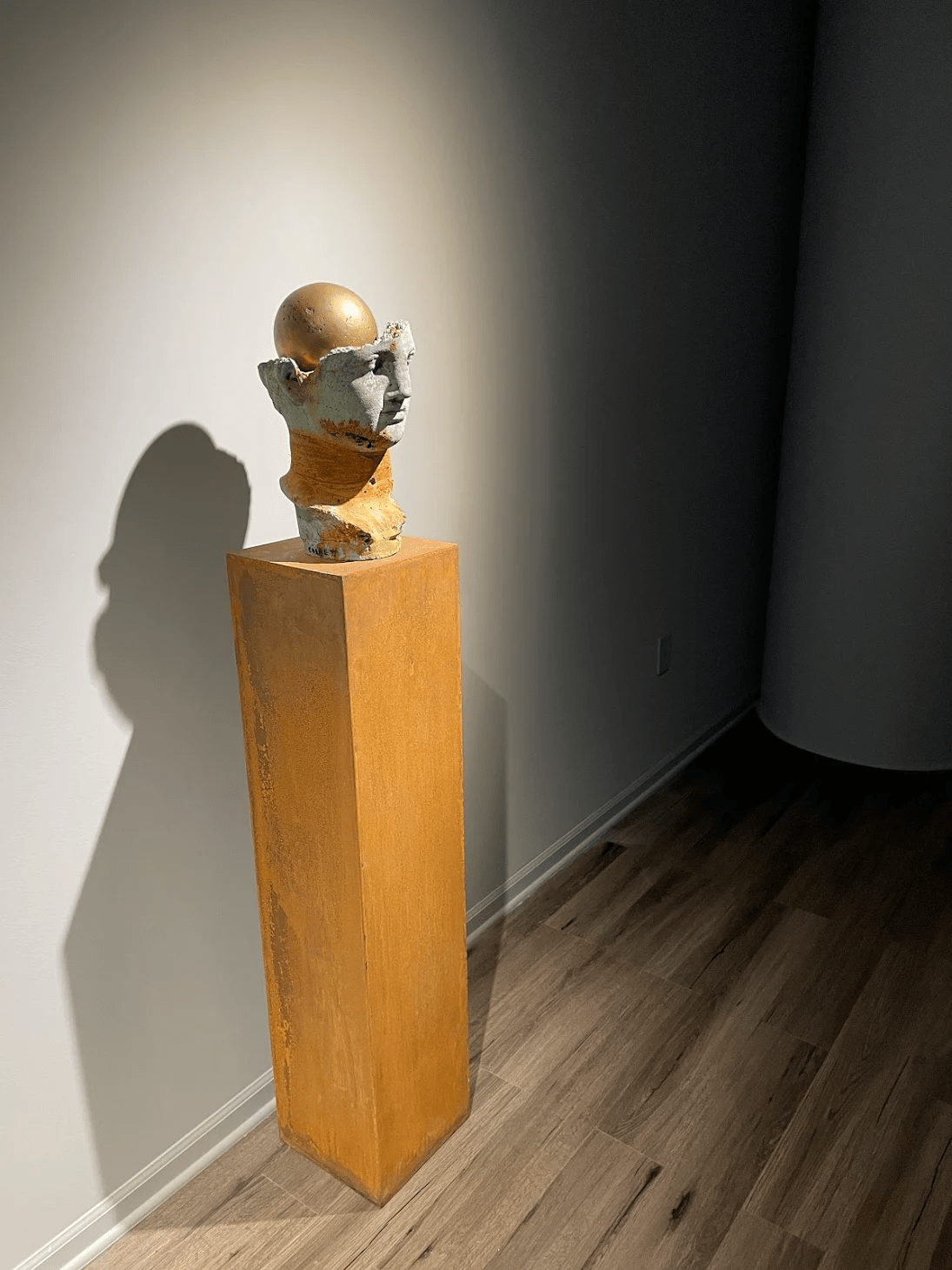
Controlled spotlight enhancing sculpture
Art museum lights are not simply illumination tools. They are precision instruments designed to reveal the true depth, color, and emotional presence of artwork while preserving delicate materials over time. In professional museum environments, lighting is treated as a curatorial discipline, where every beam, angle, and intensity level is carefully calibrated to enhance visual clarity without compromising conservation standards.
The quality of art museum lights directly influences how visitors perceive paintings, sculptures, installations, and historical artifacts. Proper lighting transforms artwork from a static object into an immersive visual experience.
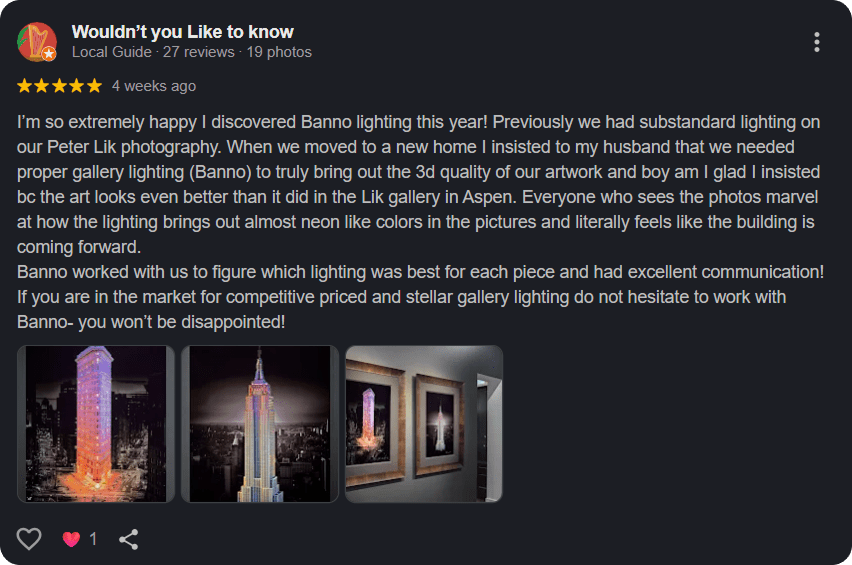
What a Gallery Owner Says About Our Precision Lighting Systems
The Role of Art Museum Lights in Artwork Presentation
Art museum lights are engineered to highlight artwork with accuracy and restraint. Unlike general lighting, museum lighting must balance visibility with preservation, ensuring that artworks are clearly illuminated without excessive exposure to heat or harmful radiation.
High-quality museum art lighting supports:
- Accurate color perception
- Clear visibility of artistic details
- Controlled visual focus
- Long-term artwork preservation
This careful balance is essential for both temporary exhibitions and permanent collections.
Museum Art Lighting Fixtures and Precision Illumination

Adjustable optic fixture mounted on exhibition track
Museum art lighting fixtures are specifically designed to deliver controlled and directional illumination. These fixtures often feature adjustable optics, high color rendering capabilities, and glare-reduction technologies to maintain museum-grade presentation standards.
Precision fixtures allow:
- Focused lighting on individual artworks
- Minimal light spill onto surrounding surfaces
- Consistent illumination across exhibits
- Enhanced visual hierarchy within galleries
This level of control is critical in curatorial environments where lighting influences visitor engagement.

4.9-star rated by art collectors and gallery professionals
Art Museum Lights and Color Rendering Accuracy
Color rendering is one of the most important characteristics of art museum lights. Artwork relies heavily on subtle pigment variations and tonal layering that can be distorted under poor lighting conditions.
Museum-grade lighting enhances:
- True pigment representation
- Subtle color transitions
- Material authenticity
- Visual richness of artwork
High color rendering index lighting ensures that viewers experience artwork as the artist originally intended.
Museum Lights for Art and Conservation Standards

Conservation lighting system inside controlled gallery
Museums must adhere to strict conservation guidelines, making lighting selection a highly technical process. Museum lights for art are designed to emit low heat and minimal ultraviolet radiation to protect sensitive materials such as canvas, paper, and textiles.
Conservation-focused art museum lights provide:
- Low thermal emission
- UV and IR reduction
- Stable light intensity
- Long-term preservation support
This makes LED-based museum lighting the preferred standard in modern institutions.
Art Gallery Lights vs Art Museum Lights
While art gallery lights and art museum lights share similarities, museum lighting typically requires higher precision and stricter conservation control. Galleries may prioritize flexibility, while museums focus heavily on preservation and accuracy.
Key differences include:
- Museums emphasize conservation-safe lighting
- Galleries prioritize adaptable exhibition lighting
- Museums use tightly controlled beam optics
- Galleries may allow more dynamic lighting variations
Both systems, however, rely on precision illumination to elevate artwork presentation.
Art Museum Light Placement and Viewing Experience
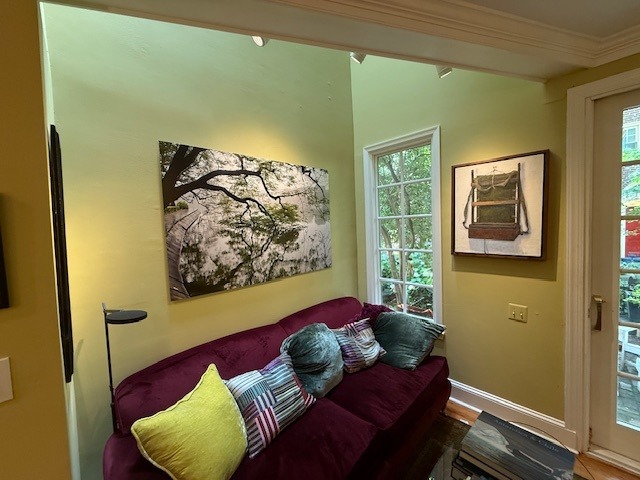
Balanced illumination visible from multiple viewing angles
Strategic placement of art museum lights ensures that artworks are illuminated evenly without glare or shadow distortion. Improper placement can result in reflections, hotspots, or uneven brightness across the artwork surface.
Optimal museum light placement includes:
- Angled lighting positions
- Consistent fixture spacing
- Controlled beam direction
- Balanced illumination across viewing angles
This placement approach enhances both visual comfort and artwork clarity.
Ceiling Lights for Art Gallery and Museum Environments
Ceiling-integrated art museum lights offer a clean architectural solution that keeps the focus on the artwork rather than the lighting fixtures. Recessed and track-mounted ceiling lights are commonly used in museum exhibition design.
Ceiling lighting benefits include:
- Discreet fixture integration
- Consistent overhead illumination
- Architectural harmony
- Professional gallery aesthetics
This minimalist approach is widely adopted in contemporary museum spaces.
Art Gallery Track Lights in Museum Exhibitions
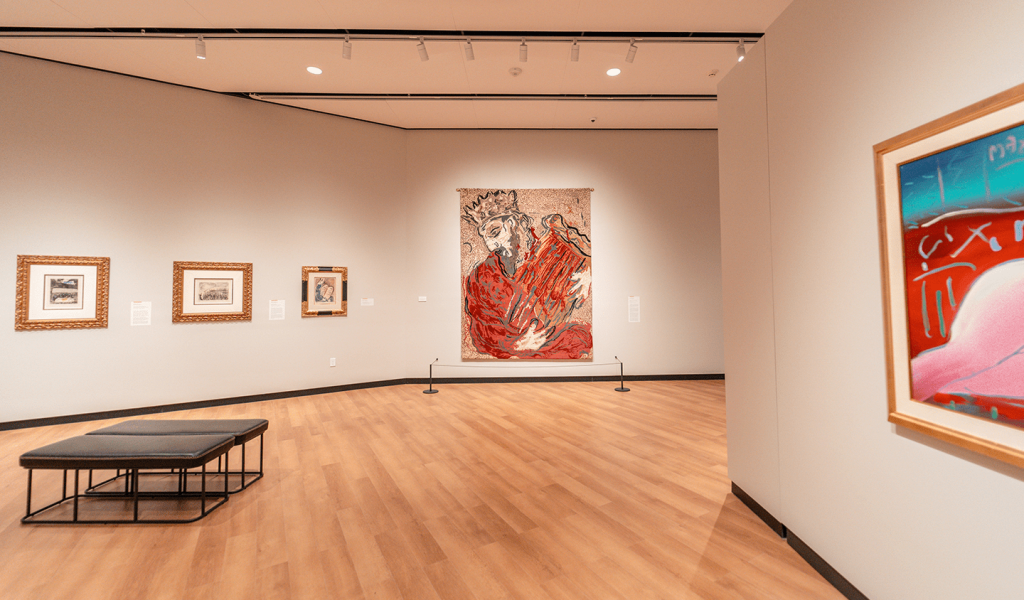
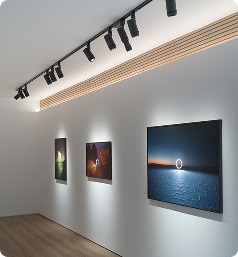
Flexible lighting rail system in gallery
Track lighting systems are frequently used in museums due to their flexibility and precision. Art gallery track lights allow curators to reposition lighting as exhibitions change without altering the ceiling structure.
Track lighting systems provide:
- Adjustable beam direction
- Flexible exhibition layouts
- Scalable lighting configurations
- Curatorial adaptability
This makes them ideal for rotating exhibitions and evolving art collections.
Importance of Light in Art Interpretation
The importance of light in art extends beyond visibility. Lighting shapes how viewers emotionally and intellectually engage with artwork. Subtle variations in brightness and direction can alter perception, mood, and artistic emphasis.
Effective museum lighting enhances:
- Emotional engagement
- Narrative storytelling within exhibitions
- Depth and dimensionality
- Viewer immersion
This is why lighting design is considered an integral part of exhibition curation.
Art Gallery Spot Lights and Visual Hierarchy

Structured lighting guiding visitor attention
Art gallery spot lights are essential for establishing visual hierarchy within museum spaces. By selectively highlighting key artworks, curators can guide visitor attention naturally throughout an exhibition.
Spot lighting supports:
- Focal artwork emphasis
- Balanced exhibition flow
- Layered visual storytelling
- Enhanced visitor engagement
This structured illumination approach is widely used in museum and gallery lighting design.
Professional Precision Lighting in Museum-Grade Systems
High-end museum lighting systems often integrate specialist precision fixtures such as Zoom, Deluxe, and Multi to achieve refined artwork illumination. These lighting solutions provide accurate beam control, museum-level color rendering, and adaptable directional lighting suited for exhibitions, galleries, and collector spaces.
Rather than appearing decorative, these systems function as discreet curatorial tools that enhance artwork visibility while maintaining architectural elegance.
Art Museum Lights and Exhibition Lighting Design

Focused illumination on featured installation
Exhibition lighting design requires a strategic approach that considers artwork type, exhibition theme, and spatial layout. Art museum lights must be adaptable to support diverse artistic mediums and display formats.
Exhibition lighting design includes:
- Layered lighting strategies
- Accent lighting for key pieces
- Ambient lighting for spatial balance
- Controlled spotlighting for focal works
This layered approach creates depth and refinement in museum exhibitions.
Modern Art Museum Lights and Technological Advancements
Modern art museum lights have evolved significantly with the adoption of LED technology and advanced optical engineering. These advancements allow museums to achieve greater precision, efficiency, and conservation safety.
Technological improvements include:
- Advanced dimming systems
- Smart lighting controls
- High-efficiency LED modules
- Enhanced optical precision
These innovations support both sustainability and superior artwork presentation.
Long-Term Value of High-Quality Art Museum Lights
Consistent brightness across multi-year exhibitions
Investing in professional art museum lights delivers long-term value for institutions, collectors, and designers. High-performance lighting systems ensure consistent illumination quality, reduced maintenance, and preservation-friendly operation.
Long-term advantages include:
- Energy-efficient performance
- Stable lighting output
- Reduced artwork exposure risk
- Timeless exhibition presentation
Ultimately, art museum lights represent the highest standard in artwork illumination. Through precise beam control, conservation-safe technology, and curatorial lighting design, museum lighting systems allow paintings, sculptures, and installations to be experienced with clarity, depth, and authenticity while preserving their cultural and artistic integrity for future generations.
Art Museum Lights and Curatorial Control of Illumination
Art museum lights are fundamentally about control. Unlike residential or commercial lighting, museum illumination is curated with the same level of intentionality as the artwork itself. Every fixture, beam angle, and light intensity is selected to align with the curatorial vision of the exhibition while maintaining strict preservation standards.
Curatorial lighting control allows museums to:
- Highlight specific artworks without overwhelming the space
- Maintain consistency across exhibitions
- Adapt lighting to different artistic mediums
- Support narrative flow throughout gallery rooms
This level of intentional lighting design ensures that the visitor experience feels cohesive and professionally orchestrated.
Art Museum Lights and the Balance Between Visibility and Preservation

Soft illumination maintaining artwork clarity
One of the defining challenges in museum lighting is balancing optimal visibility with long-term artwork preservation. Excessive illumination can accelerate material degradation, while insufficient lighting reduces viewer engagement and appreciation.
Well-designed art museum lights achieve balance by:
- Maintaining controlled lux levels
- Using low-heat LED illumination
- Limiting UV and infrared exposure
- Providing adjustable brightness for sensitive works
This careful equilibrium is especially important for historical paintings, textiles, and paper-based artworks.
Lighting for Art Exhibitions and Temporary Installations
Temporary exhibitions require flexible and adaptable lighting systems. Art museum lights used in exhibition settings must be easily adjustable to accommodate different artwork sizes, layouts, and thematic presentations.
Exhibition lighting typically focuses on:
- Adjustable spotlighting for rotating artworks
- Flexible track lighting systems
- Layered lighting compositions
- Consistent visual tone across installations
This adaptability allows curators to redesign lighting schemes without major architectural changes between exhibitions.
Museum Art Lighting Fixtures and Optical Engineering

Reduced hotspot formation on canvas surface
Modern museum art lighting fixtures incorporate advanced optical engineering to deliver precise and controlled illumination. These fixtures are designed to reduce glare, improve beam shaping, and ensure even light distribution across artwork surfaces.
Optical advancements in museum lighting provide:
- Sharp beam definition
- Uniform light spread
- Reduced hotspot formation
- Enhanced visual clarity for fine details
Such precision is essential when illuminating delicate brushwork, fine textures, and intricate artistic elements.
Art Museum Lights and Color Temperature Consistency
Consistency in color temperature is crucial in museum environments. Sudden variations in light tone across a gallery can distort the perception of artworks and disrupt the visual harmony of an exhibition.
Stable color temperature in art museum lights ensures:
- Uniform viewing conditions across galleries
- Accurate representation of pigments
- Visual continuity between exhibition rooms
- Enhanced professionalism in display presentation
Most museums favor neutral to warm color temperatures that complement artwork without introducing color bias.
Art Museum Lights and Architectural Harmony

Spotlight blending seamlessly into white ceiling
Museum spaces are often designed with architectural minimalism to allow artwork to remain the focal point. Art museum lights are therefore integrated discreetly into ceilings, tracks, or architectural recesses to avoid visual distraction.
Architectural harmony in museum lighting supports:
- Clean ceiling aesthetics
- Discreet fixture visibility
- Enhanced spatial elegance
- Uninterrupted focus on artwork
This integration reflects the museum philosophy that lighting should enhance art, not compete with it.
Museum Lights for Art and Visitor Comfort
Visitor comfort is a key consideration in museum lighting design. Harsh or uneven lighting can cause visual fatigue and reduce the overall exhibition experience.
Comfort-focused art museum lights achieve:
- Soft yet precise illumination
- Reduced glare and reflections
- Balanced brightness levels
- Comfortable viewing across long visits
This ensures that visitors can engage with artwork for extended periods without discomfort.
Art Museum Lights and Large-Scale Installations

Multi-source lighting illuminating large installation
Large-scale installations and contemporary artworks often require customized lighting strategies. Standard lighting approaches may not adequately illuminate oversized pieces or immersive installations.
Lighting for large installations may involve:
- Multiple directional light sources
- Layered accent lighting
- Wide beam distribution with precision control
- Adaptive lighting layouts
These tailored approaches ensure that large artworks are presented with clarity and spatial balance.
Use of Light in Art and Interpretive Presentation

Subtle shadows enhancing conceptual artwork
The use of light in art extends beyond illumination and becomes part of the interpretive experience. Lighting can shape how viewers emotionally respond to an artwork, emphasizing mood, texture, and conceptual depth.
Interpretive lighting enhances:
- Emotional resonance of artworks
- Atmospheric storytelling in exhibitions
- Spatial drama within gallery settings
- Depth and dimensional perception
Museums often use subtle lighting variations to reinforce curatorial narratives.
Art Museum Lights and Natural Light Integration
Some museums incorporate natural light into their lighting strategy, carefully balancing daylight with artificial illumination. Controlled natural lighting can enhance artwork presentation while reducing reliance on artificial sources.
However, natural light integration requires:
- UV filtering systems
- Light diffusion controls
- Careful artwork placement
- Supplementary artificial lighting balance
This approach is famously used in architecturally refined museums where daylight becomes part of the exhibition experience.
Art Gallery Style Lights in Museum Contexts

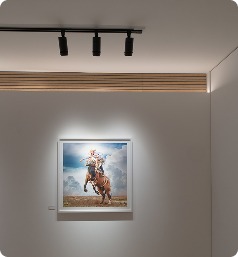
Adjustable beam spotlight above painting
Art gallery style lights are frequently adapted for museum use due to their flexibility and directional precision. These lighting systems allow curators to fine-tune beam angles and intensity levels depending on exhibition requirements.
Their advantages include:
- Adjustable spotlight positioning
- Scalable lighting layouts
- Precision artwork highlighting
- Curatorial flexibility
This makes them highly suitable for dynamic museum exhibitions.
Professional Precision Lighting and Museum-Grade Systems
High-end museum lighting systems often incorporate precision lighting technologies such as Zoom, Deluxe, and Multi to achieve refined and controlled illumination. These specialist lighting solutions provide accurate beam shaping, high color rendering, and adaptable directional lighting that aligns with museum-level presentation standards.
Their role is subtle yet critical, functioning as invisible tools that enhance artwork visibility while preserving architectural elegance and curatorial intent.

Art Museum Lights and Long-Term Operational Efficiency

Stable illumination output across years
Operational efficiency is another advantage of modern art museum lights. LED-based systems offer long lifespans and consistent performance, reducing maintenance requirements in large institutional spaces.
Efficiency benefits include:
- Lower energy consumption
- Reduced maintenance cycles
- Long fixture lifespan
- Stable lighting output over time
For museums operating extended daily hours, these efficiencies translate into significant long-term cost and sustainability benefits.
The Evolving Future of Art Museum Lights

Automated dimming responding to exhibition layout
As museum design continues to evolve, art museum lights are becoming increasingly intelligent, adaptable, and conservation-focused. Future lighting systems are expected to incorporate smart controls, adaptive dimming, and highly precise optical technologies that further enhance artwork presentation.
Emerging trends in museum lighting include:
- Smart lighting automation
- Adaptive exhibition lighting systems
- Enhanced conservation-safe illumination
- Ultra-precise beam control technologies
Ultimately, art museum lights represent the highest standard of professional art illumination. Through precision optics, conservation-conscious engineering, and curatorial lighting design, these systems ensure that artworks are displayed with clarity, authenticity, and respect. Whether illuminating classical paintings, contemporary installations, or historical artifacts, expertly designed museum lighting allows art to be experienced in its full visual depth while safeguarding its integrity for future generations.
20 FAQs
1. What are art museum lights?
Art museum lights are precision lighting systems designed to illuminate artwork while preserving its condition.
2. Why is lighting important in museums?
Lighting enhances visibility, protects artwork, and improves visitor engagement.
3. What type of lighting is best for museums?
High-CRI LED lighting with controlled beam angles is considered the best.
4. Do museum lights damage artwork?
Proper museum-grade LED lighting is designed to minimize damage and preserve artwork.
5. What color temperature is used in art museums?
Typically between 3000K and 3500K for accurate color rendering.
6. Are LED lights used in museums?
Yes, LED lights are the industry standard due to low heat and UV output.
7. How do museums reduce glare on artwork?
By using angled lighting, anti-glare optics, and controlled beam positioning.
8. What is the difference between gallery lights and museum lights?
Museum lights prioritize conservation, while gallery lights focus more on flexibility.
9. How bright should museum lighting be?
Moderate and controlled brightness to balance visibility and preservation.
10. Can museum lighting be dimmed?
Yes, most museum lighting systems include precise dimming controls.
11. What CRI is best for museum lighting?
CRI 90 or above is recommended for accurate artwork color representation.
12. Do museums use track lighting?
Yes, track lighting is commonly used for flexible exhibition lighting.
13. How are sculptures lit in museums?
Using multi-angle lighting to reveal depth and texture.
14. Are recessed lights used in museums?
Yes, recessed lights are used for discreet and focused illumination.
15. What is museum-grade lighting?
Lighting that meets conservation, accuracy, and professional display standards.
16. How does lighting affect art perception?
Lighting influences color visibility, texture, mood, and overall viewer experience.
17. Can lighting fade paintings over time?
Excessive or improper lighting can contribute to fading if not properly controlled.
18. Why do museums avoid harsh lighting?
Harsh lighting can create glare, distort colors, and damage sensitive artworks.
19. What lighting is used for exhibitions?
Layered lighting combining accent, ambient, and directional illumination.
20. How long do museum lighting systems last?
High-quality LED museum lighting systems can last many years with consistent performance.
Highly Rated by Clients Across Residential and Commercial Projects