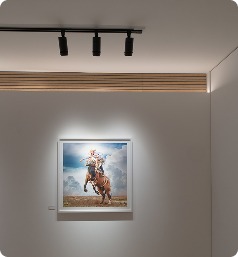
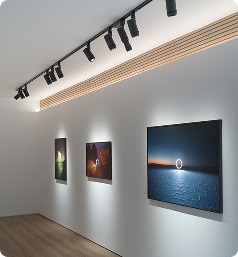
Balanced exhibit lighting enhancing artwork without glare
Museum display lighting is a specialised discipline that combines precision illumination, conservation awareness, and curatorial design. Unlike general lighting, museum display lighting is engineered to enhance the visibility of artworks and artifacts while protecting them from long-term damage caused by excessive light exposure, heat, or glare.
In museums, lighting is not merely functional. It is an interpretive tool that shapes how visitors perceive exhibits, understand artistic narratives, and engage emotionally with displayed objects. From large exhibition walls to delicate display case installations, museum display lighting plays a defining role in presentation quality and preservation standards.
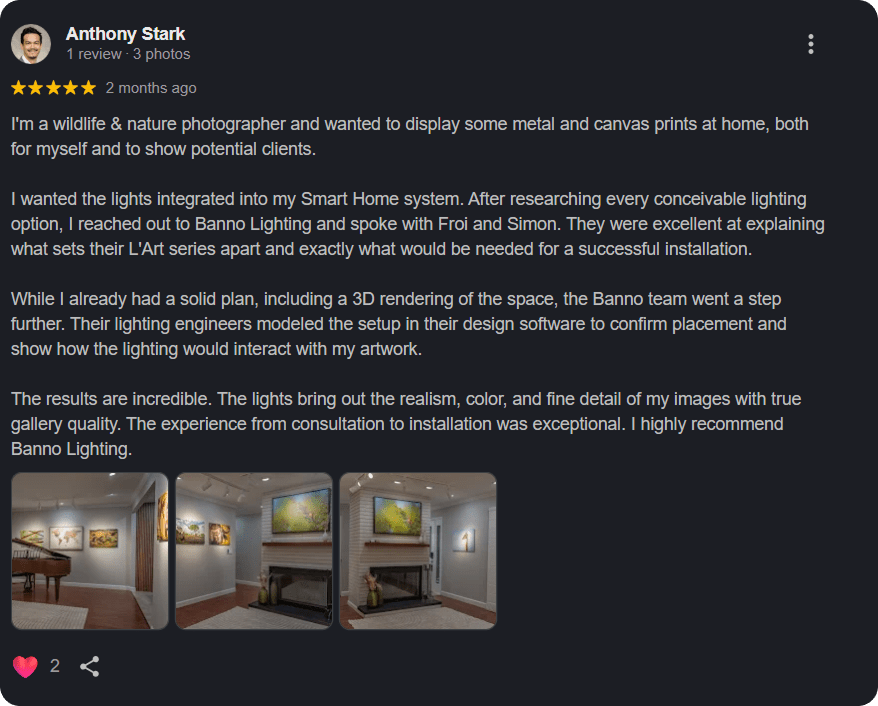
Client Testimonial: Real Feedback from a Gallery Owner
Museum Display Lighting and Curatorial Presentation
Effective museum display lighting is designed to align with curatorial intent. Every exhibit is carefully illuminated to highlight its historical, artistic, or cultural significance without overwhelming the viewer or compromising the integrity of the object.
Curatorial lighting supports:
- Focused attention on key exhibits
- Clear visual hierarchy within galleries
- Enhanced storytelling through illumination
- Balanced spatial atmosphere
This intentional approach ensures that lighting enhances interpretation rather than distracting from the exhibit itself.
Museum Exhibit Lighting and Visual Hierarchy

Structured gallery brightness creating cohesive rhythm
Museum exhibit lighting is essential for establishing visual hierarchy across exhibitions. Not all artifacts and artworks require the same intensity of illumination. Strategic lighting helps guide visitors naturally through the exhibition flow.
Well-structured exhibit lighting achieves:
- Primary exhibit emphasis
- Secondary object balance
- Smooth visitor navigation
- Cohesive exhibition rhythm
This layered lighting strategy is widely used in museums to structure the viewing experience.

4.9-star rated by art collectors and gallery professionals
Museum Display Case Lighting and Object Preservation
Museum display case lighting is one of the most sensitive aspects of museum lighting design. Display cases often contain fragile artifacts such as textiles, manuscripts, sculptures, and historical objects that require low-intensity, conservation-safe illumination.
High-quality display case lighting provides:
- Low heat emission
- Minimal UV exposure
- Controlled light distribution
- Protection of delicate materials
LED museum display case lighting is now the preferred standard due to its stability and conservation-friendly performance.
Museum Display Cabinet Lighting for Enclosed Exhibits

Integrated LED strips inside glass cabinet display
Museum display cabinet lighting must be carefully engineered to avoid hotspots and uneven brightness inside enclosed spaces. Improper lighting inside cabinets can distort object visibility and create reflective glare on glass surfaces.
Effective cabinet lighting design includes:
- Integrated LED strip or spotlight systems
- Even illumination across display surfaces
- Glare reduction through angled optics
- Controlled brightness levels
This ensures artifacts remain clearly visible without visual distortion.
LED Museum Display Lighting and Energy Efficiency
LED museum display lighting has revolutionized modern museum environments. Compared to traditional lighting technologies, LEDs provide stable illumination, reduced heat output, and significantly improved energy efficiency.
Benefits of LED museum lighting include:
- Long operational lifespan
- Low thermal impact on exhibits
- High color rendering accuracy
- Reduced energy consumption
These features make LED lighting ideal for long-duration museum exhibitions and permanent collections.
Museum Lighting Design Guidelines and Professional Standards

Consistent color temperature within curated gallery
Museums operate under strict lighting design guidelines to ensure both presentation quality and artifact preservation. Museum lighting guidelines typically define acceptable lux levels, UV thresholds, and color rendering requirements.
Professional museum lighting design focuses on:
- Controlled illumination intensity
- Consistent color temperature
- Minimal glare and reflection
- Conservation-safe lighting levels
These standards ensure that exhibits are protected while remaining visually engaging.
Exhibition Lighting Design and Spatial Experience
Exhibition lighting design goes beyond illuminating individual objects. It creates a cohesive spatial experience that enhances visitor immersion and engagement throughout the gallery environment.
Exhibition lighting strategies include:
- Accent lighting for key exhibits
- Ambient lighting for spatial balance
- Directional lighting for visual flow
- Subtle contrast to define exhibit zones
This layered approach adds depth and refinement to museum spaces.
Museum Display Techniques and Lighting Integration

Architectural lighting blending into gallery design
Modern museum display techniques integrate lighting directly into exhibit design. Lighting is often concealed within ceilings, display cases, or architectural elements to maintain visual focus on the objects rather than the fixtures.
Integrated lighting techniques provide:
- Discreet illumination
- Enhanced exhibit clarity
- Clean exhibition aesthetics
- Professional presentation consistency
This integration reflects contemporary museum design philosophy.
Museum Display Cases with Lights and Precision Optics
Museum display cases with lights require precision optical control to ensure artifacts are illuminated evenly from multiple angles. Poor lighting placement can cause shadows, glare, or uneven object visibility.
Precision lighting within display cases supports:
- Uniform illumination across objects
- Enhanced texture visibility
- Accurate material representation
- Comfortable viewing conditions
This is especially important for detailed artifacts and small-scale exhibits.
Professional Precision Lighting in Museum Display Environments

High-CRI fixture illuminating gallery installation
High-end museum display lighting systems often incorporate precision fixtures such as Zoom, Deluxe, and Multi to achieve refined and conservation-conscious illumination. These lighting solutions provide accurate beam shaping, high color rendering, and controlled directional lighting suitable for museum exhibits and gallery displays.
Their role is subtle yet critical, functioning as specialist illumination tools that enhance exhibit clarity while maintaining strict preservation standards and architectural discretion.
Museum Lighting and Glare Control
Glare is a major concern in museum environments, particularly when exhibits are protected by glass enclosures. Museum display lighting must be positioned and calibrated to minimize reflections and visual discomfort.
Glare control methods include:
- Angled lighting placement
- Anti-glare optical lenses
- Controlled beam spread
- Balanced light intensity
Proper glare management significantly improves the viewing experience.
Display Case Lighting Ideas for Different Exhibit Types

Controlled spotlight illuminating framed painting
Different exhibit types require tailored lighting approaches. A one-size lighting solution is rarely suitable for diverse museum collections.
For example:
- Textiles require low-intensity diffuse lighting
- Sculptures benefit from multi-directional illumination
- Paintings require controlled directional lighting
- Historical documents need minimal light exposure
Customizing display case lighting ensures optimal presentation and preservation.
Museum Display Lighting and Color Accuracy
Color accuracy is essential in museum display lighting, particularly for artworks, historical artifacts, and culturally significant objects. Poor lighting can distort original colors and misrepresent artistic intent.
High color accuracy lighting enhances:
- Authentic visual representation
- Subtle tonal variations
- Material authenticity
- Curatorial credibility
This is why high-CRI lighting is standard in museum environments.
Long-Term Value of Museum Display Lighting Systems

Energy-efficient fixtures supporting long-term operation
Investing in professional museum display lighting systems provides long-term operational and curatorial value. High-performance lighting reduces maintenance, improves energy efficiency, and ensures consistent exhibit presentation over time.
Long-term advantages include:
- Stable lighting performance
- Reduced conservation risks
- Energy-efficient operation
- Future-ready exhibition adaptability
Ultimately, museum display lighting is a cornerstone of professional exhibition design. By combining precision optics, conservation-safe LED technology, and strategic curatorial integration, museum lighting systems ensure that artworks, artifacts, and historical objects are illuminated with clarity, accuracy, and respect. This refined approach allows museums, galleries, and collectors to present their collections with museum-grade professionalism while preserving the integrity and longevity of each displayed piece.
Museum Display Lighting and Lux Level Control
A defining element of museum display lighting is strict control over lux levels. Unlike commercial environments where brightness is often maximized, museums carefully regulate light intensity to protect sensitive materials while maintaining clear visibility.
Controlled lux levels help:
- Prevent fading of pigments and dyes
- Reduce long-term material degradation
- Maintain conservation compliance
- Ensure balanced visual presentation
For highly sensitive objects such as textiles, manuscripts, and historical documents, lower illumination levels are essential to preserve their structural integrity over time.
Museum Display Lighting and Artifact Sensitivity
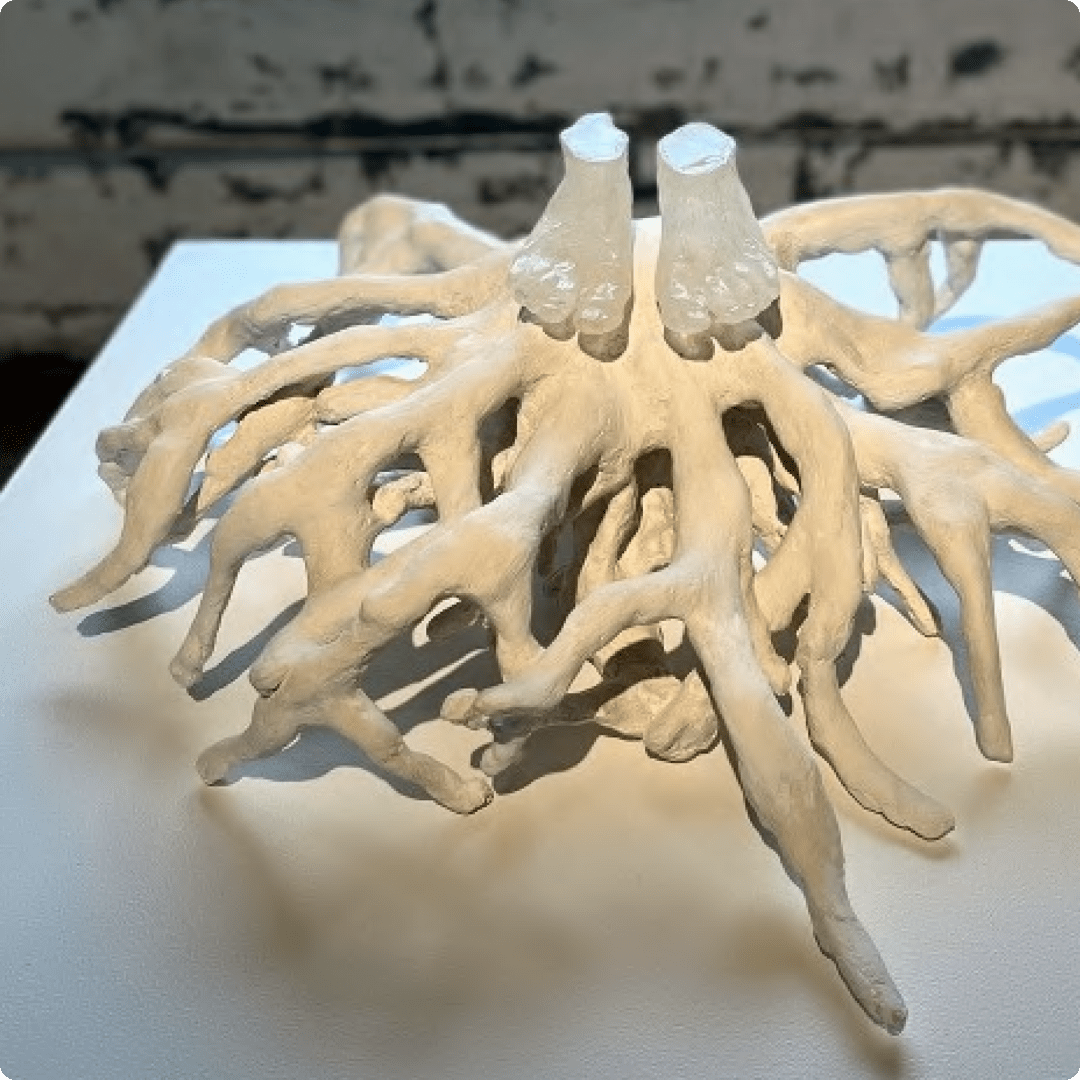
Controlled brightness tailored to artifact preservation needs
Different artifacts respond differently to light exposure. Organic materials such as paper, fabric, and wood are significantly more light-sensitive than metal, stone, or ceramics. Museum display lighting must therefore be adapted based on the sensitivity of each exhibit.
Lighting adjustments based on artifact type include:
- Lower intensity lighting for fragile materials
- Moderate illumination for paintings
- Controlled spotlighting for sculptures
- Diffused lighting for reflective surfaces
This adaptive approach ensures both preservation and optimal visibility.
Museum Exhibit Lighting and Interpretive Storytelling
Museum exhibit lighting is not only technical but also interpretive. Lighting is used strategically to shape the narrative flow of an exhibition, guiding visitors from one focal piece to another while reinforcing thematic connections.
Interpretive lighting techniques include:
- Highlighting key artifacts within an exhibit
- Creating visual pauses between sections
- Using contrast to define exhibit zones
- Supporting chronological or thematic storytelling
This method enhances engagement and helps visitors better understand the curatorial message.
Museum Display Case LED Lighting and Thermal Management

Stable temperature lighting protecting objects
Thermal management is a critical consideration in museum display case LED lighting. Even small increases in temperature within enclosed display cases can affect delicate artifacts over long periods.
LED lighting addresses this issue by offering:
- Low heat emission
- Stable operating temperatures
- Reduced environmental stress inside display cases
- Long-term conservation safety
This makes LED systems the preferred choice for enclosed museum display environments.
Museum Lighting Design and Reflection Control in Glass Cases
Glass display cases introduce unique lighting challenges, particularly reflections and internal glare. Poor lighting placement can cause reflections that obstruct the viewer’s ability to clearly see the artifact.
Reflection control strategies in museum display lighting include:
- Indirect lighting angles
- Anti-glare optical lenses
- Low-reflective glass coordination
- Careful fixture positioning outside viewing sightlines
These techniques significantly improve clarity and viewing comfort.
Museum Display Lighting for Sculptures and Three-Dimensional Objects
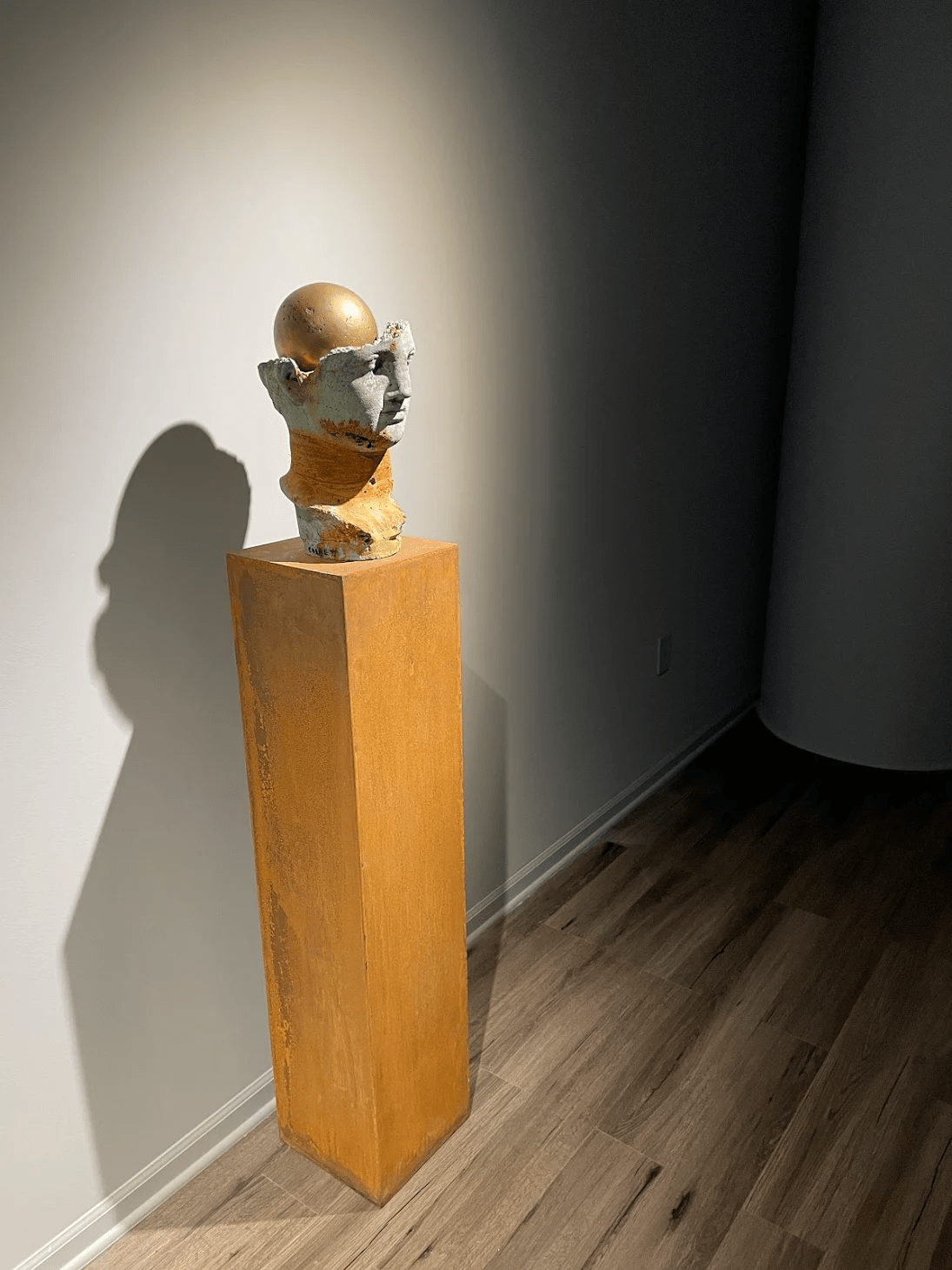
Soft shadow modelling enhancing three-dimensional artifact form
Three-dimensional artifacts require more complex lighting than flat artworks. Museum display lighting for sculptures must reveal form, texture, and depth without casting harsh or distracting shadows.
Effective sculpture lighting provides:
- Multi-angle illumination
- Soft shadow modelling
- Enhanced surface texture visibility
- Spatial depth perception
This approach allows visitors to fully appreciate the dimensional qualities of the object.
Museum Display Lighting and Spatial Atmosphere
Lighting contributes significantly to the overall atmosphere of a museum environment. Beyond illuminating exhibits, museum display lighting helps create a calm, contemplative space that encourages slow and focused viewing.
Atmospheric lighting design supports:
- Quiet and immersive gallery environments
- Balanced visual contrast
- Reduced visual fatigue
- Enhanced emotional engagement with exhibits
This refined lighting atmosphere is a hallmark of high-quality museums and cultural institutions.
Museum Display Techniques and Integrated Lighting Systems

Embedded LED systems enhancing object-focused presentation
Modern museum display techniques increasingly integrate lighting directly into exhibit architecture. Instead of relying solely on external fixtures, lighting is often embedded into ceilings, walls, and display structures.
Integrated lighting systems offer:
- Discreet illumination
- Improved exhibit focus
- Cleaner visual presentation
- Greater design cohesion
This seamless integration aligns with contemporary museum design principles.
Museum Lighting Guidelines and Ethical Presentation
Museum lighting guidelines are not only technical standards but also ethical frameworks. Proper museum display lighting ensures that artifacts are presented respectfully, without exaggeration, distortion, or visual manipulation.
Ethical lighting presentation involves:
- Accurate color rendering
- Balanced illumination levels
- Minimal visual interference
- Respect for historical authenticity
This approach preserves the integrity of cultural and artistic objects.
Museum Display Lighting and Visitor Flow Optimization

Gradual illumination transitions shaping natural exhibition movement
Lighting can subtly influence how visitors move through a museum space. Strategic illumination draws attention to key exhibits and encourages natural progression through exhibition areas.
Lighting that supports visitor flow includes:
- Gradual lighting transitions between exhibits
- Highlighting entrance focal points
- Guiding visual pathways through galleries
- Reducing overly bright distractions
This improves both navigation and engagement within exhibitions.
Museum Display Lighting in Large Exhibition Halls
Large exhibition halls require scalable museum display lighting systems capable of maintaining consistent illumination across wide spaces. Uneven lighting in large rooms can create visual imbalance and reduce exhibit impact.
Scalable lighting systems provide:
- Uniform illumination across large galleries
- Flexible spotlight positioning
- Layered lighting zones
- Consistent exhibition quality
This is particularly important for major museums hosting large-scale exhibitions.

Exhibition Lighting Design and Adaptive Display Environments

Flexible beam angles supporting evolving gallery layouts
Exhibition lighting design must remain adaptable to accommodate rotating exhibits and evolving curatorial layouts. Museum display lighting systems are often designed with adjustable fixtures and modular configurations.
Adaptive lighting environments allow:
- Quick exhibit reconfiguration
- Flexible beam direction adjustments
- Scalable lighting layouts
- Long-term exhibition versatility
This flexibility is essential for institutions with changing exhibition programs.
Precision Lighting Fixtures in Museum Display Applications
In high-level museum display environments, precision lighting fixtures such as Zoom, Deluxe, and Multi are often utilized to achieve refined and conservation-conscious illumination. These systems enable accurate beam control, stable color rendering, and controlled directional lighting suitable for display cases, gallery walls, and sensitive artifacts.
Their integration supports museum-grade presentation standards while maintaining a discreet architectural presence.
Museum Display Lighting as a Long-Term Institutional Investment
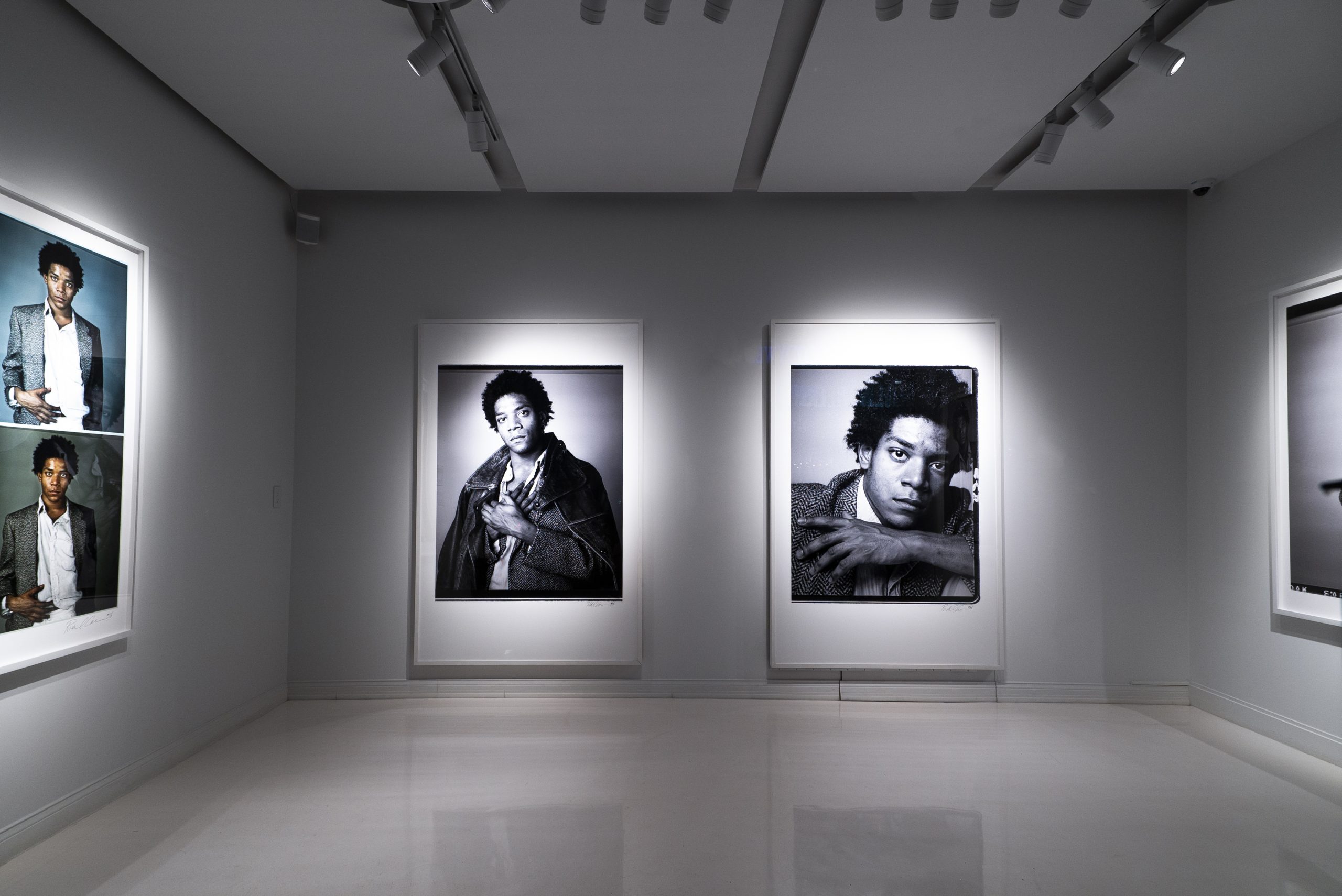
Durable lighting infrastructure supporting permanent collections
Museum display lighting is a long-term infrastructure investment rather than a temporary installation. High-quality lighting systems reduce maintenance, improve energy efficiency, and support consistent exhibit presentation over decades.
Long-term institutional benefits include:
- Reduced operational costs
- Stable illumination performance
- Lower maintenance requirements
- Future-proof exhibition adaptability
Ultimately, museum display lighting represents the intersection of science, conservation, and curatorial design. Through precise lux control, conservation-safe LED technology, integrated lighting systems, and strategic exhibition planning, museum lighting ensures that artifacts, artworks, and historical objects are displayed with clarity, authenticity, and preservation integrity. This sophisticated approach allows museums, galleries, and cultural institutions to present their collections in a professional, respectful, and visually compelling manner while safeguarding them for future generations.
20 FAQs
1. What is museum display lighting?
Museum display lighting is specialized lighting designed to illuminate exhibits while protecting them from damage.
2. Why is museum lighting different from regular lighting?
It prioritizes preservation, precision, and controlled illumination rather than general brightness.
3. What lighting is used in museum display cases?
Low-heat, high-CRI LED lighting with controlled intensity is commonly used.
4. Is LED lighting safe for museum exhibits?
Yes, LED lighting produces low heat and minimal UV, making it ideal for conservation.
5. What are museum lighting guidelines?
They are standards that regulate light levels, UV exposure, and color accuracy for preservation.
6. How bright should museum display lighting be?
Typically low to moderate lux levels depending on artifact sensitivity.
7. What is the best lighting for museum exhibits?
Precision LED lighting with adjustable beam control and high color rendering.
8. How do museums reduce glare in display cases?
By using angled lighting, anti-glare optics, and controlled beam placement.
9. Why is low heat lighting important in museums?
Excess heat can damage delicate artifacts over time.
10. What is exhibition lighting design?
A structured lighting approach that enhances visual flow and exhibit presentation.
11. Can lighting damage museum artifacts?
Improper lighting can cause fading and material degradation if not controlled.
12. What color temperature is best for museum lighting?
Neutral to warm color temperatures around 3000K–3500K are commonly used.
13. Do museums use recessed lighting?
Yes, recessed lighting is used for discreet and focused exhibit illumination.
14. How is lighting integrated into museum displays?
Often concealed within ceilings, display cases, or architectural structures.
15. What is display case LED lighting?
LED lighting specifically designed for enclosed museum display cabinets.
16. Why is color rendering important in museums?
It ensures accurate representation of artwork and artifacts.
17. How long do museum lighting systems last?
High-quality LED systems can last many years with stable performance.
18. What is layered museum lighting?
A combination of accent, ambient, and directional lighting for balanced exhibits.
19. Can museum lighting be dimmed?
Yes, dimming is essential for conservation and exhibition flexibility.
20. What makes good museum display lighting?
Precision, conservation safety, glare control, and accurate color rendering.
Why Lighting Professionals Continue to Choose Our Systems