Why LED Has Become the Professional Standard for Modern Galleries?
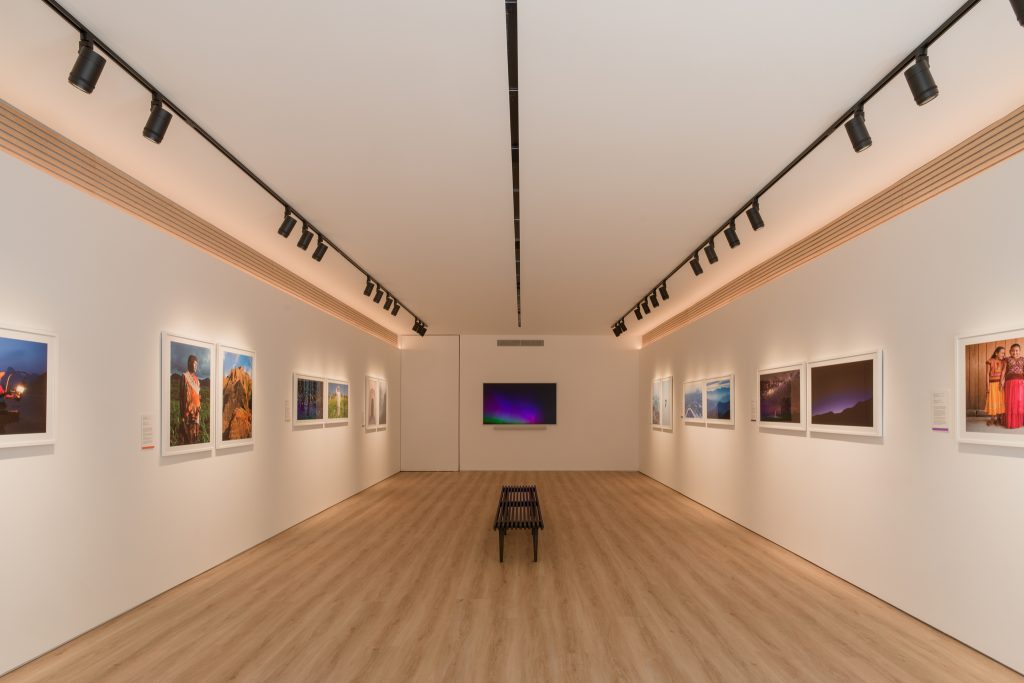
Art gallery LED lighting is no longer a compromise or a cost driven alternative. It is the professional standard used by leading galleries, museums, and private collections worldwide.
When specified correctly, LED lighting offers precision, consistency, longevity, and control that traditional light sources simply cannot match. When specified poorly, it creates colour distortion, glare, and a flat viewing experience that undermines artwork and sales.
This guide explains what art gallery LED lighting really is, why it dominates modern gallery design, how it shapes experience and buying behaviour, and why professional LED systems matter far more than generic LED fixtures.
At Banno Lighting, we design LED lighting systems for galleries using track based infrastructure and specialist solutions such as Zoom, Multi, and Deluxe.
Why galleries moved to LED lighting?
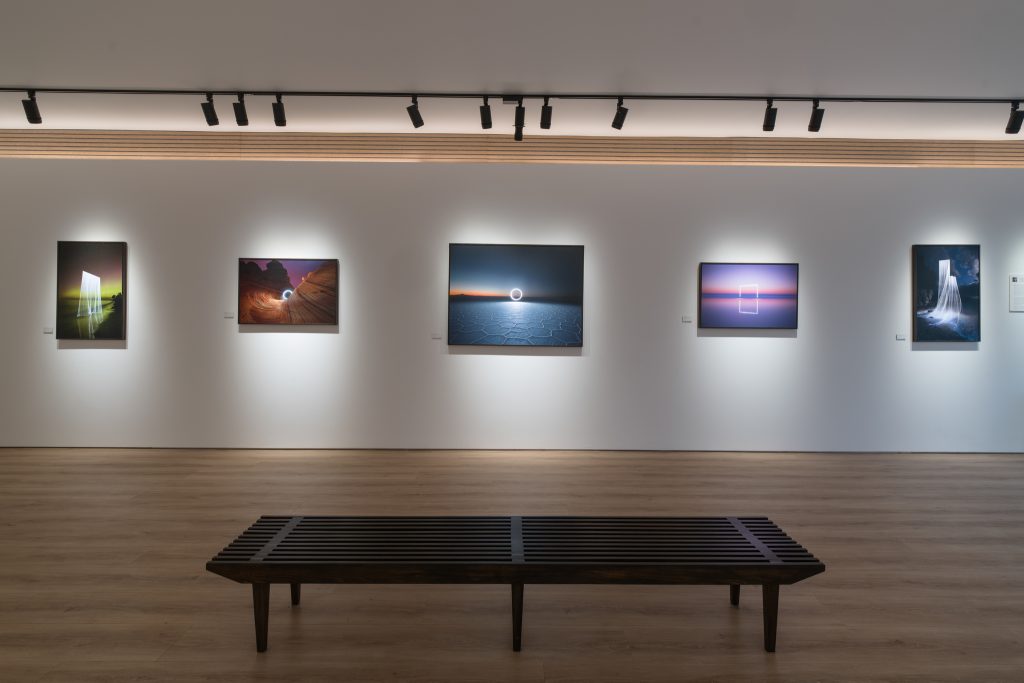
Galleries did not adopt LED lighting because it was trendy. They adopted it because it solved real problems.
Traditional halogen and discharge lighting suffered from:
• Excessive heat near artwork
• High energy consumption
• Short lamp life
• Inconsistent colour over time
• Ongoing maintenance costs
LED lighting addressed all of these issues while adding new advantages that are particularly valuable in galleries.

4.9-star rated by art collectors and gallery professionals
The key advantages of LED lighting in art galleries
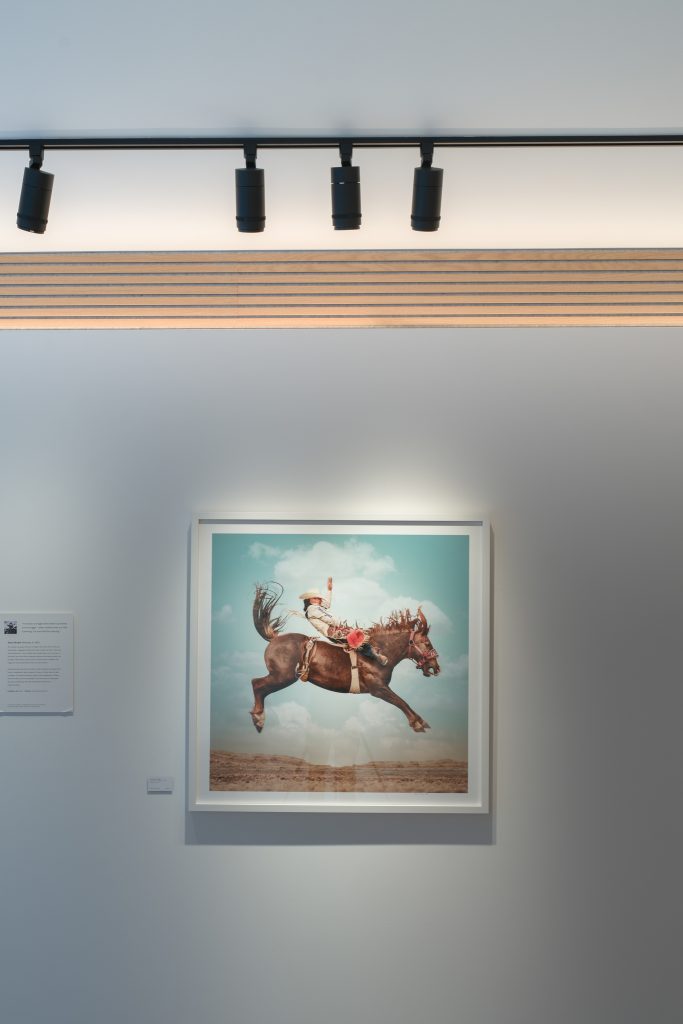
Low heat and artwork protection
LED lighting produces significantly less radiant heat than traditional sources. This is critical for protecting artworks, particularly works on paper, textiles, photographs, and mixed media.
Lower heat reduces stress on materials and supports conservation standards without compromising presentation.
Colour stability over time
Professional LED gallery lighting is engineered to maintain consistent colour output for many years.
In galleries, colour drift undermines trust. Collectors notice when artworks look different under different lights or over time.
High quality LED systems are designed to remain stable, exhibition after exhibition.
Precision optics and beam control
LED technology allows for advanced optics that are not possible with older light sources.
This enables:
• Clean beam edges
• Precise control of light placement
• Reduced spill and glare
• Better separation between artworks
Beam control is one of the defining features of professional gallery LED lighting.
Energy efficiency and operational savings
While energy savings are not the primary reason galleries choose LED, they are a meaningful benefit.
LED lighting:
• Reduces energy consumption
• Lowers cooling loads
• Minimises maintenance
• Supports long term operational efficiency
These savings compound over time, particularly in galleries that operate daily.
LED lighting and the gallery experience

A gallery is an experience before it is a sales environment.
LED lighting shapes that experience by:
• Creating calm, consistent illumination
• Allowing artworks to stand out without drama
• Reducing visual fatigue
• Supporting long viewing periods
When LED lighting is specified professionally, visitors slow down, engage more deeply, and feel that the gallery is intentional and refined.
Poorly specified LED lighting does the opposite. It can feel harsh, flat, or synthetic, breaking immersion.
LED lighting and art sales

Art sales rely on confidence.
Collectors need to trust what they are seeing. LED lighting supports this when it is designed properly.
Professional LED gallery lighting:
• Reveals accurate colour and texture
• Avoids exaggerated warmth or coolness
• Reduces glare on glass and varnish
• Creates a sense of value and care
When lighting is inconsistent or generic, buyers hesitate. LED technology amplifies both good and bad decisions. This is why system design matters more than the light source itself.
Track based LED lighting systems in galleries

Track lighting is the dominant infrastructure for LED gallery lighting.
Track based LED systems allow:
• Fixtures to be repositioned easily
• Exhibitions to change without rewiring
• Clean architectural integration
• Long term flexibility
However, not all LED track lighting is suitable for galleries.
Generic LED track heads are designed for retail and architectural spaces. Professional gallery LED track systems are designed specifically for artwork.
The difference between generic LED lighting and gallery grade LED lighting

Generic LED lighting prioritises:
• Cost
• Broad illumination
• Versatility across environments
Gallery grade LED lighting prioritises:
• Precision optics
• Colour fidelity
• Glare control
• Consistency across fixtures
• Visual restraint
This difference is immediately visible in the quality of presentation and the comfort of viewing.
Colour temperature in LED art gallery lighting

Most professional galleries use 3000K LED lighting as their baseline.
3000K provides:
• A neutral yet warm appearance
• Accurate colour representation
• Consistent results across exhibitions
• Buyer confidence
Some galleries use 2700K LED lighting selectively on master works where warmth enhances emotional presence. This is done carefully and usually with Multi control to avoid visual inconsistency.
Cooler LED temperatures are rarely used in galleries because they feel clinical and flatten tonal nuance.
Zoom LED lighting for flexible galleries

Zoom LED lighting systems are widely used in galleries with changing exhibitions.
Zoom allows:
• Adjustable beam angles from a single LED fixture
• Precise framing of artworks
• Reduced need for multiple fixture types
• Faster installation and rehanging
This flexibility is particularly valuable in commercial galleries and exhibition spaces where efficiency matters.
Zoom LED lighting delivers professional control without operational complexity.
Multi LED lighting for nuanced exhibitions
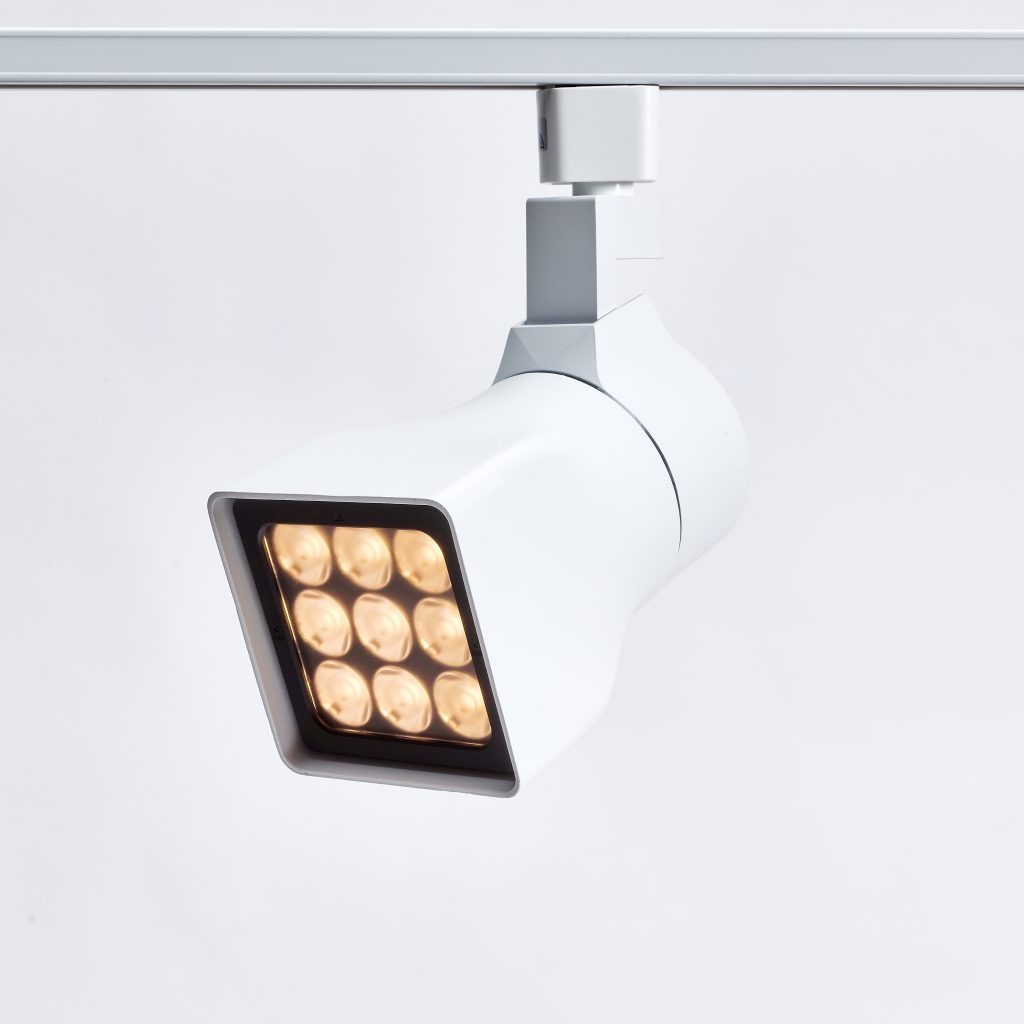
Multi LED lighting systems are designed for galleries that curate layered or conceptually complex exhibitions.
They allow galleries to:
• Apply different lighting treatments within the same system
• Highlight master works selectively
• Maintain cohesion across the space
• Balance contrast and subtlety
Multi systems transform LED lighting into a curatorial tool rather than just illumination.
Deluxe LED lighting for flagship and museum spaces
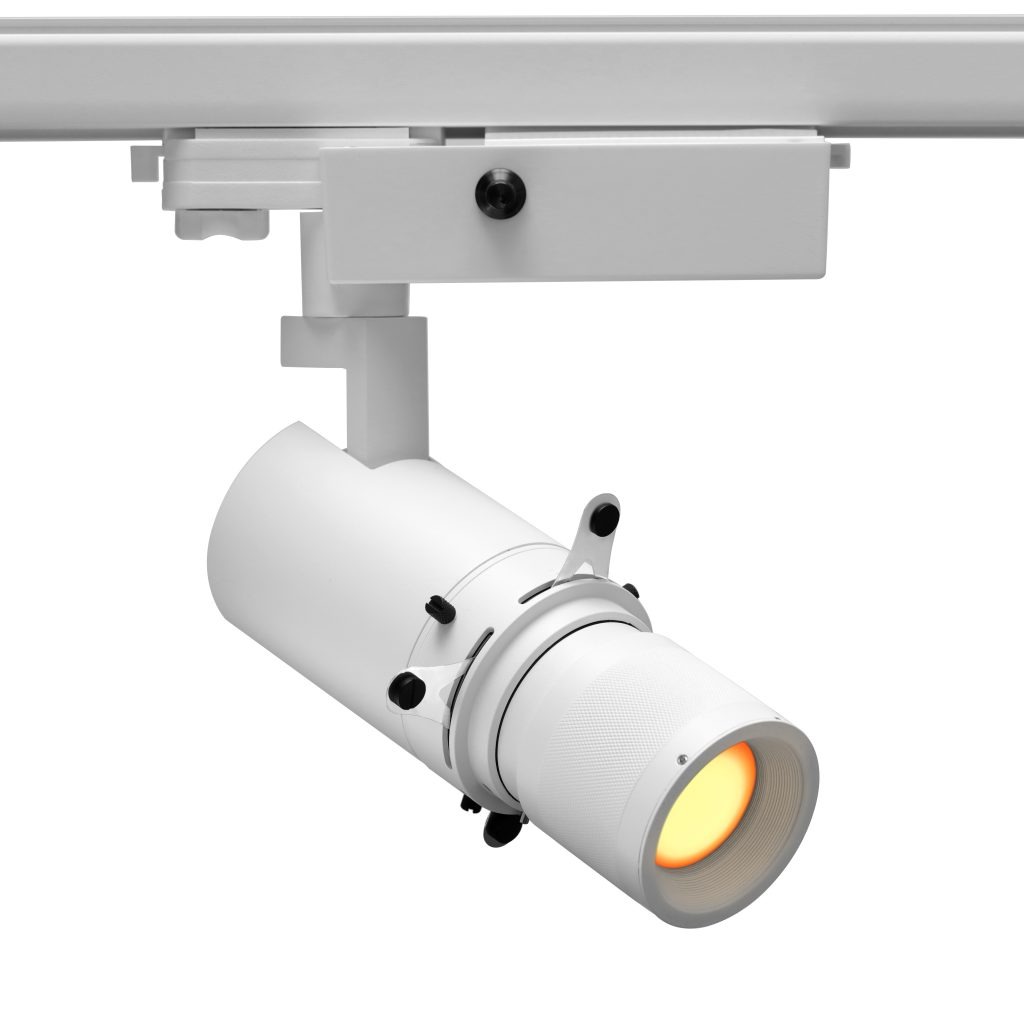
Deluxe LED lighting systems represent the highest level of gallery grade LED performance.
They are chosen for:
• Flagship galleries
• Museums
• Private collections
• High value artworks
Deluxe LED systems focus on:
• Exceptional beam quality
• Superior colour stability
• Minimal visual presence
• Long term consistency
In these spaces, LED lighting should be invisible while elevating the artwork completely.
Glare control in LED gallery lighting

Glare is one of the most common failures in LED lighting.
Professional LED gallery lighting systems address glare through:
• Advanced optics
• Controlled beam shaping
• Proper track placement
• Thoughtful aiming
LED lighting magnifies poor design choices. Without control, glare becomes unavoidable. With the right system, LED lighting delivers exceptional comfort and clarity.
Lighting plans and LED systems

Professional LED gallery lighting always begins with a lighting plan.
A proper plan considers:
• Wall heights and layouts
• Ceiling structure
• Track placement
• Viewing distances
• Future exhibition flexibility
Without a plan, even high quality LED fixtures fail to perform as intended.
Long term thinking with LED lighting

One of LED’s greatest strengths is longevity.
A professional LED lighting system should:
• Perform consistently for many years
• Support multiple exhibition cycles
• Reduce replacement and maintenance
• Maintain colour accuracy over time
This long term reliability aligns perfectly with gallery operations.
Why galleries need guidance with LED lighting?

LED lighting appears simple, but galleries face unique challenges.
Without specialist guidance, galleries often:
• Choose LEDs with poor colour quality
• Struggle with glare
• Lose consistency across fixtures
• Feel limited by generic systems
A specialist partner provides:
• System level thinking
• Gallery specific lighting plans
• Product selection based on art, not trends
• Ongoing support
At Banno Lighting, our role is to guide galleries so LED lighting becomes a strength rather than a compromise.
LED lighting as part of gallery credibility

Lighting communicates professionalism.
Artists notice how their work is lit.
Collectors notice consistency and care.
Institutions notice attention to detail.
Professional LED lighting signals:
• Curatorial seriousness
• Respect for artwork
• Long term thinking
• Authority and trust
Poor LED lighting quietly undermines even strong programs.

Final perspective on art gallery LED lighting

Art gallery LED lighting is not about efficiency alone. It is about control, experience, and trust.
When designed properly:
• The art feels honest
• The space feels calm
• The lighting disappears
• Visitors engage deeply
• Buyers feel confident
This is the role of professional LED lighting in galleries.
Why galleries choose Banno Lighting?

Galleries work with Banno Lighting because we understand LED lighting at a gallery system level.
We provide:
• Expert guidance
• Professional lighting plans
• Track based LED gallery systems
• Zoom, Multi, and Deluxe solutions
• Long term support
If you want art gallery LED lighting that enhances experience, supports sales, and evolves with your exhibitions, professional systems and guidance are essential.
You’re working with dedicated art lighting experts