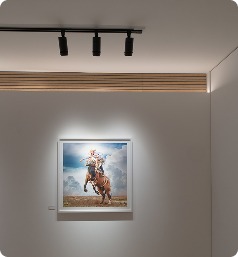
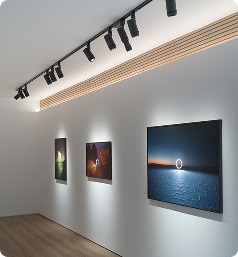
Museum-grade art gallery lighting elevating collections
When we speak about art gallery light, we are not talking about decorative lighting, retail lighting, or general interior illumination. We are talking about precision lighting systems designed to elevate artwork, protect it, and control exactly how it is experienced by the viewer.
From our experience as art lighting consultants working with collectors, galleries, and museums, the single biggest difference between amateur lighting and professional art gallery light is not brightness. It is control, beam precision, color accuracy, and restraint.
In high-end galleries and private collections, less light is often the key. Not more fixtures. Not more wattage. Just the right light, placed correctly.
That philosophy alone separates museum-grade lighting from standard gallery lighting setups.
What “Art Gallery Light” Actually Means (From a Professional Perspective)
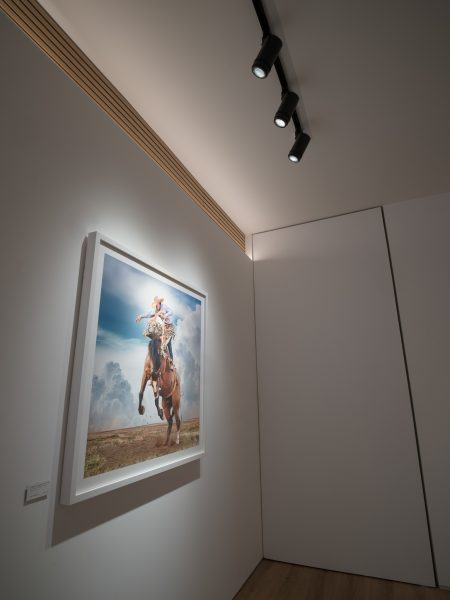
Controlled beam art light minimizing glare and reflections
Art gallery light refers to specialized lighting systems designed specifically for illuminating artwork such as paintings, sculptures, and display pieces while maintaining visual integrity and conservation safety.
Unlike general lighting, true art gallery light must:
- Maintain extremely high color accuracy (CRI 95+)
- Avoid UV and harmful radiation
- Provide precise beam control
- Minimize glare and reflections
- Highlight artwork without overpowering it
This is why serious galleries, museums, and collectors rarely rely on generic ceiling lights or decorative fixtures. Instead, they use dedicated art lighting systems such as ceiling-mounted precision lights, track lighting, or micro spotlights for cabinets.

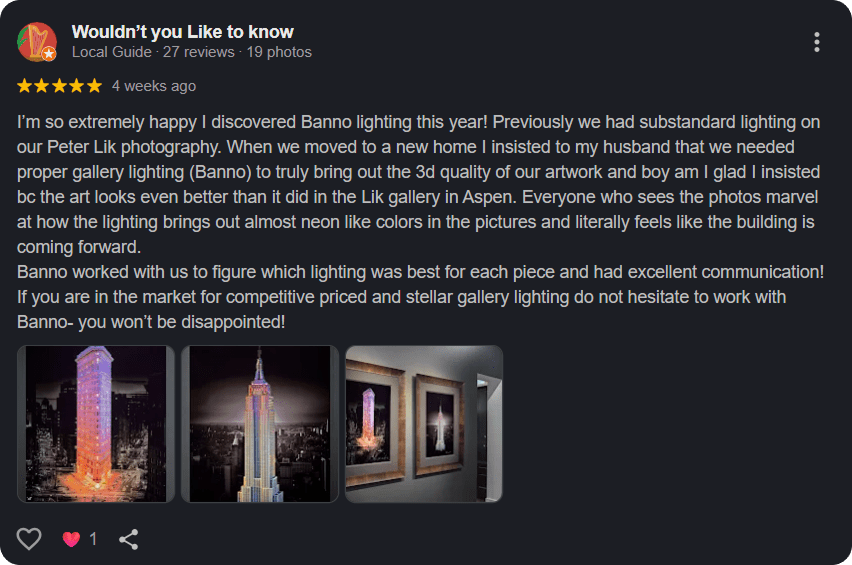
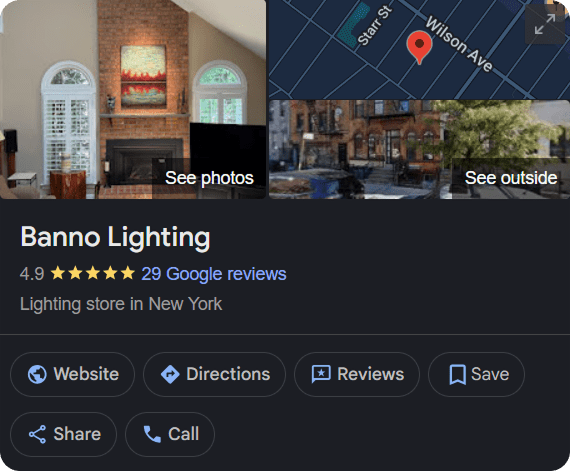
4.9-Star Google Review for Our Art Lighting Solutions
Why Professional Galleries Use Precision Art Gallery Lighting (Not Generic Lights)

Directional ceiling spotlight guiding viewer focus across artwork
Most people assume galleries just install bright lights above paintings. In reality, the opposite is true.
High-end galleries use controlled, directional lighting that focuses attention only where it matters.
Key reasons include:
- Protecting artwork from light damage
- Creating visual hierarchy
- Enhancing texture and brush detail
- Eliminating harsh shadows
- Guiding the viewer’s eye through the space
When lighting is done correctly, the visitor does not notice the light fixture at all. They only see the artwork.
That is the goal of true art gallery light.
Types of Art Gallery Light Systems Used in Museums and Galleries

Adjustable precision spotlight delivering controlled vertical illumination
1. Ceiling Mounted Art Lights (Precision Spot Lighting)
These are commonly used in premium galleries and museums because they provide stable, controlled illumination from above.
They are ideal for:
- Large paintings
- Feature artworks
- Gallery walls
- Museum exhibitions
Our Zoom and Deluxe ceiling-mounted systems are specifically designed for this purpose, allowing beam narrowing to pinpoint artwork without spilling light across the wall.
2. Gallery Track Lighting Systems
Track lighting is one of the most flexible art gallery light solutions.
It allows curators and designers to:
- Reposition lights as exhibitions change
- Adjust beam angles
- Scale lighting across large gallery walls
- Maintain consistent lighting quality
High-end track lighting for art galleries always uses adjustable beam optics, not fixed flood lighting.
3. Cabinet and Display Case Lighting (Mini Precision Lights)
This is a rapidly growing niche, especially for:
- Museums
- Jewelry displays
- Glass cabinets
- Luxury collectors
- Watch and sculpture displays
Our Mini Zoom lights, which are approximately the size of a coin, are designed specifically for inside glass cabinets where precision and subtlety are essential.
This type of art gallery light is extremely high intent and often associated with museum and luxury retail environments.
The “Less Lights = Better Display” Principle in Art Gallery Lighting

Minimal art lighting creating stronger depth and visual focus
One of the biggest mistakes we see in galleries is over-lighting.
Collectors and designers often assume more lights equal better presentation. In reality:
- Too many lights flatten the artwork
- Excess brightness creates glare
- Overlighting damages sensitive pieces
- The viewing experience becomes overwhelming
Professional galleries typically use fewer fixtures with higher precision optics. A single well-placed spotlight often outperforms four generic lights.
Museum-Grade Color Accuracy: The Foundation of Art Gallery Light

Professional gallery lighting system with stable temperature output
Color accuracy is critical in art presentation. Poor lighting distorts the artist’s intended palette.
Museum-grade art gallery light typically requires:
- CRI 95 to 98+
- Stable color temperature (3000K–3500K)
- No color shift over time
Our Deluxe and Multi art lighting systems are engineered specifically for high CRI performance to ensure paintings appear exactly as intended under controlled illumination.
Lighting Large Paintings and Gallery Walls Properly

Even vertical illumination across expansive gallery wall display
Large artworks require a different lighting strategy compared to small pieces.
Best practices include:
- Narrow beam precision lights rather than wide floods
- Even vertical illumination
- Correct fixture spacing
- Adjustable zoom optics for scaling
For oversized paintings, we often recommend ceiling-mounted Zoom lights rather than traditional picture lights, as they provide superior coverage and control.
Art Gallery Light for Private Collectors and Luxury Homes
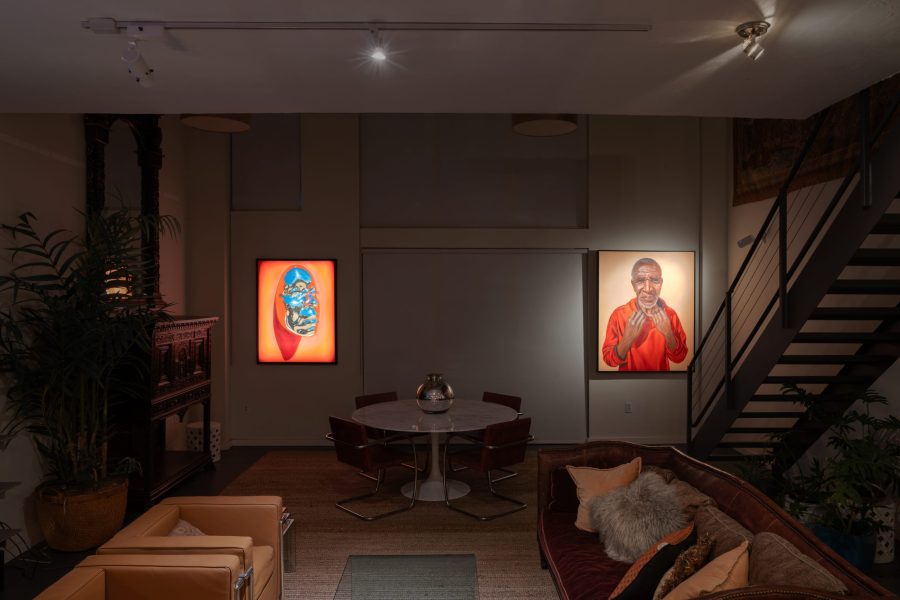
Residential art collection enhanced with discreet spotlight system
An increasing number of high-value collectors are installing gallery-grade lighting in their homes.
This approach transforms residential spaces into curated gallery environments while maintaining:
- Discreet fixture design
- Conservation-safe lighting
- Museum-style presentation
- Emotional impact of the collection
Unlike decorative wall lamps, true art gallery light integrates into the architecture and becomes part of the display strategy.
Cabinet Lighting: A High-End Niche in Art Gallery Light

Compact gallery light delivering controlled cabinet illumination
We are seeing a significant rise in demand for cabinet lighting in:
- Museums
- Watch collections
- Luxury retail displays
- Glass art showcases
Mini Zoom lights are particularly effective because they:
- Fit inside tight display spaces
- Provide pinpoint beam control
- Avoid heat buildup
- Highlight fine details without spill light
This niche alone represents a major opportunity in museum and collector markets.
Common Mistakes People Make When Choosing Art Gallery Light
Using Decorative Fixtures Instead of Art Lighting
Decorative lights are designed for ambiance, not artwork presentation.
Choosing Wide Beam Flood Lights
Flood lights wash out artwork and reduce visual depth.
Ignoring Beam Angle and Positioning
Lighting angle matters more than brightness.
Overlighting the Artwork
Excess light reduces contrast and damages sensitive materials.
Using Low CRI Lighting
This distorts colors and devalues the visual experience.
Our Recommended Art Gallery Lighting Product Systems

Deluxe and zoom fixtures installed across curated exhibition space
From a professional consultancy standpoint, we typically recommend three core systems depending on the project type.
Deluxe Art Lighting System
Best for:
- Museums
- Major galleries
- High-value collections
- Large-scale installations
Provides maximum precision, premium optics, and museum-grade color rendering.
Multi Art Lighting System
Best for:
- Gallery walls
- Rotating exhibitions
- Flexible lighting layouts
- Medium to large artworks
Offers adjustable configurations for evolving display needs.
Zoom Art Lighting System
Best for:
- Pinpoint artwork lighting
- Ceiling-mounted applications
- Sculptures and focal pieces
- Cabinet lighting (Mini Zoom variants)
Allows beam narrowing to precisely highlight artwork without lighting the entire wall.
How Art Gallery Light Impacts Buyer Perception and Value

Dramatically lit painting increasing perceived artwork value
Lighting directly affects how artwork is perceived and valued.
Poor lighting can make a six-figure artwork look flat.
Professional art gallery light enhances:
- Depth
- Texture
- Color vibrancy
- Emotional engagement
This is why serious galleries invest heavily in lighting design rather than treating it as an afterthought.
Advanced Lighting Scenarios for High-Value Art Environments

Adjustable museum-grade fixtures enhancing complex multi-art installations
When discussing lighting for art at a professional level, it is important to move beyond basic illumination and think in terms of visual hierarchy, conservation safety, and spatial storytelling. Lighting is not simply about making artwork visible. It is about directing attention, controlling perception, and enhancing the emotional experience of the piece.
In high-end environments such as galleries, private collections, museums, and luxury homes, lighting for art must be intentional. Random ceiling lights or generic wall lighting rarely produce the desired result. Instead, a controlled system using precision art lighting is required to create consistent and museum-level presentation.
This is why specialized art lighting systems, particularly adjustable and zoomable fixtures, outperform traditional lighting methods in nearly every serious installation.
Lighting for Large Paintings vs Small Artwork

Focused spotlight intensifying small framed artwork detail
One of the biggest mistakes made in art lighting is treating all artwork the same. A small framed piece and a large canvas painting require completely different lighting strategies.
For large paintings:
- Wider beam spread is required
- Even wash across the artwork surface is critical
- Ceiling mounted art lights with adjustable zoom are ideal
- Fewer, higher quality fixtures produce better results than many cheap lights
For smaller artworks:
- Narrow beam angles create focus and drama
- Precision spotlighting enhances detail
- Controlled lux levels protect delicate surfaces
- Adjustable fixtures allow flexibility as collections change
This is where systems like Zoom, Multi, and Deluxe art lighting become essential because they allow beam control depending on artwork size, mounting height, and viewing distance.
Lighting for Artwork in Residential Spaces vs Galleries
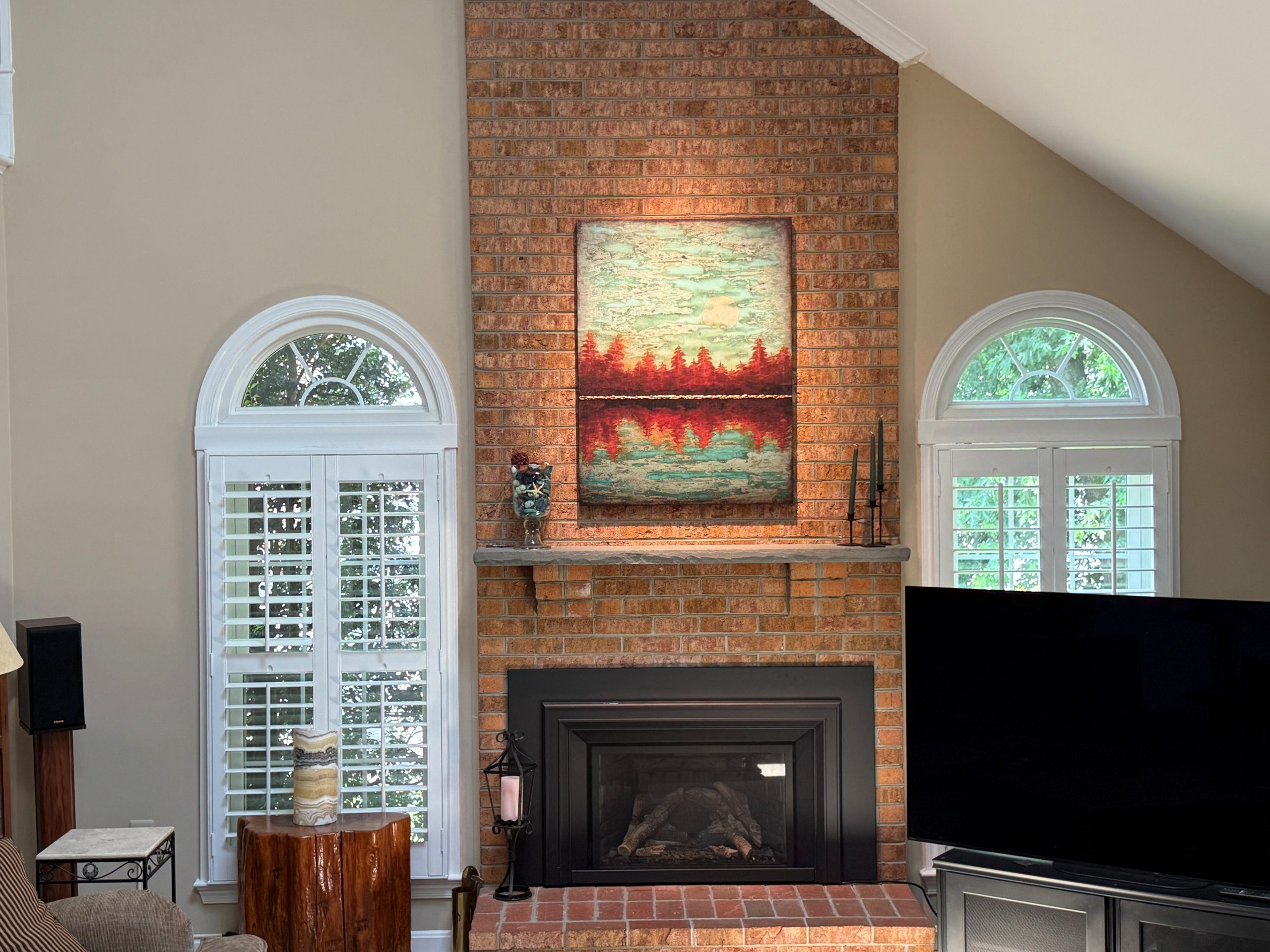
Warm residential art lighting maintaining refined ambiance
Lighting for artwork in homes differs slightly from gallery and museum lighting, but the core principles remain the same. The main difference is environmental control and ceiling height.
In residential settings, art lighting must:
- Integrate with interior design
- Avoid glare in living spaces
- Highlight artwork without overpowering the room
- Maintain a warm, refined aesthetic
In galleries and museums, the priorities shift toward:
- Conservation-safe lighting
- Color accuracy (high CRI)
- Controlled beam direction
- Professional lighting layouts
A well-designed art lighting setup can make a residential collection feel like a private gallery. This is why many high-end collectors now install gallery-style lighting systems in their homes rather than relying on decorative lighting.
The Importance of Beam Angle in Art Lighting

Medium spread illumination balancing wall mounted pieces
Beam angle is one of the most overlooked aspects of lighting for art. However, it is one of the most important technical factors in achieving professional results.
Narrow beam (10–24 degrees):
Best for small paintings, sculptures, and feature artworks where precision is required.
Medium beam (24–40 degrees):
Ideal for medium-sized wall art and framed collections.
Wide beam (40+ degrees):
Suitable for large canvases, murals, and gallery walls that require even illumination.
Adjustable zoom lighting allows one fixture to adapt to different artworks without replacing the entire lighting system. This flexibility is extremely valuable for collectors, galleries, and museums where displays change over time.
Lighting Inside Glass Cabinets and Display Cases
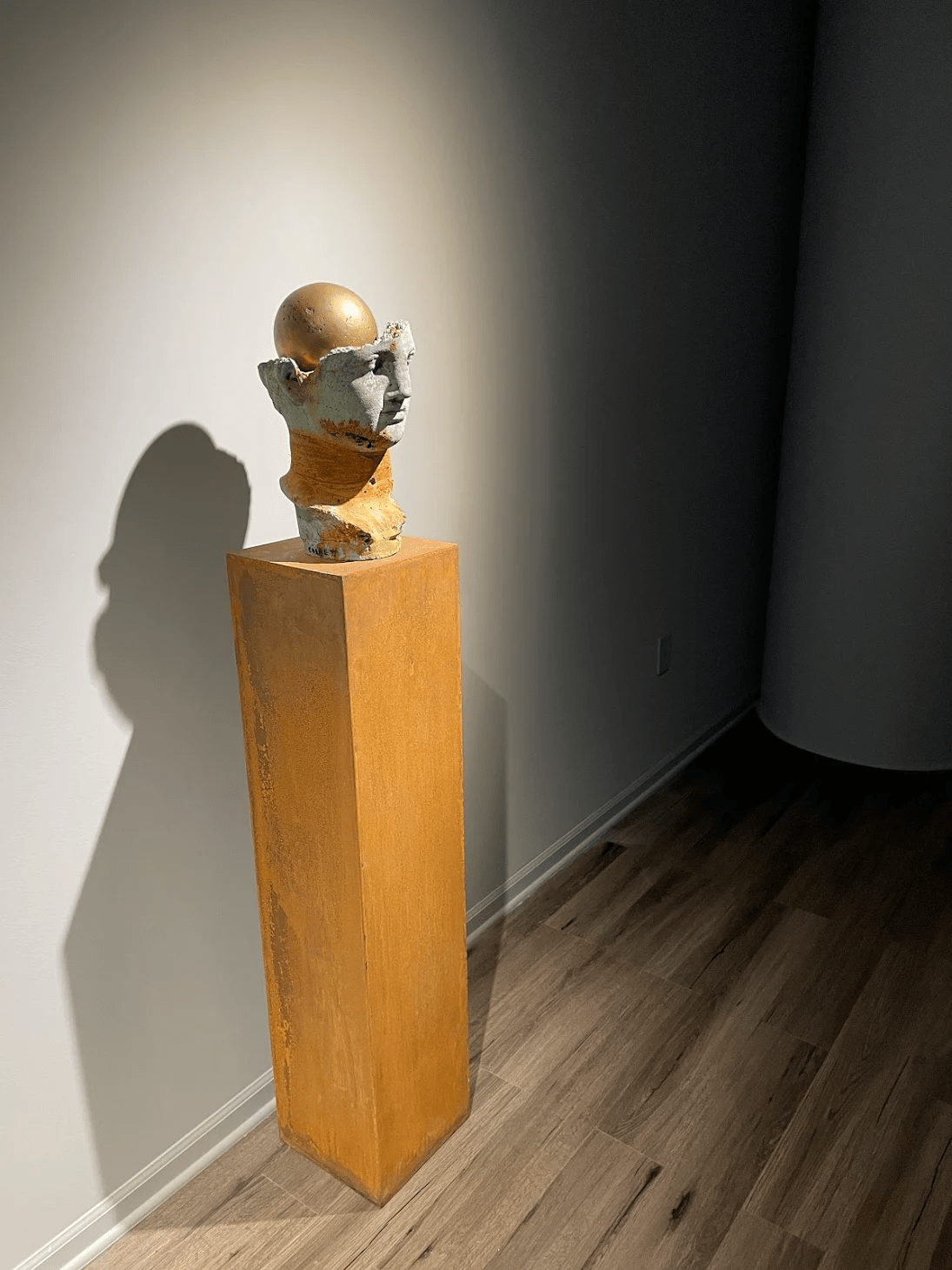
Focused beam enhancing sculpture depth within enclosure
A rapidly growing niche in art lighting is display cabinet lighting, especially for:
- Museums
- Jewellery displays
- Luxury watch collections
- Sculptures and artifacts
- Private collector cabinets
Traditional lighting is often too bulky for these applications. Precision micro lighting, such as mini zoom fixtures, allows discreet installation inside glass cabinets while maintaining pinpoint accuracy.
Key benefits of cabinet art lighting:
- Minimal visual intrusion
- Highly focused beam control
- Protection of sensitive materials
- Enhanced object depth and texture
- Museum-grade presentation
Because these fixtures are extremely compact, they can be integrated into shelving or cabinet frames without distracting from the artwork itself.
Lighting for Gallery Walls and Multi-Art Displays
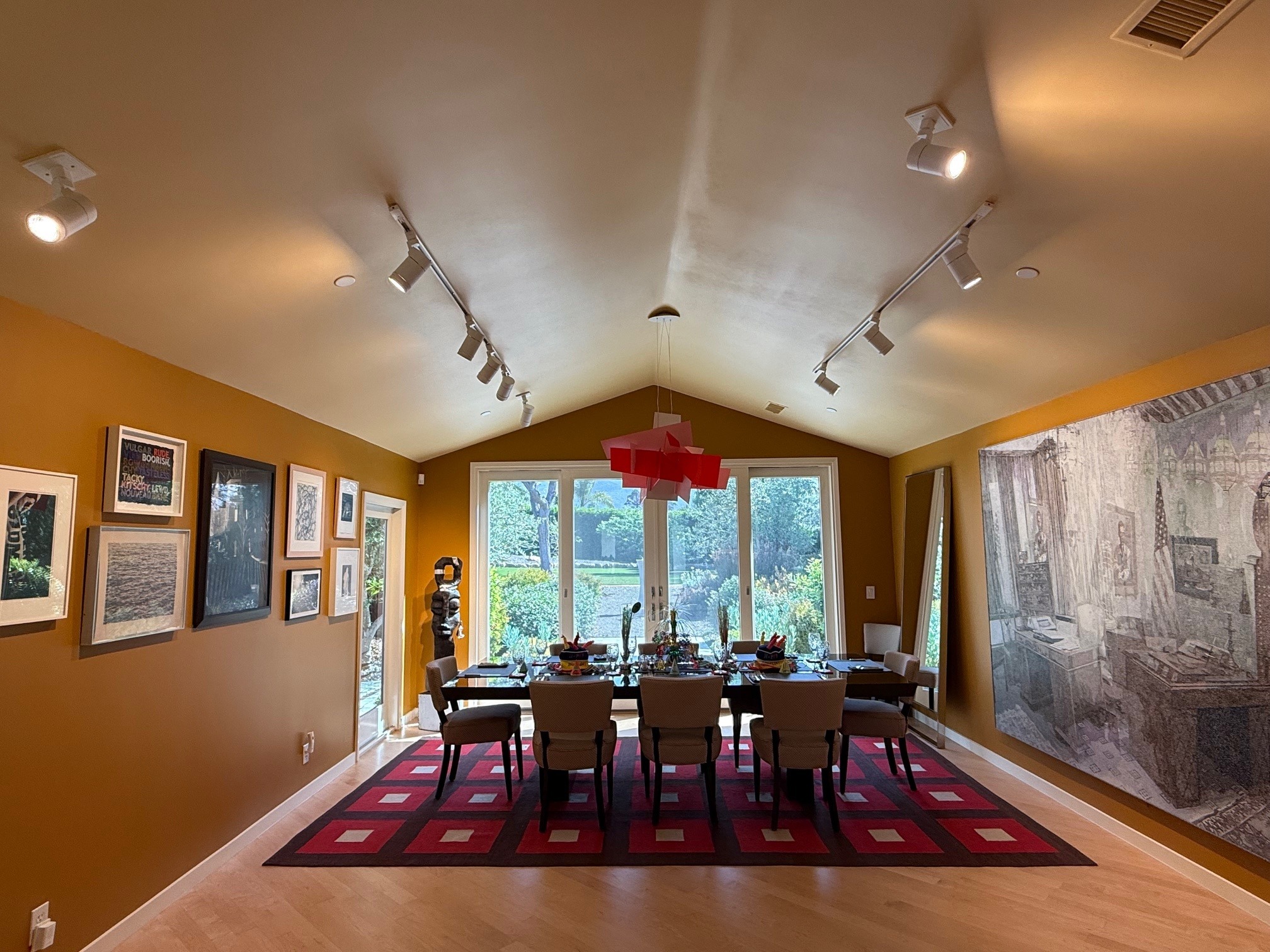
Track-mounted precision heads balancing multi-art installations
Gallery walls require a completely different lighting approach compared to single artwork installations. Instead of lighting one focal point, the goal is to create balance across multiple pieces while still allowing individual artworks to stand out.
Best practices for gallery wall lighting include:
- Even spacing of ceiling mounted fixtures
- Consistent beam alignment
- Adjustable light direction for flexibility
- Avoiding overlapping glare patterns
- Using fewer, higher quality lights rather than many weak ones
Track-based art lighting systems are particularly effective for gallery walls because they allow repositioning as the layout evolves. This makes them ideal for collectors and interior designers who frequently rotate artwork.
The Role of Color Temperature in Art Lighting

High CRI illumination preventing unwanted color distortion
Color temperature significantly affects how artwork is perceived. Choosing the wrong temperature can distort colors and reduce visual impact.
Recommended ranges:
- 2700K–3000K: Warm tone, ideal for classic paintings and residential collections
- 3000K–3500K: Balanced tone, suitable for galleries and contemporary art
- 4000K+: Rarely recommended for fine art due to harsh appearance
High-quality art lighting should also maintain a high CRI (Color Rendering Index), ideally 95+ or higher. This ensures that the artwork’s true colors are preserved and displayed accurately.
Why Less Lighting Often Produces Better Results
A common misconception is that more lights automatically improve artwork visibility. In reality, excessive lighting can flatten the artwork, create glare, and reduce visual impact.
Professional art lighting focuses on:
- Strategic placement
- Controlled beam direction
- Minimal but high-quality fixtures
- Focused illumination rather than general lighting
This approach is widely used in museums where the objective is to highlight the artwork, not the lighting itself.
Integrating Art Lighting Into Architectural Design

Ceiling integrated art lighting with hidden wiring
Architects and interior designers increasingly treat art lighting as a core design element rather than an afterthought. Proper planning during the design phase allows for:
- Clean ceiling integration
- Hidden wiring
- Optimal mounting positions
- Balanced room aesthetics
- Seamless lighting control systems
Ceiling mounted art lighting systems such as Deluxe and Multi fixtures are especially effective in architectural settings because they provide a refined, professional appearance while maintaining flexibility.

Lighting for Rotating Art Collections

Repositionable track system supporting evolving gallery layout
Many collectors, galleries, and exhibition spaces frequently rotate artwork. This requires a lighting system that can adapt without costly reinstallation.
Adjustable art lighting systems offer:
- Repositionable fixtures
- Zoom beam flexibility
- Long-term scalability
- Consistent lighting quality across different artworks
This is particularly valuable for galleries and museums where exhibitions change seasonally and lighting needs must evolve accordingly.
Long-Term Value of Professional Art Lighting

Museum-grade lighting enhancing perceived artwork value
Investing in proper art lighting is not just about aesthetics. It directly affects:
- Artwork presentation quality
- Viewer engagement
- Perceived value of the collection
- Preservation of delicate materials
- Overall space experience
In high-end environments, lighting becomes part of the storytelling. A well-lit painting commands attention, while poorly lit artwork can appear flat and underwhelming regardless of its actual value.
For serious collectors, galleries, and museums, professional lighting solutions such as precision Zoom lights, flexible Multi systems, and premium Deluxe ceiling-mounted fixtures provide a long-term solution that adapts to evolving collections while maintaining museum-level presentation standards.
Ultimately, lighting for art is about control, subtlety, and intention. When executed correctly, the lighting disappears visually while the artwork becomes the true focal point, which is the defining principle of museum-grade and gallery-quality art lighting design.
FAQ: Art Gallery Light (Professional & Collector Focus)
What is the best light for an art gallery?
High CRI, adjustable beam LED art lighting specifically designed for artwork display.
How bright should art gallery lighting be?
Moderate brightness with precise focus is ideal, rather than high ambient brightness.
Do LED lights damage artwork?
High-quality museum-grade LEDs without UV are safe for artwork.
What color temperature is best for art gallery light?
Typically 3000K to 3500K for accurate color rendering and natural presentation.
How do museums light paintings?
Using precision spotlights, track lighting, and controlled beam optics.
Can you use ceiling lights for art galleries?
Yes, especially ceiling-mounted zoom lights designed for artwork illumination.
What is museum-grade lighting?
Lighting with high CRI, stable output, and conservation-safe technology.
Is track lighting good for art galleries?
Yes, when paired with adjustable, high-precision art lighting heads.
How many lights should be used per painting?
Often just one or two precision lights, depending on artwork size.
What is the ideal beam angle for artwork lighting?
Typically narrow to medium beam angles for controlled highlighting.
Why do galleries use spotlight lighting?
To direct viewer focus and enhance artwork visibility.
Is less lighting better for art displays?
Yes, fewer high-quality lights often produce superior results.
Can art gallery lighting be used at home?
Absolutely, especially for collectors and curated residential spaces.
What lighting is used inside glass display cabinets?
Mini precision spotlights designed for enclosed display environments.
Does lighting affect artwork value perception?
Yes, significantly. Proper lighting enhances perceived quality and impact.
Should art lighting be ceiling mounted or wall mounted?
Ceiling-mounted systems offer superior control and flexibility.
What CRI is best for art gallery light?
CRI 95+ is considered professional standard.
Can lighting fade paintings?
Improper lighting can, but museum-grade LEDs minimize risk.
What makes art gallery lighting different from normal lighting?
Precision optics, high color accuracy, and conservation safety.
Are picture lights or track lights better for galleries?
Track or ceiling precision lights are generally more effective for galleries.
How do you avoid glare on artwork?
Correct beam angle, positioning, and anti-glare optics.
What is the purpose of art gallery lighting design?
To enhance visual experience while protecting artwork.
Can art gallery light be dimmed?
Yes, professional systems often include dimming controls.
Is directional lighting better for art?
Yes, directional lighting provides depth and focus.
What lighting do high-end collectors use?
Museum-grade ceiling or track precision lighting systems.
Should artwork be lit evenly or focused?
Focused lighting with controlled spread is preferred.
What is spotlight vs floodlight in galleries?
Spotlights highlight specific works, floods wash large areas.
Is natural light good for art galleries?
Limited natural light is acceptable but must be controlled.
Can small lights be used for cabinet art displays?
Yes, mini precision lights are ideal for cabinet lighting.
What is the biggest mistake in art gallery lighting?
Overlighting and using non-specialized fixtures instead of true art gallery light systems.
Why Designers and Collectors Trust Our Gallery Lights