A Professional Guide for Galleries That Care About Artwork, Sales, and Reputation

Art gallery lighting design is not about brightness, mood, or aesthetics alone. It is a strategic system that directly affects how artwork is perceived, how long visitors engage, and how confidently collectors make purchasing decisions.
At Banno Lighting, we work with galleries, museums, and private collections that understand lighting is part of the exhibition itself. This guide explains what professional art gallery lighting design really involves, why generic advice and fittings consistently fail galleries, and how specialist lighting systems such as Zoom, Multi, and Deluxe support long term success.
Why art gallery lighting design is different from all other lighting

A gallery is neither retail nor residential. It sits in its own category.
Unlike retail lighting, gallery lighting is not designed to push brightness or visual noise. Unlike residential lighting, it is not about comfort or ambience. Art gallery lighting must do something far more demanding.
It must:
• Reveal the artist’s intent accurately
• Preserve the integrity of the artwork
• Create depth and hierarchy across the exhibition
• Adapt to constantly changing wall layouts
• Support curatorial storytelling
• Encourage emotional engagement and confidence in buying
Generic lighting solutions are not designed to handle this level of responsibility.
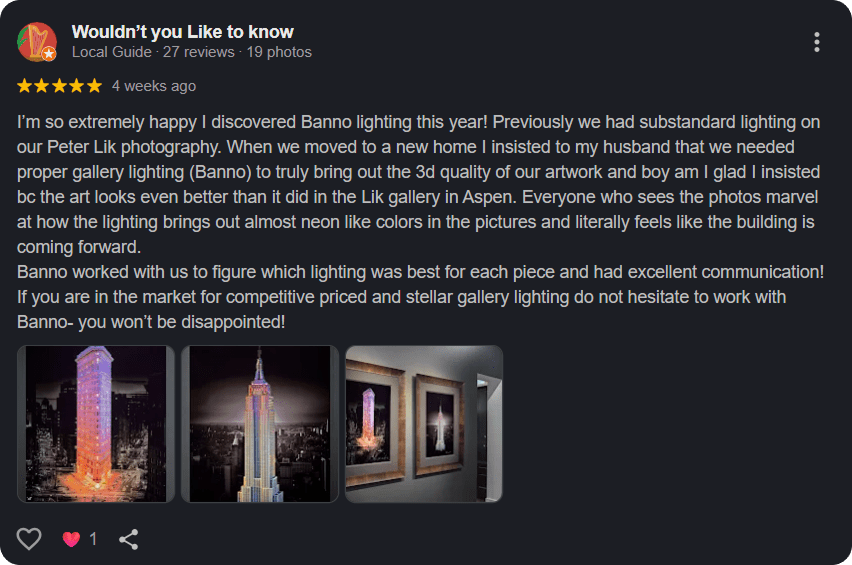
4.9-star rated by art collectors and gallery professionals
The problem with generic gallery lighting advice

Most galleries begin with advice that sounds logical but is fundamentally incomplete. Rules like “light art from 30 degrees” or “use warm white LEDs” are oversimplifications that ignore how galleries actually operate.
Generic advice fails because it does not consider:
• Mixed artwork sizes on the same wall
• Different mediums within a single exhibition
• Viewing distances and sightlines
• Ceiling height and track positioning
• Glare on glass, varnish, or textured surfaces
• Exhibition turnover and future flexibility
As a result, galleries using generic fittings often experience uneven illumination, glare, flat presentation, and constant adjustment. The lighting never quite feels resolved.
What professional art gallery lighting actually delivers

Professional gallery lighting design performs multiple functions at once.
Accurate colour and texture
High colour rendering is essential. Paintings, photographs, sculptures, and mixed media require lighting that reveals true colour without distortion. Subtle tonal shifts, surface textures, and material finishes must appear exactly as the artist intended.
Depth and dimensionality
Directional control creates shadows and highlights that give artwork physical presence. Flat lighting strips art of depth and makes even strong work feel lifeless.
Visual hierarchy
Not every artwork should receive equal emphasis. Professional lighting design supports curatorial intent by guiding the viewer’s eye and creating rhythm across the space.
Consistency across exhibitions
Lighting should remain consistent even as exhibitions change. Visitors and collectors should feel continuity in presentation regardless of which artist is showing.
Why lighting plans and floor plans are essential

One of the most common mistakes galleries make is skipping a lighting plan.
Professional art gallery lighting design starts with a lighting plan layered over the gallery floor plan. This is not decorative. It is technical and strategic.
A proper plan considers:
• Wall dimensions and ceiling height
• Track placement and spacing
• Beam angles relative to artwork size
• Viewing distances
• Circulation paths
• Future rehang flexibility
At Banno Lighting, we design lighting plans that allow galleries to adapt without compromise. The plan ensures that every wall can be lit properly now and in the future, without improvisation or visual inconsistency.
Without a plan, galleries are forced into constant manual adjustment, uneven results, and long term frustration.
Why specialist gallery lighting systems matter
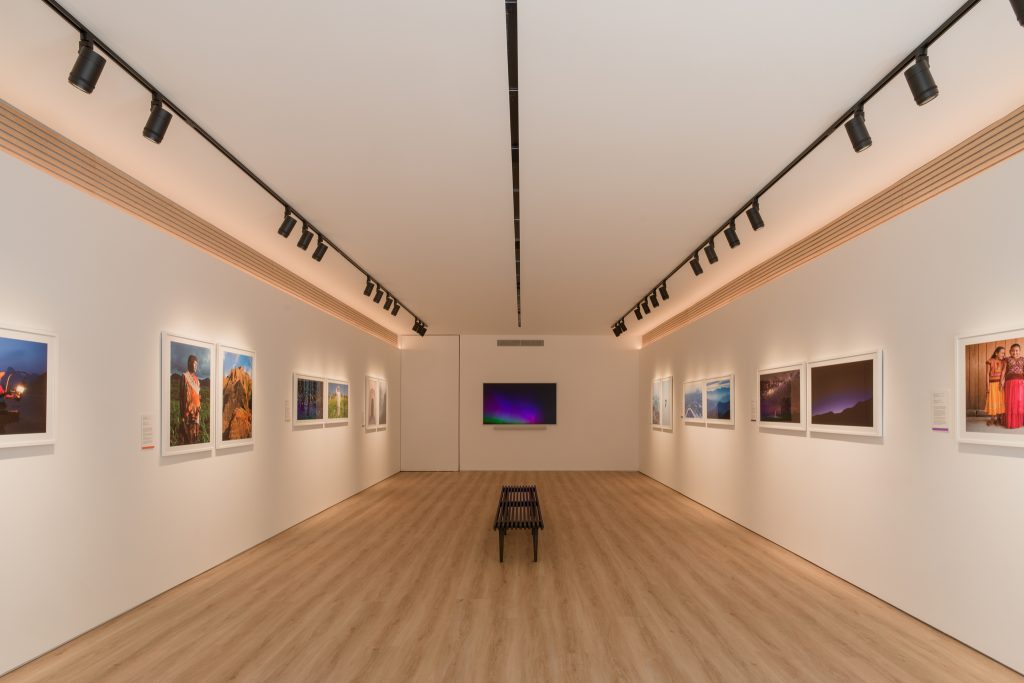
Track lighting itself is not the issue. The issue is using track heads designed for retail or architectural spaces rather than art.
Generic fittings lack:
• Precision optics
• Controlled beam shaping
• Reliable glare control
• Consistent colour stability
• Flexibility across different artwork formats
This is where specialist gallery lighting systems become essential.
Zoom lighting for adaptable exhibitions
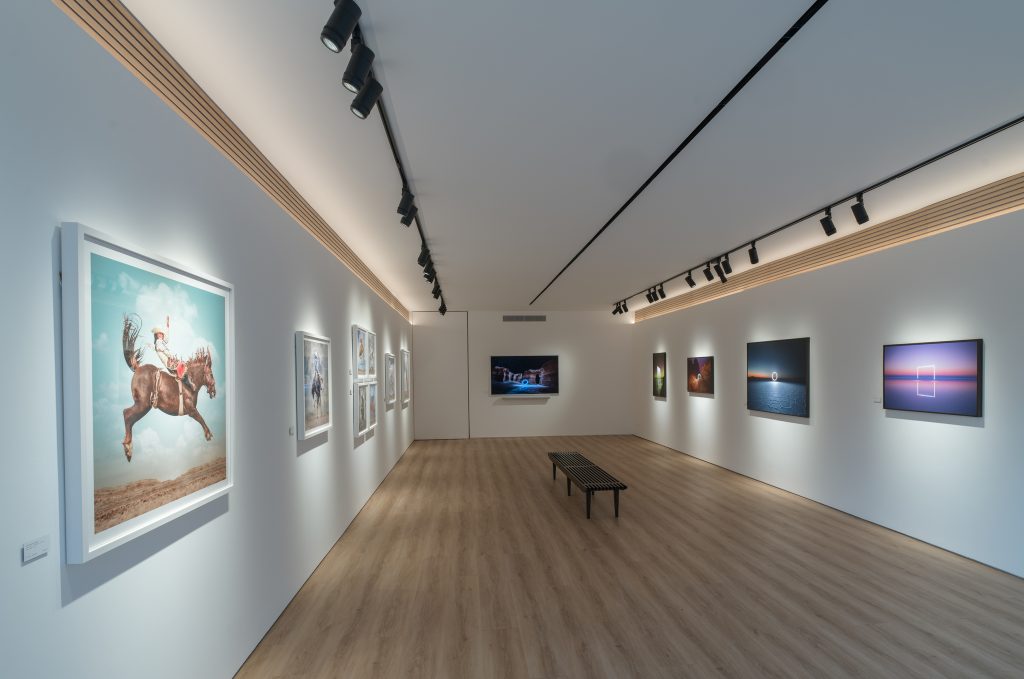
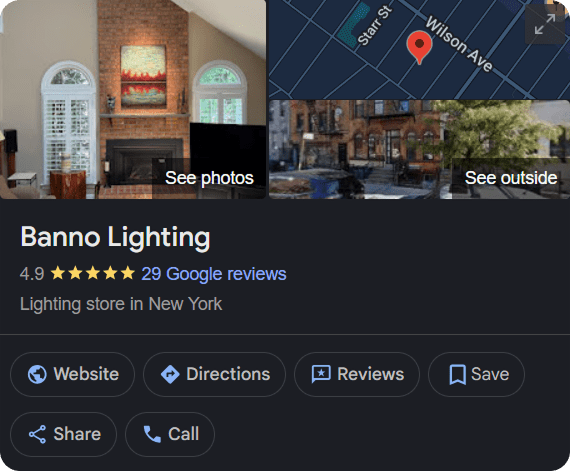
Zoom lighting is designed for galleries that change exhibitions frequently or display artworks of varying sizes.
With adjustable beam control, Zoom allows:
• One fixture to suit multiple artwork dimensions
• Precise framing of artworks without light spill
• Quick reconfiguration during rehanging
• Consistent presentation without replacing fittings
Zoom lighting gives galleries flexibility without sacrificing control. It is ideal for commercial galleries, group shows, and evolving exhibitions where adaptability is critical.
Multi lighting for layered and complex displays
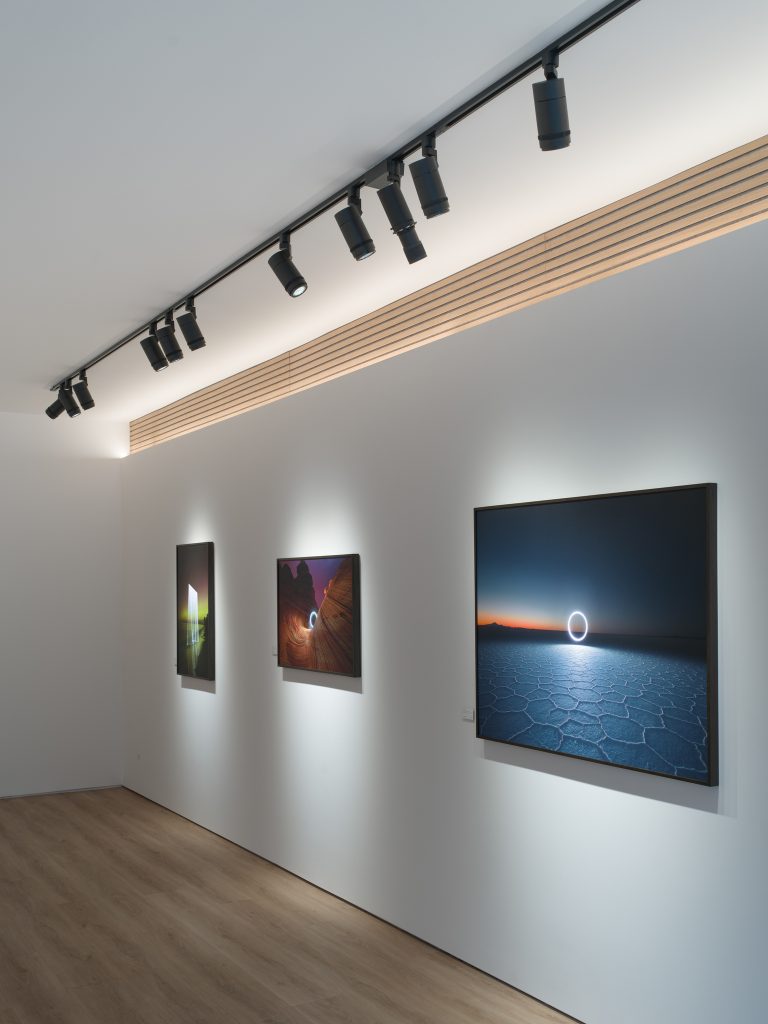
Multi lighting is designed for galleries that require greater control across varied mediums or layered installations.
Multi systems allow:
• Multiple beam options within the same lighting language
• Balanced illumination across mixed media exhibitions
• Strong control over contrast and hierarchy
• Precision where different artworks demand different treatments
Multi lighting is often used where galleries want consistency across the space while still responding to individual artworks.
Deluxe lighting for flagship presentation

Deluxe lighting is chosen by galleries that demand the highest level of refinement and visual presence.
It is used where:
• Artwork value is extremely high
• Presentation must signal authority and prestige
• Colour accuracy and beam quality are critical
• The lighting itself must visually disappear
Deluxe systems are typically used in flagship galleries, museum environments, and private collections where compromise is not acceptable.
Lighting as a commercial advantage
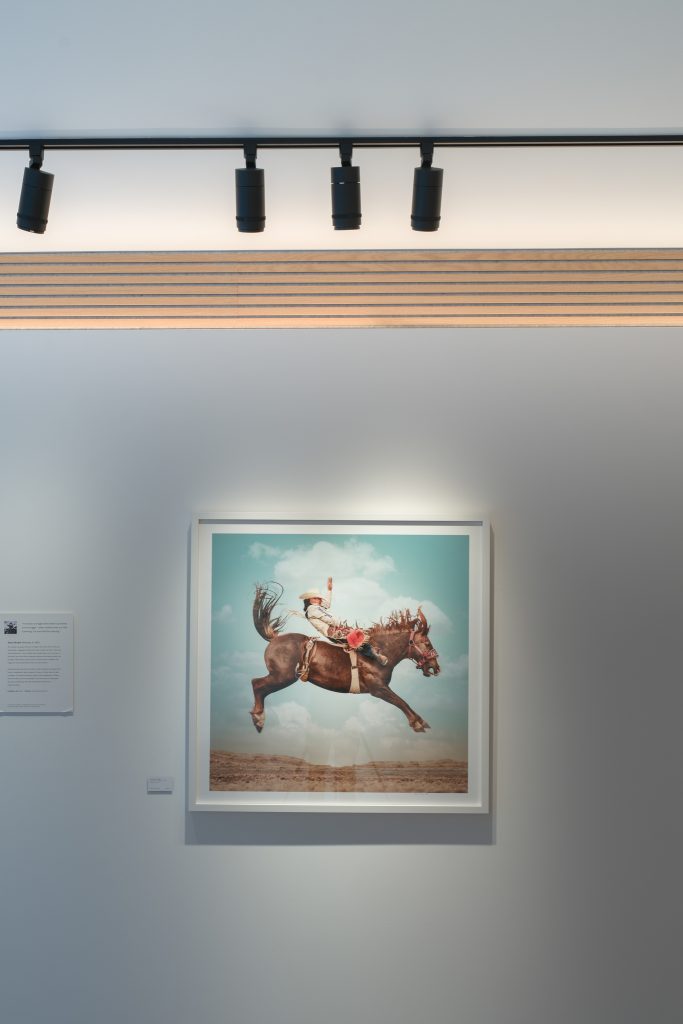
Art sales are emotional decisions supported by confidence. Lighting directly affects both.
When artwork is lit professionally:
• Visitors spend longer engaging
• Emotional connection deepens
• Perceived value increases
• Buyers feel reassured about colour and texture
• Objections reduce and confidence rises
Poor lighting creates hesitation. Collectors worry the artwork will not look the same outside the gallery. Professional lighting removes that doubt.
Many galleries find that improved lighting leads to faster sales, stronger pricing confidence, and better artist relationships.
Why galleries should not rely on generic fittings
Generic fittings are designed to be average in many environments rather than excellent in one.
They prioritise:
• Cost efficiency over performance
• Broad application over precision
• Simplicity over adaptability
For galleries, this leads to compromised presentation and long term dissatisfaction. Lighting becomes something you tolerate rather than trust.
Professional lighting systems like Zoom, Multi, and Deluxe are designed specifically to support art, not general illumination.
Our role as your lighting guide

At Banno Lighting, we do not simply supply products. We guide galleries through the entire lighting process.
This includes:
• Understanding your gallery’s positioning and audience
• Reviewing floor plans and exhibition layouts
• Designing lighting plans around your walls and works
• Recommending Zoom, Multi, or Deluxe systems based on need
• Supporting installation and aiming
• Ensuring flexibility for future exhibitions
Our role is to remove uncertainty and deliver lighting that works consistently over time.
Lighting as part of your gallery’s reputation

Lighting communicates professionalism. It tells artists and collectors whether a gallery understands presentation at a serious level.
Well designed lighting:
• Elevates perceived gallery calibre
• Supports curatorial credibility
• Builds trust with collectors
• Aligns physical space with brand positioning
Poor lighting quietly undermines even strong programming.
Designing for the future, not just today

A gallery’s lighting should support growth, not limit it.
Professional lighting design allows:
• Rehanging without replacing fixtures
• Flexible emphasis for different artists
• Adaptation to new wall layouts
• Consistent presentation across years
• Long term cost efficiency
This is why lighting should be designed once, properly, rather than patched repeatedly.
Why galleries choose Banno Lighting

Galleries choose Banno Lighting because we understand art first and lighting second.
We provide guidance, lighting plans, and specialist systems designed specifically for galleries. Our Zoom, Multi, and Deluxe ranges exist to give galleries control, flexibility, and confidence without compromise.
If you want lighting that:
• Respects the artwork
• Supports sales
• Enhances reputation
• Adapts as exhibitions change
Then professional art gallery lighting design is not optional. It is essential.
Trusted by art collectors, galleries, and curators worldwide