How Professional Lighting Systems Shape Experience, Sales, and Long Term Gallery Success?
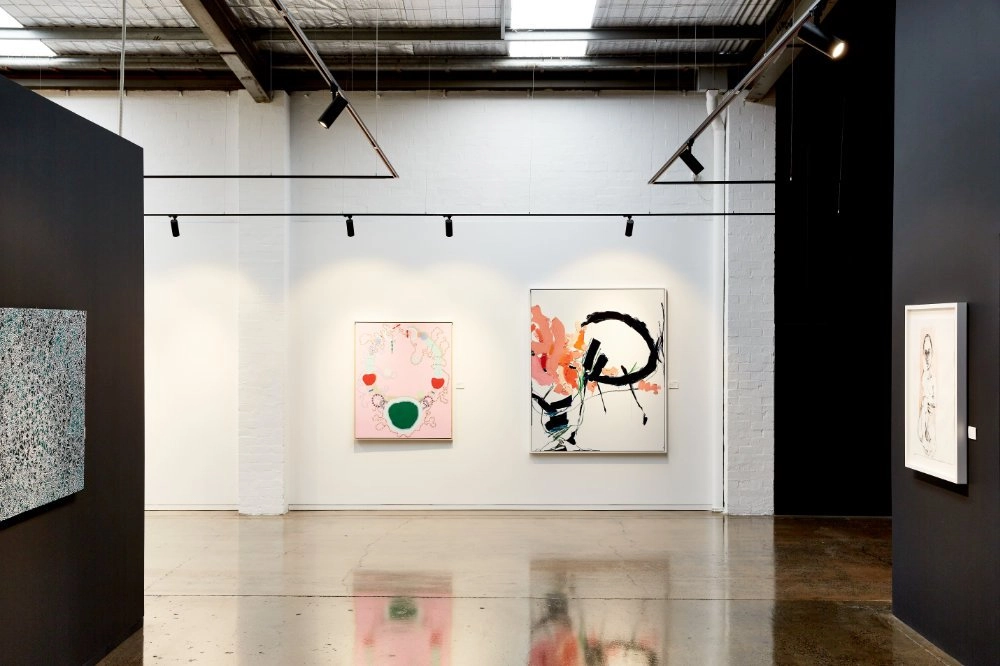
Professional gallery lighting system enhancing immersive art experience
Art gallery lighting systems are not simply a collection of fixtures mounted to a ceiling. They are an integrated system that determines how art is experienced, how long visitors stay, and how confidently collectors buy.
In a professional gallery, lighting is not decorative. It is functional, curatorial, experiential, and commercial all at once. The right system disappears visually while elevating everything it touches. The wrong system becomes a constant source of compromise.
This art gallery guide explains what art gallery lighting systems actually are, why track based systems dominate galleries worldwide, how different system types serve different exhibition needs, and why galleries benefit from specialist systems such as Zoom, Multi, and Deluxe rather than generic fittings.
What defines an art gallery lighting system?
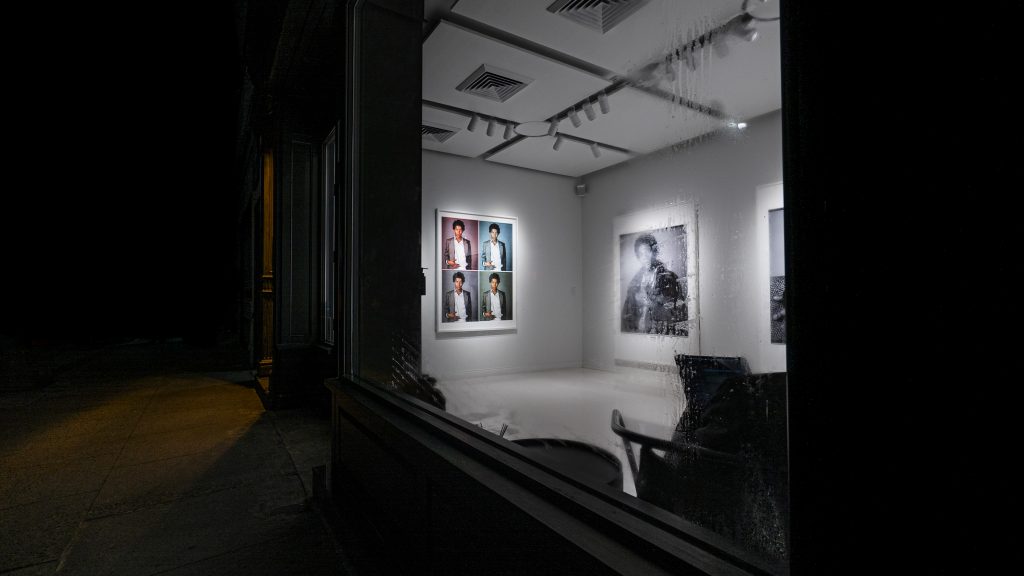
Integrated track lighting system with precision fixtures and optics
A lighting system is not a single product. It is the combination of components working together as one.
A professional art gallery lighting system includes:
• Power distribution
• Track or mounting infrastructure
• Light fixtures designed for artwork
• Optics and beam control
• Colour consistency
• Flexibility for change
• A lighting plan that ties it all together
When these elements are designed to work together, the system supports the gallery quietly and reliably. When they are assembled piecemeal, the result is inconsistency, glare, and frustration.
4.9 stars & reviews from art collectors and galleries
Why lighting systems matter more in galleries than almost any other space?

Adjustable gallery lighting designed for long term adaptability
Galleries change constantly.
Walls are rehung.
Exhibitions rotate.
Artwork sizes vary.
Curatorial intent evolves.
A lighting system must support all of this without requiring rewiring, replacement, or compromise every time something changes.
This is why galleries rely on systems rather than fixed solutions.
A good gallery lighting system allows:
• Fast reconfiguration
• Consistent presentation
• Precise control
• Long term adaptability
Without a system approach, lighting becomes reactive instead of supportive.
The gallery as an experience driven space

Lighting hierarchy guiding movement through exhibition space
An art gallery is not just a place to display objects. It is an experience designed to slow people down, focus attention, and create emotional engagement.
Lighting systems shape that experience by:
• Creating calm and visual clarity
• Guiding movement through the space
• Establishing rhythm and hierarchy
• Supporting the mood of exhibitions
Visitors rarely think about lighting consciously, but they respond to it instinctively. A well lit gallery feels intentional and immersive. A poorly lit one feels unsettled even if the art is strong.
This experiential quality is where lighting systems begin to influence sales.
How lighting systems affect art sales?
True colour rendering enhancing buyer trust in gallery
Art sales depend on confidence.
Collectors need to feel that what they are seeing is honest, considered, and representative of the artwork’s true character.
Lighting systems support sales by:
• Revealing true colour and texture
• Reducing glare and discomfort
• Creating a sense of value and care
• Reinforcing professionalism and trust
When lighting is inconsistent or generic, buyers hesitate. They question whether the artwork will look the same elsewhere. Doubt slows decisions.
Professional lighting systems remove friction from the buying process.
Why track lighting systems dominate art galleries?
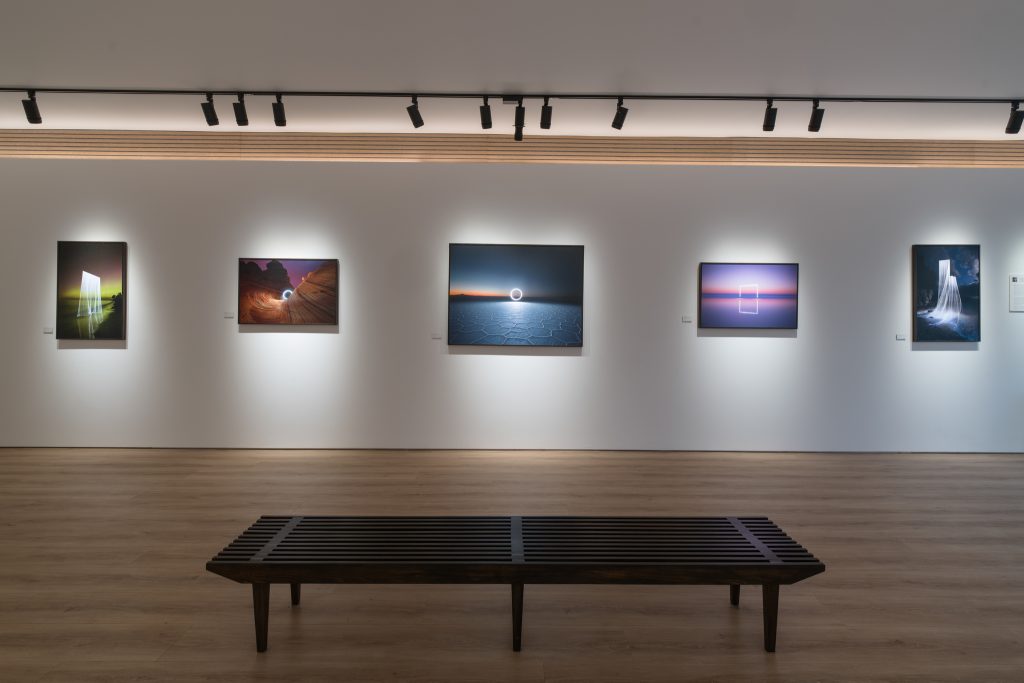
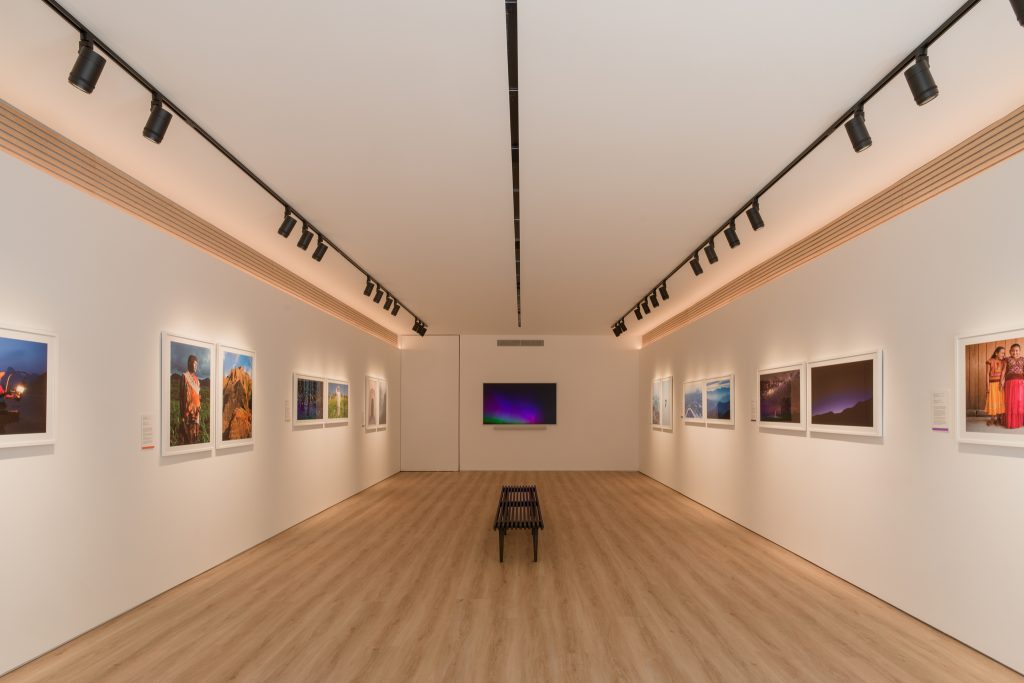
Professional gallery track system with movable fixtures
Track lighting systems are the backbone of most professional galleries worldwide.
This is not because they are cheap or simple, but because they offer flexibility without visual clutter.
A well designed track lighting system allows:
• Fixtures to be moved easily
• Beam angles to be adjusted
• Walls to be rehung without rewiring
• The ceiling to remain visually clean
For galleries, this adaptability is essential.
However, not all track systems are suitable for art.
The difference between generic track lighting and gallery track systems
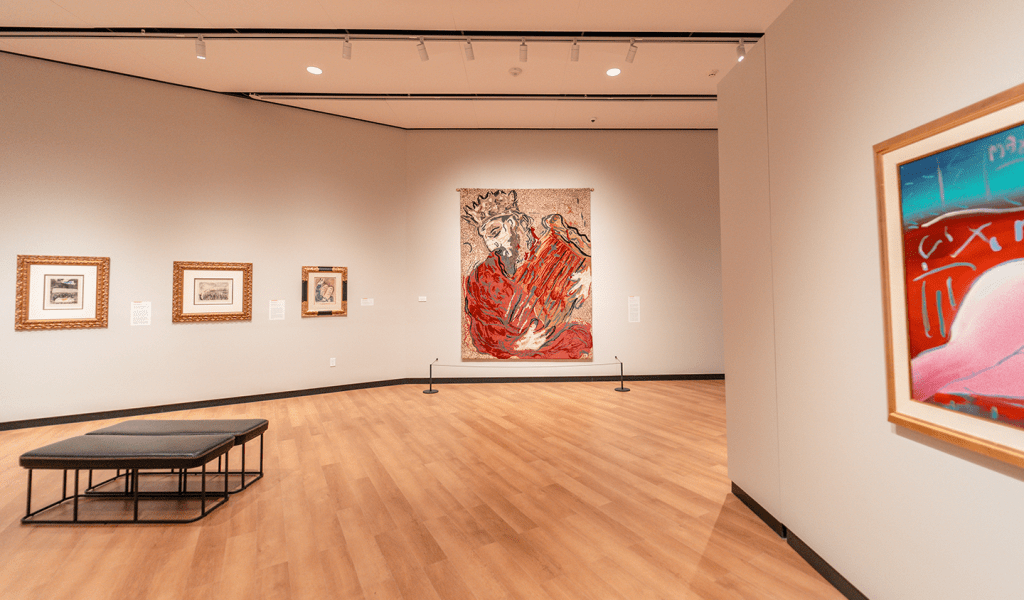
Controlled beam art lighting reducing spill and glare
Generic track lighting is designed for broad applications such as retail, offices, or architectural spaces.
These systems prioritise:
• Cost efficiency
• General illumination
• Wide beam spreads
• Visual presence
Art gallery track lighting systems prioritise something very different.
They focus on:
• Precision optics
• Controlled beam shaping
• Glare reduction
• Colour consistency
• Minimal visual distraction
This is why many galleries struggle when they use standard track fittings. The infrastructure may be correct, but the system is not designed for art.
Track lighting as a system, not just a mounting method

Balanced power distribution across professional lighting rails
In professional galleries, track lighting is treated as a system rather than a mounting rail.
This means:
• Track placement is planned alongside wall layouts
• Spacing supports future exhibitions
• Power distribution is balanced
• Fixtures are chosen for flexibility and control
When track is installed without a lighting plan, galleries often end up with dead zones, awkward aiming angles, and inconsistent results.
A proper system approach avoids these issues entirely.
Zoom lighting systems for adaptable galleries
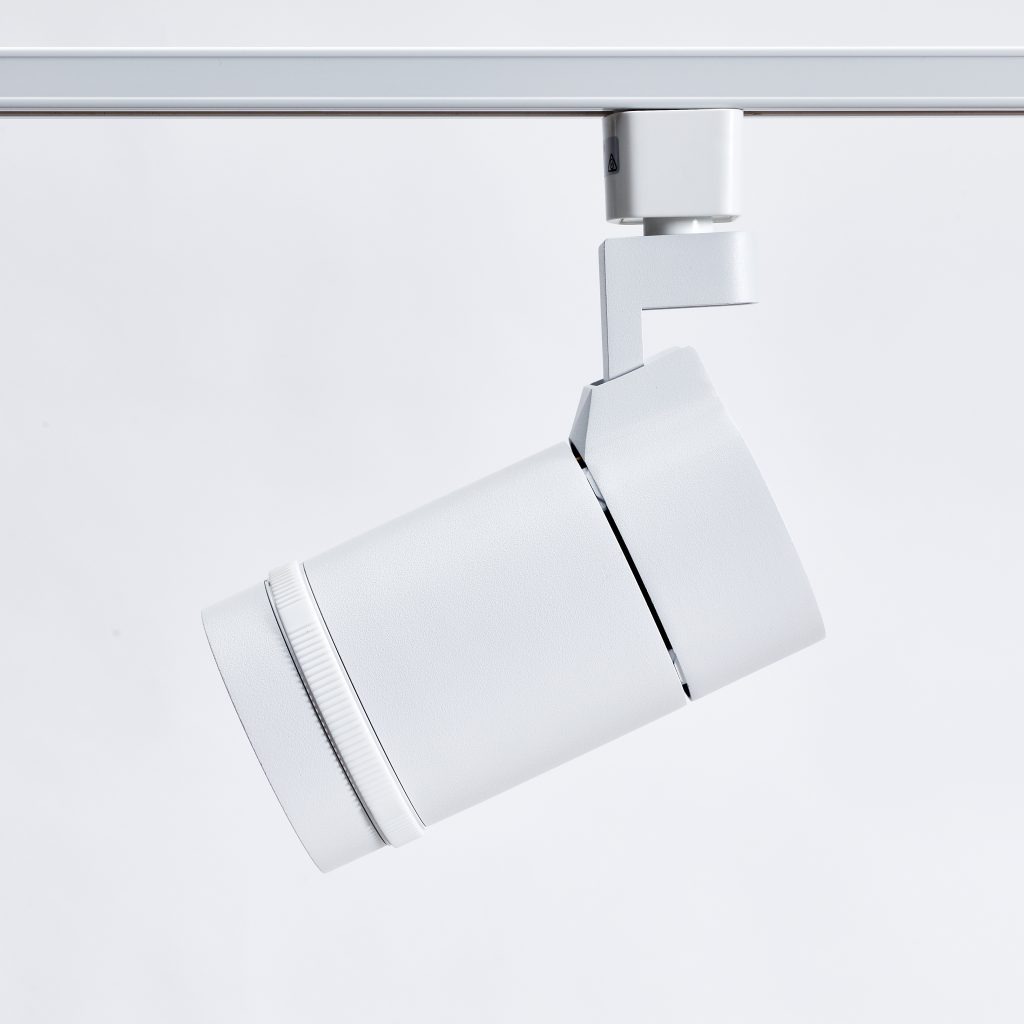
Adjustable beam zoom fixture framing small artwork
Zoom lighting systems are designed for galleries that need flexibility above all else.
They are ideal for:
• Commercial galleries
• Group exhibitions
• Spaces with frequent rehanging
• Walls displaying varied artwork sizes
The defining feature of Zoom systems is adjustable beam control.
With Zoom lighting, a single fixture can:
• Light small works tightly
• Expand to cover large pieces
• Reduce spill onto adjacent works
• Adapt quickly during installation
This reduces the need for multiple fixture types and allows galleries to respond dynamically to each exhibition.
Zoom systems are often the foundation of efficient, flexible gallery lighting.
Multi lighting systems for complex exhibitions
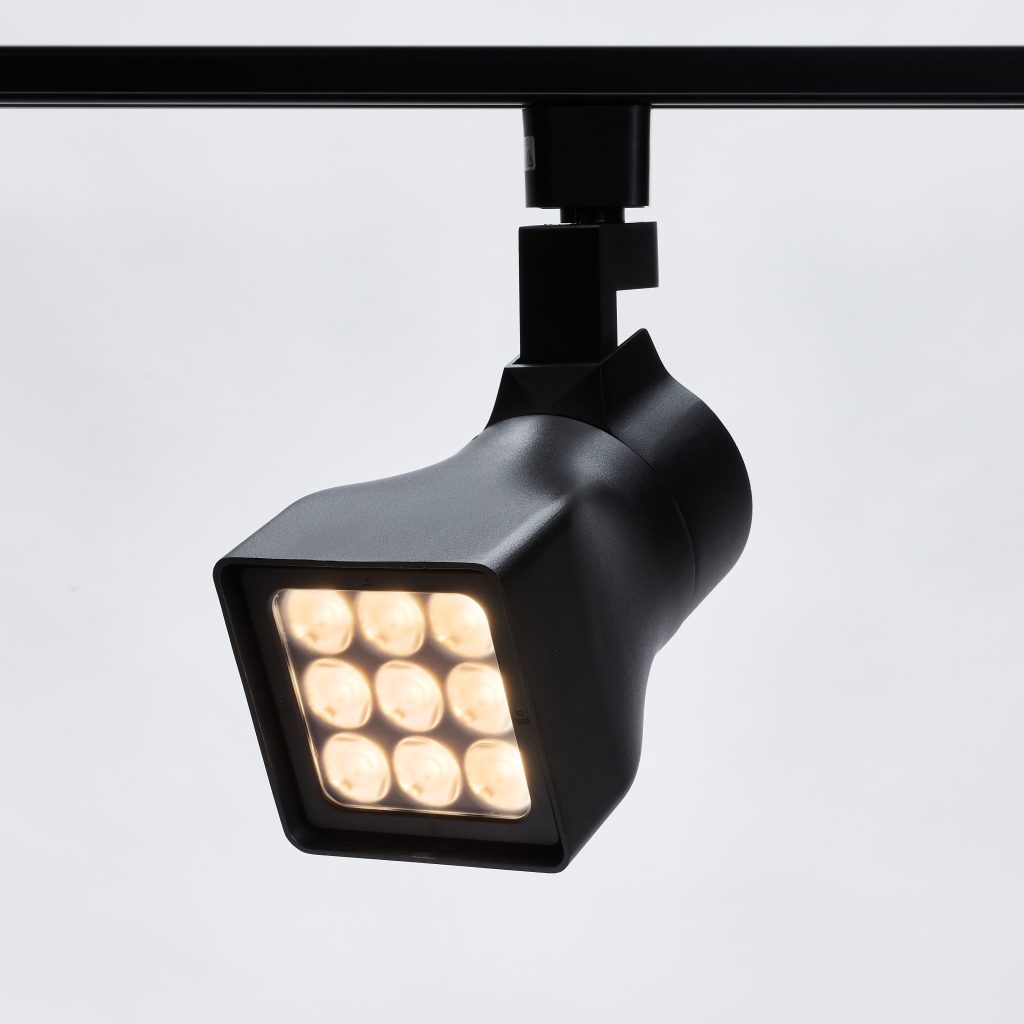
Multi fixture system balancing contrast and cohesion
Multi lighting systems are designed for galleries that curate layered or conceptually complex exhibitions.
They are particularly effective when:
• Multiple mediums are displayed together
• Some works require emphasis while others recede
• Curatorial hierarchy is important
• The exhibition narrative is nuanced
Multi systems allow galleries to:
• Apply different lighting treatments within one space
• Maintain overall consistency
• Highlight master works selectively
• Balance contrast and cohesion
This level of control transforms lighting from a technical requirement into a curatorial tool.
Deluxe lighting systems for flagship and museum environments
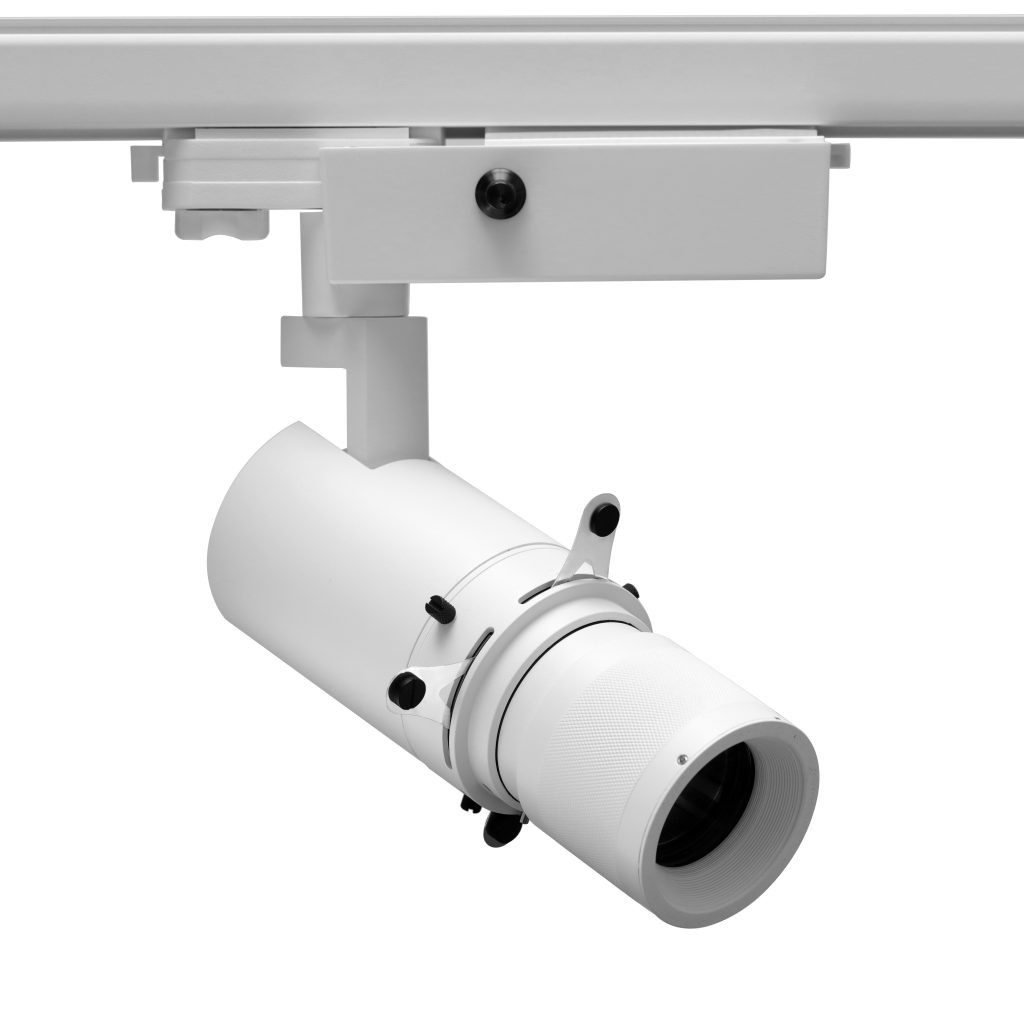
Discreet deluxe fixtures elevating high value artworks
Deluxe lighting systems represent the highest level of refinement in gallery lighting.
They are chosen when:
• Artwork value is extremely high
• Presentation quality must be unquestionable
• Visual intrusion must be minimal
• Long term consistency is critical
Deluxe systems focus on:
• Exceptional beam quality
• Superior colour stability
• Precision optics
• Quiet visual presence
In these environments, lighting should almost disappear while elevating the artwork completely.
Deluxe systems are commonly used in flagship galleries, museums, and private collections where compromise is not acceptable.
Colour consistency as part of the system
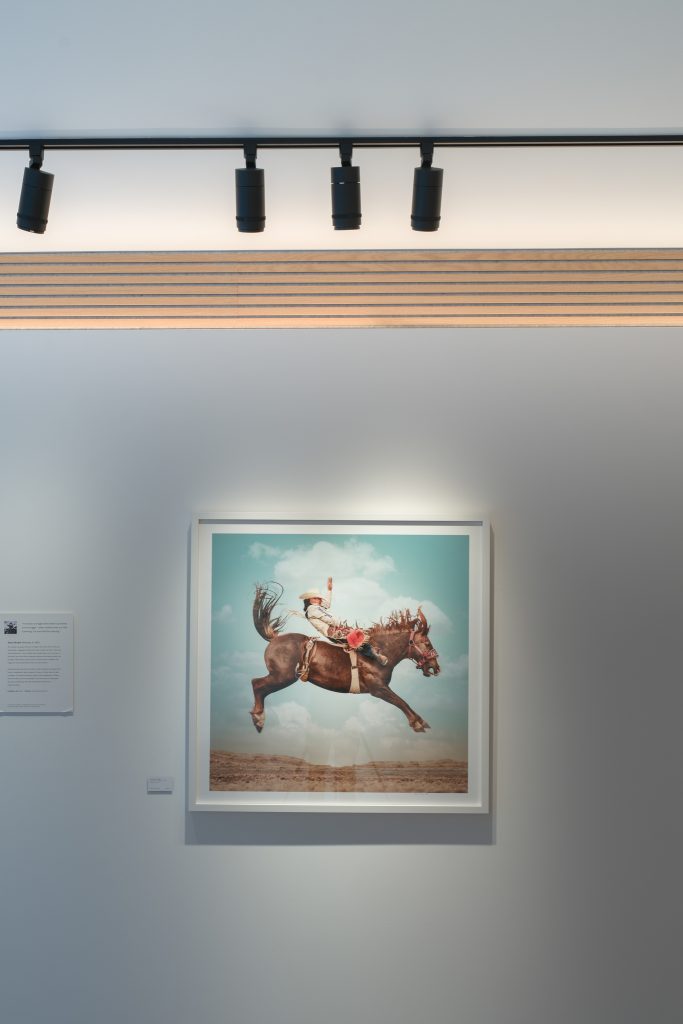
Stable colour rendering maintaining artwork authenticity
A lighting system must maintain colour consistency across all fixtures and over time.
In galleries, inconsistent colour temperature or colour rendering undermines trust. Collectors notice when artworks look different under different lights.
Professional lighting systems are engineered to:
• Maintain stable colour output
• Match fixtures precisely
• Avoid drift over time
This consistency is not a feature of generic systems. It is a requirement for serious galleries.
Glare control and viewer comfort
Proper aiming angle reducing reflections on framed artwork
Glare is one of the most common failures in gallery lighting.
A good lighting system addresses glare at a system level, not as an afterthought.
This includes:
• Optics designed for artwork viewing angles
• Track positioning that supports comfortable sightlines
• Fixtures that minimise stray light
• Controlled beam edges
When glare is controlled, visitors engage longer and more comfortably. This directly improves the gallery experience.
Integrating lighting systems with gallery architecture
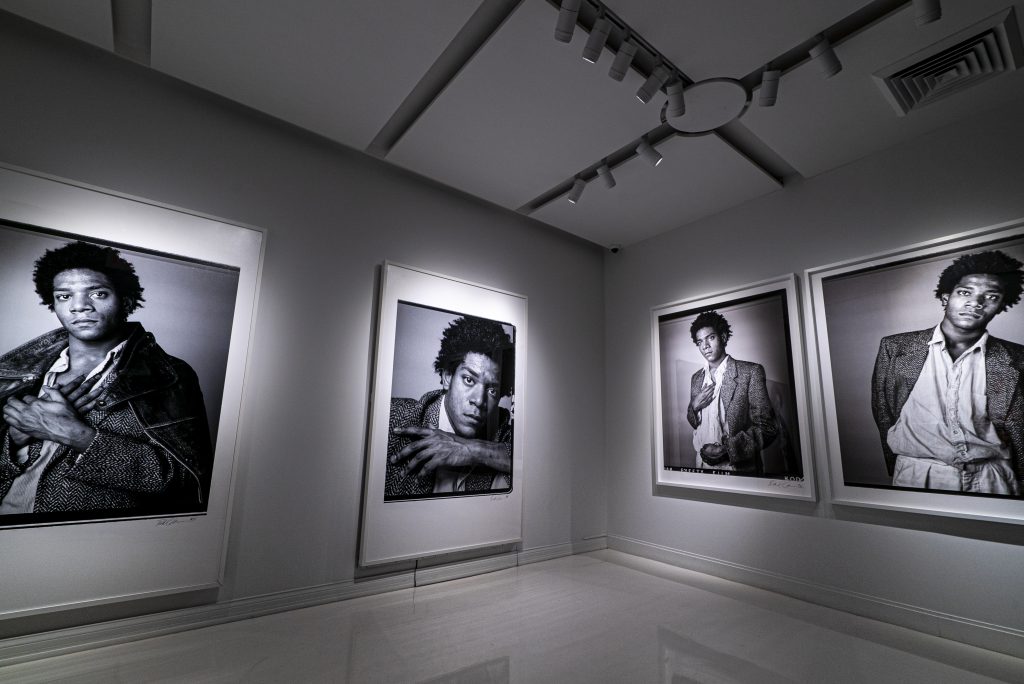
Track lighting integrated into minimalist gallery ceiling
Lighting systems should support the architecture, not fight it.
Track systems allow galleries to:
• Preserve clean ceiling lines
• Avoid visual clutter
• Adapt within heritage or contemporary spaces
• Integrate lighting without dominating the room
This architectural sensitivity is another reason track based systems remain dominant in galleries worldwide.
Long term thinking and system longevity
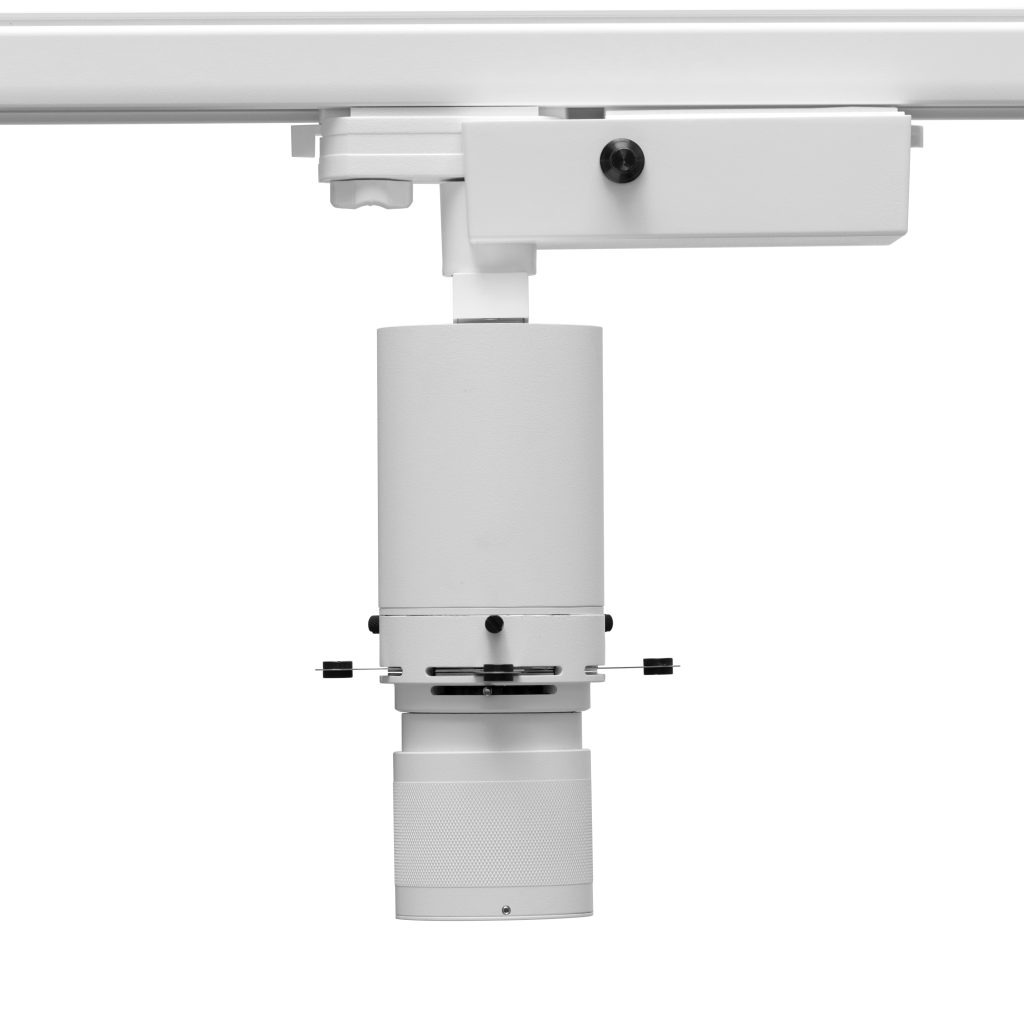
Durable gallery lighting designed for years of exhibitions
One of the most overlooked aspects of gallery lighting is longevity.
A professional lighting system should:
• Support years of exhibitions
• Reduce the need for replacement
• Maintain consistent quality
• Scale as the gallery evolves
Galleries that invest in proper systems once avoid years of incremental fixes and compromised presentation.
Why galleries need guidance, not just products?
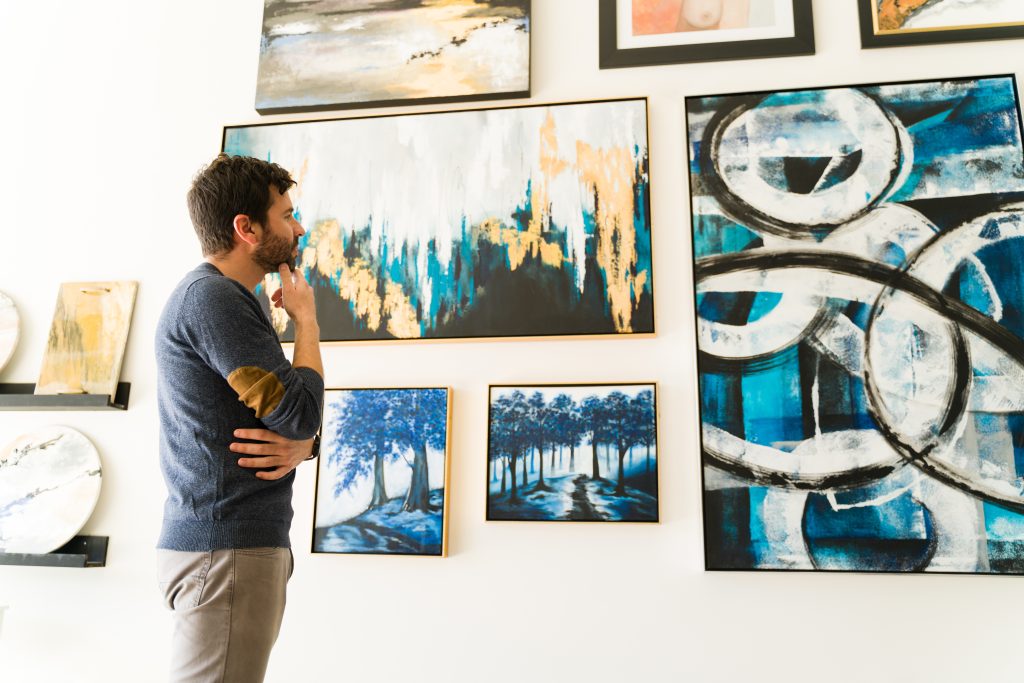
Collaborative planning session for professional lighting system
Lighting systems are complex. Galleries should not be expected to navigate them alone.
A specialist lighting partner provides:
• System level thinking
• Lighting plans tied to gallery operation
• Product selection based on use, not trend
• Ongoing support as exhibitions change
At Banno Lighting, our role is to guide galleries through system decisions so lighting becomes a strength rather than a constant concern.
The relationship between lighting systems and reputation
Professional lighting elevating gallery credibility and trust
Lighting communicates professionalism.
Artists notice how their work is presented.
Collectors notice consistency and care.
Institutions notice attention to detail.
A well designed lighting system:
• Elevates perceived credibility
• Supports curatorial authority
• Builds trust with buyers
• Aligns the physical space with the gallery’s positioning
Poor systems quietly erode reputation over time.
Choosing the right system for your gallery
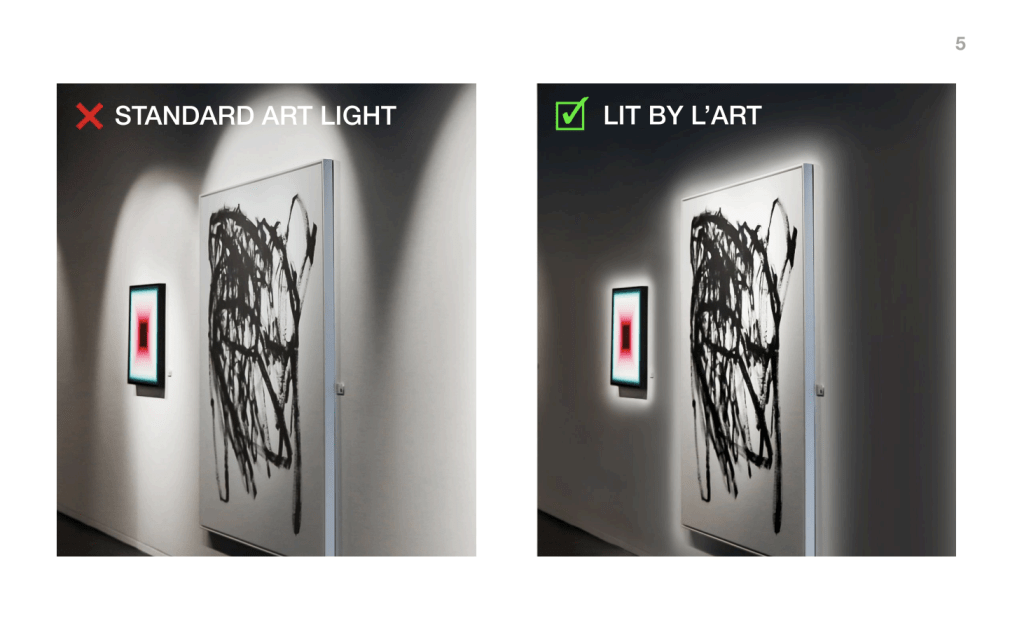
Side by side comparison of standard art light and Lit by L’Art
There is no single best system for every gallery.
The right choice depends on:
• Exhibition frequency
• Artwork types
• Gallery positioning
• Budget and long term goals
Zoom, Multi, and Deluxe systems exist to serve different needs within the same professional framework.
What matters most is choosing a system intentionally rather than defaulting to generic solutions.
Final perspective on art gallery lighting systems
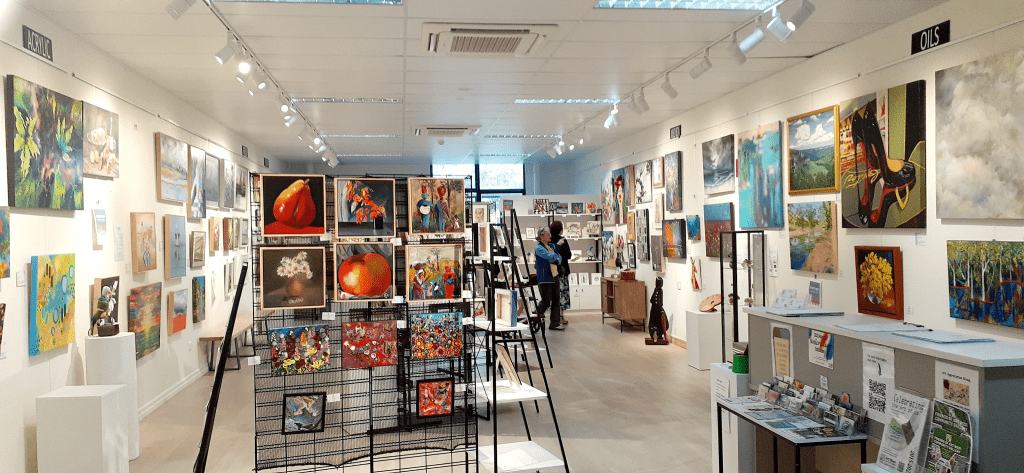
Seamless gallery lighting system enhancing visitor immersion
Art gallery lighting systems are not about fixtures. They are about experience, confidence, and longevity.
A well designed system:
• Disappears visually
• Supports the art
• Enhances the visitor experience
• Improves sales outcomes
• Protects the gallery’s reputation
This is why lighting should be approached as a system from the beginning.
Why galleries choose Banno Lighting
Galleries work with Banno Lighting because we understand lighting systems at a gallery level, not just a product level.
We provide:
• Expert guidance
• Detailed lighting plans
• Professional track based gallery systems
• Zoom, Multi, and Deluxe solutions
• Long term support
If you want an art gallery lighting system that enhances experience, supports sales, and adapts over time, professional guidance and purpose built systems are essential.
Art Gallery Lighting Design Principles
Effective art gallery lighting design begins with understanding how viewers interact with artwork. Lighting must guide the eye naturally while maintaining visual comfort throughout the gallery.
When visitors enter a gallery space, their attention is immediately drawn to the brightest or most contrasted areas. Lighting designers use this behavior to create visual hierarchy within exhibitions.
Key elements of gallery lighting design include:
- Beam direction
- Light intensity
- Color accuracy
- Glare reduction
- Spatial balance
Rather than flooding a room with uniform brightness, professional gallery lighting highlights individual works while allowing surrounding walls to remain visually calm.
Art gallery lighting systems are engineered to deliver this level of control. Adjustable track fixtures allow curators and designers to modify beam angles and brightness levels to suit each exhibition.
This flexibility ensures that lighting supports the curatorial vision without requiring permanent changes to the architecture.
Art Gallery Lighting Fixtures and Optical Control
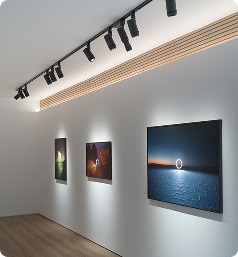
Track lighting rail supporting multiple spotlight types along exhibition ceiling
Art gallery lighting fixtures must deliver far greater precision than standard commercial lighting.
Typical architectural lighting is designed to illuminate entire spaces evenly. In contrast, gallery lighting fixtures must highlight individual artworks while preventing spill light from distracting viewers.
Professional art lighting fixtures achieve this through precision optics. These optics shape the beam so that light reaches the artwork evenly while maintaining soft edges and controlled falloff.
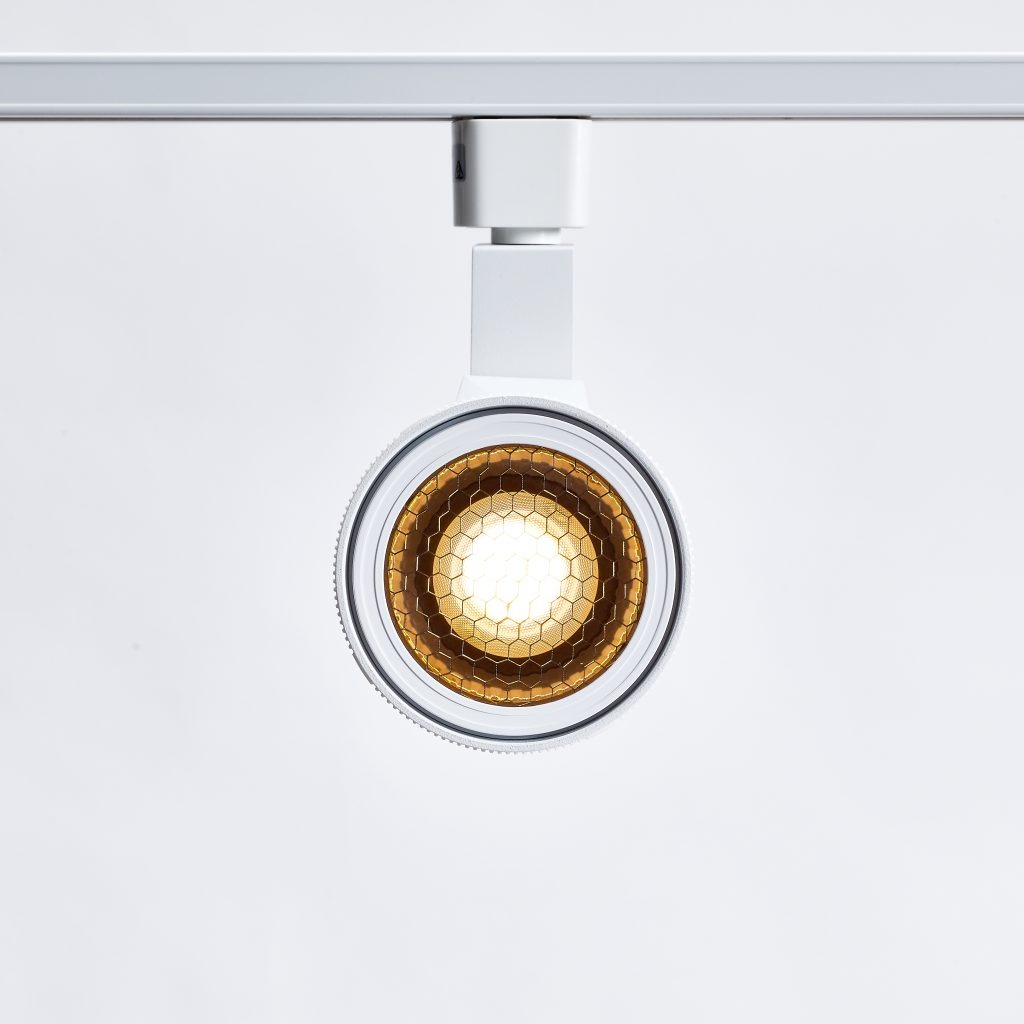
A well designed gallery lighting track system allows multiple fixture types to be used along the same rail. Narrow beams can highlight individual paintings, while wider beams can illuminate sculptures or larger installations.
The Banno Lighting L’Art track fixtures incorporate adjustable optics that allow curators to fine tune beam spread depending on the artwork size and placement.
This optical flexibility is essential for maintaining consistent lighting quality across different exhibitions.
Lighting an Art Gallery for Visual Impact
Lighting an art gallery requires careful coordination between architecture, artwork placement, and lighting design.
Gallery lighting systems must enhance the artwork without overpowering it. The lighting should feel almost invisible while still creating strong visual focus.
When lighting an art gallery, designers typically aim fixtures at a thirty degree angle toward the artwork. This approach helps minimize reflections while evenly illuminating the surface.
Lighting intensity must also be carefully balanced.
Important works may receive slightly higher illumination levels, drawing the viewer’s attention first. Supporting pieces can remain softer to create visual rhythm throughout the exhibition.
Track lighting systems allow these adjustments to be made quickly as exhibitions change.
Because gallery displays evolve frequently, flexible lighting infrastructure is essential.
Lighting Art Exhibitions and Art Shows

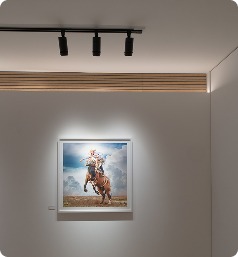
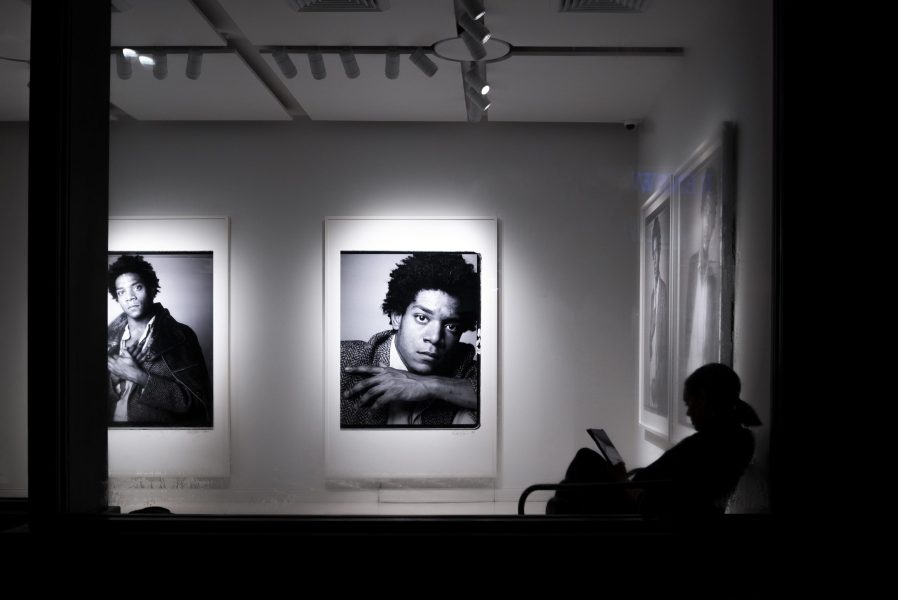
Photography exhibition wall lit with glare controlled directional spotlights
Lighting art exhibitions requires adaptability. Temporary shows often introduce artworks of different sizes, materials, and presentation styles.
A lighting system must be capable of supporting a wide range of display conditions.
Paintings require angled light that reveals brush texture. Sculptures benefit from multiple directional light sources that create dimensional modeling. Photographs need controlled lighting that avoids glare on glossy surfaces.
Professional art gallery lighting systems support these variations through interchangeable optics and adjustable beam angles.
During an art show, lighting also plays a psychological role. Visitors often perceive well lit artworks as more valuable and professionally presented.
Carefully designed lighting can elevate the perceived quality of the entire exhibition.
Because of this, galleries invest heavily in flexible lighting infrastructure that can support different curatorial concepts without requiring major installation changes.
Gallery Lighting Guidelines Used by Museums
Many galleries follow lighting guidelines originally developed by museums.
Museum lighting design prioritizes both visual presentation and long term preservation of delicate artworks.
Key guidelines include:
Maintaining high color rendering for accurate tones
Limiting ultraviolet radiation that can damage materials
Reducing excessive heat near artworks
Controlling glare for visitor comfort
Allowing flexible beam adjustment
Museum art lighting fixtures are typically engineered with LED technology that produces minimal UV and infrared radiation.
This protects sensitive materials such as paper, textiles, and historic pigments.
Art gallery lighting systems increasingly adopt these museum standards, ensuring that artworks remain protected while still appearing vibrant.
Museum Lighting Design and Conservation

Dimmed gallery spotlight highlighting delicate paper artwork for preservation
Museum lighting design must balance two priorities.
First, it must allow visitors to see artworks clearly and appreciate details.
Second, it must protect fragile materials from excessive light exposure.
Certain artworks are extremely sensitive to light. Paper based works, textiles, and historical photographs can fade or deteriorate if exposed to strong illumination over long periods.
Museum lighting fixtures therefore allow precise control of light levels.
Dimming systems are often used to adjust illumination depending on the exhibition requirements.
Track lighting platforms are particularly useful in museum environments because they allow fixtures to be repositioned without changing electrical infrastructure.
This adaptability ensures that conservation standards can be maintained while still delivering strong visual presentation.
Gallery Lighting Ideas for Modern Exhibition Spaces
Modern gallery lighting ideas focus on creating immersive visual environments while preserving clarity and focus on the artwork.
Some galleries use subtle wall washing to provide ambient brightness across display walls. Accent lighting is then used to highlight individual pieces.
This combination creates depth within the space and helps guide the viewer through the exhibition.
Other galleries emphasize dramatic contrast by spotlighting artworks against darker backgrounds. This approach can create a theatrical atmosphere that intensifies the viewing experience.
Contemporary lighting systems support both approaches.
Art gallery track lighting systems allow multiple optical configurations to be used within the same infrastructure. Curators can experiment with lighting concepts without replacing fixtures.
These systems provide the flexibility required by modern exhibition design.
The Importance of Light in Art Presentation

Close view showing color accuracy under professional gallery lighting
The importance of light in art cannot be overstated.
Artists often create their work under carefully controlled lighting conditions. When artwork is displayed in a gallery, the lighting must preserve the original visual intent.
Light reveals texture, depth, and color relationships that may not be visible under poor illumination.
A painting with layered brushwork may appear flat if lit incorrectly. A sculpture may lose its dimensional impact without proper directional lighting.
Professional gallery lighting systems ensure that artworks appear as the artist intended.
By shaping light carefully and maintaining accurate color rendering, lighting designers help viewers experience the artwork fully.
In this way, lighting becomes an invisible collaborator in the presentation of art.
Gallery Lighting Track Systems and Long Term Flexibility
Gallery lighting track systems are designed to support long term adaptability.
Unlike fixed lighting installations, track rails allow fixtures to be repositioned easily as exhibitions evolve.
New artworks can be introduced without modifying the ceiling infrastructure. Fixtures can simply slide along the track and be aimed toward the new display locations.
This modular approach allows galleries to refresh exhibitions regularly without major installation costs.
It also ensures that lighting remains aligned with curatorial goals even as collections expand.
High quality track lighting platforms can remain in service for decades while supporting evolving technologies and fixture upgrades.
Lighting Museum and Gallery Spaces for the Future

Future museum lighting technology highlighting artworks with minimal heat
As lighting technology advances, modern art gallery lighting systems continue to improve.
LED technology has dramatically reduced heat and ultraviolet radiation compared with older lighting sources. This makes galleries safer environments for delicate artworks.
Advanced optics now allow extremely precise beam shaping, enabling lighting designers to highlight artwork with minimal spill.
Digital lighting controls allow galleries to adjust brightness levels and create different lighting scenes depending on exhibition needs.
Together, these technologies allow galleries and museums to present artwork more effectively than ever before.
Lighting remains one of the most powerful tools in shaping the viewer’s experience inside an exhibition space.
FAQs
1. What is an art gallery lighting system?
An art gallery lighting system is an integrated setup that includes power distribution, track infrastructure, specialized fixtures, optics, colour consistency, and a coordinated lighting plan designed specifically to present artwork effectively.
2. Why is lighting so important in art galleries?
Lighting determines how artwork is perceived, how comfortable visitors feel, how long they stay in the space, and how confidently collectors make purchasing decisions.
3. What components make up a professional gallery lighting system?
A complete system typically includes power distribution, track or mounting infrastructure, art-specific light fixtures, precision optics and beam control, consistent colour rendering, flexible configuration, and a strategic lighting plan.
4. How does lighting influence the visitor experience in a gallery?
Lighting creates visual clarity, guides visitor movement, establishes rhythm in exhibitions, and shapes the emotional atmosphere of the space.
5. Can lighting really affect art sales?
Yes. Proper lighting reveals accurate colour and texture, reduces glare, and creates a sense of professionalism that helps collectors feel confident in purchasing artwork.
6. Why do most galleries use track lighting systems?
Track lighting systems allow fixtures to be moved, adjusted, and reconfigured easily as exhibitions change without needing electrical rewiring.
7. What is the difference between generic track lighting and gallery track lighting?
Generic track lighting focuses on general illumination, while gallery systems prioritize precision optics, glare control, colour consistency, and minimal visual distraction.
8. Why should track lighting be treated as a system rather than just a rail?
Because effective gallery lighting requires planned track placement, balanced power distribution, and fixture selection that supports changing exhibitions.
9. What problems occur when lighting is installed without a plan?
Galleries may experience dead zones, uneven lighting, difficult fixture aiming, glare issues, and inconsistent presentation of artwork.
10. What are Zoom lighting systems?
Zoom lighting systems feature adjustable beam angles, allowing a single fixture to illuminate both small artworks and larger pieces without needing multiple fixture types.
11. When are Zoom lighting systems most useful?
They are ideal for galleries with frequent exhibition changes, group shows, varied artwork sizes, and commercial gallery environments.
12. What are Multi lighting systems?
Multi lighting systems allow different lighting treatments within the same gallery space, enabling curators to highlight key works while maintaining overall balance.
13. When should a gallery use a Multi lighting system?
Multi systems are ideal for complex exhibitions with multiple mediums, layered curatorial narratives, or varying levels of emphasis across artworks.
14. What are Deluxe lighting systems?
Deluxe lighting systems represent the highest level of gallery lighting, offering exceptional beam quality, superior colour stability, and minimal visual presence.
15. Where are Deluxe lighting systems typically used?
They are commonly installed in flagship galleries, museums, and private collections where artwork value and presentation standards are extremely high.
16. Why is colour consistency important in gallery lighting?
Inconsistent colour temperature can make artworks appear different under various lights, which can undermine collector trust and distort the artist’s intended presentation.
17. How do lighting systems reduce glare in galleries?
Professional systems use specialized optics, careful track positioning, controlled beam edges, and proper fixture aiming to minimize reflections and stray light.
18. How do lighting systems integrate with gallery architecture?
Track lighting allows galleries to maintain clean ceiling lines, reduce visual clutter, and adapt lighting to both contemporary and historic architectural spaces.
19. Why should galleries think about lighting system longevity?
A well-designed system supports years of exhibitions, maintains consistent quality, reduces replacement costs, and adapts as the gallery evolves.
20. Why should galleries work with a specialist lighting partner?
Lighting systems are complex. Specialists provide strategic planning, tailored product selection, professional lighting plans, and ongoing support to ensure the system performs effectively over time.
You’re in expert hands when it comes to art lighting