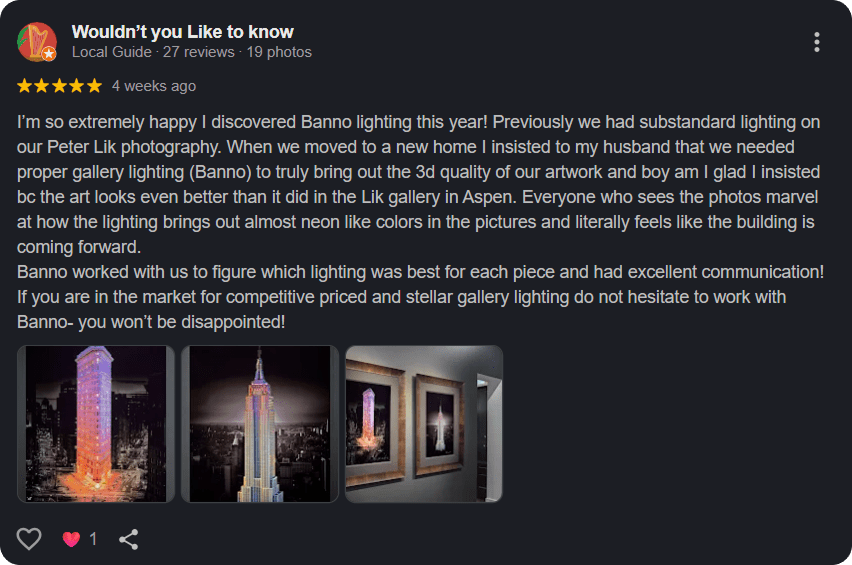
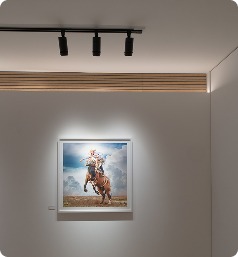
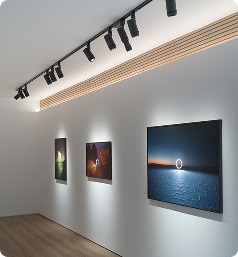
Museum-grade lighting enhancing depth and visual balance
Art LED lights have become the gold standard for illuminating artwork in galleries, museums, collector homes, and design-focused interiors. Unlike general decorative lighting, art LED lights are engineered specifically to enhance visual clarity, preserve color accuracy, and provide conservation-safe illumination for paintings, sculptures, and wall-mounted artworks.
In professional art environments, lighting is not simply about brightness. It is about precision, control, and long-term preservation. Properly designed art LED lights allow artwork to be experienced with depth, authenticity, and refined visual focus while minimising environmental stress on delicate materials.
Trusted by Galleries: A Professional Perspective on Our Lighting
Artwork LED Lights and True Color Representation
One of the most critical advantages of artwork LED lights is their ability to deliver accurate color rendering. Artwork relies heavily on subtle tonal variations, and poor lighting can distort pigments, flatten depth, and misrepresent the artist’s original intent.
High-quality art LED lights improve:
- Pigment authenticity
- Subtle color transitions
- Visual richness
- Material depth perception
For galleries and collectors, accurate color representation is essential to maintaining artistic integrity.
LED Lights for Art and Controlled Illumination

Directional beam focusing attention on framed artwork
LED lights for art are designed to provide controlled, directional illumination rather than broad ambient lighting. This ensures that the artwork remains the focal point within the space without excessive light spill onto surrounding walls or floors.
Controlled illumination supports:
- Focused visual attention
- Reduced environmental glare
- Balanced brightness levels
- Enhanced artwork visibility
This level of precision is particularly important in curated gallery environments.

4.9-star rated by art collectors and gallery professionals
Art Display LED Lights and Exhibition Presentation
Art display LED lights are commonly used in exhibitions to create consistent and professional artwork presentation. Each piece within an exhibition may require individual beam adjustment to ensure uniform illumination across different sizes and mediums.
Display lighting enhances:
- Visual cohesion across exhibitions
- Structured gallery layouts
- Clear separation between artworks
- Professional curatorial presentation
This makes LED art display lighting a core component of museum-grade installations.
LED Lights for Artwork and Conservation Safety
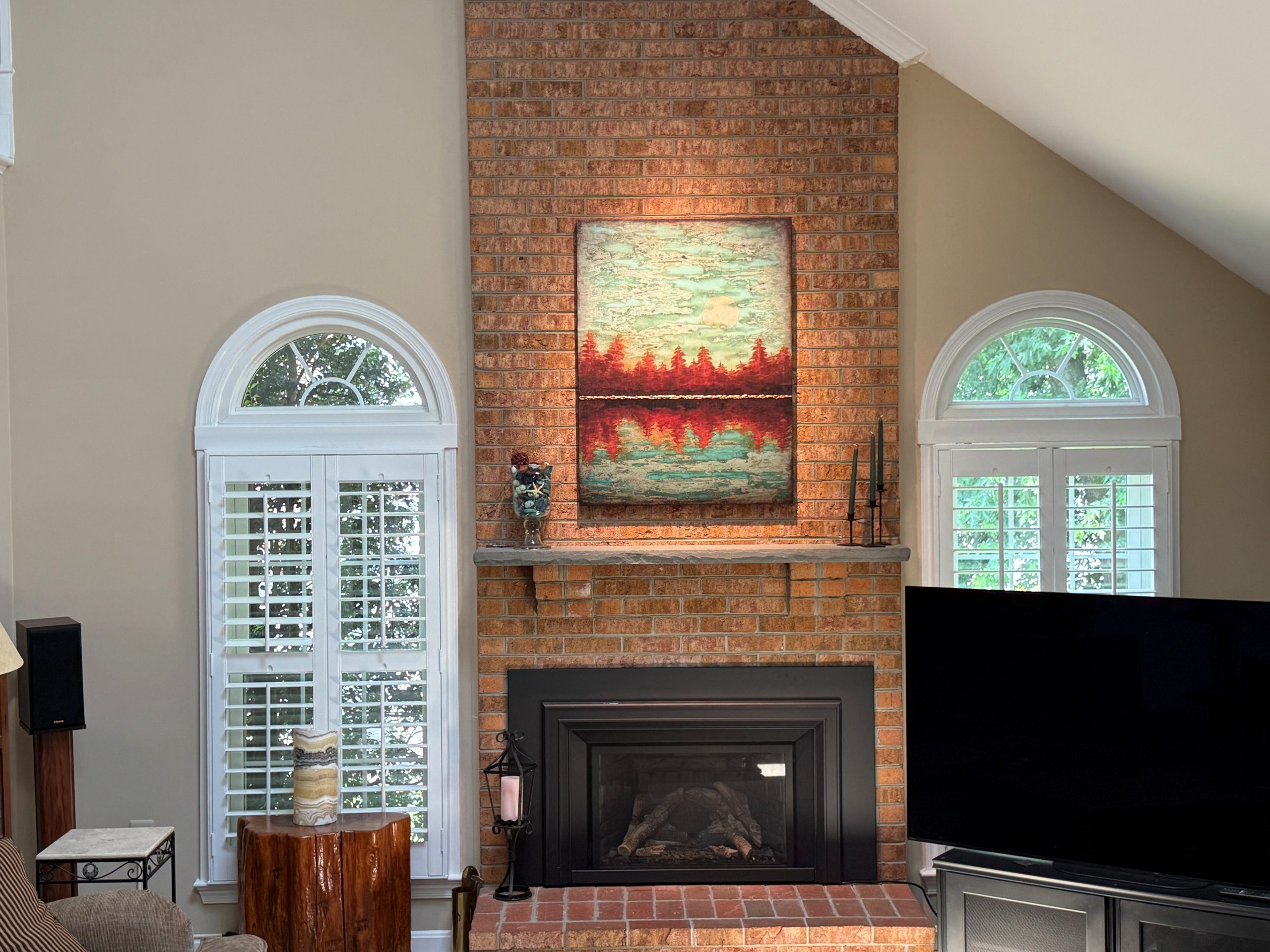
Low heat LED protecting delicate painting surfaces
A major concern in art lighting is long-term preservation. LED lights for artwork are preferred because they emit significantly less heat and ultraviolet radiation compared to traditional lighting technologies.
Conservation benefits include:
- Reduced risk of pigment fading
- Minimal thermal impact on artwork
- Stable illumination over time
- Safer long-duration display conditions
This is especially critical for oil paintings, watercolors, and historically significant works.
LED Art Gallery Lighting and Professional Standards
LED art gallery lighting systems are designed to meet professional museum and gallery standards. These systems provide precision optics, adjustable beam control, and consistent light output across exhibition spaces.
Professional lighting standards prioritise:
- Controlled illumination intensity
- Uniform light distribution
- High color rendering performance
- Low glare output
Such characteristics ensure that artwork is presented with clarity and visual balance.
Wall Art LED Lights and Architectural Integration
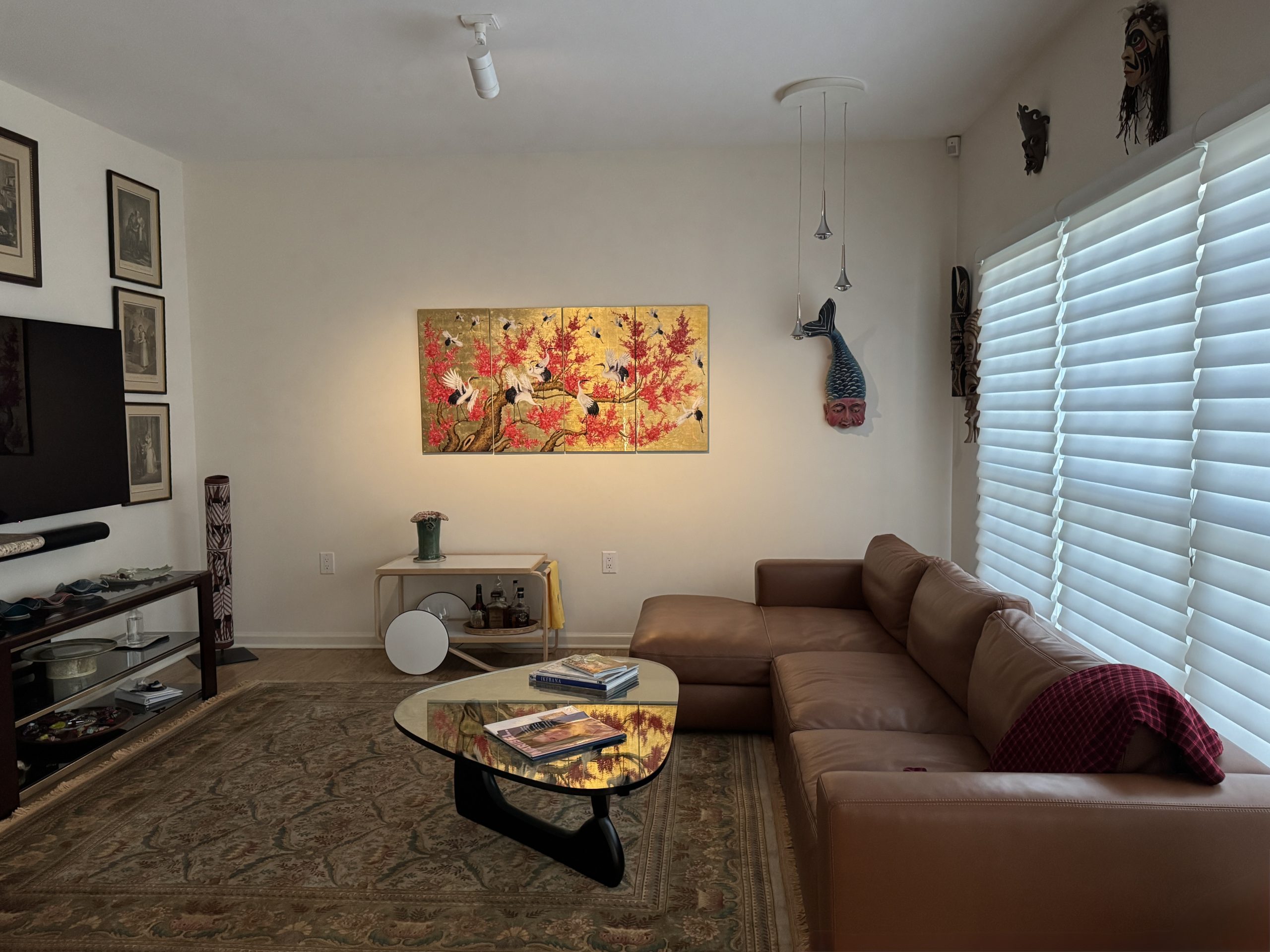
Discreet lighting blending into contemporary interiors
Wall art LED lights integrate seamlessly into architectural interiors, allowing lighting to support artwork without overwhelming the spatial design. Discreet fixtures ensure that the viewer’s attention remains on the artwork rather than the lighting source.
Architectural integration benefits include:
- Clean visual aesthetics
- Minimal fixture intrusion
- Enhanced interior sophistication
- Gallery-style presentation in residential spaces
This is particularly valued in luxury homes and contemporary galleries.
LED Lights for Art Studio and Creative Accuracy
Artists working in studios require lighting that accurately reflects true colors and textures during the creative process. LED lights for art studio environments provide stable, consistent illumination that supports both artwork creation and evaluation.
Studio lighting advantages include:
- Accurate color perception during painting
- Reduced eye strain
- Consistent lighting conditions
- Enhanced detail visibility
This ensures that artists can work under lighting conditions similar to professional gallery displays.
LED Lights for Wall Art and Surface Uniformity

Balanced brightness preventing central hotspots
LED lights for wall art must provide even illumination across the artwork surface to avoid hotspots or shadow distortion. Uniform lighting enhances the viewer’s ability to fully appreciate the artwork’s composition and texture.
Uniform surface lighting improves:
- Clarity across large canvases
- Balanced brightness distribution
- Professional display aesthetics
- Comfortable viewing experience
This is especially important for large-scale wall-mounted artworks.
Best LED Lights for Art Gallery and Beam Precision
The best LED lights for art gallery environments are those that offer precise beam angles and adjustable positioning. Beam precision allows curators and designers to tailor illumination to each artwork rather than applying generic lighting across the entire wall.
Precision lighting enables:
- Highlighting focal artworks
- Maintaining visual hierarchy
- Reducing unnecessary light spill
- Enhancing exhibition storytelling
This approach is widely used in museum and institutional settings.
LED Art Spot Light and Visual Hierarchy

Focused spotlight emphasizing primary artwork
A LED art spot light plays a key role in establishing visual hierarchy within galleries and collector spaces. By selectively illuminating primary artworks, lighting designers guide viewer attention naturally through the display.
Strategic spotlighting supports:
Curated viewing pathways
Enhanced engagement with key pieces
Balanced multi-art displays
Structured exhibition flow
This layered lighting technique is fundamental in professional gallery lighting design.
Are LED Lights Safe for Artwork and Long-Term Display
A common question is whether LED lights damage artwork. High-quality art LED lights are considered one of the safest lighting options due to their low heat emission and minimal UV output.
Safety advantages include:
- Reduced fading risk
- Stable environmental conditions
- Preservation of delicate materials
- Long-term display compatibility
When properly specified, LED lighting aligns with museum conservation guidelines.
Precision Art Lighting Fixtures in Professional Environments
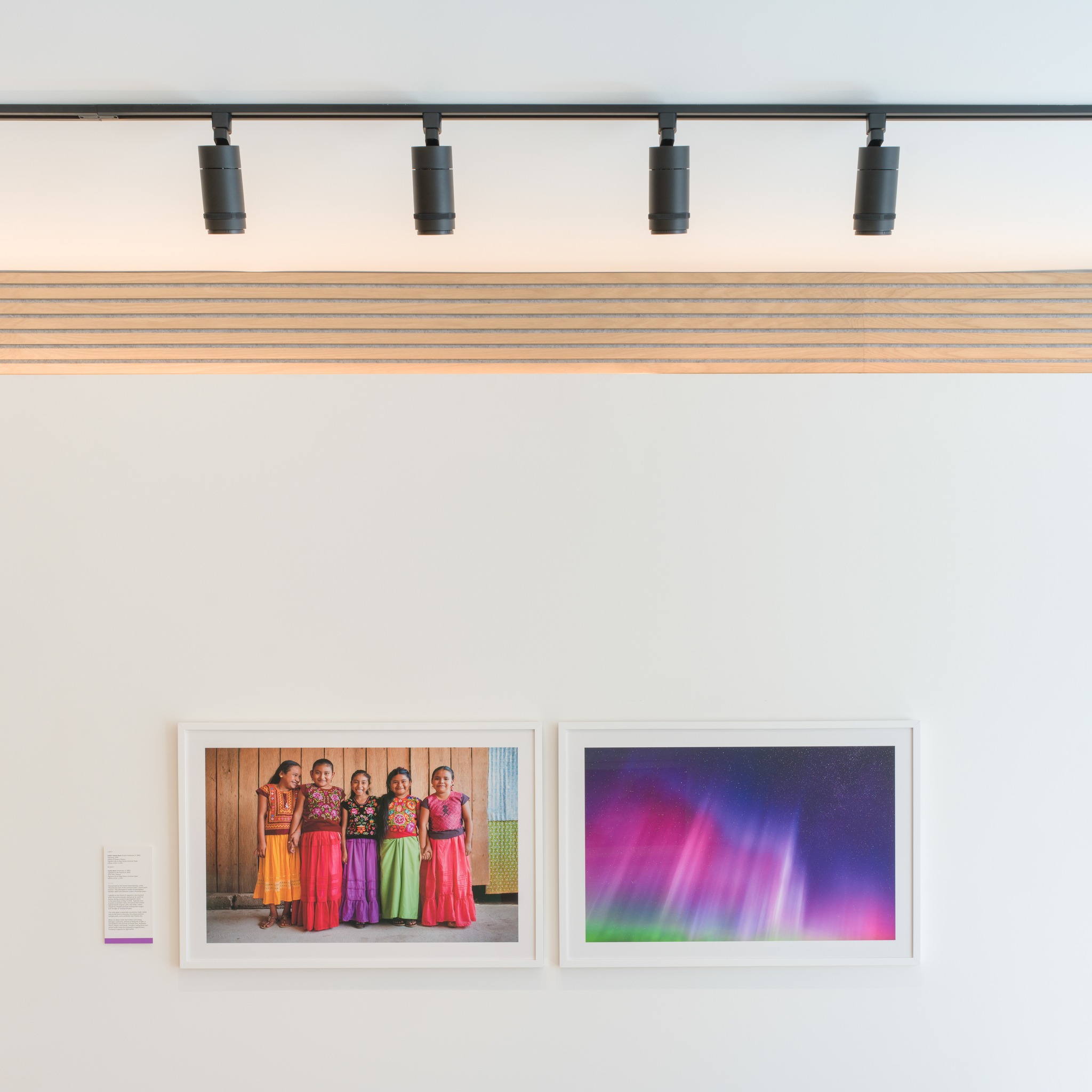
Museum-grade fixtures ensuring tonal accuracy
In high-end galleries and collector installations, specialised fixtures such as Zoom (precision art lighting), Deluxe (museum-grade lighting), and Multi (flexible gallery lighting) are used to achieve superior beam control and refined illumination. These systems are engineered for accurate color rendering, controlled brightness, and curatorial flexibility while maintaining a discreet visual presence.
Rather than acting as decorative lighting, these fixtures function as precision tools that enhance artwork visibility without compromising artistic integrity.
Art LED Lights and Multi-Layered Lighting Systems
Professional art spaces rarely rely on a single lighting source. Instead, art LED lights are integrated into multi-layered lighting systems that combine accent, ambient, and supplementary illumination.
A layered lighting approach includes:
- Directional LED art lights for focal pieces
- Soft ambient lighting for spatial balance
- Supplementary lighting for large installations
This creates depth, refinement, and a museum-quality viewing experience.
Long-Term Value of Art LED Lights for Collectors and Galleries
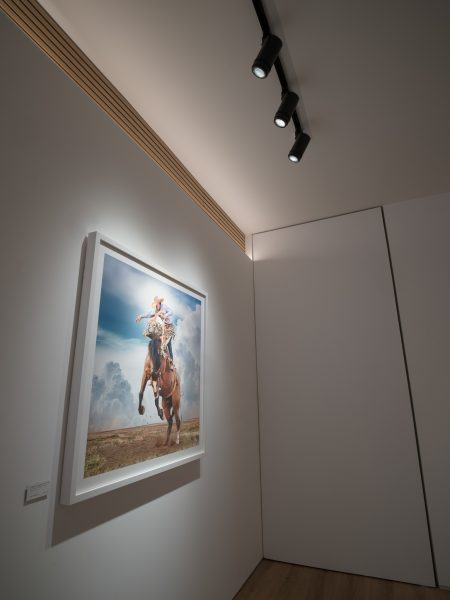
Energy-efficient lighting reducing operational costs
Investing in art LED lights provides long-term value through energy efficiency, minimal maintenance, and consistent illumination performance. For galleries, museums, and collectors, reliable lighting is essential for maintaining the visual impact of artwork over time.
Long-term advantages include:
- Energy-efficient operation
- Long fixture lifespan
- Stable illumination quality
- Reduced maintenance requirements
- Future-ready lighting adaptability
Ultimately, art LED lights represent a sophisticated fusion of technology, conservation, and curatorial design. By delivering precise illumination, accurate color rendering, and conservation-safe performance, they allow paintings, sculptures, and wall art to be presented with clarity, depth, and authenticity across galleries, museums, studios, and high-end residential art collections.
Art LED Lights and Beam Angle Selection for Different Artwork Types
Selecting the correct beam angle is one of the most important technical decisions when implementing art LED lights. Different artworks require different light spreads to achieve optimal illumination without distortion or uneven brightness. A narrow beam angle is ideal for smaller framed works, while wider beam angles are more suitable for large canvases or multi-panel installations.
Proper beam angle selection supports:
- Even edge-to-edge illumination
- Reduced hotspots on artwork surfaces
- Enhanced texture visibility
- Balanced visual focus across the display
In professional gallery environments, beam precision is carefully calibrated to ensure each artwork is illuminated according to its size, medium, and placement within the exhibition.
Artwork LED Lighting and Surface Texture Enhancement

Angled illumination revealing brushstroke definition
Artwork LED lighting does more than simply make art visible. When correctly positioned, it enhances surface texture, brushwork, and material depth without introducing harsh shadows. This is especially important for oil paintings, mixed media pieces, and sculptural wall art where dimensionality plays a significant role in artistic expression.
Texture-enhancing lighting techniques include:
- Angled directional illumination
- Soft overlapping light layers
- Controlled contrast ratios
- Moderate intensity to avoid visual flattening
These methods allow viewers to experience the full material richness of the artwork rather than a flat, overexposed presentation.
LED Lights for Art and Glare Reduction Techniques
Glare is one of the most common issues in improper art lighting setups. Art LED lights must be positioned and specified to minimise glare, particularly for artworks protected by glass or glossy finishes.
Effective glare reduction strategies include:
- Mounting lights slightly above the artwork
- Using anti-glare lenses or diffusers
- Avoiding direct frontal lighting angles
- Adjusting beam direction carefully
This ensures a comfortable viewing experience while maintaining clarity and visual authenticity.
LED Lights for Artwork and Environmental Stability

Color-stable lighting preventing tonal shifts
Environmental stability is a key factor in long-term art preservation. LED lights for artwork are highly valued because they maintain consistent illumination without fluctuating heat output or color shifts over time.
Stable lighting environments support:
- Long-term artwork preservation
- Consistent exhibition presentation
- Reduced environmental stress on materials
- Reliable visual performance over extended periods
This stability makes LED lighting particularly suitable for museums, archives, and collector spaces with valuable collections.
Art LED Lighting and Visual Contrast Control
Visual contrast is essential in professional art presentation. Too much contrast can create harsh shadows, while too little can make artwork appear flat and lifeless. Art LED lighting systems allow fine control over contrast levels to achieve a balanced and refined visual outcome.
Balanced contrast improves:
- Depth perception
- Artwork legibility
- Viewer engagement
- Overall aesthetic refinement
In curated environments, contrast control is often adjusted depending on exhibition themes and artwork styles.
LED Art Display Lights and Exhibition Scalability

Scalable systems supporting rotating exhibitions
Exhibitions are rarely static, which is why LED art display lights must support scalability. Modular lighting systems allow galleries to expand, rearrange, or rotate artworks without redesigning the entire lighting infrastructure.
Scalable lighting systems enable:
- Flexible exhibition layouts
- Support for growing collections
- Efficient reconfiguration of gallery walls
- Future-ready lighting adaptability
This is particularly beneficial for contemporary galleries that frequently update their displays.
Art LED Lights and Integration with Ceiling and Track Systems
Art LED lights can be integrated into track lighting systems, recessed fixtures, or ceiling-mounted installations to create a cohesive lighting strategy. Each installation method offers different advantages depending on the architectural environment.
Track-mounted systems provide:
- Maximum directional flexibility
- Easy repositioning of fixtures
- Support for rotating exhibitions
Recessed systems offer:
- Minimal visual intrusion
- Clean architectural integration
- Subtle and refined illumination
Ceiling-mounted art lights deliver:
- Strong overhead coverage
- Consistent illumination across large walls
- Professional gallery-grade presentation
LED Lights for Art Gallery and Viewer Experience Optimization

Comfortable lighting encouraging longer engagement
The viewer experience is directly influenced by lighting quality. LED lights for art gallery environments are designed not only for preservation but also for emotional engagement and visual immersion.
Optimised lighting enhances:
- Artwork visibility from various angles
- Comfortable viewing durations
- Emotional connection with the artwork
- Curated exhibition flow
This level of refinement elevates the entire gallery experience rather than simply illuminating objects on a wall.
Are LED Lights Bad for Art or Suitable for Long-Term Use
A common concern among collectors is whether LED lights are bad for art. In reality, high-quality art LED lights are among the safest options available for long-term artwork display due to their low heat emission and UV-free operation.
When properly specified, LED lighting:
- Does not overheat artwork surfaces
- Reduces fading risks
- Maintains stable illumination over years
- Supports conservation-focused environments
This makes LED lighting the preferred choice for museums and professional galleries worldwide.
Wireless and Battery Art LED Lights for Flexible Installations

Discreet installation minimizing structural changes
Wireless and battery art LED lights provide additional flexibility for spaces where hardwired installations are not feasible. These lighting solutions are often used in temporary exhibitions, rental galleries, and collector spaces that require adaptable lighting setups.
Flexible installation benefits include:
- Quick repositioning of lights
- Minimal structural modifications
- Support for temporary displays
- Discreet and portable illumination
While not always suitable for large institutional installations, they are highly effective for smaller art displays and residential collections.
Art LED Lights and Aesthetic Minimalism in Modern Interiors
Modern galleries and luxury interiors increasingly prioritise minimalism, where lighting must be visually discreet yet technically precise. Art LED lights are designed with slim profiles and refined finishes that blend seamlessly into architectural environments.
Minimalist lighting aesthetics contribute to:
- Reduced visual clutter
- Enhanced spatial elegance
- Stronger artwork emphasis
- Sophisticated interior harmony
This allows artwork to remain the dominant focal element within the space.

LED Lights for Art Projects and Studio-to-Gallery Continuity
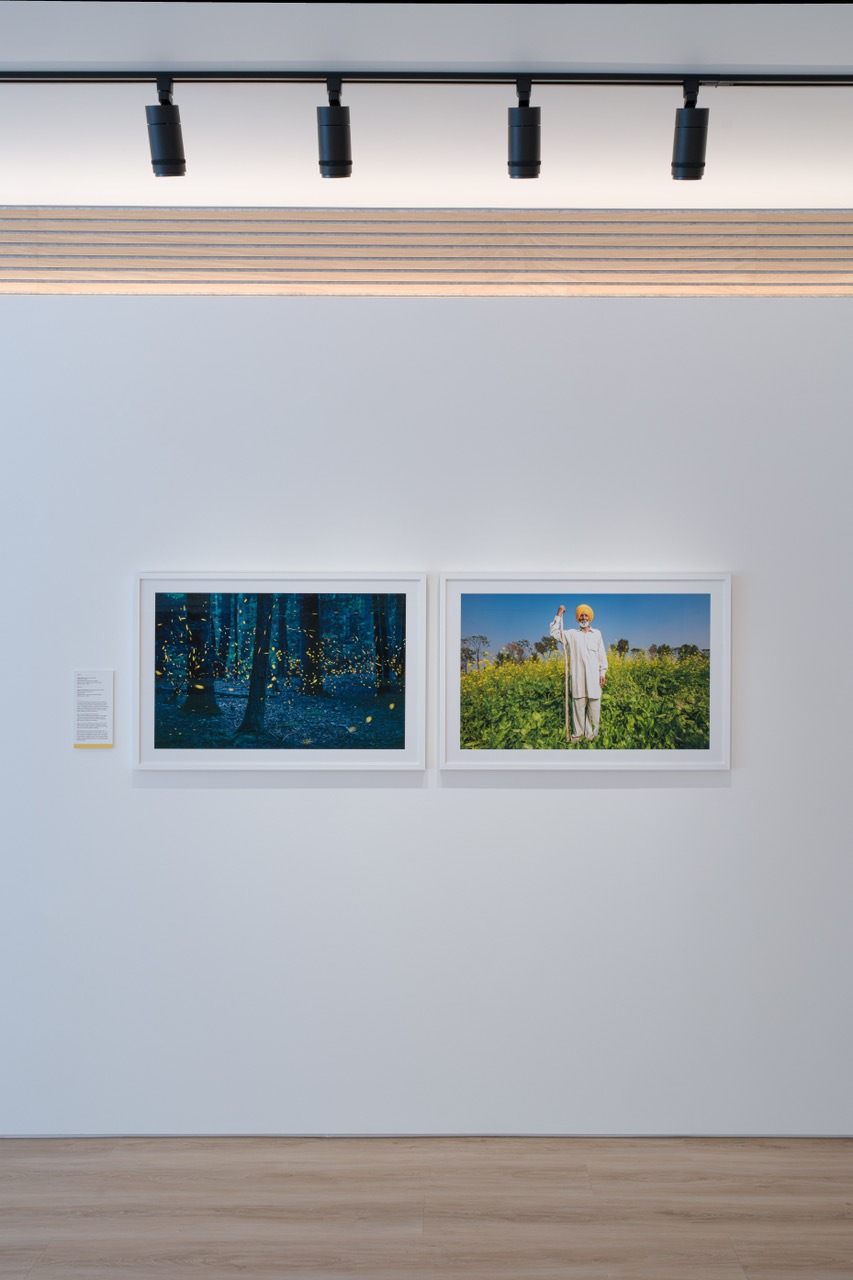
Accurate color rendering supporting artistic evaluation
Artists and collectors often benefit from using similar lighting conditions in both studio and gallery environments. LED lights for art projects that offer accurate color rendering and stable illumination help ensure that artwork appears consistent from creation to exhibition.
Studio-to-gallery continuity supports:
- Accurate artistic evaluation
- Consistent color perception
- Reliable presentation in exhibitions
- Professional lighting alignment
This continuity is particularly important for artists preparing works for gallery display.
Art LED Lights as a Long-Term Investment in Art Presentation

Durable lighting system ensuring lasting performance
From a strategic perspective, investing in high-quality art LED lights is not merely a lighting upgrade but a long-term investment in artwork presentation and preservation. Consistent lighting enhances perceived artwork value, supports conservation standards, and improves the overall sophistication of the display environment.
Long-term investment benefits include:
- Durable lighting performance
- Reduced operational costs
- Minimal maintenance requirements
- Future-proof display adaptability
- Museum-grade visual consistency
As galleries, museums, and collectors continue to prioritise conservation-safe and visually refined illumination, art LED lights remain at the forefront of professional art lighting design. Their combination of precision optics, energy efficiency, stable color rendering, and adaptable installation methods ensures that paintings, sculptures, and wall-mounted artworks are presented with clarity, depth, and curatorial excellence across both institutional and residential art environments.
20 FAQs
1. What are art LED lights?
Art LED lights are specialised lighting fixtures designed specifically to illuminate artwork with precision and conservation safety.
2. Are LED lights safe for paintings?
Yes, high-quality LED lights produce low heat and minimal UV radiation, making them safe for artwork.
3. Can LED lights fade artwork?
Properly specified LED lighting significantly reduces the risk of fading compared to traditional lighting.
4. What is the best LED lighting for artwork?
Directional LED art lights with high color rendering and adjustable beam angles are ideal.
5. Do LED lights damage artwork over time?
No, museum-grade LED lighting is designed to preserve artwork during long-term display.
6. What color temperature is best for art LED lights?
Neutral and stable lighting is preferred for accurate color representation.
7. Are LED lights better than halogen for art lighting?
Yes, LEDs produce less heat, consume less energy, and provide more stable illumination.
8. Can LED lights be used in art galleries?
Yes, LED lighting is the industry standard in modern galleries and museums.
9. What are LED art spotlights used for?
They are used to highlight individual artworks and create visual hierarchy.
10. How bright should art LED lights be?
Brightness should be controlled and balanced to avoid glare while maintaining clarity.
11. Are wireless LED lights suitable for artwork?
Yes, they are useful for flexible installations and temporary displays.
12. What makes art LED lighting different from regular lighting?
It focuses on precision, conservation safety, and accurate color rendering.
13. Can LED lights be used for wall art displays?
Yes, LED lights are ideal for illuminating wall-mounted artworks and gallery walls.
14. Do galleries use LED lighting exclusively?
Most modern galleries primarily use LED lighting due to its efficiency and safety.
15. What is LED art display lighting?
It is lighting specifically designed to enhance the presentation of displayed artwork.
16. Can LED lighting improve artwork visibility?
Yes, it enhances detail, texture, and color accuracy.
17. Are battery-powered LED art lights effective?
They are suitable for smaller displays and flexible installations.
18. How long do LED art lights last?
High-quality LED fixtures typically have long operational lifespans with minimal maintenance.
19. Should art LED lights be directional?
Yes, directional lighting provides better control and professional artwork presentation.
20. Why do museums prefer LED art lights?
Museums prefer LED lights for their precision, conservation safety, and long-term reliability.
Real Feedback from Art Collectors