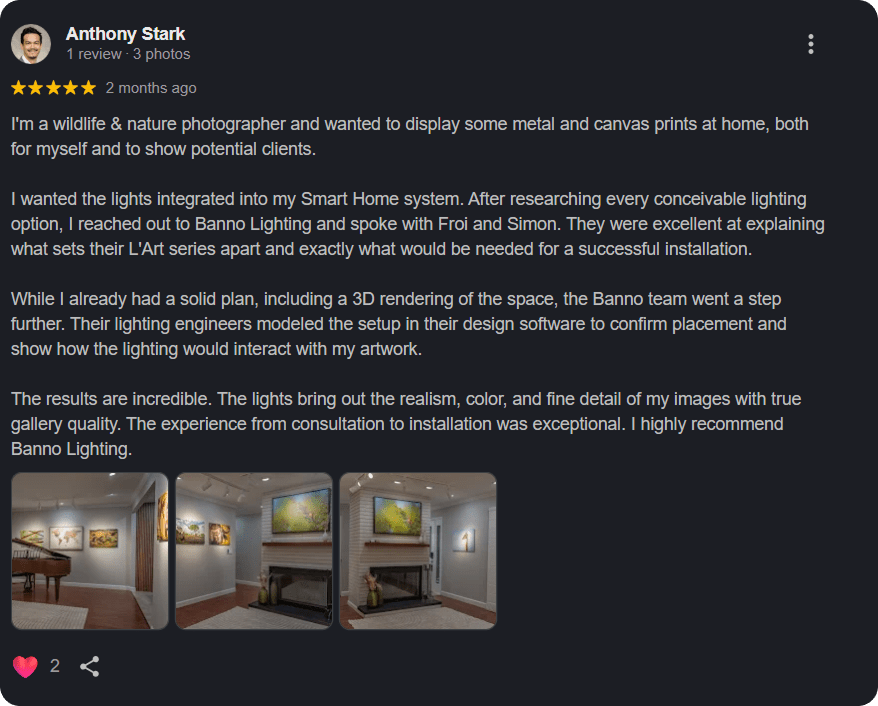
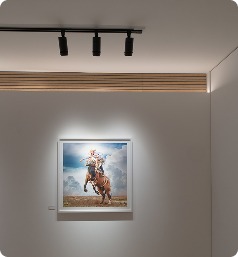
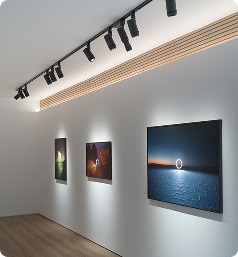
High CRI fixtures enhancing depth across curated wall collection
Art light fixtures are not just decorative lighting elements. They are precision tools designed to enhance color accuracy, texture, depth, and visual impact of artwork. Whether you are lighting a private collection, gallery wall, museum installation, or contemporary art space, the type of art lighting fixture you choose will directly affect how the artwork is perceived.
Unlike standard decorative fixtures such as chandeliers or general ceiling lights, professional art light fixtures are engineered to control beam angle, glare, color rendering, and light distribution. This is why serious collectors, galleries, museums, and designers invest in dedicated artwork lighting rather than relying on ambient room lighting.
In this guide, we will cover artistic light fixtures, artwork lighting fixtures, wireless and battery-operated options, modern gallery-grade systems, and what to keep or avoid when selecting lighting for art.
What Are Art Light Fixtures?

Specialized lighting designed specifically for artwork presentation
Art light fixtures are specialised lighting systems designed specifically to illuminate artwork, paintings, sculptures, and displays without causing glare, color distortion, or visual flattening.
These include:
- Picture light fixtures
- Track lighting for artwork
- Wall-mounted art lights
- Ceiling-mounted art lighting
- Museum-grade lighting systems
- Battery operated and wireless art lights
The key difference between artistic lighting fixtures and regular decorative fixtures is control. Professional art lighting allows you to direct light precisely onto the artwork instead of flooding the entire room.
Why Standard Decorative Fixtures Are NOT Ideal for Artwork
Many people assume artistic chandeliers, art deco light fixtures, or artistic ceiling lights are suitable for art. In reality, they often create:
- Uneven lighting
- Shadows across paintings
- Color distortion
- Hot spots and glare
Decorative fixtures like art deco pendant lights or art glass ceiling light fixtures are designed for ambiance, not artwork preservation or display quality.
For serious artwork lighting, you need fixtures designed with:
- High CRI (Color Rendering Index)
- Adjustable beam angles
- Controlled lux levels
- Anti-glare optics
This is where dedicated systems like the Zoom, Multi, and Deluxe art lighting fixtures outperform decorative lighting.

4.9-star rated by art collectors and gallery professionals
Types of Art Light Fixtures (Explained)
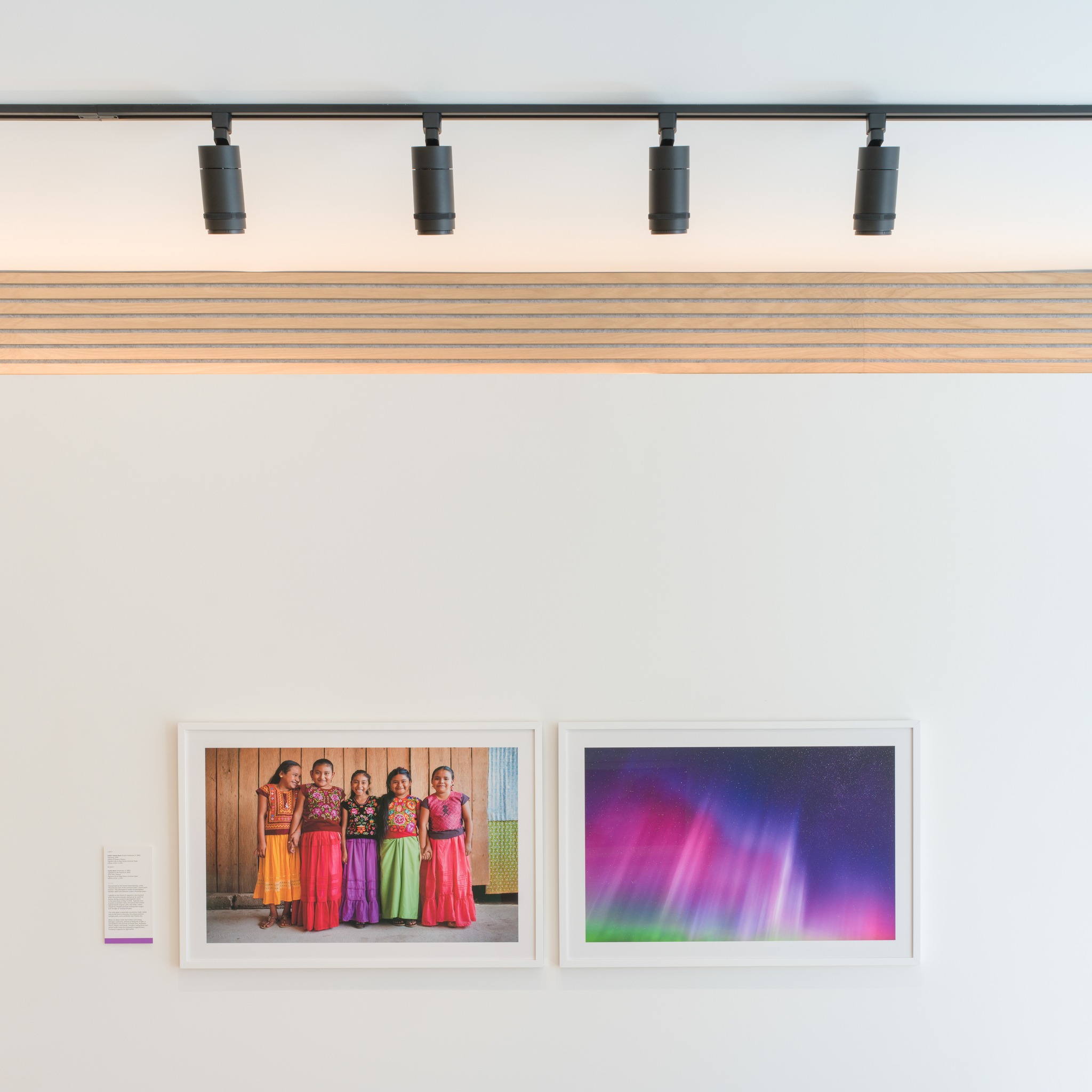
Ceiling-mounted and wireless options arranged for flexibility
1. Picture Light Fixtures
Picture light fixtures are mounted above paintings or wall art to provide direct illumination.
Best for:
- Framed artwork
- Home collections
- Gallery walls
- Photography displays
Modern picture light fixtures can be:
- Plug-in
- Hardwired
- Wireless
- Battery operated
- Rechargeable
Battery operated picture light fixtures are useful for rentals and heritage walls where wiring is not possible, but they are not ideal for museum-level lighting.
2. Track Lighting for Artwork (Professional Standard)
Track lighting is considered the gold standard for art gallery lighting fixtures because it allows flexibility, adjustability, and precision.
Advantages:
- Adjustable beam angles
- Directional lighting
- Expandable systems
- Ideal for rotating collections
Professional track systems using precision fixtures like Zoom or Multi allow curators to fine-tune lighting for each artwork individually.
3. Ceiling-Mounted Art Light Fixtures
Ceiling-mounted art light fixtures are commonly used in:
- Museums
- High-end galleries
- Art studios
- Exhibition spaces
These fixtures provide clean architectural integration while maintaining focused illumination on artwork rather than the surrounding walls.
4. Wireless and Battery Operated Art Light Fixtures
Wireless and battery powered art lights have grown in popularity due to easy installation.
Pros:
- No wiring required
- Quick installation
- Flexible placement
- Suitable for temporary displays
Cons:
- Lower brightness output
- Limited beam precision
- Battery maintenance
- Not suitable for high-value artwork
Battery operated lights for artwork are best used for decorative home applications rather than professional gallery lighting.
Modern Art Light Fixtures vs Traditional Artistic Fixtures

Functional art lighting prioritizing beam precision over decoration
There is a major difference between:
- Artistic light fixtures (decorative)
- Art lighting fixtures (functional)
Decorative Artistic Fixtures (Not Ideal for Art)
Examples:
- Art deco chandeliers
- Artistic pendant lights
- Creative light fixtures
- Artistic ceiling fixtures
These serve aesthetic purposes but rarely provide correct lighting angles for artwork.
Functional Art Lighting Fixtures (Recommended)
Examples:
- Museum-grade art lights
- Picture lighting systems
- Track-mounted art lights
- High-CRI gallery fixtures
These are engineered for visual accuracy and preservation.
Best Light Fixtures for Art Studios and Artists
Art studios require lighting that supports:
- Color accuracy
- Shadow control
- Even illumination
- Adjustable direction
The best art studio light fixtures include:
- Adjustable track lighting systems
- High CRI LED art lights
- Directional ceiling-mounted fixtures
- Professional artwork lighting systems
Avoid fluorescent art deco style fixtures in studios, as they distort color perception and affect artistic work quality.
What to KEEP When Choosing Art Light Fixtures (Critical)

Neutral temperature LED preserving natural pigment tones
✔ High CRI (90+ minimum, 95+ ideal)
High CRI ensures artwork colors appear accurate and vibrant.
✔ Adjustable Beam Angle
Different artworks require different beam spreads. Precision fixtures like Zoom allow controlled focus.
✔ Anti-Glare Optics
Glare can ruin the viewing experience and reduce artwork clarity.
✔ Neutral Color Temperature (3000K–4000K)
This range is ideal for:
- Paintings
- Photography
- Fine art collections
- Gallery displays
✔ Dedicated Artwork Lighting Systems
Professional systems outperform generic lighting every time.
What to AVOID (Most People Get This Wrong)
✘ Chandeliers as Primary Art Lighting
Even artistic chandeliers or art deco light fixtures should not be used to light artwork directly.
✘ Fluorescent Fixtures
They cause:
- Color shift
- Flicker
- Poor visual rendering
✘ Ultra Cool White LEDs (5000K+)
These make artwork look harsh and clinical.
✘ Cheap Battery Lights for Valuable Art
Battery lights lack consistency and beam precision needed for high-value artwork.
✘ Painting Light Fixtures Without Considering Heat & Finish
Spray painting fixtures (gold, black, matte) is common, but incorrect coatings can affect heat dissipation and durability.
Can You Paint Art Light Fixtures? (Expert Answer)

Matte black finish reducing fixture visual distraction
Yes, you can paint light fixtures, but it must be done correctly.
Safe to paint:
- Metal fixtures
- Brass fixtures (with primer)
- Steel housings
Avoid painting:
- Optics or lenses
- Heat vents
- Internal components
Matte black and brushed finishes are popular for modern art lighting because they reduce visual distraction around artwork.
Professional Art Gallery Light Fixtures (Museum Standard)

Museum-grade spotlight delivering accurate color rendering
Museums and high-end galleries use specialised art lighting fixtures designed for:
- Preservation standards
- UV control
- Lux level management
- Precision beam shaping
Professional fixtures such as the Deluxe and Zoom series are commonly used in galleries because they provide:
- Museum-grade illumination
- Minimal glare
- High color accuracy
- Long-term reliability
Light Fixtures for Wall Art vs Ceiling Art Lighting
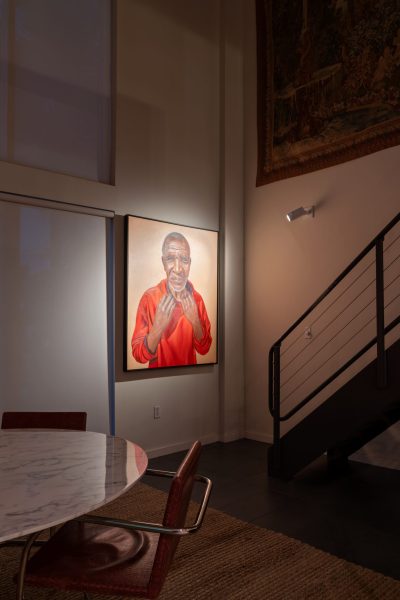
Wall-mounted picture light illuminating framed portrait
Wall Art Lighting:
- Picture lights
- Wall-mounted fixtures
- Wireless art lights
Ceiling Art Lighting:
- Track lighting systems
- Directional spotlights
- Adjustable gallery fixtures
For flexibility and scalability, ceiling-mounted track lighting remains the superior option for growing collections.
Are Battery Operated Art Lights Safe?
Yes, battery operated art lights are generally safe when used properly.
However:
- They are best for decorative use
- Not ideal for museums or galleries
- Require regular battery replacement
- Lower lumen output than wired fixtures
Rechargeable art light fixtures are improving, but wired professional systems still deliver the highest performance.
FAQ: Art Light Fixtures
What is the best lighting for artwork?
The best lighting for artwork is high-CRI LED art lighting with adjustable beam angles and anti-glare optics, typically delivered through track lighting or dedicated picture lighting fixtures.
Are wireless art light fixtures good?
Wireless art light fixtures are convenient but best suited for residential or temporary displays rather than professional galleries.
What color light is best for paintings?
3000K to 3500K is generally ideal for paintings, as it provides warmth without yellowing the artwork.
Can I use decorative artistic light fixtures for art?
Decorative fixtures like art deco chandeliers are not recommended as primary artwork lighting because they lack directional precision.
Do museums use special art light fixtures?
Yes. Museums use specialised museum-grade lighting systems designed for preservation, color accuracy, and controlled illumination.
Are LED art light fixtures better than traditional lighting?
Yes. Modern LED art lighting fixtures offer higher efficiency, better color rendering, and lower heat output compared to traditional lighting.
Perfect catch. For Banno (high-ticket SEO), 2,500+ words is the sweet spot to dominate long-tail like you’re doing with Keyword Sheeter.
Here is an additional ~1000+ words continuation you can append directly under your current article (do NOT restart the intro, this is a continuation section).
Advanced Considerations When Selecting Art Light Fixtures for High-Value Artwork
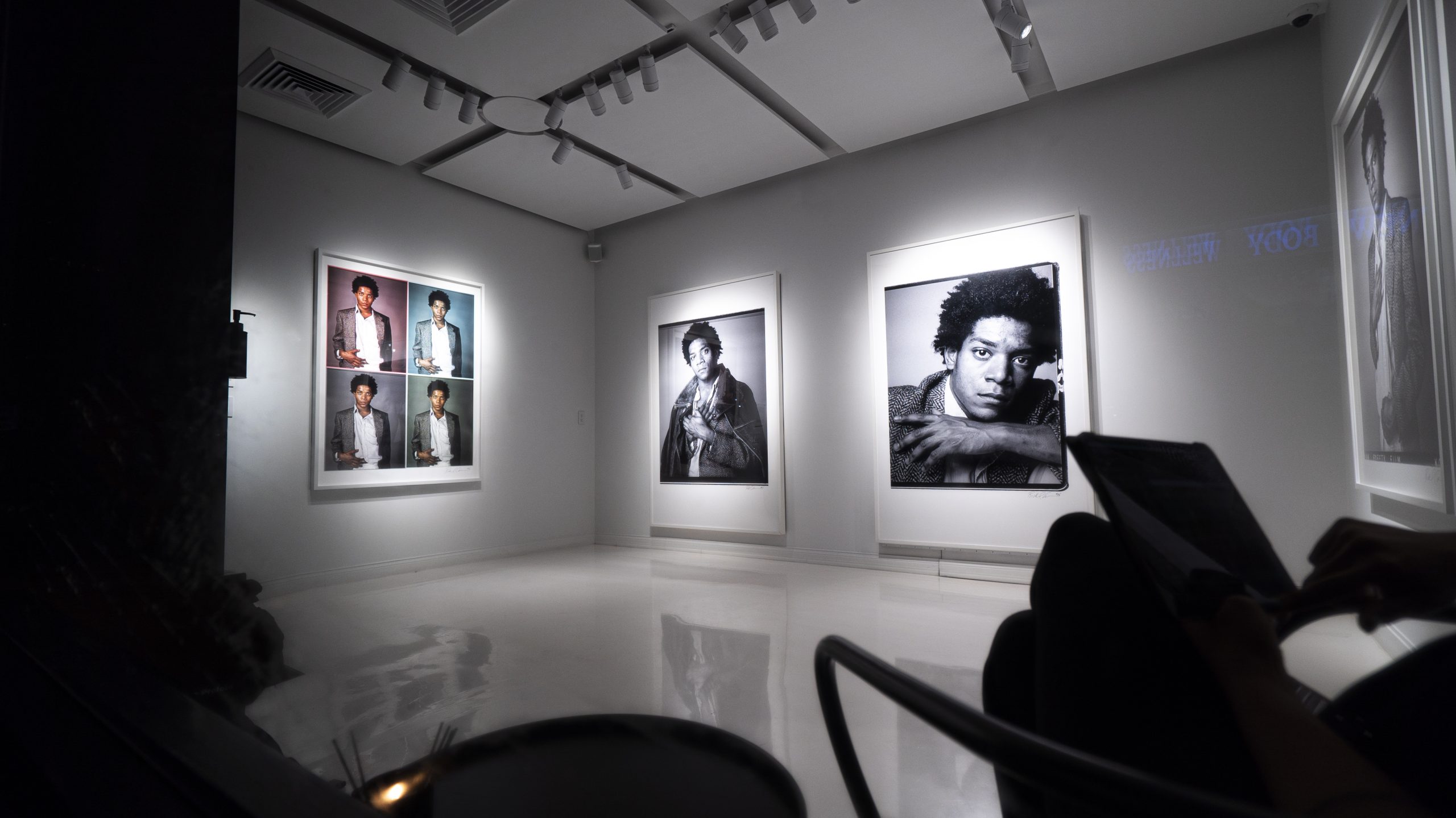
Consistent beam distribution across curated collection
When dealing with fine art, museum collections, or investment-grade pieces, the selection of art light fixtures becomes a technical decision rather than a decorative one. Many collectors make the mistake of choosing artistic light fixtures based on appearance rather than performance, which can significantly reduce the visual impact of the artwork.
Professional artwork lighting fixtures must be evaluated based on beam precision, optical control, and consistency across the entire collection.
For example, a large painting requires a different beam spread compared to a small framed artwork. Using the same generic light fixture for both creates uneven illumination and visual imbalance on the wall.
This is why adjustable art lighting fixtures and dedicated art track lighting systems are widely used in galleries and museums instead of fixed decorative fixtures.
Beam Angle and Why It Matters in Art Lighting Fixtures
Beam angle is one of the most overlooked factors when choosing light fixtures for artwork.
Narrow Beam (10°–24°)
Best for:
- Small paintings
- Sculptures
- Spotlighting key artworks
- Museum displays
Medium Beam (25°–40°)
Best for:
- Standard framed artwork
- Gallery walls
- Photography
- Art collections
Wide Beam (40°+)
Best for:
- Large paintings
- Feature walls
- Art exhibitions
- Multi-piece displays
Using incorrect beam angles is one of the biggest mistakes in artwork lighting. Decorative artistic ceiling light fixtures often have uncontrolled wide beams, which flatten texture and reduce depth perception.
Precision art light fixtures solve this by allowing controlled focus directly on the artwork rather than the surrounding wall.
Color Rendering Index (CRI) and Its Impact on Artwork Lighting

High CRI LED preserving authentic pigment saturation
CRI measures how accurately a light source reveals colors compared to natural daylight. For art lighting fixtures, CRI is not optional, it is critical.
CRI 80:
Acceptable for general home lighting but not ideal for art.
CRI 90–95:
Professional grade art lighting.
CRI 95+:
Museum-grade art lighting fixtures used for high-value artwork and galleries.
Low CRI light fixtures can distort:
- Skin tones in portraits
- Warm tones in oil paintings
- Fine color gradients in contemporary art
This is why professional art lighting fixtures are engineered with high CRI LEDs instead of standard commercial LEDs.
Lighting Fixtures for Different Types of Art

Anti-glare spotlight reducing reflection on photography
Lighting Fixtures for Paintings
Paintings require soft, even illumination with minimal glare. The best light fixtures for paintings are directional art lights or precision track lighting systems that can be adjusted based on canvas size and frame depth.
Lighting Fixtures for Photography
Photographs are highly sensitive to glare and reflections. Anti-glare art light fixtures with controlled optics are essential for proper display.
Lighting Fixtures for Sculptures and Installations
Sculptural artwork benefits from layered lighting using multiple adjustable fixtures to create depth and shadow contrast.
Lighting Fixtures for Digital Art and Modern Installations
Modern art displays often use LED art lighting fixtures due to their low heat output and consistent brightness.
Hardwired vs Plug-In vs Wireless Art Light Fixtures

Wireless art light enabling flexible placement
Hardwired Art Light Fixtures
Best for:
- Permanent galleries
- Museums
- High-end residential collections
- Professional installations
Advantages:
- Consistent brightness
- Clean installation
- Long-term reliability
Plug-In Art Light Fixtures
Best for:
- Home collections
- Flexible installations
- Rental spaces
They offer a balance between performance and convenience.
Wireless and Rechargeable Art Light Fixtures
Best for:
- Temporary displays
- Small artworks
- Rental properties
- Quick installations
However, wireless art light fixtures should not be relied on for museum-grade lighting due to battery limitations and inconsistent lumen output.
Modern Trends in Artistic Lighting Fixtures for Art Spaces (2026)

Slim architectural track system blending into ceiling
The art lighting industry has shifted significantly toward minimal, architectural lighting fixtures that disappear visually while enhancing the artwork itself.
Key trends include:
- Slim track lighting systems
- Matte black art light fixtures
- Minimalist ceiling-mounted art lights
- High-CRI LED art lighting
- Adjustable beam museum fixtures
Unlike traditional art deco light fixtures or artistic chandeliers, modern art lighting prioritizes function over decoration.
Art Deco and Artistic Decorative Fixtures vs True Art Lighting Fixtures

Gallery lighting system engineered for artwork clarity
Search terms like art deco light fixtures, artistic hanging light fixtures, and creative light fixtures are popular, but they serve a different purpose.
Art deco fixtures:
- Decorative ambiance
- Statement pieces
- Interior design aesthetics
Art lighting fixtures:
- Precision illumination
- Color accuracy
- Artwork preservation
- Controlled beam distribution
Mixing decorative fixtures with artwork lighting can work for ambient lighting, but dedicated art light fixtures should always handle the primary illumination of artwork.
Heat Management and Artwork Protection

Low heat LED protecting delicate oil painting
One of the hidden dangers of incorrect light fixtures for artwork is heat exposure. Traditional halogen and poor-quality LED fixtures can generate heat that damages artwork over time.
Professional art lighting fixtures are designed with:
- Low heat emission
- Stable LED drivers
- Long lifespan components
- Artwork-safe illumination levels
This is especially important for:
- Oil paintings
- Old master artworks
- Photography prints
- Museum collections

Scaling Art Lighting Fixtures for Large Collections and Galleries

Uniform color temperature across rotating exhibition
If you are lighting multiple artworks, individual picture lights quickly become inefficient. This is where scalable art lighting systems outperform single fixtures.
Scalable systems allow:
- Uniform lighting across walls
- Adjustable positioning for rotating exhibitions
- Consistent color temperature
- Future expansion without rewiring
This is why galleries and serious collectors prefer track-based art lighting fixtures rather than isolated decorative lights.
Common Mistakes When Choosing Light Fixtures for Artwork
Choosing based on style instead of performance
Using ultra-bright flood lighting on artwork
Ignoring glare and reflection angles
Using mismatched color temperatures across a collection
Installing ceiling lights too far from the artwork
Over-lighting artwork and washing out details
Avoiding these mistakes alone can dramatically improve how artwork is perceived in a space.
Additional FAQ: Art Light Fixtures
What are the best light fixtures for artwork?
The best light fixtures for artwork are high-CRI LED art lighting fixtures with adjustable beam angles and anti-glare optics, typically found in professional picture lighting and track lighting systems.
Are artistic light fixtures good for galleries?
Artistic decorative fixtures are suitable for ambiance, but professional art lighting fixtures are required for proper gallery artwork illumination.
What is the difference between art lighting and regular lighting?
Regular lighting illuminates a space, while art lighting fixtures are designed to highlight artwork with precision, accuracy, and controlled beam focus.
Can battery operated art light fixtures damage artwork?
No, but they may provide inconsistent lighting and lower brightness compared to wired professional fixtures.
How bright should art light fixtures be?
Brightness depends on artwork size, but most professional art lighting uses controlled lux levels rather than excessive brightness to protect artwork and maintain visual balance.
Do art light fixtures need to be adjustable?
Yes. Adjustable art light fixtures allow precise beam control, which is essential for lighting different artwork sizes and mediums.
Are LED art lighting fixtures better than halogen?
Yes. LED art lighting fixtures produce less heat, consume less energy, and provide superior color rendering compared to halogen lighting.
What color temperature is best for art galleries?
3000K to 3500K is widely considered ideal for galleries as it balances warmth and color accuracy without distorting artwork tones.
Should I use ceiling lights or track lighting for artwork?
Track lighting is generally superior because it offers flexibility, precision aiming, and scalability for multiple artworks.
Are museum lighting fixtures different from residential art lights?
Yes. Museum lighting fixtures are engineered for preservation standards, higher CRI, and controlled illumination suitable for valuable artworks.
Can light fixtures fade artwork over time?
Yes, poor-quality lighting with UV or excessive heat can cause fading. High-quality LED art lighting fixtures minimize this risk.
What finish is best for art light fixtures?
Matte black, white, and neutral finishes are preferred because they visually disappear and do not distract from the artwork.
Final Thoughts: Choosing the Right Art Light Fixture

Precision fixture enhancing visual hierarchy
Art light fixtures should never be chosen purely based on aesthetics. While artistic lighting fixtures and decorative designs can enhance a space visually, true artwork lighting requires precision, control, and technical performance.
For collectors, galleries, museums, and designers, the focus should always be on:
- Accuracy
- Flexibility
- Longevity
- Visual enhancement of the artwork itself
The right art lighting fixture does not compete with the artwork.
It elevates it.
And that distinction is what separates decorative lighting from professional art lighting systems.
What Our Clients Are Saying About Our Lighting Systems