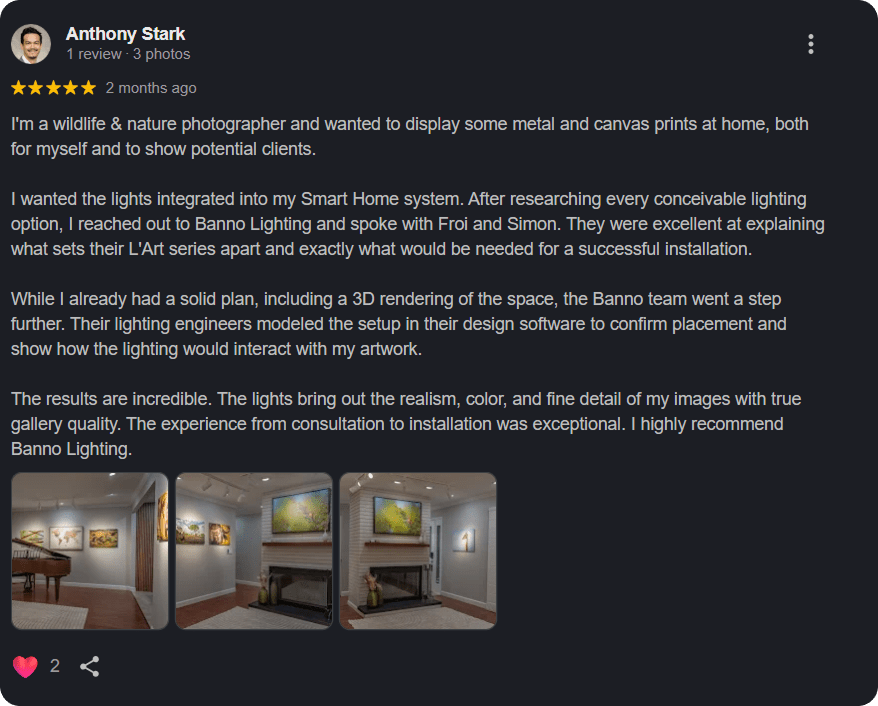
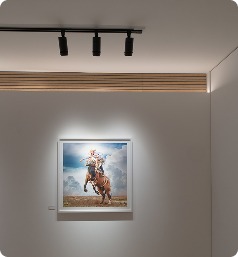
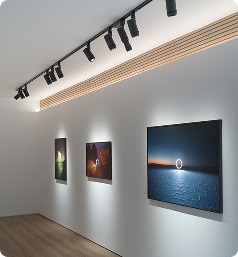
Art Spot Light vs General Art Lighting (Why Precision Matters)

Directional art spot light enhancing texture and depth
One of the biggest mistakes in art lighting is relying on general ceiling lights instead of dedicated art spot lights. While ambient lighting may illuminate a room, it does not properly highlight artwork or create visual focus.
An art spot light is designed to:
- Direct light precisely onto artwork
- Enhance texture and depth
- Maintain accurate color rendering
- Create gallery-level presentation
This is why museums, galleries, and high-end collectors always use dedicated artwork spotlights rather than standard lighting fixtures.
LED Art Spot Light: The Modern Standard for Artwork Lighting

High CRI LED spotlight illuminating framed painting
LED art spot light technology has become the industry standard across galleries, museums, and luxury interiors in the United States. Traditional halogen spotlights generate excessive heat and can damage delicate artwork over time.
Benefits of LED Art Spotlights
- Low heat output (safe for paintings)
- High CRI for true color accuracy
- Energy efficiency
- Long operational lifespan
- Stable brightness and beam consistency
For both residential and commercial art lighting, LED spotlights provide the safest and most professional illumination solution.

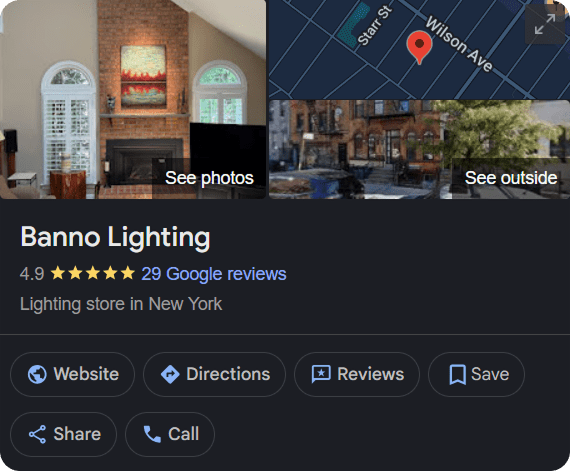
4.9-Star Google Review for Our Art Lighting Solutions
Art Gallery Spot Lights vs Residential Art Spotlights
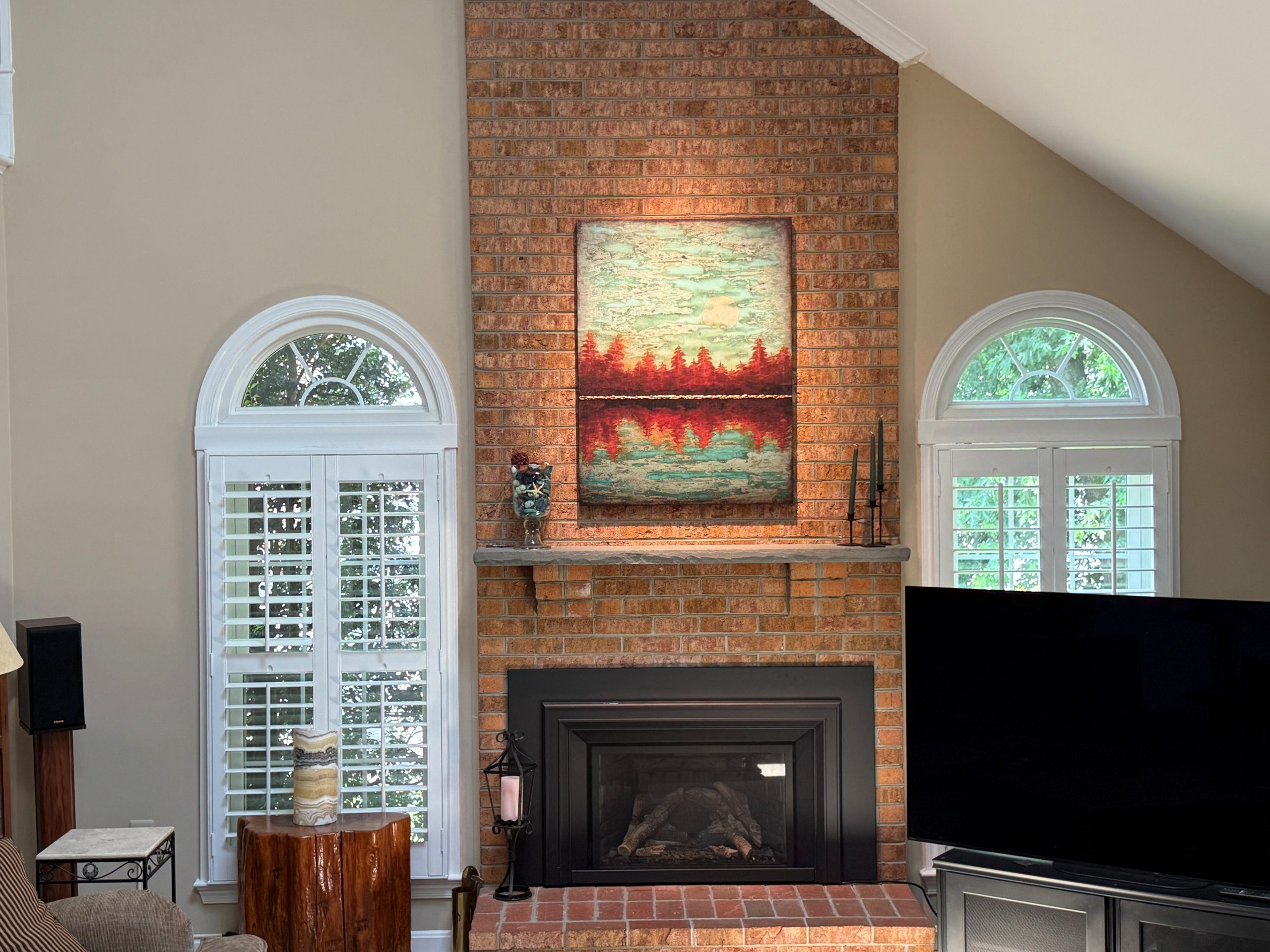
Luxury home art spotlight highlighting living room painting
Art Gallery Spot Lights (Professional Grade)
Art gallery spot lights are engineered for precision, flexibility, and conservation standards.
Key features:
- Adjustable beam angles
- Anti-glare optics
- Dimmable lighting control
- High CRI (95+)
- Consistent color temperature
These systems are used in exhibitions, museums, and curated gallery environments where lighting accuracy is critical.
Residential Art Spot Light (Luxury Home Use)
In high-end homes, art spot lights are used to create a gallery-style interior aesthetic while highlighting personal art collections.
Common residential applications:
- Living room feature artwork
- Hallway gallery walls
- Home offices and studios
- Staircase art displays
This hybrid use case aligns perfectly with modern luxury interior design trends.
Adjustable Art Spotlight Fixtures: Why Flexibility is Essential

Adjustable beam fixture refining gallery lighting direction
Artwork displays change over time. Collectors rotate pieces, galleries update exhibitions, and homeowners redesign interiors. Adjustable art spotlight fixtures allow precise repositioning without reinstalling the entire lighting system.
Advantages of adjustable art spotlights:
- Directional beam control
- Adaptability for new artwork sizes
- Reduced glare and reflection
- Professional lighting precision
Adjustable fixtures are especially valuable for galleries and exhibition spaces with rotating collections.
Mini Spotlight for Art and Small Artwork Displays
Mini spotlight for art installations is ideal for smaller pieces, sculptures, and niche displays where full-size spotlights may be too overpowering.
Best uses:
- Small paintings
- Sculptures and collectibles
- Art shelves and niches
- Decorative wall art
Mini art spotlights provide subtle yet focused illumination that enhances visual clarity without overwhelming the artwork.
Spot Light for Wall Art: Proper Placement and Positioning

Balanced lighting preventing glare on framed piece
Correct placement of a spot light for wall art dramatically improves the visual impact of artwork.
Professional placement guidelines:
- Install spotlights 2 to 3 feet from the wall
- Aim at a 30-degree angle toward artwork
- Use one spotlight per art piece for balanced lighting
- Avoid direct vertical lighting above the artwork
This technique ensures even illumination while preventing harsh glare and shadow distortion.
Battery Operated and Rechargeable Art Spotlights (Modern Flexibility)
Battery operated art spotlights and rechargeable art spotlight systems are increasingly popular for flexible and wireless installations.
Ideal scenarios:
- Rental properties
- Temporary exhibitions
- Art fairs and installations
- Residential gallery walls without wiring
Wireless art spotlights provide convenience while still maintaining focused artwork illumination.
Recessed Art Spotlight vs Surface Mounted Art Spot Light

Recessed ceiling spotlight integrated into modern architecture
Recessed Art Spotlight
- Minimal and architectural appearance
- Clean ceiling integration
- Ideal for modern galleries and luxury homes
Surface Mounted Art Spot Light
- Easier installation
- Greater directional flexibility
- Ideal for retrofits and exhibitions
Both options can achieve museum-quality lighting when properly specified.
Importance of Light in Art and Visual Perception
Lighting is one of the most influential factors in how artwork is experienced. The importance of light in art display goes beyond brightness. It affects emotion, texture perception, and color interpretation.
Proper art spotlight lighting:
- Enhances brushstroke visibility
- Reveals texture and depth
- Improves color vibrancy
- Increases perceived artwork value
This is why professional lighting design is a core component of gallery and exhibition planning.
Beam Angle Selection for Artwork Spotlighting

Medium beam evenly illuminating framed painting
Beam angle determines how concentrated the light appears on artwork.
Recommended beam angles:
- 15°–25°: Small artwork and dramatic focus
- 30°–40°: Standard paintings and wall art
- 40°–60°: Large artwork and installations
Selecting the correct beam angle prevents uneven lighting and dark edges across the artwork surface.
Advanced Art Spot Light Design for Galleries, Collectors, and High-End Interiors
Art spot light systems are not just lighting fixtures. They are precision tools used to control how artwork is seen, experienced, and valued within a space. In professional galleries and luxury residential environments, spotlighting is carefully engineered to enhance visual depth, preserve artwork integrity, and create a curated viewing experience.
When properly designed, an art spotlight system transforms a simple wall display into a gallery-quality presentation that immediately draws attention and elevates the perceived importance of the artwork.
Layered Art Lighting: Combining Spotlights with Ambient and Accent Lighting
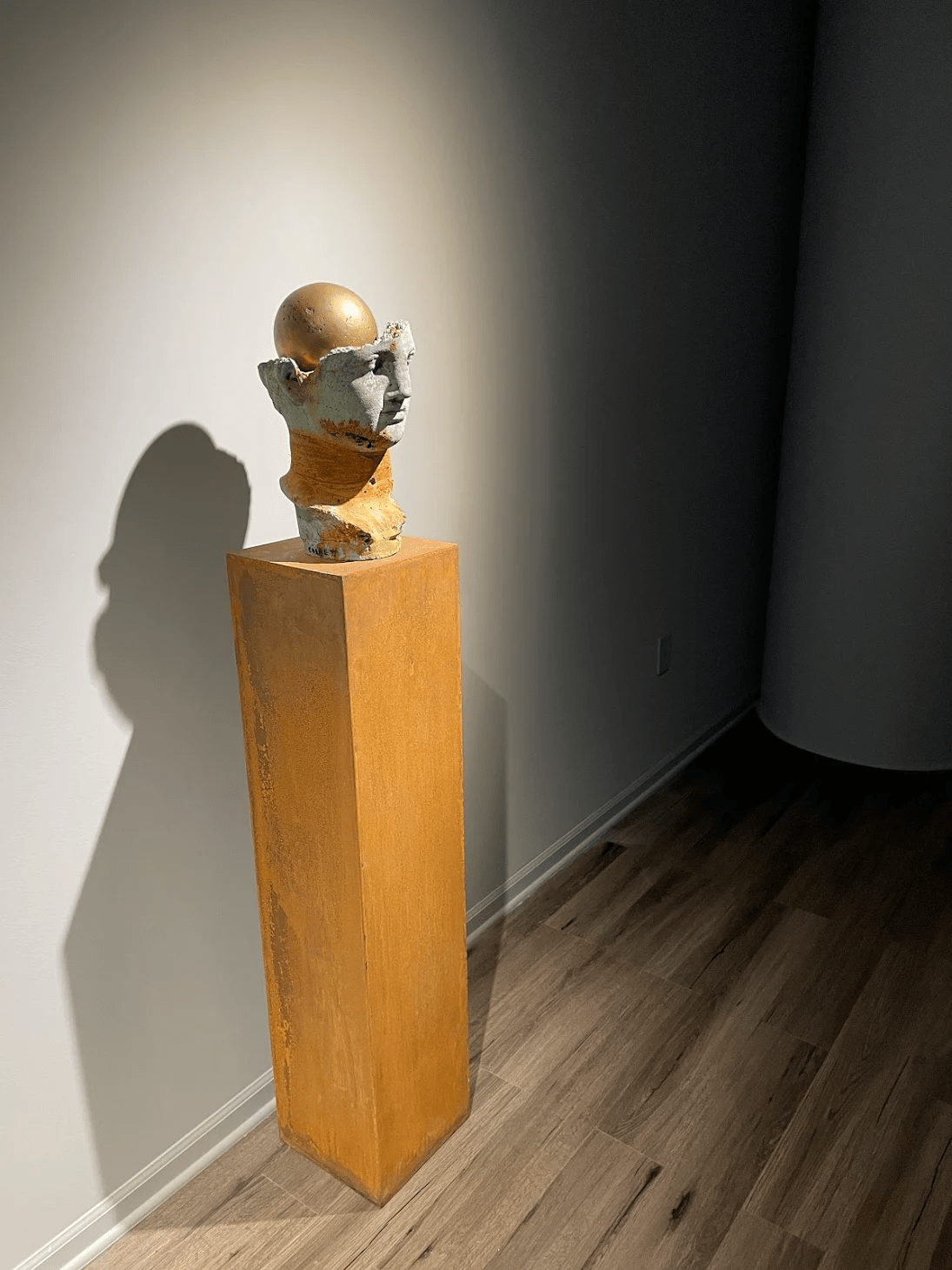
Layered lighting creating depth around sculpture
Professional art lighting rarely relies on a single light source. Instead, designers use a layered lighting approach to achieve balance and visual hierarchy.
Ambient Lighting
Ambient lighting provides general illumination across the room without competing with the artwork. This creates a comfortable viewing environment.
Art Spot Light (Primary Focus Lighting)
The art spot light serves as the main lighting source directed specifically at the artwork. This is what creates emphasis and visual clarity.
Accent Lighting
Accent lighting supports the spotlight by adding subtle depth around the artwork, sculptures, or architectural features.
This layered strategy is commonly used in museums, galleries, and high-end residential art collections to achieve a sophisticated lighting atmosphere.
Art Spotlight Lighting for Different Artwork Sizes
Not all artwork requires the same lighting intensity or beam spread. Proper scaling of art spotlight fixtures ensures consistent illumination across various artwork dimensions.
Small Artwork
Small paintings and framed prints benefit from narrow beam mini spotlights that provide focused illumination without light spill.
Medium Artwork
Standard wall art and framed pieces require adjustable art spotlights with medium beam angles for even coverage.
Large Artwork and Installations
Large paintings, murals, and installations often require multiple art spot lights or wider beam fixtures to prevent uneven lighting and shadow areas.
Matching the spotlight size and beam spread to the artwork scale is a key principle in professional art lighting design.
Art Spot Light Placement for Gallery Walls and Multi-Art Displays

Even spacing creating cohesive art presentation
Gallery walls featuring multiple artworks require strategic spotlight placement to maintain visual consistency and balance.
Best practices for gallery wall spotlighting:
- Install one spotlight per artwork piece
- Maintain equal spacing between fixtures
- Use identical beam angles and color temperature
- Align spotlights symmetrically across the display
This creates a cohesive and museum-quality visual flow rather than uneven or distracting lighting.
Indoor Art Spotlight vs Outdoor Art Spotlight Applications
Indoor Art Spot Light
Indoor art spotlights are designed for controlled environments such as homes, galleries, and studios. These fixtures prioritize glare control, color accuracy, and subtle illumination.
Common indoor uses:
- Living room art displays
- Hallway gallery walls
- Home offices and studios
- Museums and exhibitions
Outdoor Art Spot Light
Outdoor art spotlights are used to illuminate sculptures, architectural art, and exterior installations. These fixtures must be weather-resistant and provide stable beam control.
Key outdoor considerations:
- Weatherproof construction
- Higher lumen output
- Secure mounting systems
- Consistent beam direction
Art Spotlight Ceiling Design and Architectural Integration

Ceiling-mounted spotlight integrated into minimalist interior
Ceiling-mounted art spotlight systems are widely used in contemporary architecture due to their clean and minimal aesthetic. These fixtures can be surface-mounted or recessed depending on the design preference.
Advantages of ceiling art spotlights:
- Minimal visual clutter
- Professional gallery appearance
- Adjustable directional lighting
- Seamless architectural integration
This makes them a preferred choice in luxury interiors and modern gallery spaces.
Dimmable Art Spot Light Systems for Professional Control
Dimmable art spotlight systems allow curators, designers, and homeowners to fine-tune brightness levels based on artwork type and ambient lighting conditions.
Benefits of dimmable art spotlights:
- Reduced glare on glossy artwork
- Adjustable mood and ambiance
- Enhanced visual comfort for viewers
- Flexibility for day and night lighting environments
Dimming control is especially important in exhibition spaces where lighting needs vary throughout the day.
Spotlight Art Display Techniques Used by Curators and Designers

Single beam focus on statement artwork
Professional curators and lighting designers use advanced spotlight techniques to enhance artwork presentation.
Common techniques include:
- Cross-lighting for textured artwork
- Single spotlight focus for statement pieces
- Layered spotlighting for large installations
- Soft edge beam control for even illumination
These techniques help reveal fine details, brushstrokes, and dimensional qualities that would otherwise be lost under flat lighting.
Art Spot Light Glare Reduction Strategies
Glare is one of the most common issues in artwork lighting, especially with glass-framed pieces and glossy surfaces. Proper spotlight selection and placement significantly reduce visual reflections.
Effective glare reduction methods:
- Use anti-glare spotlight lenses
- Maintain a 30-degree lighting angle
- Avoid direct vertical lighting above artwork
- Select diffused beam optics when necessary
Glare-free lighting ensures artwork remains clear and visually accessible from multiple viewing angles.
Art Spotlight Color Temperature and Visual Mood
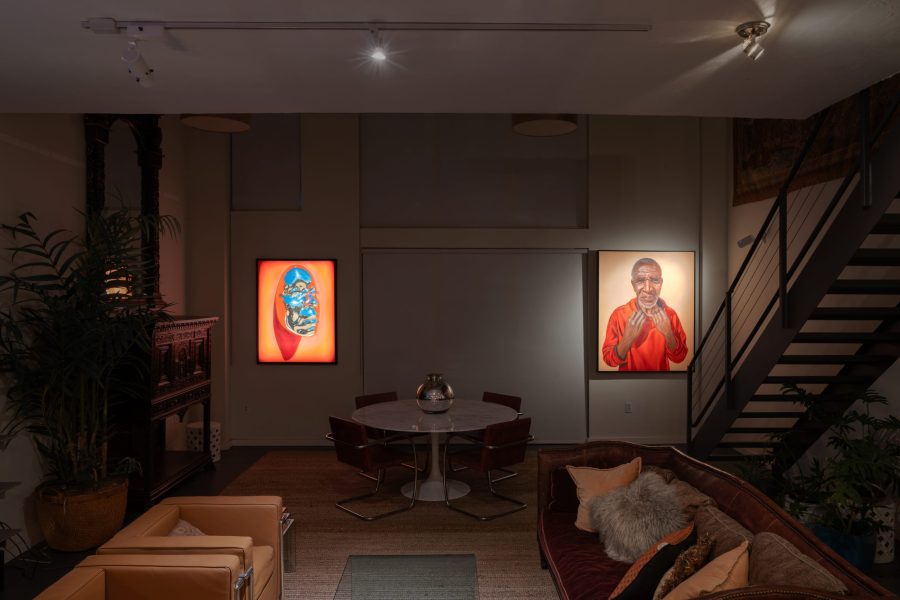
Warm 3000K spotlight enriching residential art display
Color temperature influences the emotional tone of an art display. Selecting the correct Kelvin rating is essential for achieving the desired visual atmosphere.
Recommended color temperatures:
- 2700K: Warm and intimate residential art displays
- 3000K: Standard gallery and luxury home lighting
- 3500K: Neutral professional exhibition lighting
- 4000K: Contemporary and modern art environments
Maintaining consistent color temperature across all art spot lights creates a cohesive and professional display environment.
Energy Efficiency and Long-Term Performance of LED Art Spotlights
Modern LED art spot light systems are designed for long-term performance with minimal maintenance requirements. Compared to older lighting technologies, LED spotlights provide superior efficiency and stability.
Performance advantages:
- Low energy consumption
- Long operational lifespan
- Minimal maintenance
- Consistent brightness over time
- Low heat emission for artwork safety
This makes LED art spotlight lighting ideal for galleries, museums, and collectors who require continuous illumination.
Art Spotlight Installation Considerations for Professional Results

Precisely spaced ceiling fixtures above gallery wall
Proper installation plays a crucial role in achieving optimal art lighting performance. Poorly installed spotlights can create uneven lighting, glare, and distracting shadows.
Key installation considerations:
- Accurate fixture spacing
- Secure mounting alignment
- Correct beam angle adjustment
- Consistent lighting height across displays
- Professional electrical integration for permanent systems
A well-installed art spotlight system ensures consistent and high-quality illumination for years.
Psychological Impact of Spotlighting Artwork
Spotlighting artwork has a powerful psychological effect on viewers. Focused lighting naturally draws attention and enhances emotional engagement with the art piece.
Psychological benefits include:
- Increased visual focus on key artwork
- Enhanced perceived artistic value
- Stronger emotional connection to the piece
- Improved gallery-style viewing experience
This is why spotlight lighting is widely used in museums and high-end exhibitions worldwide.

Art Spot Light Systems for Artist Studios and Creative Workspaces

Directional lighting assisting accurate color review
Artist studios require specialized lighting that supports both artwork creation and final display evaluation. Adjustable art spotlights allow artists to view their work under gallery-style lighting conditions.
Benefits for artist studios:
- Accurate color assessment
- Controlled directional lighting
- Flexible positioning for large canvases
- Professional portfolio presentation lighting
Combining ambient studio lighting with adjustable art spot lights provides the most effective lighting environment for creative work.
Future Trends in Art Spotlight Lighting Technology
Art spotlight technology continues to evolve with advancements in LED engineering and smart lighting systems. These innovations are shaping the future of art display lighting.
Emerging trends include:
- Smart adjustable spotlight systems
- Wireless rechargeable art spotlights
- Ultra-high CRI museum-grade lighting
- Minimalist architectural spotlight fixtures
- Precision optical lens technology
These developments allow galleries, designers, and homeowners to achieve museum-quality art lighting with greater flexibility and efficiency.
Final Expert Insight: Why Art Spot Light Systems Define Professional Art Presentation

Gallery-quality spotlight enhancing curated art display
Art spot light systems are one of the most critical components of professional artwork lighting. Their ability to provide directional precision, color accuracy, glare control, and visual focus makes them the preferred lighting solution for galleries, exhibitions, luxury interiors, and private art collections.
When properly specified with high-quality LED technology, correct beam angles, and strategic placement, art spotlights elevate artwork presentation to a gallery-level standard. Whether used in a museum exhibition, a curated gallery wall, or a high-end residential interior, a well-designed art spotlight system ensures artwork is displayed with clarity, depth, and visual authority.
FAQ: Art Spot Light, Art Spotlight Lighting, and Artwork Spotlights (35 SEO FAQs)
1. What is an art spot light?
An art spot light is a directional lighting fixture designed to highlight artwork with focused illumination.
2. Are art spotlights better than regular lights for artwork?
Yes, art spotlights provide precise directional lighting that enhances artwork visibility and presentation.
3. What is the best art spotlight for paintings?
High-CRI LED adjustable art spotlights are considered the best for illuminating paintings.
4. Can LED art spotlights damage artwork?
No, LED art spotlights produce low heat and minimal UV, making them safe for artwork.
5. What beam angle is best for artwork spotlights?
A 30° to 40° beam angle is ideal for most paintings and wall art displays.
6. How far should an art spotlight be from the wall?
Typically 2 to 3 feet from the wall with a 30-degree lighting angle.
7. Do art galleries use spotlights for artwork?
Yes, professional galleries widely use adjustable art gallery spot lights for precise illumination.
8. What color temperature is best for art spot lighting?
3000K to 3500K is ideal for accurate and natural artwork lighting.
9. Are adjustable art spotlights necessary?
Yes, adjustable spotlights allow flexible lighting direction and professional display control.
10. Can I use a spotlight for wall art at home?
Yes, spot lights for wall art are commonly used in luxury residential interiors.
11. What is the difference between art spotlight and track lighting?
Art spotlights focus on individual pieces, while track lighting provides flexible multi-fixture illumination.
12. Are mini spotlights good for small artwork?
Yes, mini spotlights provide precise lighting for small paintings and sculptures.
13. What is the best lighting for artwork display?
Directional LED art spotlights with high CRI and adjustable beam control.
14. Can rechargeable art spotlights be used in galleries?
Yes, rechargeable spotlights are useful for temporary exhibitions and flexible displays.
15. Do spotlights create glare on artwork?
Improper angles can cause glare, which is why a 30-degree lighting angle is recommended.
16. Are ceiling art spotlights effective for galleries?
Yes, ceiling-mounted art spotlights provide clean and professional artwork illumination.
17. What lumen output is best for art spotlights?
Typically 300 to 1000 lumens depending on artwork size and ceiling height.
18. Can art spotlights be dimmed?
Yes, dimmable art spotlights allow brightness adjustment for different environments.
19. Are wireless art spotlights reliable?
High-quality wireless art spotlights are reliable for residential and temporary installations.
20. What is the purpose of spotlighting artwork?
To create visual focus, enhance detail, and improve artwork presentation.
21. Is spotlighting artwork better than ambient lighting?
Yes, spotlighting provides focused illumination that ambient lighting cannot achieve.
22. Can art spotlights be used in museums?
Yes, museums use high-CRI art spotlights for conservation-safe lighting.
23. What finish is best for art spotlight fixtures?
Common finishes include matte black, white, and brass for gallery-style aesthetics.
24. Are recessed art spotlights good for modern interiors?
Yes, recessed spotlights offer a minimal and architectural lighting look.
25. How many spotlights are needed per artwork?
Usually one spotlight per artwork piece for balanced illumination.
26. Can spotlights highlight sculptures?
Yes, directional spotlights are excellent for sculpture and 3D art lighting.
27. Do art spotlights consume a lot of energy?
LED art spotlights are highly energy efficient compared to traditional lighting.
28. What is the ideal angle for spotlighting artwork?
Approximately 30 degrees for even lighting and minimal reflections.
29. Are art spotlights suitable for exhibitions?
Yes, art spotlights are widely used in exhibitions and galleries worldwide.
30. Can art spotlights be installed on ceilings?
Yes, ceiling-mounted art spotlights are common in galleries and luxury homes.
31. What lighting do professional galleries use?
High-CRI LED spotlights, track lighting, and adjustable art spotlight systems.
32. Can art spotlights enhance interior design?
Yes, they create a gallery-style atmosphere and elevate the visual space.
33. Are plug-in art spotlights a good option?
Yes, plug-in spotlights are suitable for flexible and residential installations.
34. Why is spotlighting important in art display?
It enhances depth, color accuracy, and viewer focus on the artwork.
35. What is the best overall lighting solution for artwork?
Premium adjustable LED art spot light systems designed specifically for artwork and gallery environments.
Why Designers and Collectors Trust Our Gallery Lights