Introduction: What Are Art Spotlights?

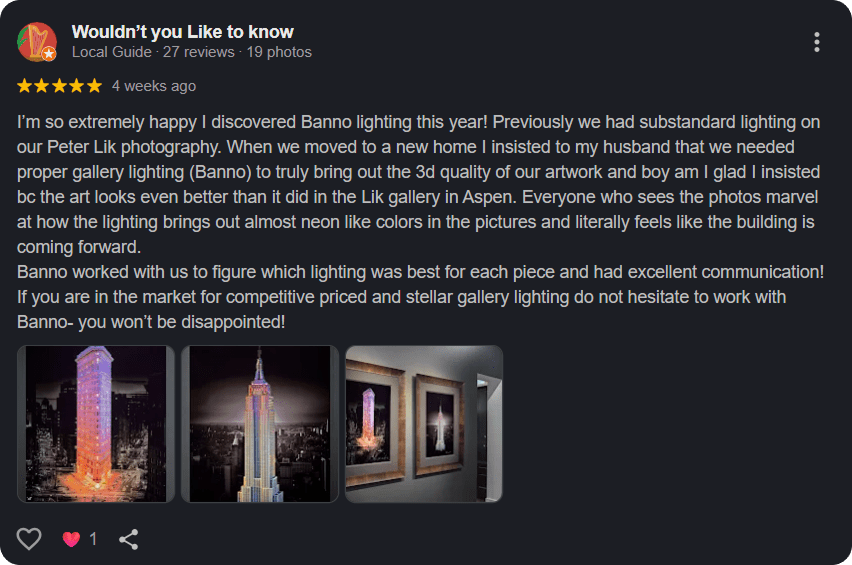
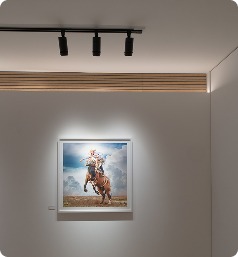
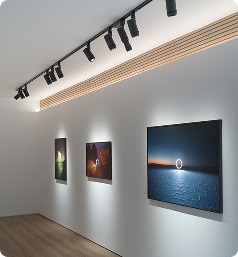
Adjustable LED art light enhancing wall-mounted artwork
Art spotlights are specialized lighting fixtures designed to illuminate artwork with precision, clarity, and visual focus. Unlike general room lighting, spotlights for artwork are engineered to highlight paintings, sculptures, and wall art while preserving color accuracy and minimizing glare.
In professional environments such as galleries, museums, luxury homes, and artist studios, art spotlights are one of the most widely used lighting solutions because they provide directional control and museum-grade illumination.
Whether used as ceiling-mounted spotlights, wall-mounted fixtures, or wireless art spotlights, the goal is the same: to enhance the artwork without overpowering it.
Why Spotlights Are the Best Lighting for Artwork
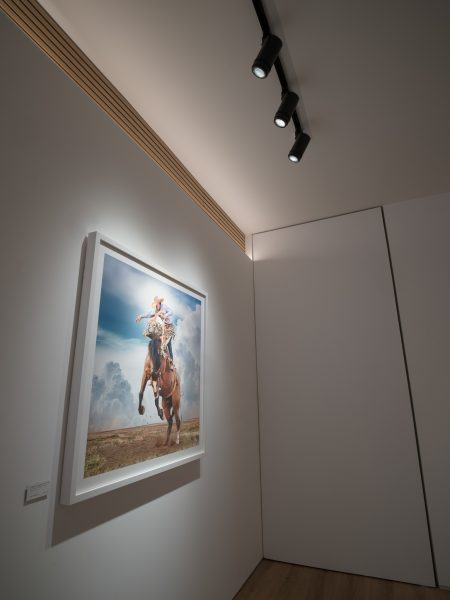
Focused beam creating dramatic contrast on canvas
Spotlights are considered one of the best lighting options for artwork because they allow controlled beam direction and focused illumination.
Key advantages of art spotlights:
- Precise directional lighting
- Enhanced visual focus on artwork
- Reduced ambient light interference
- Professional gallery-style presentation
- Flexible installation options
Unlike flat ambient lighting, spotlights create depth and contrast, which makes artwork appear more dynamic and visually engaging.

4.9-star rated by art collectors and gallery professionals
Types of Art Spotlights (Complete Breakdown)
Ceiling-Mounted Art Spotlights
Ceiling-mounted spotlights are one of the most common lighting solutions for artwork in galleries and high-end residential spaces. These fixtures provide downward directional lighting and can be angled toward paintings or sculptures.
Best for:
- Art galleries
- Museum displays
- Large wall art
- Exhibition spaces
Wall Art Spotlights
Wall-mounted art spotlights are installed directly above or beside artwork to create focused illumination without relying on ceiling placement.
Best for:
- Framed paintings
- Photography displays
- Home gallery walls
- Accent lighting setups
Wall art spotlights are especially popular in luxury interiors where architectural lighting is prioritized.
LED Art Spotlights (Modern Standard)

High-CRI LED spotlight with anti-glare lens
LED art spotlights have become the industry standard due to their energy efficiency, low heat output, and superior color rendering.
Benefits of LED art spotlights:
- Long lifespan (ideal for galleries)
- Low UV emission (safe for artwork)
- High CRI for accurate color rendering
- Consistent brightness over time
Premium LED spotlights are essential for protecting valuable artwork while maintaining professional illumination.
Mini Spotlights for Art
Mini art spotlights are compact fixtures designed for smaller artwork, shelves, and niche displays. They provide focused beams without overwhelming the space.
Best for:
- Small paintings
- Sculptures
- Display cabinets
- Art niches
These are commonly used in residential art lighting and boutique gallery environments.
Wireless and Rechargeable Art Spotlights
Wireless art spotlights and battery-powered fixtures are increasingly popular for renters, temporary exhibitions, and spaces where wiring is limited.
Advantages:
- Easy installation
- No ceiling wiring required
- Flexible repositioning
- Ideal for temporary art displays
Rechargeable art spotlights are particularly useful for rotating exhibitions and mobile gallery setups.
Best Art Gallery Spotlights (Professional Requirements)

Anti-glare spotlight protecting framed glass artwork
When selecting art gallery spotlights, performance specifications matter more than aesthetics alone.
High CRI (95+)
Color accuracy is critical in gallery lighting. Low-quality spotlights can distort artwork colors and reduce visual integrity.
Adjustable Beam Angles
Different artwork sizes require different beam spreads:
- Narrow beam (15°–25°): Small artwork
- Medium beam (30°–40°): Paintings and wall art
- Wide beam (40°–60°): Large art and installations
Anti-Glare Optics
Glare reduction is essential, especially for framed artwork behind glass.
Dimmable Lighting Control
Professional galleries use dimmable spotlights to adjust brightness based on exhibition needs and ambient lighting conditions.
Spotlights for Wall Art vs Ceiling Spotlights
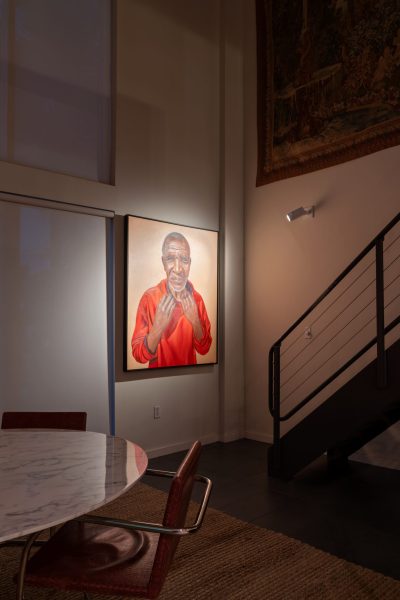
Wall-mounted fixture creating strong accent lighting
Ceiling Spotlights for Art
- Clean and architectural look
- Ideal for large artwork
- Even downward illumination
- Common in galleries and museums
Wall Spotlights for Artwork
- More focused lighting
- Easier installation in homes
- Strong accent lighting effect
- Ideal for gallery walls and framed pieces
Both options can be combined for layered art lighting design.
Best Lighting Angle for Art Spotlights
Lighting angle is one of the most important technical factors in art lighting.
Recommended angle:
Approximately 30 degrees from the vertical axis toward the artwork.
This angle helps:
- Reduce glare
- Prevent shadow distortion
- Ensure even light distribution
- Enhance artwork texture and depth
Incorrect angles can cause harsh reflections and uneven illumination.
Art Studio Spotlights vs Gallery Spotlights

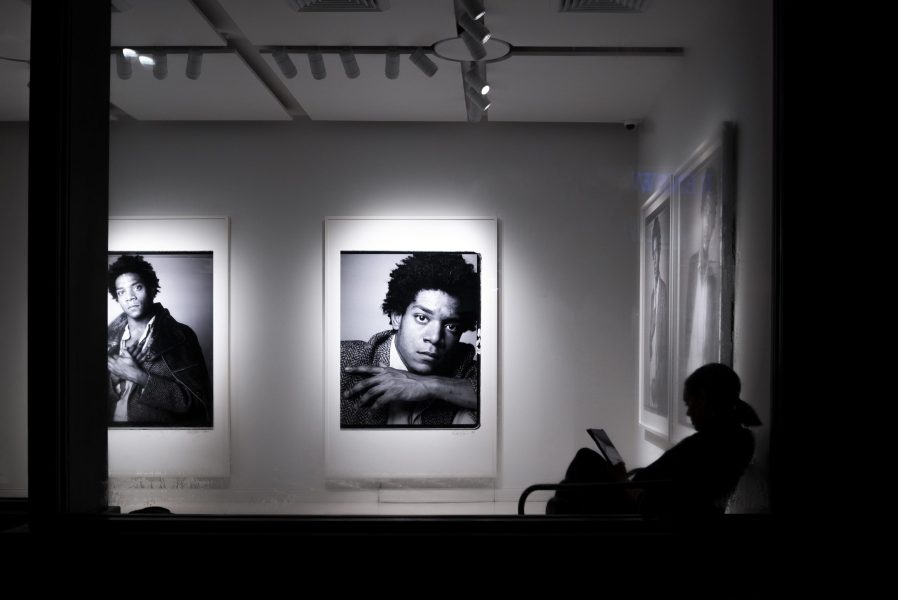
Gallery spotlight creating controlled dramatic ambiance
Although similar, studio spotlights and gallery spotlights serve slightly different purposes.
Art Studio Spotlights
- Brighter output
- Functional lighting for creation
- Accurate color evaluation
- Higher lumen requirements
Art Gallery Spotlights
- Controlled ambiance
- Dramatic highlighting
- Visitor-focused presentation
- Curated lighting atmosphere
Premium LED spotlights can be configured for both environments.
Difference Between Spotlights and Downlights for Artwork

Directional spotlight targeting specific wall painting
Many people confuse spotlights with downlights, but they serve different functions in art lighting.
Spotlights:
- Directional and adjustable
- Focus on specific artwork
- Narrow beam control
- Ideal for highlighting art
Downlights:
- Fixed downward illumination
- General room lighting
- Wide beam spread
- Not ideal for artwork highlighting
For serious art lighting, spotlights are significantly more effective than standard downlights.
Can You Paint Spotlights and Ceiling Spotlights?
Yes, spotlights and trims can be painted, but it must be done carefully to avoid damaging the fixture or reducing heat dissipation.
Best practices:
- Remove trim before painting
- Use heat-resistant paint if necessary
- Avoid painting the lens or LED module
- Protect fixtures with painter’s tape during ceiling painting
This is especially relevant during renovations or gallery redesign projects.
How to Paint Around Spotlights Without Damage
Clean ceiling finish surrounding installed spotlight
When painting ceilings with spotlights installed:
- Turn off power to fixtures
- Cover spotlight lenses with protective tape
- Use precision edging tools around trims
- Avoid paint buildup near fixture edges
Proper preparation maintains a clean, professional lighting appearance.
Best LED Spotlights for Artwork (Buyer Guide)
When choosing the best art spotlights, prioritize performance specifications over price.
Key features to look for:
- CRI 95+ for museum-grade color accuracy
- Adjustable beam angle optics
- Dimmable driver compatibility
- Low glare lens design
- Stable color temperature (3000K–4000K)
Premium art lighting fixtures are engineered specifically for artwork illumination, not just general lighting.
Art Spotlight Placement Distance from Wall
Proper spacing ensuring even artwork illumination
Correct placement dramatically improves lighting quality.
General guideline:
Place ceiling spotlights approximately 2 to 3 feet away from the wall for even artwork illumination.
Too close:
- Harsh light streaks
- Glare hotspots
Too far:
- Uneven and weak lighting on artwork
Professional lighting designers always test placement angles before final installation.
Conclusion: Why Art Spotlights Are Essential for Professional Artwork Lighting
Art spotlights remain one of the most effective lighting solutions for galleries, museums, collectors, and artists because they provide precise control, superior color accuracy, and a professional visual presentation.
From ceiling-mounted art spotlights to wireless rechargeable fixtures, modern LED spotlight technology allows artwork to be illuminated safely and beautifully while maintaining long-term efficiency and minimal heat exposure.
For any serious art display environment, high-quality LED art spotlights with proper beam angles, high CRI, and strategic placement are the gold standard for achieving gallery-quality artwork illumination.
Advanced Art Spotlight Lighting Design for Galleries, Collectors, and High-End Interiors
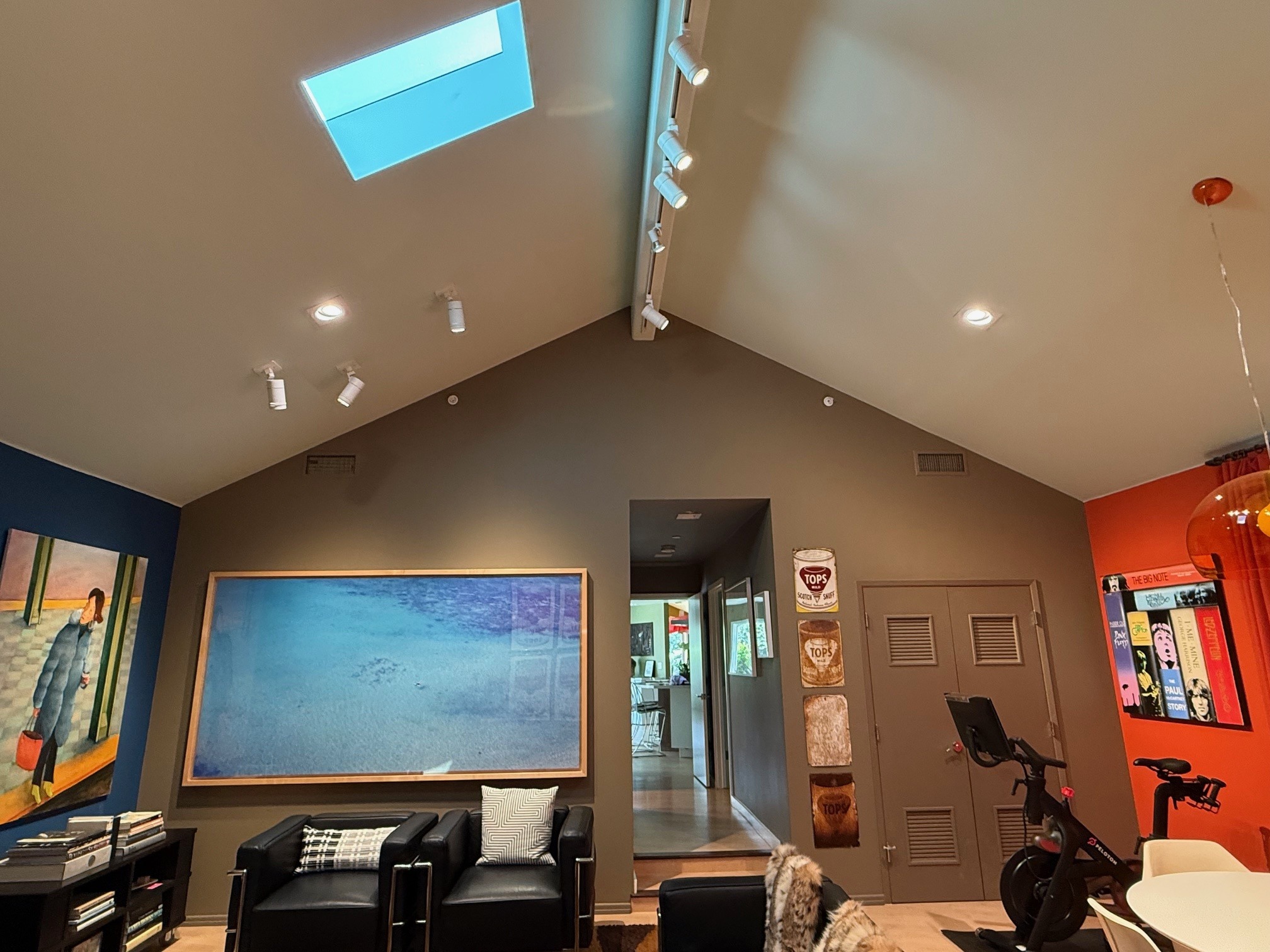
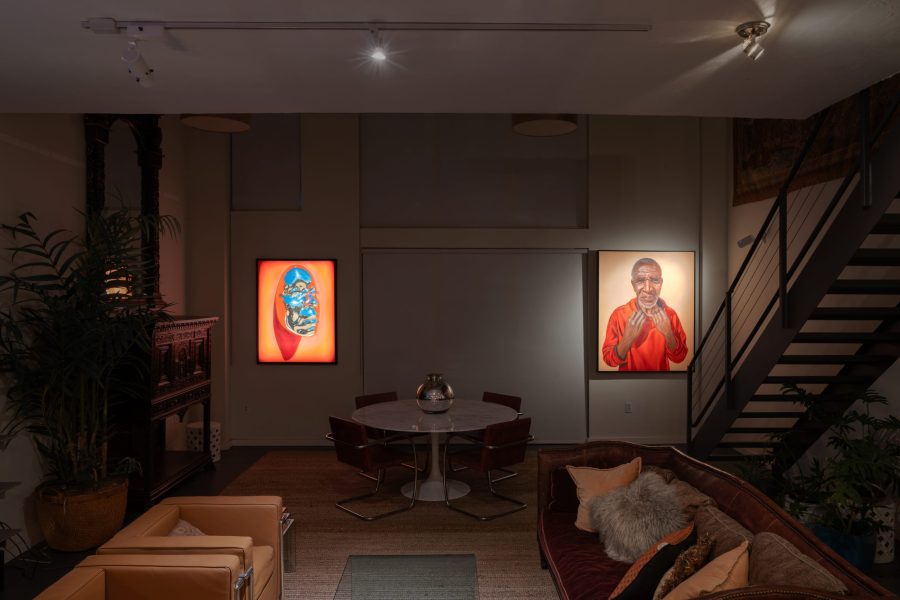
Layered spotlight system illuminating curated art collection
As art lighting standards continue to evolve in the United States, art spotlights are increasingly specified in professional lighting plans for galleries, museums, luxury residences, and artist studios. The reason is simple: spotlights provide unmatched control, precision, and visual hierarchy compared to general lighting systems.
A well-designed art spotlight system does not just illuminate artwork. It shapes how the viewer experiences the piece, enhances texture, and preserves true color rendering under controlled lighting conditions.
Ceiling Art Spotlights vs Track Spotlights for Artwork
When designing a professional art lighting setup, one of the most common decisions is choosing between ceiling-mounted spotlights and track-mounted spotlights.
Ceiling-Mounted Art Spotlights
Ceiling-mounted art spotlights are fixed or adjustable fixtures installed directly into the ceiling. These are often used in luxury homes and permanent gallery installations.
Advantages:
- Clean architectural aesthetic
- Minimal visual distraction
- Permanent and stable lighting layout
- Ideal for curated art collections
Best use cases:
- Residential gallery walls
- Museums
- High-end interior design projects
Track Spotlights for Art
Track spotlights offer more flexibility and are widely used in commercial galleries where artwork changes frequently.
Advantages:
- Adjustable positioning
- Flexible beam direction
- Scalable lighting system
- Ideal for rotating exhibitions
For permanent art displays, ceiling art spotlights are often preferred for their refined and built-in appearance.
Small and Mini Spotlights for Art Displays
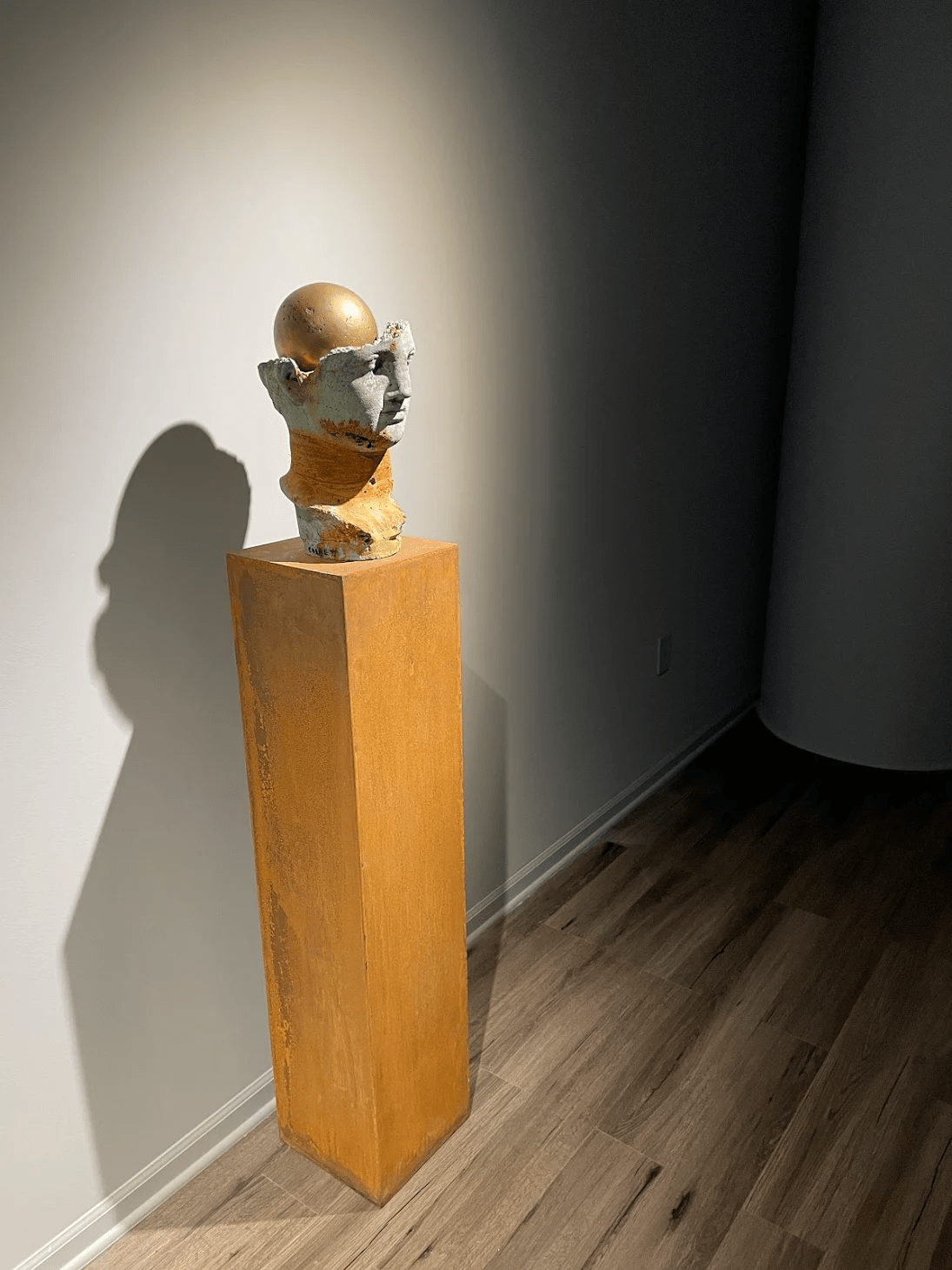
Small beam spotlight highlighting sculpture
Mini art spotlights are specifically designed for smaller artworks, display shelves, niches, and sculpture lighting. These fixtures deliver concentrated beams without overwhelming the space.
Ideal applications:
- Small framed artwork
- Sculptures and collectibles
- Art niches and alcoves
- Display cabinets
Mini LED art spotlights are particularly popular in residential installations where subtle accent lighting is required.
Wireless and Rechargeable Art Spotlights (Modern Applications)
Wireless art spotlights and rechargeable LED spotlights have become increasingly popular for flexible art lighting installations. These fixtures are commonly used in rental spaces, temporary exhibitions, and locations where wiring access is limited.
Benefits of wireless art spotlights:
- No electrical rewiring required
- Easy installation and repositioning
- Portable lighting for changing displays
- Ideal for temporary gallery setups
Rechargeable art spotlights are especially useful for collectors who frequently rotate artwork or redesign their interior displays.
Art Spotlight Beam Spread and Light Control

Medium beam illuminating standard wall artwork
Beam spread determines how concentrated or wide the spotlight appears on artwork. Selecting the correct beam spread is essential for professional art illumination.
Recommended beam spreads:
- Narrow beam (10°–20°): Small artwork and dramatic spotlighting
- Medium beam (25°–40°): Most paintings and wall art
- Wide beam (40°–60°): Large artwork and installations
Professional art lighting systems often use interchangeable lenses to adapt beam spread based on artwork size and display layout.
Spotlight Distance from Artwork (Professional Placement Guide)

Balanced spacing preventing glare and shadows
Proper spotlight placement significantly improves artwork presentation and reduces visual imperfections such as glare and shadow streaks.
General placement guidelines:
- Install spotlights approximately 2 to 3 feet away from the wall
- Aim lights at a 30-degree angle toward the artwork
- Avoid direct overhead placement above framed pieces
This positioning ensures smooth, even illumination across the artwork surface while preserving depth and texture.
LED Art Spotlights vs Halogen Spotlights
LED spotlights have replaced halogen lighting in most professional art environments due to their superior performance and safety.
LED Art Spotlights
- Low heat output
- High CRI for accurate colors
- Energy-efficient operation
- Long lifespan
- Safe for delicate artwork
Halogen Spotlights
- Higher heat emission
- Greater risk to artwork materials
- Higher energy consumption
- Shorter lifespan
For galleries and collectors, LED art spotlights are now the preferred and recommended standard.
Best Color Temperature for Art Spotlights

Neutral 3500K lighting for gallery displays
Color temperature influences how artwork appears under lighting and should be selected carefully based on the display environment.
Recommended color temperatures:
- 2700K: Warm residential art lighting
- 3000K: Premium gallery and home art lighting
- 3500K: Neutral professional display lighting
- 4000K: Contemporary art spaces and modern galleries
Most professional galleries in the United States use 3000K to 3500K for balanced color warmth and accuracy.
Art Accent Lighting Using Spotlights
Art accent lighting is a strategic technique used to highlight artwork as a focal point within a space. Spotlights are the most effective fixtures for accent lighting because they provide directional focus and visual contrast.
Common accent lighting applications:
- Feature paintings
- Statement sculptures
- Gallery walls
- Museum displays
Accent spotlighting enhances visual hierarchy and draws attention directly to the artwork.

Spotlight Lighting for Art Studios and Creative Spaces

Adjustable spotlight illuminating artist canvas workspace
Art studios benefit from spotlight lighting when reviewing finished artwork or preparing pieces for exhibition. Unlike ambient studio lighting, spotlights provide controlled inspection lighting for detail evaluation.
Benefits for artist studios:
- Precise lighting angles for canvases
- Improved color accuracy review
- Flexible lighting layout for large artworks
- Professional presentation lighting for portfolios
Many professional artists use a combination of ambient LED lighting and adjustable art spotlights for optimal studio functionality.
Maintenance and Longevity of Art Spotlights
High-quality LED art spotlights require minimal maintenance compared to traditional lighting systems. Their long lifespan and stable performance make them ideal for permanent art installations.
Maintenance advantages:
- Long-lasting LED modules
- Minimal bulb replacements
- Consistent brightness over time
- Low heat operation
Regular cleaning of lenses and trims ensures optimal light output and glare control for artwork displays.
Art Spotlight Safety for Valuable Artwork
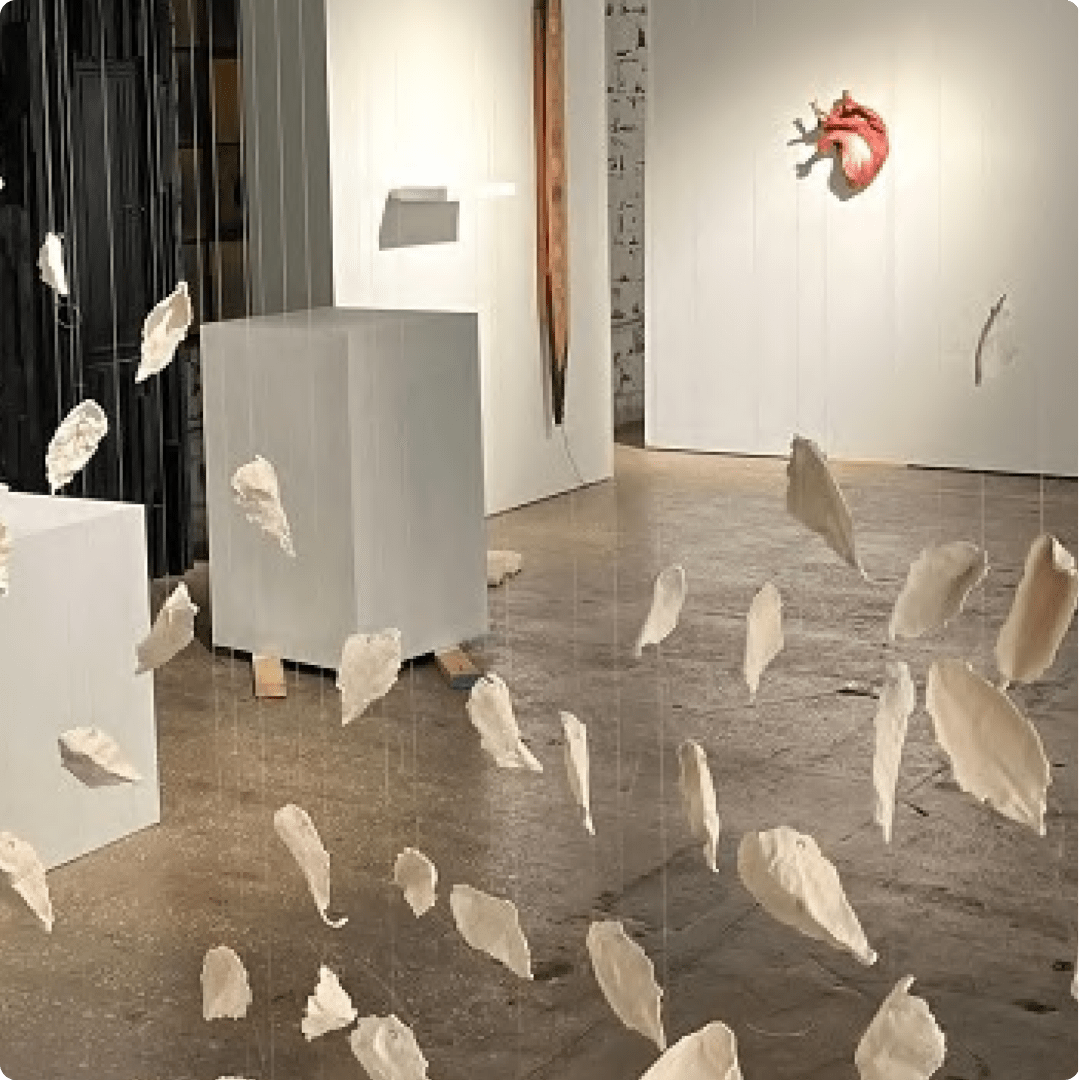
Controlled brightness preserving delicate art surfaces
Lighting safety is a critical consideration when illuminating valuable artwork, especially paintings, textiles, and mixed media pieces.
Safe spotlight lighting features:
- Low UV emission
- Low infrared heat output
- Stable color temperature
- Dimmable brightness control
Modern LED art spotlights are specifically engineered to protect artwork while maintaining professional illumination quality.
Frequently Asked Questions (Art Spotlights)
1. What are art spotlights used for?
Art spotlights are used to highlight paintings, sculptures, and wall art with focused directional lighting that enhances visibility and presentation.
2. What are the best spotlights for artwork?
The best spotlights for artwork are high-CRI LED spotlights with adjustable beam angles, dimmable controls, and anti-glare optics.
3. Are LED spotlights good for art galleries?
Yes, LED spotlights are the industry standard for art galleries because they provide accurate color rendering, low heat output, and flexible lighting control.
4. What is the difference between spotlights and downlights?
Spotlights are directional and adjustable, while downlights provide general overhead illumination and are less effective for highlighting artwork.
5. How far should spotlights be from wall art?
Spotlights should typically be installed about 2 to 3 feet away from the wall and angled toward the artwork for even illumination.
6. Can spotlights damage artwork?
High-quality LED spotlights with low heat and UV output are safe for artwork and widely used in museums and galleries.
7. What beam angle is best for art spotlights?
A beam angle between 25° and 40° works best for most artwork, while narrower beams are ideal for small pieces.
8. Are ceiling spotlights good for art lighting?
Yes, ceiling-mounted spotlights are excellent for art lighting when properly angled toward the artwork.
9. What color temperature is best for art spotlights?
3000K to 3500K is typically recommended for gallery and residential art lighting to maintain warmth and color accuracy.
10. Can you use wireless spotlights for artwork?
Yes, wireless and rechargeable art spotlights are ideal for temporary displays, rentals, and flexible art installations.
11. Are mini spotlights suitable for small artwork?
Yes, mini spotlights provide precise illumination for small paintings, sculptures, and display niches.
12. What is the best lighting for paintings?
Directional LED spotlights with high CRI and adjustable beam control are considered the best lighting for paintings.
13. Can spotlights be dimmed for artwork?
Yes, dimmable spotlights are highly recommended to adjust brightness based on artwork and ambient lighting conditions.
14. Do art galleries use spotlights or track lighting?
Most galleries use a combination of track lighting spotlights and ceiling-mounted spotlights for flexible and professional illumination.
15. How many spotlights do I need for a gallery wall?
Typically one spotlight per artwork piece or evenly spaced fixtures depending on artwork size and wall length.
16. Are rechargeable art spotlights reliable?
Yes, high-quality rechargeable spotlights provide consistent illumination and are useful for flexible art displays.
17. Can you paint around ceiling spotlights?
Yes, spotlights can be covered and protected during painting, but lenses and LED components should never be painted.
18. What is the best spotlight placement angle for artwork?
Approximately 30 degrees from the vertical angle toward the artwork provides optimal illumination and minimal glare.
19. Are wall-mounted spotlights better than ceiling spotlights?
Wall-mounted spotlights offer focused accent lighting, while ceiling spotlights provide broader and more balanced illumination.
20. Why are spotlights preferred for artwork lighting?
Spotlights are preferred because they provide directional control, high color accuracy, reduced glare, and professional gallery-quality presentation.
What Our Clients Are Saying About Our Lighting Systems