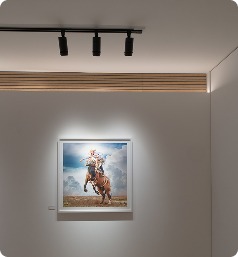
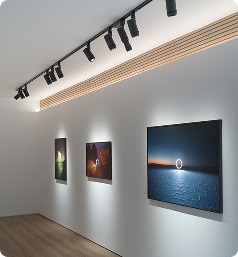
Adjustable track lights installed across modern artist studio ceiling
Art studio track lighting is one of the most effective and professional lighting solutions for artists, painters, designers, and creative studios that require precision illumination and accurate color perception. Unlike general ceiling lights or ambient fixtures, art studio track lighting provides directional control, flexibility, and consistent lighting conditions that support both the creative process and the professional display of artwork.
In serious creative environments, lighting is not merely functional. It directly influences how color, texture, contrast, and detail are perceived during the creation and evaluation of artwork. For this reason, artist studio track lighting has become the preferred standard in professional studios, galleries, and atelier-style workspaces.
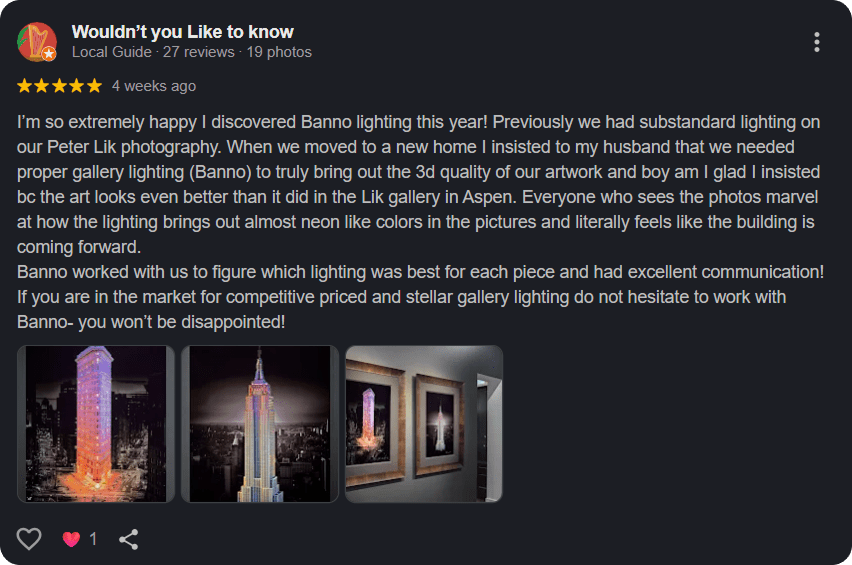
What a Gallery Owner Says About Our Precision Lighting Systems
Why Art Studio Track Lighting Is Essential for Creative Work
Artists rely heavily on visual accuracy. Poor lighting conditions can distort colors, create shadows, and lead to incorrect tonal decisions during the painting process. Art studio track lighting allows for controlled, targeted illumination that mimics gallery-grade presentation while supporting active creative work.
Core advantages of art studio track lighting include:
- Directional lighting control
- Accurate color evaluation
- Flexible fixture positioning
- Reduced shadow interference
- Consistent illumination across canvases
This level of control ensures that artists can work confidently under stable and professional lighting conditions.
Artist Studio Track Lighting and Color Accuracy

High CRI track lights preserving true pigment tones
One of the most important aspects of artist studio track lighting is color accuracy. Artists must see pigments and materials as they truly appear, not under distorted lighting conditions.
High-quality LED track lighting for art studio environments supports:
- True color rendering
- Neutral lighting balance
- Consistent tonal evaluation
- Reduced color shift between day and night
This is especially critical for oil painting, acrylic work, and mixed media art where subtle color variations define the final outcome.

4.9-star rated by art collectors and gallery professionals
LED Track Lighting for Art Studio Precision
LED track lighting for art studio spaces offers superior performance compared to traditional lighting systems. LED technology provides stable illumination with minimal heat output, making it ideal for long working sessions and delicate artworks.
Benefits of LED track lighting include:
- Energy-efficient operation
- Low heat emission
- Long lifespan
- Flicker-free illumination
These features make LED track lighting a long-term investment for serious artists and professional studios.
Best Track Lighting for Art Studio Layouts

Adjustable spotlights evenly spaced across large studio
The best track lighting for art studio environments is designed around the studio layout, ceiling height, and type of artwork being produced. A poorly planned lighting system can create uneven brightness and unwanted shadows.
Effective studio track lighting layout strategies include:
- Parallel track placement above work zones
- Adjustable spotlights for easels and canvases
- Layered lighting for large studios
- Consistent spacing for balanced illumination
This approach ensures that lighting remains functional across different creative tasks and studio configurations.
How to Set Up Lighting for a Painting Studio
Setting up art studio track lighting requires careful planning to support both creation and display. Lighting angles, beam spread, and fixture positioning must align with the artist’s workflow.
Professional setup considerations include:
- Positioning track lights at a 30-degree angle to artwork
- Avoiding direct overhead glare
- Using adjustable heads for flexibility
- Maintaining even illumination across work surfaces
This setup mimics gallery lighting conditions, allowing artists to evaluate their work in presentation-ready lighting.
Studio Track Light Flexibility for Evolving Creative Spaces
Expandable track system supporting large installations
Art studios are dynamic environments where layouts frequently change. New canvases, sculptures, and installations require adaptable lighting solutions. Studio track light systems allow fixtures to be repositioned without structural ceiling changes.
This flexibility supports:
- Rotating artwork displays
- Large-scale projects
- Multi-medium creative work
- Future studio expansion
Track lighting systems are therefore ideal for both small personal studios and large professional ateliers.
Lighting Artist Studio Spaces with Professional Standards
Lighting artist studio environments requires more than general brightness. Professional studios use controlled, layered lighting systems to ensure visual consistency throughout the workspace.
A refined studio lighting art system typically includes:
- Primary track lighting for directional illumination
- Ambient lighting for overall balance
- Supplementary accent lighting for detailed work
This layered approach enhances both productivity and artistic precision.
Art Studio Track Lighting and Shadow Control

Adjustable beam angles improving depth perception
Shadows can significantly interfere with painting and drawing. Improper lighting placement creates inconsistent shadows that distort depth perception and surface detail.
Art studio track lighting helps minimise shadow issues by:
- Allowing adjustable light angles
- Providing multiple light sources
- Creating even light distribution
- Reducing harsh directional shadows
This results in a more comfortable and accurate working environment for artists.
Track Lighting for Artist Studio Display and Presentation
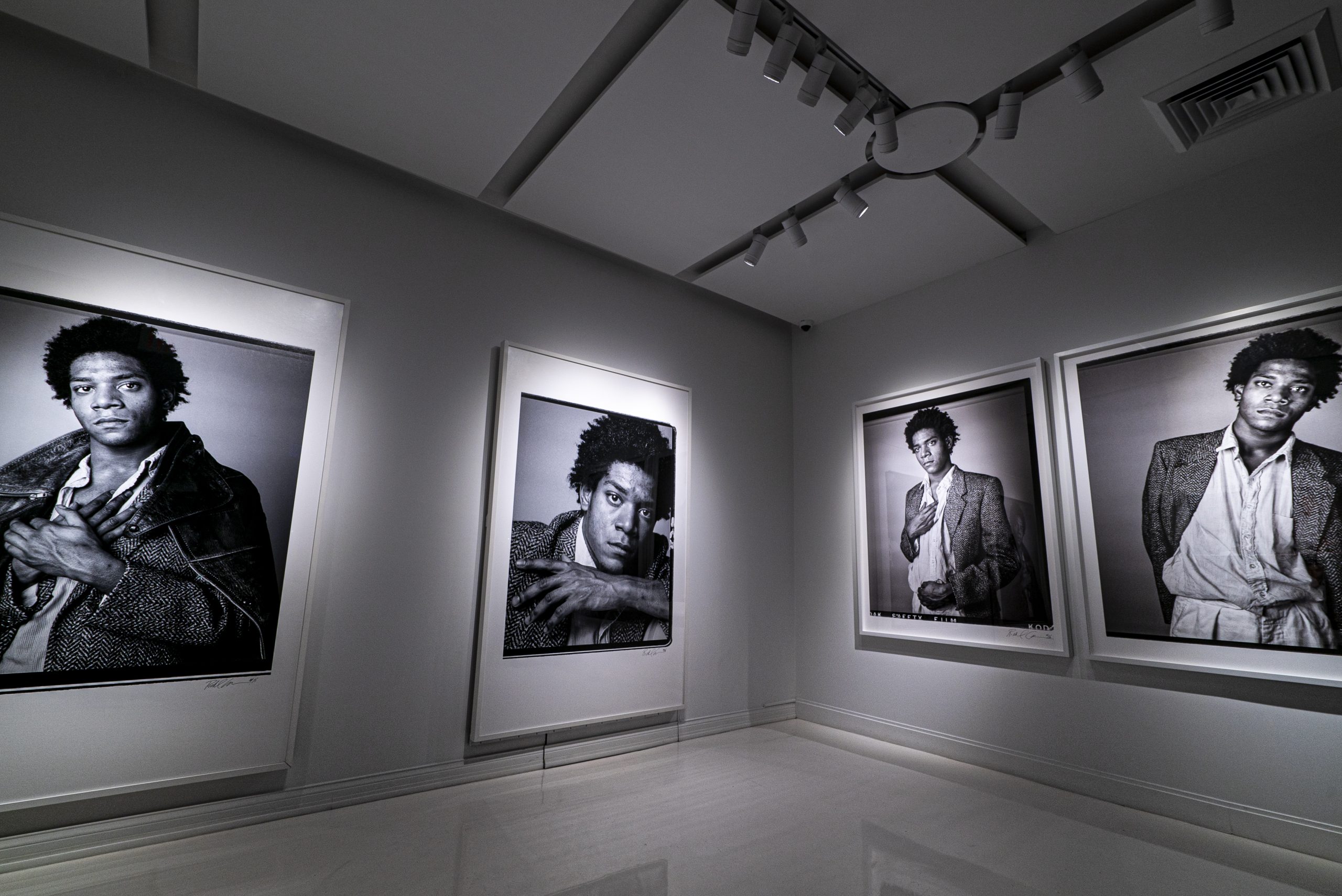
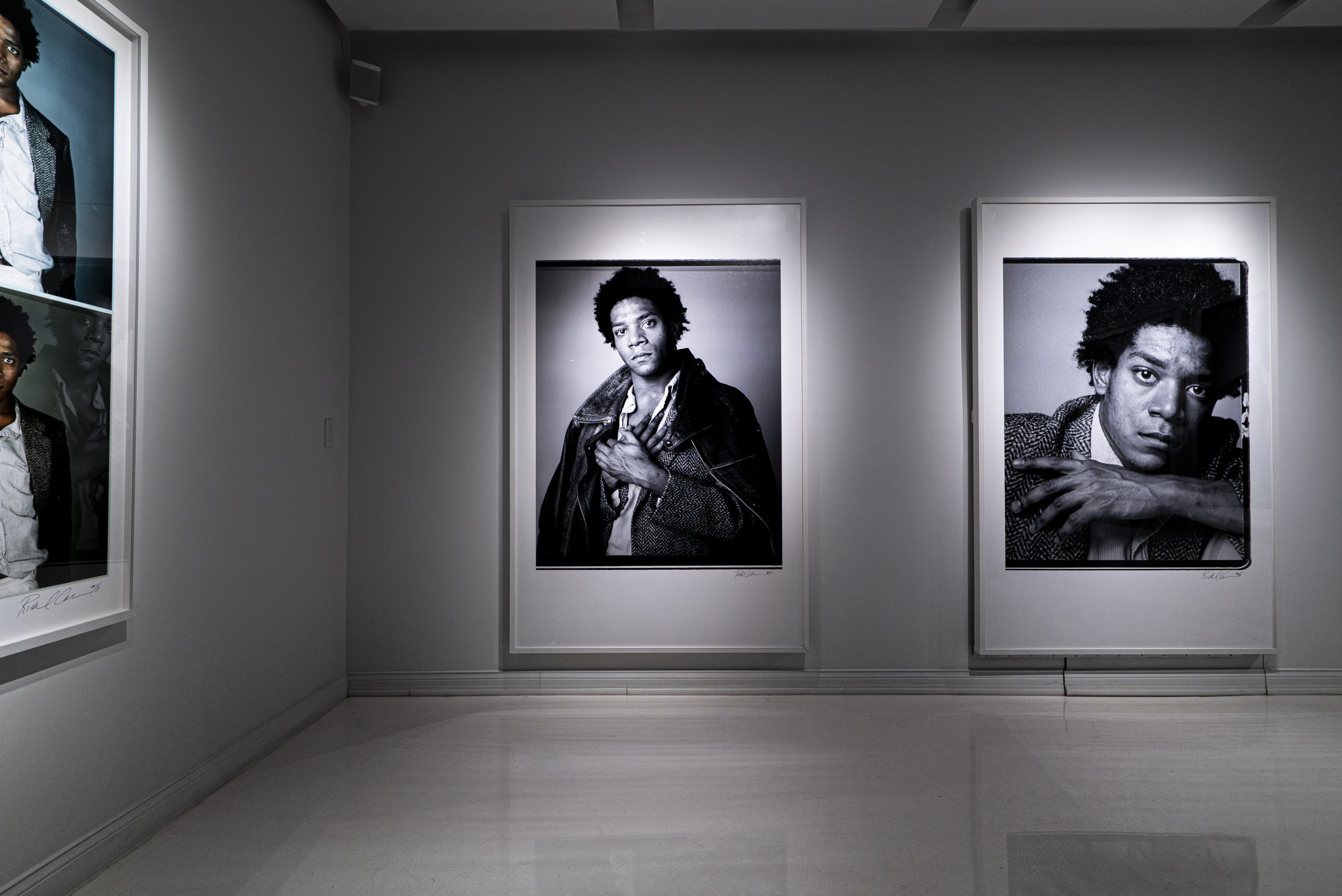
Beyond the creative process, artist studio track lighting also enhances how finished artworks are presented within the studio. Many professional artists use gallery-style lighting within their workspace to evaluate their work as it would appear in exhibitions.
This dual-purpose lighting supports:
- Creation and critique in the same environment
- Professional artwork presentation
- Portfolio photography readiness
- Client and collector viewings
This is particularly valuable for artists who host studio visits or private exhibitions.
Art Gallery Track Lighting Systems and Studio Influence

Structured lighting hierarchy guiding visual attention
Art gallery track lighting systems often serve as the benchmark for studio lighting design. Many artist studios adopt gallery-style track lighting to ensure their work is created and assessed under professional display conditions.
Gallery-inspired lighting systems offer:
- Precision beam control
- Curatorial lighting flexibility
- Consistent exhibition-style illumination
- Enhanced visual hierarchy
This alignment between studio and gallery lighting improves artistic consistency from creation to exhibition.
Integration of Zoom, Deluxe, and Multi in Art Studio Track Lighting

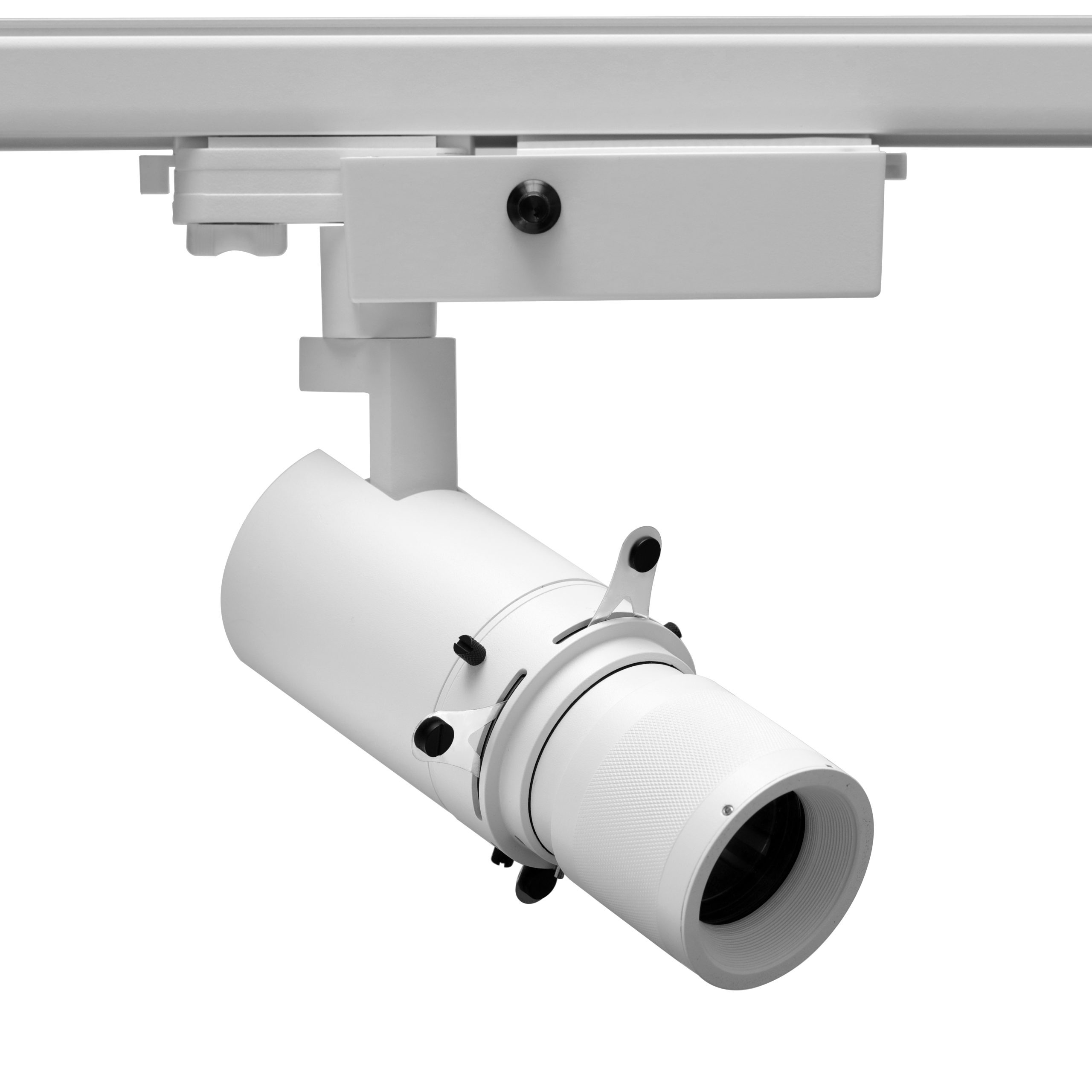
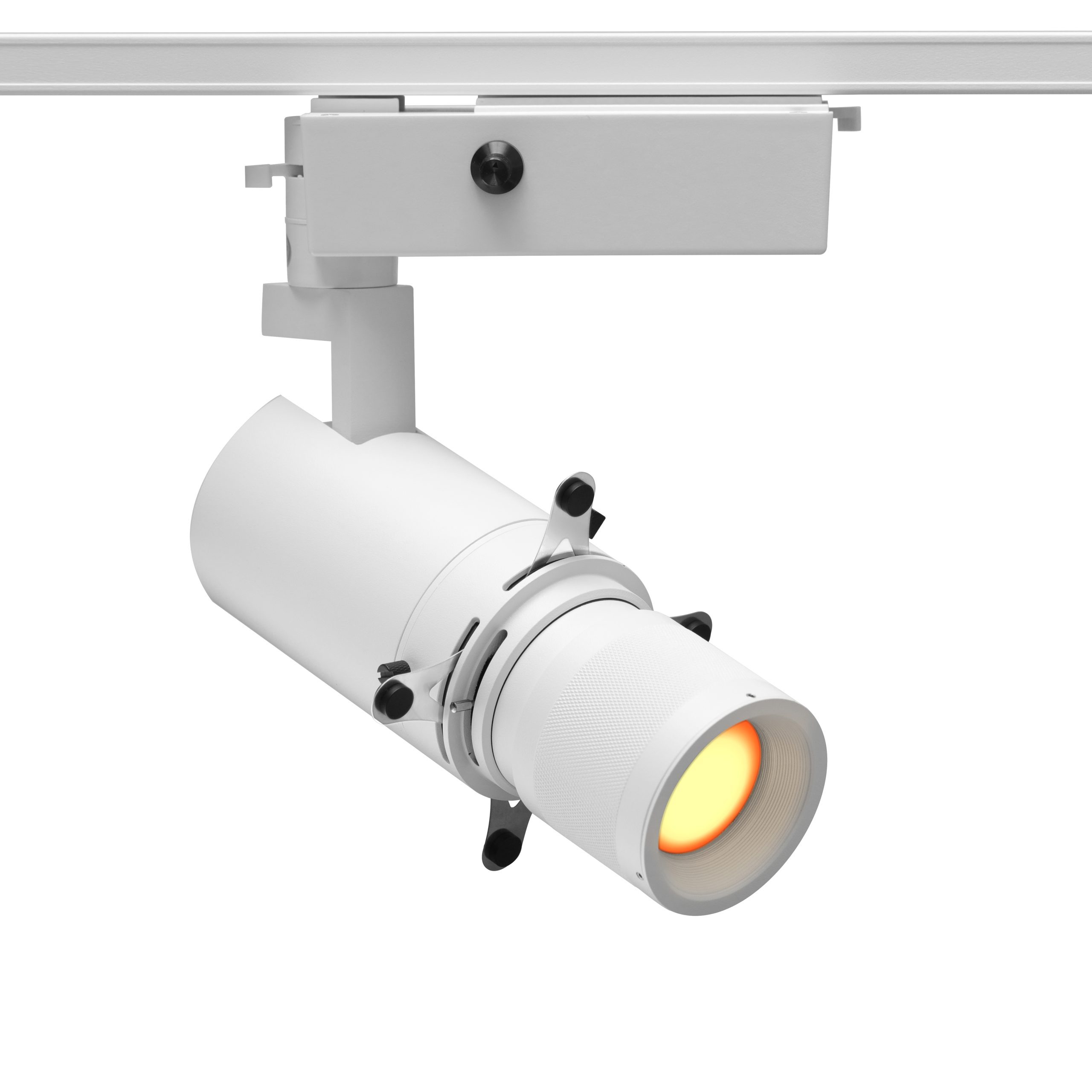
Deluxe, Multi and Zoom lighting fixtures
In high-end art studio track lighting systems, precision fixtures such as Zoom, Deluxe, and Multi are often incorporated to achieve refined beam control and adaptable illumination. These fixtures support accurate color rendering, adjustable angles, and consistent light output, making them suitable for both active studio work and gallery-style presentation within creative environments. Their flexibility allows artists to transition seamlessly between creation, evaluation, and display lighting conditions without compromising visual accuracy.
Studio Lighting Explained for Professional Creative Workflows
Studio lighting explained in professional art contexts refers to the balance between illumination quality, positioning, and color accuracy. Unlike decorative lighting, art studio lighting must support visual clarity across long working sessions.
Key studio lighting principles include:
- Consistent color temperature
- Controlled beam spread
- Adjustable intensity
- Minimal glare and reflection
These principles ensure that lighting enhances rather than interferes with the artistic process.
What Is the Best Light for an Artist’s Studio

Neutral white illumination ensuring accurate color judgment
The best light for an artist’s studio is typically high-quality LED track lighting with adjustable heads and high color rendering performance. This type of lighting provides both flexibility and precision while maintaining stable illumination conditions.
Ideal characteristics include:
- High CRI for color accuracy
- Neutral white color temperature
- Adjustable directional lighting
- Low heat emission
These features support both creative production and artwork evaluation.
Art Studio Track Lighting for Large and Small Studios
Art studio track lighting scales effectively across different studio sizes. In small studios, a single track system can provide sufficient directional lighting, while larger studios benefit from multi-track configurations.
Scalable lighting advantages include:
- Efficient lighting coverage
- Flexible expansion options
- Consistent illumination across large spaces
- Professional studio aesthetics
This makes track lighting suitable for independent artists, design studios, and institutional creative spaces.
Long-Term Benefits of Art Studio Track Lighting
Durable LED track system reducing maintenance needs
Investing in art studio track lighting provides long-term value for artists and creative professionals. Its combination of adaptability, efficiency, and precision ensures reliable performance over many years.
Long-term benefits include:
- Reduced energy consumption
- Minimal maintenance requirements
- Future-proof lighting flexibility
- Enhanced creative accuracy
Ultimately, art studio track lighting represents a professional lighting solution that supports both the technical and creative demands of serious artistic workspaces.
Advanced Placement Strategies for Art Studio Track Lighting
The effectiveness of art studio track lighting is heavily influenced by placement strategy rather than simply the number of fixtures installed. In professional studios, lighting is designed with intention, aligning with work zones, canvas orientation, and creative workflow patterns.
Strategic placement of track lighting for art studio environments ensures that light supports the artist’s natural movement throughout the space. Instead of relying on a single overhead source, multiple adjustable fixtures can be positioned along track lines to create consistent illumination from different angles.
Well-planned placement achieves:
- Even light coverage across large canvases
- Reduced shadow casting from the artist’s body
- Balanced illumination between work and display areas
- Controlled focus on key creative zones
This level of intentional planning separates amateur studio lighting from professional-grade artistic environments.
Track Lighting for Art Studio Ceiling Height Considerations
Narrow beam fixtures mounted in high-ceiling studio
Ceiling height plays a crucial role in determining how art studio track lighting performs. Studios with higher ceilings require different beam spreads and fixture positioning compared to compact studio spaces.
In high-ceiling studios, track lighting should feature:
- Narrower beam angles for focused illumination
- Adjustable spotlight heads
- Higher lumen output to maintain brightness
- Strategic downward angling toward artwork
In lower-ceiling studios, wider beam angles and softer diffusion help prevent overly concentrated hotspots while maintaining comfortable working illumination.
Designing lighting around ceiling height ensures that artwork remains evenly lit regardless of studio architecture.
Artist Studio Track Lighting and Medium-Specific Needs
Different artistic mediums require different lighting conditions. Artist studio track lighting must adapt to the specific needs of painters, sculptors, illustrators, and mixed-media creators.
For painters:
Consistent, neutral lighting to evaluate color and brushwork
For sculptors:
Multi-directional lighting to reveal form, texture, and depth
For digital artists:
Balanced ambient and directional lighting to reduce screen glare
For mixed media artists:
Flexible lighting angles to accommodate varied surfaces and materials
Track lighting systems allow artists to tailor their lighting setup without needing to redesign the entire studio infrastructure.
LED Track Lighting for Art Studio Longevity and Stability

Consistent LED output across long-term studio projects
LED track lighting for art studio environments is particularly valued for its long-term stability. Unlike older lighting technologies that shift in color over time, high-quality LED systems maintain consistent output and color rendering throughout their lifespan.
This stability is essential for artists who work on long-term projects where visual consistency matters over weeks or months. Reliable lighting ensures that artwork viewed today will appear the same under the same lighting conditions in the future.
Long-term stability benefits include:
- Consistent visual evaluation of artworks
- Reduced need for frequent bulb replacements
- Lower operational costs over time
- Sustained lighting performance without flicker
These advantages make LED-based track systems the professional standard for serious creative studios.
Best Track Lighting for Art Studio Photography and Documentation
Even track lighting for portfolio artwork photography
Many artists photograph their work directly in their studio for portfolios, websites, and collectors. The best track lighting for art studio setups also supports accurate artwork photography by providing controlled, even illumination.
Proper lighting for artwork documentation requires:
- Even light distribution across the artwork surface
- Minimal glare and reflection
- Neutral color temperature
- Shadow reduction from side angles
Track lighting can be adjusted specifically for photography sessions, allowing artists to create gallery-quality images without requiring separate lighting equipment.
Lighting Artist Studio Walls Versus Easel Work Areas
An effective art studio track lighting system distinguishes between wall display lighting and active easel lighting. These two zones require different lighting approaches to function optimally.
Easel lighting focuses on:
- Direct illumination on the working canvas
- Shadow control from artist movement
- Adjustable brightness for detail work
Wall lighting focuses on:
- Even distribution across displayed artworks
- Visual balance for critique and review
- Gallery-style presentation within the studio
By zoning track lighting across these areas, artists create a professional environment that supports both creation and evaluation.
Art Studio Track Lighting and Glare Management

Controlled beam spread reducing hotspot glare
Glare can disrupt both artistic workflow and artwork visibility. Poorly positioned lighting can create reflective hotspots on varnished paintings, glossy surfaces, and framed artworks.
Track lighting for artist studio spaces helps manage glare through:
- Adjustable fixture angling
- Controlled beam positioning
- Indirect illumination techniques
- Offset lighting placement
This ensures that artists can view their work clearly without visual discomfort or distortion caused by harsh reflections.
The Role of Beam Angle in Studio Track Lighting Design
Beam angle selection is a highly technical but important aspect of art studio track lighting. Narrow beams provide focused illumination for detailed work, while wider beams support ambient studio balance.
Narrow beam angles are ideal for:
- Detailed painting work
- Small canvases
- Focused task lighting
Wider beam angles are ideal for:
- Large artworks
- Wall displays
- General studio illumination
Combining multiple beam angles within a single track lighting system creates a refined and adaptable lighting environment.
Track Lighting for Art Studio Versus Traditional Studio Lighting

Modular track system replacing fixed ceiling fixtures
Traditional studio lighting often relies on fixed ceiling fixtures or floor lamps, which lack directional control. In contrast, art studio track lighting offers a modular and precision-focused alternative.
Compared to traditional lighting, track lighting provides:
- Greater adjustability
- Cleaner studio aesthetics
- Targeted illumination zones
- Higher professional lighting standards
This makes track lighting particularly suitable for artists who treat their studio as both a workspace and a presentation environment.
Professional Studio Lighting Art Standards and Visual Consistency
Professional studios aim for visual consistency across all working conditions. Lighting artist studio spaces with track systems allows artists to maintain consistent illumination regardless of time of day or external natural light changes.
Consistent lighting conditions help with:
- Accurate color mixing
- Reliable tonal evaluation
- Long working sessions without eye strain
- Professional critique and review processes
This consistency is especially valuable for commissioned work and gallery-bound pieces.
Integration with Art Gallery Track Lighting Systems

Studio lighting mirroring gallery exhibition standards
Many high-level artist studios intentionally mirror art gallery track lighting systems to ensure seamless transition from studio creation to exhibition display. When artwork is developed under gallery-style lighting, it is more likely to appear correct in professional exhibition environments.
This integration supports:
- Curatorial lighting alignment
- Predictable exhibition presentation
- Reduced visual surprises under gallery lighting
- Higher professional standards for artwork evaluation
Artists who plan to exhibit regularly benefit significantly from adopting gallery-inspired track lighting in their studio setup.
Art Studio Track Lighting as a Future-Proof Lighting Solution
Creative practices evolve over time, and lighting systems must be adaptable. Art studio track lighting offers a future-proof solution because fixtures can be repositioned, replaced, or expanded without structural modifications.
Future-proof advantages include:
- Easy addition of new light heads
- Adaptability to new studio layouts
- Compatibility with evolving artistic mediums
- Scalable lighting infrastructure
This flexibility ensures that the lighting system grows alongside the artist’s career and creative needs.

Psychological Impact of Proper Studio Lighting on Creativity

Calm lighting environment enhancing creative focus
Lighting does not only affect visibility; it also influences mood, focus, and creative flow. Well-designed art studio track lighting creates an environment that feels professional, calm, and visually inspiring.
Proper lighting environments can support:
- Improved concentration
- Reduced visual fatigue
- Enhanced creative immersion
- Greater confidence in artistic decisions
For artists spending long hours in their studios, lighting quality directly contributes to productivity and emotional comfort.
Final Perspective on Art Studio Track Lighting Excellence

Professional studio illuminated with precision track lighting
Art studio track lighting is more than a functional installation. It is a foundational element of a professional creative environment that supports precision, adaptability, and visual accuracy. By combining directional control, high-quality LED performance, and flexible placement, track lighting enables artists to work under consistent and refined illumination conditions.
Whether used in independent artist studios, atelier spaces, or large creative workshops, track lighting provides the versatility required for evolving artistic practices. From detailed painting work to gallery-style presentation and professional documentation, a well-designed track lighting system elevates both the creative process and the final perception of artwork, ensuring that every piece is experienced under lighting conditions that reflect its true artistic intent.
FAQs
1. What is art studio track lighting?
Art studio track lighting is a directional lighting system designed to provide adjustable and precise illumination for creative workspaces.
2. Is track lighting good for an art studio?
Yes, it is one of the best lighting solutions because it offers flexibility, accuracy, and controlled illumination.
3. What is the best track lighting for art studio use?
High CRI LED track lighting with adjustable heads and consistent color temperature is ideal.
4. How many track lights should an art studio have?
This depends on studio size, ceiling height, and the number of active work zones.
5. Does track lighting improve color accuracy for painting?
Yes, high-quality track lighting provides accurate color rendering essential for artistic work.
6. Can LED track lighting be used for painting studios?
Yes, LED track lighting is widely used in professional painting studios due to stability and low heat.
7. What color temperature is best for artist studio lighting?
Typically 3000K to 4000K for balanced and natural color perception.
8. How should track lighting be positioned in a studio?
Usually angled toward easels or work surfaces to reduce glare and shadows.
9. Is gallery track lighting suitable for artist studios?
Yes, many studios use gallery-style track lighting for professional evaluation conditions.
10. Does track lighting create shadows on artwork?
Properly positioned track lighting minimises unwanted shadows.
11. Can track lighting be adjusted easily in studios?
Yes, fixtures can be repositioned and angled without structural changes.
12. Is track lighting energy efficient for studios?
Modern LED track lighting is highly energy efficient and long-lasting.
13. Should art studios use overhead lighting or track lighting?
Track lighting is preferred due to its directional control and flexibility.
14. Can track lighting be used for photographing artwork?
Yes, it provides stable and controlled illumination for accurate photography.
15. Is track lighting suitable for large art studios?
Yes, multi-track systems provide scalable lighting coverage.
16. Does professional art lighting require adjustable fixtures?
Yes, adjustability is essential for evolving studio layouts and projects.
17. How does track lighting help artists?
It improves visibility, color accuracy, and evaluation of artwork details.
18. Can track lighting replicate gallery lighting in studios?
Yes, it closely mimics professional gallery illumination standards.
19. Is glare a problem with track lighting in studios?
Glare can be minimised with proper angling and beam control.
20. Why do professional artists prefer track lighting?
Because it offers precision, flexibility, and consistent lighting conditions essential for serious creative work.
Why Lighting Professionals Continue to Choose Our Systems