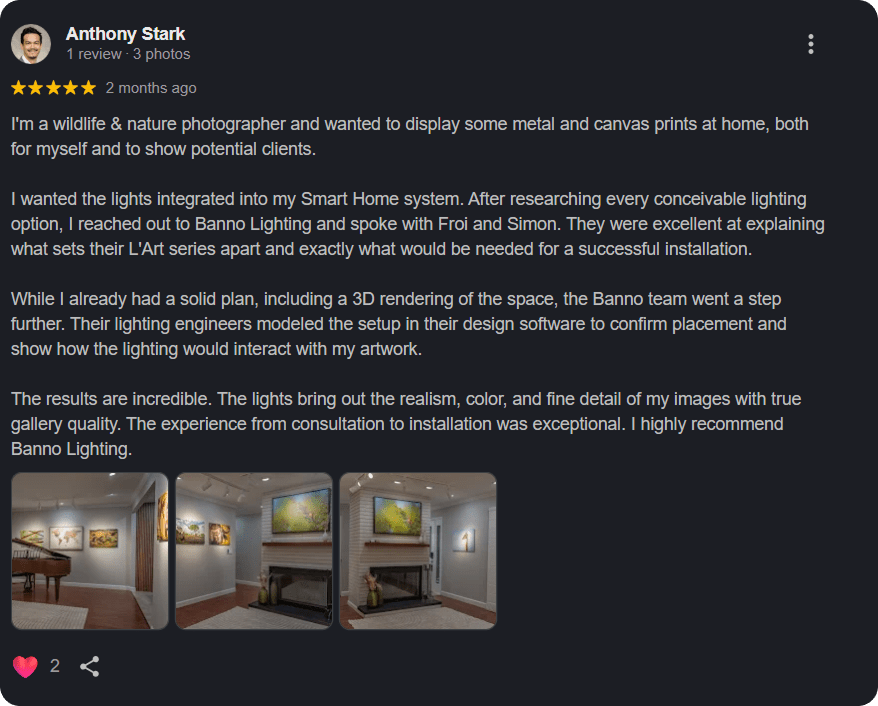
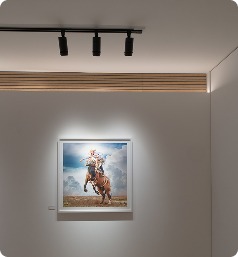
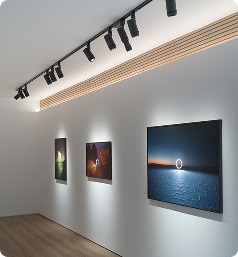
-
What is artlighting?
Artlighting refers to specialised lighting designed specifically to illuminate artwork with precision and conservation safety. -
Why is artlighting important for artwork?
It enhances visibility, preserves color accuracy, and protects artwork from damage. -
What type of lighting is best for artwork?
Directional LED art lighting with high color rendering and adjustable beam angles is ideal. -
Does lighting artwork affect its appearance?
Yes, lighting significantly impacts color perception, depth, and texture visibility. -
Is LED artlighting safe for paintings?
Yes, high-quality LED lighting produces low heat and minimal UV radiation. -
What is the ideal artlighting angle?
Typically a controlled downward angle that reduces glare and ensures even illumination. -
How bright should artlighting be?
Brightness should be balanced to enhance clarity without causing glare or fading risk. -
Can poor lighting damage artwork?
Yes, excessive heat and UV exposure from improper lighting can degrade artwork over time. -
What is museum-quality artlighting?
Lighting that meets conservation standards while providing precise and accurate illumination. -
Should artlighting be directional?
Yes, directional lighting provides better control and professional presentation. -
What color temperature is best for artlighting?
Neutral lighting is preferred for accurate color representation. -
How far should lights be from artwork?
Distance depends on artwork size and beam spread to ensure even coverage. -
Is recessed artlighting effective?
Yes, recessed lighting offers discreet and controlled illumination. -
What is accent artlighting?
Lighting that highlights specific artworks to create visual focus. -
Can artlighting be used at home?
Yes, many collectors use artlighting to create gallery-style displays in residential spaces. -
What is layered artlighting?
A combination of accent, ambient, and supplementary lighting for balanced illumination. -
Are wireless artlighting systems effective?
They are useful for flexible and temporary art display setups. -
How long do artlighting fixtures last?
High-quality LED art lighting fixtures typically have long operational lifespans. -
Does artlighting improve artwork value perception?
Yes, professional lighting enhances visual impact and perceived quality. -
What is the main goal of artlighting?
To present artwork with clarity, authenticity, and conservation-safe illumination.

Precision lighting highlighting fine art within modern gallery interior
Artlighting is a specialised discipline that combines lighting design, conservation science, and visual presentation to illuminate artwork with precision and authenticity. In galleries, museums, and high-end residential collections, artlighting is not merely about brightness. It is about control, balance, and the accurate representation of artistic intent.
When executed correctly, artlighting enhances color fidelity, reveals texture, and establishes visual hierarchy while protecting artwork from environmental damage. Poor lighting can flatten paintings, distort tones, and diminish the emotional impact of a piece. Professional artlighting ensures that artwork is experienced exactly as intended by the artist and curator.
Gallery Owner Testimonial: Why Professionals Choose Our Display Lighting
Lighting Artwork and the Role of Precision Illumination
Lighting artwork requires a fundamentally different approach compared to general interior lighting. Artwork demands directional, controlled illumination rather than broad ambient light. Precision illumination ensures that each piece is highlighted without excessive spill or visual distraction.
Key objectives when lighting artwork include:
- Enhancing fine details and texture
- Maintaining accurate color perception
- Preventing glare and reflections
- Creating a clear visual focal point
This is why artlighting systems are designed with adjustable optics and targeted beam control.
Art Lighting Design and Curatorial Strategy

Gallery layout supported by intentional artwork illumination design
Art lighting design is a core component of curatorial strategy in professional galleries and museums. Lighting is used to guide viewer attention, structure exhibition flow, and support storytelling within curated spaces.
Effective art lighting design supports:
- Visual hierarchy between artworks
- Balanced illumination across walls
- Emotional engagement with displays
- Consistent presentation standards
Rather than treating lighting as decoration, curators treat it as an interpretive tool.

4.9-star rated by art collectors and gallery professionals
Artlighting Angle and Beam Direction Control
The artlighting angle significantly affects how artwork is perceived. Incorrect angles can create glare, shadow distortion, or uneven brightness, especially on framed or glass-covered artworks.
Optimal beam direction helps:
- Reduce reflective glare
- Enhance surface texture visibility
- Maintain even illumination across artwork
- Improve viewing comfort from multiple angles
Careful angle calibration is essential in museum-quality lighting environments.
Accent Art Lighting and Visual Focus

Focused beam drawing attention to primary gallery artworks
Accent art lighting is used to highlight specific artworks within a gallery or interior space. By concentrating light on key pieces, designers can create focal points that naturally draw the viewer’s attention.
Accent lighting enhances:
- Primary artwork prominence
- Curated spatial flow
- Exhibition storytelling
- Perceived artwork value
This technique is widely used in both institutional galleries and luxury residential art collections.
Fine Art Lighting and Conservation Standards
Fine art lighting must meet strict conservation standards to protect sensitive materials such as oil paints, watercolors, textiles, and archival paper works. Modern artlighting systems prioritise low heat output and minimal ultraviolet exposure.
Conservation-focused lighting supports:
- Long-term artwork preservation
- Reduced pigment fading risk
- Stable environmental conditions
- Safe long-duration illumination
These standards are particularly important for museums and high-value private collections.
Art Lighting Fixtures and Technical Performance

High CRI fixture delivering accurate color representation
Art lighting fixtures are engineered differently from standard lighting products. They feature high color rendering, precision optics, and adjustable positioning to ensure optimal illumination quality.
Professional fixture characteristics include:
- Directional beam precision
- Minimal glare output
- Consistent color temperature
- Flexible aiming capabilities
Such technical performance ensures artwork is illuminated evenly and accurately.
Art Lighting Placement and Distance from Wall
Art lighting placement is one of the most critical aspects of effective artlighting. Improper placement can result in hotspots, shadow edges, or uneven brightness across the artwork surface.
Correct placement considerations include:
- Distance between fixture and artwork
- Beam spread alignment
- Mounting height and angle
- Artwork size and medium
Strategic placement ensures smooth, balanced illumination across the entire piece.
Artlighting for Large Paintings and Statement Pieces

Multiple spotlights evenly lighting oversized feature painting
Large paintings and statement artworks require specialised artlighting approaches due to their scale and visual dominance. Wider beam spreads and layered lighting techniques are often used to maintain uniform brightness.
Lighting large artworks effectively requires:
- Multiple directional fixtures
- Even beam overlap
- Controlled intensity levels
- Balanced vertical illumination
This prevents center hotspots and edge dimming on oversized canvases.
Art Gallery Track Lighting and Flexible Illumination
Art gallery track lighting is one of the most widely used artlighting systems due to its flexibility and precision. Adjustable track heads allow curators to reposition lighting as exhibitions evolve.
Track-based artlighting provides:
- Directional beam control
- Scalable lighting layouts
- Adaptability for rotating exhibitions
- Clean architectural integration
This flexibility makes it ideal for both galleries and collector spaces.
Professional Artlighting in Museum and Institutional Spaces

Even exhibition lighting across permanent museum collection
Professional artlighting in museums is designed around preservation, precision, and consistency. Lighting levels are carefully controlled to protect artwork while maintaining visual clarity.
Museum artlighting priorities include:
- Stable illumination intensity
- Low UV and heat emission
- Accurate color rendering
- Long-term exhibition reliability
These standards ensure artwork integrity over decades of display.
Ideal Artlighting for Home Galleries and Collectors
Artlighting is increasingly used in residential interiors to replicate gallery-quality presentation. Collectors and designers integrate artlighting systems to elevate private collections and curated gallery walls.
Residential artlighting benefits include:
- Museum-style artwork emphasis
- Enhanced interior sophistication
- Flexible lighting for evolving collections
- Architectural harmony with interior design
This transforms living spaces into curated art environments.
Precision Art Lighting Solutions in Professional Displays

Museum-grade spotlight integrated seamlessly into ceiling
In high-end artlighting environments, specialised fixtures such as Zoom (precision art lighting), Deluxe (museum-grade lighting), and Multi (flexible gallery lighting) are used to deliver controlled beam angles, accurate color rendering, and curatorial flexibility. These systems are designed to illuminate artwork with consistency while maintaining a discreet visual presence that does not compete with the art itself.
Their role is not decorative but functional, ensuring that artwork remains the central visual focus.
Artlighting Systems and Layered Illumination Strategy
A comprehensive artlighting system often combines multiple lighting layers to achieve refined results. Layered lighting enhances depth and spatial balance within galleries and collector spaces.
A professional layered approach includes:
- Accent lighting for artwork focus
- Ambient lighting for spatial comfort
- Supplementary directional lighting for key pieces
This method creates a sophisticated and immersive viewing experience.
Long-Term Value of Artlighting in Galleries and Museums

Durable LED fixtures maintaining consistent artwork clarity
Artlighting is a long-term investment that enhances both artwork presentation and preservation. High-quality lighting systems deliver consistent performance, energy efficiency, and minimal maintenance over extended operational periods.
Long-term advantages include:
- Stable illumination quality
- Reduced maintenance requirements
- Energy-efficient operation
- Future-ready lighting adaptability
- Enhanced artwork presentation standards
Ultimately, artlighting represents the intersection of technical precision, conservation science, and curatorial design. By delivering accurate color rendering, controlled beam direction, and conservation-safe illumination, professional artlighting systems allow paintings, sculptures, and wall-mounted artworks to be experienced with clarity, depth, and visual authenticity across galleries, museums, studios, and high-end residential collections.
Artlighting and Color Rendering for Authentic Artwork Presentation
One of the most critical aspects of artlighting is color rendering accuracy. Artwork is created with intentional pigments, tonal layering, and subtle variations that can be significantly altered under poor lighting conditions. High-quality artlighting ensures that colors appear true to the artist’s original vision rather than distorted by harsh or uneven illumination.
Superior color rendering in artlighting supports:
- Accurate pigment representation
- Enhanced tonal depth
- Visibility of fine brushwork
- Faithful reproduction of artistic intent
For galleries, museums, and collectors, accurate color rendering is not optional. It is essential for preserving the authenticity and integrity of the viewing experience.
Artlighting Theory and the Psychology of Visual Perception

Balanced brightness influencing artwork importance perception
Artlighting is deeply connected to how viewers psychologically perceive artwork. Lighting intensity, direction, and contrast influence emotional engagement and the perceived importance of each piece within a space.
Strategic artlighting can:
- Guide viewer attention naturally
- Create emotional atmosphere
- Enhance storytelling within exhibitions
- Establish spatial rhythm across collections
When lighting is thoughtfully designed, viewers spend more time engaging with artwork because the visual experience feels intentional and immersive.
Overhead Artlighting and Architectural Integration
Overhead artlighting is commonly used in galleries and luxury interiors due to its clean integration with architectural design. Rather than introducing visible fixtures that compete with the artwork, overhead systems maintain a minimalist ceiling aesthetic while delivering precise illumination.
Benefits of overhead artlighting include:
- Discreet fixture visibility
- Consistent beam alignment
- Reduced visual clutter
- Architectural harmony
This approach ensures that the artwork remains the primary focal point within the space.
Directional Artlighting and Shadow Control
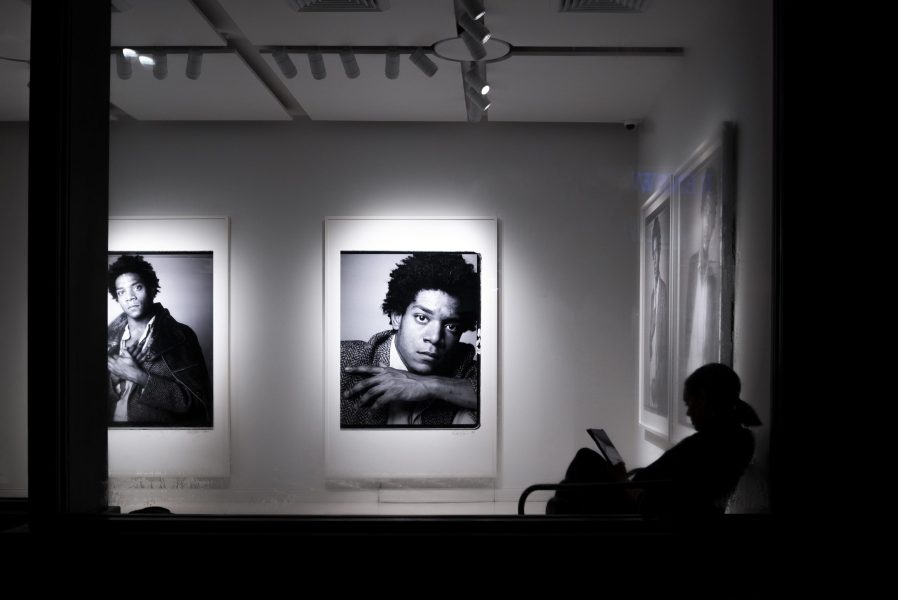
Balanced illumination preventing harsh shadow distortion
Directional artlighting is essential for controlling shadows and maintaining visual clarity. Improper lighting direction can cast unwanted shadows from frames, textures, or sculptural elements, which can distract from the artwork itself.
Well-controlled directional lighting achieves:
- Minimal shadow distortion
- Even surface illumination
- Clear edge definition
- Balanced visual depth
This is particularly important for textured paintings, relief artworks, and mixed media pieces.
Artlighting Placement for Gallery Walls and Multi-Art Displays
When lighting a gallery wall featuring multiple artworks, artlighting placement must be carefully structured to avoid uneven brightness between pieces. Consistency is key to maintaining visual cohesion across a curated display.
Professional placement strategies include:
- Even spacing between fixtures
- Aligned beam spreads across artworks
- Uniform intensity levels
- Balanced vertical illumination
This ensures that no single artwork is unintentionally overpowered or underlit.
Artlighting Installation and Professional Planning
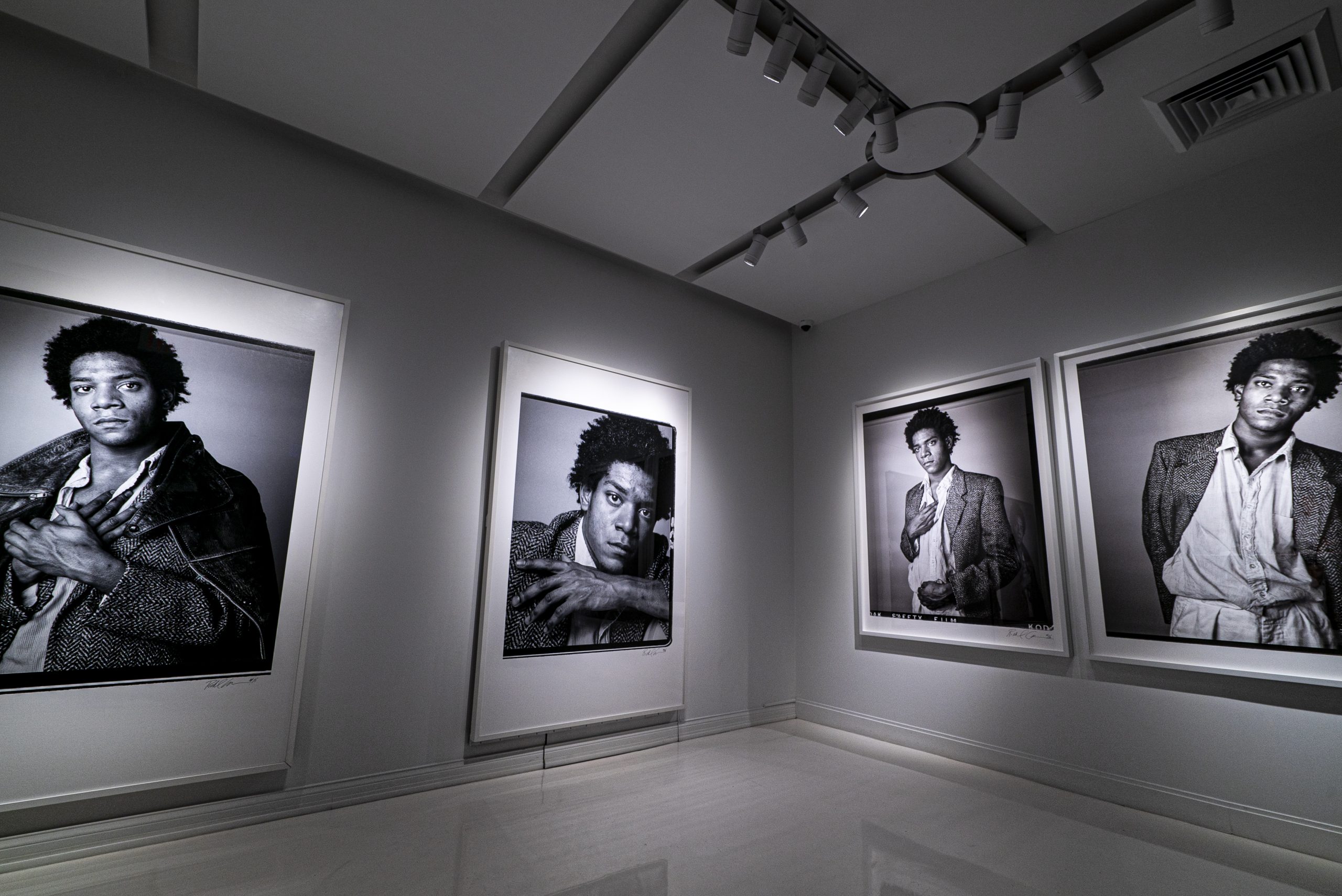
Professional installation ensuring long-term lighting stability
Artlighting installation should always be approached with a long-term design perspective rather than a temporary decorative mindset. Proper installation ensures stability, precision, and adaptability for future exhibition changes.
Key installation considerations include:
- Ceiling height and mounting positions
- Fixture adjustability
- Electrical planning and load management
- Future artwork rotation flexibility
Professional planning allows lighting systems to evolve alongside growing collections.
Minimalist Artlighting and Modern Interior Design
Minimalist interiors often rely heavily on artlighting to create visual interest without overwhelming the space. In contemporary homes and galleries, lighting becomes the tool that elevates artwork as the central design element.
Minimalist artlighting achieves:
- Clean spatial aesthetics
- Focused visual storytelling
- Subtle yet powerful artwork emphasis
- Refined interior sophistication
This design philosophy aligns strongly with luxury residential and gallery environments.
Wireless Artlighting and Flexible Display Solutions
Flexible beam positioning in residential gallery space
Wireless artlighting systems are increasingly used in collector homes and temporary exhibitions where structural modifications are not ideal. These solutions provide flexibility while still maintaining directional illumination.
Advantages of wireless artlighting include:
- Non-invasive installation
- Easy repositioning
- Adaptability for rotating displays
- Portable exhibition setups
While not always suitable for large-scale museum environments, wireless systems can be highly effective for curated residential collections.
Artlighting for Sculptures and Three-Dimensional Artwork
Lighting three-dimensional artwork requires a different approach compared to flat paintings. Sculptures benefit from layered artlighting that reveals depth, contours, and material textures.
Effective sculpture artlighting involves:
- Multi-angle illumination
- Controlled shadow modelling
- Balanced highlight and contrast
- Spatial depth enhancement
This technique allows viewers to experience the full dimensional presence of the artwork.
Artlighting Systems for Evolving Art Collections

Flexible ceiling system accommodating expanding gallery
Art collections are dynamic and often expand or change over time. A well-designed artlighting system accommodates this evolution without requiring complete redesign or replacement.
Future-ready artlighting systems offer:
- Adjustable beam direction
- Flexible mounting systems
- Scalable lighting layouts
- Long-term adaptability
This flexibility is essential for collectors, curators, and galleries managing rotating displays.
Artlighting and Energy Efficiency in Professional Spaces
Modern artlighting systems are designed to be energy-efficient while maintaining high performance standards. LED-based artlighting consumes significantly less energy compared to traditional lighting sources while delivering consistent illumination quality.
Energy-efficient artlighting provides:
- Lower operational costs
- Reduced heat emission
- Longer fixture lifespan
- Sustainable lighting performance
This is particularly beneficial for museums and galleries operating long daily lighting hours.

Lighting Your Art for Maximum Visual Impact

Glare-free spotlight improving viewing comfort
Lighting your art correctly transforms how it is experienced. Even a masterpiece can appear flat or lifeless under poor lighting, while proper artlighting enhances depth, vibrancy, and emotional resonance.
To maximise visual impact, artlighting should focus on:
- Balanced brightness levels
- Precise beam control
- Accurate color rendering
- Glare reduction techniques
These elements work together to elevate the overall presentation of artwork.
Artlighting as a Specialist Discipline in Lighting Design
Artlighting is not simply a subset of interior lighting. It is a specialist discipline that combines technical expertise, conservation awareness, and curatorial sensitivity. Professionals in this field understand how light interacts with different artistic mediums, surfaces, and environments.
Specialist artlighting expertise includes:
- Lighting theory for visual arts
- Material-sensitive illumination
- Exhibition lighting planning
- Museum-grade presentation standards
This level of expertise is what differentiates professional artlighting from generic lighting solutions.
The Future of Artlighting in Galleries and Museums

Sustainable museum lighting technology enhancing preservation
As galleries and museums continue to modernise, artlighting is evolving toward more precise, conservation-focused, and adaptable systems. The emphasis is shifting toward lighting solutions that enhance artwork visibility while preserving cultural assets for future generations.
Future developments in artlighting are likely to focus on:
- Greater beam precision
- Enhanced color accuracy
- Adaptive lighting controls
- Sustainable lighting technologies
Ultimately, artlighting will remain a cornerstone of professional art presentation. Whether in museums, galleries, studios, or private collections, expertly designed artlighting ensures that artwork is illuminated with clarity, respect, and visual authenticity, allowing each piece to be experienced in its full artistic depth while maintaining long-term preservation and curatorial excellence.