Professional display lighting illuminating artwork in luxury gallery
Display lighting fixtures are one of the most critical yet often overlooked elements in how artwork, collectibles, and luxury objects are perceived. Whether in a gallery, museum, jewelry boutique, or high-end residential setting, the quality and precision of display lighting directly influence visual clarity, emotional impact, and perceived value.
Professional display lighting fixtures are not simply about brightness. They are about control, beam precision, color accuracy, and the ability to reveal texture, depth, and material authenticity without glare or distortion. In premium environments, lighting is not decoration — it is a curatorial tool.
For galleries, collectors, museums, and designers, the difference between generic lighting and specialist display lighting can transform how an object is experienced, interpreted, and ultimately valued.
Gallery Owner Testimonial: Why Professionals Choose Our Display Lighting
What Are Display Lighting Fixtures and Why They Matter
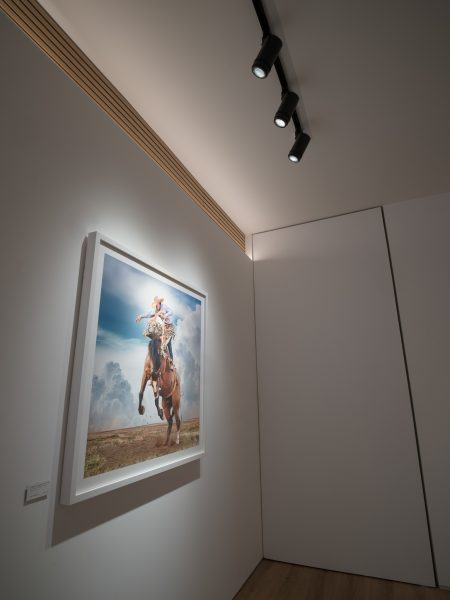
Precision spotlight illuminating framed artwork in modern gallery
Display lighting fixtures are purpose-built luminaires designed to illuminate specific objects rather than general spaces. Unlike ambient lighting, they direct controlled, high-quality light onto artworks, jewelry, sculptures, or display pieces.
Primary Functions of Display Lighting
-
Enhance visibility without causing glare
-
Preserve color accuracy
-
Highlight texture and detail
-
Create visual hierarchy within a space
-
Elevate the perceived value of displayed objects
In professional environments such as museums and galleries, display lighting fixtures are carefully selected to enhance artwork without overpowering it.

4.9-star rated by art collectors and gallery professionals
Types of Display Lighting Fixtures Used in Professional Settings

Adjustable display fixtures mounted along architectural ceiling track
Track Lighting for Display Applications
Track lighting is one of the most versatile display lighting solutions. It allows curators and designers to adjust beam angles, positioning, and focus as exhibitions change.
Key Advantages:
-
Flexible repositioning
-
Precision beam control
-
Ideal for rotating exhibitions
-
Clean architectural integration
Track-mounted fixtures are especially effective for gallery walls, collector spaces, and exhibition displays.
Display Cabinet Light Fixtures
Display cabinet light fixtures are essential for illuminating enclosed objects such as rare collectibles, jewelry, and artifacts. These fixtures require ultra-precise lighting with minimal heat output and excellent color rendering.
Best Practices:
-
Integrated micro spotlights
-
Low-glare lenses
-
Even light distribution inside cabinets
-
Controlled lux levels for preservation
Jewelry Display Lighting Fixtures
Jewelry display lighting requires exceptional precision. Reflective surfaces such as gold, diamonds, and gemstones react strongly to poor lighting.
Professional Jewelry Lighting Must:
-
Use high CRI light sources
-
Avoid harsh reflections
-
Enhance brilliance without washing out detail
-
Maintain consistent color temperature
Specialist lighting design is critical in luxury retail environments.
Lighting for Display: Key Technical Factors Professionals Consider

Close-up of anti-glare optics in spotlight fixture
Color Rendering Index (CRI)
High CRI lighting is essential for accurate color representation. For artwork, jewelry, and museum objects, CRI 95+ is typically recommended to ensure true color fidelity.
Low CRI lighting can:
-
Distort artwork tones
-
Dull jewelry brilliance
-
Reduce visual authenticity
Beam Angle Precision
Beam angle determines how focused the light appears on a display object.
Narrow Beams Are Ideal For:
-
Paintings
-
Sculptures
-
Jewelry displays
-
Museum artifacts
Wider Beams Suit:
-
Larger installations
-
Grouped displays
Glare Control and Visual Comfort
Glare is one of the most common mistakes in display lighting design. Poor glare control distracts viewers and reduces engagement.
Professional Fixtures Incorporate:
-
Anti-glare optics
-
Deep recessed lenses
-
Precise shielding angles
Display Lighting Ideas for Galleries and Collectors
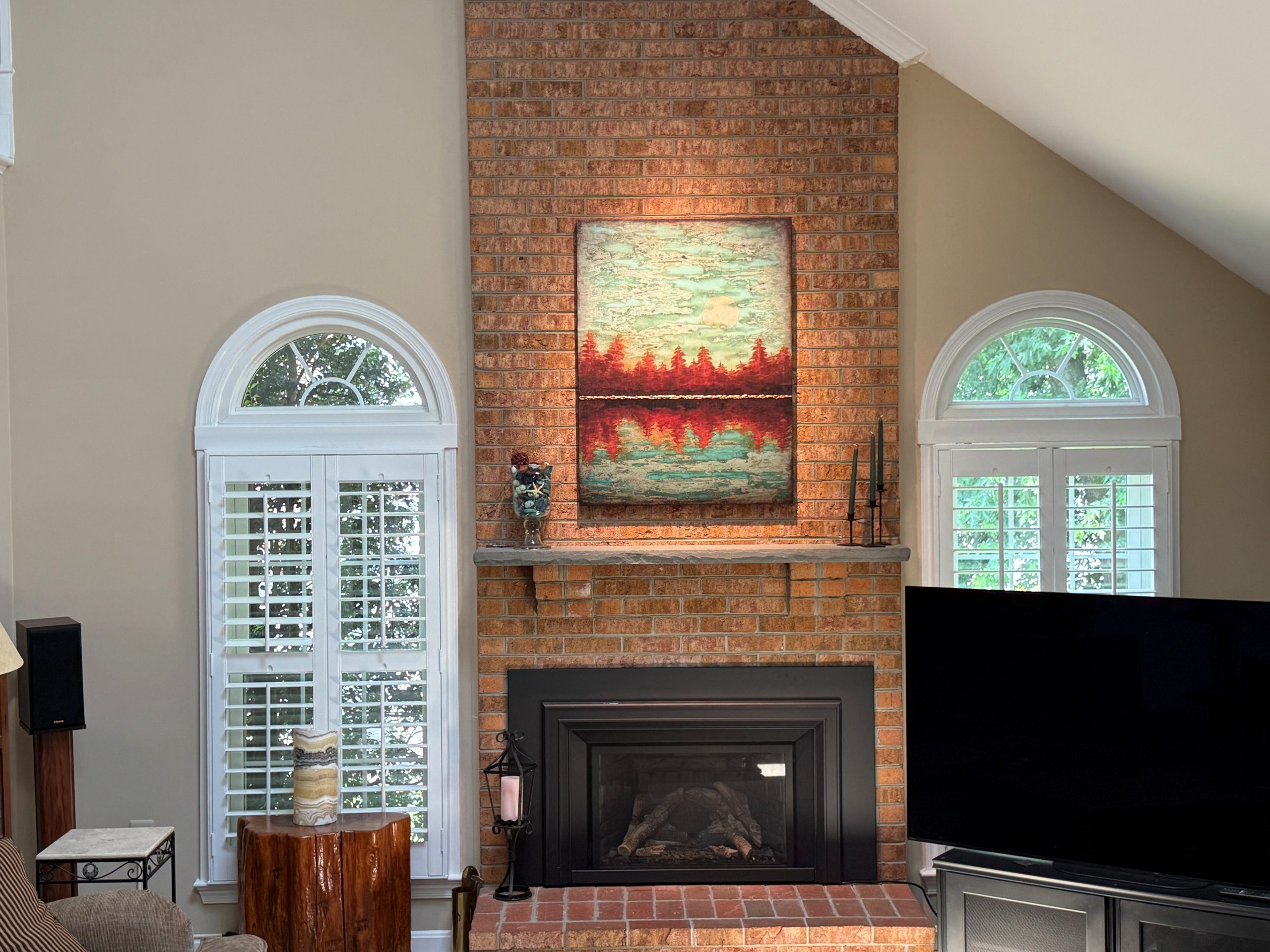
Collector space enhanced through subtle spotlight placement
Layered Lighting Approach
Effective display lighting combines:
-
Ambient lighting (general illumination)
-
Accent lighting (object focus)
-
Wall washing (contextual enhancement)
This layered method creates depth and visual sophistication.
Museum-Grade Spotlighting
For fine art and high-value displays, museum-grade spotlighting ensures controlled intensity and accurate color rendering.
Commonly Used In:
-
Art galleries
-
Auction houses
-
Private collections
-
Exhibition spaces
Minimalist Lighting for High-End Interiors
In luxury residential settings, display lighting fixtures are often discreet and architectural. The objective is to highlight artwork without visually dominating the space.
Professional Display Lighting Fixtures for Artwork and Objects

Precision art lighting system with narrow focused beam
When lighting valuable artwork or curated displays, generic solutions are rarely sufficient. Professional environments require fixtures designed specifically for precision and conservation-grade performance.
Specialist Precision Lighting Systems
Professional art lighting systems are engineered to deliver:
-
Ultra-accurate color rendering
-
Consistent beam quality
-
Low UV and heat output
-
Long-term reliability for sensitive displays
Solutions such as:
-
Zoom (precision art lighting)
-
Deluxe (museum-grade lighting)
-
Multi (flexible gallery lighting)
are commonly specified in high-end display environments because of their adaptability to different artwork sizes, layouts, and curatorial needs.
Jewelry Display Lighting Setup: Best Practices
Lighting Positioning
Angle jewelry lighting rather than placing it directly overhead to create controlled sparkle and dimensional highlights.
Light Temperature Selection
Neutral white lighting (3000K–3500K) enhances brilliance while maintaining natural color tones.
Micro Accent Lighting
Small, focused accent lights significantly improve gemstone and fine material presentation.
Trade Show and Exhibition Display Lighting

Adjustable beam fixture highlighting featured art display
Trade shows and exhibitions require adaptable lighting fixtures that can be quickly installed and repositioned.
Lighting Must:
-
Attract attention from a distance
-
Maintain clarity under bright ambient conditions
-
Highlight key display pieces effectively
Adjustable track systems and precision spotlighting are particularly valuable in exhibition contexts.
Common Mistakes in Display Lighting Design
Overlighting the Display
Excessive light can flatten textures and reduce visual depth, especially in paintings and sculptures.
Using Low-Quality Fixtures
Poor beam spread and inaccurate color rendering diminish presentation quality.
Ignoring Object Material
Canvas, metal, glass, and gemstones respond differently to light. Lighting must be tailored accordingly.
Display Lighting in Museums vs Residential Spaces
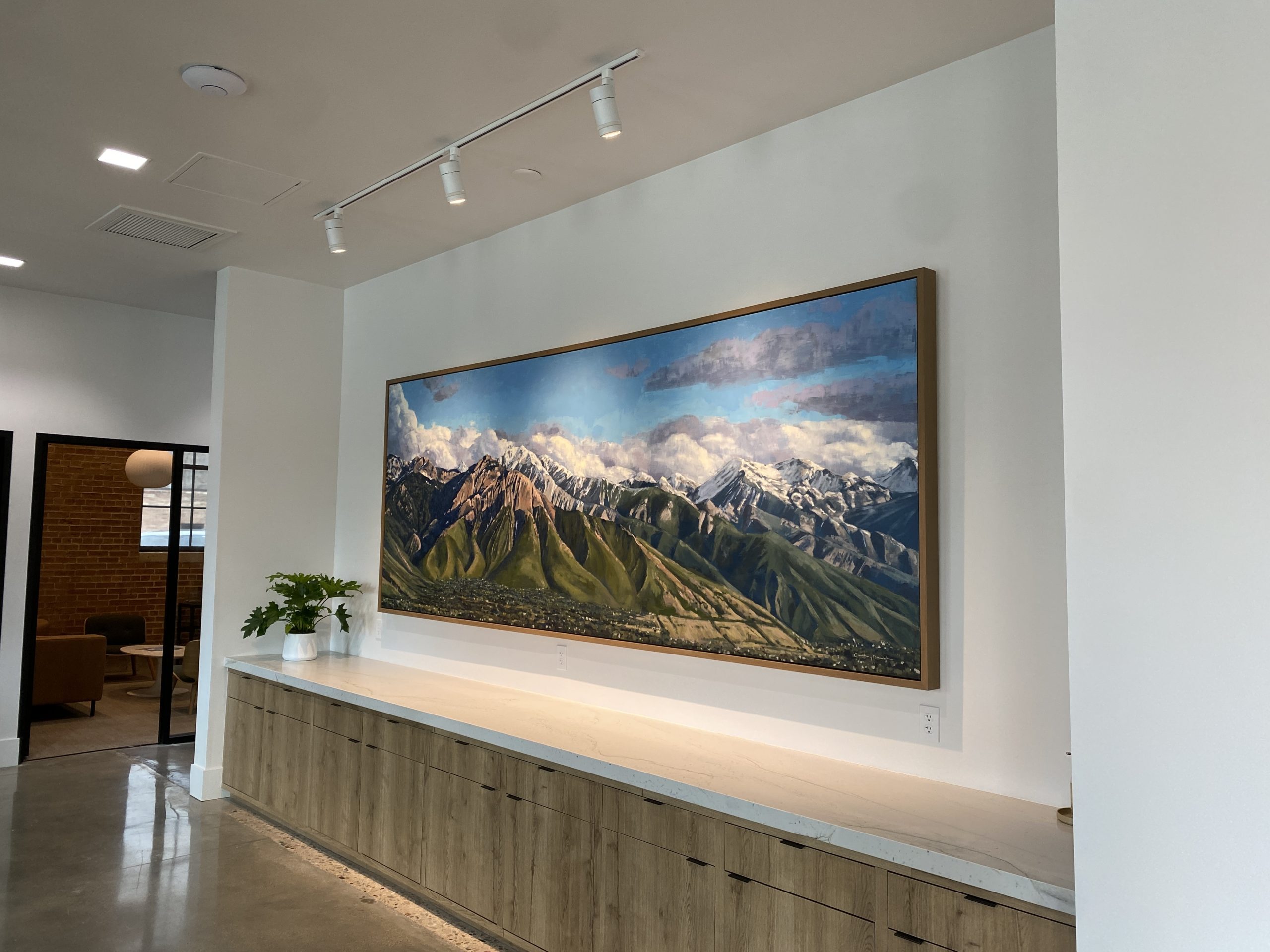
Residential art wall illuminated with architectural spotlight
Museums Prioritize:
-
Conservation-safe systems
-
Controlled lux levels
-
Accurate color fidelity
Residential Collectors Prioritize:
-
Aesthetic atmosphere
-
Architectural integration
-
High-quality illumination
Both benefit from:
-
High CRI lighting
-
Controlled beam angles
-
Low-glare optics
-
Specialist display fixtures
The Future of Display Lighting Fixtures

Smart dimming system integrated into gallery lighting
Modern display lighting continues evolving toward:
-
Ultra-precise optics
-
Smart dimming control
-
Custom beam shaping
-
Conservation-focused technologies
As awareness grows around how lighting affects perception and preservation, demand for specialist display lighting fixtures continues to rise.
Advanced Lighting Techniques for High-End Display Environments

Background illumination separating object from surrounding wall
Beam Layering for Visual Depth
Beam layering uses multiple controlled beams instead of a single light source.
This Method Involves:
-
A primary focused beam for object illumination
-
A softer secondary beam for ambient support
-
Background lighting to separate the object from surroundings
Especially effective for sculptures, textured paintings, and luxury displays.
Display Lighting for Different Object Materials

Directional lighting revealing sculpture contours and shadows
Paintings and Canvas Art
Require balanced, glare-free lighting with high CRI and narrow beam angles to reveal brushwork and tonal depth.
Sculptures and Three-Dimensional Objects
Benefit from angled lighting that creates dynamic shadows and highlights.
Glass and Reflective Surfaces
Require indirect lighting and anti-glare optics to prevent distracting reflections.
Display Cabinet Light Fixtures: Precision and Control

Even cabinet illumination supporting artifact preservation
Cabinet lighting must operate within confined spaces while maintaining uniformity.
Best Practices Include:
-
Integrated linear lighting
-
Micro spotlights for focal points
-
Hidden fixture placement
-
Low heat output
Critical in museum archives and luxury collector displays.
Psychological Impact of Professional Display Lighting

Dramatic spotlight increasing artwork visual prominence
High-quality display lighting influences emotional engagement and perceived value.
Psychological Effects Include:
-
Increased attention span
-
Stronger emotional connection
-
Enhanced perception of craftsmanship
-
Elevated prestige of the space
Lighting becomes an investment rather than a decorative upgrade.
Lighting Fixture Schedule and Planning
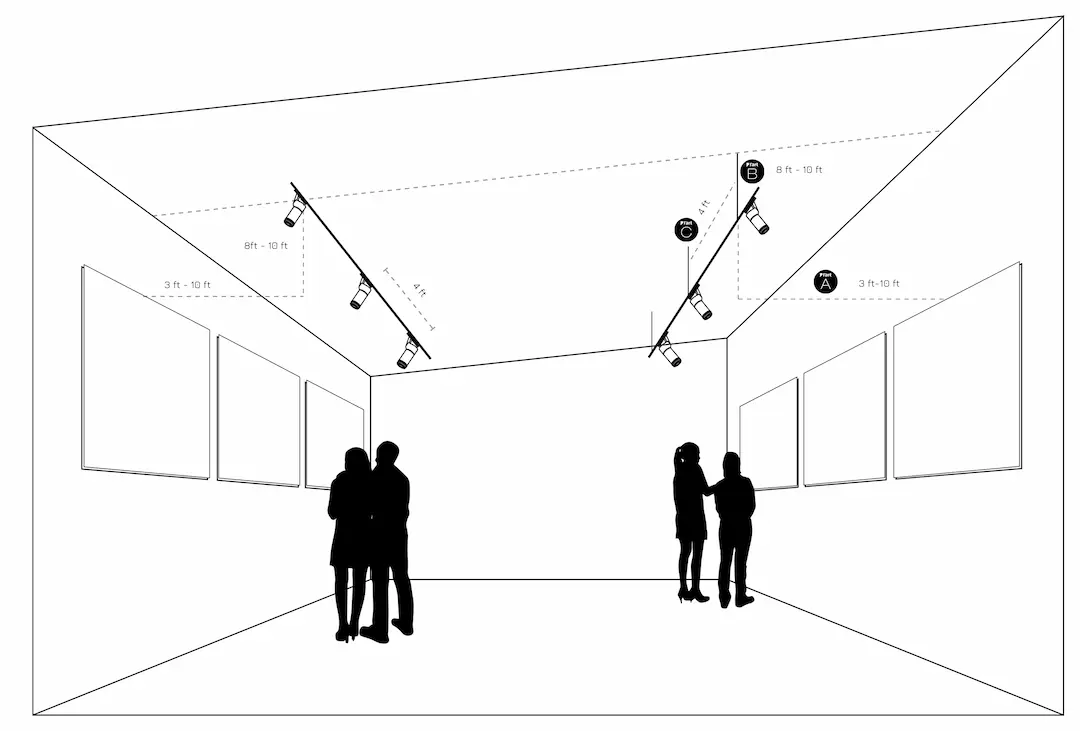
Technical lighting plan outlining fixture placement strategy
In professional projects, a lighting fixture schedule outlines:
-
Placement
-
Beam type
-
Wattage
-
Function
This ensures:
-
Consistency across zones
-
Proper lux control
-
Energy efficiency
-
Adaptability for future exhibitions
Energy Efficiency and Longevity

LED spotlight demonstrating low heat output performance
Modern LED display lighting offers:
-
Lower heat output
-
Reduced maintenance
-
Stable color performance
-
Greater dimming precision
For galleries and museums, efficiency supports both sustainability and cost management.
Integrating Display Lighting with Interior Architecture

Recessed track lighting integrated into ceiling design
Architectural integration includes:
-
Recessed tracks
-
Ceiling-mounted spotlights
-
Concealed cabinet lighting
Benefits:
-
Minimal visual clutter
-
Seamless design cohesion
-
Enhanced spatial elegance
-
Flexible object placement
Maintenance and Long-Term Performance

Cleaning recessed lighting fixture for clarity
Professional maintenance includes:
-
Beam angle adjustments
-
Fixture cleaning
-
Dimming calibration
-
Color consistency checks
Regular optimisation preserves curatorial standards over time.

The Role of Display Lighting in Brand and Space Identity

Refined lighting design reinforcing luxury gallery identity
Well-executed display lighting communicates:
-
Professionalism
-
Attention to detail
-
Curatorial sophistication
-
Exclusivity
Lighting reinforces the prestige of both the artwork and the environment.
Conclusion
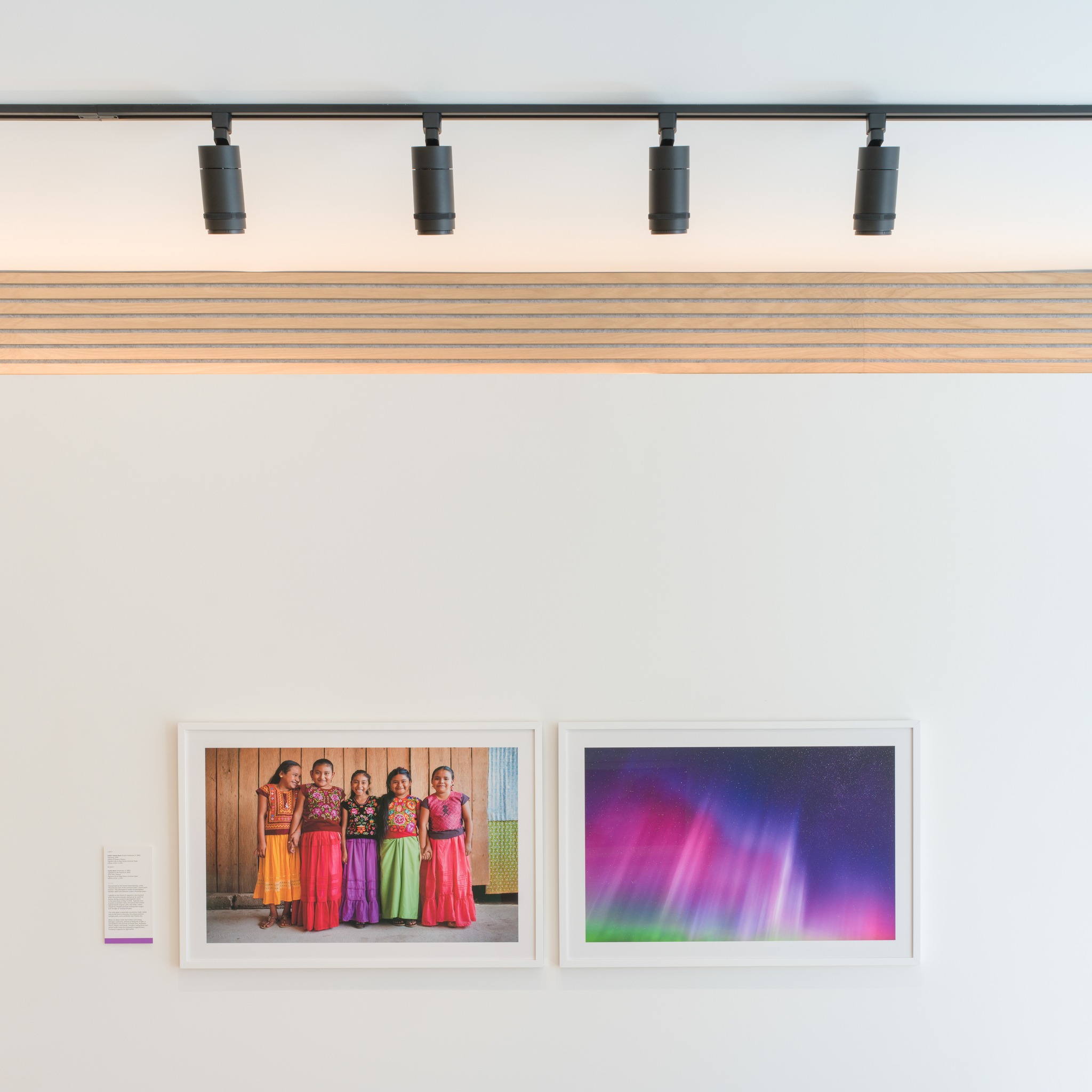
Professional lighting enhancing value and atmosphere in exhibition interior – I'art installation, 2024 © Banno Lighting
Display lighting fixtures are far more than functional tools. They are essential components in how artwork, jewelry, and curated objects are experienced and valued. From museums and galleries to luxury homes and retail spaces, precision lighting enhances clarity, emotional engagement, and presentation quality.
Investing in professional display lighting ensures that every object is illuminated with intention, accuracy, and respect for its artistic and material integrity.
FAQs
1. What are display lighting fixtures used for?
They highlight artwork, jewelry, and objects with focused, high-quality illumination.
2. What is the best lighting for jewelry displays?
High CRI, focused accent lighting with controlled glare.
3. How bright should display lighting be for artwork?
Balanced brightness that enhances visibility without glare or damage.
4. Why is CRI important in display lighting?
It ensures accurate color representation for art and luxury objects.
5. Are track lights good for display lighting?
Yes, they offer flexibility and precise beam control.
6. What color temperature is best for display lighting?
Neutral white lighting between 3000K and 4000K is typically ideal.
7. Can display cabinet lighting damage artwork?
Poor-quality lighting with heat or UV output can cause damage to sensitive materials.
8. What is museum-grade display lighting?
Lighting with high color accuracy, low heat output, and precise beam control designed for conservation standards.
9. How do you reduce glare in display lighting?
By using anti-glare optics, deep recessed lenses, and proper fixture positioning.
10. Is LED lighting suitable for display fixtures?
Yes, high-quality LED lighting is the modern standard for display applications.
11. How do galleries light paintings effectively?
By using narrow beam spotlights with high CRI and carefully controlled angles.
12. What is accent lighting in displays?
Focused illumination used to highlight specific objects within a space.
13. How do you light a display cabinet evenly?
With integrated micro spotlights and diffused lighting techniques to prevent hotspots.
14. Are display lighting fixtures different from regular lighting?
Yes, they are engineered for precision, color accuracy, and object-focused illumination.
15. What lighting is best for collectors’ homes?
Specialist art lighting with adjustable beam angles, high CRI, and low glare optics.
16. Can lighting increase the perceived value of artwork?
Yes, professional lighting significantly enhances visual perception and perceived value.
17. What beam angle is best for display lighting?
Narrow to medium beam angles are typically ideal for focused displays.
18. How do museums protect artwork with lighting?
By using controlled lux levels and conservation-safe lighting systems.
19. Is warm or cool lighting better for displays?
Neutral white lighting is generally preferred for accurate color rendering.
20. Why is professional display lighting important in galleries?
Because it ensures accurate presentation, enhances detail, and preserves artistic integrity.
What Our Clients Are Saying About Our Lighting Systems