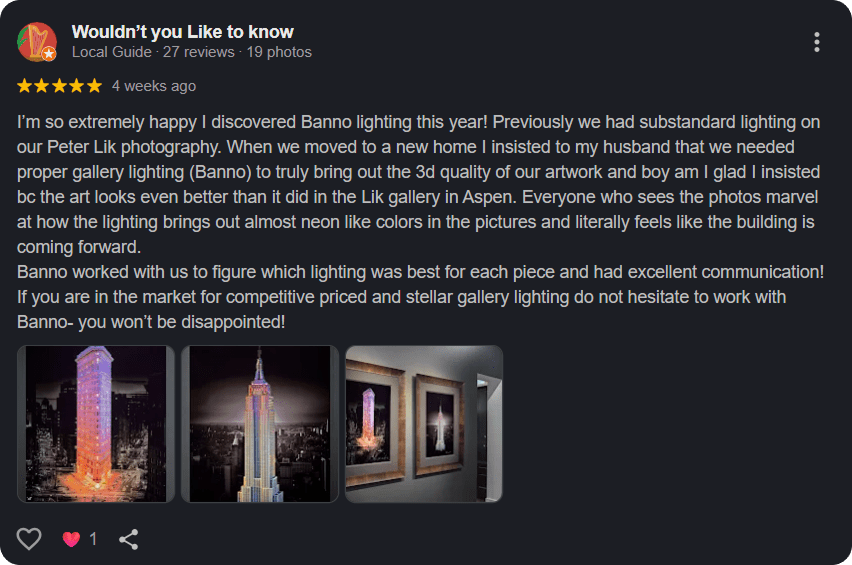
How Professional Lighting Shapes Experience, Perception, and Sales?
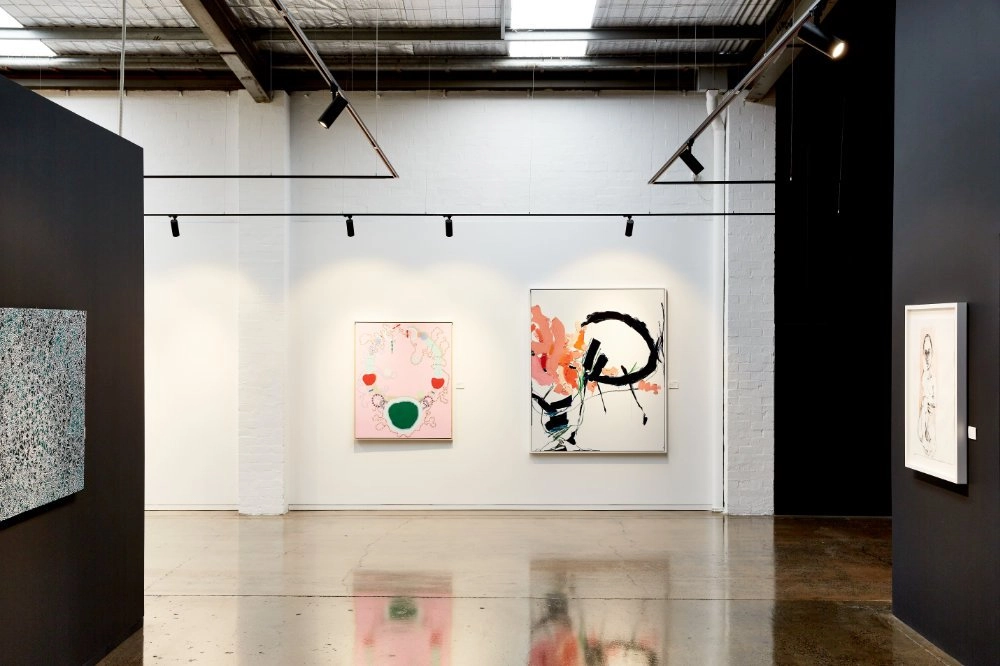
Gallery lighting for art is not about making a space bright. It is about making art feel right.
In a professional gallery, lighting is part of the exhibition itself. It shapes how visitors move, how long they stay, and how confidently they connect with the work. When lighting is done well, it disappears. The art feels present, intentional, and resolved. When lighting is done poorly, even strong artwork feels unsettled and incomplete.
This guide explains how gallery lighting for art should be approached, why generic lighting consistently fails galleries, and how professional systems built around track lighting, Zoom, Multi, and Deluxe solutions support long term success.
A gallery is an experience, not just a display

People do not visit galleries only to look at art. They visit to feel something.
Lighting directly influences:
• Emotional response
• Sense of calm or tension
• Focus and attention
• Movement through the space
• Memory of the visit
Good gallery lighting slows people down. It encourages pause and contemplation. It gives artworks space to breathe. Poor lighting rushes people through the space, even if they cannot explain why.
Lighting is the invisible framework that turns a room with art into a gallery experience.

4.9 stars from art collectors and galleries
How gallery lighting affects art sales?

Art buying is emotional, but it is supported by confidence.
Collectors need to trust what they are seeing. Lighting plays a critical role in that trust.
Professional gallery lighting:
• Reveals true colour and surface detail
• Avoids glare and distortion
• Creates a sense of value and care
• Signals professionalism and authority
When lighting is inconsistent or generic, doubt enters quietly. Buyers hesitate. Decisions slow. Sales suffer.
Many galleries discover that improving lighting leads to longer dwell time, fewer objections, and faster buying decisions.
Why generic lighting fails in galleries?

Most generic lighting is designed for retail, hospitality, or residential use. These environments have very different goals.
Generic lighting prioritises:
• Broad illumination
• Cost efficiency
• Visual impact
• One size fits all solutions
Gallery lighting for art requires:
• Precision
• Control
• Consistency
• Flexibility
This mismatch is why galleries using generic fittings often feel that something is missing, even when the art is strong.
Gallery lighting must start with a plan

One of the clearest signs of professional gallery lighting is the presence of a lighting plan.
A proper gallery lighting plan considers:
• Wall lengths and heights
• Ceiling height and structure
• Track placement and spacing
• Viewing distances
• Circulation paths
• Future exhibition changes
Without a plan, galleries rely on trial and error. Lights are moved constantly. Glare is fought repeatedly. Consistency is never achieved.
Lighting plans ensure that lighting works now and continues to work as exhibitions evolve.
Track lighting as the foundation of gallery lighting for art

Track lighting is the backbone of most professional galleries worldwide.
It allows:
• Fixtures to be repositioned easily
• Exhibitions to change without rewiring
• Clean, minimal ceilings
• Long term flexibility
However, track lighting for art is not the same as standard architectural track lighting.
Gallery track lighting versus generic track lighting

Generic track lighting is designed to serve many environments. Gallery track lighting is designed to serve art.
Gallery grade track lighting focuses on:
• Precision beam control
• Minimal glare
• High colour accuracy
• Consistency across fixtures
• Visual restraint
This difference is immediately visible in how artworks feel on the wall.
Beam control is central to gallery lighting
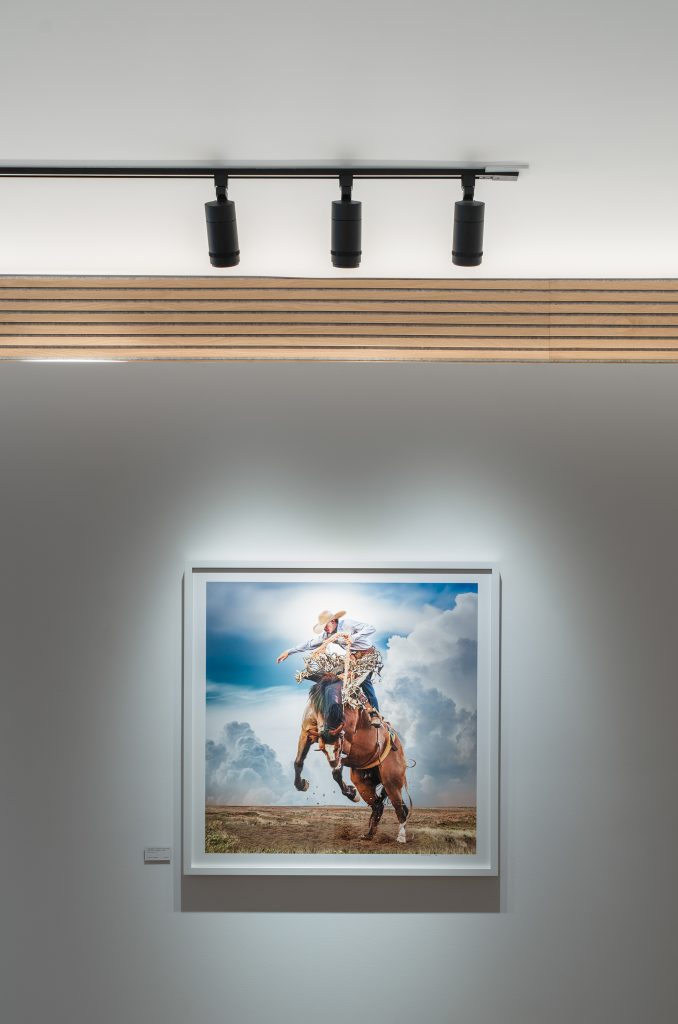
Gallery lighting is defined by control, not brightness.
Precision beam control:
• Frames artworks cleanly
• Reduces spill onto adjacent works
• Enhances texture and depth
• Creates visual clarity
Wide, uncontrolled beams flatten art and create visual noise. Controlled beams give artworks presence and dignity.
Zoom lighting for adaptable galleries
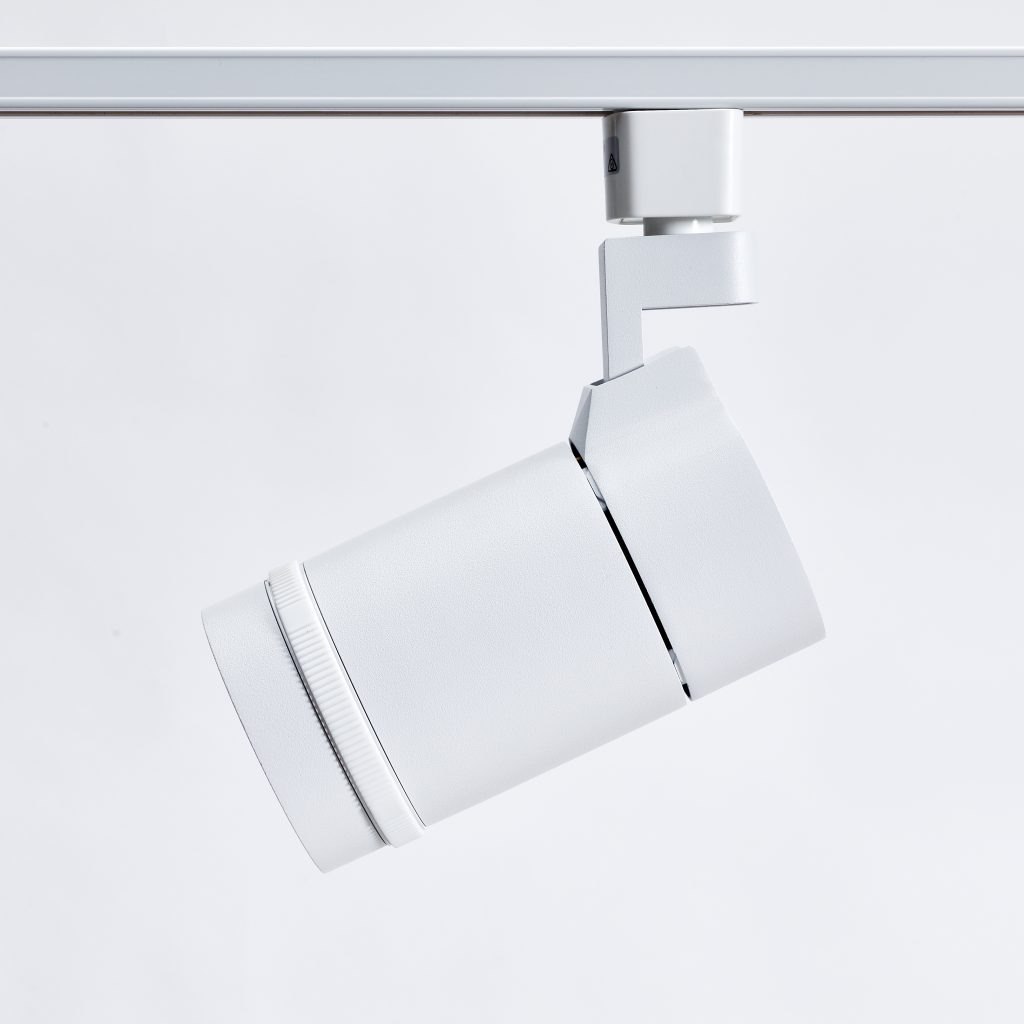
Zoom lighting systems are ideal for galleries that change exhibitions frequently or display artworks of varying sizes.
Zoom lighting allows:
• Adjustable beam angles from a single fixture
• Precise framing of different artworks
• Faster rehanging and setup
• Reduced need for multiple fixture types
This flexibility makes Zoom systems a common foundation in professional gallery lighting for art.
Multi lighting for layered and curated exhibitions

Multi lighting systems are used when exhibitions require nuance.
They are particularly effective when:
• Multiple mediums are displayed together
• Some works require emphasis
• Curatorial hierarchy matters
• The exhibition narrative is complex
Multi systems allow galleries to apply different lighting treatments while maintaining cohesion across the space.
Lighting becomes a curatorial tool rather than just infrastructure.
Deluxe lighting for high value and flagship galleries

Deluxe lighting systems are chosen when presentation quality must be unquestionable.
They are used in:
• Flagship galleries
• Museums
• Private collections
• Spaces showing high value works
Deluxe lighting focuses on:
• Exceptional beam quality
• Superior colour stability
• Minimal visual presence
• Long term consistency
In these environments, lighting should almost disappear while elevating the artwork completely.
Colour temperature in gallery lighting for art
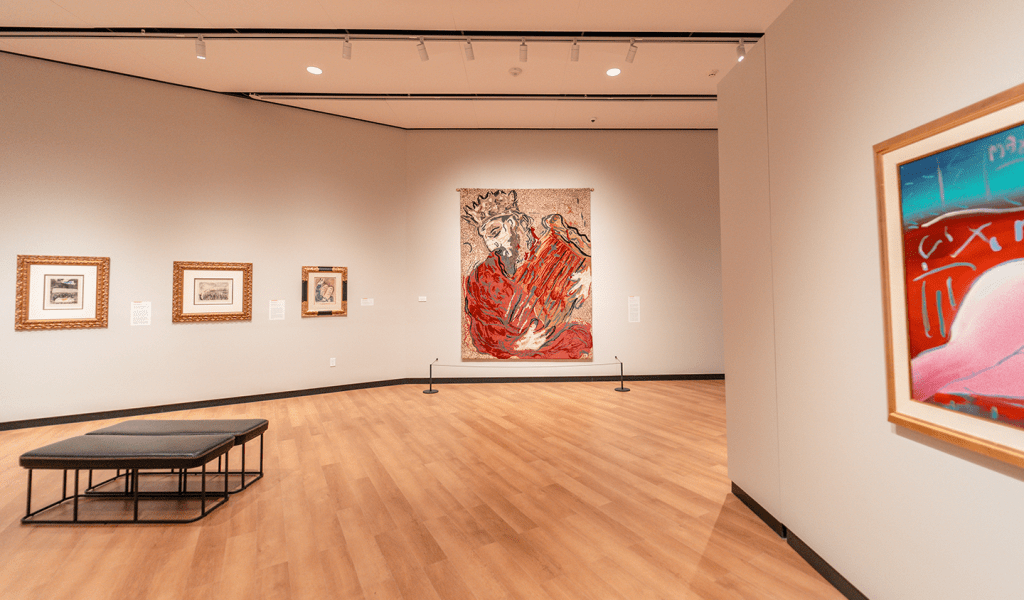
Most professional galleries use 3000K as their baseline colour temperature.
3000K:
• Feels warm yet neutral
• Supports a wide range of artworks
• Maintains buyer confidence
• Creates a calm viewing environment
Some galleries use 2700K selectively on master works where warmth enhances emotional presence. This must be done intentionally and usually with Multi control to avoid inconsistency.
Cooler temperatures are rarely used, as they feel clinical and flatten tonal nuance.
Glare control and viewer comfort
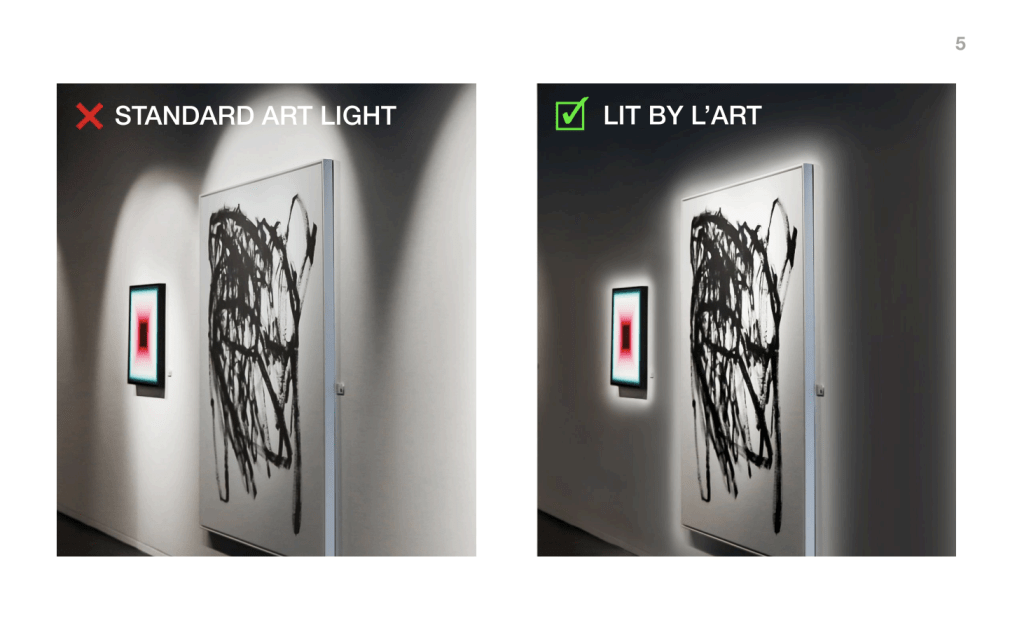
Glare breaks immersion instantly.
Professional gallery lighting addresses glare through:
• Precision optics
• Correct track placement
• Thoughtful aiming
• Consideration of viewing angles
When glare is controlled, visitors engage longer and more comfortably. This directly improves both experience and sales outcomes.
Consistency across walls and exhibitions
Gallery lighting must feel cohesive.
Consistency means:
• Fixtures match in colour and output
• Lighting feels balanced wall to wall
• Presentation remains stable over time
Inconsistent lighting undermines trust. Collectors notice when artworks look different under different lights.
Professional systems are designed to maintain consistency.
Thinking long term with gallery lighting

Gallery lighting for art should be designed once, properly.
A professional system allows:
• Years of exhibitions without replacement
• Flexible rehanging
• Reduced operational stress
• Long term cost efficiency
Short term fixes lead to long term compromise.
Why galleries need guidance, not just products?

Lighting decisions are complex. Galleries should not have to navigate them alone.
A specialist lighting partner provides:
• System level thinking
• Gallery specific lighting plans
• Product selection based on art, not trends
• Ongoing support as exhibitions change
At Banno Lighting, our role is to guide galleries so lighting becomes a strength rather than a constant concern.

Gallery lighting as a signal of credibility

Lighting communicates seriousness.
Artists notice how their work is presented.
Collectors notice consistency and care.
Institutions notice attention to detail.
Professional gallery lighting signals:
• Curatorial confidence
• Respect for artwork
• Authority and trust
Poor lighting quietly undermines reputation over time.
Final perspective on gallery lighting for art
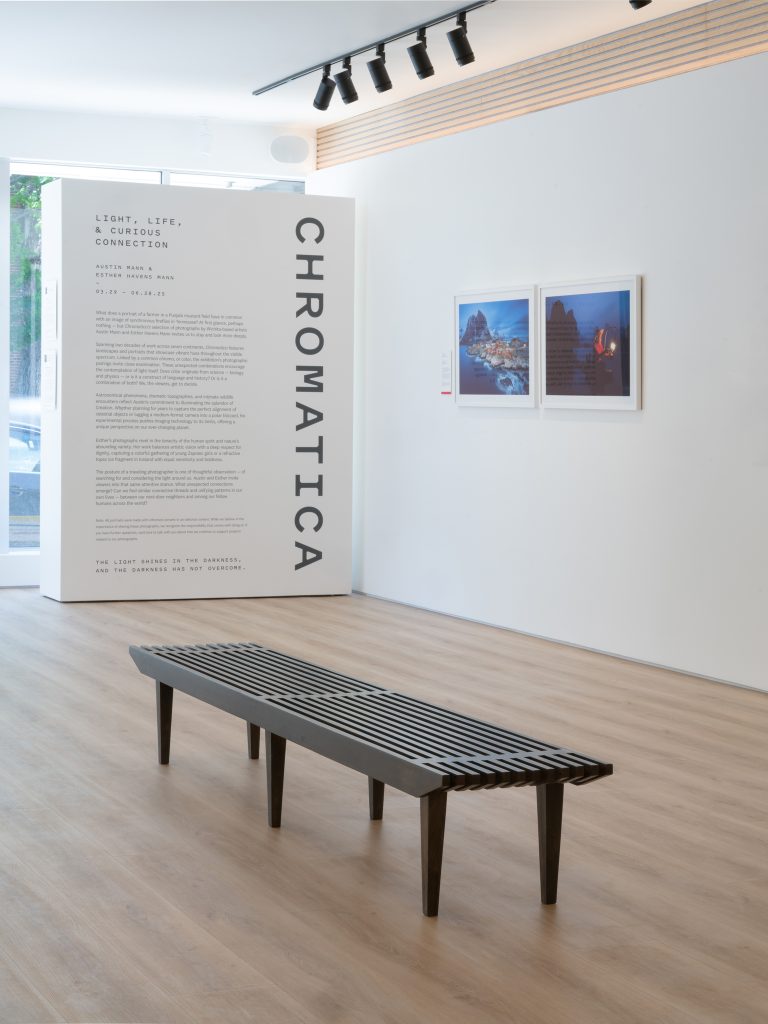
Gallery lighting for art is not optional. It is foundational.
When lighting is done properly:
• The art feels present
• The space feels intentional
• Visitors slow down
• Buyers feel confident
• The gallery’s reputation strengthens
This is the purpose of professional gallery lighting.
Why galleries choose Banno Lighting?
Galleries work with Banno Lighting because we understand lighting at a gallery level, not just a product level.
We provide:
• Expert guidance
• Professional lighting plans
• Track based gallery systems
• Zoom, Multi, and Deluxe solutions
• Long term support
If you want gallery lighting for art that enhances experience, supports sales, and adapts over time, professional systems and guidance are essential.
Work with proven art lighting specialists