A Professional Guide to Even Illumination, Accurate Colour, and Visual Impact

Lighting a large painting is one of the most challenging tasks in art lighting.
Large paintings demand more than simply “more light”. They require evenness, control, precision, and restraint. When lighting is wrong, large paintings show every flaw immediately: hotspots, falloff, glare, colour distortion, and imbalance. When lighting is done properly, large paintings feel immersive, powerful, and resolved.
This guide explains how to light a large painting correctly, why common approaches fail, and how professional lighting systems using track lighting, Zoom, Multi, and Deluxe solutions achieve gallery- and museum-level results.
Why large paintings are harder to light than small works

Large paintings amplify lighting problems.
Because of their size, they reveal:
• Uneven illumination from top to bottom
• Hotspots near fixtures
• Dark edges and corners
• Reflections on varnish or glazing
• Colour shifts across the surface
What might go unnoticed on a small painting becomes obvious on a large one.
Large paintings also invite closer inspection. Viewers move across the surface, not just toward and away from it. Lighting must remain consistent from multiple angles and distances.
Trusted by art collectors, galleries, and curators worldwide
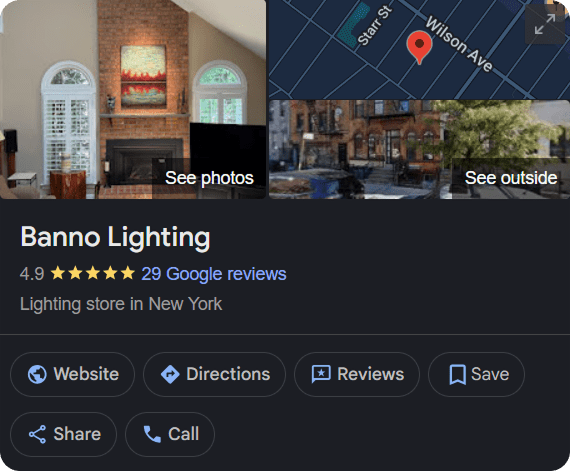
The goal when lighting a large painting

DCIM100MEDIADJI_0087.JPG
The objective is even, controlled illumination that allows the painting to dominate visually without drawing attention to the lighting itself.
Good lighting for a large painting:
• Feels calm and intentional
• Maintains consistent brightness across the surface
• Preserves colour accuracy
• Reveals texture without glare
• Supports long viewing without fatigue
If viewers notice the lighting before the painting, something is wrong.
Why common lighting methods fail on large paintings

DCIM100MEDIADJI_0084.JPG
Large paintings are often lit using:
• A single picture light
• One or two ceiling downlights
• Wide flood beams
These approaches almost always fail.
Common problems include:
• Bright hotspots near the top
• Dark lower sections
• Uneven colour perception
• Excessive glare on varnish or glass
• Lack of depth and contrast
Large paintings require multiple controlled light sources, not a single bright one.
Start with a lighting plan for large paintings

Professional lighting for large paintings always starts with a plan.
A proper lighting plan considers:
• Painting height and width
• Viewing distance
• Ceiling height
• Wall colour and reflectivity
• Frame depth and glazing
• Track placement and fixture spacing
Without a plan, lighting becomes guesswork. Fixtures are adjusted endlessly and still never feel resolved.
Large paintings magnify planning mistakes, so planning is non-negotiable.
Track lighting is the foundation for lighting large paintings

Track lighting is the most effective way to light large paintings.
It allows:
• Multiple fixtures to be positioned precisely
• Even distribution of light across width and height
• Fine adjustment of each beam
• Easy changes if the painting moves
This is why galleries and museums rely on track lighting for large-scale works.
Fixed fixtures lack the flexibility required for large paintings.
How many lights does a large painting need?

There is no universal number, but as a rule:
• Large paintings almost always need multiple fixtures
• The wider the painting, the more important even spacing becomes
Rather than one powerful light, it is better to use:
• Several lower-output fixtures
• Carefully aimed and balanced
• With overlapping beams
This creates smooth, even illumination without hotspots.
Beam control is critical when lighting large paintings

Beam control is the single most important factor.
Large paintings require:
• Controlled beams to avoid spill
• Clean edges to frame the artwork
• Overlap without doubling brightness
Wide flood beams wash out large paintings and reduce contrast. Tight beams placed incorrectly create stripes and hotspots.
Professional lighting balances beam width, overlap, and spacing.
Zoom lighting is ideal for large paintings

Zoom lighting systems are especially effective for large paintings.
Zoom allows:
• Adjustable beam angles
• Fine tuning coverage without changing fixtures
• Matching beam width to painting dimensions
• Balancing light from top to bottom
For large paintings, Zoom lighting allows installers to:
• Narrow beams to avoid spill
• Widen beams to cover height
• Adjust as needed during installation
This flexibility is invaluable for large-scale works.
Multi lighting for complex large paintings

Some large paintings require more nuance.
Multi lighting systems are used when:
• Different sections need different emphasis
• The painting has varied surface texture
• Certain areas are more reflective
• Curatorial hierarchy matters
Multi systems allow subtle control across the surface while maintaining cohesion.
This is especially useful for large mixed-media or heavily textured works.
Deluxe lighting for museum-level large paintings

Deluxe lighting systems are chosen for:
• Very large or high-value paintings
• Museums and institutions
• Flagship gallery installations
They provide:
• Exceptional beam quality
• CRI 97+ colour accuracy
• Ultra-stable dimming
• Visual restraint
In these installations, the lighting should disappear entirely.
Why LED lighting is essential for large paintings

LED lighting is now the standard for large paintings.
Professional LED lighting offers:
• Low heat output
• No UV or IR radiation
• Stable colour over time
• Excellent optical control
• Reliable dimming
Traditional lighting generates too much heat and lacks the control required for large surfaces.
CRI 97+ is non-negotiable for large paintings

Large paintings contain more colour information than small works.
Subtle shifts become more obvious at scale.
This is why CRI 97+ lighting is essential.
CRI 97+ ensures:
• Accurate colour across the entire surface
• No colour shift from top to bottom
• Faithful rendering of subtle tonal transitions
• Trustworthy presentation for buyers and curators
Lower CRI lighting causes colour inconsistency across large areas, which is immediately noticeable.
Why dimming matters even more for large paintings

Large paintings magnify lighting intensity issues.
Without dimming:
• Hotspots are unavoidable
• Glare increases
• Balance becomes impossible
Professional lighting for large paintings must allow smooth, precise dimming on each fixture.
This allows:
• Balancing multiple lights evenly
• Reducing glare on varnish or glazing
• Fine-tuning during installation
• Adjusting emphasis without re-aiming
Dimming must be flicker-free and stable at low levels.
Colour temperature for lighting large paintings

Most professionals use 3000K for large paintings.
3000K:
• Feels warm yet neutral
• Preserves colour accuracy
• Works across most painting styles
Some master works may use 2700K selectively when warmth enhances emotional presence. This must be done carefully and intentionally.
Cooler temperatures flatten large paintings and feel clinical.
Avoiding glare on large paintings

Glare is amplified on large paintings, especially when:
• The surface is varnished
• The painting is glazed
• Viewers move close
Glare is avoided by:
• Correct aiming angles
• Precision optics
• Proper track placement
• Controlled dimming
Lighting should illuminate the artwork, not the reflective surface.
Step-by-step approach to lighting a large painting

A professional approach looks like this:
- Measure the painting and wall
- Determine viewing distance
- Plan track placement
- Select appropriate beam angles
- Use multiple fixtures, not one
- Aim lights carefully
- Adjust dimming for balance
- Check from multiple viewing positions
Small adjustments make a large difference at scale.
Common mistakes when lighting large paintings

Avoid these mistakes:
- Using one powerful light
• Ignoring beam overlap
• Choosing wide flood beams
• Skipping dimming
• Using low CRI lighting
• Lighting the glass instead of the artwork
Large paintings are unforgiving. Mistakes are obvious.
Long-term thinking for large painting lighting

Large paintings are rarely temporary.
Professional lighting should:
• Adapt if the painting moves
• Maintain colour accuracy over years
• Require minimal maintenance
• Support future re-curation
A well-designed system lasts decades.
Frequently Asked Questions

How to light a large painting
How many lights do you need to light a large painting?
Most large paintings require multiple lights, evenly spaced, rather than one strong fixture. The exact number depends on size, height, and viewing distance.
Is track lighting best for large paintings?
Yes. Track lighting allows precise placement, even coverage, and flexibility if the painting moves or changes.
What beam angle works best for large paintings?
Adjustable or Zoom beam angles work best, allowing coverage to be tuned to the painting’s dimensions without spill.
Should large paintings be lit with LED?
Yes. Professional LED lighting provides low heat, no UV, excellent control, and stable colour, making it ideal for large paintings.
Why is CRI 97+ important for large paintings?
Large paintings make colour inconsistencies obvious. CRI 97+ ensures accurate colour across the entire surface.
Should lighting for large paintings be dimmable?
Yes. Dimming is essential to balance multiple fixtures, reduce glare, and fine-tune presentation.
What colour temperature should be used for large paintings?
Most professionals use 3000K. 2700K may be used selectively for specific works.
Final thoughts on lighting a large painting

Lighting a large painting is about restraint and precision.
When done properly:
• Illumination feels even and calm
• Colour and texture are revealed honestly
• Glare disappears
• Viewers engage longer
• The artwork commands the space
This is the difference between simply hanging a large painting and truly presenting it.
Why choose Banno Lighting
Banno Lighting specialises in professional lighting for large paintings.
We provide:
• Expert guidance
• Professional lighting plans
• Track lighting systems
• Zoom, Multi, and Deluxe solutions
• CRI 97+ colour accuracy
• Smooth, stable dimming
• Long-term support
If you want large paintings lit properly, professional systems and guidance are essential.
Hear from art collectors and clients who trust us