A Collector’s Guide To Bringing Historical Art To Life

Quick FAQs
What is the best lighting for Old Master paintings
High CRI LED lighting at 2700K with precise beam control and anti glare optics.
How do I avoid glare on varnished Old Master artworks
You need controlled beams, the correct angle and anti glare filters such as honeycomb lenses.
Old Master paintings are some of the most rewarding artworks to own. They carry history, soul, texture and a sense of timeless craft that modern pieces rarely achieve. Yet they are also the most challenging artworks to light. Every varnish layer, every crack, every glaze and every brushstroke behaves differently under light. When Old Masters are displayed at Sotheby’s or the Rijksmuseum, the lighting has been tuned with surgical precision. At home this level of control is rarely present.
Collectors often notice the difference immediately. An Old Master that looked breathtaking in the auction room can look flat, harsh or full of glare in a residential setting. The good news is that you can achieve museum grade lighting at home when you use the correct tools and the correct approach. This guide explains exactly how to light Old Master paintings properly and why the l’art Multi is the ideal system for this type of artwork.
Why Old Master Paintings Are Hard To Light In Homes

Old Masters were painted long before electric lighting existed. They were viewed under candlelight or daylight, which means modern LEDs must be selected carefully to preserve the artist’s intention. Homes also create new challenges:
Windows create high angle reflections.
Downlights cast hard shadows.
Warm domestic bulbs distort pigment.
Varnish reflects like glass.
Ceiling heights vary.
Furniture and glossy floors bounce light.
Museums can engineer perfect conditions. A home cannot.
That is why your lighting needs more flexibility than a fixed ceiling downlight or standard track head can offer.

4.9-star rated by art collectors and gallery professionals
Why 2700K Is The Ideal Colour Temperature For Old Masters

Most people assume museum lighting is the goal. Museums typically use around 3000K for general display because it appears neutral under gallery conditions. But in homes, the atmosphere is different. Walls are warmer. Floors are darker. Natural light levels fluctuate. In this environment Old Masters almost always look richer, deeper and more authentic under 2700K high CRI light.
2700K restores the warm glow that would have existed in the period the artwork was created. It enhances glazes and shadows without bleaching the subtleties. It reduces visual harshness on varnished surfaces. It simply feels more honest to the painting.
The l’art Multi is specifically designed with a true 2700K option because historical artworks deserve historical warmth, not clinical neutrality.
Why The l’art Multi Is Built For Old Master Paintings
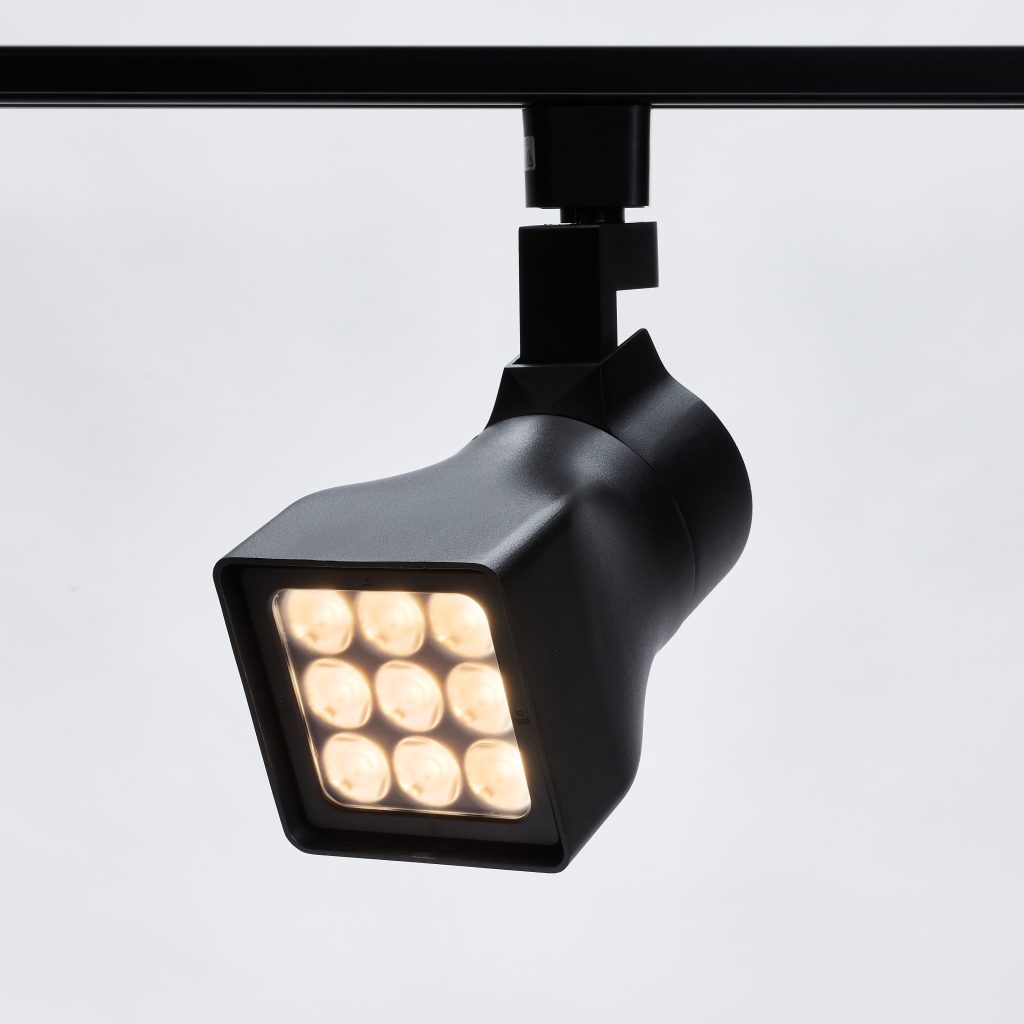
Old Masters require more than brightness. They require control. Control over glare, control over beam shape, control over intensity and control over reflections. The l’art Multi provides all of this through three main features.
Anti Glare System

Old Masters often have glossy varnish. The nine lens array minimises frontal glare and softens the light output so the beam illuminates the artwork without bouncing back into the viewer’s eyes.
Individual Dimming Per Light

Not all Old Masters are equal. Some absorb light deeply. Some reflect strongly. Some have heavy textures that catch highlights. Being able to dim each fitting allows you to tune each painting perfectly.
Honeycomb Filters
These reduce specular reflection and create a softer beam edge. For varnished paintings, this is essential. It gives you the ability to control reflections far better than any standard track head.
Lens Kits and Beam Options

Old Masters vary in size and framing. You need different beam shapes to match them.
Spot
Narrow
Wide
Square
Wallwash
These allow you to shape the light to the artwork without flooding the wall or lighting the frame unevenly.
This is exactly why the l’art Multi is the system we recommend for serious collectors.
Understanding Varnish, Glare And Reflectivity

Varnish behaves like a mirror. It reflects the light source directly back at the viewer if the angle is wrong. In museums, this is managed with carefully calculated mounting distances and controlled beam shaping.
In a home the challenges are multiplied.
More windows.
More downlights.
More varying ceiling heights.
More reflection surfaces.
To avoid glare you must control three things.
The angle
Ideally between 30 and 35 degrees.
The distance
Around one metre to one point three metres from the artwork.
The beam
Narrow and sculpted, not wide and uncontrolled.
The l’art Multi allows you to achieve all of this because the optics are designed for refined glare control.
Beam Control. The Secret To Making Old Masters Glow

A standard track light is simply too broad for Old Master works. It floods the wall, creates hotspots and destroys depth. Old Masters come alive when the beam is shaped to the artwork and when the edges of the beam feather off gently.
Beam control allows you to reveal the painting without overlighting it. The Multi’s interchangeable lenses make it easy to select the exact spread needed for each painting. Whether you want a soft wallwash for a large canvas or a tight spot for a small portrait, you can tune the beam shape to the artwork’s proportions.
This is exactly how museums make paintings appear to glow from within.
Lighting Texture, Impasto And Craquelure Correctly
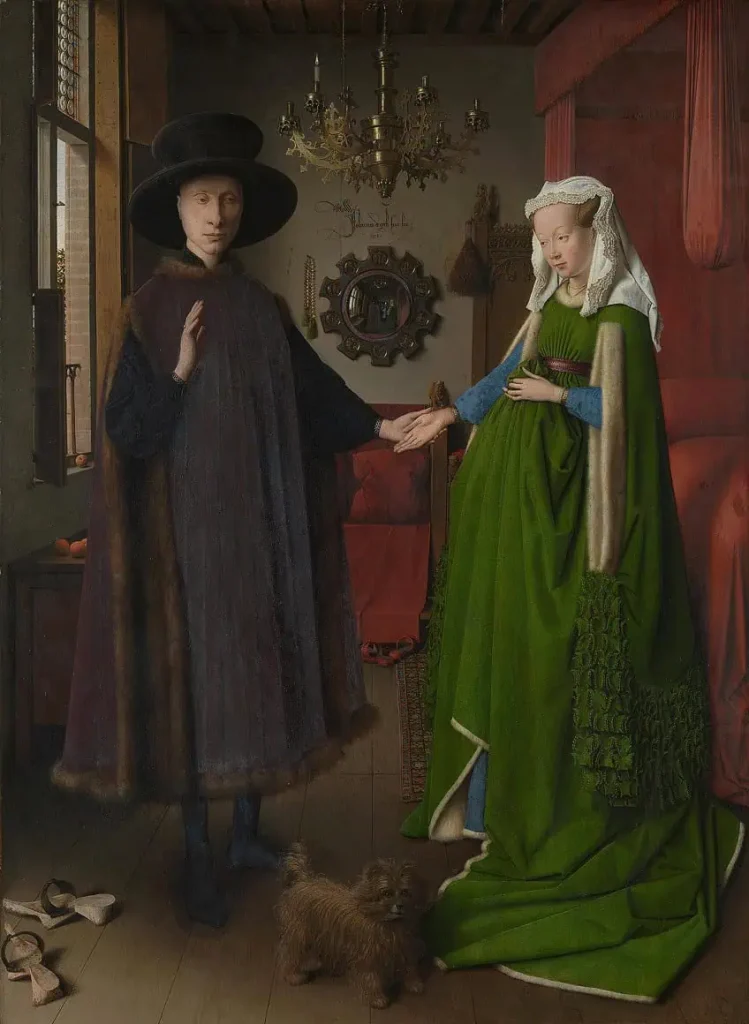
Old Master paintings can have:
Thick impasto
Delicate glazing
Visible craquelure
Uneven surfaces
Hundreds of years of restoration history
Too much raking light will exaggerate texture and make the painting look damaged. Too little light makes it look flat. The correct approach is to balance beam intensity with angle so the texture is revealed softly without harsh distortion.
This is where individual dimming is powerful. You can lower intensity on heavily textured sections and increase intensity on smoother works. With the Multi, this level of precision is simple.
Placement And Distance For Lighting Old Masters At Home
The general rule:
Position the light one metre to one point three metres in front of the artwork.
Aim at a thirty to thirty five degree angle.
Shape the beam so it fits the artwork cleanly.
Feather the beam off the frame so it does not hotspot.
In homes with lower ceilings you may need a slightly tighter angle. In homes with high ceilings you may need a slightly wider angle or a longer throw. This is exactly why beam flexibility is essential and why static lights rarely perform well on Old Masters.
Creating A Museum Grade Display In A Private Home

Museum grade lighting at home is no longer difficult. It simply requires using the right product with the right settings. When lighting Old Masters in a home you want to achieve three things.
Warmth
Control
Depth
Warmth comes from 2700K.
Control comes from the Multi’s lenses, filters and dimming.
Depth comes from precise beam shaping that reveals texture gently.
When these elements come together the artwork looks as powerful as it did in the auction room.

Common Mistakes Homeowners Make When Lighting Old Masters

These are the errors that ruin masterpieces.
Using general ceiling downlights
Using warm domestic bulbs that distort pigment
Using wide beam track lights
Lighting from straight overhead
Using lights without dimming
Lighting only from one direction
Not controlling glare or reflections
Using 4000K or cool white LEDs
These mistakes can turn a masterpiece into a dull canvas. Correct lighting restores its true presence.
FAQs

What is the best lighting for Old Master paintings
High CRI 2700K LED lighting with beam control and anti glare optics.
Is 2700K or 3000K better for Old Masters
2700K is usually best in homes because it matches historical viewing conditions and enhances glazes.
How do I avoid glare on varnished paintings
Use a thirty to thirty five degree angle, a narrow controlled beam and a honeycomb filter.
Is LED safe for historical paintings
Yes. High quality LED with low UV and low IR output is conservation safe.
What beam angle is best for Old Masters
A narrow or controlled beam that fits the artwork without spilling onto the wall.
Should art lights be dimmable
Yes. Old Masters vary in reflectivity and benefit from individual tuning.
How far should the light be from the artwork
Around one to one point three metres depending on ceiling height.
Why does my Old Master look flat at home
Incorrect colour temperature, wide beams or overhead downlights often flatten depth and texture.

What art collectors and gallery clients say about us