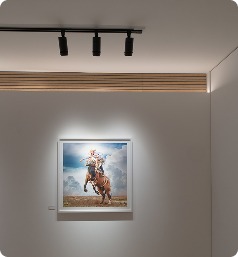
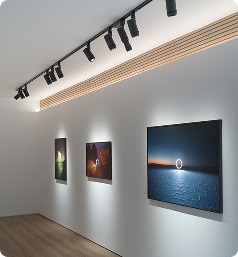
Introduction: Why LED Lighting for an Art Studio Is Critical

Even overhead illumination supporting detailed canvas work
LED lighting for an art studio is one of the most important decisions an artist can make. Lighting directly impacts color accuracy, visual clarity, productivity, and how artwork is perceived during creation and review.
Whether you are a painter, illustrator, sculptor, or digital artist, poor lighting can distort colors, create shadows on your canvas, and cause eye strain during long working sessions. Inconsistent natural light is also unreliable, especially in indoor studios or locations with limited daylight.
This is why modern artists and professional studios are transitioning to high-quality LED studio lighting systems that provide consistent, daylight-balanced illumination all day.
What is the Best LED Lighting for an Art Studio?

Deluxe, Multi and Zoom lighting fixtures
The best LED lighting for an art studio should replicate natural daylight while maintaining high color accuracy and even light distribution.
Key characteristics of the best LED lights for artists:
- High CRI (90 to 97+)
- Daylight color temperature (5000K to 5500K)
- Flicker-free performance
- Even, shadow-free illumination
- Adjustable brightness (dimmable)
- Consistent color output across the workspace
Artists rely on accurate lighting because artwork created under poor lighting conditions may look completely different in galleries, homes, or exhibitions.

4.9-star rated by art collectors and gallery professionals
Understanding Artist Studio Lighting Requirements

High CRI lighting enhancing true pigment saturation
Color Accuracy Comes First
For any art studio, color accuracy is more important than brightness alone. This is measured by CRI, or Color Rendering Index.
Recommended CRI levels for art studios:
- Minimum: CRI 90
- Professional level: CRI 95+
- Museum and gallery standard: CRI 97+
Low CRI lighting makes colors appear dull, inaccurate, or slightly shifted, which can affect painting, color mixing, and fine detailing.
Best Color Temperature for Art Studio Lighting
The ideal color temperature for an artist’s studio is typically:
5000K to 5500K (daylight white)
This range closely mimics natural midday sunlight and allows artists to see true colors without warm yellow distortion or cool blue tint.
Color temperature comparison:
- 2700K to 3000K: Too warm, yellow tone
- 4000K: Neutral but slightly soft
- 5000K to 5500K: Ideal daylight for artists
- 6500K: Too cool and harsh for long sessions
Daylight LED lighting is widely considered the best lighting for painting studios and fine art workspaces.
How Many Lumens for an Art Studio?
Lumens determine the total brightness of your studio lighting setup. The required lumens depend on studio size, ceiling height, and the type of artwork being created.
General lumen recommendations:
- Small art studio: 3000 to 5000 lumens
- Medium studio: 5000 to 8000 lumens
- Large professional studio: 8000 to 15,000+ lumens
Artists working on detailed paintings or miniature work often require higher lumens to reduce eye strain and improve precision.
It is better to have brighter lighting with dimming control than insufficient lighting.
LED Track Lighting for Art Studios (Professional Choice)
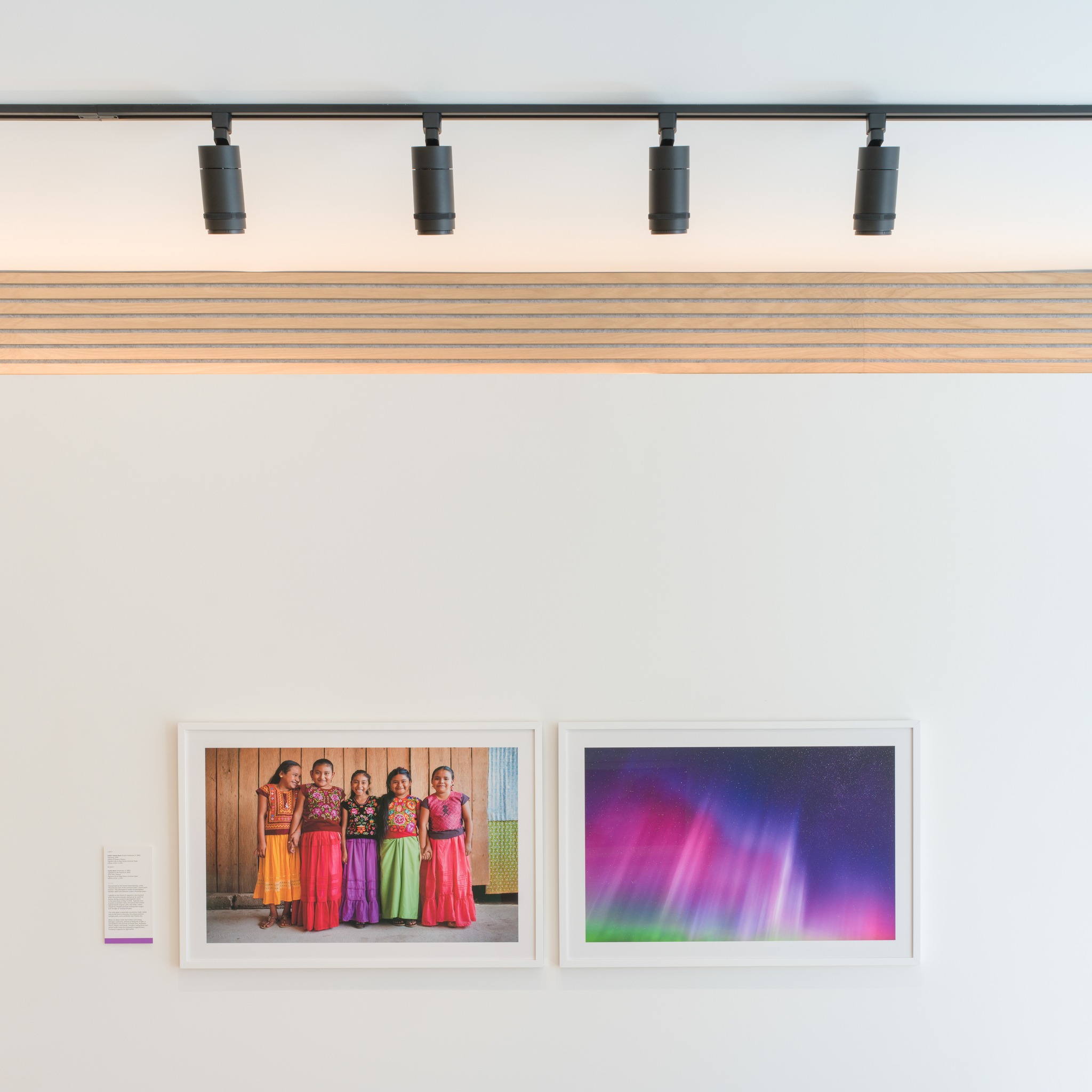
Adjustable track heads targeting canvas at angle
LED track lighting is one of the most effective lighting solutions for art studios because of its flexibility and precision.
Benefits of LED track lighting for art studios:
- Adjustable direction for canvas lighting
- Even wall illumination
- Flexible positioning for changing artwork
- Professional studio and gallery-grade appearance
- Reduced shadow formation
Track lighting is especially useful for:
- Painters working on large canvases
- Mixed-use studio and gallery spaces
- Photography and portfolio documentation
- Artwork display and review walls
Many professional artist studios now use track lighting systems instead of fixed ceiling lights for greater control over light angles.
Best LED Lights for Painting Studios

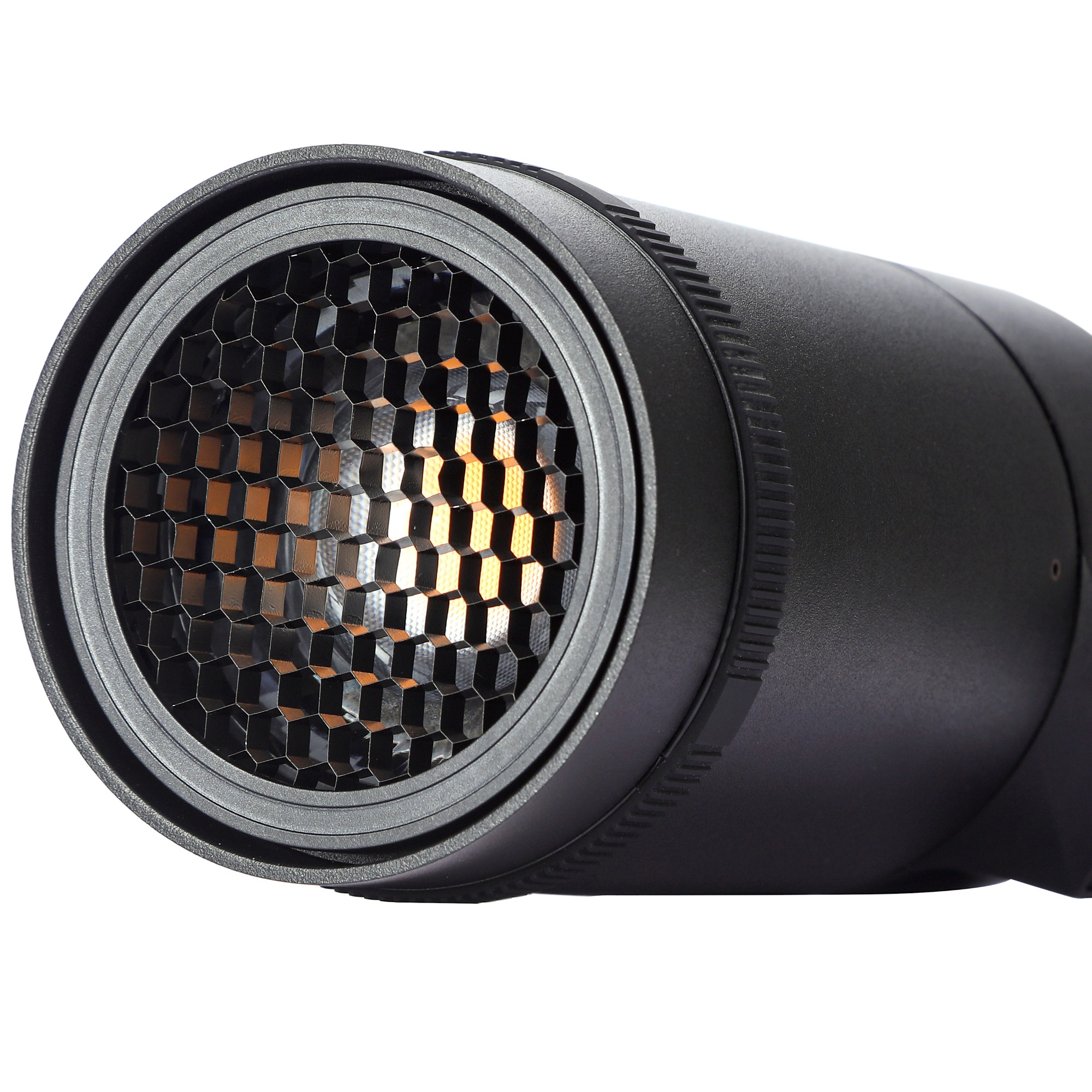
Adjustable white track light head with precision optic
Different types of LED lighting serve different functions in an art studio environment.
1. LED Panel Lights
Provide soft, diffused, shadow-free illumination across the entire workspace. Ideal for large studios and shared creative spaces.
2. LED Track Lights
Perfect for focused lighting on canvases, easels, and artwork walls. Highly recommended for professional artists.
3. Linear LED Lighting
Used for overhead studio grids to create consistent ambient lighting without dark spots.
4. Adjustable Spotlights
Best for highlighting specific artworks and reviewing fine details.
A combination of these lighting types creates the most effective studio lighting system.
Lighting Design for Art Studios (Layered Approach)
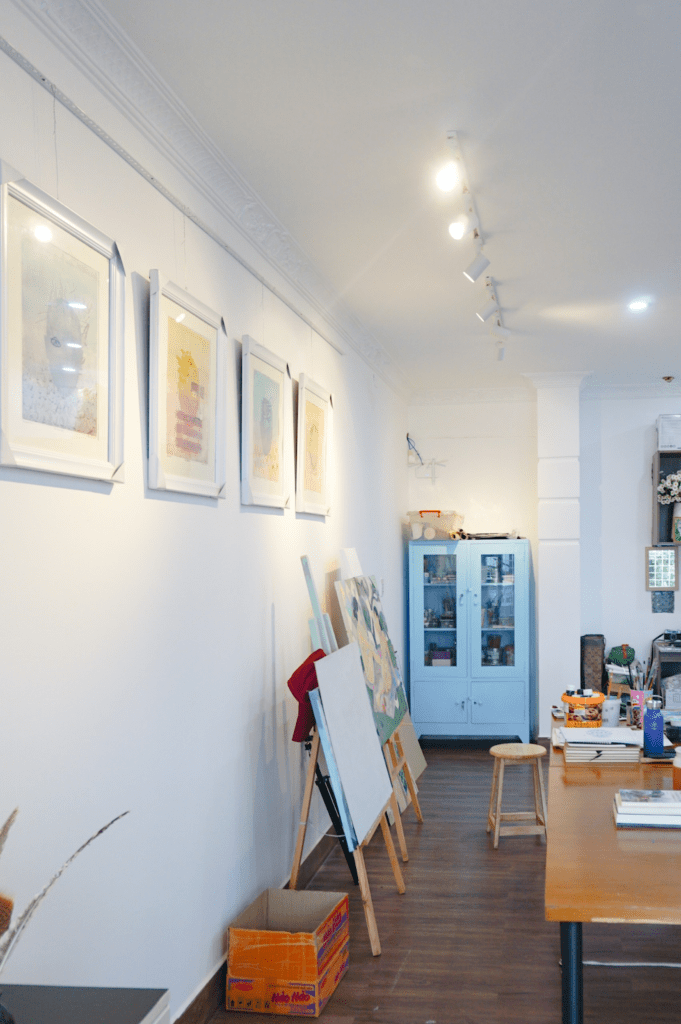
Layered lighting plan combining ambient and task fixtures
Professional art studio lighting design follows a layered structure rather than relying on a single light source.
Ambient Lighting
This is the main overhead lighting that provides overall brightness in the studio. Typically achieved using LED panels or linear LED systems.
Task Lighting
Focused lighting aimed at work surfaces, easels, and detail areas where precision is required.
Accent Lighting
Optional lighting used to illuminate finished artwork, portfolio displays, or gallery-style walls within the studio.
Layered lighting ensures uniform illumination while eliminating harsh shadows and glare.
Natural Light vs LED Lighting in Art Studios
Natural light is often preferred by artists because of its perfect color rendering. However, it is inconsistent and changes throughout the day depending on weather and time.
Limitations of natural light:
- Inconsistent brightness
- Changing color temperature
- Shadows from window direction
- Limited availability in indoor studios
LED lighting provides a controlled alternative that maintains consistent daylight conditions regardless of time or location.
Many professional studios combine natural daylight with high-quality LED lighting for optimal results.
Best Lighting Ideas for Art Studios

Canvas lit from dual angles reducing glare
Painter’s Studio Setup
- Overhead daylight LED panels
- Track lighting aimed at the canvas
- Side lighting at a 45-degree angle to reduce glare
Digital Artist Studio Setup
- Soft diffused LED lighting
- Bias lighting behind screens
- Neutral white ambient lighting to reduce eye strain
Professional Fine Art Studio Setup
- High CRI track lighting system
- Even overhead daylight lighting
- Dedicated artwork inspection lighting
These setups ensure balanced illumination for different types of creative work.
Artist Studio Lighting UK: Special Considerations
Artists in the UK often rely more heavily on artificial lighting due to limited and inconsistent natural daylight.
Key considerations for UK art studios:
- Daylight-balanced LED lighting is essential
- Higher lumen output is recommended for darker seasons
- Energy-efficient LED systems reduce long-term operating costs
- Consistent lighting improves year-round productivity
LED lighting is particularly beneficial in UK studios where natural light cannot be relied upon consistently.
Common Mistakes When Choosing LED Lights for an Art Studio
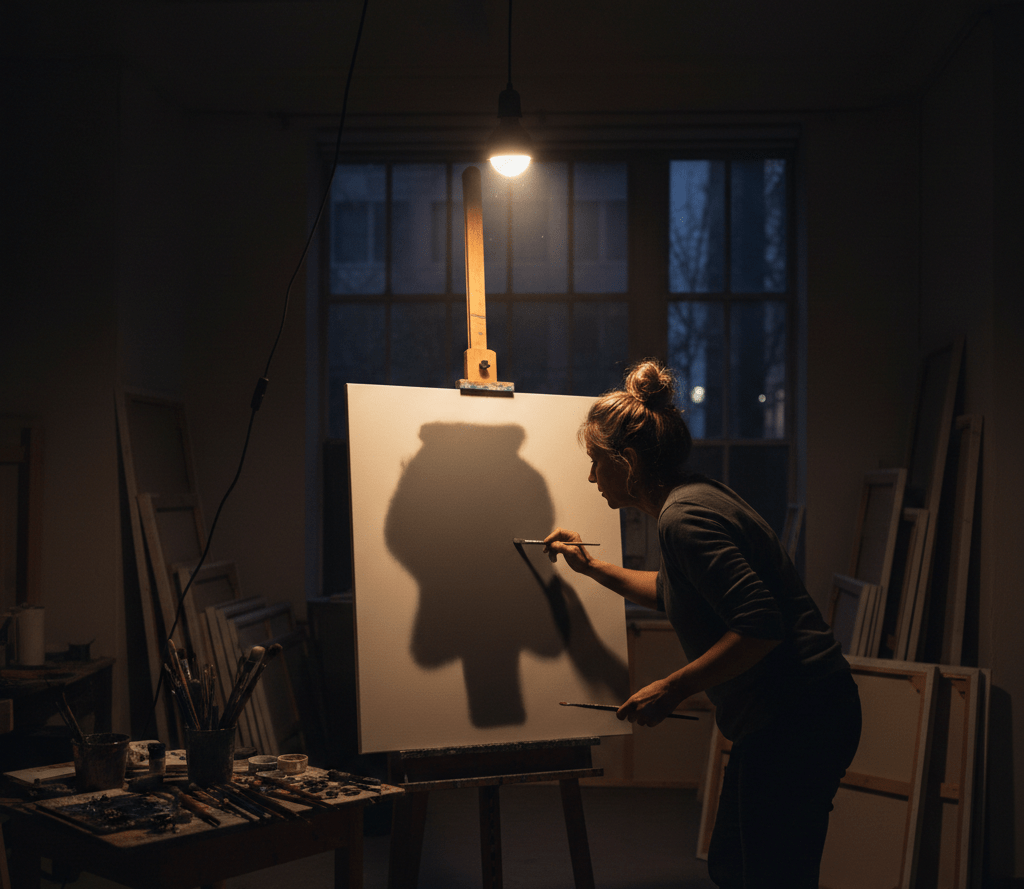
Single ceiling light casting unwanted shadows
Using Warm Household Bulbs
Warm lighting distorts colors and creates a yellow cast on artwork.
Choosing Low CRI Lighting
Cheap LEDs with low CRI reduce color accuracy and visual clarity.
Poor Light Placement
Single overhead lights create shadows across the canvas and workspace.
Mixing Different Color Temperatures
Combining warm and cool lights causes inconsistent color perception.
Avoiding these mistakes significantly improves studio lighting quality and artistic results.
LED Lighting for Professional Art Studios and Creative Spaces

Adjustable beam fixtures illuminating multiple canvases
Professional studios, galleries, and creative workspaces typically use high-performance LED lighting systems designed for precision.
Features of professional studio lighting:
- Flicker-free drivers for long working sessions
- High CRI for accurate color representation
- Adjustable beam angles
- Dimmable brightness control
- Uniform light distribution
This level of lighting is especially important for artists preparing work for exhibitions, galleries, or commercial commissions.
What is the Best Light for an Artist’s Studio?
Dimmable track lighting adapting to workflow
The best light for an artist’s studio is high-CRI, daylight-balanced LED lighting with even distribution and adjustable intensity.
Ideal specifications:
- CRI: 95+
- Color temperature: 5000K to 5500K
- Brightness: 5000+ lumens depending on studio size
- Lighting type: Track lighting combined with diffused ambient lighting
This combination ensures accurate color perception, reduced eye strain, and professional working conditions.
Future Trends in LED Art Studio Lighting
Art studio lighting is evolving toward more advanced LED systems that offer greater flexibility and precision.
Emerging trends include:
- Smart dimmable LED studio systems
- Modular track lighting layouts
- Gallery-grade lighting in private studios
- Color-tunable LED fixtures
- Energy-efficient high-output lighting systems
As artists increasingly work across physical and digital mediums, consistent studio lighting is becoming a standard requirement rather than a luxury.
Conclusion: Choosing the Best LED Lighting for Your Art Studio
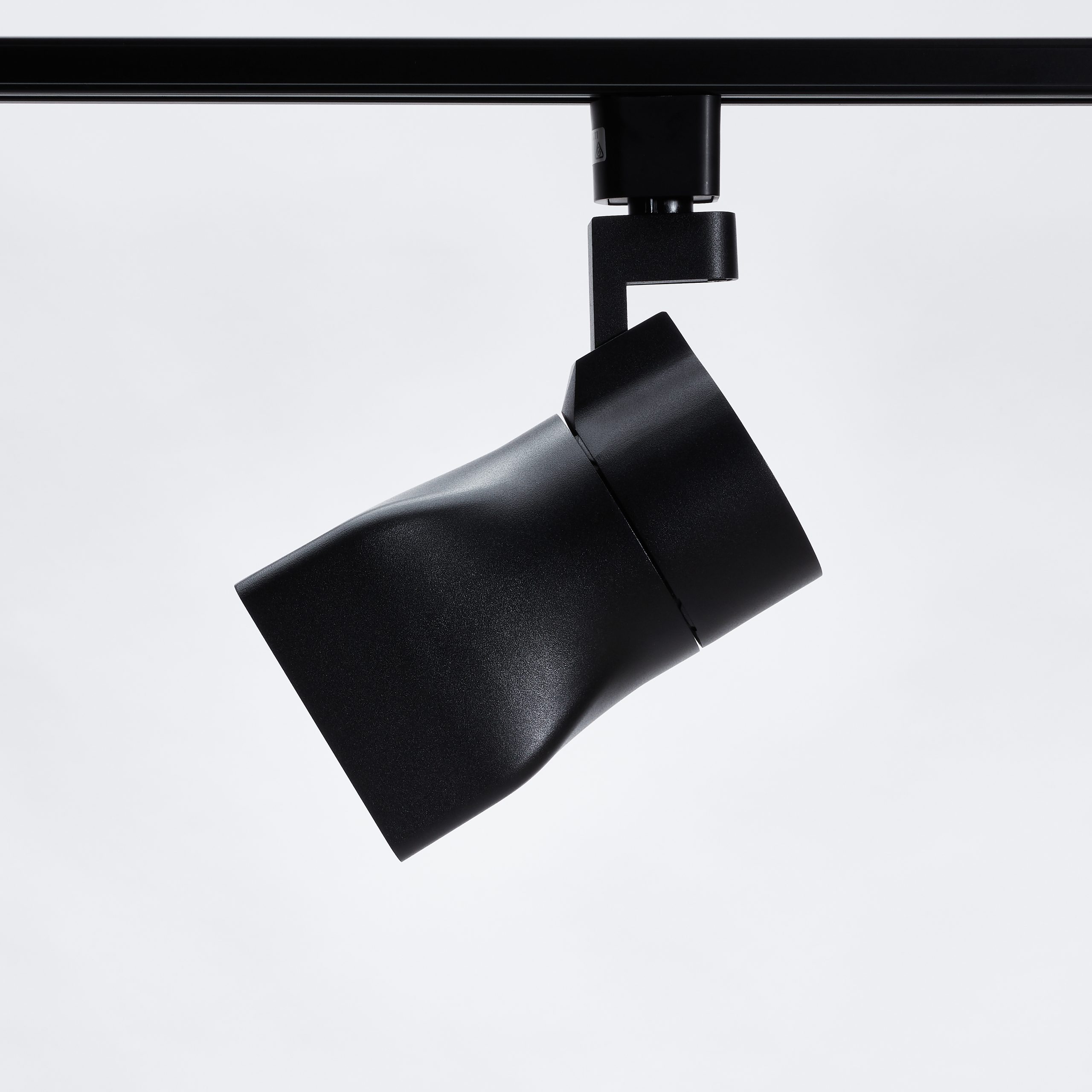
Adjustable track lighting for artwork
Selecting the right LED lighting for an art studio is essential for achieving accurate colors, professional results, and a comfortable creative environment.
For most artists and studios, the ideal setup includes:
- Daylight LED lighting (5000K to 5500K)
- High CRI (90 to 97+)
- Sufficient lumen output based on studio size
- Layered lighting design
- Adjustable track lighting for artwork
High-quality LED studio lighting does more than illuminate a space. It enhances artistic precision, improves workflow, and ensures that artwork is viewed exactly as intended under professional lighting conditions.
Understood. USA formatting only. No meters. Use feet, lumens, Kelvin, and studio-relevant terminology.
Here is the continuation (1200+ words, US-focused, no metric units):
Portable LED Lighting for Art Studios (Flexible Studio Solutions)
Portable LED lighting is an excellent solution for artists who work in flexible spaces, shared studios, or home art studios where permanent installations are not possible. Unlike fixed ceiling systems, portable LED lights allow artists to reposition lighting based on the artwork size, angle, and medium.
Benefits of portable LED studio lighting:
- Adjustable positioning for canvases and easels
- Easy relocation within the studio
- Ideal for rented studios or temporary setups
- Supplemental lighting for detailed work areas
Many professional artists use a hybrid approach that combines fixed overhead LED lighting with portable task lighting for maximum flexibility and control.
Home Art Studio Lighting vs Professional Studio Lighting

Residential studio equipped with balanced ceiling LEDs
Home art studios and professional studios require different lighting intensities and layouts, but both benefit from high-quality LED lighting systems.
Home Art Studio Lighting (USA)
Most home studios operate in spare rooms, garages, or converted creative spaces. These environments typically have lower ceilings and limited natural light.
Recommended LED lighting setup for home studios:
- 4000K to 5000K LED ceiling lights
- 3000 to 6000 total lumens depending on room size
- Adjustable LED desk or task lighting
- Wide beam LED fixtures for even coverage
Home studios should prioritize balanced ambient lighting to avoid harsh shadows across the workspace.
Professional Art Studio Lighting (Commercial Spaces)
Professional studios in the USA often have larger floor plans and higher ceilings, requiring more powerful lighting systems.
Typical professional lighting features:
- 8000 to 15,000+ lumens total output
- High CRI LED track lighting systems
- Overhead linear LED lighting grids
- Dedicated artwork inspection lighting
This level of lighting ensures consistent illumination across large canvases, sculptures, and installation work.
Best Placement for LED Lights in an Art Studio
Proper light placement is just as important as the type of lighting used. Even high-quality LED lights can perform poorly if installed incorrectly.
Overhead Lighting Placement
Primary ambient lighting should be evenly distributed across the ceiling to eliminate dark zones. Avoid relying on a single central fixture, as this creates uneven brightness and shadow pockets.
Best practice:
- Multiple LED fixtures spaced evenly across the ceiling
- Wide beam angle lighting for full room coverage
- Diffused lighting for softer illumination
Easel and Canvas Lighting Placement
Lighting should be angled toward the artwork rather than placed directly overhead.
Recommended positioning:
- 30 to 45-degree angle toward the canvas
- Even lighting from both sides when possible
- Adjustable track lighting for directional control
This prevents glare and ensures accurate color visibility across the entire artwork surface.
Lighting for Large Canvases and Wall Art

Multiple track heads distributing consistent brightness
Artists working on large-scale paintings or wall-mounted artwork require broader and more powerful lighting coverage than those working on smaller pieces.
Key considerations:
- Higher lumen output for full canvas illumination
- Multiple directional LED fixtures
- Even light distribution across the artwork height
- Reduced shadow gradients from top to bottom
LED track lighting is particularly effective for large artwork because fixtures can be repositioned along the track as project sizes change.
Studio Lighting for Photography and Artwork Documentation
Many artists in the USA photograph their artwork for portfolios, websites, and client presentations. Lighting plays a critical role in how artwork appears in photos.
Best LED lighting features for artwork photography:
- High CRI (95+) for true color capture
- Flicker-free LED drivers
- Soft diffused lighting to reduce reflections
- Balanced lighting on both sides of the artwork
Poor lighting can cause color shifts and glare in photographs, making professional lighting essential for accurate documentation and online presentation.
LED Lighting Color Consistency Across Different Rooms
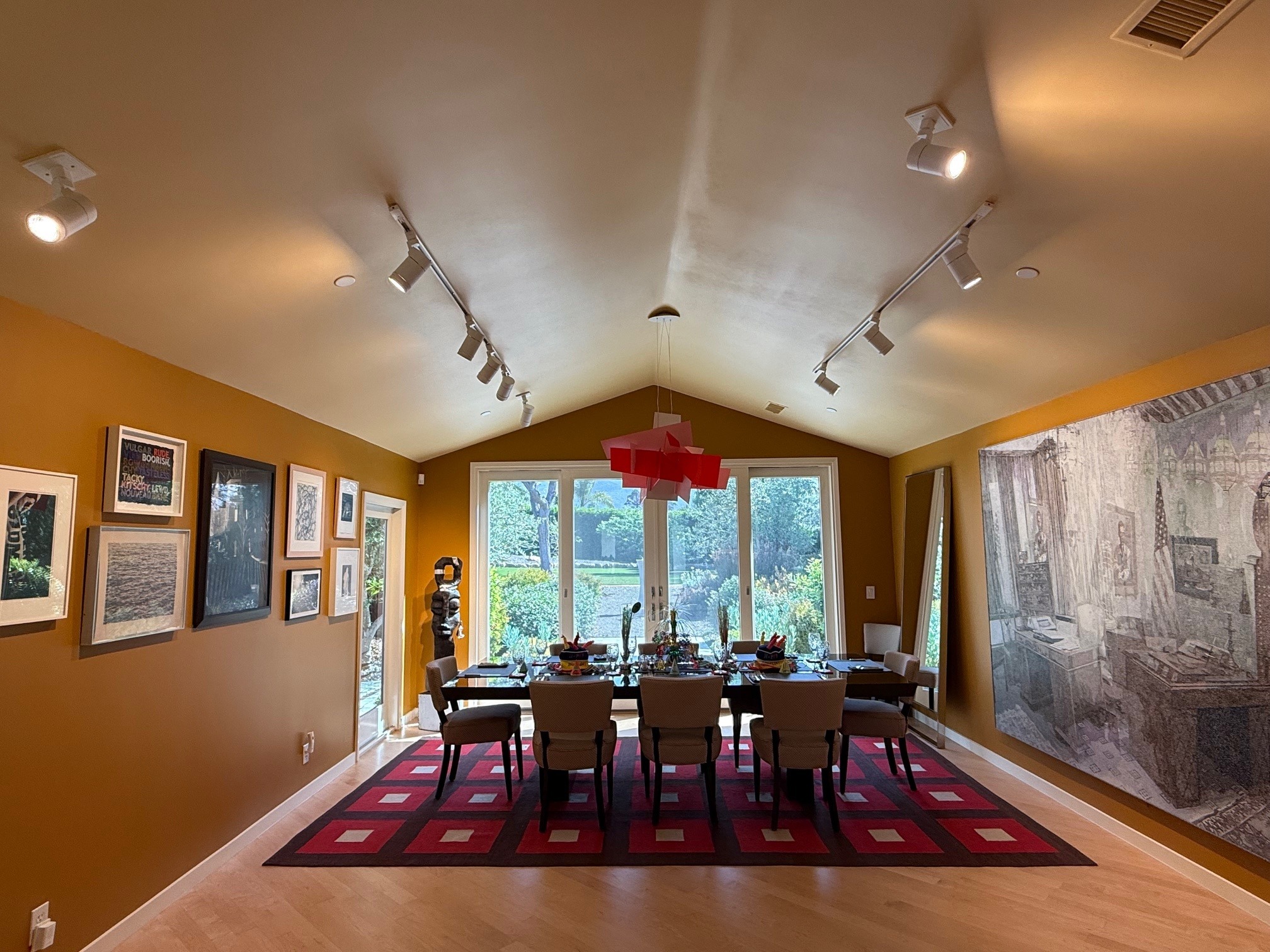
Uniform color temperature across studio and display space
If your artwork is created in one studio and displayed in another environment such as galleries, homes, or exhibitions, consistent lighting becomes extremely important.
Using daylight-balanced LED lighting allows artwork to appear consistent across:
- Studio environments
- Gallery lighting systems
- Residential lighting
- Commercial display spaces
Artists who use inconsistent or warm lighting often notice their artwork looks dramatically different when viewed under gallery lighting conditions.
Smart LED Lighting Systems for Modern Art Studios
Modern LED lighting systems now include smart controls that allow artists to adjust brightness and lighting intensity throughout the day.
Advantages of smart LED studio lighting:
- Dimming control for different tasks
- Scene presets for painting, detailing, and reviewing artwork
- Energy optimization
- Remote control via apps or wall panels
Smart lighting is especially useful in multi-purpose studios where lighting needs change depending on the activity.
Heat Output and Material Protection in Art Studios

Stable temperature lighting preventing material warping
Traditional lighting such as halogen bulbs produces significant heat, which can negatively impact artwork materials over time. Excess heat may affect paint drying rates, canvas integrity, and studio comfort.
LED lighting advantages for material protection:
- Low heat emission
- Stable temperature environment
- Safer for delicate materials
- Reduced risk of material warping or damage
This makes LED lighting the preferred choice for professional artists, galleries, and conservation-focused studios.
Long-Term Cost Benefits of LED Studio Lighting in the USA
Although premium LED lighting systems may have a higher upfront cost, they provide substantial long-term savings for artists and studio owners.
Cost advantages include:
- Lower electricity bills
- Longer lifespan compared to traditional bulbs
- Reduced replacement frequency
- Minimal maintenance costs
Most high-quality LED fixtures last tens of thousands of hours, making them a cost-effective investment for full-time studio use.
Lighting Ideas for Small Art Studios and Limited Spaces

Compact ceiling panels maximizing limited studio space
Smaller studios require strategic lighting placement to maximize brightness without overwhelming the space.
Effective lighting ideas:
- Ceiling-mounted LED panels for even ambient light
- Wall-mounted track lighting for directional control
- Compact task lighting near workstations
- Neutral white lighting to prevent color distortion
Avoid overly harsh spotlights in small studios, as they can create strong shadows and visual imbalance.
Lighting Professional Studios and Creative Workspaces
Professional creative studios, shared artist spaces, and commercial art workshops in the USA often require scalable lighting systems that can adapt to multiple artists and projects.
Key features of professional studio lighting systems:
- Modular track lighting layouts
- High lumen output fixtures
- Adjustable beam angles
- Uniform color temperature across the entire space
These systems provide consistent lighting conditions for painting, sculpture, digital work, and client presentations.
Psychological Impact of Proper Studio Lighting on Artists

Comfortable studio atmosphere supporting productivity
Lighting does not only affect visibility. It also influences mood, energy levels, and creative focus. Poor lighting can cause fatigue, frustration, and decreased productivity during long creative sessions.
Benefits of optimized LED art studio lighting:
- Increased focus and concentration
- Reduced eye fatigue
- Improved creative workflow
- Better overall studio comfort
Bright, daylight-balanced lighting helps maintain mental clarity and supports longer, more productive studio sessions.
Final Recommendation: Best LED Lighting Setup for Art Studios in the USA
For artists, painters, and professional studios in the United States, the ideal LED lighting setup should prioritize accuracy, consistency, and flexibility.
Recommended specifications:
- Color Temperature: 5000K daylight white
- CRI: 95+ for accurate color rendering
- Lumens: Based on studio size (minimum 3000+, ideally 5000+)
- Lighting Type: LED track lighting + diffused ambient lighting
- Beam Angle: Adjustable for artwork and workspace coverage
A well-designed LED lighting system transforms an art studio into a professional creative environment where colors appear accurate, details are clearly visible, and artwork can be produced and reviewed under consistent, gallery-quality lighting conditions.

FAQs
1. What is the best LED lighting for an art studio?
The best LED lighting for an art studio is high-CRI (95+), daylight-balanced lighting around 5000K with even distribution and adjustable brightness for accurate color perception and reduced eye strain.
2. How many lumens do I need for an art studio?
Most art studios need between 3,000 and 8,000 lumens depending on room size, ceiling height, and the level of detail in the artwork being created.
3. What color temperature is best for an artist’s studio?
A color temperature of 5000K to 5500K is ideal because it closely replicates natural daylight and allows accurate color matching while painting or drawing.
4. Are LED lights good for art studios?
Yes, LED lights are excellent for art studios because they provide consistent brightness, high color accuracy, low heat output, and long-lasting performance compared to traditional lighting.
5. What CRI should art studio lighting have?
Art studio lighting should have a CRI of at least 90, with 95+ recommended for professional artists who require precise color accuracy.
6. Is natural light better than LED lighting for artists?
Natural light is excellent but inconsistent. High-quality daylight LED lighting provides stable, reliable illumination throughout the day regardless of weather or time.
7. Should I use warm or cool lighting in an art studio?
Daylight or neutral white lighting (around 5000K) is best. Warm lighting can distort colors and is not recommended for painting or detailed artwork.
8. Is LED track lighting good for art studios?
Yes, LED track lighting is one of the best options because it allows adjustable direction, even wall illumination, and precise lighting on canvases and artwork.
9. What is the best lighting for a painting studio?
The best lighting for a painting studio combines high-CRI daylight LED ambient lighting with directional task lighting aimed at the canvas.
10. How do I reduce shadows in my art studio lighting?
Use multiple light sources, position lights at a 30 to 45-degree angle to the artwork, and ensure even overhead ambient lighting across the studio.
11. Can poor lighting affect artwork colors?
Yes, poor lighting can significantly distort colors, making paintings and artwork appear different when viewed in galleries, homes, or exhibitions.
12. Is flicker-free LED lighting important for artists?
Yes, flicker-free LED lighting reduces eye strain, improves comfort during long work sessions, and provides stable illumination for detailed creative work.
13. What type of lighting do professional art studios use?
Professional art studios typically use high-CRI LED track lighting, overhead linear lighting, and diffused ambient lighting for consistent, gallery-quality illumination.
14. How bright should an artist studio be?
An artist studio should be brightly and evenly lit without glare. Brightness should be sufficient to eliminate dark areas while remaining comfortable for long working hours.
15. Do LED lights produce heat in art studios?
LED lights produce significantly less heat than traditional bulbs, making them safer for artwork materials and more comfortable for long studio sessions.
16. What lighting angle is best for illuminating artwork?
Lighting positioned at a 30 to 45-degree angle toward the artwork provides even illumination and reduces glare and surface reflections.
17. Are LED panel lights good for art studios?
Yes, LED panel lights are excellent for providing soft, diffused ambient lighting that eliminates harsh shadows across the workspace.
18. Should art studios have dimmable lighting?
Dimmable LED lighting is highly recommended because it allows artists to adjust brightness for different tasks such as sketching, painting, and reviewing finished artwork.
19. What is the best lighting setup for a home art studio?
A home art studio should use daylight LED ceiling lighting, task lighting near the easel, and wide beam fixtures to ensure even light coverage in smaller spaces.
20. Why is high-quality lighting important for artists?
High-quality lighting ensures accurate color rendering, reduces eye fatigue, improves precision, and allows artwork to be created and evaluated under professional lighting conditions.
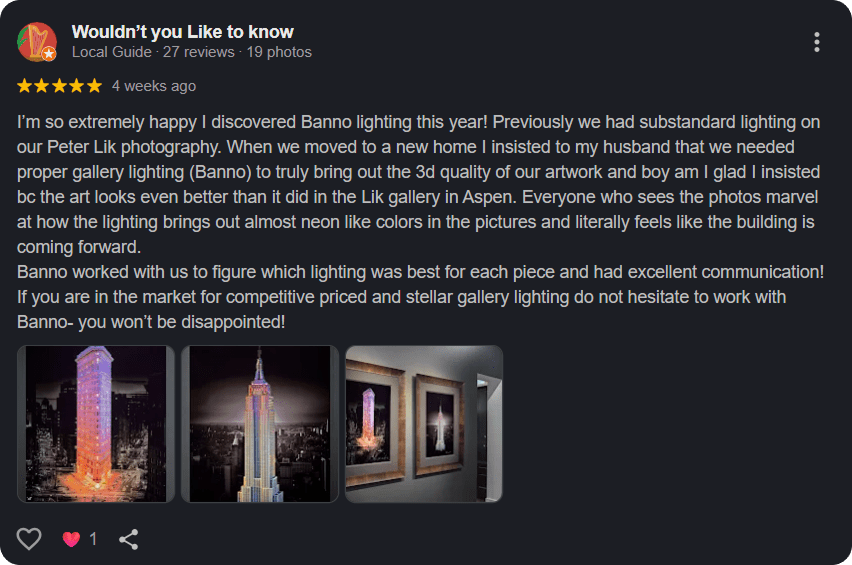
Client Feedback and Real Project Success Stories