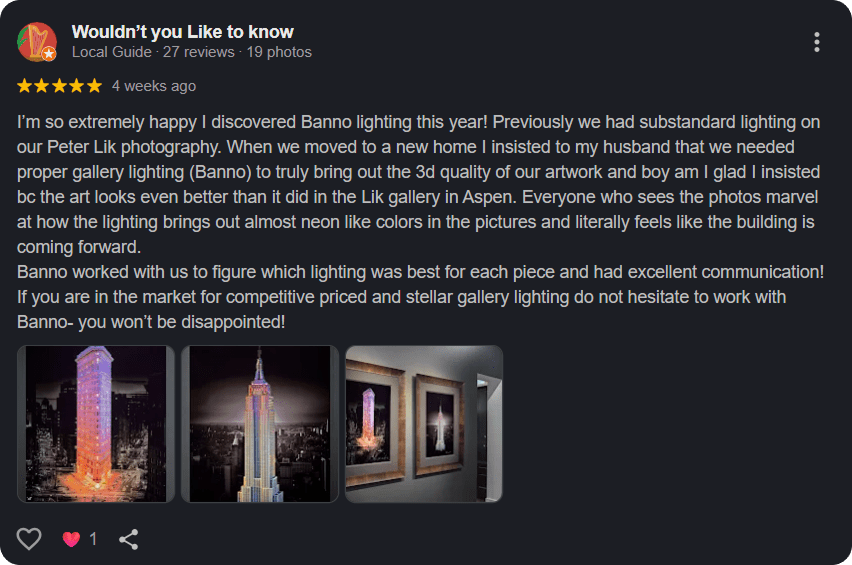
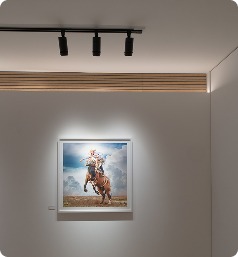
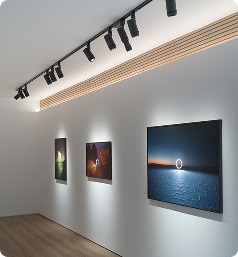
Conservation-focused LED illumination across curated museum displays
LED lighting for museums has become the global standard for illuminating artwork, artifacts, and exhibitions with precision, consistency, and conservation awareness. Unlike traditional lighting systems, LED museum lighting offers controlled illumination, minimal heat emission, and exceptional color accuracy, making it ideal for preserving sensitive collections while maintaining a refined visual presentation.
Museums require lighting that does far more than provide visibility. Lighting must enhance interpretation, protect historical objects, and create an immersive viewing experience aligned with curatorial and conservation standards. For this reason, LED lighting in museums is carefully designed to balance preservation, clarity, and aesthetic sophistication.
Gallery Owner Testimonial: Why Professionals Choose Our Display Lighting
Why LED Lighting for Museums Is the Industry Standard
Museums across the world have transitioned to LED lighting due to its stability and conservation-friendly characteristics. Traditional lighting sources such as halogen and incandescent fixtures produce excessive heat and ultraviolet radiation, both of which can accelerate the deterioration of artwork and historical artifacts.
LED museum lighting provides:
- Low UV and infrared emission
- Stable color rendering
- Reduced thermal output
- Energy efficiency for long-term operation
- Precise beam control for exhibits
These qualities make LED lighting the safest and most effective solution for museum environments.
Lighting for Museums and Art Galleries: Core Principles

Discreet lighting fixtures integrated into museum ceiling
Lighting for museums and galleries follows strict professional guidelines to ensure that artwork and artifacts are both protected and properly displayed. Museum lighting design prioritises conservation, visual accuracy, and interpretive clarity.
Key principles of museum lighting include:
- Controlled lux levels based on material sensitivity
- Uniform illumination across exhibits
- Glare reduction and reflection control
- Consistent color temperature stability
- Discreet fixture integration
These principles ensure that museum visitors can experience exhibits comfortably while collections remain preserved over time.

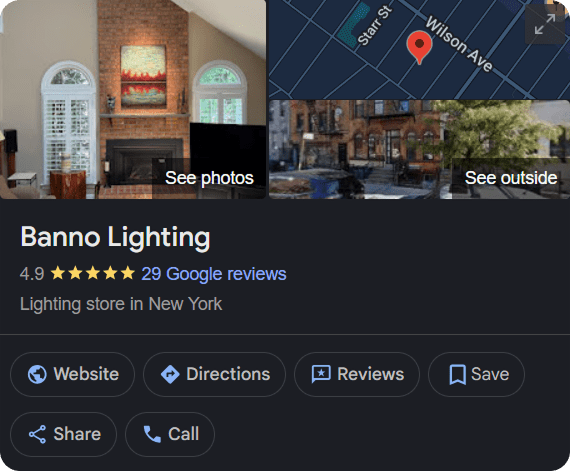
4.9-star rated by art collectors and gallery professionals
LED Lighting in Museums and Conservation Protection
One of the most critical advantages of LED lighting in museums is its role in conservation. Sensitive materials such as paper, textiles, paintings, and historical artifacts are highly vulnerable to light damage. Excessive heat and UV exposure can cause fading, discoloration, and material degradation.
LED lighting for museums helps protect collections by:
- Minimising light-induced deterioration
- Maintaining stable illumination levels
- Reducing environmental stress on artifacts
- Supporting long-term preservation strategies
This makes LED lighting essential for museums displaying rare or fragile works.
Best Lighting for Museums and Exhibit Displays

Soft directional light enhancing framed oil painting
The best lighting for museums is not simply bright lighting but controlled and precise illumination tailored to each exhibit type. Different collections require different lighting approaches depending on material composition, age, and display format.
For example:
- Paintings require soft, even illumination
- Sculptures benefit from directional lighting
- Glass artifacts require glare-controlled lighting
- Textiles need low-intensity conservation lighting
LED museum lighting systems allow curators to customise illumination for each exhibit while maintaining overall visual consistency.
Lighting Design for Museum Environments
Lighting design for museum spaces is a specialised discipline that integrates technical lighting expertise with curatorial intent. Lighting is used to guide visitor attention, create narrative flow, and enhance interpretive engagement.
Effective museum lighting design considers:
- Exhibit layout and visitor pathways
- Display case lighting requirements
- Wall-mounted artwork illumination
- Ambient versus accent lighting balance
Carefully planned lighting ensures that exhibits are visually engaging without overwhelming the artifacts themselves.
LED Lights for Museum Exhibits and Display Cases

LED strip lighting integrated within glass display case
Display cases are a central component of many museums, and LED lights for museum exhibits are often integrated directly into these cases to provide focused illumination without external glare or heat exposure.
Display case LED lighting offers:
- Focused artifact illumination
- Reduced shadow interference
- Low heat output within enclosed spaces
- Enhanced visibility of fine details
This is especially important for small objects, historical artifacts, and delicate museum pieces.
Track Lighting for Museums and Flexible Exhibition Spaces
Track lighting for museums is widely used due to its adaptability and precision. Museums frequently rotate exhibitions, requiring flexible lighting systems that can be repositioned and adjusted without structural modifications.
Track-based LED museum lighting allows:
- Adjustable beam direction
- Easy repositioning for new exhibits
- Consistent illumination across rotating displays
- Scalable lighting configurations
This flexibility supports both permanent collections and temporary exhibitions.
Museum Lighting Systems and Visual Hierarchy
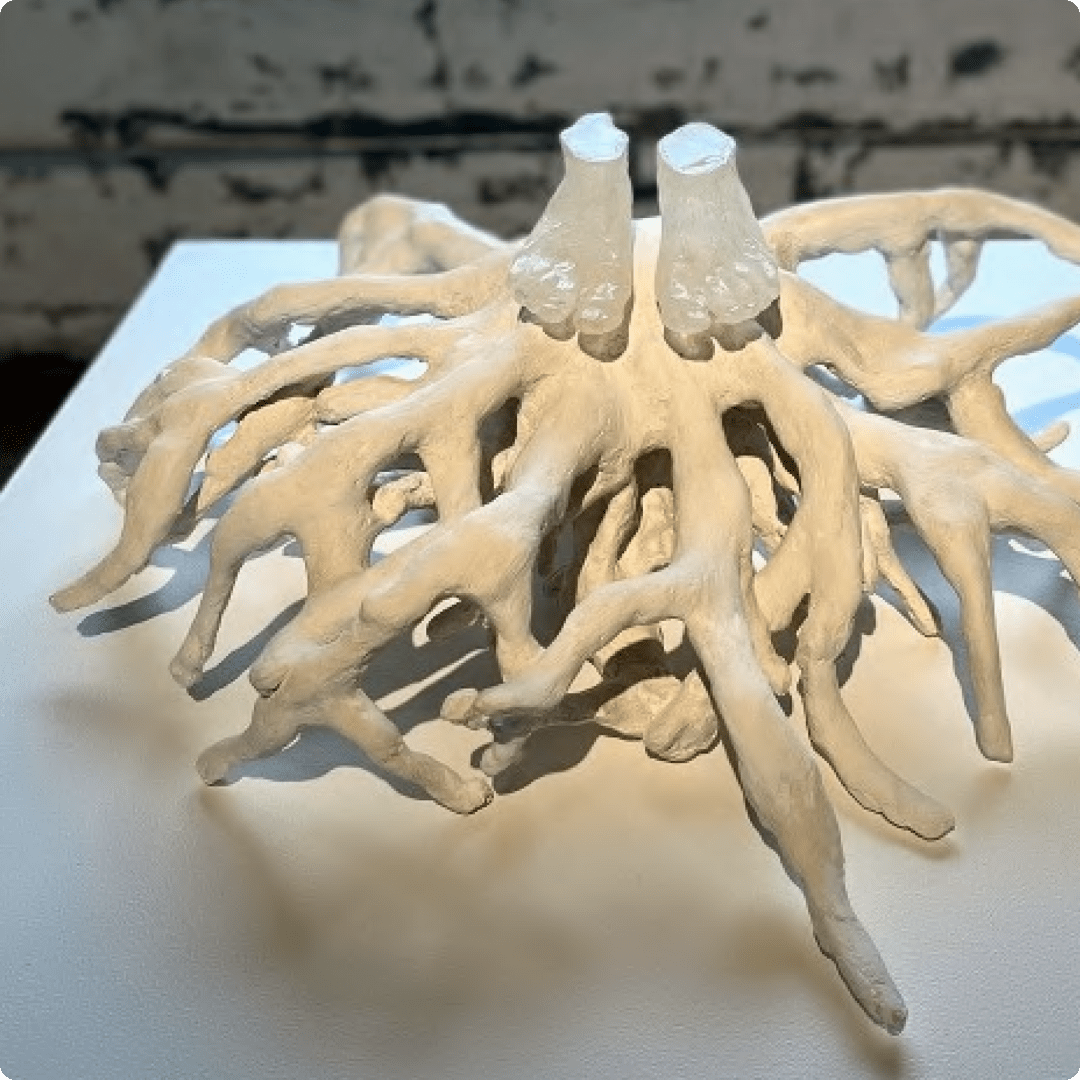
Highlighted focal artifact under subtle accent lighting
Museum lighting systems are designed to establish visual hierarchy within exhibitions. Not all objects receive equal lighting intensity. Key artifacts are often subtly highlighted to guide visitor focus while maintaining balanced illumination throughout the space.
This approach enhances:
- Curatorial storytelling
- Visitor navigation through exhibits
- Engagement with focal objects
- Spatial clarity within galleries
LED lighting for museums enables precise intensity control, making visual hierarchy easier to achieve.
Professional LED Museum Lighting Solutions
In museum-grade environments, precision lighting systems such as Zoom (precision art lighting), Deluxe (museum-grade lighting), and Multi (flexible gallery lighting) are well-suited for LED lighting in museums due to their refined optical control, high color rendering, and stable illumination performance. These lighting solutions allow museums and galleries to illuminate artworks and artifacts with accuracy while maintaining a discreet and conservation-conscious lighting presence.
Their ability to deliver consistent, controlled lighting makes them ideal for both exhibition halls and curated museum displays.
Color Accuracy and LED Lighting for Museum Collections

High CRI lighting revealing authentic pigment tones
Color accuracy is essential in museum lighting because inaccurate lighting can alter the visual perception of artwork and artifacts. LED lighting for museums is engineered to provide high color rendering, ensuring that pigments, textures, and materials appear true to their original form.
Accurate LED museum lighting supports:
- Authentic artwork representation
- Enhanced visual clarity
- Consistent exhibit presentation
- Professional museum standards
This is particularly important for fine art, historical objects, and cultural artifacts.
Long-Term Efficiency of LED Lighting for Museums
Museums operate for extended hours and require lighting systems that are both reliable and energy-efficient. LED lighting significantly reduces energy consumption compared to traditional lighting technologies while maintaining consistent performance over time.
Long-term benefits of LED lighting in museums include:
- Lower operational costs
- Extended fixture lifespan
- Reduced maintenance requirements
- Sustainable lighting performance
These advantages make LED lighting a practical and strategic investment for modern museum institutions.
LED Lighting for Museums and Exhibition Longevity

Long-term exhibition illuminated without color shift
One of the most significant advantages of LED lighting for museums is its contribution to long-term exhibition sustainability. Museums often display collections for extended periods, sometimes for months or years, making lighting stability a critical factor. Unlike traditional lighting sources that degrade over time and shift in color output, LED museum lighting maintains consistent performance across long operational cycles.
This consistency ensures that artworks, artifacts, and historical objects are presented under stable lighting conditions, preventing visual inconsistencies that could affect interpretation and scholarly observation. For institutions managing permanent collections, this reliability is essential for maintaining curatorial integrity.
Lighting for Museums and Sensitive Materials
Museum collections frequently include highly sensitive materials such as textiles, paper manuscripts, oil paintings, photographs, and organic artifacts. These materials are particularly vulnerable to light exposure, especially when exposed to excessive brightness or heat.
LED lighting in museums is specifically suited for sensitive materials because it produces:
- Minimal ultraviolet radiation
- Low infrared heat emission
- Controlled intensity levels
- Stable spectral output
By reducing environmental stress on delicate objects, LED lighting for museums supports both preservation and responsible exhibition practices.
Lighting Methods for Photographing Museum Objects

Controlled angles minimizing glare in photography
Lighting methods for photographing museum objects often overlap with museum display lighting standards. Museums must ensure that lighting supports both public viewing and documentation processes without causing damage to the objects.
Key lighting methods include:
- Soft directional lighting for texture visibility
- Controlled diffuse lighting for reflective objects
- Low-intensity illumination for archival items
- Balanced lighting angles to minimise glare
LED lighting allows museum professionals to maintain consistent documentation quality while protecting fragile collections.
LED Museum Lighting and Exhibit Interpretation
Lighting plays a central role in how museum visitors interpret exhibits. Carefully planned LED museum lighting can subtly influence emotional response, visual focus, and interpretive engagement. Rather than flooding an exhibit with uniform brightness, museums often use layered lighting techniques to create depth and narrative structure.
Interpretive lighting strategies may include:
- Accent lighting on key artifacts
- Soft ambient lighting for contextual balance
- Gradual lighting transitions between exhibition zones
- Focused illumination within display cases
These techniques help visitors engage more deeply with exhibits while maintaining visual comfort.
Good Lighting for Museums, Galleries, and Exhibitions
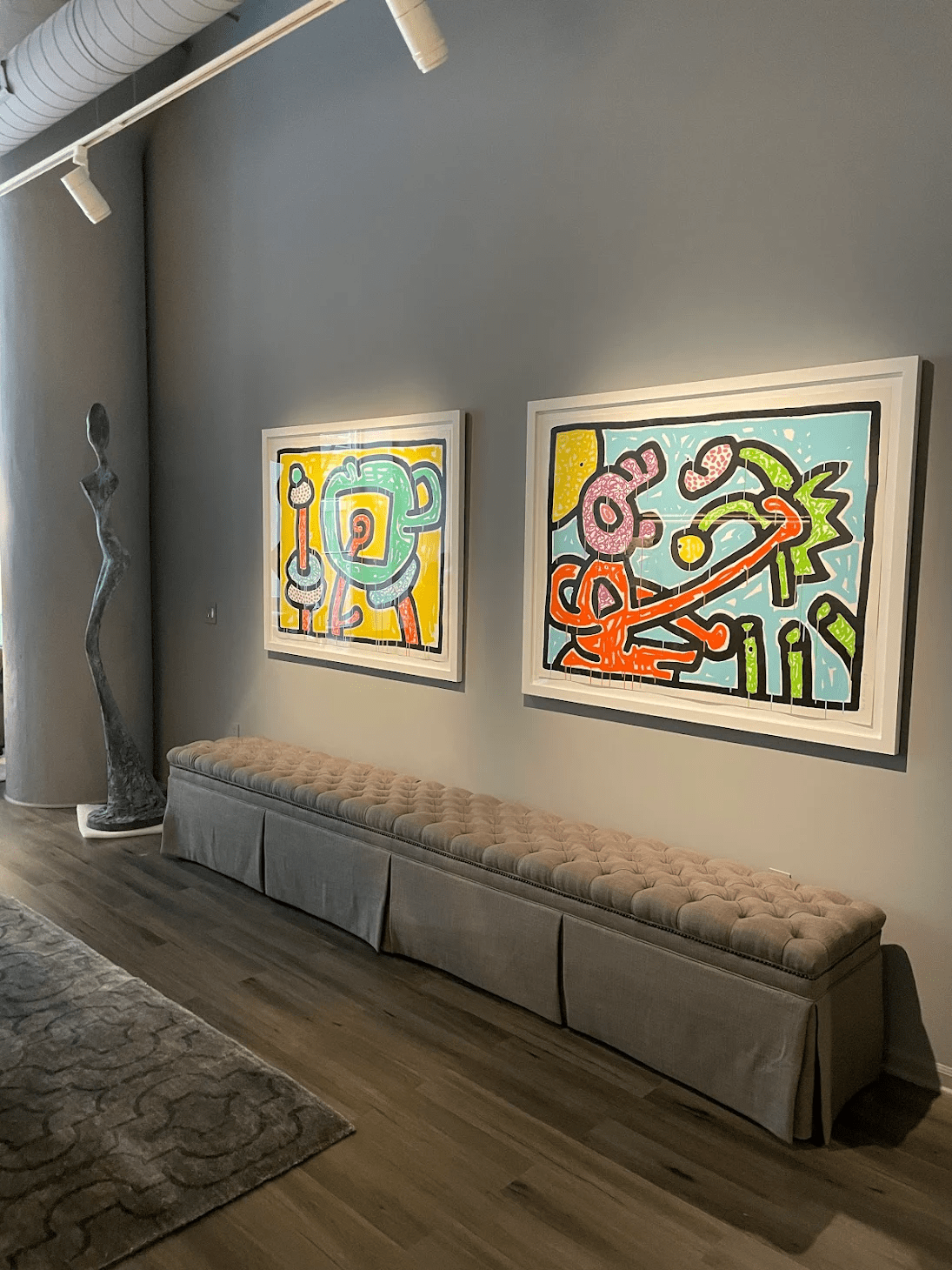
Clear object visibility without overexposure
Good lighting for museums, galleries, and exhibitions requires a balance between technical precision and aesthetic sensitivity. Overly bright lighting can damage artifacts and overwhelm viewers, while insufficient lighting can reduce visibility and engagement.
Effective museum lighting should achieve:
- Clear object visibility without overexposure
- Balanced contrast between exhibits and surroundings
- Consistent illumination across exhibition spaces
- Comfortable viewing conditions for extended visits
LED lighting systems provide the flexibility needed to fine-tune these elements for different types of exhibitions.
Lighting for Museums and Galleries: Environmental Control
Environmental control is a key consideration when designing lighting for museums and galleries. Lighting systems must operate in harmony with climate control systems to ensure that temperature, humidity, and light exposure remain within conservation-safe limits.
LED lighting supports environmental control by:
- Reducing heat output in enclosed galleries
- Lowering strain on HVAC systems
- Maintaining stable light intensity
- Supporting controlled exhibition environments
This integration helps museums maintain ideal preservation conditions for valuable collections.
LED Strip Lights for Museum Displays and Case Lighting
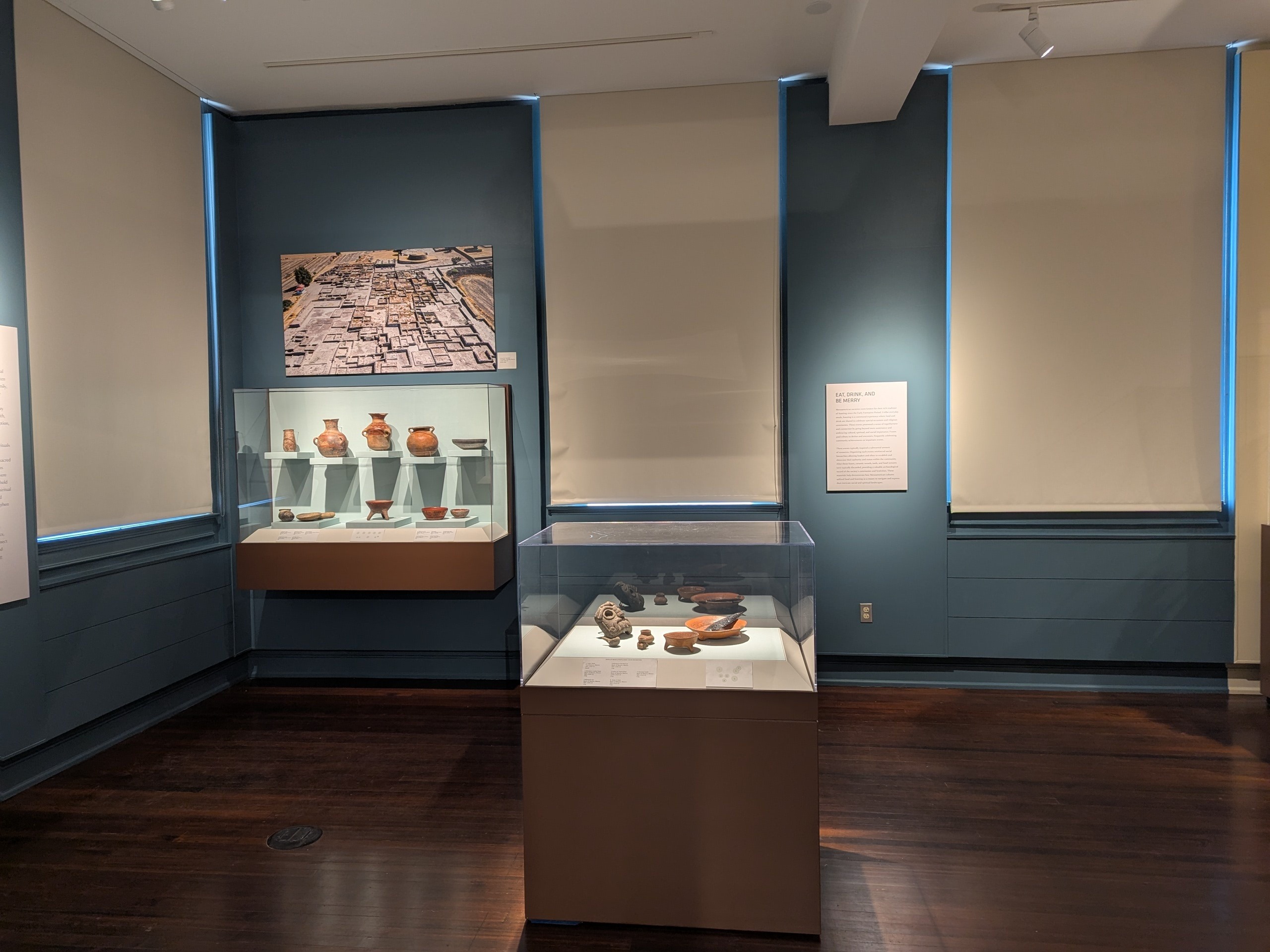
Shadow-free lighting inside glass exhibition cabinet
LED strip lights for museum displays are commonly used inside display cases, shelves, and enclosed exhibition units. These lighting solutions provide subtle and even illumination without introducing excessive heat or visual distraction.
Display case LED lighting enhances:
- Visibility of small artifacts
- Fine detail recognition
- Even illumination within confined spaces
- Minimal shadow interference
Because of their compact design and controlled output, LED strip lights are particularly useful for delicate museum displays.
Track Lighting and Zonal Control in Museum Lighting Design
Track lighting for museums allows zonal lighting control, which is essential for large exhibition spaces with varied collections. Different zones within a museum may require different lighting levels depending on the sensitivity and importance of displayed objects.
Zonal lighting control enables:
- Custom illumination for different exhibit sections
- Lower lux levels for sensitive artifacts
- Higher visibility for durable objects
- Curatorial flexibility during exhibition changes
LED track lighting systems provide this adaptability while maintaining consistent color quality across zones.
The Psychological Impact of LED Lighting in Museums
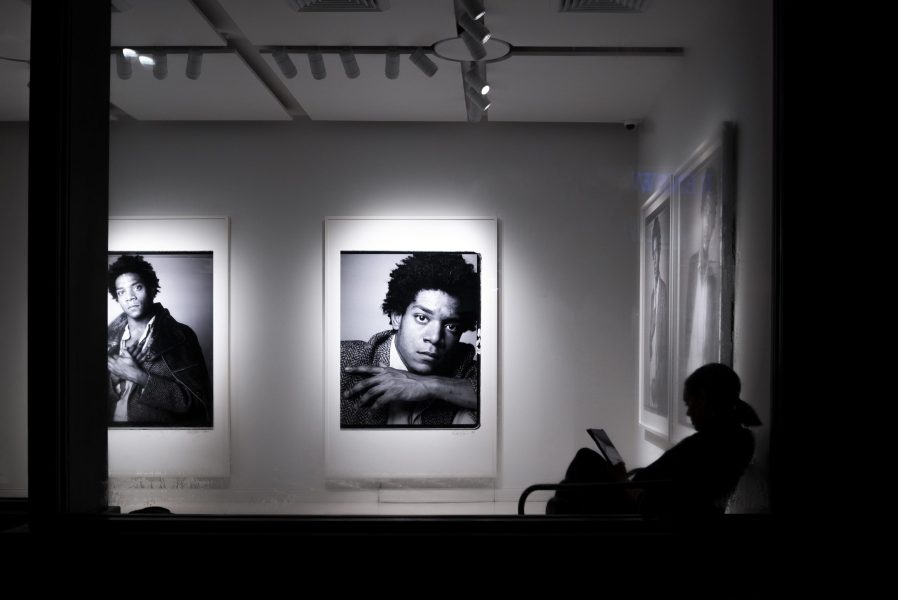
Atmospheric illumination creating immersive gallery setting
LED lighting for museums significantly influences visitor perception and emotional engagement. Lighting intensity, direction, and contrast can shape how visitors experience exhibits, whether the goal is contemplation, education, or immersive storytelling.
Subtle lighting variations can:
- Encourage slower viewing and reflection
- Highlight historically significant objects
- Create immersive exhibition atmospheres
- Enhance overall visitor satisfaction
Museums increasingly use lighting as a curatorial tool to guide emotional and intellectual engagement with collections.
Museum Lighting Design and Minimal Visual Intrusion
Modern museum lighting design emphasises minimal visual intrusion. Lighting fixtures should remain discreet and unobtrusive, ensuring that the focus remains on the artwork and artifacts rather than the lighting infrastructure.
This is achieved through:
- Ceiling-integrated LED lighting
- Discreet track lighting systems
- Concealed display case illumination
- Precision beam control
A refined lighting presence contributes to a professional and immersive museum environment.
LED Lighting for Museums and Energy Sustainability

Long-lasting lighting system supporting green initiatives
Energy sustainability is an increasingly important factor for cultural institutions. Museums operate for long hours and require lighting systems that are efficient without compromising display quality. LED lighting for museums offers substantial energy savings compared to traditional lighting technologies.
Sustainability benefits include:
- Reduced energy consumption
- Lower operational costs
- Long fixture lifespan
- Environmentally responsible lighting solutions
This aligns with modern museum initiatives focused on sustainability and responsible resource management.
Maintenance and Stability of LED Museum Lighting Systems
Maintaining stable lighting conditions is essential for preserving the visual integrity of museum exhibits. LED lighting systems require less frequent maintenance than traditional lighting, making them highly suitable for long-term institutional use.
Routine maintenance practices include:
- Periodic brightness calibration
- Fixture alignment checks
- Cleaning optics and lenses
- Monitoring color consistency
Stable lighting performance ensures that exhibits remain consistently presented across extended display periods.

Future Trends in LED Lighting for Museums

Smart dimming system adjusting exhibit lighting automatically
The future of LED lighting for museums is increasingly focused on precision control, conservation enhancement, and adaptive lighting technologies. Museums are adopting lighting systems that allow dynamic adjustment based on exhibit requirements, visitor flow, and conservation guidelines.
Emerging trends include:
- Smart dimming systems for sensitive exhibits
- Adaptive lighting based on time of day
- Integrated lighting control for rotating exhibitions
- Enhanced optical precision for artifact illumination
These developments reinforce the role of LED lighting as a foundational element in modern museum design.
LED Lighting for Museums as a Curatorial and Conservation Tool

Curated exhibition enhanced by conservation-focused illumination
Ultimately, LED lighting for museums is not merely a technical installation but a critical curatorial and conservation instrument. It shapes how collections are perceived, protected, and interpreted over time. By combining precise illumination, conservation-safe output, and visual consistency, LED museum lighting supports both the artistic presentation and long-term preservation of cultural heritage.
For museums, galleries, and exhibition institutions, investing in high-quality LED lighting systems ensures that artwork and artifacts are displayed with clarity, respect, and professional excellence, creating an environment where visitors can experience collections in their most authentic and visually compelling form.
FAQs
1. Why is LED lighting used in museums?
Because it provides low heat, low UV emission, and stable illumination.
2. What is the best lighting for museums?
Controlled LED lighting with high color accuracy and conservation-safe output.
3. Does LED lighting damage museum artifacts?
No, conservation-grade LED lighting is safe for sensitive collections.
4. What is museum lighting design?
A specialised approach to illuminating exhibits while preserving artifacts.
5. Are LED lights suitable for museum exhibits?
Yes, they offer precise and conservation-friendly illumination.
6. How bright should museum lighting be?
Bright enough for visibility but controlled to protect artifacts.
7. What is conservation lighting in museums?
Lighting designed to minimise damage to sensitive materials.
8. Can LED lighting improve exhibit visibility?
Yes, it enhances clarity and detail perception.
9. Do museums use track lighting systems?
Yes, for flexibility and precise exhibit illumination.
10. What color temperature is best for museum lighting?
Neutral and stable color temperatures are typically preferred.
11. Is LED lighting energy efficient for museums?
Yes, it significantly reduces energy consumption.
12. How does lighting affect museum visitor experience?
It enhances engagement, clarity, and emotional connection.
13. What are museum lighting systems?
Integrated lighting setups designed for exhibit illumination.
14. Can lighting preserve artwork in museums?
Proper lighting helps prevent deterioration over time.
15. What is LED museum lighting?
LED-based lighting systems designed for museum environments.
16. Is glare control important in museum lighting?
Yes, it prevents reflections and improves viewing comfort.
17. What is track lighting for museums?
Adjustable lighting used for flexible exhibit displays.
18. Can museum lighting be adjusted for exhibitions?
Yes, modern systems allow flexible recalibration.
19. Why is color rendering important in museums?
It ensures accurate representation of artwork and artifacts.
20. What makes museum lighting different from standard lighting?
It prioritises conservation, precision, and visual authenticity.
Client Feedback and Real Project Success Stories