Why Professional LED Lighting Is Now the Standard for Galleries, Museums, and Collectors

LED lighting for paintings has fundamentally changed how artwork is displayed.
In the past, lighting paintings meant compromise. Heat, UV exposure, colour distortion, and limited control were accepted risks. Today, professional LED technology has removed those compromises entirely when specified correctly.
However, not all LED lighting is suitable for paintings.
There is a vast difference between architectural LED lighting and professional art-grade LED lighting. When LED lighting is poorly specified, it can flatten colour, introduce glare, and undermine the artwork. When done correctly, LED lighting reveals paintings with clarity, accuracy, and long-term stability that traditional sources could never achieve.
This guide explains what LED lighting for paintings should actually be, why galleries and museums have adopted it as the standard, and how professional systems built around track lighting, Zoom, Multi, and Deluxe solutions deliver consistent, museum-grade results.
Why paintings demand specialised LED lighting

Paintings are visually sensitive objects.
Light interacts with:
• Pigment density and layering
• Brushstroke relief and texture
• Canvas weave or panel grain
• Varnish and glazing
• Frame depth and surface finish
Poor lighting hides this complexity. It washes out tonal range, exaggerates reflections, and causes visual discomfort. Good lighting reveals detail without calling attention to itself.
LED lighting for paintings must therefore be precise, controllable, and colour accurate, not simply efficient.

4.9 stars from art collectors and galleries
Why LED has replaced traditional lighting for paintings

Traditional lighting sources used for paintings included:
• Halogen
• Incandescent
• Metal halide
These sources created several unavoidable problems:
• Excessive heat near artworks
• UV and IR radiation
• Inconsistent colour over time
• High energy consumption
• Frequent maintenance
Professional LED lighting eliminates these issues.
Modern LED lighting for paintings offers:
• Extremely low heat output
• No UV or IR radiation
• Stable colour over long periods
• Precise optical control
• Excellent dimming performance
This is why LED has become the global standard for galleries and museums.
The difference between generic LED and art-grade LED

Most LED lights on the market are not designed for artwork.
Generic LED lighting is designed for:
• Offices
• Retail
• Hospitality
• Residential spaces
These environments prioritise efficiency and brightness, not colour fidelity or visual restraint.
Art-grade LED lighting for paintings prioritises:
• Colour accuracy
• Controlled beam optics
• Minimal glare
• Stable dimming
• Long-term consistency
This difference is immediately visible on the wall.
Colour accuracy is everything in LED lighting for paintings

Colour accuracy is the most critical requirement when lighting paintings.
Paintings rely on:
• Subtle pigment relationships
• Warm and cool undertones
• Accurate whites and neutrals
• Depth and saturation
This is why CRI 97+ is essential.
Standard architectural LEDs often sit around CRI 80–90. That is acceptable for general spaces. It is not acceptable for paintings.
Only CRI 97+ LED lighting can render colours faithfully enough for professional art display.
Lower CRI LED lighting:
• Mutes colours
• Distorts tonal balance
• Shifts whites yellow or grey
• Reduces viewer trust
Professional LED lighting for paintings must meet CRI 97+ as a baseline, not a premium option.
Why dimming matters in LED lighting for paintings

Dimming is not about mood. It is about control.
Paintings vary significantly in:
• Size
• Medium
• Pigment density
• Surface reflectivity
• Sensitivity to light
Fixed-output LED lighting forces compromise. Some paintings become overlit while others feel underwhelming.
Professional LED lighting for paintings must allow smooth, precise dimming so light levels can be tuned to each artwork rather than dictated by the fixture.
Good dimming allows:
• Balancing multiple paintings on the same wall
• Reducing glare on varnished or glazed works
• Protecting light-sensitive paintings
• Fine-tuning presentation during installation
• Maintaining consistent emphasis
Dimming must be flicker-free, stable at low levels, and free from colour shift. Anything less is unacceptable for professional painting display.
Why track lighting pairs perfectly with LED for paintings

LED lighting reaches its full potential for paintings when combined with track lighting systems.
Track lighting allows:
• Precise aiming of each LED fixture
• Easy repositioning as paintings change
• Clean ceilings with minimal visual clutter
• Long-term flexibility without rewiring
This is why virtually all modern galleries and museums use LED track lighting for paintings.
However, the quality of the LED fixture matters more than the track itself.
LED track lighting for paintings vs generic LED track lights

Generic LED track lights are designed for retail.
They often suffer from:
• Wide, uncontrolled beams
• Visible glare
• Inconsistent colour
• Poor dimming behaviour
Professional LED track lighting for paintings prioritises:
• Precision optics
• Clean beam edges
• CRI 97+ colour accuracy
• Smooth, stable dimming
• Visual restraint
The result is a calm, focused presentation where the painting remains the centre of attention.
Beam control defines good LED lighting for paintings

LED light sources are inherently directional. This is an advantage when controlled properly.
Professional LED lighting for paintings uses beam control to:
• Frame paintings cleanly
• Prevent spill onto adjacent works
• Preserve contrast and depth
• Reduce reflections
Wide beams wash out paintings. Tight, controlled beams give paintings presence and clarity.
This is why optics are more important than lumen output in art-grade LED lighting.
Zoom LED lighting for paintings of different sizes
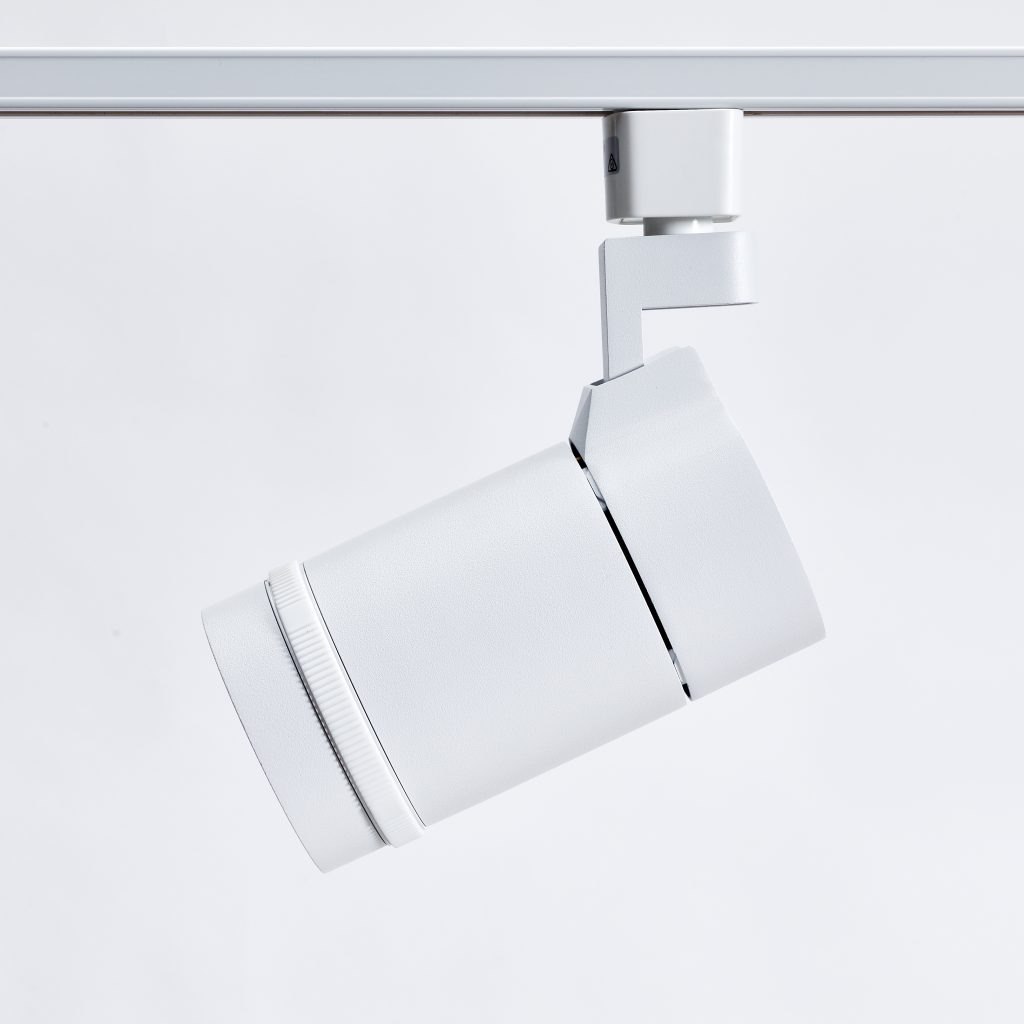
Zoom LED lighting systems are ideal for galleries and collections where painting sizes vary.
Zoom allows:
• Adjustable beam angles from a single LED fixture
• Tight framing for small works
• Wider coverage for large paintings
• Rapid adaptation during rehanging
Instead of changing fixtures, the beam adjusts to the artwork. This flexibility makes Zoom LED systems a highly practical foundation for professional painting lighting.
Zoom systems work especially well with dimming, allowing beam size and intensity to be balanced together.
Multi LED lighting for curated painting displays

Multi LED lighting systems are used when exhibitions require nuance.
They are particularly effective when:
• Paintings vary in importance
• Certain works require emphasis
• Sensitive and robust works are displayed together
• Curatorial hierarchy matters
Multi systems allow different lighting treatments within the same space while maintaining visual cohesion and restraint.
Deluxe LED lighting for the highest standard of painting display
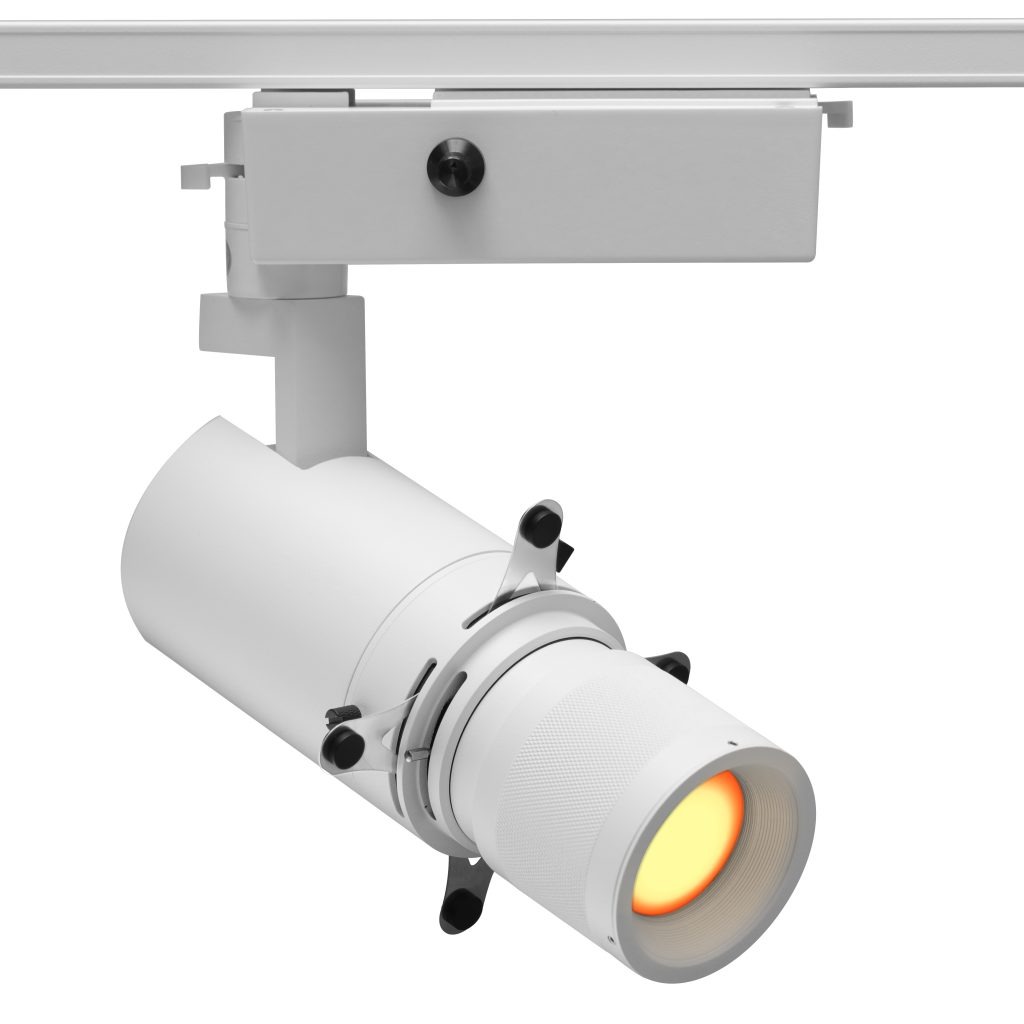
Deluxe LED lighting systems represent the highest level of performance.
They are chosen for:
• High-value paintings
• Museums and institutions
• Flagship galleries
• Serious private collections
Deluxe systems combine:
• Exceptional optical precision
• CRI 97+ colour accuracy
• Ultra-stable dimming
• Long-term consistency
In these environments, lighting should disappear completely, allowing the painting to command full attention.
Colour temperature in LED lighting for paintings

Most professional galleries and museums use 3000K LED lighting for paintings.
3000K:
• Feels warm yet neutral
• Preserves colour accuracy
• Supports a wide range of painting styles
• Encourages long viewing
Some master works are lit at 2700K selectively when warmth enhances emotional presence. This must be done carefully to avoid yellowing whites or distorting cooler tones.
Cooler temperatures are rarely used for paintings as they feel clinical and flatten tonal nuance.
Glare control in LED lighting for paintings

Glare is one of the most common failures in painting lighting.
Professional LED lighting avoids glare through:
• Precision optics
• Correct aiming angles
• Proper track placement
• Careful dimming
When glare is controlled, viewers can approach paintings comfortably and engage fully with surface detail.
Consistency and stability over time

One of LED lighting’s greatest advantages is stability.
Professional LED lighting for paintings:
• Maintains colour accuracy over time
• Requires minimal maintenance
• Performs consistently across fixtures
• Supports long-term exhibitions
Inconsistent lighting undermines trust. Collectors and curators notice when paintings look different depending on where they hang.
Long-term thinking in LED lighting for paintings

LED lighting for paintings should be designed once, properly.
A professional system allows:
• Years or decades of use
• Easy adaptation as displays change
• Reduced maintenance costs
• Long-term energy efficiency
Short-term LED solutions often create long-term problems.

Frequently Asked Questions

LED lighting for paintings
Is LED lighting good for paintings?
Yes. Professional-grade LED lighting is now the global standard for paintings due to excellent colour accuracy, low heat output, no UV exposure, and long-term stability.
What CRI rating should LED lighting for paintings have?
LED lighting for paintings should be CRI 97+ to ensure accurate colour rendering and faithful presentation.
Should LED lights for paintings be dimmable?
Yes. Dimming is essential to balance different paintings, reduce glare, protect sensitive works, and fine-tune presentation.
Is LED track lighting suitable for paintings?
Yes. LED track lighting is the preferred solution because it allows precise aiming, flexibility as displays change, and clean architectural integration.
What colour temperature is best for LED lighting paintings?
Most professionals use 3000K. 2700K may be used selectively for master works when appropriate.
Does LED lighting damage paintings?
When specified correctly, professional LED lighting produces no UV or IR radiation and minimal heat, making it safe for paintings when used within recommended light levels.
Final thoughts on LED lighting for paintings

LED lighting for paintings has removed the historic trade-offs between presentation and protection.
When done properly:
• Colours are rendered truthfully
• Texture is revealed honestly
• Viewers engage longer
• Buyers feel confident
• Paintings are protected long-term
This is why LED lighting is now the standard for professional art display.
Why galleries choose Banno Lighting
Galleries, museums, and collectors choose Banno Lighting because we understand LED lighting for paintings at a professional level.
We provide:
• Expert guidance
• Professional lighting plans
• LED track lighting systems for paintings
• Zoom, Multi, and Deluxe solutions
• CRI 97+ colour accuracy
• Smooth, stable dimming
• Long-term support
If you want LED lighting for paintings that respects the artwork, supports sales, and performs long-term, professional systems and guidance are essential.
You’re in expert hands when it comes to art lighting