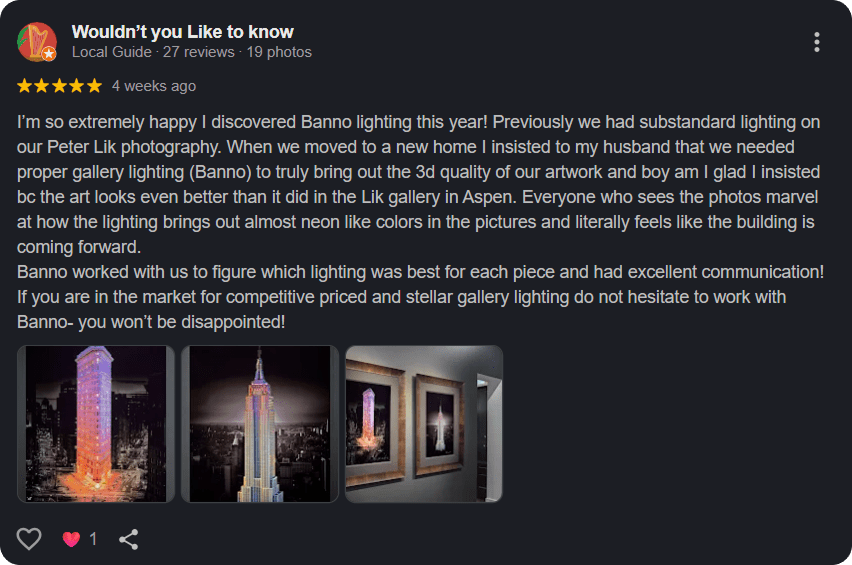
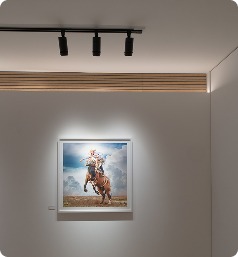
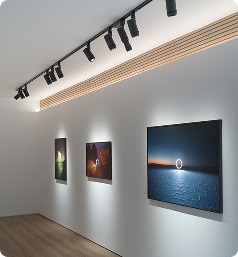
Gallery-grade illumination creating balanced and refined visual emphasis
LED wall art lighting has become the preferred solution for galleries, collectors, designers, and high-end residential spaces seeking precise and conservation-safe illumination for artwork. Unlike general decorative lighting, purpose-built LED wall art lighting is engineered to enhance visual clarity, preserve color accuracy, and create controlled emphasis on paintings, photographs, and wall-mounted art pieces.
In professional environments, lighting is never treated as an afterthought. Instead, it is a core curatorial tool that shapes how artwork is perceived, experienced, and remembered. When properly designed, LED wall art lighting transforms a flat wall display into a refined visual focal point with depth, balance, and sophistication.
Gallery Owner Testimonial: Why Professionals Choose Our Display Lighting
LED Wall Picture Light and Focused Artwork Illumination
An LED wall picture light is specifically designed to direct light downward across the surface of artwork without flooding the surrounding wall. This focused illumination ensures that the viewer’s attention remains on the artwork rather than the environment.
Focused lighting provides several critical benefits:
- Enhanced visual clarity
- Reduced ambient light distraction
- Controlled brightness on artwork surfaces
- Improved viewing comfort
In gallery settings, precision-focused picture lighting is essential for maintaining consistent presentation standards across exhibitions and permanent collections.
Art Wall Lighting and Visual Hierarchy in Interior Spaces

Strategic lighting defining focal points within curated art walls
Art wall lighting plays a fundamental role in establishing visual hierarchy within both galleries and residential interiors. By selectively illuminating artwork, lighting designers can guide the viewer’s eye toward key pieces while maintaining balance across the overall display.
Strategic visual hierarchy supports:
- Clear focal points
- Structured wall compositions
- Enhanced storytelling through display layout
- Elevated interior sophistication
This technique is widely used in museum-grade environments and luxury homes with curated art collections.

4.9-star rated by art collectors and gallery professionals
LED Wall Art with Backlit Light and Depth Enhancement
LED wall art with backlit light introduces a different layer of visual dimension compared to traditional top-mounted picture lights. Backlighting creates a subtle halo effect around the artwork, separating it from the wall and enhancing spatial depth.
Backlit LED wall art lighting is particularly effective for:
- Modern artwork
- Glass art pieces
- Floating frames
- Minimalist gallery walls
This lighting style adds architectural elegance while maintaining a soft and refined illumination profile.
LED Wall Mounted Picture Light and Precision Placement
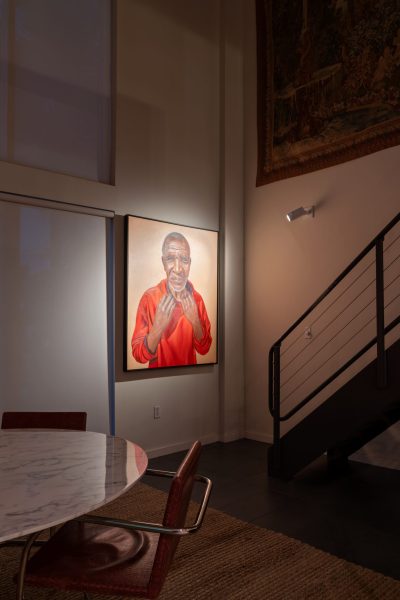
Wall-mounted fixture aligned precisely above framed painting
A LED wall mounted picture light offers controlled beam direction and stable positioning, making it ideal for permanent art installations. Unlike ceiling lighting, wall-mounted fixtures allow closer alignment with the artwork plane, resulting in smoother light distribution.
Key placement advantages include:
- Even light coverage across artwork
- Reduced shadow distortion
- Consistent brightness levels
- Clean and professional installation
This makes wall-mounted lighting a preferred choice for collectors and interior designers seeking gallery-level presentation.
Lighting for Paintings on Wall and Surface Uniformity
Lighting for paintings on wall must prioritise surface uniformity to avoid hotspots and uneven brightness. LED wall art lighting systems are engineered to distribute light smoothly across the artwork surface while preserving texture and detail.
Uniform illumination enhances:
- Brushstroke visibility
- Color depth
- Material authenticity
- Viewing comfort
This is especially important for oil paintings, mixed media, and large canvas artworks.
Dimmable LED Wall Mounted Picture Light and Light Control

Adjustable brightness adapting to artwork sensitivity levels
Dimmable LED wall mounted picture light systems allow precise control over brightness levels depending on the artwork type and ambient lighting conditions. Museums and galleries often adjust light intensity based on conservation guidelines and exhibition requirements.
Dimming capabilities support:
- Sensitive artwork preservation
- Mood control within gallery environments
- Balanced integration with ambient lighting
- Adaptive lighting for different exhibition themes
This level of control is essential in professional art display settings.
LED Adjustable Picture Wall Light for Flexible Displays
Art collections evolve over time, and lighting systems must adapt accordingly. A LED adjustable picture wall light provides directional flexibility, allowing curators and designers to reposition beams as artwork arrangements change.
Flexible lighting benefits include:
- Adaptation to new artwork sizes
- Reconfiguration of gallery walls
- Support for rotating exhibitions
- Long-term lighting scalability
This flexibility makes LED wall art lighting suitable for both dynamic galleries and expanding private collections.
Wall Art with LED Lighting and Architectural Integration

Discreet lighting fixture blending seamlessly into wall design
Wall art with LED lighting integrates seamlessly into architectural design by maintaining a clean and minimal visual presence. High-quality fixtures are designed to remain discreet while allowing the artwork to remain the dominant visual element.
Architectural integration advantages include:
- Minimal visual clutter
- Elegant fixture aesthetics
- Harmonised interior design
- Refined gallery-style atmosphere
This approach is especially valued in luxury interiors and contemporary art spaces.
LED Picture Light for Wall and Conservation-Friendly Performance
One of the strongest advantages of LED picture light for wall installations is conservation safety. Unlike older lighting technologies, modern LED systems produce significantly less heat and UV radiation, making them suitable for long-term artwork display.
Conservation-friendly features include:
- Low heat emission
- UV-safe illumination
- Stable light output
- Reduced environmental stress on artwork
These characteristics align with museum lighting standards and collector best practices.
LED Wall Art Lighting and Color Rendering Accuracy

High CRI lighting preserving original pigment integrity
Color rendering is a defining factor in professional art lighting. High-quality LED wall art lighting with strong color accuracy ensures that artwork appears true to the artist’s original palette and tonal intent.
Accurate color rendering enhances:
- Pigment authenticity
- Subtle color gradients
- Visual richness
- Material depth
Poor lighting can distort colors, which is why precision LED systems are essential for serious art display environments.
LED Wall Lighting Ideas for Gallery Walls and Multi-Art Displays
LED wall lighting ideas for gallery walls often involve a combination of picture lights and directional accent lighting. This layered approach ensures that multiple artworks receive balanced illumination without visual competition.
Effective gallery wall lighting strategies include:
- Individual picture lights per artwork
- Consistent beam angles across the display
- Balanced spacing between fixtures
- Complementary ambient lighting
This creates a cohesive and professionally curated presentation.
Precision Art Lighting Fixtures in Professional Displays

Museum-grade fixture supporting controlled brightness levels
In high-end art environments, specialised fixtures such as Zoom (precision art lighting), Deluxe (museum-grade lighting), and Multi (flexible gallery lighting) are used to achieve superior beam control and refined illumination. These fixtures are engineered to deliver consistent light distribution, accurate color rendering, and curatorial flexibility without overwhelming the artwork with excessive brightness.
Rather than acting as decorative lights, these systems function as precision illumination tools that enhance artwork visibility while preserving artistic integrity.
LED Wall Art Lighting for Residential Collector Spaces
LED wall art lighting is no longer limited to museums and galleries. High-end residential interiors increasingly adopt gallery-style lighting to elevate artwork presentation within living spaces, hallways, and private collections.
Residential applications benefit from:
- Museum-style artwork emphasis
- Improved interior ambience
- Professional art display aesthetics
- Flexible lighting layouts for evolving collections
This approach transforms everyday interiors into curated visual environments.
Long-Term Value of LED Wall Art Lighting Systems

Low-maintenance art lighting ensuring long-term reliability
Investing in LED wall art lighting provides long-term performance, efficiency, and aesthetic value. With energy-efficient operation, minimal maintenance requirements, and adaptable lighting control, these systems offer a sustainable and refined solution for illuminating artwork.
Long-term advantages include:
- Energy-efficient illumination
- Stable performance over time
- Reduced maintenance costs
- Timeless display aesthetics
- Future-ready lighting adaptability
Ultimately, LED wall art lighting represents a sophisticated balance between precision illumination, conservation safety, and architectural elegance. By delivering controlled brightness, accurate color representation, and seamless integration with interior design, it ensures that paintings, photographs, and wall art are presented with clarity, depth, and visual authenticity in galleries, museums, and collector spaces.
LED Wall Art Lighting and Beam Distribution Across Different Artwork Sizes
One of the most overlooked aspects of LED wall art lighting is beam distribution relative to artwork scale. A small framed piece requires a different lighting spread compared to a large canvas or multi-panel installation. If the beam is too narrow, it creates harsh hotspots. If it is too wide, it reduces visual focus and washes out surrounding wall areas.
Proper beam distribution ensures:
- Balanced illumination from edge to edge
- No overexposed centers
- Clear visibility of fine details
- Consistent brightness across the artwork surface
For collectors and galleries displaying varied artwork sizes, adjustable LED wall art lighting provides the necessary flexibility to maintain professional presentation standards.
LED Wall Light for Art and Viewing Angle Optimization

Controlled direction improving visibility from multiple angles
Viewing angle plays a significant role in how artwork is perceived. LED wall light for art should be positioned to illuminate the piece at an angle that enhances visibility while avoiding reflections, especially on glass-framed artworks.
Optimal lighting angles typically:
- Reduce glare on protective glass
- Enhance surface texture visibility
- Maintain color accuracy from multiple viewing positions
- Improve overall viewing comfort
This is particularly important in gallery environments where visitors approach artwork from different directions.
Wall Art with LED Lighting and Shadow Management
Shadow control is essential when designing wall art with LED lighting. Poorly placed fixtures can create distracting shadows around frames, textured surfaces, or sculptural wall pieces.
Effective shadow management involves:
- Careful fixture spacing
- Correct mounting height
- Angled beam direction
- Consistent light overlap
When executed correctly, shadows are softened rather than eliminated, preserving depth without introducing visual distortion.
LED Picture Light and Frame Proportion Considerations

Even spread maintaining frame-to-light visual balance
Selecting the correct LED picture light size in relation to the artwork frame is a critical design decision. A fixture that is too small may produce uneven lighting, while an oversized light can overpower the artwork visually.
Proportional lighting design guidelines include:
- Matching fixture width to artwork scale
- Ensuring even light spread across the frame
- Maintaining visual balance between fixture and artwork
- Avoiding excessive visual dominance of the light itself
This approach maintains a refined aesthetic where the artwork remains the focal point.
LED Wall Art Light and Material Sensitivity in Artwork
Different artistic mediums react differently to light exposure. LED wall art light systems are particularly suitable for sensitive materials due to their stable output and low thermal emission.
Material-sensitive artworks include:
- Oil paintings
- Watercolors
- Textiles
- Photographic prints
- Mixed media works
Using controlled LED wall art lighting helps protect these materials while preserving their visual integrity over long display periods.
LED Wall Lighting Ideas for Contemporary and Classic Interiors
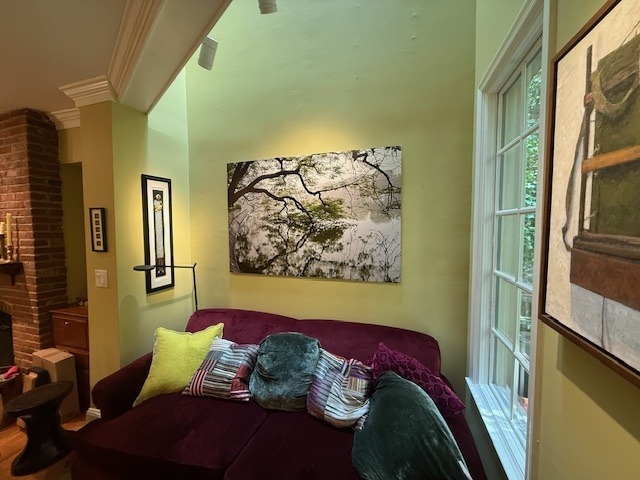
Warm-toned fixtures complementing framed artworks
LED wall lighting ideas vary significantly depending on the interior style. Contemporary spaces often favor minimal, sleek picture lights, while classical interiors may integrate more decorative art wall lighting fixtures.
In contemporary interiors:
- Slim linear LED picture lights create clean emphasis
- Backlit wall art adds architectural depth
- Directional lighting enhances minimalist displays
In classical interiors:
- Warm-toned LED picture lights complement traditional frames
- Layered lighting supports ornate gallery walls
- Soft illumination enhances heritage artworks
This adaptability makes LED wall art lighting suitable across diverse design aesthetics.
Lighting for Paintings on Wall and Glare-Free Illumination Techniques
Glare-free illumination is essential for professional artwork presentation. LED wall art lighting should be positioned slightly above and angled downward rather than shining directly at eye level.
Glare reduction techniques include:
- Angled beam positioning
- Matte lens optics
- Controlled light intensity
- Proper mounting distance
These strategies ensure that viewers can appreciate artwork clearly without reflective distractions.
LED Wall Mounted Picture Light and Installation Precision

Accurate centering ensuring symmetrical light coverage
Installation precision significantly impacts the effectiveness of LED wall mounted picture light systems. Even small misalignments can cause uneven lighting distribution and visual imbalance.
Professional installation considerations include:
- Accurate centering above artwork
- Consistent mounting height
- Secure fixture alignment
- Balanced spacing for multi-art displays
Proper installation ensures long-term lighting performance and visual consistency.
LED Wall Art with Backlit Light and Spatial Atmosphere
Backlit LED wall art lighting contributes not only to artwork visibility but also to spatial atmosphere. The soft glow created behind artwork can enhance the perception of depth and sophistication within a room or gallery.
Atmospheric benefits include:
- Enhanced wall texture visibility
- Subtle ambient glow
- Improved spatial layering
- Elegant visual ambience
This effect is widely used in luxury galleries and modern collector interiors.
LED Wall Art Lighting and Energy Efficiency in Long-Term Displays

Reduced heat output improving sustainability standards
Energy efficiency is a major advantage of LED wall art lighting, particularly in galleries and museums where lighting operates for extended hours daily. Modern LED systems consume significantly less power while maintaining stable illumination quality.
Efficiency advantages include:
- Lower energy consumption
- Reduced heat generation
- Long operational lifespan
- Sustainable lighting performance
For institutions and collectors, this translates into lower operational costs without compromising lighting quality.
Art Wall Lighting and Integration with Multi-Layer Lighting Systems
Professional art environments rarely rely on a single lighting source. Art wall lighting is typically integrated into a broader multi-layer lighting system that includes ambient, accent, and architectural lighting.
A layered lighting strategy may include:
- LED wall art lighting for direct artwork focus
- Ambient ceiling lighting for spatial balance
- Supplementary accent lighting for key pieces
This layered approach creates depth and a refined viewing experience.
LED Wall Art Lighting for Museums and Curated Exhibitions

Museum-grade LED meeting conservation display standards
Museums and curated exhibitions require lighting systems that align with conservation and presentation standards. LED wall art lighting provides the precision and stability needed for high-value and historically significant artworks.
Museum-grade lighting priorities include:
- Controlled illumination levels
- Consistent color accuracy
- Low environmental impact on artwork
- Long-term exhibition stability
These factors make LED lighting the preferred solution for institutional art displays.
LED Picture Light for Wall and Minimal Visual Intrusion
A well-designed LED picture light for wall installations should enhance the artwork without drawing attention to the fixture itself. Minimal visual intrusion is a core principle in professional art lighting design.
This is achieved through:
- Slim fixture profiles
- Neutral finishes
- Discreet mounting systems
- Soft and controlled light output
The goal is always to let the artwork remain the dominant visual element.

LED Wall Art Lighting and Long-Term Collection Presentation

Consistent lighting maintaining artwork visual impact
For collectors, designers, and galleries, LED wall art lighting is not just a decorative choice but a long-term presentation strategy. Consistent, high-quality lighting ensures that artworks maintain their visual impact over years of display.
Long-term presentation benefits include:
- Stable illumination quality
- Reduced maintenance requirements
- Protection of artwork materials
- Future adaptability for new acquisitions
As collections grow and evolve, flexible LED wall art lighting systems allow seamless reconfiguration without compromising display quality.
The Future of LED Wall Art Lighting in Gallery and Residential Spaces
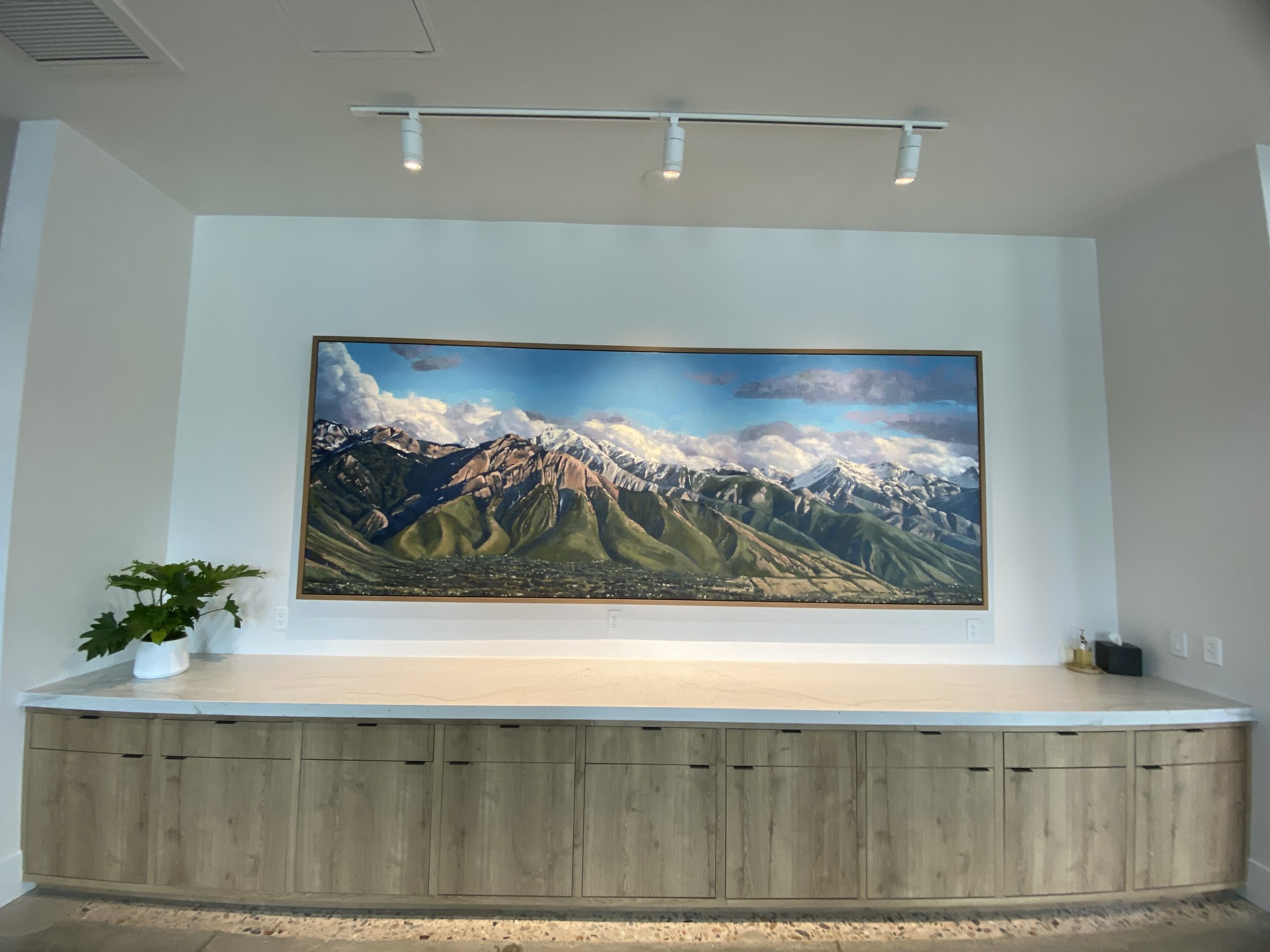
Wireless adjustment supporting evolving interior layouts
As lighting technology continues to evolve, LED wall art lighting is becoming increasingly refined in terms of optics, control systems, and conservation performance. Future developments are focused on even greater beam precision, smarter dimming capabilities, and seamless integration with architectural lighting systems.
Emerging trends include:
- Ultra-precise directional optics
- Smart lighting control integration
- Wireless adjustable picture lights
- Enhanced color rendering technologies
These advancements will further strengthen the role of LED wall art lighting as the gold standard for illuminating paintings, photographs, and wall-mounted artworks in galleries, museums, and high-end residential environments.
20 FAQs
1. What is LED wall art lighting?
LED wall art lighting is a specialised lighting system designed to illuminate artwork on walls with precise, controlled, and conservation-safe light.
2. Are LED lights safe for paintings?
Yes, high-quality LED lights are safe because they emit low heat and minimal UV radiation.
3. What is the best LED lighting for wall art?
Directional, high color rendering LED picture lights and adjustable art lighting fixtures are considered the best options.
4. How bright should LED wall art lighting be?
Brightness should be moderate and adjustable to avoid glare while maintaining clear artwork visibility.
5. Can LED wall art lighting cause fading?
Proper museum-grade LEDs with low UV output significantly reduce the risk of fading compared to traditional lighting.
6. Should picture lights be centered over artwork?
Yes, centering the light ensures even illumination and balanced visual presentation.
7. What color temperature is best for art lighting?
Neutral white lighting is typically preferred for accurate color representation.
8. Are dimmable LED picture lights better for artwork?
Yes, dimmable lighting allows precise control for different artwork types and environments.
9. Can LED wall lights be used in galleries?
Absolutely, LED wall lights are widely used in professional gallery and museum settings.
10. How far should a picture light be from the artwork?
It should be positioned to evenly spread light across the artwork without creating hotspots.
11. Is backlit LED wall art a good lighting option?
Yes, backlighting adds depth and visual separation from the wall.
12. Do collectors use LED wall art lighting at home?
Yes, many collectors use gallery-style LED lighting to enhance private art displays.
13. What type of LED light is best for paintings?
Precision directional LED art lights with high color rendering performance are ideal.
14. Can LED lighting improve artwork visibility?
Yes, it enhances detail, color accuracy, and overall visual clarity.
15. Is wall-mounted art lighting better than ceiling lighting?
Wall-mounted lighting often provides more direct and uniform illumination for artwork.
16. Does LED wall art lighting work for gallery walls?
Yes, it is highly effective for multi-art displays and curated gallery walls.
17. How long do LED art lights last?
High-quality LED art lights typically have long operational lifespans with minimal maintenance.
18. Can LED lighting be adjusted for different artworks?
Yes, adjustable fixtures allow beam angle and brightness customisation.
19. Is LED wall art lighting energy efficient?
Yes, LED systems consume less energy while delivering consistent illumination.
20. Why do museums prefer LED lighting for artwork?
Museums prefer LED lighting due to its precision, conservation safety, and accurate color rendering.
Why Designers and Collectors Trust Our Gallery Lights