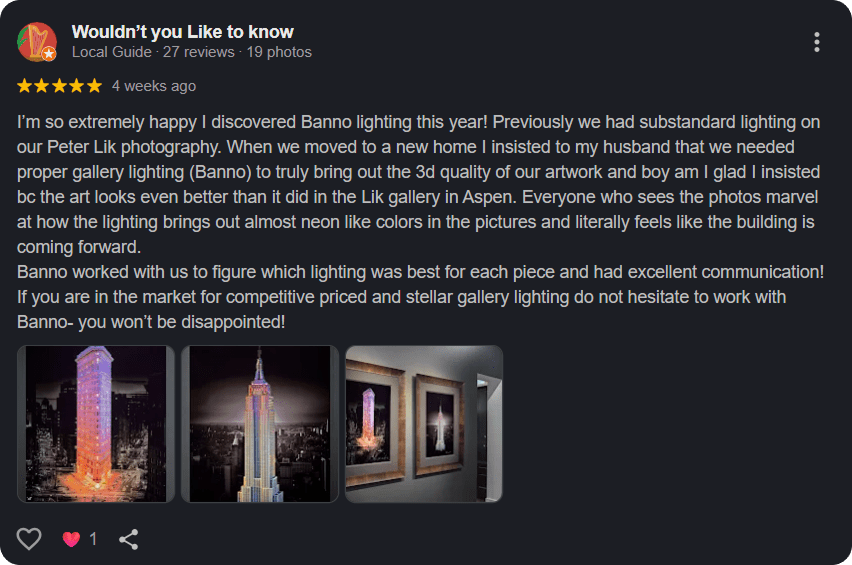
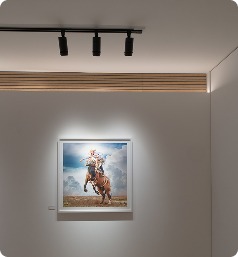
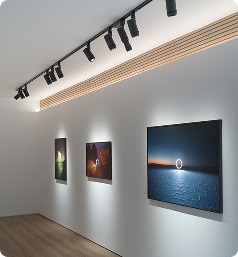
Gallery wall transformed through controlled directional lighting
Lighting for art display is one of the most critical elements in how artwork is perceived, protected, and experienced. Whether in galleries, museums, exhibitions, or luxury homes, the quality of illumination directly affects color accuracy, visual depth, and the emotional presence of the artwork. Poor lighting can flatten a masterpiece, distort pigments, and create distracting glare, while expertly designed lighting for art display enhances clarity, contrast, and artistic intent.
Professional lighting for art display is not simply about brightness. It involves precision beam control, accurate color rendering, strategic placement, and conservation-conscious illumination that respects the integrity of each piece. For collectors, curators, and designers, lighting becomes a curatorial tool that shapes how audiences engage with art.
Client Testimonial: Real Feedback from a Gallery Owner
The Importance of Lighting for Artwork Display
Artwork display lighting defines how details, textures, and colors are revealed to the viewer. Without intentional lighting design, even high-value artwork can appear dull, uneven, or visually disconnected from its environment.
Effective lighting for artwork display improves:
- Color fidelity and tonal accuracy
- Surface visibility and texture definition
- Viewer engagement and focus
- Overall exhibition presentation
In professional art environments, lighting is considered part of the display system rather than a secondary decorative feature.
Best Light for Art Display and Color Accuracy

High CRI spotlight preserving authentic artwork colors
The best light for art display must prioritise high color rendering and consistent illumination. Artwork is highly sensitive to shifts in color temperature and poor-quality light sources can cause pigments to appear washed out or overly saturated.
Key characteristics of the best light for art display include:
- High color rendering performance
- Stable color temperature
- Flicker-free illumination
- Controlled brightness levels
This ensures that artwork appears as the artist originally intended, especially in galleries and museum-grade installations.

4.9-star rated by art collectors and gallery professionals
LED Lights for Art Display and Conservation Benefits
LED lights for art display have become the preferred choice in professional settings due to their low heat emission and energy efficiency. Unlike traditional lighting sources, LED lighting reduces thermal stress on delicate artworks while maintaining consistent illumination quality.
Benefits of LED lights for art display include:
- Minimal UV and heat output
- Long operational lifespan
- Stable light consistency
- Lower maintenance requirements
These qualities make LED lighting suitable for paintings, photographs, textiles, and mixed media artworks that require long-term preservation.
Track Lighting for Art Display in Galleries and Exhibitions

Scalable ceiling track system for gallery flexibility
Track lighting for art display is widely used in galleries and museums due to its flexibility and precision. Adjustable track fixtures allow curators to reposition lighting as exhibitions evolve, ensuring optimal illumination for each artwork.
Advantages of track lighting for art display include:
- Adjustable beam direction
- Scalable lighting layouts
- Precision spotlighting
- Curatorial adaptability
Track lighting also supports dynamic exhibition spaces where artwork placements frequently change.
Magnetic Lighting for Art Display and Flexible Installations
Magnetic lighting for art display is an emerging solution that offers exceptional flexibility in modern galleries and collector spaces. Magnetic systems allow fixtures to be repositioned quickly without complex rewiring or structural modifications.
Magnetic lighting for art displays provides:
- Rapid fixture adjustment
- Clean architectural integration
- Flexible exhibition design
- Non-invasive installation options
This is particularly valuable in temporary exhibitions and evolving art collections.
Lighting for Art Exhibition and Curatorial Presentation

Balanced wall wash supporting visual hierarchy
Lighting for art exhibition requires a layered and strategic approach. Exhibitions often feature multiple artworks of different sizes, mediums, and visual weight, which means lighting must establish balance while guiding viewer attention.
Professional exhibition lighting supports:
- Visual hierarchy between artworks
- Consistent wall illumination
- Focused accent lighting for key pieces
- Enhanced narrative flow within exhibitions
Lighting becomes part of the storytelling process within curated spaces.
Lighting for Art Show Environments and Temporary Displays

djustable beam maintaining consistent display quality
Art shows and temporary exhibitions require adaptable lighting solutions that can be installed, adjusted, and removed efficiently. Portable and adjustable lighting systems are commonly used to maintain professional display standards even in non-permanent venues.
Lighting for art show environments should prioritise:
- Portability and adjustability
- Consistent color temperature
- Reliable beam control
- Minimal glare and reflection
This ensures artworks remain visually compelling regardless of venue limitations.
Light Box for Art Display and Backlit Presentation
A light box for art display is often used for photographic works, transparencies, and digital art. Backlit display systems create a luminous effect that enhances detail visibility and visual depth.
Light box art display applications include:
- Photographic exhibitions
- Digital artwork installations
- Graphic and illustrative displays
- Contemporary art presentations
This technique is especially effective when artwork is designed to interact with illuminated backgrounds.
Lighting for Art Gallery Spaces and Professional Standards

Precision beam alignment in professional gallery setting
Lighting for art gallery environments must meet both aesthetic and conservation standards. Galleries require consistent illumination that enhances artwork visibility while protecting sensitive materials from long-term damage.
Gallery lighting priorities include:
- Glare control and reflection reduction
- Precise beam angles
- Uniform wall illumination
- Museum-grade lighting stability
These factors ensure that each artwork is presented with clarity and professionalism.
Artwork Display Lighting and Glare Reduction
Glare is one of the most common challenges in artwork display lighting, particularly for framed pieces and glass-covered works. Strategic lighting angles help reduce reflections that can obscure the artwork.
Glare reduction strategies include:
- Angled light positioning
- Anti-glare optics
- Offset fixture placement
- Controlled beam spread
This allows viewers to experience artwork without visual interference.
Lighting Design for Art Studio and Creative Spaces

Even overhead illumination reducing shadow distortion
Lighting design for art studio environments differs slightly from gallery lighting but still requires high-quality illumination. Artists need accurate lighting conditions to evaluate colors, tones, and textures during the creative process.
Studio lighting design should focus on:
- Balanced ambient lighting
- Directional task lighting
- Accurate color rendering
- Low shadow distortion
This ensures that artworks are created and displayed under reliable visual conditions.
Lights for Displaying Art in Residential Interiors
In luxury homes and private collections, lights for displaying art must integrate seamlessly with interior architecture while maintaining professional lighting quality. Residential art lighting should feel refined rather than overly theatrical.
Residential art display lighting benefits include:
- Elevated interior aesthetics
- Focused artwork presentation
- Discreet fixture integration
- Museum-inspired home environments
This approach transforms private collections into gallery-like displays.
Professional Art Lighting Design and Fixture Selection
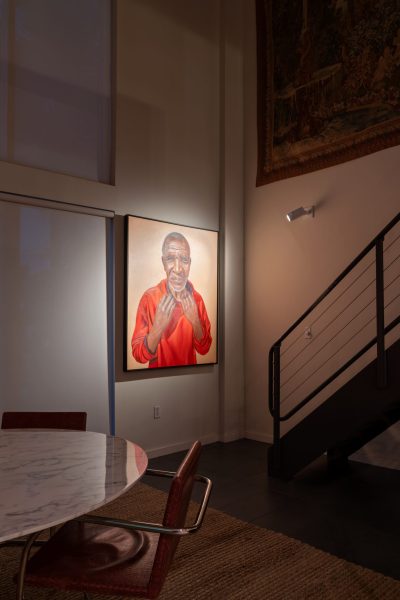
Wall-mounted picture light illuminating classic artwork
Selecting the right fixtures is essential for effective art lighting design. Different artworks require different lighting approaches depending on size, medium, and placement.
Common fixture types used in art display lighting include:
- Directional spotlights
- Track lighting systems
- Magnetic lighting systems
- Wall-mounted picture lights
Each fixture type serves a specific role in achieving optimal illumination.
Precision Art Lighting with Specialist Fixtures
In professional art environments, precision fixtures such as Zoom, Deluxe, and Multi lighting systems are often used to achieve controlled and accurate illumination. Precision lighting allows curators and collectors to fine-tune beam angles, intensity, and coverage without overwhelming the artwork.
These types of specialist fixtures support:
- Focused artwork highlighting
- Flexible lighting layouts
- Consistent illumination quality
- Curatorial-level presentation standards
When integrated correctly, they enhance artwork visibility while maintaining a refined and non-intrusive lighting presence.

How to Light Up Artwork for Maximum Impact

Controlled brightness enhancing painting visual presence
Understanding how to light up artwork correctly involves more than placing a light above a frame. Proper illumination requires attention to angle, distance, and beam spread.
Best practices include:
- Positioning lights at a 30-degree angle
- Avoiding direct frontal glare
- Using even beam distribution
- Maintaining consistent brightness levels
This method ensures balanced illumination without hotspots or shadow distortion.
Lighting for Art Display as a Long-Term Investment

Durable LED fixtures maintaining stable illumination
Lighting for art display should be viewed as a long-term investment rather than a temporary upgrade. High-quality lighting systems enhance artwork presentation, improve preservation conditions, and elevate the overall value of a collection or exhibition space.
Long-term advantages of professional art display lighting include:
- Reliable performance over time
- Energy-efficient operation
- Enhanced artwork preservation
- Future-ready lighting flexibility
Ultimately, expertly designed lighting for art display transforms how artwork is experienced. Through precise illumination, accurate color rendering, and thoughtful fixture placement, lighting becomes an essential curatorial element that enhances artistic expression, protects valuable works, and creates a sophisticated visual environment suitable for galleries, museums, exhibitions, and high-end residential collections.
20 FAQs
1. What is the best lighting for art display?
High-CRI LED lighting with controlled beam angles is considered the best lighting for art display.
2. Are LED lights safe for artwork display?
Yes, LED lights are safe because they emit minimal heat and low UV radiation.
3. How do you light up artwork properly?
Artwork should be lit at a slight angle with focused, even illumination to avoid glare and hotspots.
4. What type of lighting is used in art galleries?
Galleries commonly use track lighting, spotlights, and precision art lighting systems.
5. Is track lighting good for art display?
Yes, track lighting is ideal due to its flexibility and adjustable beam direction.
6. How many lumens are needed for art display lighting?
Typically 150 to 300 lux is recommended for most artworks, depending on sensitivity.
7. What color temperature is best for art lighting?
Around 3000K to 3500K is often preferred for accurate color rendering.
8. Can lighting damage artwork over time?
Excessive heat and UV exposure can damage artwork, which is why conservation-safe lighting is important.
9. What is artwork display lighting?
Artwork display lighting refers to specialised illumination designed to enhance and protect art pieces.
10. Are magnetic art lights effective for displays?
Yes, magnetic art lights provide flexible positioning and clean installation.
11. Should artwork be lit from above or below?
Artwork is typically lit from above at a controlled angle for optimal visibility.
12. What is the role of lighting in art exhibitions?
Lighting guides viewer focus and enhances the visual narrative of exhibitions.
13. Do museums use LED lighting for art display?
Yes, most museums use LED lighting due to its stability and conservation benefits.
14. How do you reduce glare when lighting artwork?
Using angled lighting and anti-glare optics helps minimise reflections.
15. Can recessed lighting be used for art display?
Yes, recessed lighting can provide clean and precise illumination for artwork.
16. What is a light box for art display?
A light box is a backlit display system used for photographic and illuminated artworks.
17. How far should lights be from artwork?
Lighting distance depends on beam spread, but typically 1 to 2 times the artwork height is effective.
18. Is warm or cool lighting better for artwork?
Neutral to warm lighting is generally better for accurate color presentation.
19. Can art be displayed under spotlight lighting?
Yes, spotlights are commonly used to highlight key artworks in galleries.
20. Why is professional lighting important for art display?
Professional lighting enhances visibility, preserves artwork, and elevates overall presentation quality.
Client Experiences with Our Professional Lighting Solutions