How to Light Wall Art Properly Without Glare, Colour Distortion, or Compromise
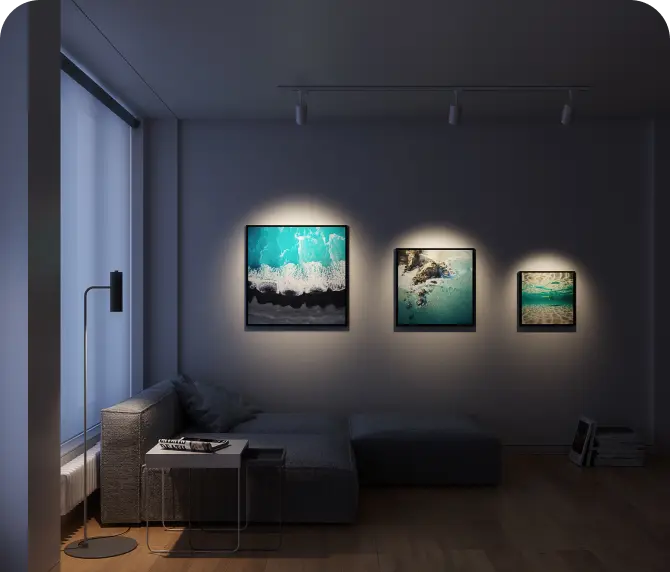
Lighting for pictures on the wall is one of the most misunderstood parts of interior and gallery lighting.
Most pictures are well chosen, carefully framed, and thoughtfully placed. Yet they are often ruined by poor lighting. Colours appear dull. Glass reflects light aggressively. Shadows fall unevenly. The artwork feels disconnected from the space rather than integrated into it.
This happens because lighting for wall art is often treated as decoration rather than precision work.
Whether in a home, gallery, museum, or commercial space, lighting for pictures on the wall follows the same core principles: accuracy, control, consistency, and restraint.
This guide explains how to light pictures on the wall properly, why common solutions fail, and how professional LED systems using track lighting, Zoom, Multi, and Deluxe solutions deliver clean, gallery-level results.
Why lighting pictures on the wall is more complex than it seems
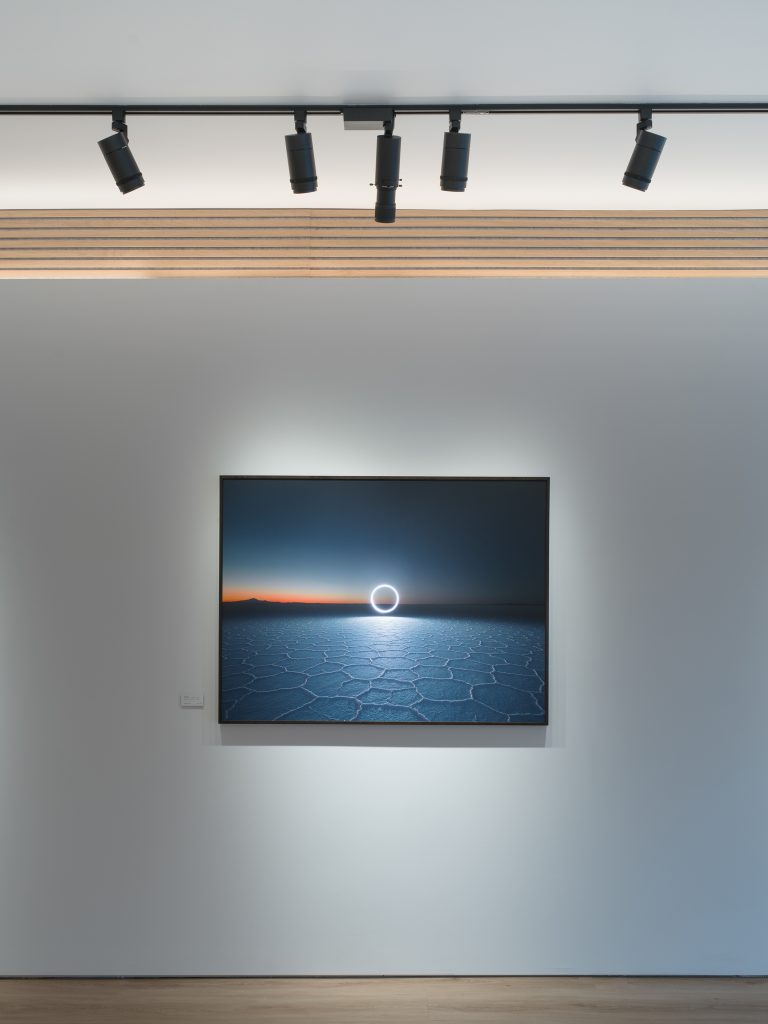
Pictures on the wall are rarely flat surfaces visually.
Light interacts with:
• Pigment and print density
• Paper, canvas, or photographic texture
• Glass or acrylic glazing
• Frame depth and finish
• Wall colour and reflectivity
A light that looks fine in the ceiling often performs poorly once it hits framed artwork.
Poor lighting:
• Creates glare on glass
• Distorts colours
• Causes uneven illumination
• Pulls attention away from the artwork
Good lighting disappears completely and lets the picture take focus.
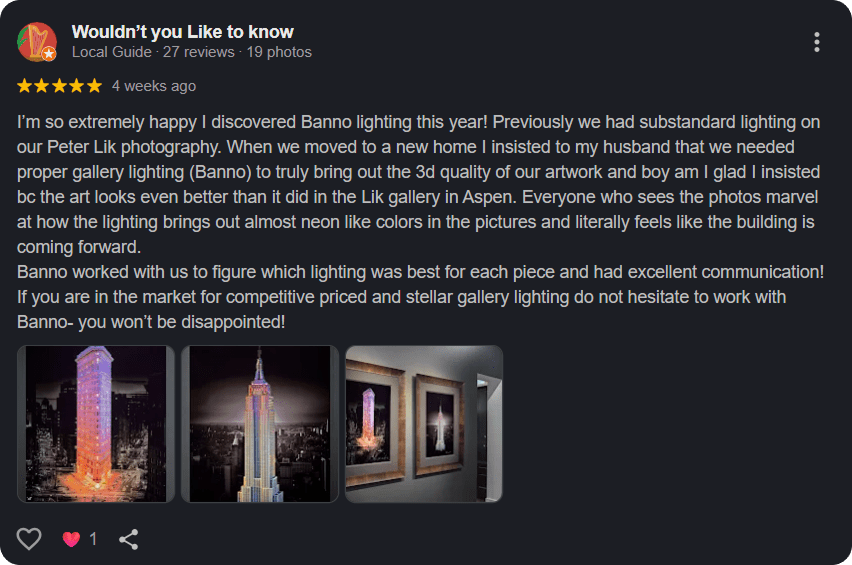
4.9-star rated by art collectors and gallery professionals
How people actually view wall art

People do not view pictures from one fixed position.
They:
• Walk past them
• Step closer to inspect detail
• Step back to take in composition
• View them from different angles
Lighting must remain comfortable and consistent throughout this movement.
Proper lighting for pictures on the wall:
• Feels calm and natural
• Allows long viewing without eye fatigue
• Maintains colour accuracy from multiple angles
• Avoids reflections and hotspots
If lighting causes discomfort, people disengage even if the artwork itself is strong.
Why lighting affects the perceived value of wall art

Lighting directly influences how valuable art feels.
When lighting is correct:
• Colours appear rich and intentional
• Texture feels present
• The artwork feels integrated into the space
When lighting is poor:
• Art feels flat or cheap
• Colours feel inaccurate
• The piece loses presence
This matters in galleries, but it matters just as much in homes. Proper lighting elevates artwork emotionally and visually.
Why common solutions fail when lighting pictures on the wall
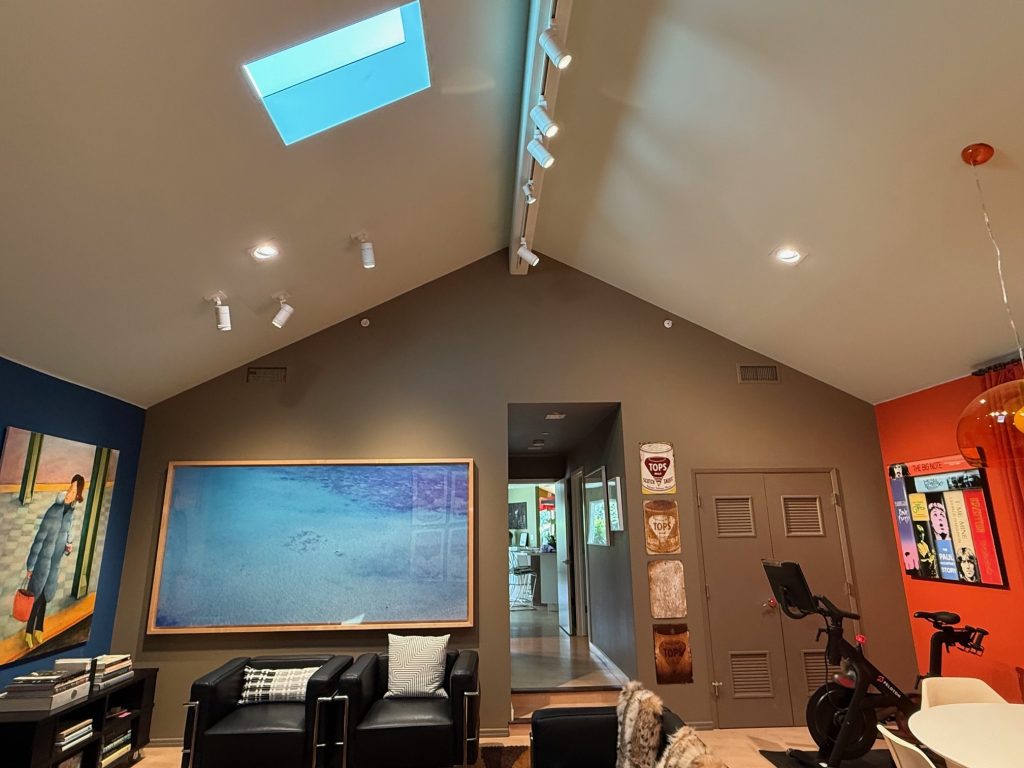
Most wall art is lit using:
• Decorative picture lights
• Ceiling downlights
• General ambient lighting
These solutions are convenient, but they are rarely correct.
Common failures include:
• Light hitting the glass instead of the artwork
• Strong glare and reflections
• Uneven illumination
• Colour distortion
• Fixed output with no control
Lighting pictures properly requires directional control and adjustment, not fixed decorative fittings.
Lighting for pictures on the wall should start with a plan
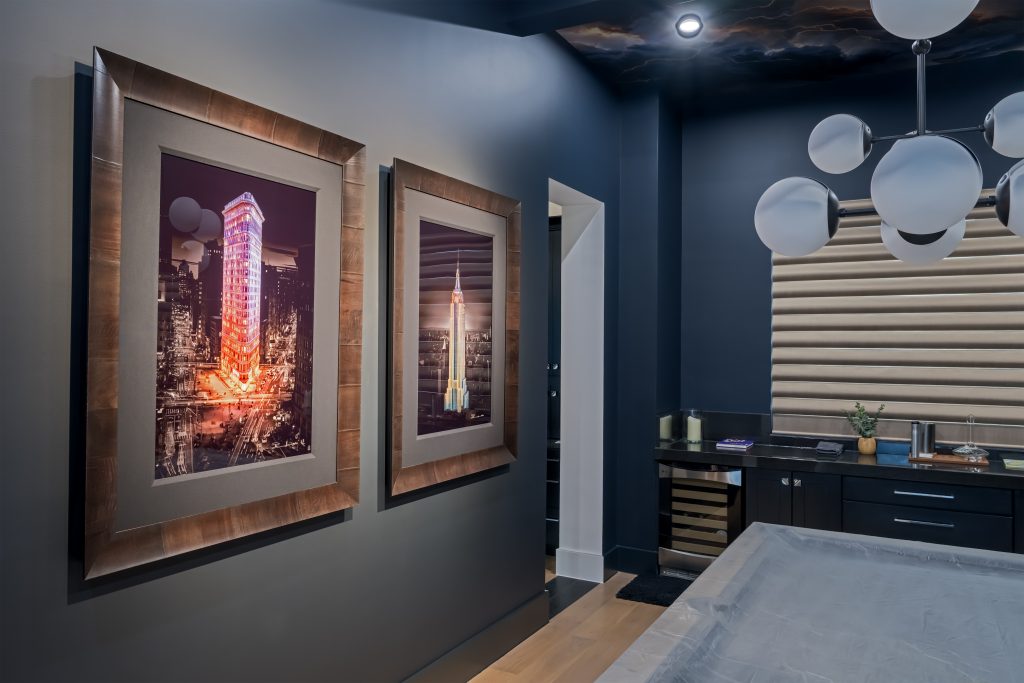
Professional art lighting always starts with a plan, even in residential settings.
A proper lighting plan considers:
• Wall height and width
• Picture size and framing depth
• Viewing distance
• Ceiling height
• Track or fixture placement
• Future changes to the artwork
Without a plan, lighting becomes trial and error. Fixtures are adjusted repeatedly and still never feel right.
A plan ensures consistency and predictability.
Track lighting as the most flexible solution for wall art

Track lighting is the most versatile solution for lighting pictures on the wall.
It allows:
• Precise aiming at individual artworks
• Easy repositioning when pictures change
• Clean ceilings without visual clutter
• Long-term flexibility
This is why track lighting is used in galleries, museums, and increasingly in high-end homes.
Track lighting vs downlights for wall pictures
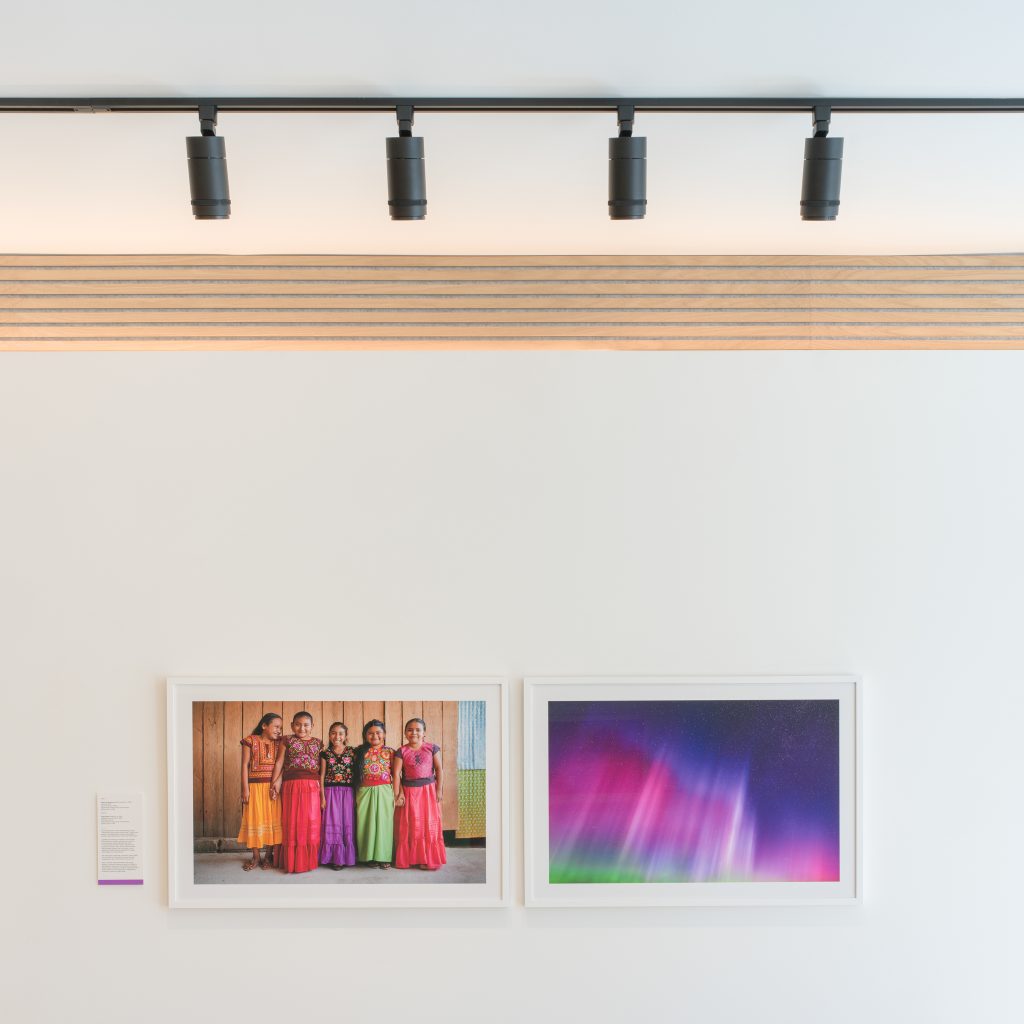
Downlights are designed for general illumination, not artwork.
They:
• Create steep angles that cause glare
• Wash walls unevenly
• Cannot be adjusted precisely
• Fail when artwork changes position
Track lighting allows the light to be aimed correctly at the artwork rather than straight down at the wall.
Beam control is critical when lighting pictures on the wall

Pictures require controlled beams.
Controlled beams:
• Frame the artwork cleanly
• Prevent spill onto adjacent walls
• Preserve contrast and depth
• Reduce reflections
Wide beams flatten artwork and reduce impact. Tight, well-controlled beams give pictures presence and clarity.
This is why professional lighting prioritises optics over brightness.
Why dimming is essential for wall art lighting

Dimming is not about atmosphere. It is about control.
Pictures vary in:
• Size
• Medium
• Surface reflectivity
• Frame finish
Fixed-output lighting forces compromise. Some pictures become overlit while others feel dull.
Professional lighting for pictures on the wall must allow smooth, precise dimming so each piece can be balanced properly.
Good dimming allows:
• Reducing glare on glass
• Balancing multiple artworks on one wall
• Adjusting emphasis without changing angles
• Creating visual harmony
Dimming must be flicker-free and stable at low levels. Poor dimming immediately undermines quality.
Why CRI 97+ matters when lighting pictures

CRI measures how accurately colours are rendered.
Pictures rely on accurate colour reproduction whether they are:
• Paintings
• Prints
• Photographs
• Mixed media works
Standard lighting often sits around CRI 80–90. That is insufficient for art.
Only CRI 97+ lighting can:
• Render colours faithfully
• Preserve tonal nuance
• Keep whites neutral
• Avoid colour distortion
Lower CRI lighting makes artwork look dull and untrustworthy.
LED lighting as the modern standard for wall art

LED lighting is now the preferred choice for lighting pictures on the wall.
Professional LED lighting offers:
• Low heat output
• No UV or IR radiation
• Excellent colour stability
• Long life
• Precise optical control
However, only art-grade LED lighting delivers these benefits properly. Generic LEDs often fail on colour accuracy and dimming quality.
Zoom lighting for pictures of different sizes

Zoom lighting systems are ideal when wall art varies in size.
Zoom allows:
• Adjustable beam angles from a single fixture
• Tight framing for small pictures
• Wider coverage for large artworks
• Easy adaptation when artwork changes
This makes Zoom systems ideal for both galleries and homes with evolving collections.
Multi lighting for curated wall displays
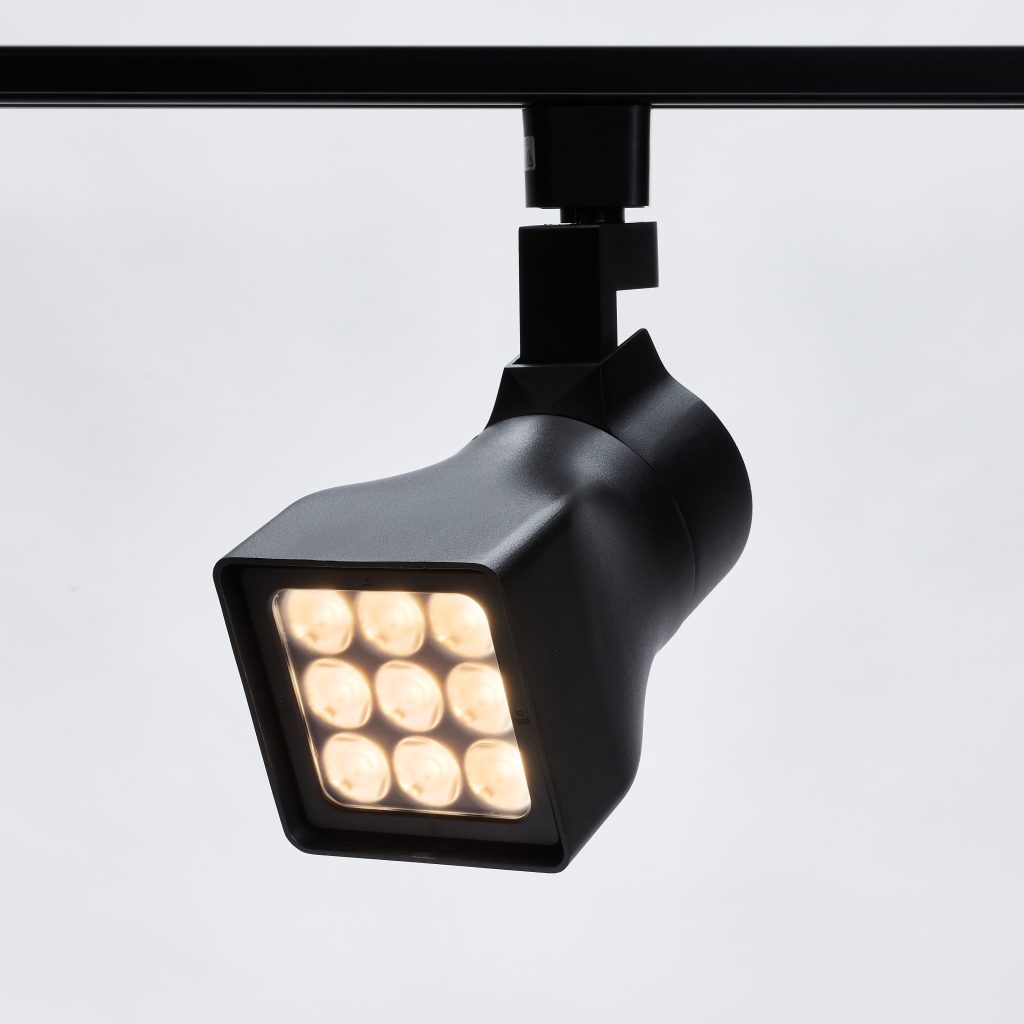
Multi lighting systems are used when different artworks require different treatment.
They are effective when:
• One piece should stand out
• Works vary in importance
• Different surfaces reflect light differently
Multi systems allow subtle hierarchy without disrupting visual harmony.
Deluxe lighting for premium wall art

Deluxe lighting systems are chosen for high-value art and refined interiors.
They are used where:
• Visual restraint is critical
• Colour accuracy must be perfect
• Dimming stability is essential
• Fixtures should disappear
Deluxe systems combine exceptional optics, CRI 97+ LEDs, and ultra-stable dimming.
Colour temperature for lighting pictures on the wall

Most professionals use 3000K lighting for wall art.
3000K:
• Feels warm yet neutral
• Preserves colour accuracy
• Works across most art styles
Some master works are lit at 2700K selectively when warmth enhances emotional presence. This must be done carefully to avoid yellowing whites.
Cooler temperatures are rarely suitable for artwork.
Managing glare on glass-covered pictures

Glare is the most common complaint when lighting wall art.
Professional lighting avoids glare through:
• Correct beam angles
• Precision optics
• Proper track placement
• Controlled dimming
When glare is eliminated, viewers can approach artwork comfortably and engage fully.
Consistency across walls and rooms

Lighting should feel cohesive.
Professional systems ensure:
• Consistent colour across fixtures
• Balanced illumination wall to wall
• Stable performance over time
Inconsistent lighting makes artwork feel accidental rather than curated.
Long-term thinking in wall art lighting

Lighting for pictures on the wall should be designed once, properly.
A professional system allows:
• Easy changes as artwork evolves
• Minimal maintenance
• Long-term visual consistency
• Increased enjoyment of the artwork
Short-term lighting decisions often lead to long-term dissatisfaction.
Frequently Asked Questions

Lighting for pictures on the wall
What is the best lighting for pictures on the wall?
The best lighting for pictures on the wall is directional LED lighting with CRI 97+ colour accuracy, smooth dimming, and controlled beam optics, often delivered through track lighting systems.
Is track lighting good for wall art?
Yes. Track lighting is one of the best solutions because it allows precise aiming, flexibility as artwork changes, and clean architectural integration.
Should wall art lighting be dimmable?
Yes. Dimming is essential to reduce glare, balance multiple artworks, and fine-tune presentation without moving fixtures.
What CRI should lighting for wall art have?
Lighting for wall art should be CRI 97+ to ensure accurate colour rendering and preserve tonal nuance.
Is LED lighting safe for pictures and paintings?
Yes. Professional-grade LED lighting produces minimal heat and no UV radiation, making it safe for artwork when specified correctly.
What colour temperature is best for lighting pictures?
Most professionals use 3000K. 2700K may be used selectively for warmer presentation.
How do you avoid glare on framed pictures?
Glare is avoided through controlled beam optics, correct aiming angles, appropriate fixture placement, and careful dimming.
Final thoughts on lighting for pictures on the wall

Lighting for pictures on the wall should feel invisible.
When done properly:
• Artwork feels intentional
• Colours are accurate
• Texture is revealed
• Viewers engage longer
• The space feels curated
This is the difference between simply hanging pictures and truly displaying art.
Why choose Banno Lighting
Banno Lighting specialises in professional lighting for wall art, galleries, and refined interiors.
We provide:
• Expert guidance
• Professional lighting plans
• LED track lighting for wall art
• Zoom, Multi, and Deluxe solutions
• CRI 97+ colour accuracy
• Smooth, stable dimming
• Long-term support
If you want lighting for pictures on the wall that respects the artwork and elevates the space, professional systems and guidance are essential.
What art collectors and gallery clients say about us