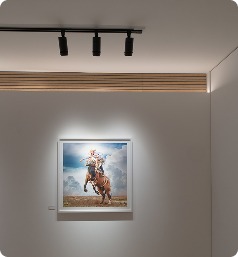
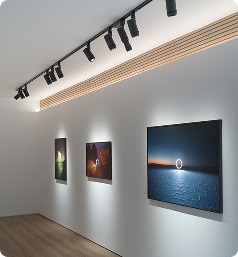
Professional art lighting system enhancing texture and color accuracy in gallery
Modern art lights are not decorative accessories. In serious art environments, they are architectural instruments that shape perception, reinforce curatorial intent, and elevate artwork to its full visual potential.
In galleries, museums, and high end residences, modern art lights determine how color is perceived, how texture is revealed, and how visual hierarchy is established. The evolution from traditional picture lamps to advanced modern art lighting fixtures reflects a deeper understanding of how light interacts with contemporary materials, scale, and space.
This guide explores modern art lights from a professional standpoint, focusing on precision, conservation, architectural integration, and aesthetic refinement.
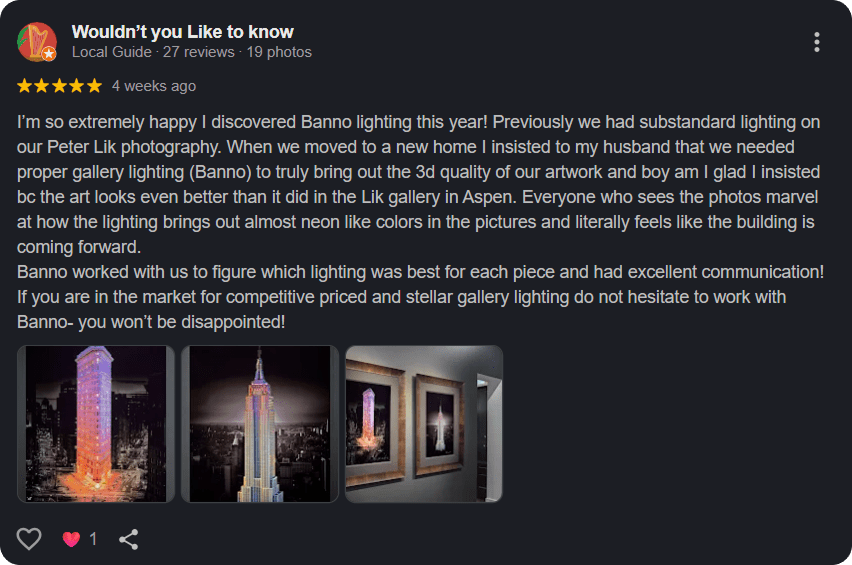
Gallery Lighting Testimonial: Professional Review of Our Display Fixtures
The Evolution of Modern Art Lights
Historically, artwork was illuminated by natural daylight, particularly north facing light. Today, modern art lights replicate and improve upon these conditions using advanced LED technology.
Modern artistic lighting is defined by:
- High color rendering accuracy
- Controlled beam shaping
- Minimal glare
- Architectural integration
- Long term stability
Unlike purely decorative fixtures, modern art lighting fixtures are engineered specifically for artwork presentation.
Modern Art Light Fixtures: Precision and Purpose
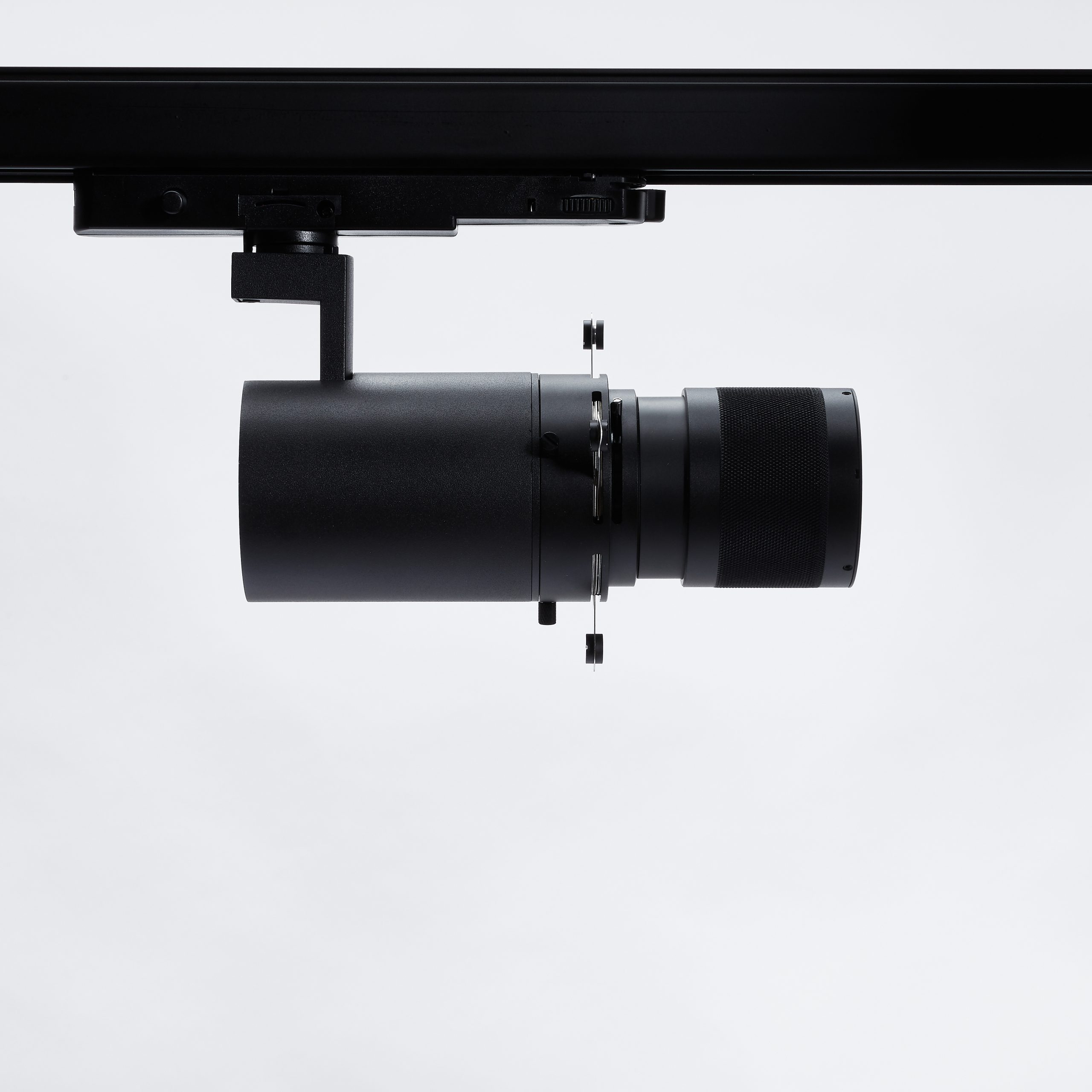
Professional gallery spotlight designed for accurate artwork illumination and dimming
Modern art light fixtures prioritize performance over ornamentation.
Key characteristics include:
- Adjustable beam angles
- Dimming capability
- Anti glare shielding
- Consistent color temperature
- UV and IR free output
Whether installed as modern art ceiling lights or modern wall art lights, the fixture’s role is to enhance, not distract.

4.9-star rated by art collectors and gallery professionals
Modern Art Ceiling Lights in Gallery Spaces
In contemporary galleries, modern art ceiling lights are often track based or recessed adjustable systems.
Advantages:
- Flexible repositioning
- Clean architectural lines
- Uniform installation rhythm
- Support for rotating exhibitions
Modern art gallery lighting systems must allow curators to modify layout without structural changes.
Track based systems, especially flexible gallery solutions like Multi, provide the adaptability required in evolving exhibition spaces.
Modern Art Wall Lights and Picture Lighting
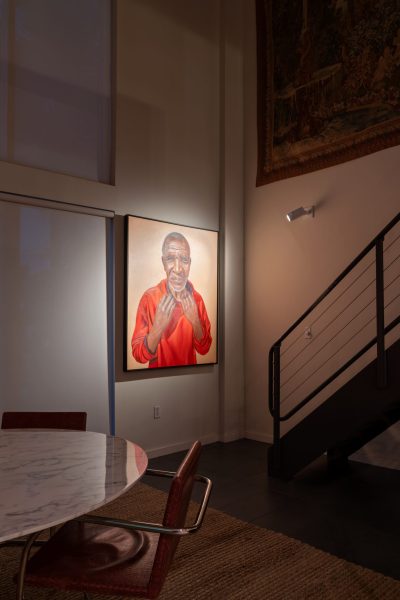
Contemporary wall mounted art lights providing even edge to edge illumination
Modern art wall lights and modern picture lights are commonly used in residential galleries and boutique spaces.
These fixtures must:
- Provide even edge to edge illumination
- Align precisely with artwork center
- Avoid hotspotting
- Maintain subtle design presence
Modern picture lights black finishes are often selected for minimalist interiors, while brass or neutral finishes complement warmer spaces.
Regardless of finish, optical performance remains the priority.
Modern Painting Lights and Lighting for Paintings
Modern painting lights are engineered to reveal brushwork, layering, and subtle tonal transitions.
Lighting for paintings requires:
- Approximately 30 degree angle of incidence
- Beam width matched to artwork scale
- High CRI above 95
- Controlled contrast with surrounding walls
What is the best lighting for artwork depends on medium, but in most cases, high quality art LED systems offer superior performance compared to generic fixtures.
Modern Art Museum Lights: Conservation and Comfort

Controlled museum art lighting system maintaining stable brightness and color
Modern art museum lights must balance visibility with conservation.
Institutions consider:
- Lux limits for sensitive works
- Spectral consistency
- Dimming stability
- Long term color maintenance
Museum grade systems such as Deluxe are designed with these priorities in mind. They maintain consistent output over time while minimizing visual discomfort.
Glare control is especially critical in museum settings where visitors approach works from multiple angles.
Modern Art of Light: Light as Medium
Beyond illumination, modern art of light refers to artworks where light itself becomes the medium.
Examples include:
- Neon installations
- LED light sculptures
- Projection based works
- Immersive light environments
Contemporary art light installation pieces require different lighting strategies. Rather than illuminating the artwork, modern art lights may provide subtle ambient balance so the light based piece remains dominant.
Understanding types of light art and examples of light in art helps designers avoid over lighting or interfering with artist intent.
Different Types of Lighting in Art Spaces

Accent lighting focused on paintings within balanced gallery illumination
Professional art environments rely on layered systems.
Primary categories include:
- Accent lighting
- Ambient lighting
- Wall washing
- Task lighting
- Feature lighting
Modern lights for art are primarily accent lighting systems. They create controlled focal points while ambient layers maintain overall spatial comfort.
Modern Artistic Lighting in High End Homes
Collectors increasingly incorporate modern art lighting fixtures into private residences.
Applications include:
- Hallway galleries
- Staircase installations
- Double height feature walls
- Dedicated art rooms
Modern art floor lamp or modern art standing lamp solutions may complement ceiling systems, but primary artwork illumination should remain directional and precise.
Architectural coherence is critical. Modern art lights must align with ceiling grids, wall proportions, and furniture layout.
Contemporary Art Lights in Commercial Galleries

Black track mounted art lights emphasizing dramatic gallery wall displays
Contemporary art lights differ slightly from traditional museum lighting.
Contemporary spaces often embrace:
- Higher contrast
- More dramatic shadow
- Visible track systems as design features
- Black or industrial finishes
However, even in avant garde galleries, optical discipline remains essential. Beam alignment and glare control still define professional presentation.
Precision systems such as Zoom allow extremely narrow beam control for small format works, while flexible gallery solutions like Multi support rapid exhibition changes without visual disruption.
Modern Art Wall Lights and Architectural Rhythm
When modern art wall lights are installed consistently along a corridor or gallery wall, they create architectural rhythm.
Spacing should consider:
- Artwork intervals
- Ceiling height
- Visual alignment
Inconsistent spacing disrupts the visual flow. Modern art lights must feel intentional and cohesive.
Modern Art Lighting Fixtures and High Ceilings

Narrow beam gallery lights illuminating artwork in tall ceiling gallery
Large contemporary spaces often feature high ceilings.
In these environments:
- Narrow beam optics are required
- Higher output fixtures may be necessary
- Extended aiming capability is essential
Modern art ceiling lights designed for tall spaces ensure correct beam geometry despite increased throw distance.
Modern Art Lights and Color Temperature
Color temperature profoundly affects artwork perception.
Common ranges:
- 2700K for warmer interiors
- 3000K for neutral gallery environments
- 3500K for contemporary minimal spaces
Consistency across all modern art lights is critical. Mixing color temperatures diminishes professional presentation.
Modern Picture Lights for Wall Installations

Minimalist modern picture lighting installed above large framed painting
Modern picture lights for wall mounting are ideal for permanent installations.
They work best when:
- Artwork size is fixed
- Layout is stable
- A minimalist aesthetic is desired
In rotating exhibition spaces, ceiling based modern art lighting fixtures offer greater flexibility.
Contemporary Art Light Installation Considerations
When dealing with contemporary art light installations, designers must respect artist intent.
Avoid:
- Competing brightness
- Misaligned color temperature
- Distracting reflections
Instead, modern art lights should complement the installation’s own luminous qualities.
Lights as Art vs Art Lights

Gallery interior showing difference between art lights and light artwork
There is a difference between lights as art and art lights.
Lights as art are sculptural or conceptual pieces.
Art lights are tools for illuminating separate works.
In some modern environments, these categories blur. Designers must ensure that practical lighting still fulfills its primary function without being overshadowed by decorative ambition.
Modern Art Lighting and Perceived Value
Lighting influences perceived quality.
Precision modern art lights:
- Enhance depth
- Clarify color accuracy
- Increase viewer engagement
- Reinforce curatorial professionalism
Poor lighting diminishes even exceptional works.
For collectors and institutions, modern art lighting fixtures represent not aesthetic excess but necessary infrastructure.
Optics in Modern Art Lights

Optical art lighting revealing texture across oil painting surface
In professional environments, modern art lights are defined by optical precision rather than decorative styling. The lens system inside the fixture determines whether artwork appears flat and overexposed or dimensional and refined.
High performance modern art lighting fixtures incorporate:
- Precision lens assemblies
- Controlled beam edges
- Smooth light fall off
- Anti glare shielding
- Deep set LED modules
The difference between a general spotlight and a true modern art light becomes clear when illuminating textured oil paintings. Lower grade optics create bright centers and dim edges. Precision modern art lights deliver even illumination across the entire surface.
For galleries and collectors, this level of optical control directly impacts perceived quality.
Contrast Control in Modern Art Gallery Lighting
Contrast is one of the most powerful tools in exhibition design. Modern art gallery lighting uses contrast carefully to create visual hierarchy without theatrical excess.
Too little contrast and artwork blends into the wall.
Too much contrast and the space feels harsh and uncomfortable.
Modern art lights should elevate the artwork slightly above ambient light levels while maintaining visual comfort. The goal is clarity, not drama.
This balance is particularly important in contemporary galleries where clean architecture and minimalism dominate. Lighting must support that aesthetic without overpowering it.
Beam Alignment and Wall Rhythm

Row of gallery lights aligned precisely above framed artworks
When modern art lights are installed across a gallery wall, consistency is critical.
Each fixture should:
- Align with the center of the artwork
- Maintain consistent spacing
- Deliver uniform brightness
- Match beam angle across the installation
Inconsistent alignment disrupts rhythm and weakens presentation.
Professional installations often involve fine adjustments during exhibition setup. Even small shifts in angle can improve how light interacts with texture and color.
Modern Art Lights and Surface Texture

Angled art lighting emphasizing layered brushwork and surface relief
Modern paintings often include:
- Heavy impasto
- Mixed media layers
- Metallic pigments
- Matte and gloss contrasts
Lighting angle determines how these surfaces appear.
A well positioned modern art light reveals brushwork without creating glare. Subtle shadowing enhances dimensionality. Excessively flat lighting removes depth and reduces visual interest.
For works on paper, softer distribution is required to prevent reflection, especially behind glazing.
Mid Century Modern Art Lights and Contemporary Context
Mid century modern art lights are sometimes selected for stylistic reasons. While their aesthetic can complement certain interiors, performance must remain the primary criterion.
Regardless of style, modern art lighting fixtures must meet professional standards for:
- Color accuracy
- Beam control
- Heat management
- Dimming stability
A visually appealing fixture that lacks optical discipline compromises the artwork.
Modern Art Wall Lights in Residential Galleries

Residential gallery illuminated by modern ceiling mounted art lights
In high end homes, modern art wall lights are frequently used to illuminate curated corridors and feature walls.
These installations must consider:
- Ceiling height
- Wall color
- Frame material
- Viewing distance
Modern picture lights for wall applications work best when artwork layout is fixed. For evolving collections, ceiling mounted track systems provide greater flexibility.
Consistency of color temperature across all modern art lights ensures cohesion throughout the space.
Contemporary Art Lights and Minimal Architecture
Contemporary architecture favors clean lines and restrained material palettes. Contemporary art lights must integrate seamlessly.
This often means:
- Black or white track systems
- Minimal fixture profiles
- Concealed wiring
- Recessed mounting where possible
The lighting should feel intentional but quiet. The artwork remains the focal point.
Modern Art Ceiling Lights for Double Height Spaces

Double height gallery using narrow beam spotlights for artwork
Large contemporary homes and galleries often feature double height ceilings.
In these spaces, modern art ceiling lights must compensate for increased distance between fixture and artwork.
This requires:
- Narrower beam optics
- Higher lumen output
- Precise aiming capability
Incorrect beam selection results in spill light and uneven illumination.
Professional modern art lighting fixtures are engineered to maintain beam integrity even at greater throw distances.
Lighting for Paintings in Neutral Interiors
Many contemporary interiors use neutral palettes. In such environments, modern art lights play an even more important role.
Because wall colors are subtle, small variations in light tone become noticeable.
Maintaining a consistent color temperature across all art lights modern installations prevents unwanted shifts in mood from one wall to another.
Modern Art Lights and Emotional Perception

Balanced gallery lighting creating calm contemplative viewing environment
Lighting shapes emotion.
A softly illuminated painting feels intimate.
A sharply defined spotlight feels assertive.
Even, balanced light feels calm and contemplative.
Modern art lights allow curators and designers to shape atmosphere without altering the artwork itself.
In museum settings, this subtle control enhances visitor engagement. In residential spaces, it elevates daily experience.
Contemporary Art Light Installation and Supporting Illumination
When dealing with contemporary art light installations, lighting strategy must adapt.
If the artwork emits light, surrounding modern art lights should:
- Avoid competing brightnes
- Maintain neutral tone
- Provide gentle spatial balance
The goal is to support the artwork’s luminous quality rather than overpower it.
Modern Art Lighting Fixtures and Long Term Stability

Durable modern art fixture providing reliable color and output
Stability is essential in professional environments.
Modern art lighting fixtures should provide:
- Consistent output over time
- Reliable dimming performance
- Minimal color shift
- Low maintenance requirements
This reliability ensures that exhibitions remain visually consistent from opening night through long display periods.
Museum grade systems such as Deluxe prioritize this stability. Precision fixtures like Zoom allow tight beam shaping for smaller works. Flexible systems such as Multi support evolving layouts in contemporary galleries.
Each serves a distinct function within modern art lighting ecosystems.
Modern Lights for Art and Architectural Identity
In refined spaces, lighting contributes to architectural identity.
A gallery with carefully aligned modern art ceiling lights communicates professionalism and intention. A home with integrated modern art wall lights feels curated rather than decorated.
Lighting is infrastructure, but it is also silent design language.

Modern Art of Light and Spatial Experience

Exhibition space guiding visitors through light defined transitions
The modern art of light extends beyond illumination into spatial storytelling.
Light directs movement.
Light highlights transitions.
Light defines thresholds between rooms.
When modern art lights are thoughtfully integrated, they shape how visitors move through and experience a space.
Refining Presentation Through Precision
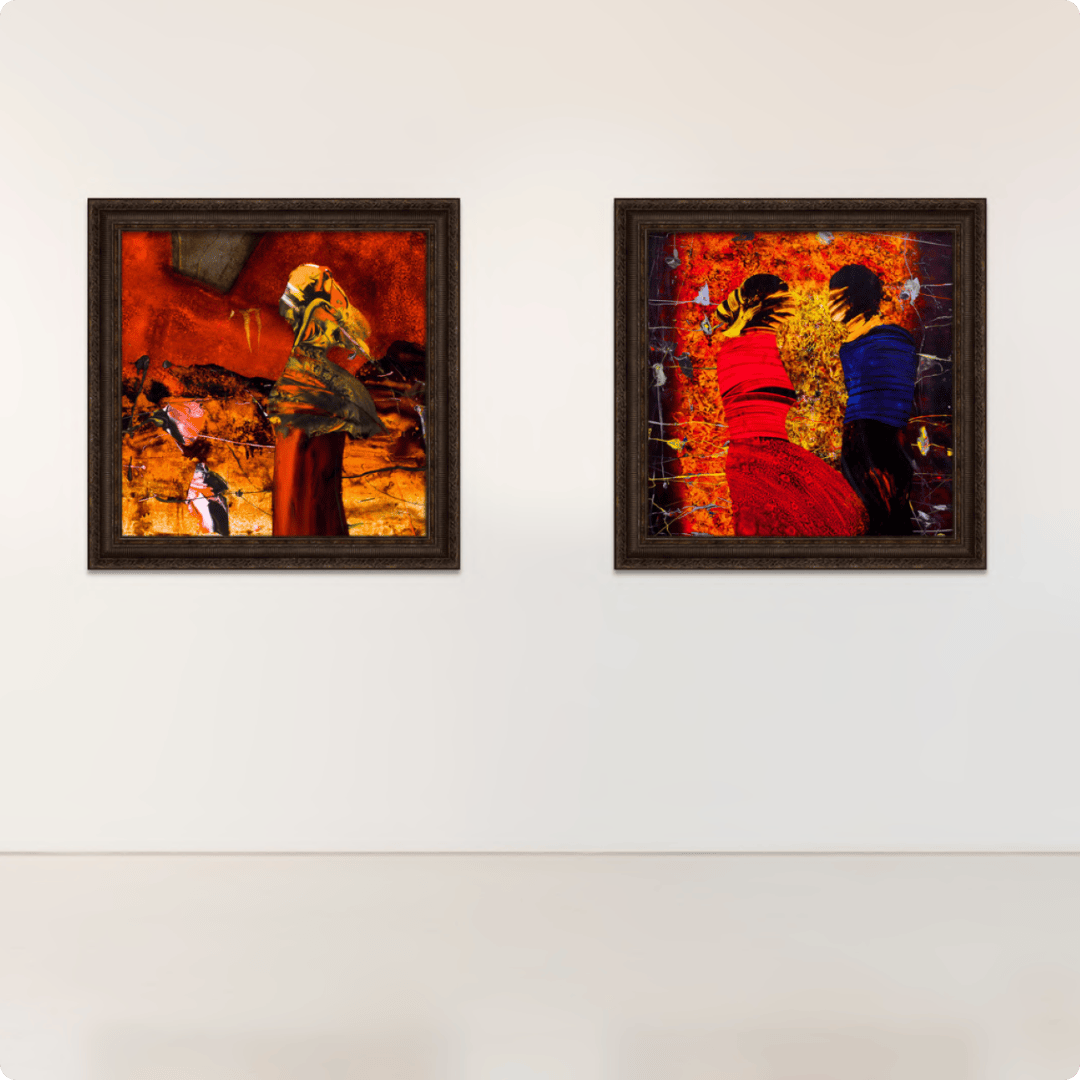
Professional art illumination making painting appear vivid and authentic
Ultimately, modern art lights exist to reveal the artwork at its highest potential.
Precision in:
- Beam angle
- Placement
- Color temperature
- Intensity
creates a viewing experience that feels natural and effortless.
When lighting is correct, it disappears. The artwork appears balanced, dimensional, and authentic.
For galleries, museums, designers, and collectors committed to excellence, modern art lighting is not decorative detail. It is foundational to presentation quality and curatorial integrity.
20 FAQs
1. What are modern art lights
Modern art lights are precision lighting fixtures designed specifically to illuminate artwork in galleries, museums, and high end interiors.
2. What is the best lighting for artwork
High CRI LED lighting with adjustable beam control and consistent color temperature is generally best.
3. Are modern art ceiling lights better than wall lights
Ceiling lights offer greater flexibility, while wall lights are suitable for permanent installations.
4. What color temperature is best for modern art lighting
Typically 2700K to 3000K for most gallery settings.
5. Do modern art lights damage paintings
High quality LED systems produce minimal heat and no UV, making them safe.
6. What are modern art museum lights
They are conservation focused lighting systems designed for long term stability and visual comfort.
7. How do modern painting lights differ from regular lights
They prioritize color accuracy, beam precision, and glare control.
8. Can modern picture lights be used in galleries
Yes, especially in stable permanent exhibitions.
9. What is contemporary art light installation
Artwork where light itself is used as the primary medium.
10. What beam angle is best for art lights
Depends on artwork size, typically 24 to 36 degrees for medium pieces.
11. Are modern art wall lights adjustable
Professional systems are often adjustable for precise aiming.
12. Do modern art lights need dimming
Yes, especially in museum environments.
13. What is high CRI in art lighting
CRI measures how accurately colors appear under a light source.
14. Can modern art lighting fixtures be recessed
Yes, recessed adjustable systems are common in museums.
15. Are track systems good for modern art gallery lighting
Yes, they allow repositioning without rewiring.
16. How do you avoid glare in modern art lights
By using correct beam angles and anti glare shielding.
17. Can modern art floor lamps replace ceiling lights
They can supplement but rarely replace precision ceiling systems.
18. Why is consistent color temperature important
Inconsistent temperature disrupts visual harmony.
19. What are types of light art
Neon, LED installations, projection art, and immersive luminous works.
20. Why do modern art lights matter
Because lighting shapes perception, enhances quality, and supports curatorial intent.
See Why Clients Trust Our Lighting Systems for Every Project