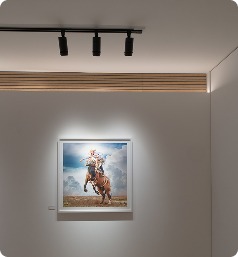
Controlled beam focusing on artwork without wall spill
One of the defining characteristics of a high-quality recessed art light is beam precision. Unlike general recessed lighting, art-specific recessed fixtures are engineered to deliver controlled, directional illumination that enhances artwork without spilling unnecessary light onto surrounding walls or floors.
Beam precision is essential for:
- Highlighting individual artworks
- Preventing uneven brightness
- Maintaining visual focus on the artwork
- Reducing distraction within gallery environments
In professional art spaces, even slight variations in beam spread can significantly impact how artwork is perceived, making precision optics a critical factor in recessed artwork lighting design.
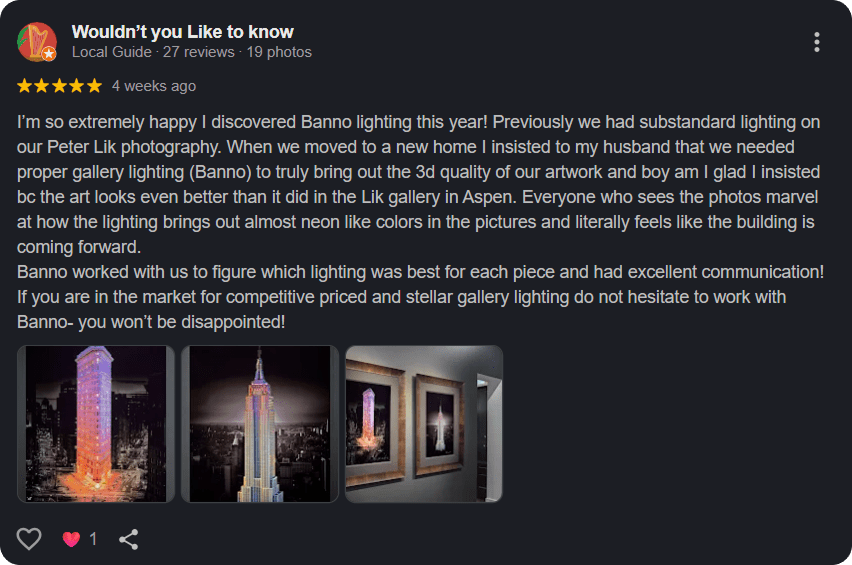
Gallery Lighting Testimonial: Professional Review of Our Display Fixtures
Recessed Artwork Lighting and Glare Reduction Strategies
Glare is one of the most common issues when lighting artwork, particularly with framed paintings, varnished surfaces, and glass-protected pieces. Recessed artwork lighting helps minimise glare by allowing lighting angles to be carefully controlled from above rather than directly facing the artwork.
Effective glare reduction with recessed art lighting involves:
- Offset ceiling positioning
- Angled beam direction
- Controlled light intensity
- Anti-glare recessed optics
This approach ensures that viewers can experience artwork clearly without reflective interference, which is especially important in galleries and museums.
Recessed Ceiling Art Lights and Large Gallery Walls

Angled recessed lighting minimizing reflections on glass artwork
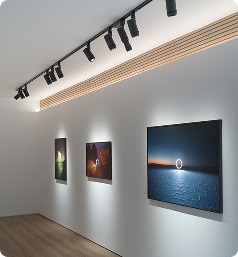
Large gallery walls featuring multiple artworks require evenly distributed illumination to maintain visual balance. Recessed ceiling art lights can be spaced strategically along the ceiling plane to create uniform lighting across an entire display wall.
For large art walls, recessed lighting provides:
- Consistent illumination across multiple artworks
- Balanced visual rhythm in exhibitions
- Professional gallery-grade presentation
- Scalable lighting layouts for expanding collections
This makes recessed ceiling lighting an ideal solution for museums, exhibitions, and collector spaces with extensive art displays.

4.9-star rated by art collectors and gallery professionals
Recessed Art Lighting Fixtures and Curatorial Flexibility
Curators often need to adjust lighting as exhibitions change, artworks rotate, or display layouts evolve. Recessed art lighting fixtures with adjustable heads offer significant flexibility while maintaining a clean architectural ceiling design.
Curatorial flexibility benefits include:
- Re-aiming lights for new artwork placements
- Adjusting brightness levels for different mediums
- Supporting temporary and permanent exhibitions
- Maintaining consistent lighting standards
This adaptability is particularly valuable in dynamic gallery environments.
Recessed Art Light and Color Rendering Accuracy

High color rendering recessed light preserving pigment tones
Color rendering is a fundamental requirement in professional art lighting. A recessed art light with high color accuracy ensures that artwork appears true to the artist’s original intent, without color distortion or tonal shifts.
High-quality recessed lighting improves:
- Pigment authenticity
- Subtle color transitions
- Visual richness of artwork
- Accurate representation of materials
This is especially critical for oil paintings, contemporary art, and mixed media works where color nuance defines artistic value.
Recessed LED Art Light and Thermal Stability
Thermal stability is another key advantage of recessed LED art light systems. Traditional lighting sources can generate excessive heat, which may negatively affect delicate artwork over time. Recessed LED lighting produces significantly less heat, making it suitable for long-term art display.
Thermal stability supports:
- Artwork preservation
- Reduced environmental stress on materials
- Safer illumination for sensitive artworks
- Consistent long-duration lighting operation
This makes recessed LED art lighting ideal for museums and high-value collections.
Recessed Art Spotlight and Visual Hierarchy in Exhibitions

Highlighted feature painting within balanced wall display
A recessed art spotlight plays an important role in establishing visual hierarchy within exhibitions and curated spaces. By selectively illuminating key artworks, curators can guide viewer attention naturally throughout the gallery.
Strategic spotlighting allows:
- Primary artworks to stand out
- Secondary works to remain balanced
- Structured visual storytelling
- Enhanced engagement with focal pieces
This layered lighting technique is widely used in museum-grade exhibition design.
Recessed Adjustable Art Light for Evolving Collections
Art collections are rarely static. New acquisitions, rotating displays, and changing interior layouts require adaptable lighting systems. A recessed adjustable art light provides long-term versatility without requiring structural ceiling modifications.
This flexibility enables:
- Easy repositioning of light angles
- Adaptation to different artwork sizes
- Future-proof lighting design
- Efficient exhibition reconfiguration
For collectors and galleries, this ensures that the lighting system evolves alongside the collection.
Recessed Wall Art Light and Surface Uniformity
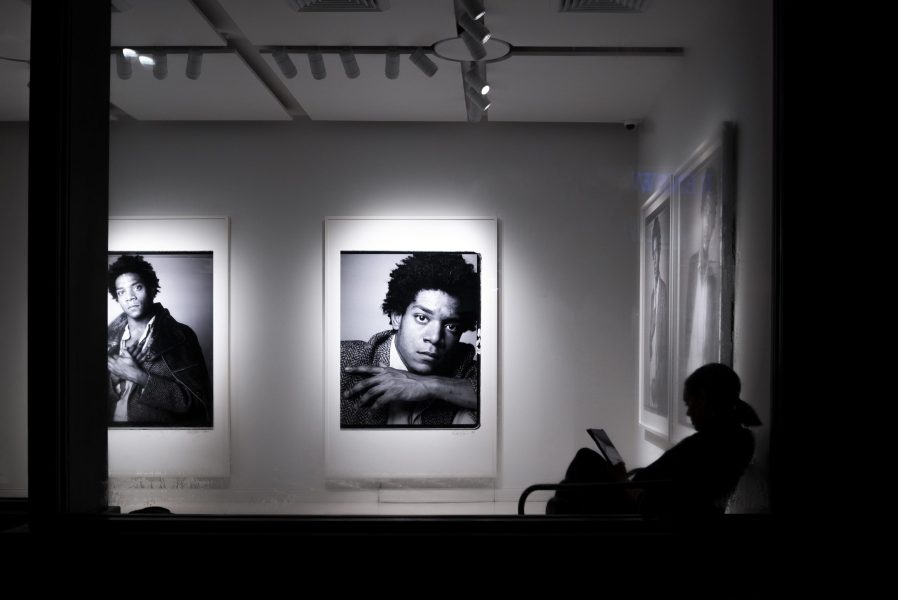
Even brightness eliminating dark edges on artwork
Surface uniformity is essential when illuminating wall-mounted artwork. Uneven lighting can create bright hotspots and dark edges that distort the visual balance of a piece. Recessed wall art light placement helps achieve smooth and even illumination across the artwork surface.
Uniform lighting enhances:
- Visual clarity across the entire artwork
- Balanced brightness distribution
- Professional display aesthetics
- Comfortable viewing experience
This is particularly important for large paintings and framed photographic works.
Recessed Art Lighting and Integration with Architectural Design
Recessed art lighting integrates seamlessly with architectural design, making it a preferred choice in modern galleries and luxury interiors. Unlike exposed fixtures, recessed lights maintain clean ceiling lines and support a minimalist spatial language.
Architectural integration benefits include:
- Discreet lighting presence
- Enhanced spatial sophistication
- Reduced visual clutter
- Harmonised interior aesthetics
This integration allows the artwork to remain the dominant visual element within the space.
Recessed Art Light and Multi-Layered Lighting Systems

Accent and ambient lights balancing gallery atmosphere
Professional art environments rarely rely on a single lighting source. Instead, recessed art light systems are often combined with ambient and accent lighting to create a layered illumination strategy.
A multi-layered lighting system includes:
- Recessed accent lighting for artwork
- Soft ambient lighting for spatial balance
- Supplementary directional lighting for key pieces
This layered approach creates depth and refinement within galleries and collector spaces.
Recessed Art Lighting for Museums and Institutional Standards
Museums operate under strict lighting guidelines to ensure artwork preservation and accurate presentation. Recessed art lighting aligns well with institutional standards due to its precision, stability, and conservation-friendly performance.
In museum environments, recessed lighting supports:
- Controlled illumination levels
- Long-term exhibition stability
- Protection of fragile artworks
- Professional curatorial presentation
This makes recessed art lights a core component of museum lighting design.
Recessed Art Light as a Long-Term Investment for Art Displays
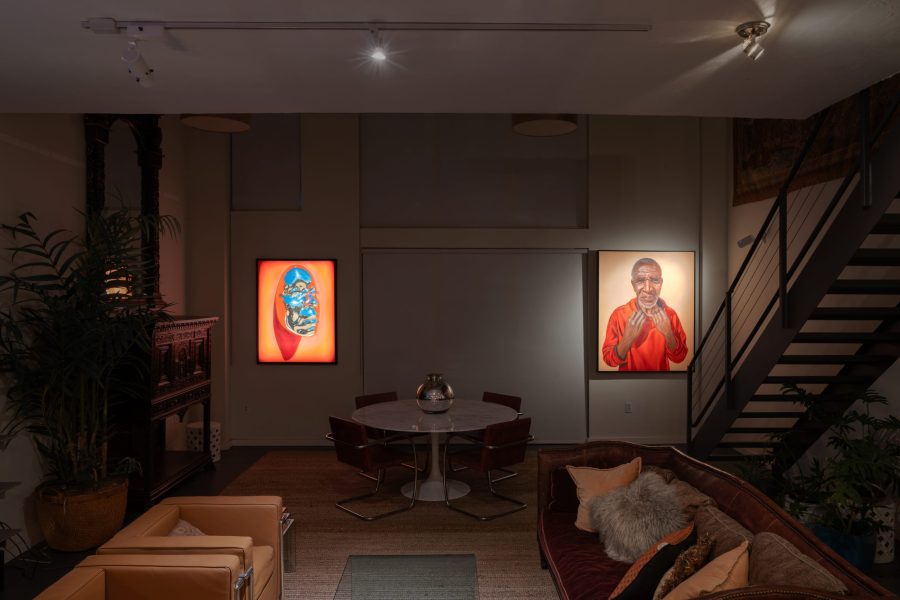
Durable recessed lighting supporting permanent art display
Investing in a recessed art light system provides long-term value for galleries, museums, designers, and collectors. Its combination of architectural discretion, precision illumination, and adaptability ensures consistent artwork presentation over many years.
Long-term advantages include:
- Reliable lighting performance
- Energy-efficient operation
- Minimal maintenance requirements
- Future-ready lighting flexibility
- Timeless aesthetic integration
Ultimately, recessed art lighting represents a refined and professional approach to illuminating artwork. By delivering precise beam control, conservation-safe illumination, and seamless architectural integration, recessed art lights allow paintings, sculptures, and wall art to be experienced with clarity, depth, and visual authenticity while preserving the integrity and presence of the artwork within sophisticated display environments.
Recessed Art Light Placement and Distance from Artwork
Correct placement is one of the most critical factors when specifying a recessed art light. Even the highest-quality recessed art lighting fixtures will underperform if they are positioned too close, too far, or directly overhead without angle consideration.
In professional art lighting design, recessed lights are typically positioned slightly in front of the artwork rather than directly above it. This allows the beam to wash the surface evenly while minimising glare and shadow distortion.
Optimal recessed art light placement helps achieve:
- Even illumination across the artwork surface
- Reduced hotspot formation
- Improved visibility of fine details
- Balanced lighting across frames and canvases
This approach is widely used in galleries and museums to maintain consistent visual quality.
Recessed Artwork Lighting and Beam Angle Selection

Narrow beam spotlighting small framed artwork
Beam angle selection plays a major role in how recessed artwork lighting performs. Different artwork sizes and display types require different beam spreads to achieve professional results.
Narrow beam recessed art lighting is ideal for:
- Small paintings
- Individual feature artworks
- Precise spotlighting in gallery settings
Wider beam recessed lighting is better suited for:
- Large paintings
- Multi-panel artworks
- Wide gallery walls
Carefully matching beam angle to artwork size ensures that the entire piece is illuminated evenly without excessive light spill.
Recessed Ceiling Art Light and Viewing Comfort
Viewing comfort is a key consideration in recessed art lighting design, especially in spaces where visitors or collectors spend extended time observing artwork. Harsh overhead lighting can cause eye strain, glare, and visual fatigue.
Well-designed recessed ceiling art light systems improve viewing comfort by:
Providing soft, controlled illumination
Reducing harsh contrasts between light and shadow
Maintaining consistent brightness levels
Creating a calm and refined visual atmosphere
This is particularly important in museums, galleries, and collector environments where the viewing experience must remain comfortable and immersive.
Recessed Art Light for Different Artwork Mediums

Even illumination on framed photographic artwork
Different artistic mediums respond differently to recessed lighting. A painting, photograph, sculpture, and mixed media piece each require slightly different lighting approaches to achieve optimal presentation.
For oil and acrylic paintings, recessed art lighting enhances texture and pigment depth.
For photographic works, it provides even illumination and glare reduction.
For sculptures, it introduces subtle shadowing that enhances dimensional form.
For mixed media art, it balances reflective and matte surface elements.
This adaptability makes recessed art light systems suitable for diverse art collections.
Recessed LED Art Light and Long-Term Exhibition Stability
Long exhibitions require lighting systems that remain stable over extended periods without flickering, dimming inconsistently, or shifting in color output. Recessed LED art light solutions provide the stability needed for permanent and temporary exhibitions alike.
Exhibition stability benefits include:
- Consistent light output over thousands of hours
- Reduced maintenance interruptions
- Reliable illumination for rotating displays
- Predictable visual presentation for curators
This reliability is a major reason why recessed LED art lighting is widely used in institutional environments.
Recessed Art Lighting and Ceiling Height Considerations
Lower ceiling residential art wall with soft beams
Ceiling height significantly influences recessed art lighting performance. Higher ceilings require more precise beam control and potentially higher output fixtures to ensure artwork is properly illuminated from a distance.
In high-ceiling galleries, recessed art lighting should:
- Use tighter beam angles for focus
- Maintain adequate brightness without glare
- Be spaced strategically for coverage
- Support scalable lighting layouts
In residential spaces with lower ceilings, softer beam spreads often create a more balanced and refined presentation.
Recessed Art Spotlight and Focal Point Emphasis
A recessed art spotlight is often used to establish focal points within a curated art environment. Instead of lighting every artwork equally, selective spotlighting draws attention to key pieces while maintaining overall balance.
Focal point lighting enhances:
- Curatorial storytelling
- Visual engagement
- Artwork prominence
- Exhibition structure
This technique is frequently used in museum exhibitions and luxury collector spaces to guide the viewer’s eye naturally.
Recessed Art Lighting and Minimal Visual Intrusion

Minimalist interior supported by subtle art lighting
One of the strongest advantages of recessed art lighting is its minimal visual intrusion. Unlike surface-mounted fixtures or decorative lights, recessed art light fixtures remain discreet and architecturally integrated.
Minimal intrusion supports:
- Cleaner gallery aesthetics
- Uninterrupted wall displays
- Refined interior design cohesion
- A stronger focus on the artwork itself
This makes recessed lighting particularly suitable for contemporary galleries and high-end interiors.
Recessed Art Light and Professional Gallery Standards
Professional galleries follow strict lighting standards to ensure artwork is presented accurately and consistently. Recessed art light systems align well with these standards due to their precision, adjustability, and conservation-conscious performance.
Gallery-standard recessed lighting typically prioritises:
- Accurate color rendering
- Controlled brightness levels
- Glare minimisation
- Even wall illumination
This ensures that artwork is viewed under optimal visual conditions at all times.

Recessed Artwork Lighting and Integration with Specialised Art Fixtures

Integrated recessed and precision art lighting system
In refined art lighting environments, recessed artwork lighting is often integrated with specialised art lighting fixtures such as Zoom (precision art lighting), Deluxe (museum-grade lighting), and Multi (flexible gallery lighting). These lighting solutions complement recessed systems by providing targeted illumination where additional precision is required.
This integrated approach allows:
- Layered lighting control
- Enhanced flexibility for different artworks
- Consistent professional lighting quality
- Discreet yet highly effective illumination
The result is a cohesive lighting system that supports both architectural aesthetics and museum-level artwork presentation.
Recessed Art Lighting and Future-Proof Lighting Design
Art collections evolve over time, and lighting systems must be capable of adapting without major renovations. Recessed art lighting supports future-proof design by offering adjustable positioning, scalable layouts, and long-term reliability.
Future-proof lighting advantages include:
- Adaptability to new artwork sizes
- Support for changing display layouts
- Long operational lifespan
- Reduced need for structural modifications
This makes recessed art lighting a strategic long-term investment for galleries, museums, and collectors.
Recessed Art Light as the Benchmark for Discreet Art Illumination
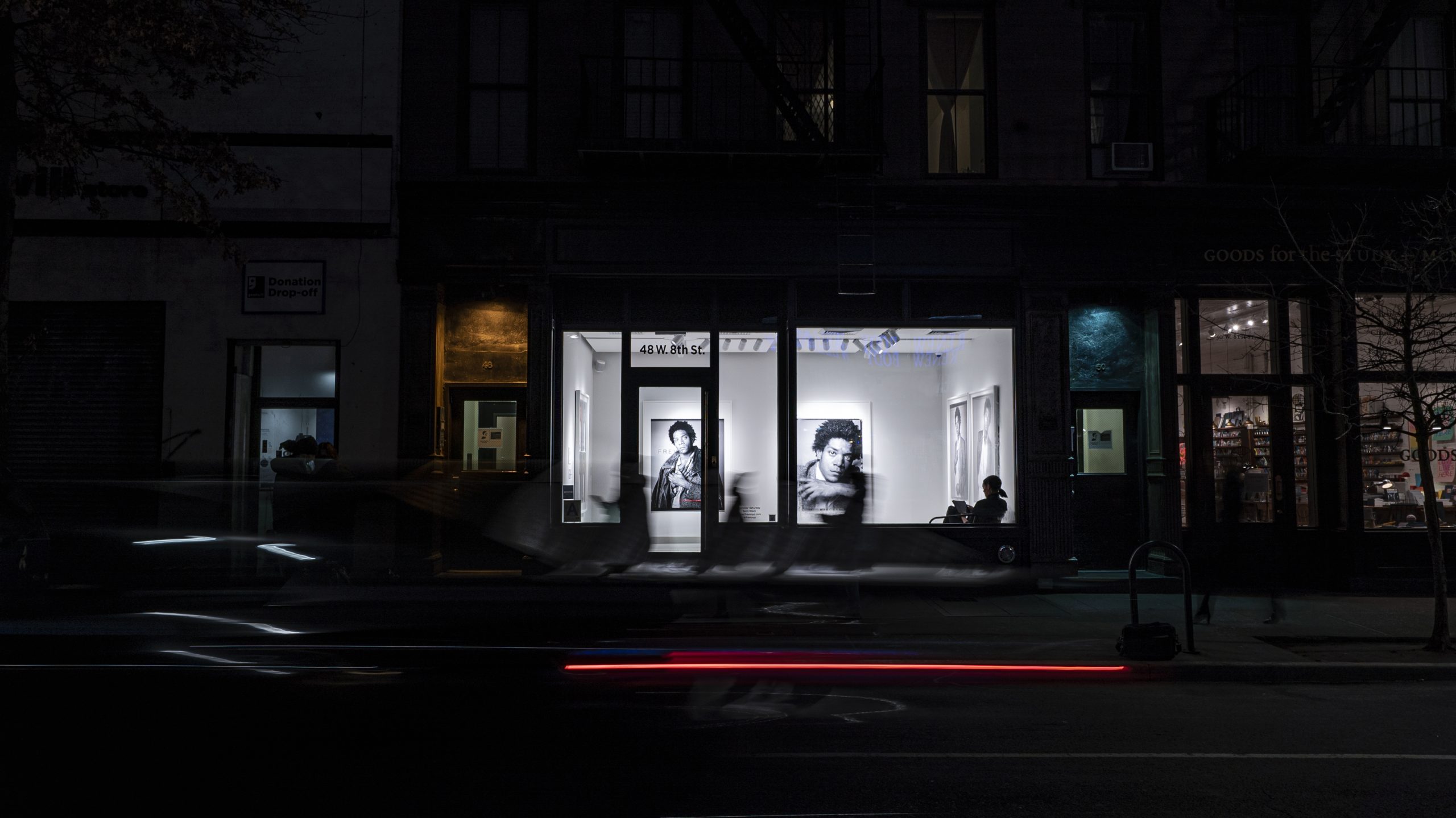
Professional gallery wall lit by recessed art lights
As architectural and gallery lighting standards continue to evolve, the recessed art light has become a benchmark for discreet and professional art illumination. Its ability to deliver precise, conservation-safe, and visually unobtrusive lighting makes it one of the most trusted solutions for illuminating fine art.
By combining controlled beam precision, stable illumination, and seamless architectural integration, recessed art lighting ensures that artwork is presented with clarity, depth, and authenticity. Whether used in museums, galleries, or collector homes, recessed art lights provide a sophisticated lighting solution that enhances the visual experience while preserving the artistic integrity of each piece.
FAQs
1. What is a recessed art light?
A recessed art light is a ceiling-integrated lighting fixture designed specifically to illuminate artwork with precise, directional, and discreet illumination.
2. Are recessed art lights good for artwork?
Yes, recessed art lights are ideal because they provide focused lighting while maintaining a clean and minimal visual environment.
3. What is the best recessed art lighting for paintings?
Adjustable recessed LED art lights with high color accuracy and controlled beam angles are typically best for paintings.
4. How far should recessed art lights be from artwork?
They are usually installed slightly in front of the artwork, not directly above it, to achieve even illumination and reduce glare.
5. Do recessed art lights cause glare on paintings?
When properly angled, recessed art lighting significantly reduces glare compared to direct frontal lighting.
6. Are recessed LED art lights safe for artwork?
Yes, recessed LED art lights emit low heat and minimal UV, making them safe for long-term artwork display.
7. Can recessed lighting be used in art galleries?
Yes, galleries commonly use recessed art lighting for discreet and professional artwork illumination.
8. What beam angle is best for recessed art lighting?
Narrow beams work well for small artworks, while wider beams are better for large paintings and gallery walls.
9. Is recessed art lighting suitable for museums?
Yes, museums frequently use recessed lighting due to its precision, conservation safety, and architectural integration.
10. Can recessed art lights highlight multiple artworks on one wall?
Yes, evenly spaced recessed art lights can illuminate multiple artworks while maintaining visual balance.
11. Do recessed art lights enhance artwork texture?
Yes, directional recessed lighting reveals brushstrokes, surface detail, and depth more effectively.
12. Are recessed art lights better than track lighting?
Recessed art lights offer a more discreet look, while track lighting provides greater flexibility; both are used professionally.
13. What color temperature is best for recessed art lighting?
Neutral and stable color temperatures are generally preferred to preserve true artwork colors.
14. Can recessed art lighting be installed in an existing ceiling?
Yes, recessed lighting can often be retrofitted into existing ceilings with proper planning and installation.
15. Are recessed art lights energy efficient?
Yes, especially LED recessed art lights, which provide high efficiency and long operational lifespan.
16. Can recessed art lights damage paintings over time?
Properly specified LED recessed art lights are conservation-safe and unlikely to damage artwork.
17. Do recessed art lights work for framed photographs and prints?
Yes, they are highly effective for illuminating framed photographs, prints, and wall art displays.
18. How many recessed art lights are needed for one artwork?
This depends on artwork size; small pieces may need one light, while large artworks may require multiple fixtures.
19. Can recessed art lights be adjustable?
Yes, many recessed art lighting fixtures include adjustable heads for precise aiming and flexibility.
20. Why do collectors and designers prefer recessed art lighting?
Because it delivers precise, discreet, and museum-quality illumination while maintaining a refined
Why Designers and Collectors Trust Our Gallery Lights