Professional art studio interior with balanced directional lighting
A studio light fixture is one of the most critical elements in any professional art environment, influencing how artwork is created, evaluated, and ultimately displayed. Whether in an art studio, gallery workspace, museum preparation room, or high-end home art studio, the right studio light fixture determines visual accuracy, color perception, and overall artistic clarity.
Unlike generic interior lighting, studio light fixtures must be designed with precision, consistency, and adaptability in mind. Artists, curators, designers, and collectors require lighting that enhances artwork without distortion, glare, or uneven illumination. This is why professional studio lighting fixtures are engineered to deliver controlled light distribution, high color rendering, and flexible positioning for evolving creative needs.
In refined art environments, the studio light fixture is not simply a functional ceiling component. It becomes a technical tool that directly impacts artistic decision-making and the presentation quality of paintings, sculptures, and mixed media works.
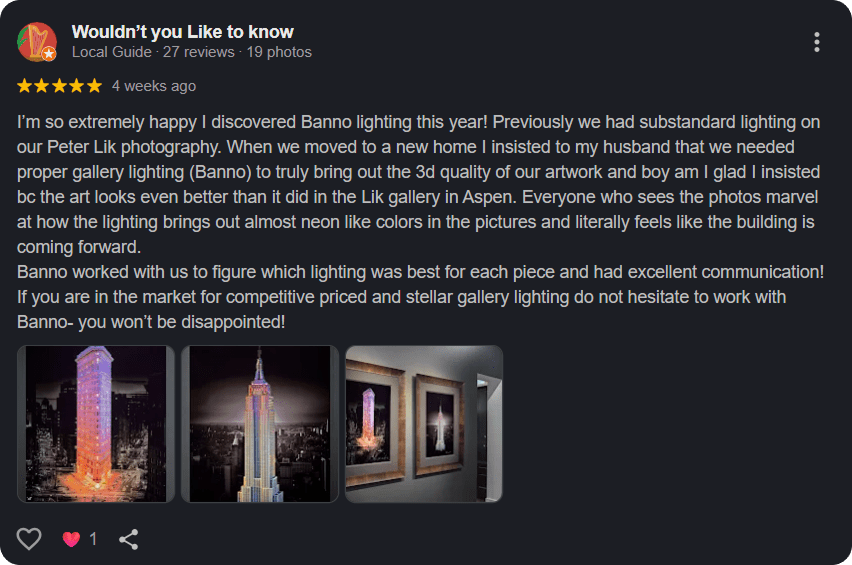
Client Testimonial: Real Feedback from a Gallery Owner
Studio Light Fixtures and the Importance of Visual Accuracy
High-quality studio light fixtures play a foundational role in maintaining visual accuracy during the artistic process. Inadequate lighting can distort color tones, flatten textures, and create misleading shadows that affect how artwork is perceived during creation and critique.
Professional studio light fixtures improve:
- Color fidelity for paintings and artworks
- Accurate tonal evaluation
- Surface texture visibility
- Material authenticity
For artists and galleries alike, consistent and reliable lighting conditions ensure that artworks appear as intended under exhibition lighting conditions later on.
Art Studio Light Fixtures for Creative Workspaces

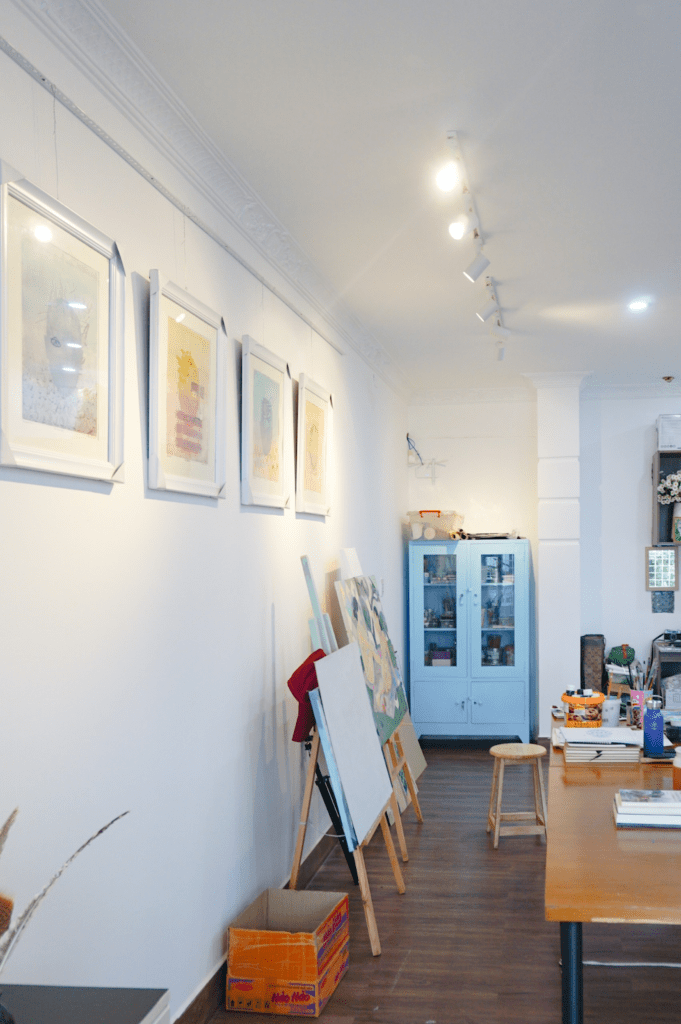
Spacious art studio with evenly distributed ceiling fixtures
Art studio light fixtures must be tailored specifically to creative workflows rather than general residential lighting standards. A dedicated art studio requires lighting that supports long working hours, detailed observation, and evolving artistic processes.
Effective art studio light fixture design includes:
- Even illumination across canvases and work surfaces
- Adjustable directional lighting
- Low glare output
- Stable color temperature
These characteristics create a controlled visual environment that supports both creative production and professional review.

4.9-star rated by art collectors and gallery professionals
Ceiling Light Fixture for Art Studio Environments
A ceiling light fixture for art studio spaces serves as the primary lighting foundation, establishing overall brightness and spatial balance. However, ceiling lighting in studios must be carefully selected to avoid harsh overhead glare that can interfere with artistic work.
Well-designed ceiling studio light fixtures provide:
Uniform ambient illumination
- Reduced shadow interference
- Balanced light layering
- Comfortable long-duration visibility
When paired with directional art lighting, ceiling fixtures contribute to a layered lighting system that enhances depth and clarity.
Best Light Fixture for Art Studio Color Rendering

Detailed artwork illuminated with museum-grade color clarity
Color rendering is one of the most important technical factors when choosing the best light fixture for art studio environments. Artists rely on accurate color perception when mixing pigments, evaluating tones, and refining details.
High-performance studio light fixtures with excellent color rendering support:
- True representation of pigments
- Subtle color transitions
- Accurate highlights and shadows
- Professional artwork evaluation
This level of lighting quality is especially important for oil paintings, contemporary artworks, and museum-grade pieces.
Studio Lighting Fixtures and Beam Control
Professional studio lighting fixtures are distinguished by their ability to control beam direction and intensity. Unlike fixed residential lights, specialized studio light fixtures offer targeted illumination that enhances specific creative zones.
Beam control allows for:
- Focused lighting on easels
- Balanced lighting on gallery walls
- Reduced visual distractions
- Precision highlighting of artwork
This directional capability makes studio fixtures highly adaptable to both creation and display settings.
Design Studio Lighting Fixtures and Architectural Integration

Clean ceiling architecture with recessed studio lighting
Design studio lighting fixtures must integrate seamlessly with the architectural environment while maintaining functional excellence. In modern studios and gallery-style interiors, lighting should remain visually discreet while enhancing the artwork as the central focal point.
Architectural integration benefits include:
- Clean ceiling aesthetics
- Minimal visual clutter
- Refined spatial presentation
- Professional gallery-like ambiance
This approach ensures that the lighting complements rather than competes with the artwork.
Studio Lighting Setup and Fixture Placement Strategy
A professional studio lighting setup depends heavily on fixture placement rather than simply fixture quantity. Strategic placement of studio light fixtures ensures balanced illumination across all working and display areas.
Key placement strategies include:
- Offset lighting angles to reduce glare
- Layered lighting across ceiling and walls
- Directional fixtures for task zones
- Uniform spacing for consistent brightness
Proper placement transforms a standard lighting setup into a museum-quality studio environment.
Light Fixture for Studio Versus Gallery Lighting Standards

Adjustable fixtures supporting multi-purpose creative zones
While studio and gallery lighting share similarities, studio light fixtures must support both creation and evaluation. Galleries focus primarily on display, whereas studios require functional flexibility.
Studio light fixtures prioritize:
- Adjustability for changing artwork positions
- Long-duration visual comfort
- Flexible lighting angles
- Multi-purpose illumination zones
This dual functionality makes studio lighting more dynamic than traditional gallery-only systems.
Studio Lighting System and Layered Illumination

Multi-source lighting enhancing artistic depth perception
A refined studio lighting system combines multiple light sources to create depth and balance. Relying on a single studio light fixture often leads to uneven lighting and visual fatigue.
A layered studio lighting system typically includes:
- Primary ceiling studio light fixtures
- Directional accent lighting for artwork
- Supplementary ambient lighting
This layered approach mirrors professional gallery and museum lighting methodologies.
Studio Lighting Positions for Artwork and Easels
Studio lighting positions directly influence how artwork is perceived during creation. Improper positioning can result in shadows cast by the artist or inconsistent brightness across the canvas.
Optimal studio light fixture positioning ensures:
- Even illumination on the working surface
- Minimal shadow interference
- Consistent visual reference conditions
- Comfortable viewing angles
Positioning is particularly important in large studios with multiple active workstations.
Studio Lighting Explained for Professional Art Spaces

Neutral lighting harmonizing with natural daylight
Studio lighting explained from a professional perspective involves more than brightness. It encompasses beam precision, color rendering, glare control, and spatial harmony. A well-designed studio light fixture system creates a visually stable environment where artistic decisions are made with confidence.
Professional lighting design considers:
- Artwork scale and placement
- Studio ceiling height
- Natural light interaction
- Long-term visual consistency
This holistic approach elevates studio lighting beyond basic functionality.
Light Fixtures for Art Studio and Artwork Preservation
Lighting quality directly impacts artwork preservation. Poor lighting can generate excess heat or UV exposure that may degrade sensitive materials over time.
High-quality studio light fixtures support preservation by offering:
- Low heat emission
- Stable light output
- Controlled intensity levels
- Conservation-friendly illumination
This is particularly important for collectors, galleries, and artists working with delicate mediums.
Studio Lighting Ideas for High-End Creative Spaces

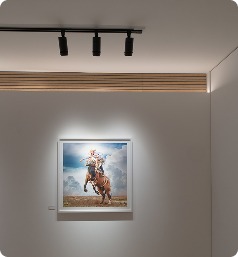
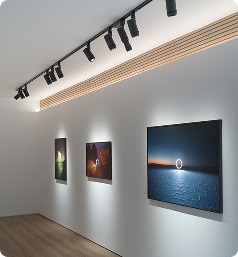
Track-integrated ceiling lighting in luxury art studio
Sophisticated studio lighting ideas often draw inspiration from museum and gallery environments. Instead of decorative fixtures, professional studios use purpose-built studio light fixtures designed for precision and clarity.
Refined studio lighting ideas include:
- Ceiling-mounted directional fixtures
- Track-integrated studio lighting systems
- Layered ambient and accent lighting
- Adjustable fixtures for evolving artwork layouts
These ideas create a space that feels both professional and visually inspiring.
Integrating Precision Fixtures Like Zoom, Deluxe, and Multi
In high-end art environments, studio light fixtures are often complemented by precision art lighting tools. Systems such as Zoom provide targeted illumination for detailed artworks, while Deluxe supports museum-grade lighting standards for fine art display. Multi offers flexible gallery lighting adaptability for studios that double as exhibition spaces.
When integrated thoughtfully, these lighting solutions enhance:
- Artwork clarity and depth
- Curatorial-level presentation
- Flexible studio-to-gallery transitions
- Professional lighting consistency
This integration ensures that artwork appears refined under both studio and exhibition conditions without overly commercial lighting effects.
Studio Light Fixture as a Long-Term Investment

Energy-efficient LED ceiling fixture in art studio
Investing in a professional studio light fixture system offers long-term benefits that extend beyond immediate illumination. For artists, collectors, and designers, lighting becomes a foundational component of artistic workflow and presentation quality.
Long-term advantages include:
- Energy-efficient LED operation
- Minimal maintenance requirements
- Consistent lighting performance
- Future adaptability for evolving studio layouts
A high-quality studio light fixture system supports artistic growth while maintaining professional lighting standards for years to come.
Conclusion: The Role of the Studio Light Fixture in Artistic Excellence
A studio light fixture is not merely a lighting component but a critical tool for artistic accuracy, creative productivity, and professional presentation. From art studios and galleries to museum preparation spaces and collector environments, the right studio lighting fixtures provide precision illumination that enhances both the creative process and final artwork perception.
By combining architectural integration, high color rendering, flexible positioning, and layered illumination strategies, studio light fixtures establish a refined lighting environment where artwork can be created, evaluated, and displayed with clarity and authenticity. In professional art spaces, lighting is never an afterthought. It is an essential element that defines how art is truly seen, understood, and experienced.
Studio Light Fixture Selection Based on Artwork Type

Large-scale canvas displayed under wide beam studio fixture
Selecting the correct studio light fixture should always be influenced by the type of artwork being created or displayed. Different mediums interact with light in unique ways, meaning a one-size-fits-all lighting approach is rarely suitable for professional art studios.
For example:
- Oil paintings benefit from soft, even illumination that reveals texture without harsh glare.
- Acrylic paintings require balanced lighting to maintain color vibrancy.
- Mixed media works need controlled directional lighting to highlight depth and materials.
- Large-scale artworks demand wider beam spreads for uniform surface coverage.
A well-chosen studio light fixture ensures that each medium is presented under optimal visual conditions, supporting both artistic creation and accurate critique.
Studio Light Fixtures and Shadow Management in Creative Workspaces
Shadow control is a critical consideration in any studio environment. Poorly positioned studio light fixtures can cast distracting shadows across canvases, worktables, and sculptures, negatively affecting both the creative process and visual assessment.
Effective shadow management involves:
- Using multiple studio light fixtures instead of a single overhead source
- Positioning fixtures at complementary angles
- Balancing ambient and directional lighting
- Avoiding direct top-down glare on work surfaces
By managing shadows properly, artists gain clearer visibility of details, textures, and tonal transitions.
Light Fixture for Art Studio Ceiling Height Considerations

Low ceiling workspace with diffused balanced illumination
Ceiling height significantly impacts how a studio light fixture performs. Higher ceilings require fixtures with stronger beam focus and controlled output, while lower ceilings benefit from wider, diffused illumination to prevent harsh hotspots.
In studios with high ceilings, ideal lighting strategies include:
- Directional ceiling-mounted studio fixtures
- Track-integrated lighting systems
- Layered accent lighting for artwork zones
In lower ceiling studios, softer ceiling light fixtures with controlled brightness help maintain visual comfort and spatial balance without overwhelming the artwork.
Studio Lighting Fixtures and Energy Efficiency
Modern studio light fixtures, particularly LED-based systems, offer substantial energy efficiency benefits without compromising lighting quality. This is especially important for studios where lighting may operate for extended hours daily.
Energy-efficient studio lighting fixtures provide:
- Lower electricity consumption
- Reduced heat output
- Long operational lifespan
- Stable brightness over time
For professional artists and galleries, this translates into reduced operational costs while maintaining consistent lighting performance.
Studio Light Fixture Maintenance and Longevity

Minimal maintenance lighting setup in contemporary art studio
A professional studio light fixture system should be selected not only for performance but also for durability and ease of maintenance. Frequent lighting inconsistencies can disrupt artistic workflow and visual evaluation.
Key maintenance advantages of high-quality fixtures include:
- Minimal bulb replacement requirements
- Stable long-term output
- Reduced flicker and color shift
- Reliable performance in long work sessions
Low-maintenance studio lighting ensures uninterrupted creative productivity and consistent visual conditions.
Studio Lighting Ideas for Hybrid Studio-Gallery Spaces
Many modern studios function as both creative workspaces and display environments. In these hybrid spaces, studio light fixtures must support both production and presentation without requiring constant reconfiguration.
Effective lighting ideas for hybrid studios include:
- Ceiling studio light fixtures for ambient balance
- Directional fixtures for artwork display walls
- Flexible lighting zones for exhibitions or client viewings
- Neutral lighting that matches gallery standards
This approach allows the studio to seamlessly transition between a workspace and a professional showcase environment.
Studio Lighting Fixtures and Visual Comfort for Long Sessions

Balanced lighting environment supporting focused artistic workflow
Artists often work under lighting for extended periods, making visual comfort a crucial factor in studio light fixture design. Harsh or poorly diffused lighting can cause eye strain, fatigue, and reduced concentration.
Comfort-focused studio lighting fixtures offer:
- Soft yet clear illumination
- Flicker-free performance
- Balanced brightness levels
- Consistent color temperature throughout the space
This enhances focus, productivity, and overall creative endurance during long studio sessions.
Light Fixtures for Studio Walls and Vertical Artwork Zones
While ceiling lighting establishes general illumination, vertical lighting zones require additional attention. Studio light fixtures aimed at walls help artists evaluate finished works under realistic display conditions.
Wall-focused lighting improves:
- Artwork presentation accuracy
- Shadow reduction on vertical surfaces
- Surface texture visibility
- Professional critique conditions
This is especially useful for artists preparing works for galleries or collectors.
Studio Lighting System Scalability for Growing Artists

Expandable track lighting system in evolving creative studio
As artists expand their portfolios and studio spaces, their lighting needs evolve. A scalable studio lighting system allows additional fixtures to be integrated without redesigning the entire lighting layout.
Scalable studio light fixture systems support:
- Expanding collections
- Larger studio spaces
- Rotating artwork displays
- Future exhibition preparation
This long-term flexibility aligns with professional artistic growth and changing spatial requirements.
Studio Light Fixture and Natural Light Integration
Natural light is often present in art studios, but it is inconsistent throughout the day. A well-designed studio light fixture system complements natural daylight rather than competing with it.
Balanced integration includes:
- Neutral color temperature matching daylight conditions
- Even illumination during low-light hours
- Reduced reliance on direct sunlight
- Consistent visual reference for artwork
This creates a stable lighting environment regardless of time or weather conditions.
Best Light Fixture for Art Studio Critique and Review

Gallery-style illumination supporting professional art critique
Artwork critique requires lighting that reveals true detail, color accuracy, and compositional balance. The best light fixture for art studio critique zones should deliver consistent and controlled illumination similar to gallery conditions.
Critique-focused lighting helps with:
- Objective artwork evaluation
- Professional presentation to clients or curators
- Accurate documentation and photography
- Final refinement before exhibition
This ensures artworks are assessed under realistic display lighting rather than distorted studio conditions.
Studio Light Fixtures and Professional Presentation Standards
Even within private studios, presentation standards are increasingly aligned with galleries and museums. Studio light fixtures are now expected to meet higher aesthetic and technical benchmarks.
Professional presentation lighting includes:
- Discreet ceiling integration
- Controlled directional beams
- High-quality optical performance
- Refined and minimal fixture design
This elevates the overall perception of the studio as a professional creative environment.

Studio Light Fixture Placement for Large and Small Studios

Evenly spaced ceiling fixtures in spacious art studio
The size of the studio directly influences fixture density and layout. Large studios require distributed studio light fixtures to maintain even illumination, while smaller studios benefit from carefully spaced fixtures that prevent over-lighting.
For large studios:
- Multiple ceiling fixtures spaced evenly
- Layered lighting zones
- Supplementary directional lighting
For small studios:
- Compact yet high-quality fixtures
- Focused lighting placement
- Balanced ambient illumination
Proper scaling prevents visual inconsistencies across the workspace.
Studio Lighting Fixtures and Consistency Across Projects
Consistency in lighting conditions is essential for artists working on multiple pieces over time. A stable studio light fixture setup ensures that artworks are evaluated under the same lighting environment throughout the creative process.
This consistency supports:
- Reliable color decisions
- Uniform artistic workflow
- Accurate progress comparison
- Professional portfolio development
Without consistent lighting, artworks may appear different under varying conditions, affecting final presentation quality.
The Psychological Impact of a Well-Lit Studio Environment

Refined lighting atmosphere supporting artistic confidence
Lighting influences not only visibility but also mood, focus, and creative flow. A thoughtfully designed studio light fixture system creates an environment that feels calm, professional, and inspiring.
Psychological benefits of refined studio lighting include:
- Improved concentration
- Reduced visual stress
- Enhanced creative clarity
- Greater sense of professionalism
This subtle yet powerful effect contributes significantly to long-term artistic productivity.
Studio Light Fixture as a Core Element of Artistic Infrastructure
Ultimately, a studio light fixture should be viewed as a foundational element of artistic infrastructure rather than a decorative accessory. Just as artists invest in quality canvases, tools, and materials, investing in proper lighting ensures that every creative decision is made under optimal visual conditions.
From precise color rendering and shadow control to architectural integration and long-term scalability, studio light fixtures define how artwork is created, evaluated, and presented. In professional art studios, lighting is not secondary to the creative process. It is an essential component that supports artistic excellence, visual accuracy, and museum-level presentation standards across every stage of artistic development.
20 FAQs
1. What is a studio light fixture for art studios?
A studio light fixture is a specialized lighting solution designed to provide accurate, even illumination for creating and evaluating artwork.
2. What is the best light fixture for an art studio?
The best fixture offers high color rendering, adjustable direction, and glare control to ensure accurate visual perception.
3. Are ceiling light fixtures suitable for art studios?
Yes, ceiling light fixtures provide foundational ambient lighting when combined with directional art lighting.
4. Do studio light fixtures affect color accuracy in paintings?
Yes, high-quality fixtures with strong color rendering ensure true color representation.
5. Should art studios use multiple light fixtures?
Yes, layered lighting systems provide better balance and visual clarity than a single light source.
6. What type of lighting fixtures do professional artists use?
Professional artists use precision LED studio light fixtures with adjustable beam control.
7. Are LED studio light fixtures safe for artwork?
Yes, high-quality LED fixtures produce low heat and are safe for long-term artwork illumination.
8. How bright should a studio light fixture be?
Brightness should be sufficient for detail work without causing glare or visual fatigue.
9. Can studio lighting fixtures reduce glare on paintings?
Yes, proper fixture positioning and beam control significantly reduce glare.
10. What color temperature is best for studio light fixtures?
Neutral white lighting is typically preferred for accurate artwork evaluation.
11. Do studio light fixtures need to match in design?
No, functionality and lighting performance are more important than aesthetic uniformity.
12. Are track systems better than fixed studio fixtures?
Track systems offer greater flexibility, but both can work effectively depending on the studio layout.
13. How do studio lighting positions affect artwork visibility?
Correct positioning ensures even illumination and prevents shadows or hotspots.
14. Can studio light fixtures be used in home galleries?
Yes, many high-end homes use studio-grade lighting for art display walls.
15. Do studio light fixtures help with photographing artwork?
Yes, consistent lighting improves documentation and portfolio photography accuracy.
16. Are adjustable studio light fixtures important?
Yes, adjustability allows lighting to adapt to different artwork sizes and placements.
17. How long do LED studio light fixtures last?
High-quality LED fixtures can last many years with stable performance.
18. What is layered studio lighting?
Layered lighting combines ambient, directional, and accent fixtures for balanced illumination.
19. Can poor lighting damage artwork over time?
Excess heat and UV from low-quality lighting can negatively affect sensitive artworks.
20. Why are professional studio light fixtures considered essential?
They ensure accurate color perception, visual comfort, and museum-level presentation of artwork.
Client Feedback and Real Project Success Stories