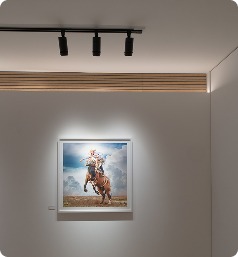
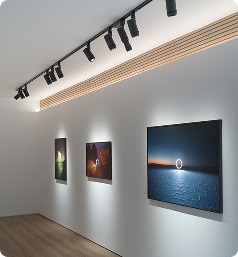
High performance lighting system inside modern art studio
Studio light fixtures are a foundational component of any professional art studio, design workspace, or gallery preparation environment. Unlike general lighting, studio light fixtures are specifically designed to provide accurate color rendering, balanced illumination, and controlled visual conditions that support the creation, evaluation, and presentation of artwork at the highest level.
For galleries, collectors, designers, and artists, lighting within a studio is not simply about brightness. It is about precision. The way light interacts with canvas, texture, pigment, and material surfaces directly influences artistic decisions and final presentation outcomes. High-quality studio lighting fixtures ensure that artwork is viewed under consistent and professional conditions that closely replicate gallery and museum environments.
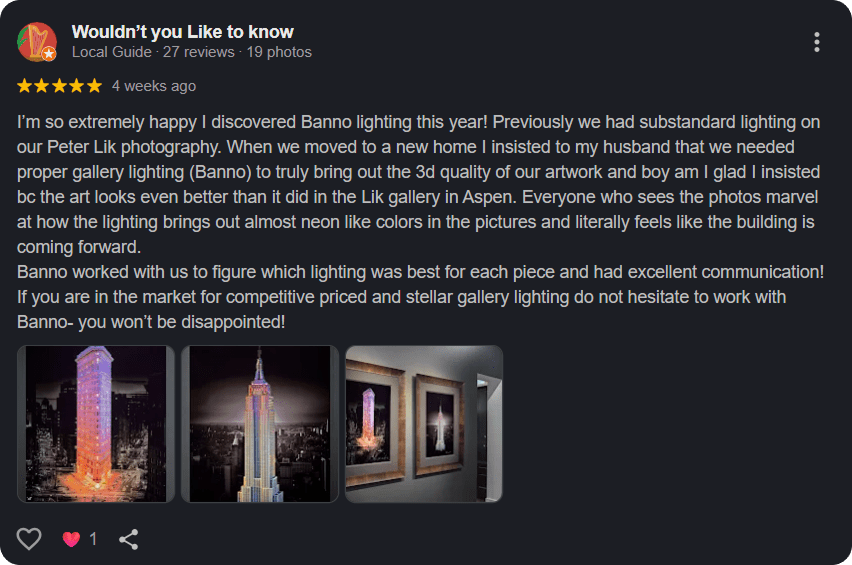
Gallery Lighting Testimonial: Professional Review of Our Display Fixtures
What Are Studio Light Fixtures and Their Role in Art Environments

rofessional lighting system ensuring visual consistency indoors
Studio light fixtures refer to specialised lighting systems used in creative spaces where visual accuracy and consistency are essential. These fixtures are engineered to deliver stable illumination, high color fidelity, and minimal glare, making them ideal for art studios, gallery preparation rooms, and design studios.
In professional art environments, studio light fixtures support:
- Accurate color evaluation
- Texture and detail visibility
- Consistent lighting conditions
- Reduced visual distortion during creation
This level of lighting control is essential for artists whose work will ultimately be displayed under exhibition lighting.

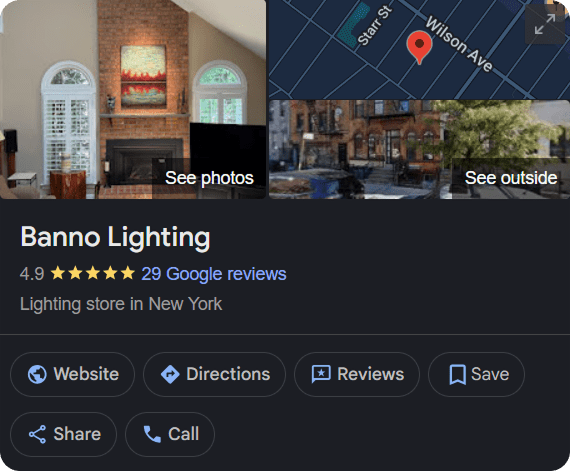
4.9-star rated by art collectors and gallery professionals
Art Studio Light Fixtures and Color Rendering Accuracy
One of the most critical characteristics of art studio light fixtures is high color rendering performance. Accurate lighting allows artists to see true pigment tones, subtle gradients, and fine surface details without distortion caused by poor-quality illumination.
High CRI lighting is particularly important for:
- Oil paintings
- Acrylic artwork
- Mixed media pieces
- Fine art photography prints
When studio lighting accurately represents color, artists can confidently develop their work knowing it will appear consistent in galleries and museums.
Studio Lighting Fixtures for Professional Creative Workflows
Professional studios require lighting that supports long working hours while maintaining visual comfort and precision. Studio lighting fixtures are therefore selected based on performance rather than decorative aesthetics.
Key performance features include:
- Even light distribution across the workspace
- Low glare illumination
- Stable color temperature
- Reliable brightness consistency
These factors help maintain focus, reduce eye strain, and support sustained creative productivity.
Studio Lighting Setup for Artwork Creation and Evaluation

Low glare fixtures improving long creative sessions
A well-designed studio lighting setup is essential for accurate artwork development. Relying on a single overhead light source often creates shadows, uneven brightness, and misleading visual feedback.
Balanced Studio Lighting Positions
Effective studio lighting positions typically include:
- Overhead ambient lighting for general illumination
- Directional lighting for canvas and artwork surfaces
- Supplementary lighting for detailed work areas
This layered structure ensures that artists can evaluate their work under realistic and controlled lighting conditions.
Best Light Fixtures for Art Studio Environments
Selecting the best light fixtures for art studio use requires careful consideration of color temperature, beam spread, and lighting uniformity. Neutral lighting conditions are generally preferred because they provide a balanced and natural visual environment.
Ideal characteristics of professional studio light fixtures include:
- High CRI for color accuracy
- Neutral white color temperature
- Even illumination without hotspots
- Adjustable positioning for flexibility
These features allow studios to maintain consistency between the creative process and final exhibition display.
Design Studio Lighting Fixtures and Visual Consistency

Reliable illumination supporting client artwork reviews
Design studio lighting fixtures must support precision-focused tasks such as sketching, painting, drafting, and artwork evaluation. Consistency is essential in these environments, as fluctuating lighting conditions can affect color perception and visual judgement.
A reliable studio lighting system helps ensure:
- Stable visual reference throughout the day
- Reduced reliance on natural daylight changes
- Accurate comparison between artworks
- Professional presentation during client reviews
This consistency is particularly valuable for studios that collaborate with galleries and collectors.
Studio Lighting Ideas for Modern Art Studios
Modern art studios often integrate minimalist and architectural lighting approaches that prioritise functionality and aesthetic clarity. Rather than using decorative fixtures, studios benefit from clean, performance-driven lighting solutions that enhance visual precision.
Effective studio lighting ideas include:
- Linear ceiling lighting for uniform brightness
- Track-based lighting for flexible artwork focus
- Wall-oriented lighting for large canvases
- Neutral lighting schemes for accurate color perception
These approaches create a professional and visually calm workspace.
Studio Lighting System for Gallery Preparation Spaces

Gallery aligned studio lighting ensuring presentation accuracy
Many professional artists operate studio spaces that function as preparation environments for gallery exhibitions. In these settings, studio light fixtures must closely replicate gallery lighting standards to ensure visual continuity.
Gallery-aligned studio lighting systems provide:
- Controlled beam direction
- Balanced brightness levels
- High color rendering accuracy
- Minimal glare interference
This ensures artwork appears consistent when transitioned from studio to exhibition walls.
Professional Studio Light Fixtures for High-End Art Spaces
In advanced studio environments, specialised lighting solutions are often incorporated to achieve museum-grade visual accuracy. Precision lighting fixtures such as Zoom (precision art lighting), Deluxe (museum-grade lighting), and Multi (flexible gallery lighting) are well-suited for professional studios that require refined illumination for artwork assessment prior to exhibition.
These fixtures offer exceptional beam control and stable color performance, allowing artists and curators to evaluate artwork under conditions similar to gallery installations without introducing harsh or distracting lighting effects.
Studio Lighting Explained: From Creation to Exhibition

Consistent illumination bridging creation and gallery display
Studio lighting should always be considered as part of the broader artistic lifecycle. The lighting environment in which artwork is created significantly influences how it will be perceived in galleries, museums, and collector spaces.
Proper studio light fixtures ensure:
- Accurate visual development of artwork
- Consistent presentation readiness
- Reduced need for lighting adjustments post-creation
- Seamless transition from studio to gallery display
This alignment enhances both artistic integrity and professional presentation standards.
Light Fixtures for Multi-Purpose Studio Spaces
Many studios serve multiple functions, including artwork creation, client presentations, and documentation. Light fixtures for studio environments must therefore provide adaptable illumination without compromising performance.
Flexible studio lighting supports:
- Creative production
- Artwork evaluation
- Portfolio viewing
- Professional studio presentations
Adaptability is essential for maintaining consistent lighting quality across different studio activities.
Long-Term Performance and Reliability of Studio Light Fixtures

Durable LED lighting operating throughout extended sessions
High-quality studio light fixtures are designed for durability and long-term consistency. Professional studios often operate lighting systems for extended hours, making reliability a key consideration.
Benefits of durable studio lighting systems include:
- Stable brightness output over time
- Reduced maintenance requirements
- Energy-efficient operation
- Consistent color performance
Reliable lighting infrastructure supports uninterrupted creative workflows and professional studio standards.
Reducing Glare and Visual Fatigue in Studio Lighting
Glare and uneven illumination can negatively impact visual accuracy and creative focus. Studio light fixtures with anti-glare design and diffused light output help maintain comfortable viewing conditions throughout long work sessions.
Proper glare control improves:
- Visual comfort
- Detail visibility
- Color evaluation accuracy
- Overall productivity
This is particularly important in studios where artists spend prolonged periods analysing fine details.
The Importance of Studio Light Fixtures in Professional Art Practice

Professional studio illumination supporting exhibition standards
Studio light fixtures are not merely functional components of a workspace. They are essential tools that support artistic precision, visual clarity, and professional development. From the initial stages of artwork creation to final gallery preparation, lighting plays a decisive role in ensuring that artistic intent is preserved and accurately represented.
When carefully specified and strategically positioned, studio lighting fixtures create an environment that supports both creativity and exhibition-level accuracy, making them indispensable in professional art studios, design spaces, and gallery preparation environments.
Studio Light Fixtures and the Relationship Between Light Quality and Artistic Precision
Studio light fixtures directly influence how artists perceive form, color, and composition during the creative process. In professional art studios, lighting must support visual accuracy at every stage, from initial sketches to final refinements. Unlike decorative lighting, studio fixtures are selected based on performance metrics such as color rendering, uniformity, and glare control rather than purely aesthetic considerations.
Light quality in a studio environment determines how accurately textures, brushstrokes, and tonal transitions are seen. If lighting is uneven or color-distorting, artists may unknowingly make incorrect adjustments that only become visible once the artwork is displayed under gallery lighting. This is why consistent, high-quality studio light fixtures are essential for maintaining artistic integrity.
Uniform Illumination Across the Studio Workspace

Balanced light distribution across vertical canvases
Uniform illumination is one of the most important characteristics of effective studio lighting. Uneven brightness across a workspace can create visual inconsistencies that affect both creative judgement and workflow efficiency. Shadows cast by poor lighting placement can interfere with fine detail work, while overly concentrated light can produce glare and visual fatigue.
A well-planned studio lighting layout distributes light evenly across:
- Work surfaces
- Vertical canvases
- Display walls
- Preparation areas
This balanced approach ensures that artists and designers can evaluate their work objectively without distraction from lighting irregularities.
Light Fixtures for Art Studio Ceilings and Overhead Lighting
Ceiling-mounted studio light fixtures form the foundation of most professional lighting systems. Overhead lighting provides general illumination that supports visibility throughout the space while serving as the primary lighting layer in a studio environment.
However, overhead lighting alone is rarely sufficient for accurate artwork evaluation. To achieve optimal results, ceiling lighting should be complemented with directional and task-focused lighting that enhances visibility on specific work areas. This layered lighting approach reduces harsh shadows and maintains consistent brightness across the studio.
In larger studios, multiple ceiling fixtures are often arranged in a grid pattern to ensure even light distribution without creating hotspots or dim zones.
Light Fixtures for Vertical Artwork and Easel Lighting

Angled fixtures revealing surface texture clearly
Artists who work on vertical canvases require studio light fixtures that illuminate artwork evenly from top to bottom. Improper lighting angles can result in uneven brightness, making it difficult to judge color balance and tonal depth accurately.
Directional studio lighting aimed at artwork surfaces helps reveal:
- Surface texture
- Fine brushwork details
- Subtle tonal variations
- Material characteristics
This is particularly important for large-scale paintings and detailed artworks where precision evaluation is essential.
Studio Lighting and Color Temperature Stability
Color temperature stability plays a critical role in professional studio environments. Natural daylight changes throughout the day, which can alter how colors appear on canvas or materials. Studio light fixtures provide a controlled lighting environment that eliminates this inconsistency.
Neutral color temperatures are commonly preferred in art studios because they offer a balanced visual environment that neither warms nor cools color perception excessively. Stable lighting conditions allow artists to maintain consistency in their work regardless of time of day or external lighting changes.
Supporting Long Creative Sessions with Proper Studio Lighting

Soft consistent brightness enhancing prolonged focus
Artists, designers, and creative professionals often spend extended hours in studio environments. Poor lighting can lead to eye strain, fatigue, and reduced concentration, ultimately affecting creative output and workflow efficiency.
Studio light fixtures designed for professional use prioritise visual comfort through:
- Flicker-free illumination
- Soft yet consistent brightness
- Minimal glare exposure
- Even light diffusion
These qualities support sustained focus and reduce physical strain during long creative sessions.
Studio Lighting Fixtures for Detailed and Fine Art Work
Fine art creation requires extremely precise visual conditions. Small variations in shading, layering, and texture can significantly impact the final outcome of a piece. Studio light fixtures that provide clear and accurate illumination enable artists to detect subtle imperfections and refine their work with confidence.
Detailed lighting is especially important for:
- Miniature artworks
- Detailed illustrations
- Textured mixed media pieces
- Restoration and conservation work
Accurate illumination ensures that even the smallest visual details remain visible throughout the creative process.
Light Fixtures for Studio Presentation and Client Viewing

Gallery aligned illumination enhancing professional credibility
Many professional studios double as presentation spaces where collectors, curators, or clients view artworks before exhibition. In these settings, studio light fixtures must provide both functional lighting and refined visual presentation.
Presentation-ready studio lighting creates an environment that feels:
- Professional
- Visually balanced
- Gallery-aligned
- Architecturally refined
This enhances the perception of the artwork and reinforces credibility within professional art and design environments.
Studio Lighting Integration with Architectural Design
Modern studios increasingly integrate lighting fixtures into the architectural layout to maintain a clean and sophisticated workspace. Recessed lighting, linear ceiling systems, and adjustable track fixtures are commonly used to achieve a minimalist aesthetic while delivering high-performance illumination.
Architectural integration offers several advantages:
- Reduced visual clutter
- Improved spatial harmony
- Consistent lighting coverage
- Enhanced professional appearance
This approach is particularly valuable in high-end studios that prioritise both functionality and visual design.
Adapting Studio Light Fixtures for Different Artistic Mediums
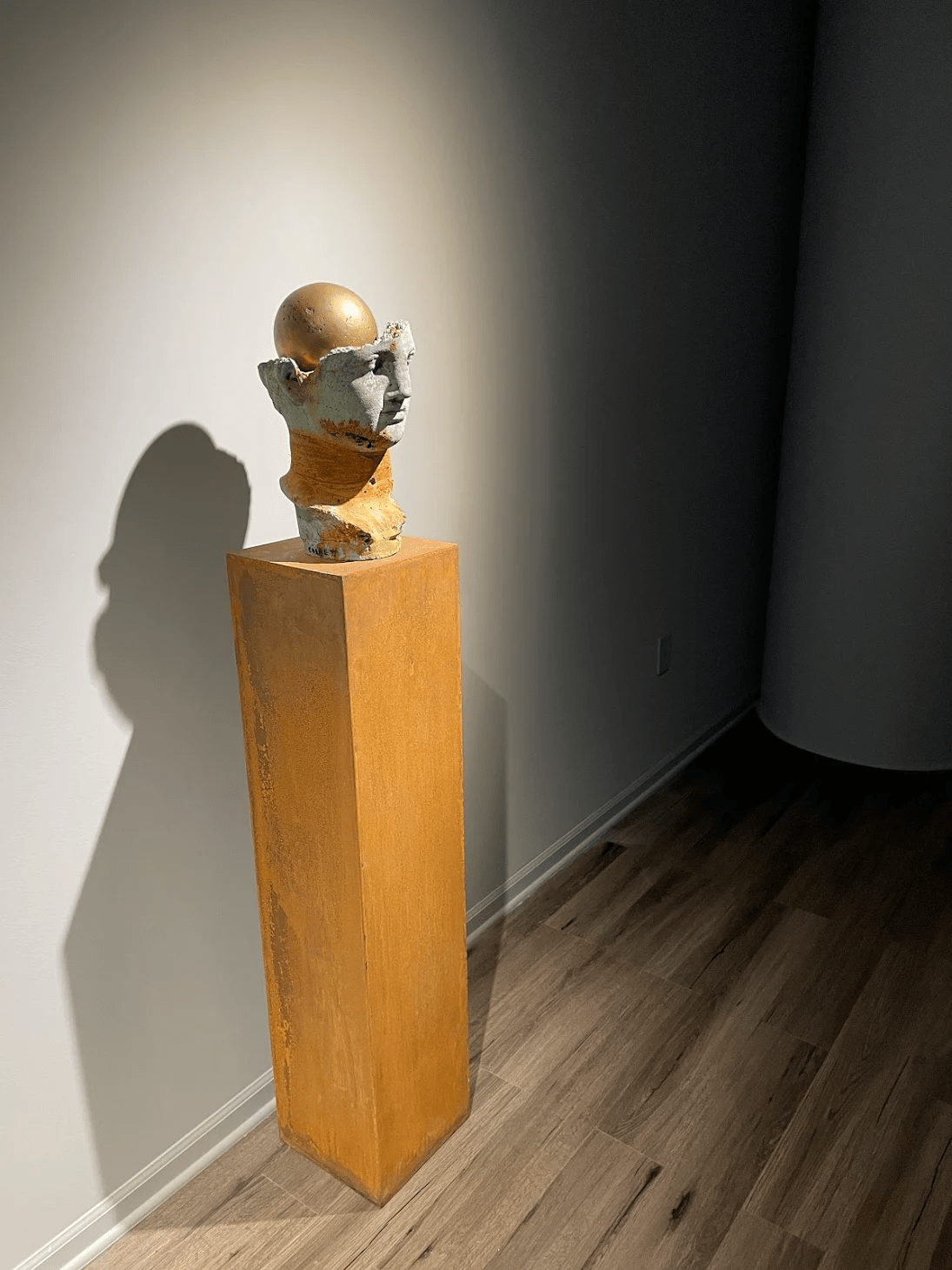
Directional beams enhancing sculptural form visibility
Different artistic mediums require slightly different lighting considerations. Oil paintings, charcoal drawings, sculptures, and digital artworks all respond differently to light intensity and direction. Flexible studio lighting systems allow artists to adjust illumination based on the medium they are working with.
For example:
- Textured paintings benefit from angled lighting that reveals depth
- Flat artworks require even frontal illumination
- Sculptures need directional lighting to highlight form and shadow
Adaptable studio lighting fixtures support a wide range of artistic practices without compromising visual accuracy.
Studio Lighting and Workflow Efficiency
Efficient studio lighting design contributes directly to productivity. When lighting is properly positioned and consistent, artists spend less time adjusting their environment and more time focused on creative work. A well-lit studio reduces interruptions caused by shadows, glare, or poor visibility, creating a smoother and more efficient workflow.
Professional studio lighting systems are often designed to align with workflow zones, ensuring that each area of the studio receives appropriate illumination for its function.

Maintenance and Longevity of Studio Light Fixtures

Long lifespan lighting reducing replacement frequency
Long-term performance is a key consideration in professional studio environments. High-quality studio light fixtures are built to maintain consistent brightness and color output over extended periods, reducing the need for frequent replacements or recalibration.
Routine maintenance typically includes:
-
Cleaning fixtures to maintain light clarity
-
Checking alignment and positioning
-
Monitoring brightness consistency
-
Ensuring stable color performance
Reliable lighting infrastructure ensures that the studio environment remains visually consistent over time.
Enhancing Creative Confidence Through Proper Lighting
Lighting has a psychological impact on creative confidence. When artists work under accurate and stable lighting conditions, they are more likely to trust their visual judgement and make decisive artistic choices. Conversely, inconsistent lighting can create uncertainty and hesitation during the creative process.
Studio light fixtures that provide clarity and consistency support:
-
Greater confidence in color decisions
-
Improved artistic precision
-
Reduced need for repeated adjustments
-
Stronger alignment with final exhibition lighting
Studio Light Fixtures as a Foundation of Professional Artistic Practice
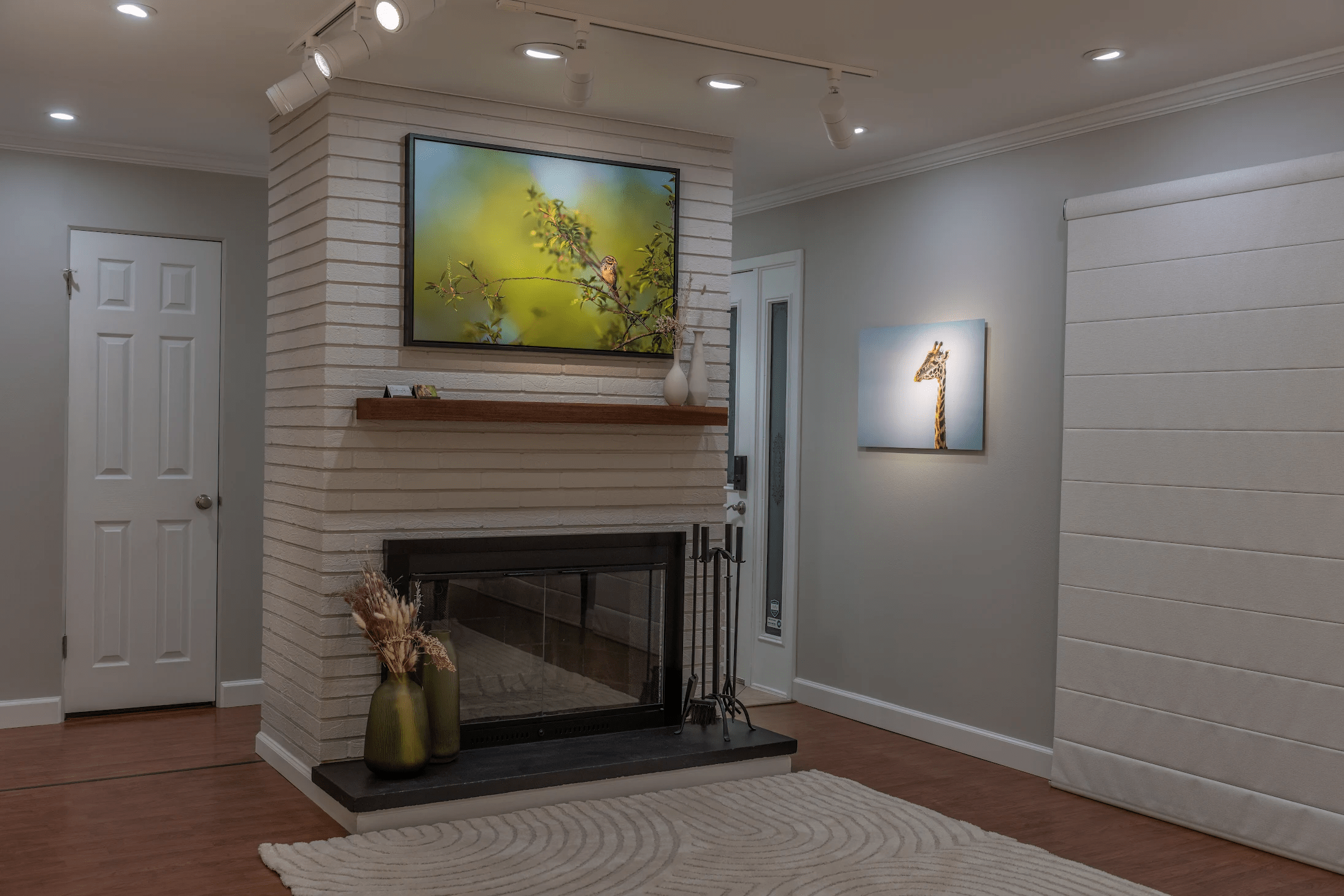
High accuracy illumination preserving artistic intent
Ultimately, studio light fixtures form the visual foundation of any professional creative workspace. From accurate color evaluation to refined artwork presentation, lighting influences every stage of artistic development. Well-designed studio lighting systems ensure that artwork is created, reviewed, and prepared under optimal visual conditions that align with gallery and museum standards.
By investing in high-quality studio light fixtures that prioritise uniform illumination, color accuracy, and visual comfort, artists, designers, and galleries create an environment that supports both creativity and professional excellence. Proper studio lighting not only enhances workflow efficiency but also preserves artistic intent, ensuring that each piece is experienced exactly as envisioned when it reaches exhibition spaces or curated collections.
FAQs
-
What are studio light fixtures used for?
Studio light fixtures provide accurate and consistent lighting in creative and art studio environments. -
What is the best lighting for an art studio?
High CRI, neutral white lighting is generally considered ideal for art studios. -
Why are studio light fixtures important for artists?
They ensure accurate color perception and detail visibility during the creative process. -
What color temperature is best for studio lighting?
Neutral white lighting around 3500K–4000K is commonly preferred. -
Do studio light fixtures affect color accuracy?
Yes, lighting quality directly influences how colors and tones are perceived. -
Are LED studio light fixtures suitable for art studios?
Yes, they provide stable illumination, energy efficiency, and high color rendering. -
How should studio lighting be positioned?
A combination of overhead ambient and directional task lighting is recommended. -
Can poor studio lighting affect artwork quality?
Yes, it can distort color perception and reduce visual accuracy. -
Should studio lighting match gallery lighting?
Yes, matching lighting conditions improves exhibition consistency. -
What is a studio lighting system?
A coordinated lighting setup designed for balanced and controlled illumination. -
Are adjustable light fixtures useful in studios?
Yes, they allow flexibility for different artwork sizes and working positions. -
How bright should studio lighting be?
Bright enough for clarity but diffused to avoid glare and eye strain. -
Can studio light fixtures be used in galleries?
Many professional fixtures are suitable for both studios and gallery environments. -
What causes glare in studio lighting?
Improper fixture angles and overly harsh light sources. -
How do you reduce shadows in an art studio?
By using multiple light sources and balanced lighting positions. -
Are ceiling lights enough for studio lighting?
No, layered lighting provides better visual accuracy. -
What is the difference between studio and gallery lighting?
Studio lighting supports creation, while gallery lighting focuses on presentation. -
Do professional studios use high CRI lighting?
Yes, high CRI lighting is standard in professional art studios. -
Can lighting impact creative productivity?
Yes, proper lighting improves focus and reduces visual fatigue. -
Why is consistent lighting important in studios?
It ensures accurate evaluation and seamless transition to exhibition environments.
Highly Rated by Clients Across Residential and Commercial Projects