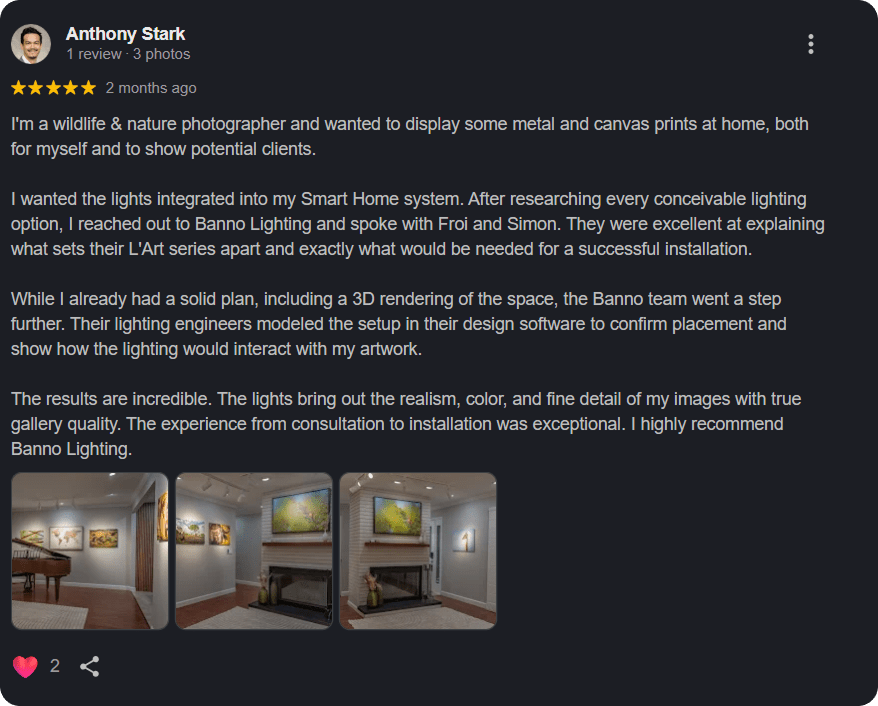
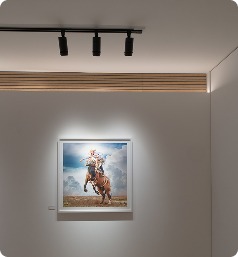
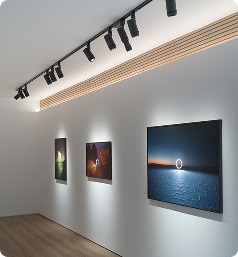
High CRI lighting system inside contemporary art studio
Studio light fixtures play a critical role in how artwork is created, evaluated, and ultimately presented in galleries, museums, and high-end collections. Unlike general lighting, studio light fixtures must provide accurate color rendering, controlled illumination, and visual consistency to ensure that artists, designers, and curators can work under professional lighting conditions that reflect real exhibition environments.
In art studios, design studios, and creative workspaces, lighting is not just functional. It directly influences perception, color accuracy, texture visibility, and the overall quality of artistic output. Properly specified studio light fixtures allow artists and professionals to see their work as it will appear under gallery and museum lighting, reducing discrepancies between studio creation and final display.
Trusted by Galleries: A Professional Perspective on Our Lighting
What Are Studio Light Fixtures and Why They Matter in Art Environments

Controlled studio illumination enhancing artwork evaluation and detailing
Studio light fixtures refer to specialised lighting systems designed to provide controlled, high-quality illumination within creative and professional studio environments. These fixtures are engineered to deliver consistent brightness, accurate color temperature, and minimal glare, making them ideal for art studios, design studios, and gallery preparation spaces.
For artists and collectors, the quality of studio lighting directly affects:
- Color perception
- Material evaluation
- Surface texture visibility
- Detail accuracy during creation
Poor lighting conditions in a studio can lead to incorrect color decisions and visual inconsistencies when artwork is later displayed in galleries or exhibitions.

4.9-star rated by art collectors and gallery professionals
Art Studio Light Fixtures and Color Accuracy
Color accuracy is one of the most important factors when selecting light fixtures for an art studio. High-quality studio lighting fixtures with high Color Rendering Index (CRI) ensure that pigments, tones, and subtle gradients are seen accurately during the creative process.
High CRI Lighting for Professional Studios
Professional art studios typically use lighting fixtures with CRI 95 or higher to maintain true color representation. This is essential for painters, illustrators, and mixed-media artists who rely on precise visual feedback.
Benefits of high CRI studio lighting include:
- True color evaluation
- Accurate shading and tonal balance
- Enhanced visibility of fine details
- Consistency between studio and gallery presentation
Design Studio Lighting Fixtures and Creative Workflow

Glare controlled fixtures enhancing productivity and focus
Design studio lighting fixtures must support long hours of focused work while maintaining visual comfort. Unlike decorative lighting, studio fixtures are selected based on performance, uniformity, and glare control.
Balanced Illumination in Studio Lighting Systems
A well-designed studio lighting system typically includes:
- Ambient lighting for overall brightness
- Task lighting for focused work areas
- Accent lighting for artwork evaluation
This layered approach ensures that lighting remains consistent throughout the workspace without causing eye strain or visual fatigue.
Best Light Fixtures for Art Studio Environments
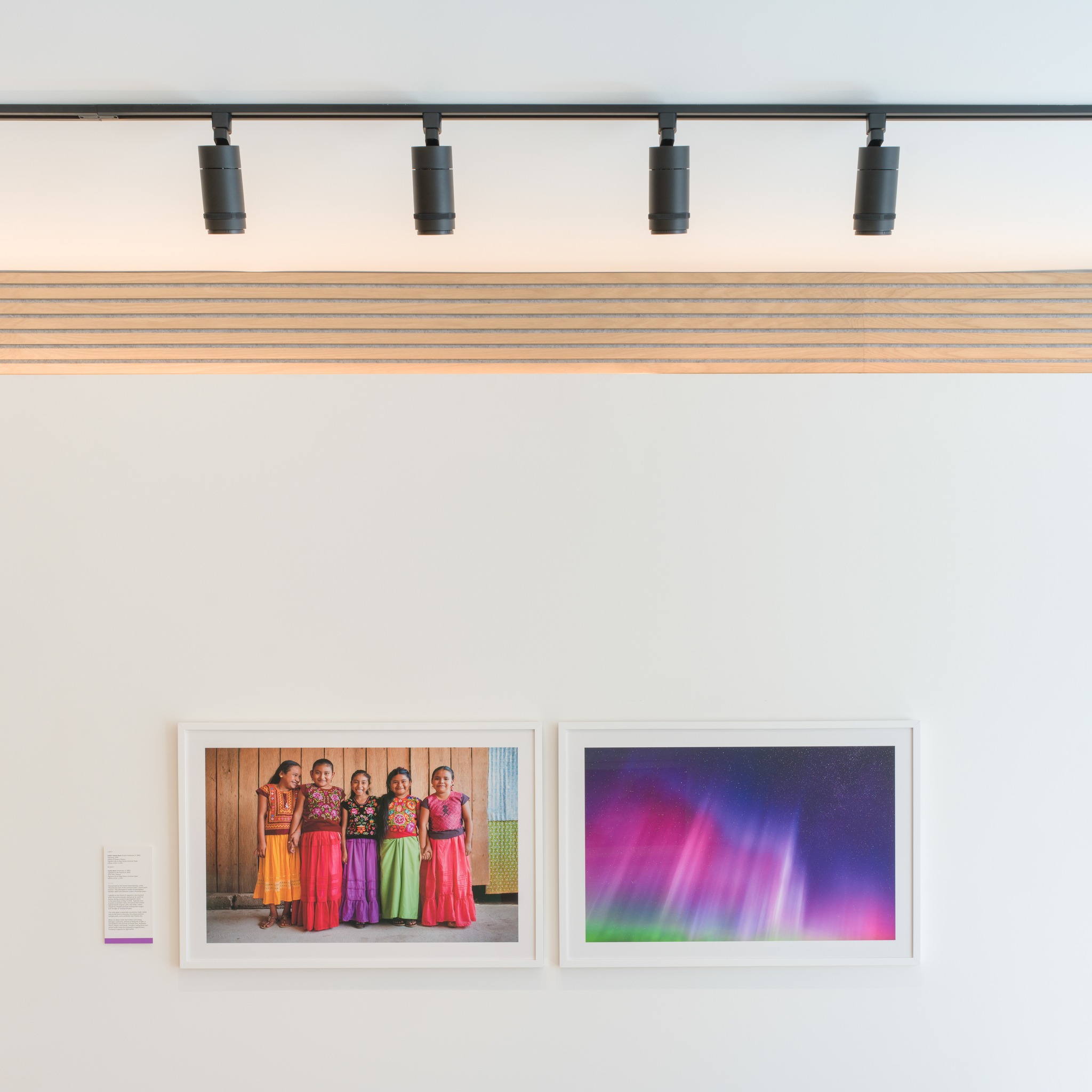
Adjustable studio fixtures providing controlled beam spread
Selecting the best light fixtures for art studio use involves evaluating beam spread, color temperature, and fixture placement. Artists benefit from lighting that mimics natural daylight while remaining stable and controllable.
Key features to prioritise:
- Neutral color temperature (around 4000K)
- High CRI performance
- Low glare optics
- Even light distribution
- Adjustable fixture positioning
These characteristics help create a professional studio environment aligned with gallery lighting standards.
Studio Lighting Setup for Artwork Creation and Evaluation
A proper studio lighting setup ensures that artwork is viewed under consistent and accurate illumination conditions. This is especially important for artists preparing works for exhibitions, galleries, or collector presentations.
Studio Lighting Positions and Layout
Effective studio lighting positions often include:
- Overhead diffused lighting for general illumination
- Directional lighting for artwork evaluation
- Wall-mounted lighting for vertical canvases
This arrangement allows artists to assess their work from multiple angles under realistic lighting conditions.
Studio Lighting Fixtures for Gallery Preparation Spaces

Controlled beam fixtures supporting exhibition readiness
Many professional artists and galleries use studio spaces specifically for artwork preparation before exhibition. In these environments, studio light fixtures must closely replicate gallery lighting to ensure visual consistency between creation and display.
Lighting fixtures designed for this purpose provide:
- Controlled beam angles
- Stable color temperature
- Accurate brightness levels
- Minimal glare interference
This ensures that artwork appears consistent when transferred from studio to gallery walls.
Professional Studio Light Fixtures for High-End Art Spaces
In advanced art studios and gallery preparation rooms, specialised lighting fixtures are often used to achieve museum-grade visual accuracy. Precision lighting solutions such as Zoom (precision art lighting), Deluxe (museum-grade lighting), and Multi (flexible gallery lighting) are frequently incorporated into studio environments where artists and curators require highly controlled illumination for evaluating artworks prior to exhibition.
These professional fixtures provide refined beam control and exceptional color rendering, allowing studios to simulate gallery-quality lighting conditions without compromising creative workflow.
Studio Lighting Ideas for Modern Creative Workspaces

Minimalist ceiling lighting integrated into contemporary studio
Modern studios increasingly integrate architectural lighting designs that combine functionality with aesthetic sophistication. Clean ceiling-mounted fixtures, track-based systems, and diffused linear lighting are commonly used to create a balanced and visually calm workspace.
Popular studio lighting ideas include:
- Linear ceiling lighting for uniform brightness
- Adjustable spotlights for artwork review
- Wall-focused lighting for large canvases
- Neutral lighting schemes for color accuracy
These approaches enhance both productivity and visual precision.
Light Fixtures for Recording and Multi-Purpose Studios
Creative studios are often multi-functional spaces used for art creation, photography, content production, and design work. Light fixtures for studio environments must therefore be adaptable and consistent across different creative tasks.
A professional studio lighting system should offer:
- Adjustable brightness levels
- Flexible positioning
- Stable light output
- Long-term reliability
This ensures that lighting remains effective regardless of how the studio space evolves.
Glare Control and Visual Comfort in Studio Lighting

Even beam distribution improving workspace comfort
Glare is a major issue in poorly designed studio lighting setups. Excessive glare can distort color perception, cause eye fatigue, and reduce the accuracy of artistic evaluation.
High-quality studio light fixtures incorporate:
- Anti-glare diffusers
- Deep-set light sources
- Even beam distribution
- Adjustable angles
These features help maintain a comfortable and visually stable working environment.
Studio Lighting Explained: From Creation to Exhibition
Studio lighting should always be considered as part of the broader artistic workflow. The lighting conditions under which artwork is created significantly influence how it will appear in galleries, museums, and collector environments.
By using professional studio lighting fixtures that replicate exhibition lighting standards, artists can ensure:
- Accurate color consistency
- Professional presentation readiness
- Reduced need for post-creation lighting adjustments
- Seamless transition from studio to gallery display
Long-Term Performance and Efficiency of Studio Light Fixtures
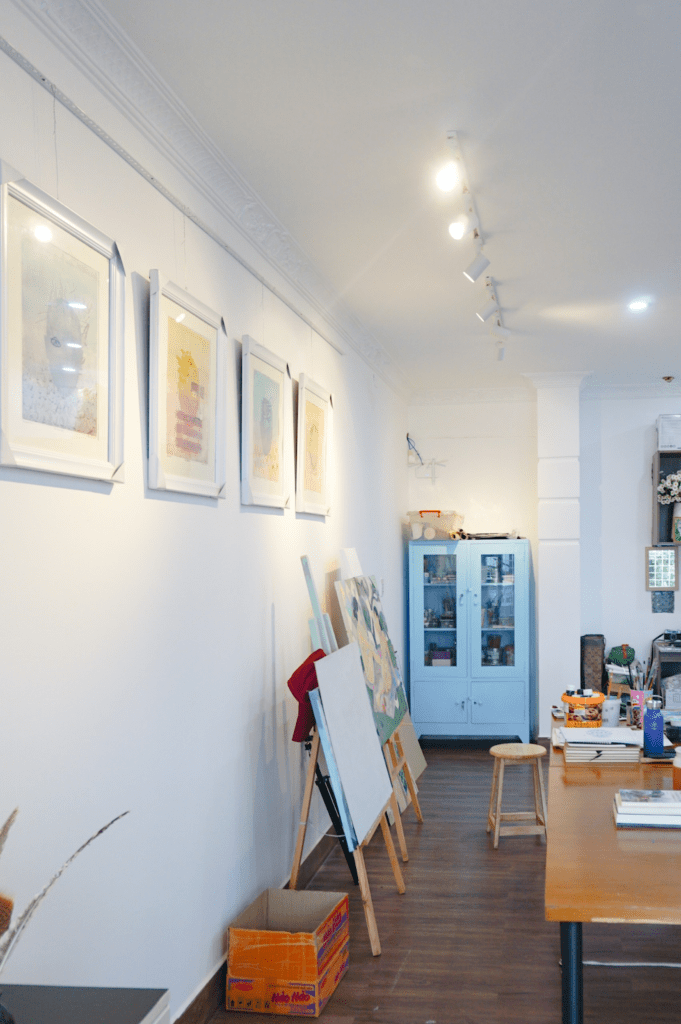
Energy efficient LED fixtures operating inside art studio
Modern studio lighting fixtures are designed for durability, energy efficiency, and consistent performance over extended periods. High-quality LED studio lighting systems provide stable illumination without frequent maintenance, making them ideal for professional studios that operate for long hours.
Long-term advantages include:
- Lower energy consumption
- Reduced maintenance costs
- Consistent brightness and color output
- Reliable performance in demanding creative environments
Optimising Studio Light Fixtures for Consistent Artistic Output
Studio light fixtures must be designed to support consistency above all else. In professional art studios and gallery preparation spaces, inconsistent lighting can lead to inaccurate color decisions, tonal imbalance, and misjudgment of fine details. This becomes especially problematic when artwork is later displayed under gallery or museum lighting, where differences in illumination can significantly alter visual perception.
Consistent studio lighting ensures that artists and designers evaluate their work under stable conditions that closely reflect real exhibition environments. This alignment between studio and display lighting is essential for collectors, galleries, and institutions that prioritise presentation accuracy.
A well-optimised studio lighting environment eliminates harsh shadows, uneven brightness, and color distortion, allowing artwork to be assessed objectively throughout the creative process.
Light Fixtures for Art Studio Walls and Large Canvases
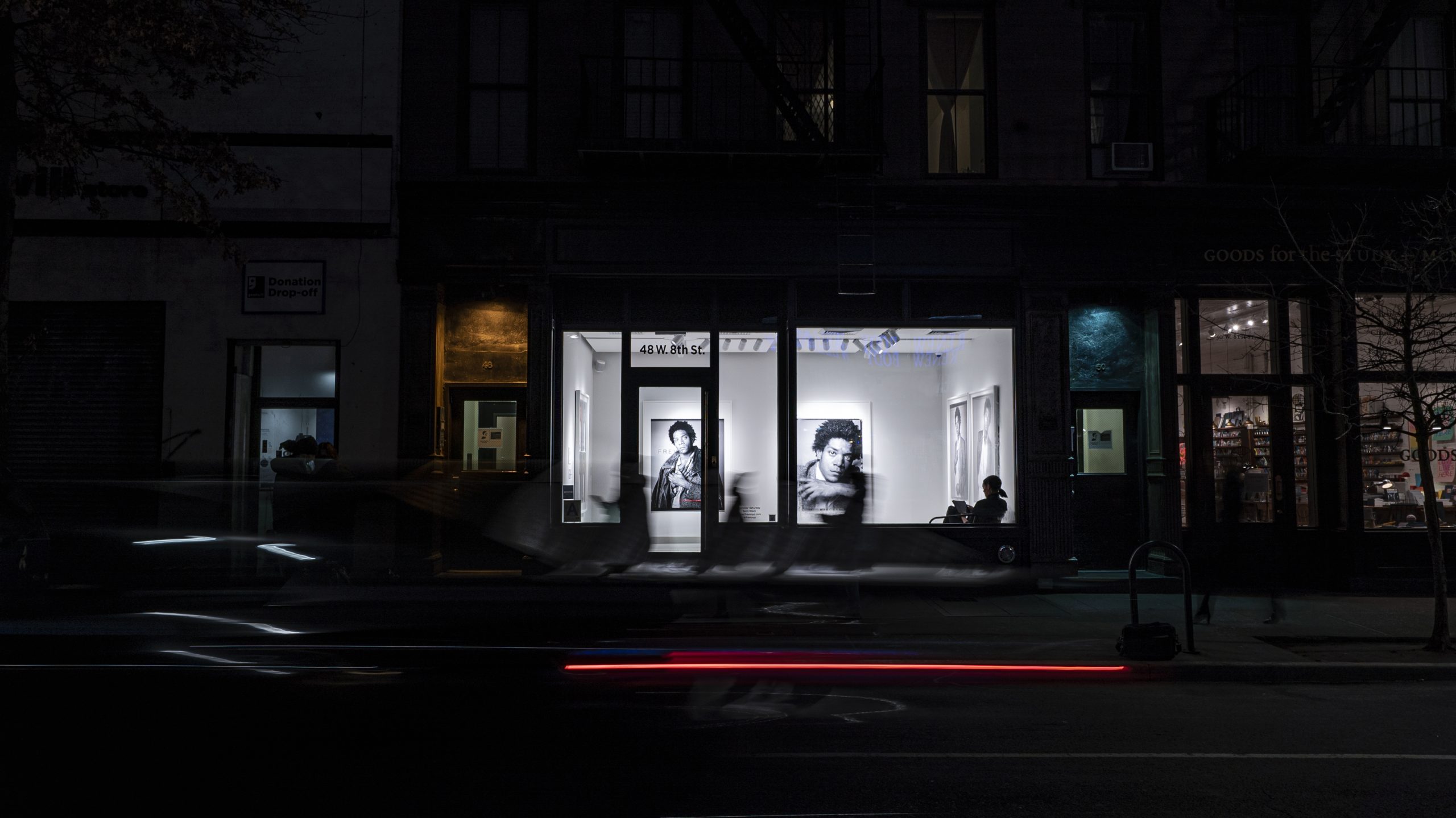
Wall mounted fixtures illuminating oversized painted canvas
Large canvases and vertical artworks require carefully positioned studio light fixtures to achieve even illumination across the entire surface. Overhead lighting alone is rarely sufficient, as it can create hotspots at the top of the artwork and leave lower areas underlit.
Professional studio setups often incorporate:
- Wall-focused lighting for vertical works
- Adjustable directional fixtures for large paintings
- Even beam distribution across wide surfaces
This approach allows artists to evaluate scale, proportion, and tonal transitions without visual interference from poor lighting placement.
Studio Lighting and True Color Evaluation
Accurate color evaluation is one of the primary reasons artists invest in high-quality studio light fixtures. Natural daylight conditions are often considered ideal, but they are inconsistent and vary throughout the day. Studio lighting provides a controlled alternative that maintains stable color rendering regardless of external conditions.
Neutral and high-quality lighting helps artists:
- Assess pigment accuracy
- Compare color layers effectively
- Detect subtle tonal differences
- Maintain visual consistency across sessions
For galleries and collectors, this level of accuracy ensures that artwork created in the studio translates seamlessly into exhibition environments.
Creating a Balanced Studio Lighting System

Harmonised illumination supporting creative workflow balance
A balanced studio lighting system combines multiple layers of illumination to support both functionality and visual clarity. Rather than relying on a single overhead fixture, professional studios distribute light strategically throughout the space.
Key components of a balanced system include:
- General ambient lighting for overall visibility
- Task lighting for detailed work areas
- Directional lighting for artwork review
This layered lighting structure reduces eye strain and improves workflow efficiency, particularly during long creative sessions.
Studio Light Fixtures and Workspace Ergonomics
Lighting ergonomics are often overlooked in studio environments, yet they play a significant role in comfort and productivity. Poor lighting can cause eye fatigue, posture strain, and reduced concentration over time.
Ergonomically optimised studio lighting fixtures provide:
- Soft, evenly diffused illumination
- Minimal glare and flicker
- Comfortable brightness levels for extended work
- Stable visual conditions throughout the day
These factors contribute to a healthier and more sustainable creative environment, especially for artists and designers who spend long hours in their studios.
Light Fixtures for Studio Spaces with Mixed Functions

Professional illumination across evolving studio workspace
Many modern studios serve multiple purposes, functioning as creative workspaces, presentation rooms, and content production environments. In such cases, studio light fixtures must be adaptable and flexible without compromising lighting quality.
A versatile studio lighting setup can support:
- Artwork creation
- Client presentations
- Portfolio photography
- Gallery preparation reviews
Flexible lighting systems allow the space to evolve while maintaining professional visual standards.
Studio Lighting Ideas for Minimalist and Contemporary Studios
Minimalist studio environments often prioritise clean architectural lines and uncluttered visual layouts. In these spaces, studio light fixtures are integrated discreetly to maintain aesthetic simplicity while delivering high-performance illumination.
Common lighting ideas for contemporary studios include:
- Recessed ceiling lighting for uniform brightness
- Linear lighting systems for even coverage
- Adjustable track lighting for artwork focus
- Neutral lighting tones for accurate color perception
This design approach ensures that lighting enhances the creative space without visually overwhelming it.
Light Fixtures for Recording and Creative Media Studios

Adjustable brightness ensuring visual clarity
Recording studios and creative media environments also benefit from specialised studio light fixtures that provide controlled illumination without introducing glare or distraction. Although the primary function may differ from art studios, lighting still plays a crucial role in visual clarity and professional presentation.
In multi-use creative studios, lighting should remain:
- Stable
- Adjustable
- Visually neutral
- Free from flicker
This ensures the environment supports both artistic and professional workflows simultaneously.
Transitioning Artwork from Studio to Gallery Lighting
One of the most important considerations in studio lighting design is how artwork will appear once displayed in a gallery or museum setting. If studio lighting differs significantly from exhibition lighting, the artwork may look brighter, flatter, or differently toned when exhibited.
To prevent this discrepancy, professional studios often use lighting conditions that closely mirror gallery lighting standards, including:
- High color rendering illumination
- Controlled beam direction
- Balanced brightness levels
- Neutral color temperature
This consistency allows artists and curators to confidently prepare artwork for exhibition without unexpected visual changes.
Studio Light Fixtures and Long-Term Reliability

Stable LED output maintaining consistent color quality
Durability and reliability are essential qualities in studio light fixtures, particularly in professional environments where lighting operates for extended hours. High-quality fixtures maintain consistent brightness and color output over time, ensuring dependable performance without frequent adjustments or replacements.
Reliable studio lighting systems offer:
- Long operational lifespan
- Stable light output
- Reduced maintenance needs
- Energy-efficient performance
For artists, designers, and galleries, dependable lighting infrastructure supports uninterrupted creative and evaluation processes.
Reducing Shadows and Uneven Illumination in Studios
Shadows can significantly interfere with artistic evaluation, especially when working on detailed paintings or textured surfaces. Proper placement of studio light fixtures helps minimise unwanted shadows and ensures even illumination across work surfaces.
Techniques to reduce shadows include:
- Using multiple light sources instead of a single overhead fixture
- Positioning lights at complementary angles
- Incorporating diffused lighting elements
- Maintaining adequate spacing between fixtures
These adjustments create a visually balanced environment that supports accurate artistic judgement.
Studio Lighting and Professional Presentation Standards

Gallery level lighting elevating workspace credibility
Professional studios are increasingly designed to reflect gallery-level presentation standards. This is particularly relevant for artists who host collectors, curators, or clients within their workspace. Studio light fixtures therefore serve both functional and presentation purposes.
Well-lit studios communicate:
- Professionalism
- Attention to detail
- Creative credibility
- Visual sophistication
This elevated presentation aligns with the expectations of galleries, museums, and high-end collectors.

Energy Efficiency in Modern Studio Lighting Fixtures
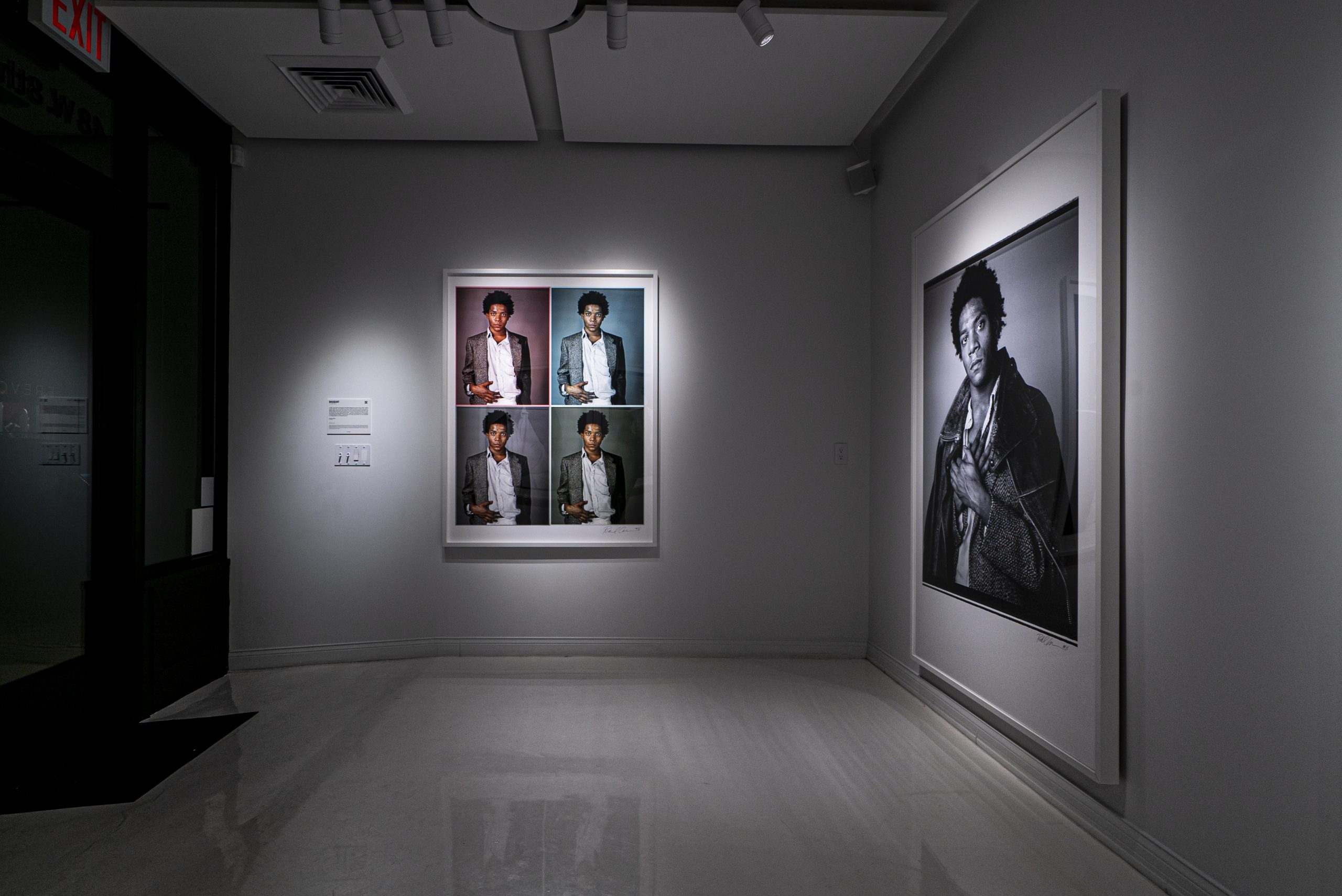
Low heat lighting maintaining comfortable workspace temperature
Energy efficiency has become a key consideration in studio lighting design, particularly for studios operating long hours. Modern lighting systems are engineered to provide high-quality illumination while minimising energy consumption and heat output.
Energy-efficient studio lighting offers:
- Lower operational costs
- Reduced environmental impact
- Stable performance over time
- Minimal heat generation within the workspace
This is especially beneficial in enclosed studio environments where temperature control and comfort are important.
Supporting Creative Focus Through Proper Lighting Design
Lighting directly influences concentration, mood, and creative flow. Poor lighting conditions can lead to fatigue, visual discomfort, and reduced productivity, while well-designed studio lighting fosters focus and clarity.
Studio light fixtures that provide stable and comfortable illumination help artists:
- Maintain longer focus periods
- Work with greater visual precision
- Reduce mental fatigue
- Enhance overall creative efficiency
This connection between lighting quality and creative performance is often underestimated but highly significant in professional studio environments.
The Role of Studio Light Fixtures in Artistic Precision

Controlled illumination enhancing artwork evaluation accuracy
Ultimately, studio light fixtures are not merely functional components of a workspace. They are essential tools that support artistic precision, visual accuracy, and professional workflow. From color evaluation to final artwork preparation, lighting influences every stage of the creative process.
When thoughtfully specified and properly positioned, studio lighting ensures that artwork is created, assessed, and presented under optimal visual conditions. This alignment between studio lighting and exhibition standards enhances artistic integrity and ensures that each piece is experienced as intended when displayed in galleries, museums, or curated private collections.
Conclusion
Studio light fixtures are a foundational component of professional art studios, design studios, and gallery preparation spaces. Their role extends far beyond simple illumination, influencing artistic accuracy, workflow efficiency, and exhibition readiness. By implementing high-quality studio lighting systems with accurate color rendering, balanced illumination, and glare control, artists and designers can create under optimal visual conditions that align with gallery and museum standards.
When properly designed and specified, studio lighting fixtures support both the creative process and the final presentation of artwork, ensuring that every piece is viewed with clarity, precision, and professional consistency.
FAQs
- What are studio light fixtures used for?
Studio light fixtures are used to provide accurate and controlled lighting in creative and art studio environments. - What is the best lighting for an art studio?
High CRI, neutral color temperature lighting is best for art studios. - Why are studio light fixtures important for artists?
They ensure accurate color perception and detail visibility during the creative process. - What color temperature is ideal for studio lighting?
Around 4000K is commonly recommended for balanced and natural illumination. - Are LED studio light fixtures better than traditional lighting?
Yes, they offer energy efficiency, stability, and accurate color rendering. - Can poor studio lighting affect artwork quality?
Yes, incorrect lighting can distort color and detail evaluation. - What CRI is best for studio lighting fixtures?
CRI 95 or higher is ideal for professional art studios. - Should studio lighting mimic gallery lighting?
Yes, this ensures consistency between creation and exhibition. - What is a studio lighting system?
A coordinated lighting setup designed for balanced and accurate illumination. - Do artists need adjustable lighting fixtures?
Yes, adjustable fixtures allow flexibility for different artwork sizes and mediums. - How do you reduce glare in a studio?
Using diffused lighting and anti-glare fixtures helps minimise glare. - Can studio lighting impact color accuracy?
Yes, lighting quality directly affects how colors are perceived. - What lighting positions are best in a studio?
Overhead ambient lighting combined with directional task lighting. - Are track lights good for art studios?
Yes, they provide flexibility and precise illumination control. - How bright should studio lighting be?
Bright enough for detail visibility without causing glare or eye strain. - Can studio light fixtures be used in galleries?
Yes, many professional fixtures are suitable for both studios and galleries. - What is design studio lighting?
Lighting tailored for creative workspaces requiring visual accuracy. - How long do LED studio lights last?
High-quality LED fixtures can last tens of thousands of hours. - Is glare harmful in studio environments?
Yes, it reduces visual comfort and accuracy. - What makes professional studio lighting different?
Higher precision, better color rendering, and consistent illumination quality.
Client Experiences with Our Professional Lighting Solutions