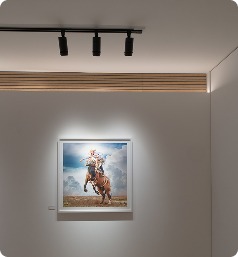
Museum-grade LED spotlight highlighting classical artwork
Museum lighting is one of the most specialized and demanding fields in architectural lighting design. Unlike standard residential or commercial lighting, museum lighting must balance preservation, visual clarity, emotional experience, and precision control. Whether illuminating Old Master paintings, contemporary artworks, sculptures, or delicate artifacts, the lighting system must be intentional, controlled, and museum-grade.
For institutions, collectors, and high-end residential art spaces, museum lighting is not just about brightness. It is about conservation standards, correct lux levels, accurate color temperature, beam precision, and long-term reliability. Poor lighting can damage artwork, distort color perception, and reduce the overall visual impact of a collection.
This guide explores museum lighting design, museum lighting fixtures, museum lighting for paintings, and professional museum lighting systems, including solutions for high ceilings, cabinets, and track installations.
What Is Museum Lighting and Why It Matters
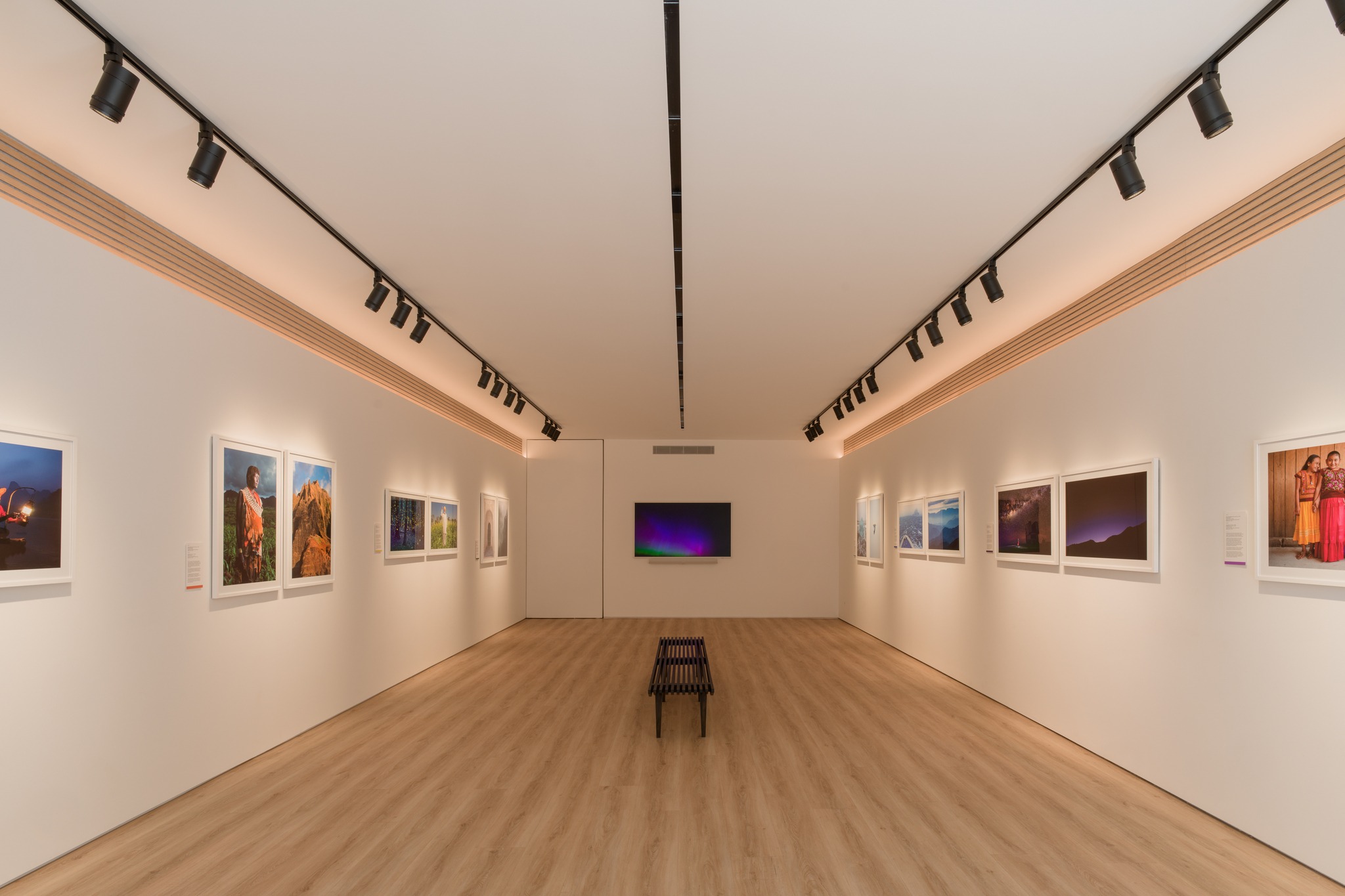
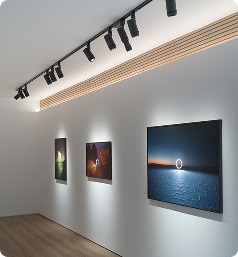
Controlled beam museum lighting enhancing exhibition clarity
Museum lighting refers to specialized lighting systems designed to illuminate artworks, artifacts, and exhibitions while preserving their integrity and enhancing viewer experience. Unlike general lighting, museum lighting must meet strict museum lighting standards and guidelines, especially when dealing with sensitive materials such as oil paintings, textiles, and historical documents.
Professional museum lighting is engineered to:
- Protect artwork from UV and heat damage
- Maintain accurate color rendering
- Provide controlled beam angles
- Achieve correct museum lighting lux levels
- Create a focused visual hierarchy
In museum environments, lighting is part of the storytelling. The way a painting is lit can influence how viewers emotionally connect with the artwork. This is why museum lighting design is considered both a science and an art.

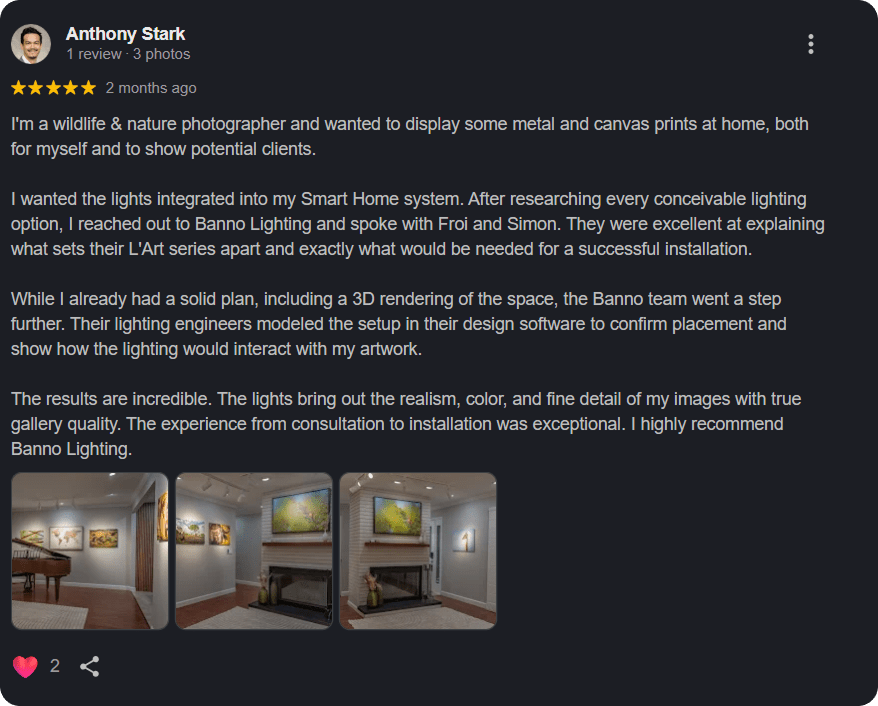
5-Star Google Review for Our Art Lighting Solutions
Core Principles of Museum Lighting Design
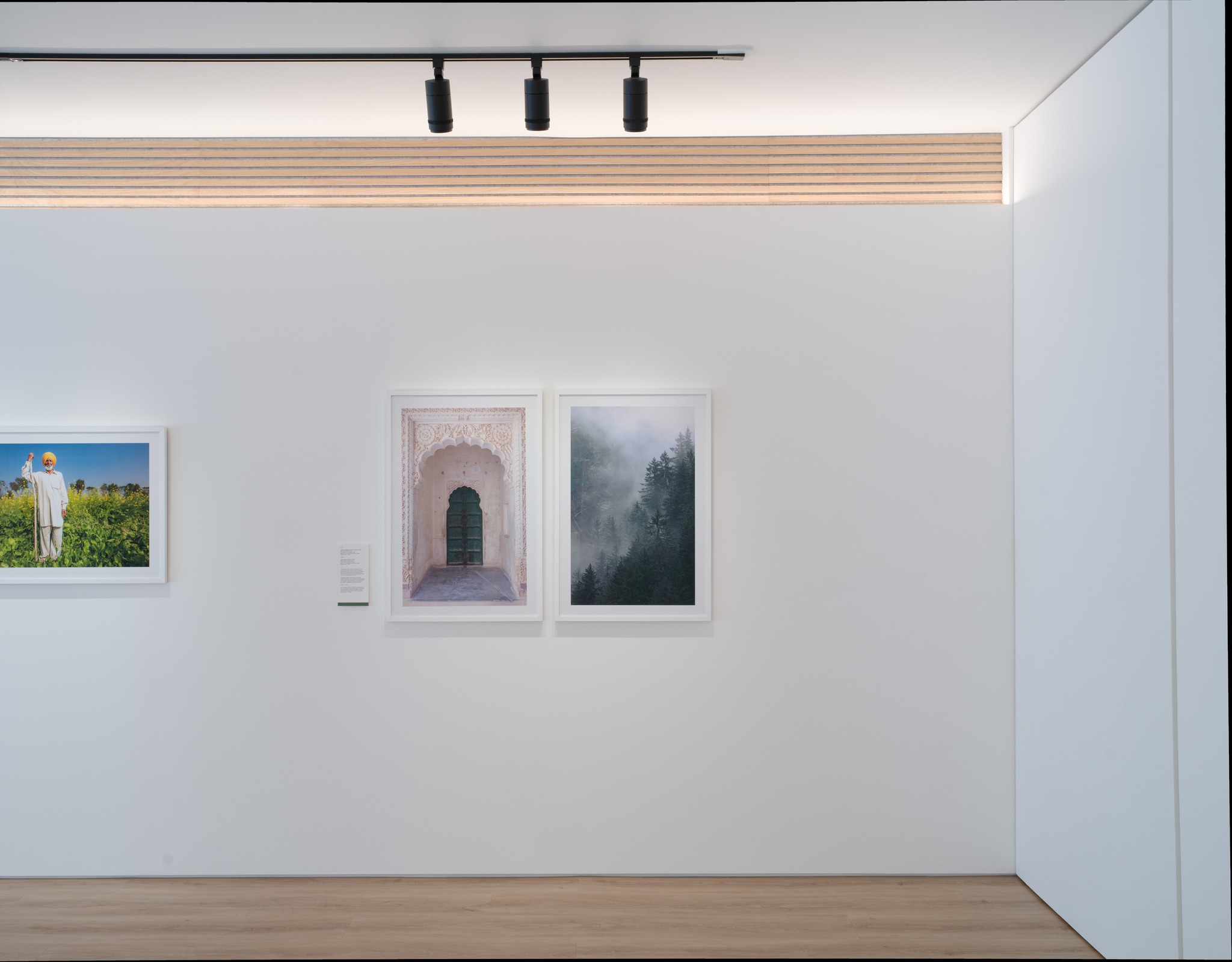
Adjustable museum lighting fixture with zoom optics
Precision Over Brightness
Museum lighting design prioritizes precision beam control rather than flooding a space with light. Spot lighting, track lighting systems, and projector lights are commonly used to ensure that light falls only on the artwork, not the surrounding walls or ceilings.
This is especially critical in high ceiling museums, where standard lighting fixtures fail to deliver controlled illumination. In these environments, specialized projector lighting such as high-performance zoom optics becomes essential for accurate museum lighting for paintings and large-scale artworks.
Conservation and Museum Lighting Standards
Museum lighting guidelines emphasize conservation above all. Excessive light exposure can degrade pigments, paper, and organic materials. That is why museum-grade lighting systems are designed with:
- Low heat emission
- No UV radiation
- Stable output over time
- Controlled intensity levels
Museum lighting requirements often follow strict lux level recommendations depending on the artwork type. Sensitive works on paper require significantly lower lux levels than oil paintings or sculptures.
Museum Lighting for Paintings: Best Practices

Even illumination across framed canvas surface
Museum lighting for paintings requires a precise balance of color temperature, beam angle, and placement. Improper lighting can flatten textures, create glare, or alter perceived colors.
Ideal Placement and Angles
Professional museum lighting techniques recommend a lighting angle of approximately 30 degrees to reduce glare and reflections on framed artworks. This approach ensures even illumination while preserving the visual depth of brushstrokes and textures.
Beam Control for Large Paintings
For large-scale artworks and high ceilings, projector lighting systems are considered museum-grade solutions. A focused optical system allows curators and designers to highlight artwork from long distances without light spill. This is where advanced solutions like the l’art Deluxe projector light are particularly effective, especially in grand galleries and museum halls with elevated ceilings.
Cabinet and Case Lighting for Delicate Artifacts
Museum cabinet lighting and museum case lighting require ultra-compact fixtures with precise control. Miniature lighting systems such as the l’art Mini Zoom cabinet lights are ideal for display cases because they are discreet, highly focused, and small enough to remain visually unobtrusive while delivering museum-quality illumination.
Museum Lighting Fixtures and Systems

Adjustable art lighting fixture with high CRI
Track Lighting Systems for Museums
Museum track lighting systems are the most common professional solution for galleries and exhibitions. These systems allow flexible positioning, adjustable beam angles, and scalable lighting layouts for evolving exhibitions.
Advanced track lighting fixtures such as l’art Zoom and l’art Multi are designed specifically for museum lighting applications, offering:
- Adjustable optics
- High CRI performance
- Long lifespan LED technology
- Precision artwork illumination
Track lighting also enables museums to adapt their museum lighting plan as exhibitions change without needing full electrical redesigns.
Museum Ceiling and Overhead Lighting
Museum ceiling lighting must be carefully engineered to avoid overexposure. Overhead lighting is typically layered with accent lighting to maintain a controlled visual environment. In high-ceiling museums, long-throw projector lights provide superior museum lighting solutions compared to generic ceiling fixtures.
Museum Lighting Color Temperature and Kelvin

Neutral 3000K illumination in exhibition gallery
Museum lighting temperature plays a crucial role in how artwork is perceived. Incorrect color temperature can distort colors and reduce authenticity.
Recommended museum lighting color temperature ranges:
- 2700K to 3000K for classical paintings and warm-toned artworks
- 3000K to 3500K for contemporary art
- Neutral white for mixed exhibitions
Museum lighting kelvin selection should always complement the artwork’s pigments and historical context.
Museum Lighting Lux Levels and Lighting Requirements

Dimmable museum lighting fixture with lux control
Museum lighting lux levels are determined based on conservation standards and artwork sensitivity. Excessive brightness accelerates deterioration, especially for fragile works.
Typical museum lighting levels:
- Highly sensitive works: 50 lux
- Moderate sensitivity: 150–200 lux
- Durable artworks and sculptures: up to 300 lux
Professional museum lighting systems must allow dimming and precise control to maintain these standards.
Museum Grade Lighting vs Standard Lighting

Integrated LED museum spotlight with precision optics
Museum grade lighting differs significantly from residential or commercial lighting. It is engineered for longevity, stability, and precision.
Key characteristics of museum quality lighting:
- Built-in LED chips (no bulb replacement)
- High CRI for accurate color rendering
- Flicker-free output
- Optical beam precision
- Long operational lifespan
Unlike traditional bulb-based systems, modern museum lighting fixtures use integrated LED technology to ensure consistency and reduced maintenance over decades.
Museum Lighting Techniques Used by Top Institutions

Accent spotlight isolating featured artwork
Spotlighting and Accent Lighting
Museum spotlight lighting highlights key artworks while maintaining ambient balance. This technique directs viewer attention and enhances the visual narrative of exhibitions.
Wall Washing vs Accent Lighting
While wall washing can be used in some gallery settings, museums typically prefer accent lighting to maintain artwork prominence and reduce unnecessary exposure.
Sculpture and Object Lighting
Museum sculpture lighting requires multi-directional lighting to reveal form, texture, and dimension. Adjustable track fixtures and compact spotlights are commonly used for museum showcase lighting and museum statue lighting.
Museum Lighting for Different Spaces
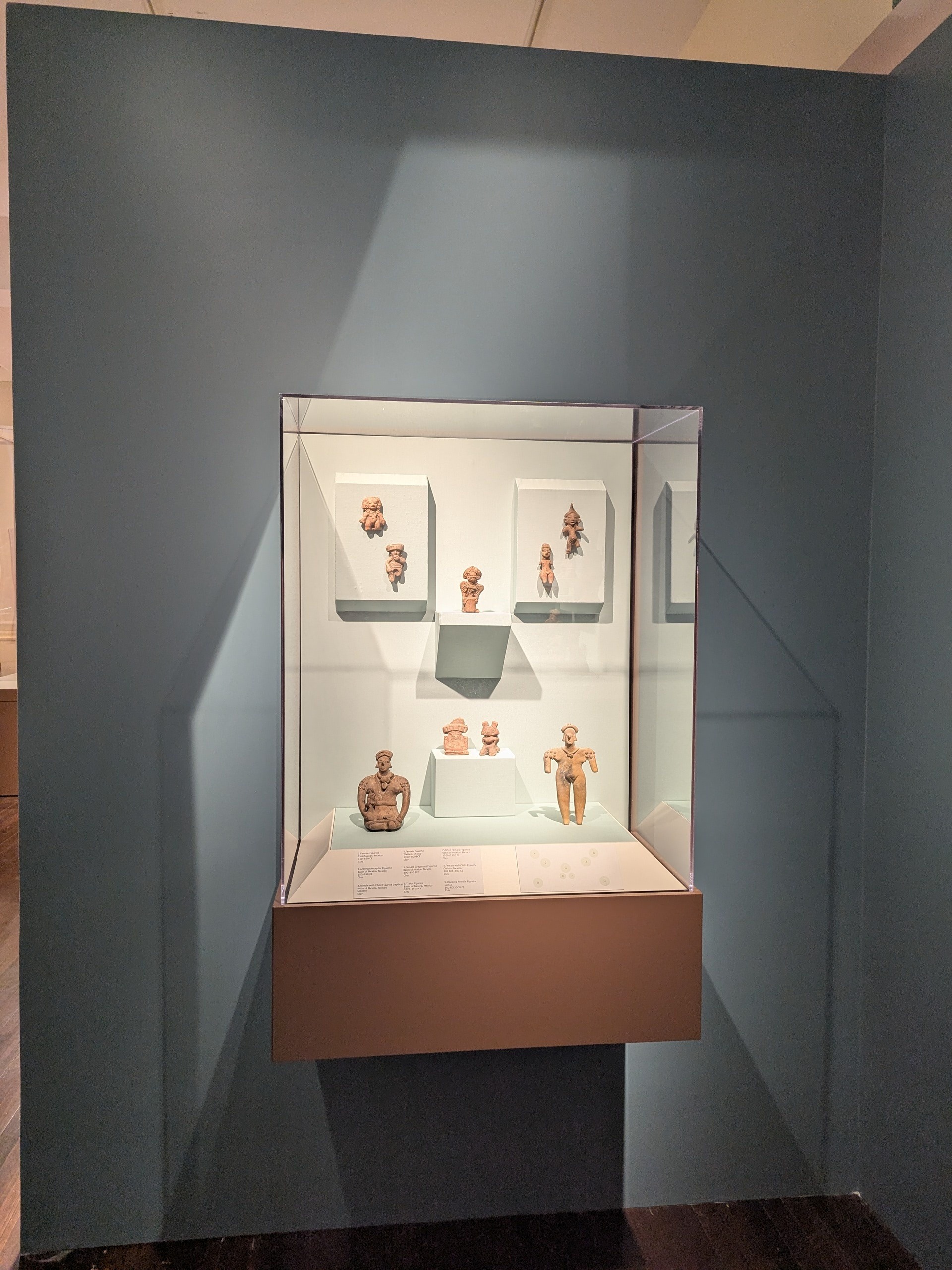
Focused cabinet lighting in museum showcase
High Ceiling Museums and Grand Galleries
Large museums with high ceilings require specialized long-throw lighting systems. Standard fixtures lose intensity and control over distance. Projector lighting solutions such as precision optical fixtures ensure consistent illumination across large exhibition spaces.
Museum Cabinet and Display Case Lighting
Museum cabinet lighting demands extremely small, focused fixtures that do not generate heat. Compact micro lighting solutions provide ideal illumination for rare artifacts and delicate objects.
Residential Museum-Style Lighting for Collectors
High-end collectors increasingly adopt museum lighting for home collections. Museum lighting for home applications uses the same principles:
- Controlled beam angles
- High CRI lighting
- Track systems for flexibility
- Precision accent lighting
Museum Lighting Systems and Technology Evolution
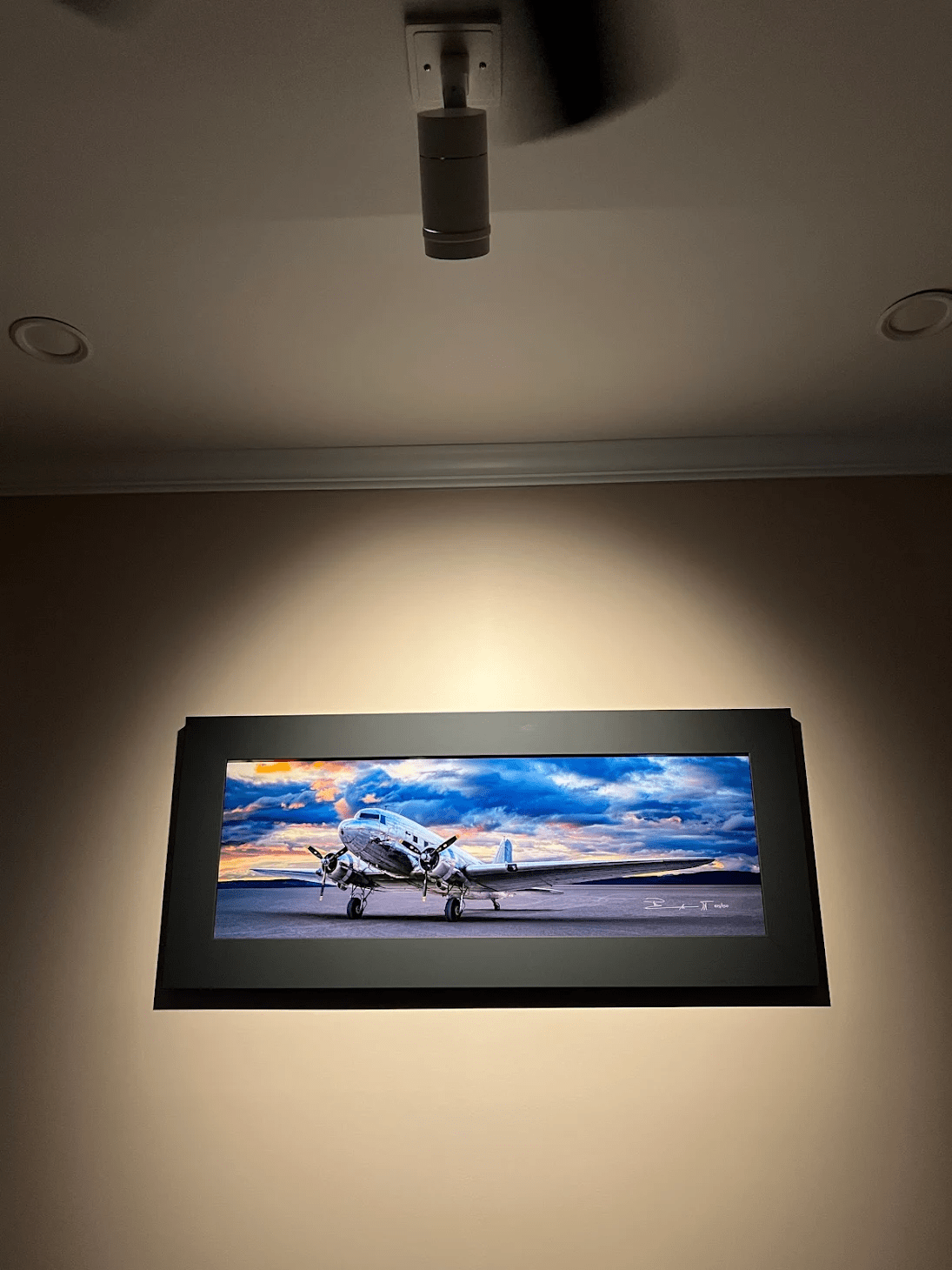
Integrated LED track lighting with optical precision
Modern museum lighting systems have evolved significantly with advancements in LED technology. Museums now prioritize integrated LED lighting over traditional halogen systems due to reduced heat emission and superior energy efficiency.
Advanced museum lighting solutions include:
- Wireless museum lighting control systems
- Dimmable lighting networks
- Smart lighting calibration tools
- Optical zoom lighting technology
These systems allow curators to adjust museum lighting techniques based on exhibition requirements without compromising conservation standards.
Museum Lighting Design Guidelines for Curators and Designers
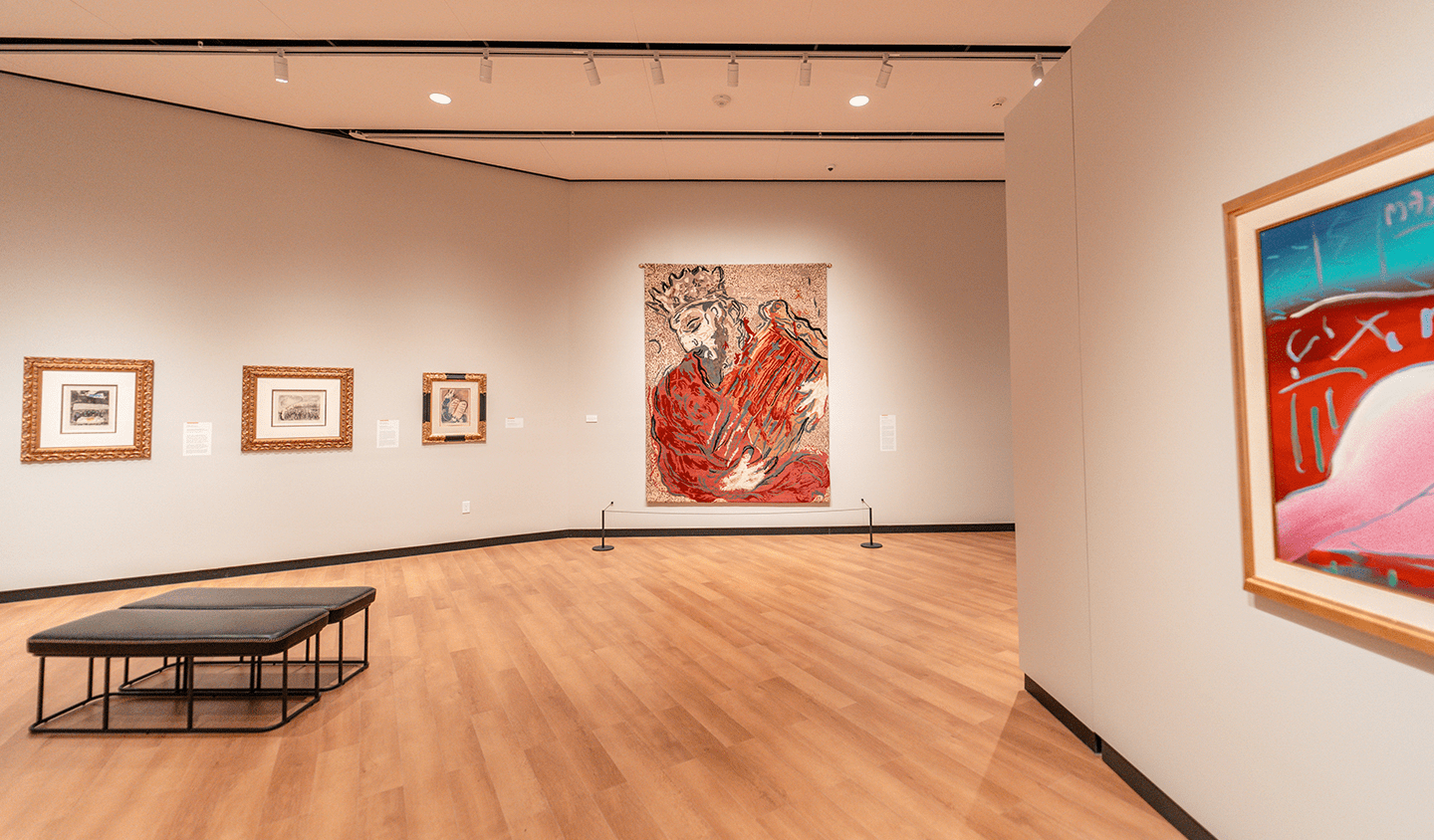
Even beam distribution across gallery wall
Museum lighting design guidelines emphasize a layered approach combining ambient, accent, and task lighting. Each layer contributes to visual comfort and artwork protection.
Key museum lighting design principles:
- Avoid direct glare on artwork
- Maintain consistent lux levels
- Use high CRI lighting fixtures
- Position lights at optimal viewing angles
- Minimize light spill and shadow distortion
Museum lighting designers often collaborate with conservators to ensure compliance with museum lighting standards and preservation protocols.
l’art Zoom
The l’art Zoom is highly suited for museum lighting where precision and conservation are both priorities. Museums often display works with delicate pigments, detailed textures, and glass protection, requiring controlled beam shaping rather than harsh general lighting. The adjustable optic of the Zoom allows curators and designers to fine tune the light spread so paintings, photographs, and framed artifacts receive an even, gentle wash without hotspots or glare. This aligns with museum lighting guidelines that emphasize visual clarity and minimal light stress. With stable integrated LED chips and high color accuracy, the Zoom supports long term preservation while presenting artwork with true color, depth, and professional museum grade refinement.
l’art Multi
The l’art Multi is ideal for museum lighting layouts that involve multiple artworks along a single wall or within curated exhibition spaces. Museums require consistent illumination across collections so no piece appears overlit or visually neglected. The Multi delivers a broader, controlled beam that creates cohesive lighting across displays, cabinets, and gallery sequences while maintaining accurate color rendering. Its low glare optical design supports comfortable viewing angles, which is critical in museum environments with glass-framed works. Engineered with long life integrated LED technology, the Multi provides stable output and reliable performance, making it well suited for museum lighting systems focused on uniform presentation, conservation awareness, and professional exhibition standards.
l’art Deluxe Projector
The l’art Deluxe Projector is designed for museum lighting in high ceiling galleries, large exhibition halls, and monumental artwork displays where standard fixtures cannot deliver sufficient reach or control. Museums frequently require precise long throw illumination for large paintings, sculptures, and feature installations without flooding the entire space with excess light. The Deluxe Projector produces a focused, controlled beam that highlights the artwork while minimizing spill and reducing unnecessary exposure to surrounding surfaces. This supports museum lighting standards related to controlled lux levels and conservation. Its integrated LED system ensures stable color output, low heat emission, and long term reliability, making it an excellent solution for museum grade lighting applications.
Museum Lighting for Art Exhibitions and Temporary Displays

Modular museum track lighting system
Exhibition lighting requires flexibility and adaptability. Temporary displays often use modular track lighting systems and adjustable spotlights to accommodate different artwork sizes and layouts.
Lighting for art exhibitions must consider:
- Artwork rotation schedules
- Sensitivity to light exposure
- Exhibition narrative flow
- Visitor viewing experience
Museum Lighting Manufacturers and Professional Solutions

High performance LED art lighting system
Choosing the right museum lighting manufacturer is critical for achieving museum-grade results. Professional lighting manufacturers design fixtures specifically for artwork illumination rather than general lighting applications.
High-performance systems like:
- l’art Deluxe projector lights for high ceilings
- l’art Mini Zoom cabinet lights for display cases
- l’art Zoom and Multi track lighting systems
are engineered for museum lighting applications where precision, longevity, and visual quality are non-negotiable.
Museum Lighting Techniques for Long-Term Preservation

UV free museum LED lighting fixture
Preservation-focused museum lighting techniques include:
- Controlled dimming schedules
- Motion-activated lighting in sensitive zones
- UV-free LED technology
- Strategic lighting placement
These approaches reduce cumulative light exposure while maintaining optimal viewing conditions.
The Future of Museum Lighting

Advanced optical zoom LED spotlight
The future of museum lighting lies in intelligent lighting systems, advanced optics, and conservation-driven design. As museums evolve into immersive spaces, lighting will continue to play a central role in shaping visitor experiences.
Emerging trends include:
- Smart museum lighting systems
- Adaptive lighting for rotating exhibitions
- Ultra-miniature cabinet lighting solutions
- Precision projector lighting for large-scale artworks
Museum Lighting Fixtures and Why They Matter in Professional Exhibitions

Adjustable beam museum spotlight with glare control
Museum lighting fixtures are fundamentally different from standard residential or commercial lighting. In museum environments, the fixture is not just a light source. It is a precision instrument designed to protect, enhance, and accurately reveal artwork without causing long-term damage.
High-quality museum lighting fixtures are engineered with:
- Advanced optical control
- Minimal UV and IR emission
- High color rendering accuracy
- Adjustable beam angles
- Glare reduction technology
Unlike decorative lighting, museum-grade fixtures must balance conservation science with visual presentation. This is why museums, galleries, and serious collectors avoid generic lighting products and instead choose purpose-built museum lighting systems.
For example, museum track lighting systems allow curators to reposition fixtures without rewiring the space, making them ideal for rotating exhibitions and evolving gallery layouts.
Museum Lighting for Paintings: Precision Over Brightness

High CRI spotlight revealing brushstroke texture
One of the most searched and critical topics in museum lighting is museum lighting for paintings. Paintings, especially oil, acrylic, and Old Master works, require controlled illumination that enhances color without accelerating degradation.
The best museum lighting for paintings focuses on three core elements:
- Controlled lux levels
- Correct color temperature
- Even light distribution
Too much light can cause irreversible fading, particularly in sensitive pigments and historical canvases. That is why museum lighting lux levels are typically kept between 50 and 200 lux depending on the artwork type.
Professional museum lighting design ensures that:
- Brushstrokes remain visible
- Texture is enhanced
- Colors appear natural
- No hotspots or glare affect viewing
Museum picture lighting must also be angled correctly, usually between 30 and 35 degrees, to prevent reflections and shadow distortion.
Museum Lighting Systems for Large Galleries and Institutions

Scalable museum track lighting installation
Modern museum lighting systems are highly modular and scalable. Large museums do not rely on a single lighting type. Instead, they use layered museum lighting solutions that combine multiple fixture categories.
These systems typically include:
- Track lighting systems for flexibility
- Ceiling lighting for ambient illumination
- Cabinet lighting for display cases
- Spotlight systems for featured artworks
Museum track lighting systems are particularly dominant because they allow curators and lighting designers to adapt exhibitions without structural changes.
For high ceilings and monumental spaces, projector-style museum lighting fixtures provide long throw illumination while maintaining beam precision and conservation-safe output.
Museum Lighting Techniques Used by Top Curators

Controlled accent lighting with sharp beam
Professional museum lighting techniques go far beyond simply “lighting the room.” They are carefully designed to guide viewer attention and preserve artwork simultaneously.
Key museum lighting techniques include:
- Accent lighting for focal artworks
- Wall washing for gallery walls
- Spotlighting for sculptures
- Case lighting for artifacts
- Controlled ambient lighting for visual comfort
Museum lighting spotlight strategies are especially important in exhibitions where a single masterpiece must command attention. Precision optics allow curators to isolate artwork without over-lighting surrounding areas.
Another advanced technique is layered lighting, where multiple lighting types work together to create depth and hierarchy within the exhibition space.
Museum Cabinet Lighting and Display Case Illumination
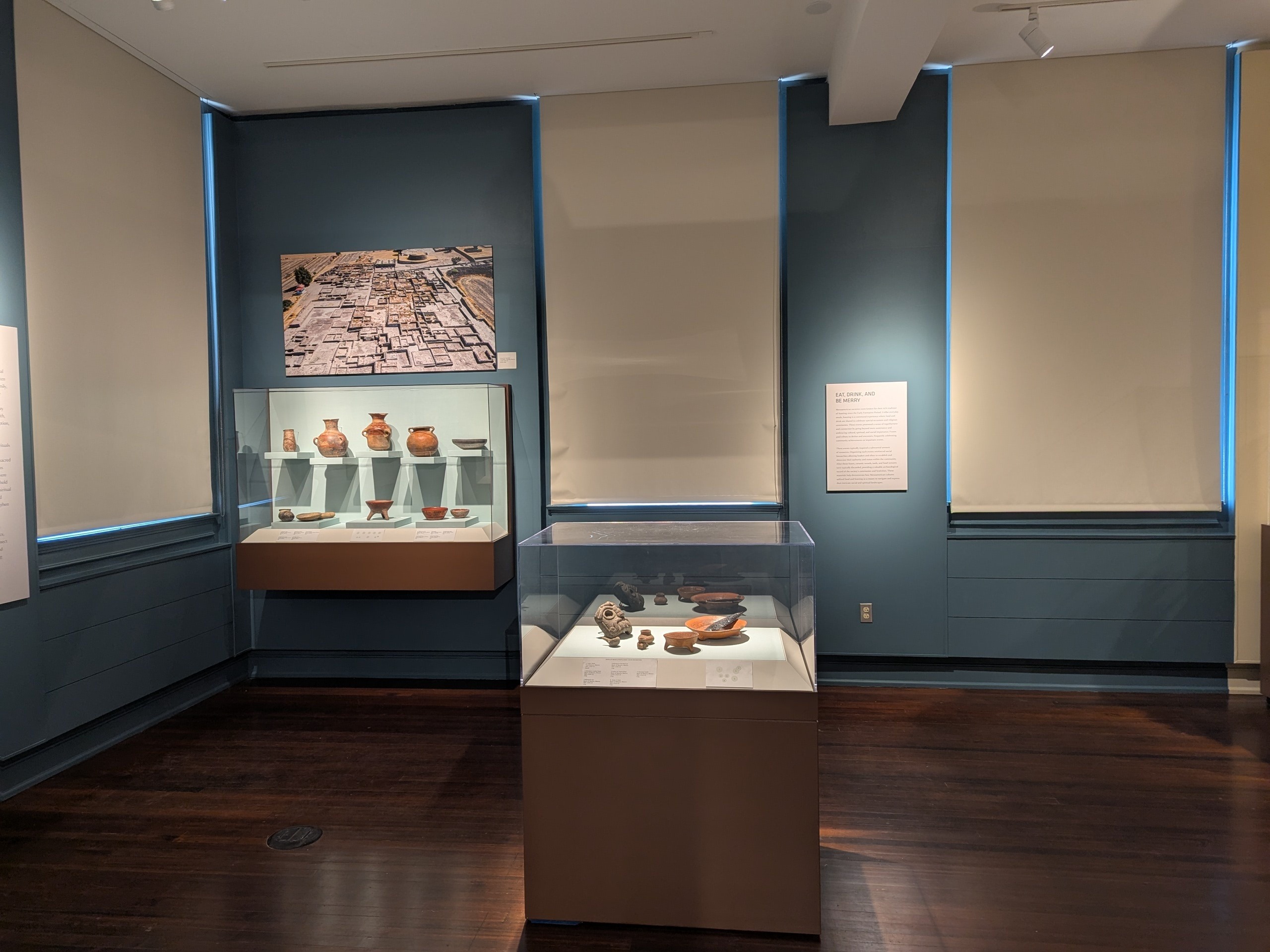
Focused artifact lighting with minimal heat
Museum cabinet lighting is a specialized subset of museum lighting design. Display cases often contain fragile artifacts such as manuscripts, textiles, jewelry, and historical objects that require extremely low light exposure.
Effective museum case lighting must be:
- Low heat emission
- UV-free
- Highly focused
- Compact in size
Miniature lighting fixtures are often used inside museum cabinets because large fixtures would disrupt the visual integrity of the display.
Museum showcase lighting must also eliminate reflections on glass surfaces, which can distract viewers and reduce visibility of artifacts.
Museum Lighting Requirements and Conservation Standards
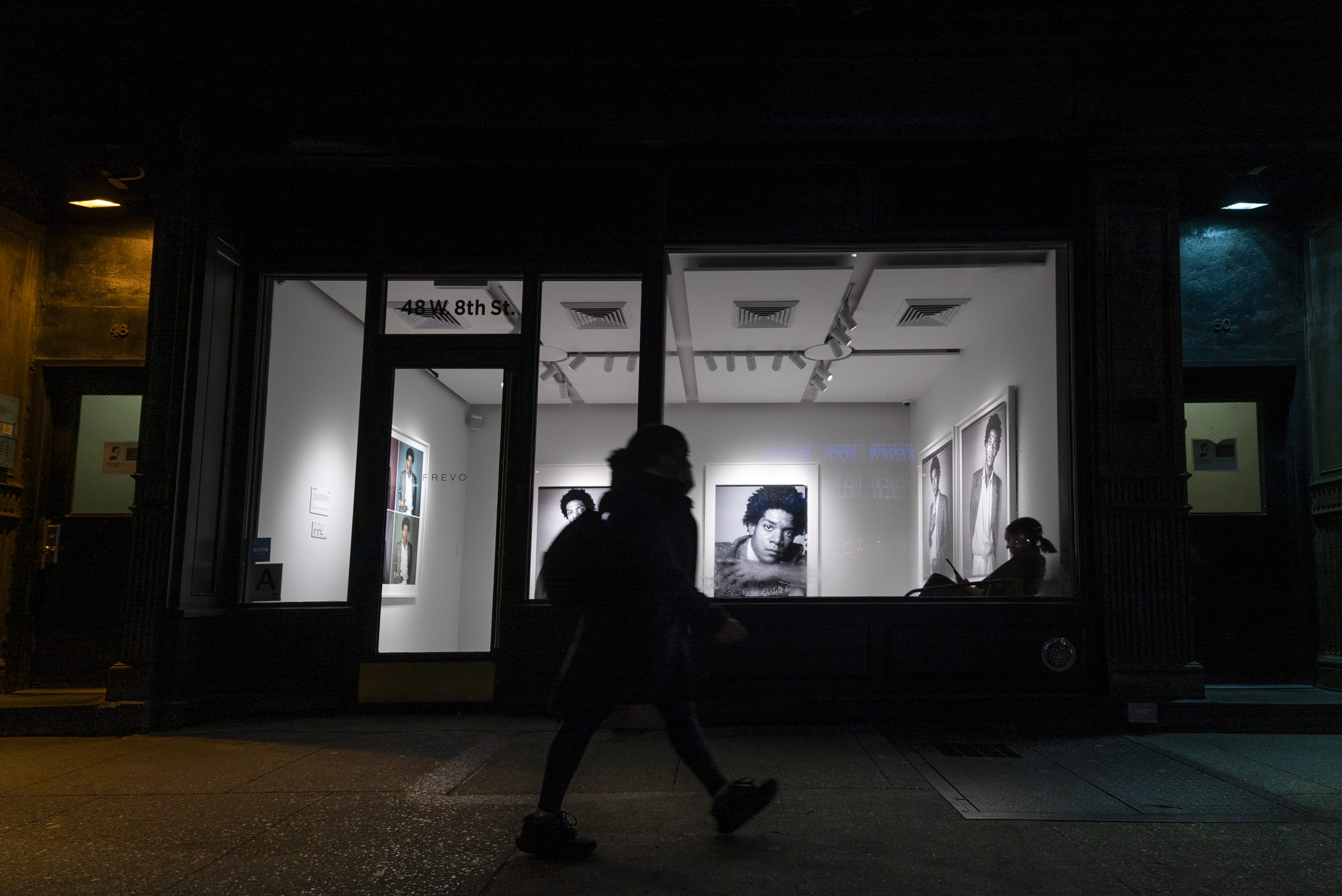
Conservation safe LED spotlight close view
Museum lighting requirements are governed by strict conservation guidelines. Lighting must protect artworks while still allowing clear visibility for visitors.
Common museum lighting standards include:
- Sensitive works: 50 lux
- Moderately sensitive works: 150 lux
- Durable materials: up to 300 lux
Museum lighting guidelines also recommend:
- No direct sunlight exposure
- Stable color temperature
- Minimal flicker
- Consistent illumination across displays
These museum lighting standards are followed by leading institutions to ensure long-term preservation of cultural heritage.
Museum Lighting Temperature and Color Accuracy

High CRI museum lighting for accurate tones
Museum lighting temperature plays a critical role in how artwork is perceived. Incorrect color temperature can distort the original tones of a painting or sculpture.
Most museum lighting for art falls within:
- 2700K for warm classical art
- 3000K for balanced gallery lighting
- 3500K for modern exhibitions
High CRI (Color Rendering Index) above 95 is essential in museum lighting fixtures because it ensures colors appear as the artist intended.
Poor lighting temperature can make paintings look:
- Washed out
- Overly yellow
- Too blue
- Flat and lifeless
This is why museum lighting design always prioritizes spectral accuracy over brightness.
Museum Ceiling Lighting and High Space Illumination

Long distance precision beam spotlight
Museum ceiling lighting is used to create ambient illumination while supporting accent lighting systems. In large institutions with high ceilings, specialized long-throw lighting solutions are required.
High ceiling museum lighting must:
- Maintain beam focus over long distances
- Prevent light spill
- Avoid glare from elevated angles
- Provide consistent wall illumination
Architectural museums and grand galleries often rely on ceiling-mounted museum lighting systems combined with adjustable track fixtures to achieve balanced lighting distribution.
Museum Wall Lighting and Gallery Presentation
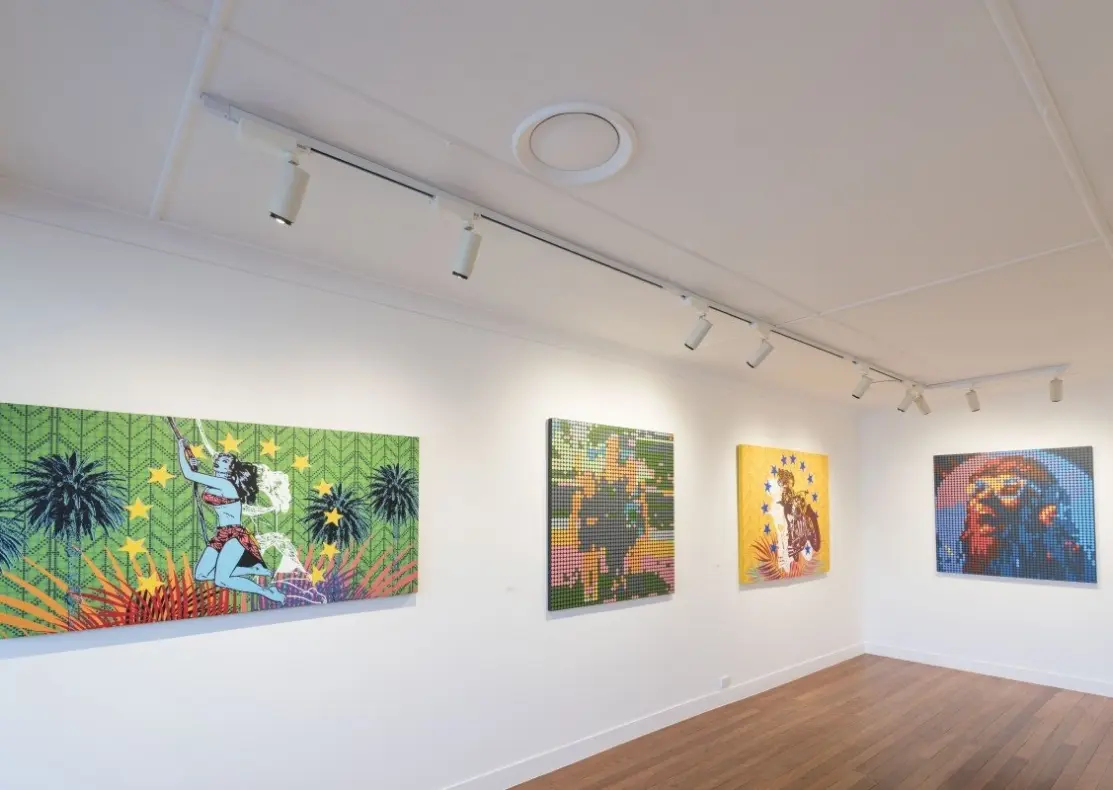
Even wall lighting across framed artworks
Museum wall lighting is crucial for exhibitions that feature paintings, photography, and framed artworks. Proper wall lighting ensures that each artwork is evenly illuminated without shadow interference.
Gallery wall lighting strategies include:
- Adjustable track lighting
- Linear wall washing
- Precision spotlights
Museum lighting for paintings on walls must be carefully positioned to avoid reflections, especially on varnished or glass-covered artworks.
Types of Museum Lighting Used in Professional Spaces

Recessed museum lighting fixture installed
There are several types of museum lighting used depending on the exhibition requirements.
The main types of museum lighting include:
- Track lighting systems
- Spotlight lighting
- Recessed lighting
- Cabinet lighting
- Wall-mounted picture lighting
- Ceiling ambient lighting
Each type serves a different purpose within the museum lighting ecosystem. The best museum lighting design combines multiple fixture types to create a cohesive visual experience.
Museum Lighting Solutions for Modern Museums and Private Collectors

Precision LED art lighting for residential gallery
Museum lighting solutions are no longer limited to public institutions. High-end collectors and luxury homeowners now adopt museum-grade lighting to display private art collections.
Museum lighting for home environments focuses on:
- Artwork preservation
- Elegant visual presentation
- Minimal visual intrusion
- Professional gallery aesthetics
Modern museum lighting systems are designed to integrate seamlessly into residential interiors while delivering the same performance standards used in museums and galleries.
Museum Lighting Techniques for Sculptures and 3D Art
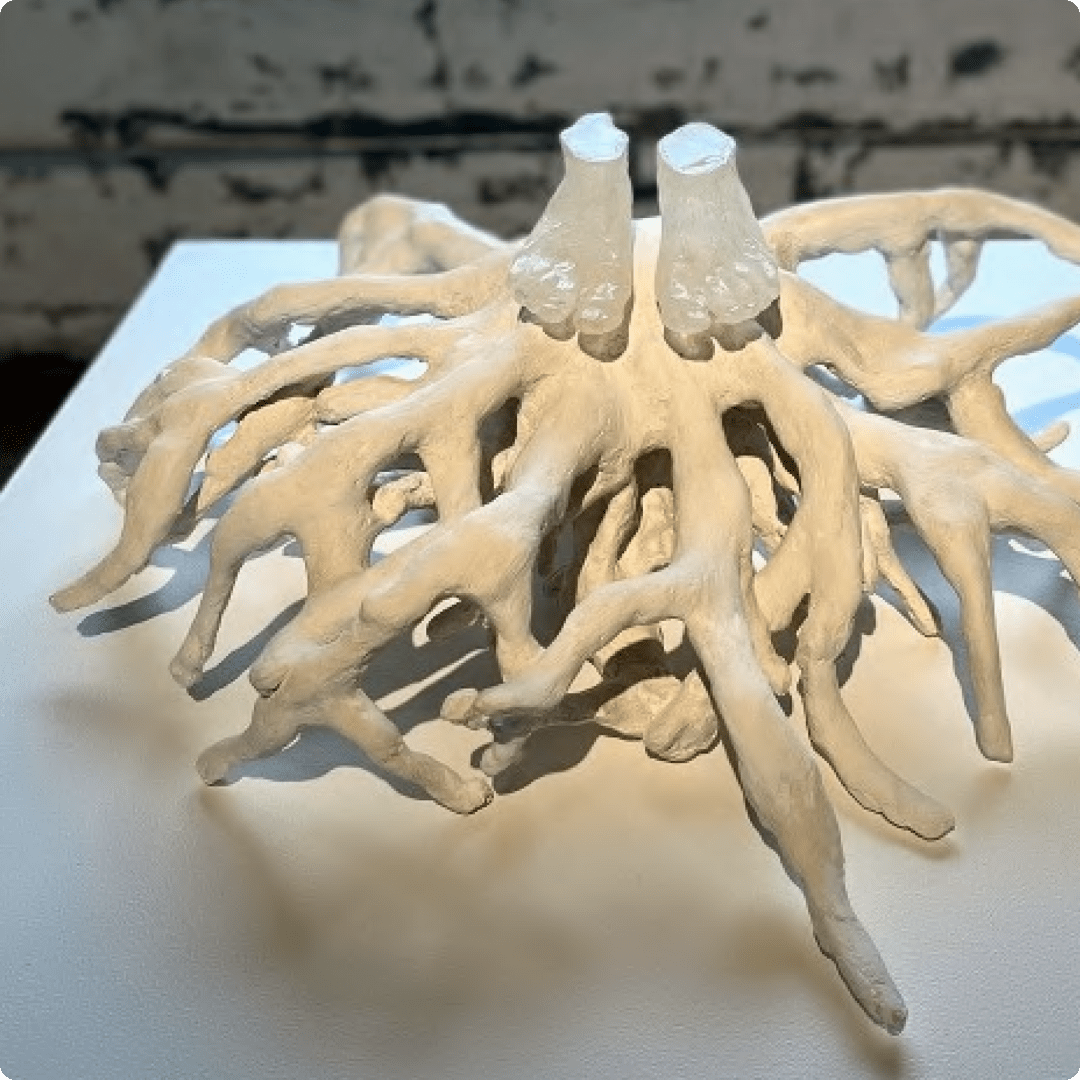
Controlled shadow lighting enhancing texture
Museum sculpture lighting requires a different approach compared to flat artworks. Sculptures must be lit from multiple angles to reveal depth, texture, and form.
Museum sculpture lighting often uses:
- Multi-directional spotlights
- Controlled shadow lighting
- Adjustable beam angles
Improper lighting can flatten a sculpture visually, while correct museum lighting techniques enhance dimensionality and artistic impact.

Museum Lighting Systems and Future Trends
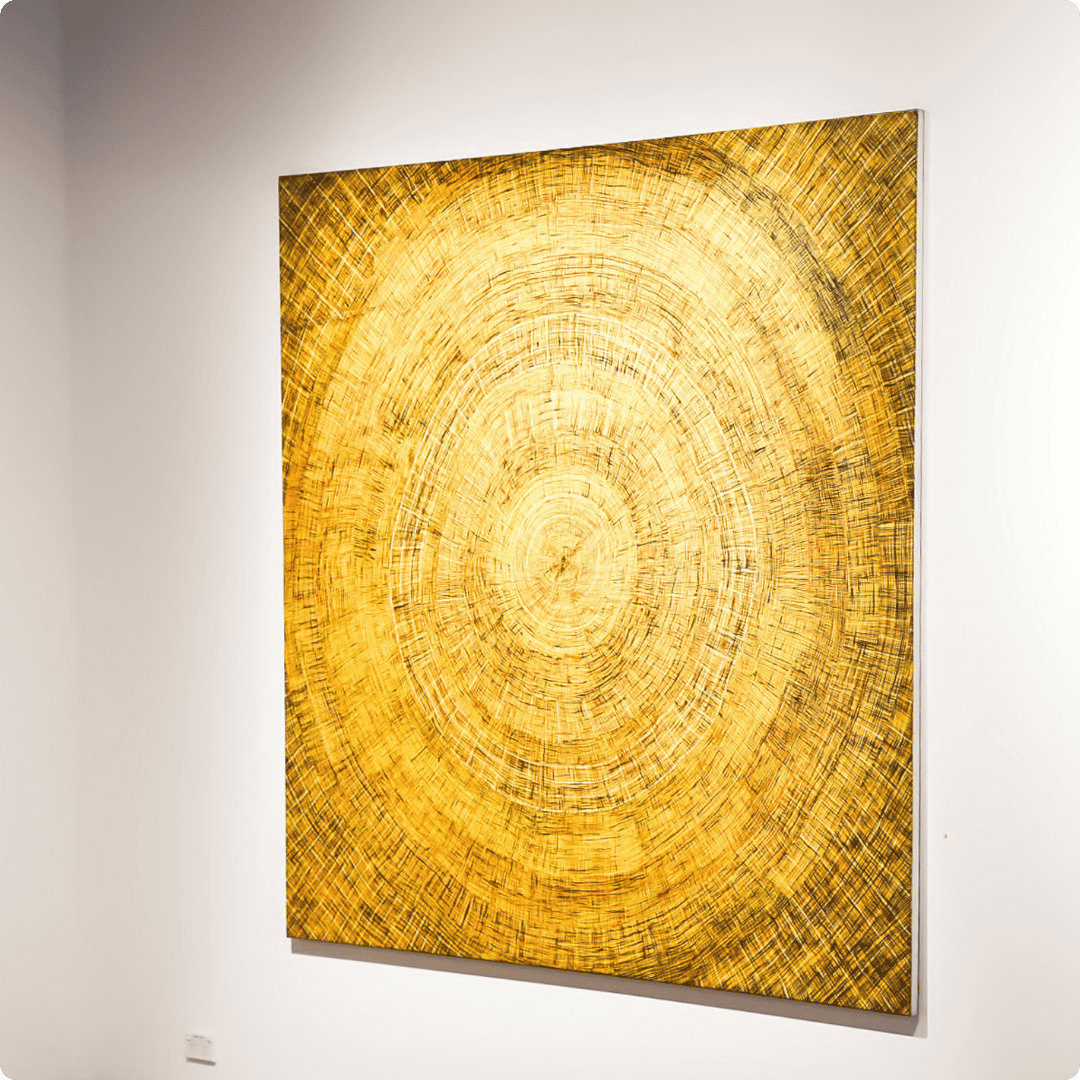
Integrated LED museum lighting technology
The future of museum lighting is increasingly focused on advanced LED systems, optical precision, and conservation-safe technology. Modern museum lighting manufacturers are developing fixtures with:
- Integrated LED chips for longevity
- Smart lighting controls
- Adjustable beam optics
- Wireless lighting systems
Wireless museum lighting is becoming especially popular in historic buildings where rewiring is limited.
As museums continue evolving, museum lighting design is becoming more sophisticated, combining science, technology, and art presentation into one integrated discipline.
Frequently Asked Questions (FAQ)
What is the best lighting for museum paintings?
The best museum lighting for paintings is high CRI, UV-free LED lighting with controlled beam angles and appropriate lux levels. Track lighting and precision spotlights are commonly used for accurate artwork illumination.
What lux level is recommended for museum lighting?
Museum lighting lux levels typically range from 50 lux for sensitive works to 300 lux for durable artworks. Conservators determine the exact levels based on material sensitivity.
What color temperature is used in museum lighting?
Most museums use color temperatures between 2700K and 3500K depending on the artwork type. Warmer tones are preferred for classical paintings, while neutral tones suit contemporary art.
Why do museums use track lighting systems?
Museum track lighting systems provide flexibility, precision positioning, and adjustable optics, making them ideal for changing exhibitions and diverse artwork sizes.
What is museum grade lighting?
Museum grade lighting refers to professional lighting fixtures designed for conservation, precision illumination, and long-term stability. These systems use high-quality LED chips and optical control.
Can museum lighting be used at home?
Yes, museum lighting for home collections is increasingly popular among collectors who want professional artwork illumination using track lighting and precision spotlights.
What lighting is best for museum display cases?
Compact micro lighting solutions, such as miniature zoom cabinet lights, are best for museum case lighting because they provide focused illumination without heat damage.
How do museums light large artworks with high ceilings?
Museums use projector lighting systems with advanced optics to illuminate large artworks from a distance while maintaining beam precision and uniform lighting distribution.
Does LED museum lighting damage artwork?
High-quality LED museum lighting does not damage artwork when properly designed, as it emits minimal heat and no harmful UV radiation.
What are the main types of museum lighting?
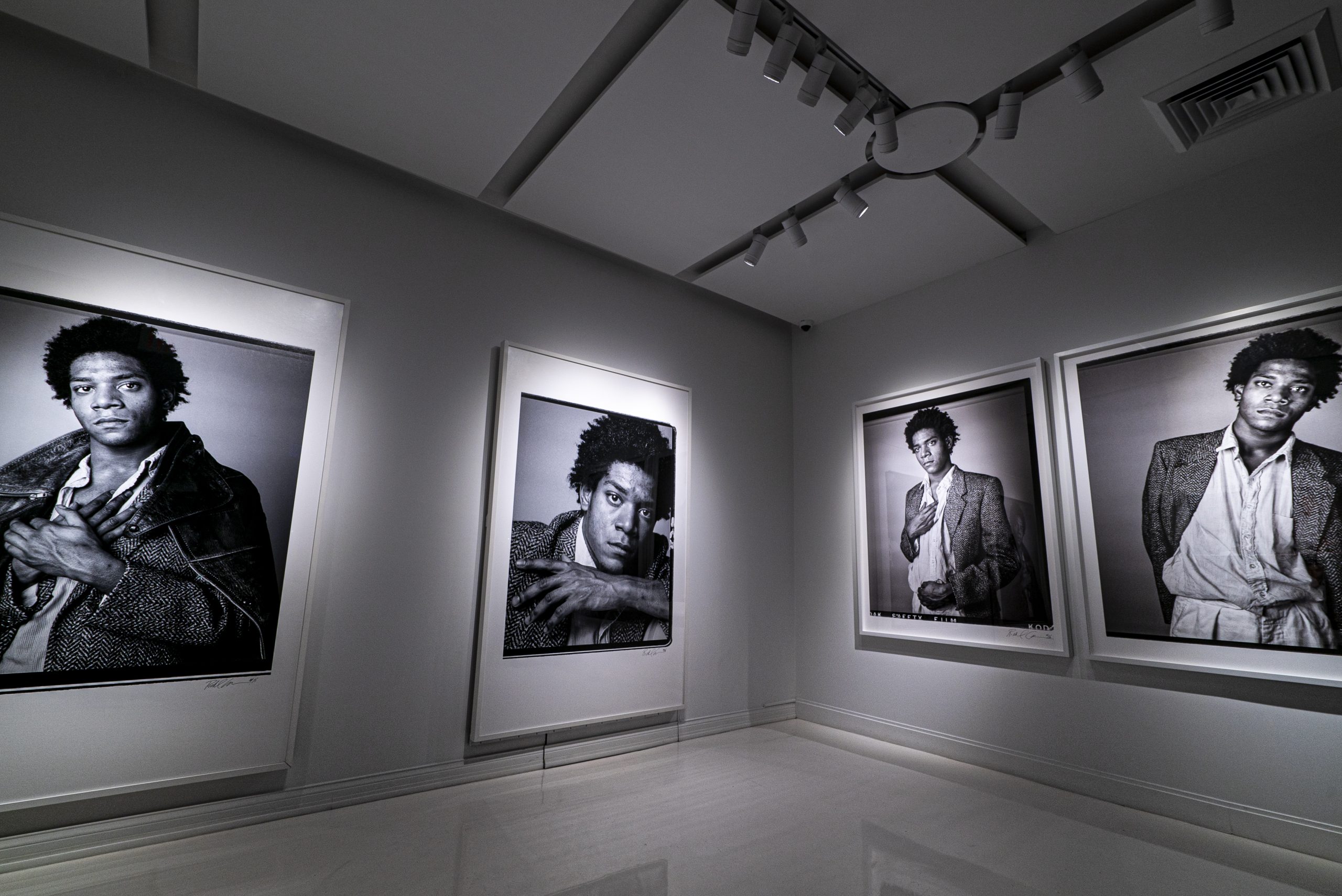
Track lighting system with adjustable museum spotlights
The main types include track lighting, cabinet lighting, projector lighting, accent lighting, and ambient gallery lighting systems designed for conservation and visual impact.
1. What is museum lighting?
Museum lighting refers to specialized lighting systems designed to illuminate artwork, artifacts, and exhibitions while preserving their condition and enhancing visual clarity.
2. What are museum lights called?
Museum lights are commonly called museum-grade spotlights, art lights, gallery lights, track lighting systems, or conservation lighting fixtures.
3. What is the best lighting for museums?
The best museum lighting is high-CRI LED lighting with precise beam control, low heat emission, and adjustable lux levels for artwork protection.
4. What lighting do museums use for paintings?
Museums use precision LED spotlights, track lighting, and museum picture lighting designed to provide even illumination without UV or heat damage.
5. What are museum lighting fixtures?
Museum lighting fixtures are professional-grade lights engineered for artwork illumination, including track lights, cabinet lights, and projector lights.
6. Why is museum lighting important?
Museum lighting is critical because improper lighting can cause fading, discoloration, and long-term damage to paintings and sensitive artifacts.
7. What is museum-grade lighting?
Museum-grade lighting refers to high-quality lighting with accurate color rendering, controlled brightness, and conservation-safe output for artwork.
8. What lux level is used in museum lighting?
Typical museum lighting lux levels range from 50 lux for sensitive works to 200 lux for more durable artworks.
9. What color temperature is best for museum lighting?
Most museums use 2700K to 3000K color temperature to maintain natural color accuracy and visual warmth for artworks.
10. What CRI is required for museum lighting?
Museum lighting usually requires a CRI of 90+ or ideally 95+ to accurately display artwork colors.
11. What is museum track lighting?
Museum track lighting is an adjustable lighting system mounted on tracks, allowing curators to reposition lights for exhibitions and artwork changes.
12. Is LED lighting suitable for museums?
Yes, LED lighting is ideal for museums because it produces low heat, minimal UV radiation, and long-lasting illumination.
13. What is museum lighting design?
Museum lighting design is the strategic planning of lighting placement, intensity, and angles to enhance artwork visibility and preservation.
14. How do museums light large paintings?
Museums use long-throw spotlights and precision beam lighting to evenly illuminate large paintings without hotspots or glare.
15. What is museum lighting for art?
Museum lighting for art is specialized lighting that enhances texture, color, and detail while protecting artworks from damage.
16. What lighting is used in art galleries?
Art galleries typically use track lighting, accent lighting, and adjustable spotlights for flexible exhibition lighting.
17. What are museum lighting standards?
Museum lighting standards focus on conservation safety, controlled lux levels, high CRI, and minimal UV exposure.
18. What is museum cabinet lighting?
Museum cabinet lighting refers to compact lighting used inside display cases for artifacts and delicate objects.
19. What is museum case lighting?
Museum case lighting is low-heat, focused lighting designed specifically for enclosed display cases and showcases.
20. How do museums prevent light damage to artwork?
Museums use low lux levels, UV-free LED lighting, and controlled exposure durations to protect artwork from light damage.
21. What is museum spotlight lighting?
Museum spotlight lighting is focused lighting used to highlight specific artworks or sculptures with precision beams.
22. Can museum lighting be used at home?
Yes, museum lighting for home is popular among collectors who want gallery-quality illumination for their art collections.
23. What is museum picture lighting?
Museum picture lighting is specialized lighting designed to illuminate framed paintings and artworks evenly.
24. What is museum ceiling lighting?
Museum ceiling lighting provides ambient illumination that supports accent and spotlight lighting systems.
25. What is museum wall lighting?
Museum wall lighting is used to evenly illuminate artwork displayed on gallery walls.
26. What is museum display lighting?
Museum display lighting refers to lighting used in showcases, cabinets, and exhibition displays.
27. What is museum showcase lighting?
Museum showcase lighting is precision lighting used to highlight objects inside glass display cases.
28. What lighting do curators recommend for artwork?
Curators typically recommend high-CRI LED spotlights with adjustable beam angles and controlled brightness.
29. What is museum lighting temperature?
Museum lighting temperature refers to the color temperature used to accurately present artwork without color distortion.
30. What is museum lighting for sculptures?
Museum sculpture lighting uses multi-directional lighting to enhance depth, texture, and dimensional detail.
31. What is museum lighting systems?
Museum lighting systems are integrated lighting setups combining track lights, spotlights, and ambient lighting for exhibitions.
32. What are the types of museum lighting?
Types of museum lighting include track lighting, spotlighting, cabinet lighting, wall washing, and ambient lighting.
33. What is museum-grade LED lighting?
Museum-grade LED lighting is professional lighting designed for conservation, accuracy, and longevity.
34. How many lumens are needed for museum lighting?
Museums focus more on lux and beam precision rather than high lumens, typically using controlled low-output lighting.
35. What is museum lighting plan?
A museum lighting plan outlines fixture placement, lux levels, beam angles, and conservation requirements.
36. What is museum lighting techniques?
Museum lighting techniques include accent lighting, wall washing, spotlighting, and layered lighting design.
37. What is museum lighting guidelines?
Museum lighting guidelines are conservation standards that regulate light exposure to protect artworks.
38. What is museum lighting solutions?
Museum lighting solutions are customized lighting systems designed for exhibitions, galleries, and collectors.
39. What is museum facade lighting?
Museum facade lighting refers to architectural lighting used on the exterior of museums.
40. What is museum lighting installation?
Museum lighting installation involves professional setup of lighting systems for exhibition and artwork display.
41. What is museum lighting for high ceilings?
Museum lighting for high ceilings uses projector lights and long-throw spotlights to maintain beam precision from distance.
42. What is museum frame lighting?
Museum frame lighting is lighting designed to illuminate framed artworks without glare or reflection.
43. What is museum lighting over paintings?
Museum lighting over paintings uses angled spotlights to ensure even illumination and prevent reflections.
44. What is museum lighting kelvin range?
Most museum lighting operates between 2700K and 3500K depending on the artwork type.
45. What is museum lighting requirements?
Museum lighting requirements include low UV output, stable brightness, high CRI, and controlled lux levels.
46. What is museum quality lighting?
Museum quality lighting refers to professional lighting that meets conservation and display standards.
47. What is wireless museum lighting?
Wireless museum lighting is battery-powered or remote-controlled lighting used in sensitive or historic spaces.
48. What is museum lighting for cabinets and showcases?
This refers to compact, precision lighting used inside display cabinets to illuminate artifacts safely.
49. What is the difference between gallery lighting and museum lighting?
Gallery lighting focuses on aesthetics and flexibility, while museum lighting prioritizes conservation and preservation.
50. What is the best professional lighting for museum exhibitions?
The best professional museum exhibition lighting includes precision LED track lights, projector lights for high ceilings, and compact cabinet lighting for detailed displays, all with high CRI and conservation-safe output.
Real Feedback from Art Collectors