How to Light Paintings Accurately, Comfortably, and at Gallery Standard

Accurate colour rendering strengthening painting presentation quality
The best lighting for paintings does not draw attention to itself.
It draws attention to the artwork.
Paintings are among the most demanding artworks to light, which is why careful art lighting methods for paintings are essential. Colour relationships are subtle. Brushwork carries meaning. Surface texture, varnish, glazing, and framing all interact with light in complex ways. When lighting is wrong, paintings appear flat, distorted, or uncomfortable to view. When lighting is right, paintings feel resolved, confident, and valuable.
Whether in a gallery, museum, or serious private collection, the best lighting for paintings follows the same principles: accuracy, control, consistency, and restraint.
This complete art gallery lighting guide explains what truly defines the best lighting for paintings, why generic solutions fail, and how professional systems using track lighting, Zoom, Multi, and Deluxe solutions deliver museum-grade results.
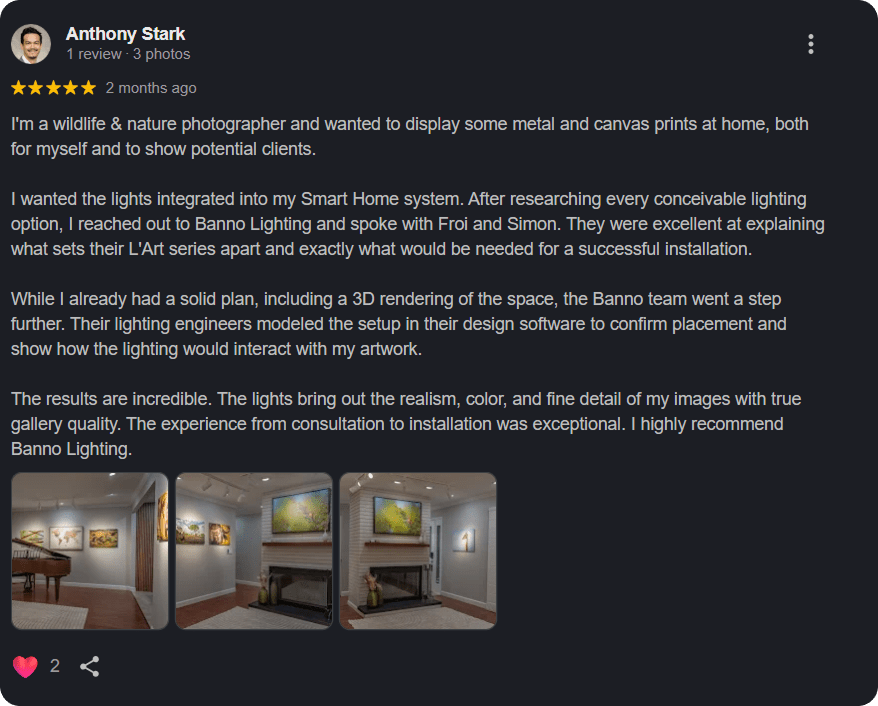
What a Gallery Owner Says About Our Precision Lighting Systems
What “best lighting for paintings” actually means

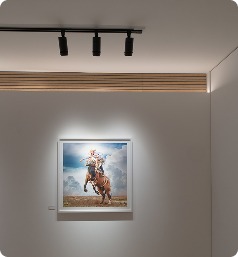
Controlled beam revealing colour and surface integrity
The best lighting for paintings is not the brightest, warmest, or most decorative option.
It must achieve five things simultaneously:
- Render colour truthfully
- Reveal surface texture without glare
- Remain comfortable for long viewing
- Adapt to different painting sizes and mediums
- Maintain consistency over time
If any of these fail, the lighting is not “best” regardless of cost or specification.

4.9 stars & reviews from art collectors and galleries
Why paintings require specialised lighting

Brushstroke relief highlighted without harsh reflections
Paintings are visually complex objects.
Light interacts with:
• Pigment density and layering
• Brushstroke relief
• Canvas weave or panel grain
• Varnish and glazing
• Frame depth, colour, and finish
Poor lighting hides this complexity. It washes out tonal range, exaggerates reflections, and introduces glare that forces viewers to step back. Good lighting reveals detail gently and honestly.
This is why the best lighting for paintings must be precise, controllable, and adjustable to meet museum lighting standards for paintings.
How people actually view paintings

Calm atmosphere supporting slow visual engagement
Paintings are not viewed from a single fixed position.
Viewers:
• Step closer to inspect texture
• Step back to read composition
• Shift side to side as light moves across the surface
Lighting must support this movement without colour shift, glare, or discomfort.
The best lighting for paintings:
• Feels calm and effortless
• Allows long viewing without fatigue
• Maintains colour consistency from multiple angles
• Keeps focus on the artwork, not the light
Uncomfortable lighting causes disengagement even when the artwork itself is strong.
Lighting and perceived value of paintings

Refined illumination increasing perceived artwork value
Paintings are often the highest-value works in a gallery or collection.
Buyers and collectors need confidence that:
• Colours are accurate
• Texture is honest
• The painting will look similar in another space
Lighting directly affects that confidence.
The best lighting for paintings:
• Shows true colour and tonal depth
• Enhances surface texture naturally
• Avoids glare on varnished or glazed works
• Signals care, professionalism, and credibility
Poor lighting introduces doubt. Buyers may not articulate it, but hesitation grows and decisions slow.
Why generic lighting is not the best lighting for paintings
Many paintings are lit using:
• Decorative picture lights
• Architectural downlights
• Retail track lighting
These fittings are not designed for art.
Common problems include:
• Wide, uncontrolled beams
• Hotspots and uneven illumination
• Glare on glass or varnish
• Colour distortion
• Poor framing of the artwork
Generic lighting prioritises coverage and aesthetics. Paintings require precision and control.
The best lighting for paintings starts with a lighting plan

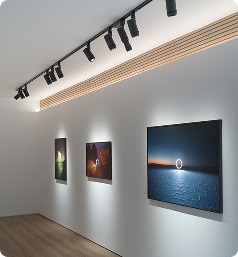
Structured layout aligned with wall proportions
Professional painting lighting never starts with a fixture. It starts with a plan.
A proper lighting plan considers:
• Wall height and length
• Painting sizes and formats
• Viewing distances
• Track placement relative to walls
• Typical hanging heights
• Future changes to the display
Without a plan, lighting becomes trial and error. Fixtures are constantly adjusted and still never feel resolved.
The best gallery lighting for displaying paintings is predictable, repeatable, and consistent.
Track lighting is the foundation of the best painting lighting

Flexible infrastructure supporting evolving displays
Track lighting is the backbone of professional lighting for paintings and fine art worldwide.
It allows:
• Precise aiming for each painting
• Easy repositioning as displays change
• Clean ceilings with minimal visual clutter
• Long-term flexibility
However, not all track lighting delivers gallery-grade results.
Gallery-grade track lighting vs standard track lighting

Minimal glare maintaining comfortable close viewing
Standard track lighting is designed for retail and architectural spaces.
Gallery-grade track lighting for paintings prioritises:
• Precision optics
• Controlled beam edges
• Minimal glare
• High colour accuracy
• Visual restraint
This difference is immediately visible. Paintings lit with gallery-grade systems feel intentional and resolved. Paintings lit with generic track lighting often feel flat or uncomfortable.
Beam control defines the best lighting for paintings

Focused illumination preserving depth and contrast
Paintings demand tight control of light.
Controlled beams:
• Frame paintings cleanly
• Prevent spill onto adjacent works
• Preserve contrast and depth
• Reduce reflections
Wide beams wash out paintings and reduce impact. Precision beams create precision lighting for illuminating paintings, giving artworks presence and clarity.
The best lighting for paintings always prioritises optics over raw brightness.
Why dimming is essential for painting lighting

Flicker free dimming protecting sensitive surfaces
Dimming is not about atmosphere. It is about control.
Paintings vary in:
• Size
• Medium
• Pigment density
• Surface reflectivity
• Sensitivity to light
Fixed-output lighting forces compromise. Some paintings become overlit while others feel underwhelming.
The best lighting for paintings must allow smooth, precise dimming so light levels can be tuned to each artwork rather than dictated by the fixture.
Good dimming allows:
• Balancing paintings of different sizes on the same wall
• Reducing glare on varnished or glazed works
• Adjusting emphasis without changing beam angle
• Protecting sensitive works
• Fine-tuning presentation during installation
Dimming must be flicker-free, stable at low levels, and free from colour shift.
Why CRI 97+ is critical for the best painting lighting

High CRI LED revealing subtle pigment transitions
CRI measures how accurately a light source renders colour.
Standard architectural lighting often sits around CRI 80–90. That is not sufficient for paintings.
Paintings rely on:
• Subtle colour transitions
• Layered pigments
• Warm and cool undertones
• Accurate whites and neutrals
Only CRI 97+ lighting can render these faithfully.
Lower CRI lighting:
• Mutes colours
• Distorts tonal relationships
• Shifts whites yellow or grey
• Reduces buyer confidence
The best lighting for paintings always uses CRI 97+ LEDs.
Zoom lighting for paintings of different sizes

Flexible zoom mechanism simplifying exhibition updates
Zoom lighting systems are ideal where painting sizes vary.
Zoom allows:
• Adjustable beam angles from a single fixture
• Tight framing for small works
• Wider coverage for large paintings
• Fast adaptation as displays change
Rather than swapping fixtures, the beam adjusts to the artwork. This makes Zoom systems a practical foundation for high-quality painting lighting.
Zoom lighting pairs exceptionally well with dimming, allowing beam size and intensity to be balanced together.
Multi lighting for curated painting displays

Cohesive lighting treatments across diverse styles
Multi lighting systems are used when painting displays require nuance.
They are especially effective when:
• Paintings vary significantly in scale or importance
• Certain works require emphasis
• Curatorial hierarchy matters
• Sensitive and robust works are displayed together
Multi systems allow different lighting treatments within the same space while maintaining cohesion.
Deluxe lighting for the highest standard of painting presentation

Museum grade spotlight delivering exceptional beam precision
Deluxe lighting systems represent the highest level of performance.
They are used for:
• High-value paintings
• Museums and institutions
• Flagship galleries
• Serious private collections
Deluxe systems combine:
• Exceptional beam quality
• CRI 97+ colour accuracy
• Ultra-stable dimming
• Long-term consistency
In these environments, lighting should disappear entirely, allowing the painting to command full attention.
Best colour temperature for lighting paintings

Neutral 3000K illumination preserving tonal authenticity
Most professional galleries and museums use 3000K lighting.
3000K:
• Feels warm yet neutral
• Preserves colour accuracy
• Supports a wide range of painting styles
• Builds buyer confidence
Some master works are lit at 2700K selectively when warmth enhances emotional presence. This must be done carefully to avoid yellowing whites or distorting cooler tones.
Cooler temperatures are rarely used for paintings as they flatten tonal nuance.
Managing glare on paintings

Correct aiming angle eliminating distracting highlights
Glare is one of the most common failures in painting lighting.
The best lighting for paintings avoids glare through:
• Precision optics
• Correct beam angles
• Proper track placement
• Careful dimming
When glare is controlled, viewers can approach paintings comfortably and engage fully with surface detail.
Consistency across painting displays

Balanced presentation reinforcing professional credibility
Consistency is critical.
Lighting should:
• Match in colour and intensity across fixtures
• Feel balanced wall to wall
• Remain stable over time
Inconsistent lighting undermines trust. Collectors notice when paintings look different depending on where they hang.
The best lighting systems are engineered for long-term consistency.
Long-term thinking defines the best lighting for paintings

Reduced maintenance ensuring long term efficiency
The best lighting for paintings is designed once, properly.
A professional system allows:
• Years of use without replacement
• Easy rehanging and adaptation
• Reduced maintenance
• Long-term cost efficiency
Short-term fixes always lead to long-term compromise.
Precision Beam Control for Museum-Grade Painting Lighting
Precision beam control is one of the most critical elements in achieving the best lighting for paintings. Unlike general lighting, which spreads light broadly across a space, painting lighting must be tightly controlled to ensure that illumination is directed only where it is needed. This prevents unnecessary light exposure while maintaining a clean and focused presentation.
Narrow beam angles are particularly effective for isolating individual artworks. They create visual separation, increase contrast, and ensure that attention remains on the painting rather than the surrounding wall. This is especially important in gallery environments where multiple works are displayed in close proximity.
Wider beams, while sometimes necessary for larger works, must still be carefully managed. Without control, they can introduce hotspots in the centre of the painting or cause uneven falloff toward the edges. This disrupts visual balance and reduces the perceived quality of the artwork.
Professional lighting for paintings uses precision optics to maintain clean beam edges. This allows each artwork to be framed with light, reinforcing its presence while preventing spill onto adjacent surfaces.
Fixture Positioning as the Foundation of Accurate Lighting
The effectiveness of even the best lighting for artwork depends heavily on fixture positioning. Poor placement can undermine colour accuracy, introduce glare, and create uneven illumination, regardless of the quality of the lighting equipment.
Positioning must account for several variables:
• Distance between the fixture and the wall
• Height of the ceiling
• Size and orientation of the painting
• Intended viewing distance
If fixtures are placed too close to the wall, beams become compressed and reflections increase. If they are placed too far away, light spreads excessively and loses intensity. Both scenarios result in compromised presentation.
Accurate positioning ensures that light reaches the painting at the correct angle, revealing colour and texture without introducing glare. This level of control is essential in achieving gallery-standard results.
Even Illumination for Large and Complex Artworks

Balanced light intensity across fixtures for resolved large artwork presentation
Large paintings require a more advanced lighting approach to achieve consistent coverage. A single light source is rarely sufficient to illuminate a large surface evenly without creating visible hotspots or shadows.
To address this, multiple fixtures are used in coordination. This involves:
• Overlapping beams carefully to avoid visible transitions
• Matching intensity across all fixtures
• Aligning beams precisely to maintain uniform coverage
When executed correctly, the viewer perceives a single, even layer of light across the painting. There are no visible joins, and the artwork appears balanced and resolved.
This method is essential for maintaining the integrity of large-scale works and ensuring they are presented at the same standard as smaller pieces.
Using Light to Create Visual Hierarchy
Lighting plays a subtle but powerful role in shaping how viewers engage with a collection. Not all paintings carry the same weight within a display, and lighting can be used to reflect this hierarchy without making it obvious.
Rather than dramatically increasing brightness, professional lighting relies on nuance:
• Slightly tighter beam angles to create focus
• Subtle contrast differences between works
• Controlled positioning to enhance prominence
These adjustments guide attention naturally. Viewers are drawn toward key works without consciously recognising why.
This approach maintains balance within the space while reinforcing curatorial intent.
Eliminating Light Spill for a Clean Presentation
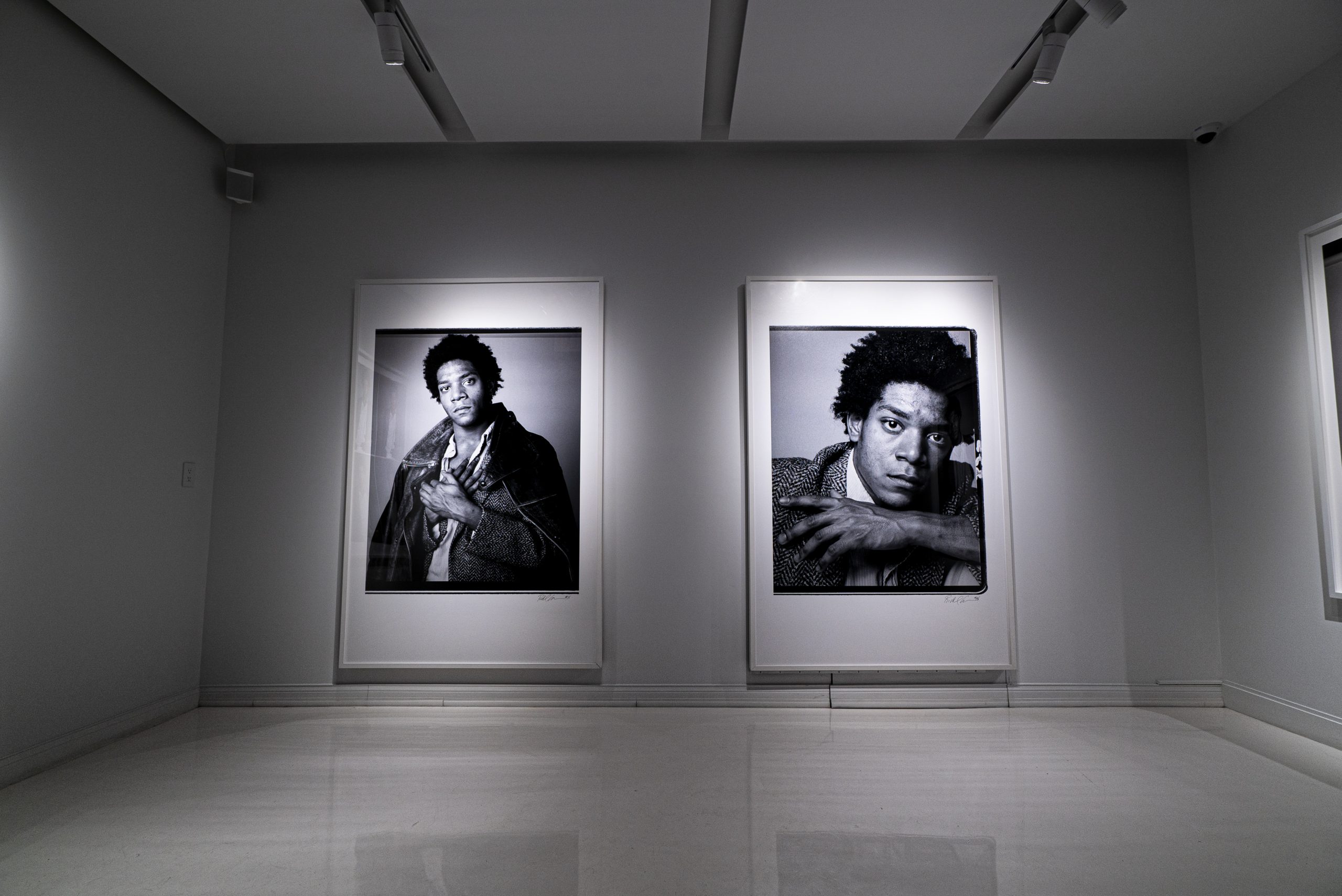
Focused illumination enhancing separation between neighboring pieces on the wall
Light spill occurs when illumination extends beyond the boundaries of the painting, affecting surrounding walls or neighbouring artworks. This reduces visual clarity and introduces unnecessary distraction.
The best lighting for paintings avoids this through:
• Precision-engineered optics
• Careful selection of beam angles
• Accurate fixture alignment
Containing light within the artwork creates a clean visual frame. This improves contrast, enhances separation between pieces, and contributes to a more professional presentation.
Prioritising Vertical Lighting Over Ambient Illumination
In environments where paintings are the focus, lighting should prioritise vertical surfaces rather than general ambient illumination.
Paintings are experienced on walls, so directing light vertically ensures that:
• The artwork receives the appropriate level of illumination
• The surrounding environment remains calm and unobtrusive
• Light is used efficiently without unnecessary brightness
Excess ambient light can dilute focus and increase overall glare. By concentrating light on the artwork itself, the viewing experience becomes more controlled and immersive.
Managing Reflections on Varnished and Glazed Surfaces

High quality optical systems ensuring clear visibility through protective glazing
Many paintings are finished with varnish or protected with glazing, both of which can create reflective surfaces. Without proper control, these reflections can obscure detail and disrupt the viewing experience.
Managing reflections requires:
• Correct aiming angles
• Controlled light intensity
• High-quality optical systems
Even small adjustments in angle can significantly reduce glare. The goal is to allow viewers to approach the painting closely without encountering distracting highlights.
This is particularly important in gallery and museum settings, where close inspection is a key part of the experience.
The Role of Frames in Lighting Design
Frames are an integral part of how paintings are presented and should be considered in the lighting design process.
Different frame styles introduce different challenges:
• Glossy finishes can reflect light
• Deep frames can cast shadows onto the artwork
• Metallic surfaces can create bright highlights
Lighting must be adjusted to accommodate these variables. The objective is to enhance the painting while ensuring the frame supports rather than competes with the artwork.
When lighting and framing are aligned, the overall presentation feels cohesive and intentional.
Maintaining Consistency Across All Artworks

Uniform color temperature ensuring a balanced look across the collection
Consistency is a defining characteristic of professional lighting for paintings. Every artwork within a space should appear balanced, regardless of its position.
This requires:
• Matching colour temperature across all fixtures
• Maintaining consistent light output
• Ensuring uniform beam quality
Inconsistent lighting creates visual imbalance and undermines confidence. Viewers may not consciously identify the issue, but the overall experience feels less refined.
High-quality lighting systems are designed to maintain consistency over time, ensuring that every painting is presented to the same standard.
Adapting Lighting to Changing Displays
Art displays are rarely static. Paintings are moved, replaced, and reconfigured over time, requiring lighting systems that can adapt without compromising quality.
Track lighting provides this flexibility by allowing:
• Fixtures to be repositioned easily
• Beam angles to be adjusted quickly
• Light levels to be fine-tuned as needed
This adaptability ensures that the best lighting for paintings can be maintained even as the display evolves.
Reducing Visual Fatigue for Comfortable Viewing

Comfortable light levels encouraging a relaxed and immersive gallery experience
Lighting affects not only how paintings look but also how viewers feel.
Poor lighting can cause:
• Eye strain
• Glare-related discomfort
• Reduced engagement
Comfortable lighting:
• Feels soft and balanced
• Minimises harsh contrasts
• Supports extended viewing
This is particularly important in galleries and exhibitions, where visitors spend significant time observing artwork.
Integrating Lighting with Architectural Design
Lighting should complement the architecture of the space rather than compete with it.
Effective integration involves:
• Clean ceiling layouts
• Minimal visual clutter
• Alignment with wall structures and display areas
When lighting is well integrated, it becomes almost invisible. The focus remains entirely on the artwork.
Supporting Natural Movement Through the Space

Cohesive illumination guiding exploration of the entire exhibition space smoothly
Viewers experience art through movement. Lighting should support this by creating a natural visual flow.
Balanced lighting:
• Guides attention smoothly from one painting to another
• Encourages exploration of the entire space
• Prevents areas from feeling neglected
This contributes to a cohesive and engaging viewing experience.
Avoiding Overlighting and Preserving Subtlety
More light does not equate to better lighting.
Excessive illumination can:
• Flatten tonal variation
• Increase glare
• Reduce the emotional impact of the artwork
The best lighting for paintings focuses on balance. It provides enough light to reveal detail while preserving depth and subtlety.
Enhancing Texture Without Introducing Glare

Appropriate light intensity emphasizing materiality without creating distracting surface reflections
Many paintings contain physical texture that contributes to their visual impact. Lighting can enhance this by creating subtle shadows that reveal surface detail.
This is achieved through:
• Controlled beam direction
• Appropriate light intensity
• Careful positioning
The challenge is to enhance texture without introducing glare or overwhelming the artwork.
Long-Term Reliability in Lighting Systems
Lighting systems for paintings must perform consistently over time.
They should:
• Maintain stable colour output
• Provide reliable dimming performance
• Resist degradation
Frequent changes in lighting quality can disrupt the presentation and reduce confidence.
Professional systems are designed for long-term reliability, ensuring consistent results.
Fine-Tuning Lighting for Final Presentation

Precision beam edge adjustments providing clean framing for installed paintings
Even with a well-designed plan, the final stage of lighting involves careful adjustment.
Each painting should be reviewed in its installed position to:
• Eliminate minor glare
• Balance brightness with surrounding works
• Refine beam edges for clean framing
These final adjustments ensure that the lighting achieves a fully resolved presentation.
Viewing Paintings Within Their Environment
Paintings should always be considered in context.
Their lighting must relate to:
• Surrounding artworks
• Wall colours and finishes
• Overall light levels within the space
A painting that appears balanced in isolation may feel too bright or too dim within a full display.
Considering context ensures cohesion and consistency.
Achieving Professional-Standard Painting Lighting
The best lighting for paintings is defined by control, precision, and restraint.
When all elements work together:
• Light is directed accurately
• Colour is rendered truthfully
• Texture is revealed naturally
• Glare is minimised
The result is a viewing experience that feels effortless.
Viewers focus entirely on the artwork, while the lighting remains invisible. This is the standard achieved by professional galleries and museums, and it represents the true benchmark for high-quality painting lighting.
Frequently Asked Questions
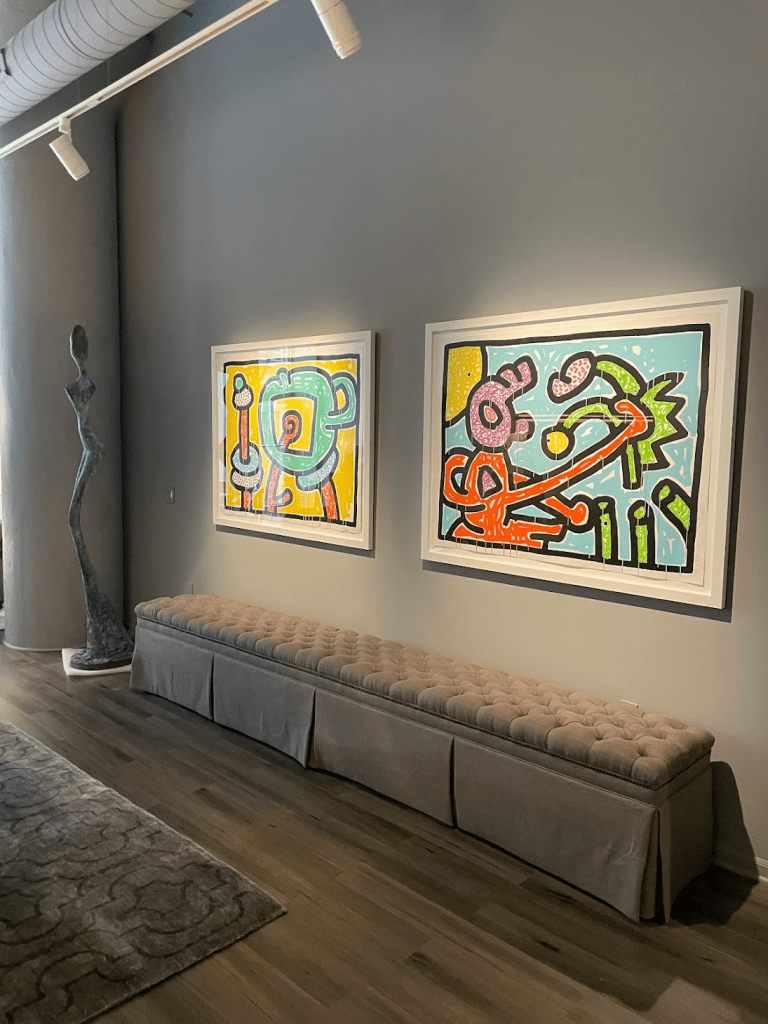
Smooth dimming enabling precise exposure control
What is the best lighting for paintings?
The best lighting for paintings is track-based gallery lighting with CRI 97+ colour accuracy, smooth dimming, and precision beam control. This ensures accurate colour, reduced glare, and flexibility.
Why is CRI 97+ important for painting lighting?
CRI 97+ ensures colours are rendered truthfully. Paintings rely on subtle pigment relationships that are lost under lower CRI lighting.
Should lights for paintings be dimmable?
Yes. Dimming is essential to balance different paintings, reduce glare, and protect sensitive works without changing fixtures.
Is LED lighting suitable for paintings?
Yes. Professional-grade LED lighting is the standard for galleries and museums due to CRI 97+ accuracy, low heat output, long life, and excellent dimming performance.
Is track lighting the best solution for paintings?
Track lighting is preferred because it allows precise aiming, easy repositioning, and adaptability as displays change. Fixtures must be designed specifically for art.
What colour temperature is best for lighting paintings?
Most professionals use 3000K. 2700K may be used selectively for master works when appropriate.
How do you avoid glare when lighting paintings?
Glare is avoided with controlled optics, correct aiming, proper track placement, and careful dimming.
Final thoughts on the best lighting for paintings

Professional lighting elevating overall space reputation
The best lighting for paintings is invisible.
When lighting is done properly:
• Paintings feel present
• Colour and texture are revealed honestly
• Viewers engage longer
• Buyers feel confident
• The reputation of the space is elevated
This is the standard professional galleries and museums aim for.
Why galleries choose Banno Lighting
Galleries and collectors choose Banno Lighting because we understand proper lighting techniques for paintings at a professional level.
We provide:
• Expert guidance
• Professional lighting plans
• Track-based painting lighting systems
• Zoom, Multi, and Deluxe solutions
• CRI 97+ colour accuracy
• Smooth, stable dimming
• Long-term support
If you want the best lighting for paintings, professional systems and guidance are essential.
You’re in expert hands when it comes to art lighting