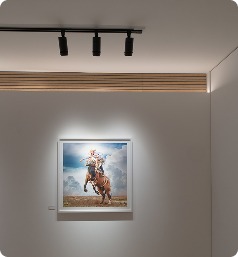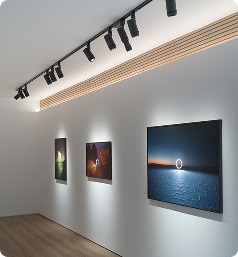
Adjustable art lighting fixtures highlighting framed artwork in a modern interior
Most collectors spend years choosing the right artwork.
Far fewer spend any time choosing the right lighting.
Yet lighting determines whether a piece looks flat, muted, washed out, or alive.
This is the story of how a collector discovered what Banno Lighting could do – and how proper art lighting completely changed his experience of living with his collection.
Why Most Homes Make the Same Art Lighting Mistake
Museum-quality LED light enhancing colour without distortion
Professional art lighting for homes.
Our client had been collecting art for years.
He travelled for pieces, researched artists, curated carefully, and displayed everything with pride.
Yet something always felt off.
His favourite painting looked better on the artist’s Instagram than it did on his own wall. How to light paintings correctly?
He blamed the frame.
He blamed the wall colour.
He even considered selling the piece.
The real problem was the lighting.
General ceiling lights scatter light everywhere, flattening colour and destroying depth.
Decorative picture lights create glow, not illumination.
And low-quality LEDs distort tones without you realising it.
When he reached out to Banno Lighting, he quickly discovered what most homeowners never realise.
The issue is almost never the art. Lighting pictures on the wall properly.
It is the light.

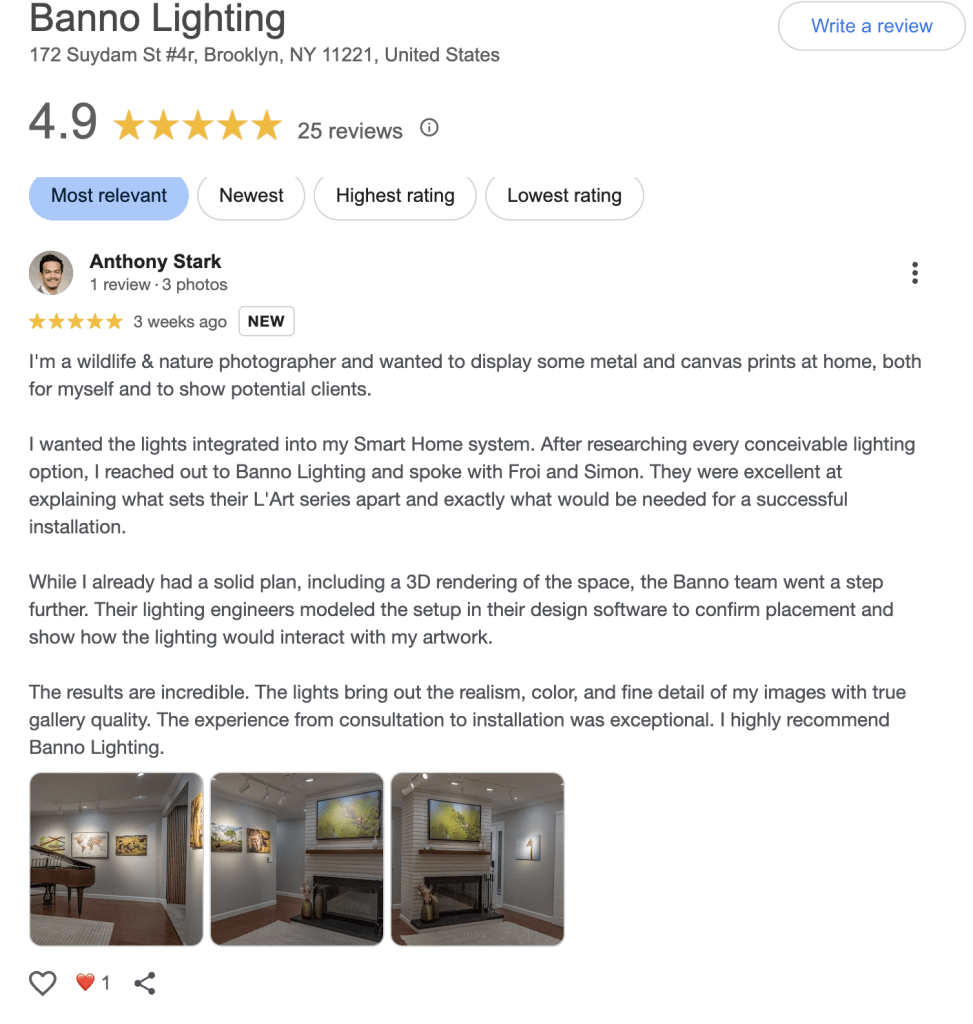
4.9 stars from art collectors and galleries
High CRI LED Lighting: The Foundation of Accurate Colour
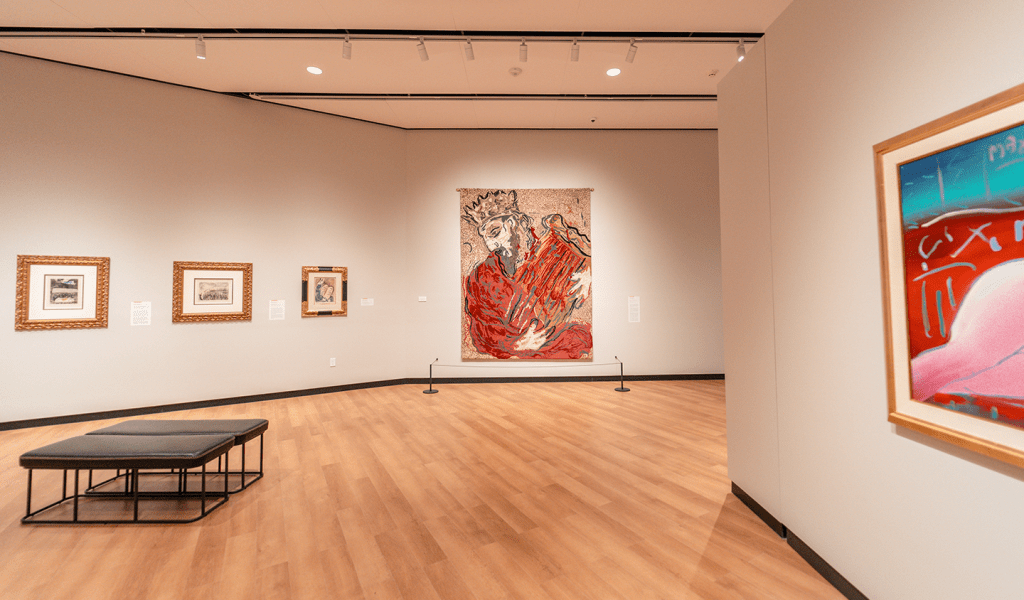
High-CRI LED spotlight revealing true artwork colours accurately
One of the first things we demonstrated was colour rendering.
High CRI (colour rendering index) lighting does not enhance art.
It reveals it.
Under our high-CRI LED fixtures, the collector saw:
soft transitions he had never noticed
hidden blues beneath the blacks
true reds with proper warmth
texture that was completely invisible before
This is why professional art lighting starts with CRI 95+.
Without it, colour accuracy is impossible.
Proper lighting does not change the artwork.
It allows you to finally see it as the artist intended.
Eliminating Glare for a Clean, Gallery-Level Viewing Experience
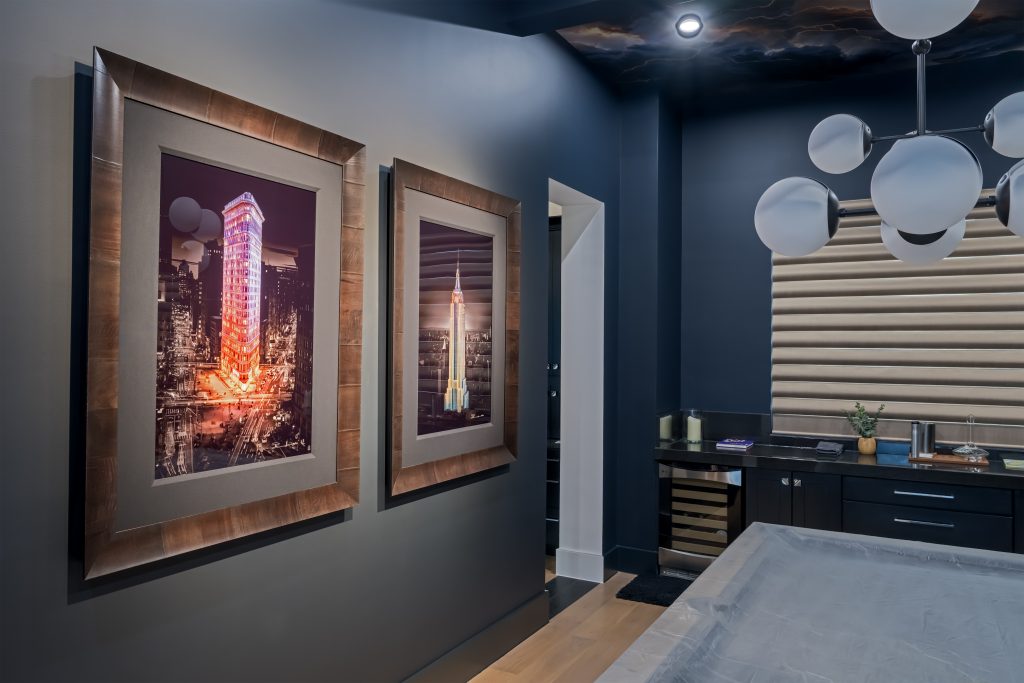
Precision track lighting reducing glare on framed artwork
Glare is one of the most common frustrations at home.
It forces you to move your head just to see the artwork clearly.
Using controlled optics and precision beam shaping, we eliminated every reflection.
No glass glare.
No canvas shine.
No hotspots.
Just clean, unobstructed viewing.
When glare disappears, the art finally appears.
Fixing Uneven Lighting, Halo, and Hotspots on Artwork
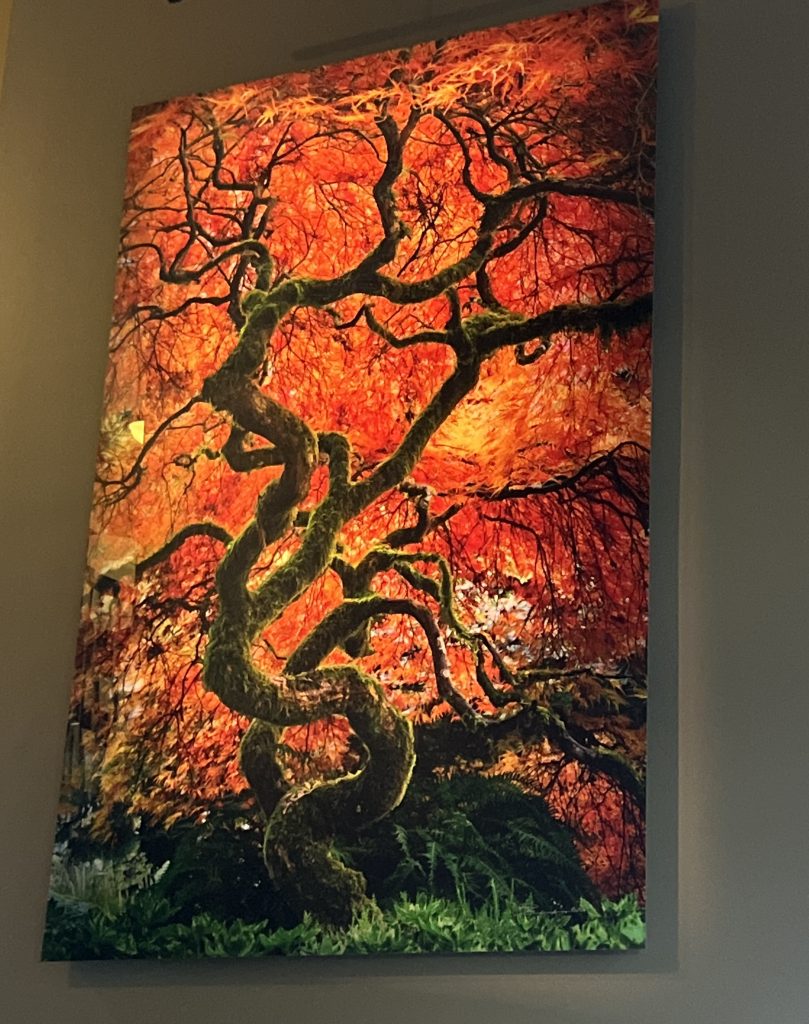
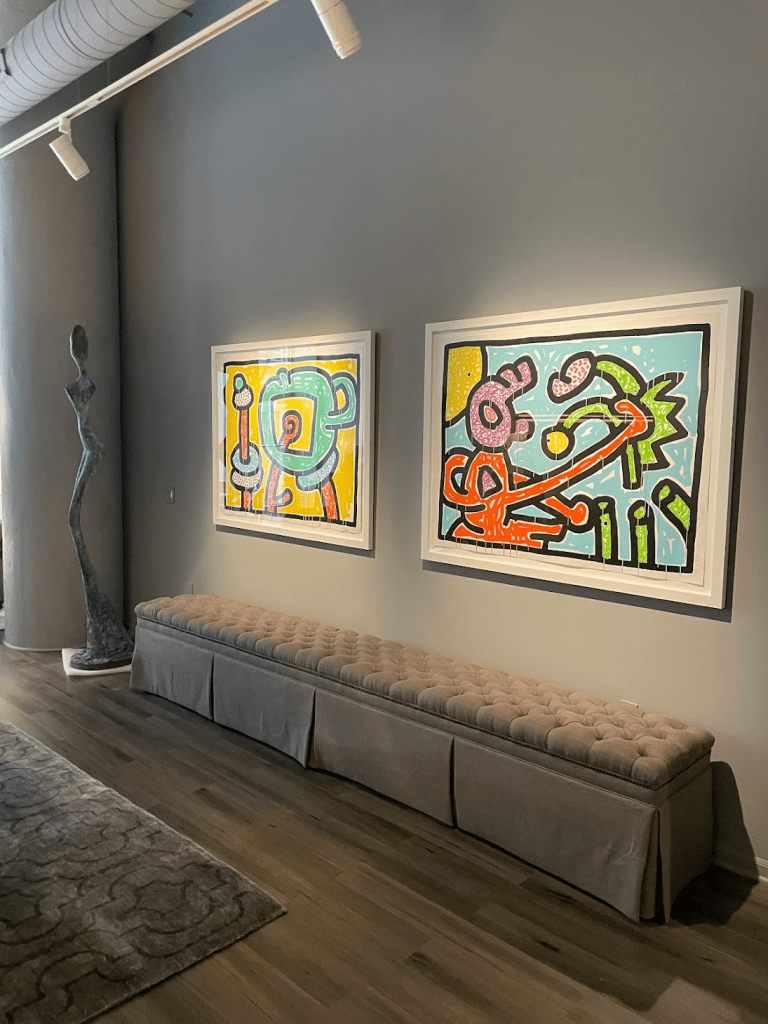
Evenly spaced track lights creating balanced wall illumination
Before contacting Banno Lighting, the client assumed halo lighting was normal.
A bright centre.
Fading edges.
An unintended glow around the frame.
These problems come from poor optics and uncontrolled beams.
We matched the beam angle exactly to the artwork’s dimensions and viewing distance.
The result was perfectly even illumination from corner to corner.
No halo.
No falloff.
No uneven brightness.
The wall and the artwork instantly looked more intentional and refined.
Protecting Artwork From UV, Heat, and Light Damage

Museum-grade LED lighting protecting art from UV damage
museum-grade lighting for artwork
Most homeowners do not realise that the wrong lighting can silently damage artwork.
Heat
UV
unstable colour output
harsh LEDs
Over time they break down pigments and degrade delicate surfaces.
Our residential fixtures are engineered to eliminate UV entirely and push heat away from the artwork surface.
The client felt immediate relief knowing his pieces were finally protected.
Great lighting should never risk damaging art.
Now, it never will.
Precision Installation: Height, Angle, and Beam Shaping

Directional fixtures carefully aimed at paintings and sculptures
Art lighting is not about pointing a light at a wall.
It is about shaping the beam with millimetre accuracy.
Height
Distance
Angle
Beam spread
Even a two-degree adjustment can change the emotion of a piece.
Our installation process feels more like a gallery curation than a trade job.
Every fixture is positioned to deliver the exact presentation the artwork deserves.
When we stepped back and showed the client the final result, it felt like he was seeing his home for the first time.
How Proper Lighting Changes the Feeling of Your Entire Home
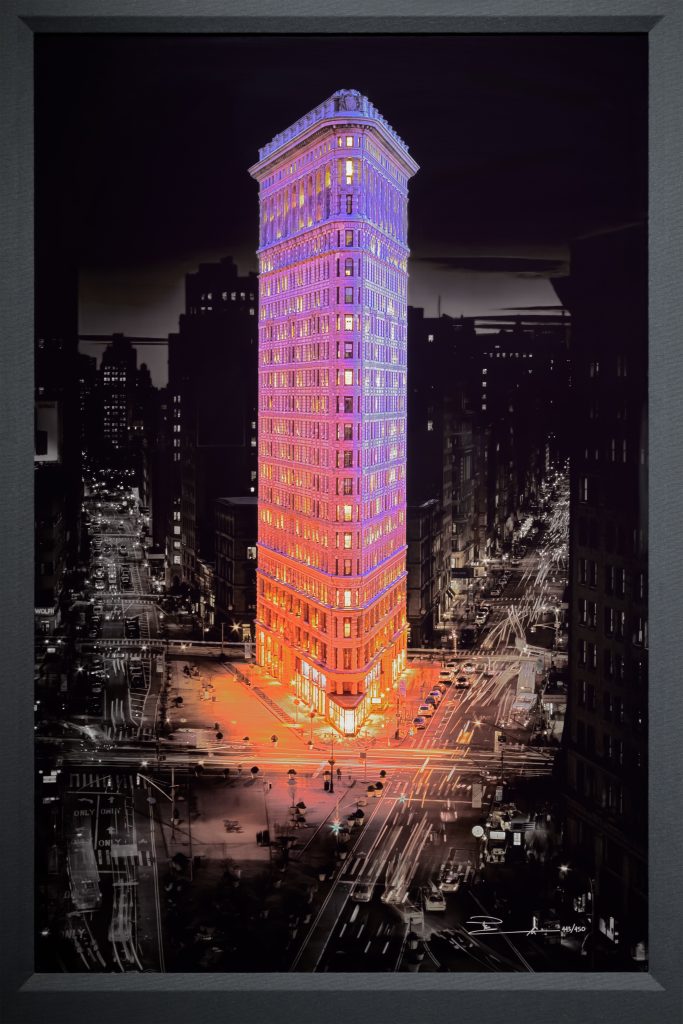
Dramatic gallery-style lighting transforming residential art display
Once the installation was complete, something powerful happened.
The home felt like a gallery.
Artwork no longer blended into the walls.
Each piece had presence, depth, and clarity.
Shadow play made the room feel warmer and more intentional.
The collector found himself pausing in front of pieces he had ignored for months.
He rediscovered why he bought each artwork in the first place.
Friends noticed too.
They commented not just on the art, but on the atmosphere of the room.
Lighting doesn’t just improve art.
It transforms the home.
complete guide to art gallery lighting
The Banno Lighting Consultation Experience

What clients appreciate most is how educational the process is.
We do not just install lights.
We teach you how to see your art.
During a consultation, we explain:
colour accuracy
beam shaping
glare control
visual balance
lighting ratios
and conservation principles
in a way that makes sense, without overwhelming you.
Collectors consistently tell us they feel more informed and more connected to their artwork afterward.
Why Collectors Trust Banno Lighting
Lighting is not optional.
It is not an add-on.
It is part of the artwork.
When your art is lit properly:
colours open up
texture becomes visible
emotion deepens
the room feels curated
and the artwork finally honours the artist’s intention
This is what Banno Lighting delivers.
This is why collectors recommend us.
If you want to see your artwork properly for the first time, book a consultation.
It will change the way you see your entire home.
How To Light Paintings Correctly At Home
Lighting artwork at home is not about adding more light. It is about placing the right light in the right position with complete control.
Most residential setups fail because they rely on general room lighting. Even high-end homes often depend on downlights or ambient fixtures that were never designed to illuminate artwork.
To light paintings correctly, three elements must work together:
Position
The light source must sit far enough from the wall to hit the artwork at the correct angle. If it is too close, you get glare and harsh hotspots. Too far, and the light becomes weak and uncontrolled.
Angle
A 30-degree angle is the standard used in galleries because it balances visibility and glare reduction. At this angle, the viewer sees the artwork clearly without reflections bouncing back.
Beam control
The beam must match the size of the artwork. A beam that is too wide creates spill and halo. Too narrow, and the piece feels underlit.
When all three are aligned, the result feels effortless. The artwork simply looks right.
The Difference Between Lighting Artwork and Lighting a Room
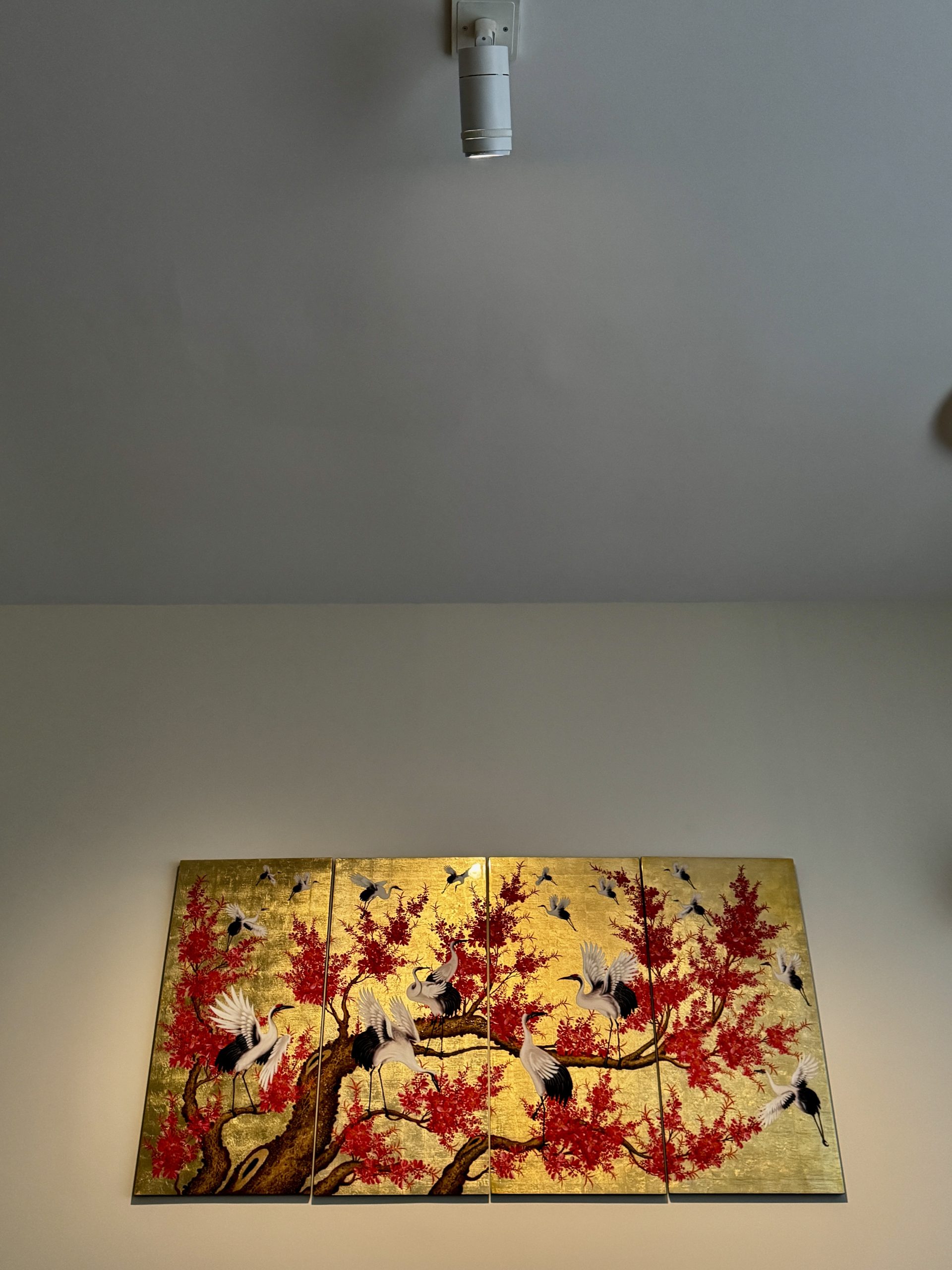
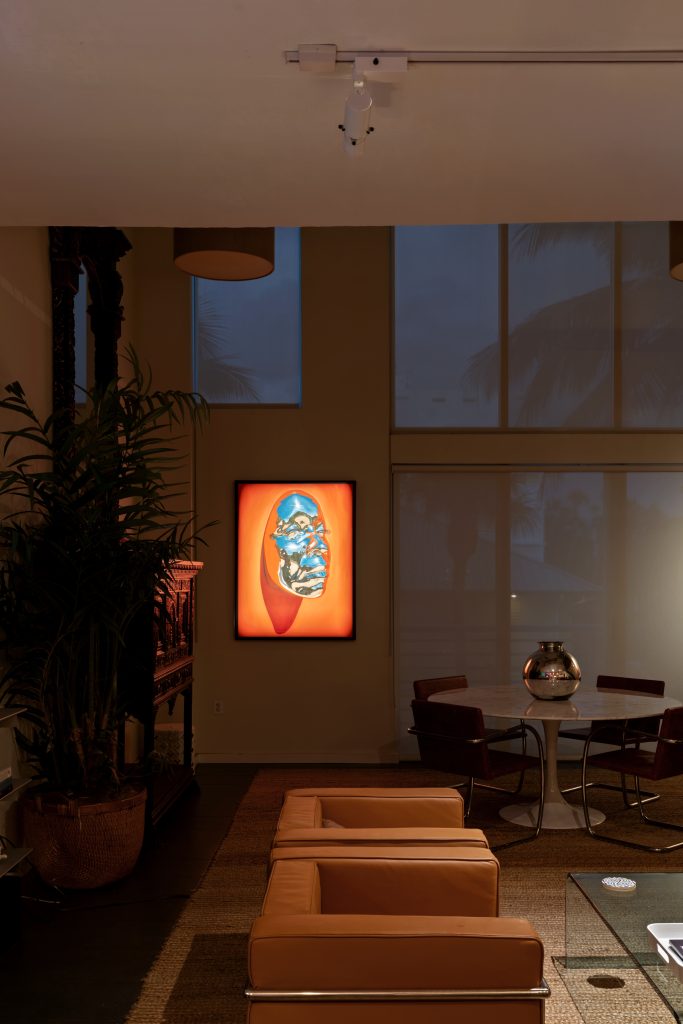
Spotlighted painting standing out clearly against softly lit room environment
This is where most homeowners get caught out.
Lighting a room and lighting artwork are completely different disciplines.
Room lighting is designed for visibility and comfort. It spreads light evenly across a space so people can move around safely.
Art lighting is designed for precision.
It isolates a subject, controls contrast, and directs attention. It creates focus rather than uniformity.
When you rely on room lighting to display artwork, you lose:
-
depth
-
contrast
-
colour accuracy
-
visual focus
The artwork becomes part of the background instead of the focal point.
Professional art lighting separates the artwork from the room. It gives each piece its own presence.
Lighting Pictures On Walls Properly
One of the most common questions collectors ask is how to light pictures on walls properly without making the space feel overlit.
The answer is balance.
You do not need to flood the wall with light. You need just enough illumination to make the artwork stand out against its surroundings.
Spacing and Placement
Each artwork should be treated individually, even when displayed in a series.
For a single piece:
-
One well-positioned fitting is often enough
For larger works:
-
Two fittings may be required for even coverage
For gallery walls:
-
Consistent spacing and beam alignment are critical
The goal is consistency without uniformity. Each piece should feel intentional, not identical.
Avoiding Overlighting
More light does not equal better presentation.
Overlighting creates:
-
harsh contrast
-
visual fatigue
-
loss of subtle detail
Instead, aim for controlled brightness that enhances the artwork without overwhelming it.
How To Light Large Artwork vs Small Artwork

Small artwork highlighted using tight beam and focused illumination
Scale changes everything.
Small Artwork
Small pieces benefit from tighter beams and slightly higher intensity. This creates focus and prevents the artwork from getting lost on the wall.
Precision is key. Even slight misalignment becomes noticeable at smaller scales.
Large Artwork
Large pieces require wider beams and more even distribution.
The challenge is avoiding hotspots in the centre and dark edges.
This is where beam shaping becomes critical. The light must spread evenly across the entire surface.
Multi-Piece Installations
When artworks are grouped together, the lighting must unify them without flattening the composition.
This often requires a combination of beam angles and careful positioning to maintain rhythm across the wall.
Choosing the Right Art Lighting Fixtures for Homes
Not all lighting fixtures are designed for artwork.
In fact, most are not.
Why Standard Downlights Fail
Downlights are designed for general illumination, not precision.
They create:
-
steep angles
-
uncontrolled beams
-
strong glare on framed works
Even high-quality downlights struggle to light vertical surfaces properly.
Why Picture Lights Fall Short
Picture lights are often chosen for their aesthetic appeal.
But functionally, they are limited.
They tend to:
-
create uneven brightness
-
introduce glare
-
lack beam control
They highlight the frame more than the artwork itself.
Why Track Lighting Is the Best Solution for Homes
Track lighting brings gallery-level control into a residential environment.
It allows you to:
-
position lights exactly where needed
-
adjust angles over time
-
adapt to new artwork
-
maintain a clean ceiling design
For serious collectors, it is the most flexible and future-proof option.
How To Avoid Glare On Artwork At Home
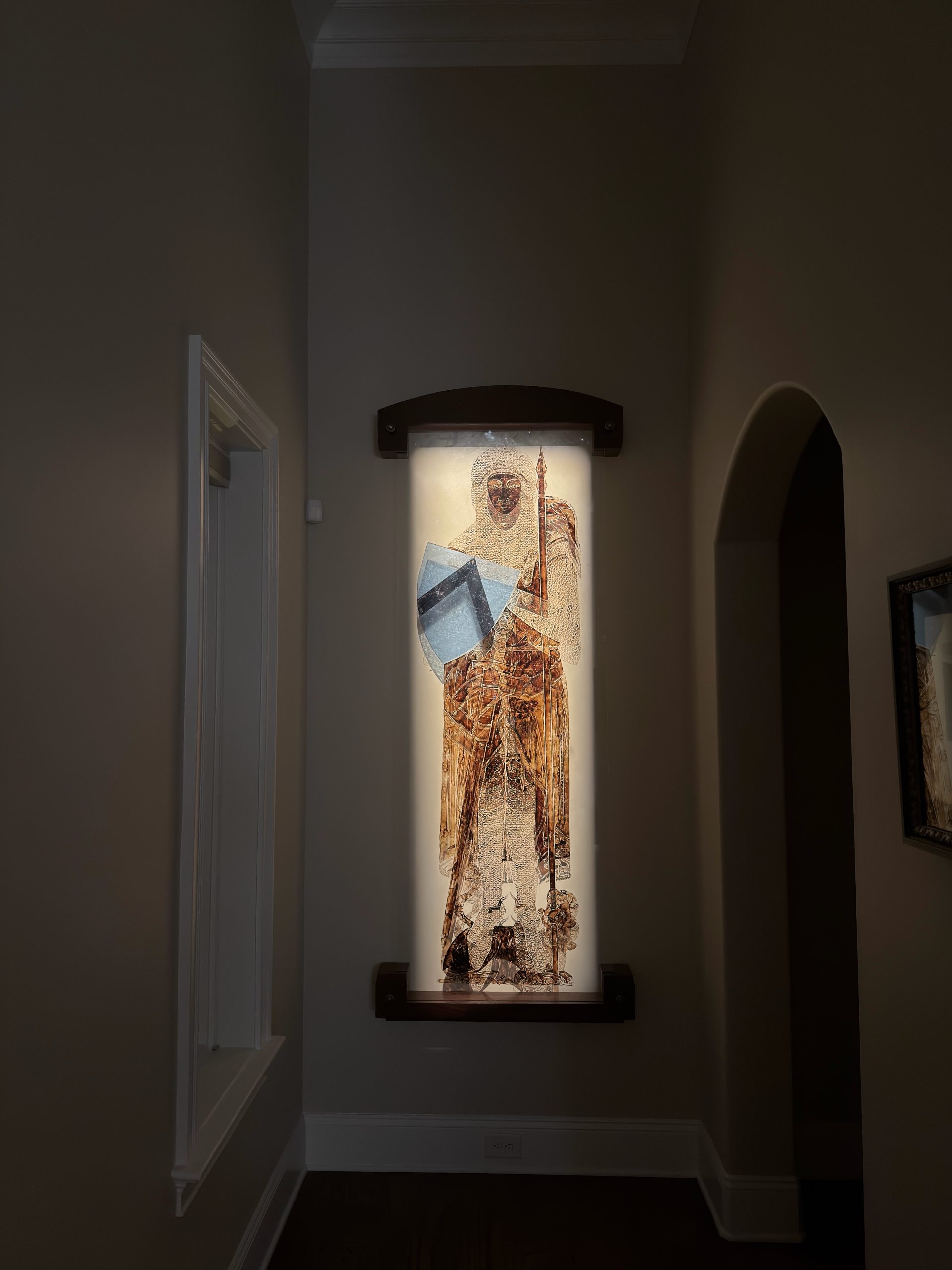
Anti glare lighting setup improving clarity of artwork in home
Glare is one of the fastest ways to ruin the experience of viewing art.
It breaks the connection between the viewer and the piece.
The Cause of Glare
Glare happens when light reflects directly back into the viewer’s eye.
This is common with:
-
glass frames
-
glossy finishes
-
incorrect light angles
The Solution
There are three key ways to eliminate glare:
Correct angle
Keeping the light around 30 degrees prevents direct reflection.
Controlled optics
Precision lenses shape the beam and reduce spill.
Proper positioning
The light must be placed so reflections fall outside the viewing angle.
When done correctly, the light becomes invisible.
You see the artwork, not the reflection.
Creating a Gallery Feel at Home
One of the most powerful outcomes of proper art lighting is the transformation of the space itself.
A home can feel completely different without changing a single piece of furniture.
Defining Zones With Light
Lighting can subtly define areas within a room.
A wall of artwork becomes a focal zone. Softer ambient light surrounds it.
This creates depth and structure within the space.
Using Contrast to Create Atmosphere
Contrast is what gives a room character.
By keeping the surrounding space slightly dimmer than the artwork, you create a natural sense of focus.
This is what makes galleries feel calm, intentional, and refined.
Letting the Artwork Lead
In well-lit spaces, artwork does not compete with the room.
It leads it.
Everything else becomes secondary.
Residential vs Gallery Lighting: What’s Different?
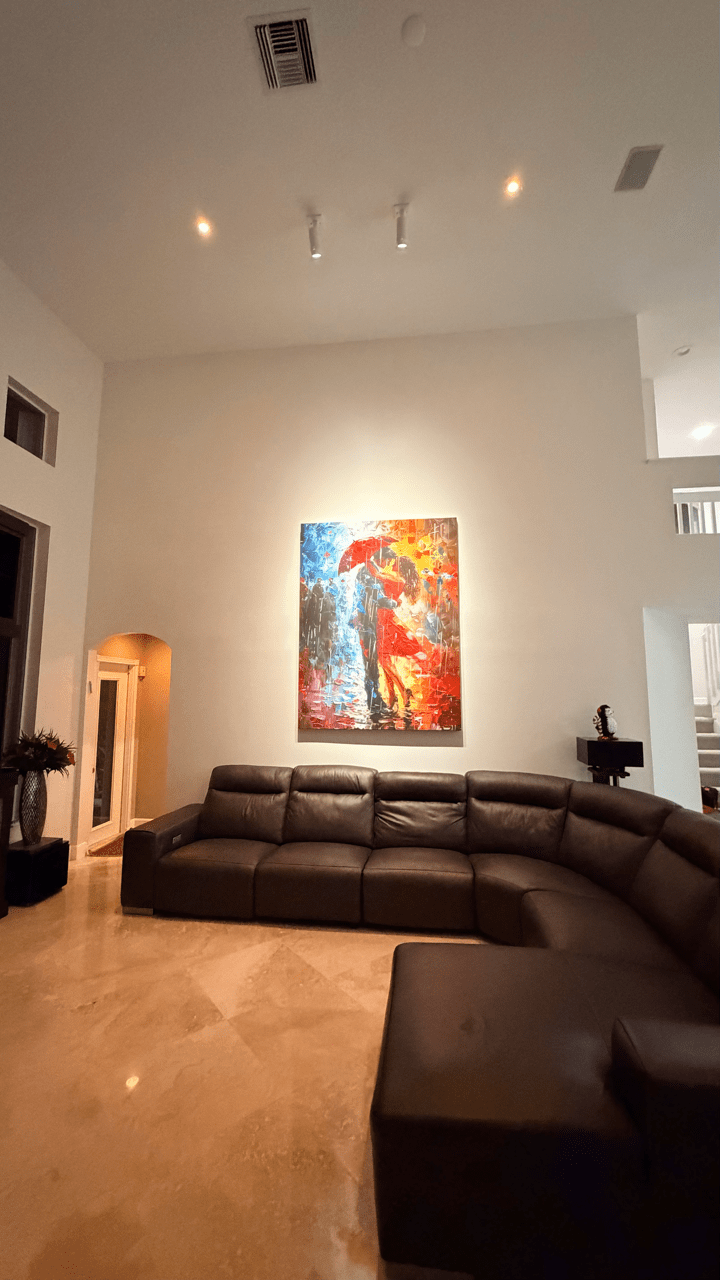
Balanced lighting supporting both daily living and art presentation
While the principles are similar, residential lighting must balance functionality with comfort.
Lower Overall Light Levels
Homes typically use softer ambient lighting than galleries.
This means the artwork must be carefully balanced so it stands out without feeling too dramatic.
Multi-Purpose Spaces
Unlike galleries, homes are lived in.
Lighting must adapt to:
-
relaxation
-
entertaining
-
everyday use
This requires flexibility and thoughtful placement.
Emotional Impact Over Perfection
In galleries, precision is everything.
In homes, the goal is slightly different.
The lighting should feel natural, comfortable, and integrated into the space—while still elevating the artwork.
How Lighting Influences Artwork Value Perception
This is something many collectors do not consider.
Lighting directly affects how valuable a piece appears.
Presentation Shapes Perception
When artwork is poorly lit, it can feel:
-
less important
-
less refined
-
less impactful
The same piece under professional lighting feels elevated.
Confidence in Display
Collectors feel more confident showing their work when it is properly lit.
Guests respond differently. Conversations change. The artwork becomes a focal point rather than a background element.
Long-Term Impact
Over time, this changes how you relate to your collection.
Pieces you once overlooked become favourites again.
Lighting reveals what was always there.

Planning Art Lighting for New Homes and Renovations

Flexible lighting system prepared for future artwork additions
The best time to think about art lighting is before installation begins.
Early Planning Advantages
Planning early allows for:
-
ideal track placement
-
clean integration with ceilings
-
optimal power positioning
This results in a more seamless final outcome.
Retrofitting Existing Spaces
Even in completed homes, professional art lighting can be added with minimal disruption.
Modern systems are designed to integrate cleanly without major structural changes.
Designing for Growth
Your collection will evolve.
Your lighting should be able to evolve with it.
This means choosing systems that allow:
-
repositioning
-
expansion
-
adjustment over time
Final Perspective: Seeing Your Art Properly
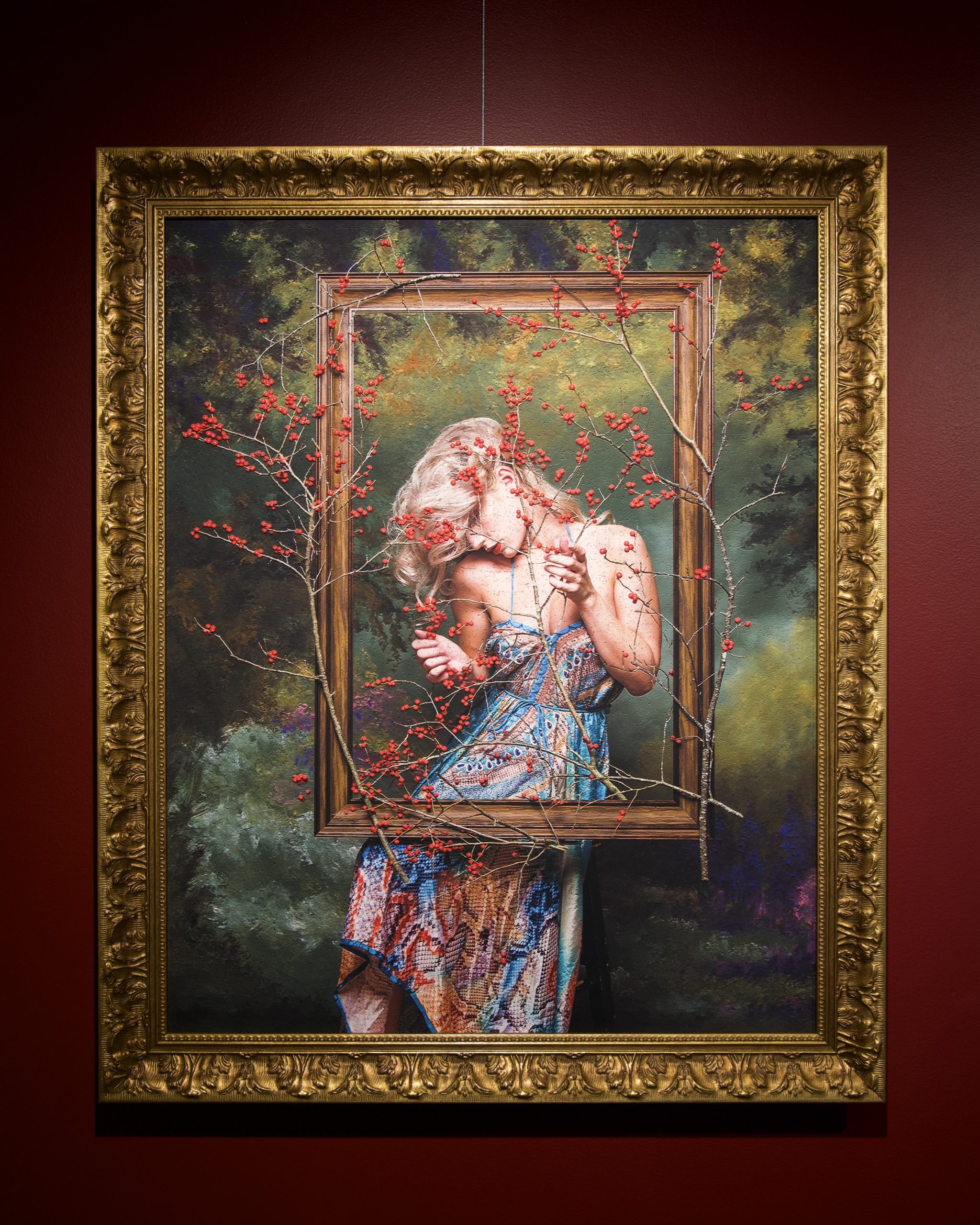
Emotional connection enhanced through clear and accurate art illumination
Most collectors believe they know their artwork.
But until it is lit correctly, they have never truly seen it.
Lighting reveals:
-
colour depth
-
texture
-
subtle detail
-
emotional tone
It changes not just how the artwork looks—but how it feels.
And once you experience that difference, it is impossible to go back.
Home Art Lighting FAQs
Why does my artwork look dull or muted at home
Ceiling lights lack directional control and often have low colour accuracy, which flattens the artwork.
What is the best lighting for paintings and artwork in a home environment
High CRI LED fixtures with controlled optics and a warm 2700K to 3500K colour temperature.
Do picture lights work for serious art collections
Most do not. They are decorative and often create glare or uneven lighting.
What colour temperature should I use for artwork
3000K to 3500K is ideal for residential art lighting.
How do I avoid glare on artwork
Use directional beams and aim the light at roughly 30 degrees.
Can the wrong lighting damage my art
Yes. Heat, UV and unstable output can degrade pigments and surfaces.
How far should art lights be from the artwork
Typically 1.5 to 2 metres, depending on ceiling height and beam angle.
Can art lighting be installed without rewiring the home
Yes. Our systems can be installed cleanly with minimal disruption.
Does Banno Lighting offer residential dedicated art lighting solutions
Yes. We specialise in high CRI, beam-controlled LED fixtures for home collections.
Why should collectors invest in proper art lighting
Because it protects the artwork, enhances beauty, and dramatically improves the experience of living with art.