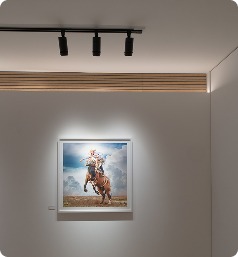
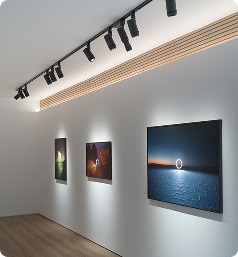
Professional gallery lighting illuminating curated art collection
Lighting gallery environments properly is one of the most important and misunderstood aspects of art presentation. Whether in a museum, private collection, or luxury residence, gallery lighting is not just about brightness. It is about control, precision, color accuracy, and emotional impact. Understanding how to light art in gallery environments is essential for presenting artwork with clarity, depth, and visual presence.
A true lighting gallery approach focuses on how light interacts with artwork, architecture, and the viewer’s perception. Poor lighting can flatten a masterpiece, distort colors, and reduce the perceived value of an entire collection. Professional gallery lighting, on the other hand, enhances depth, texture, and visual presence in a way that mirrors museum-level presentation.
In modern interior design and fine art display, lighting gallery principles are now being adopted not only by museums and art galleries but also by high-end homeowners, collectors, and interior designers who want their artwork to be showcased properly.
What Is Lighting Gallery Design?
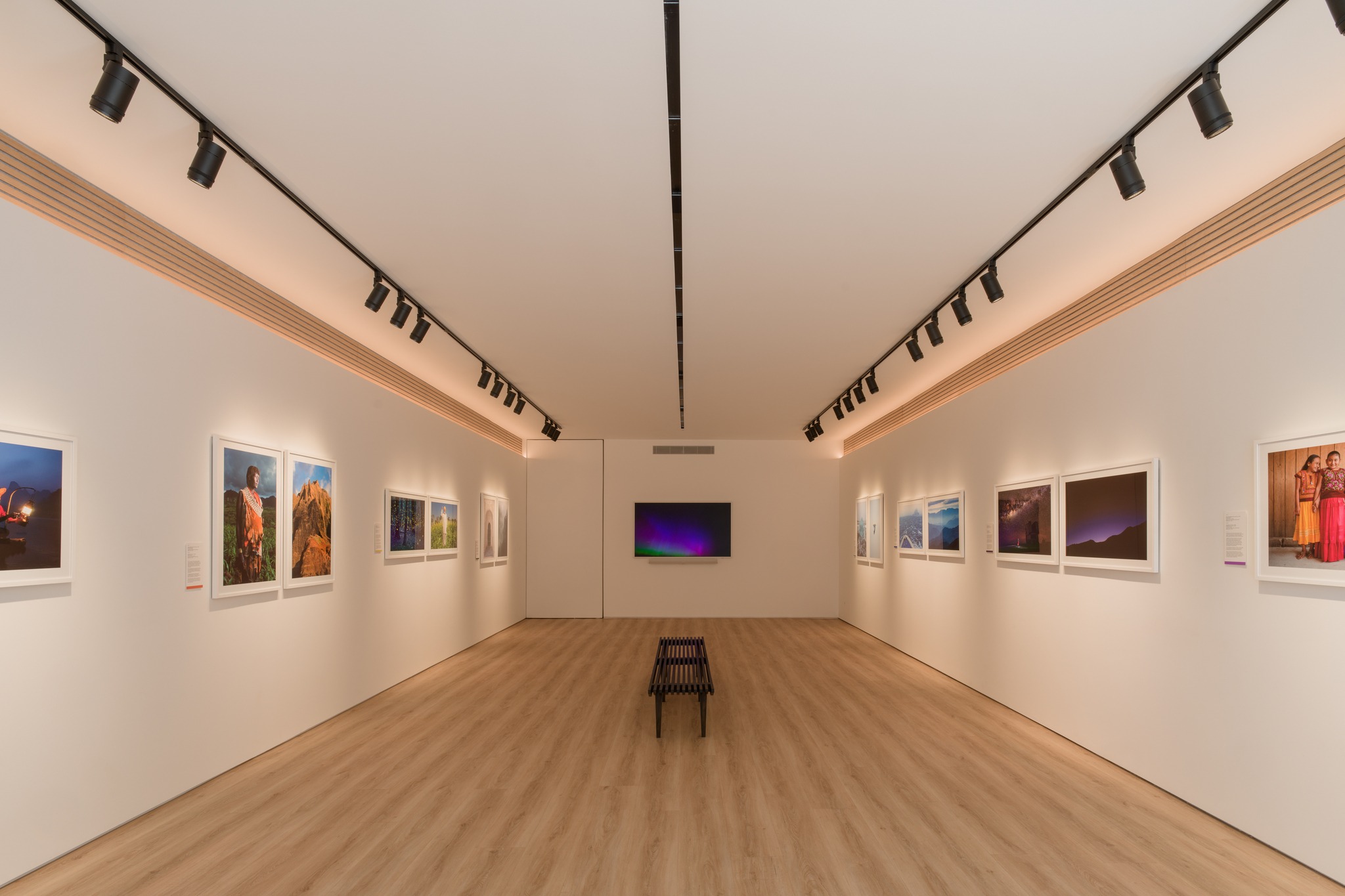
Controlled beam gallery fixture mounted on ceiling
As part of this in-depth guide to gallery and artwork lighting, it is important to understand what lighting gallery design actually means. Lighting gallery design refers to the specialized use of lighting systems to illuminate artwork in a controlled and intentional way. Unlike general room lighting, gallery lighting is focused, directional, and calibrated specifically for art display.
A proper lighting gallery setup considers:
Artwork size
Wall color
Viewing distance
Ceiling height
Beam angle
Color temperature
This is why professional gallery lighting systems are very different from standard ceiling lights or decorative fixtures. They are engineered to highlight art without causing glare, shadows, or color distortion.

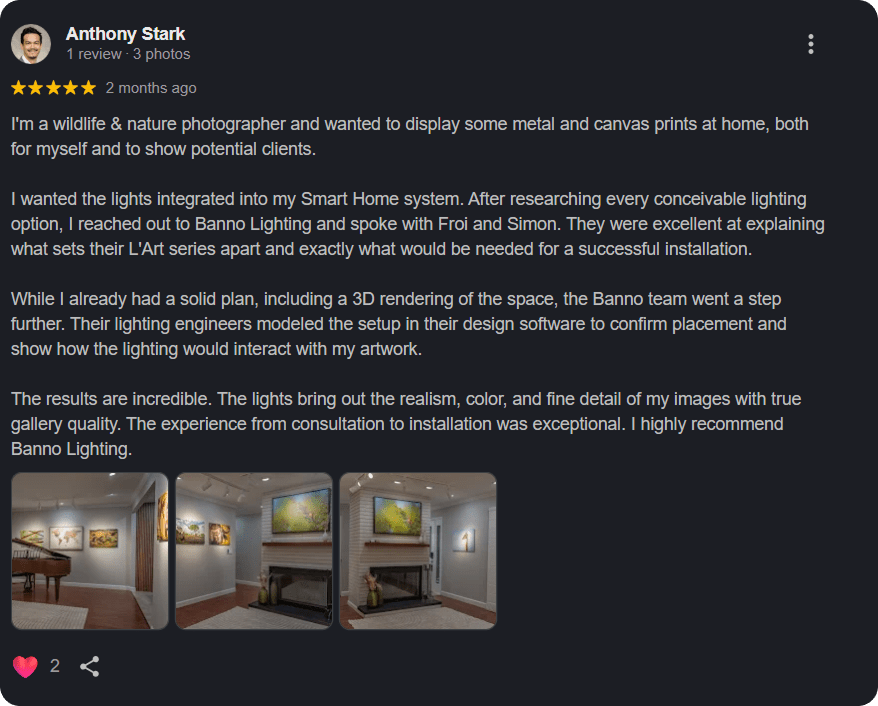
5-Star Google Review for Our Art Lighting Solutions
Why Lighting Gallery Systems Matter for Artwork

Balanced illumination revealing brushstroke texture
Artwork is highly sensitive to lighting conditions. The wrong lighting gallery setup can wash out colors, create reflections, and diminish fine details that the artist intended to be seen.
Gallery lighting for paintings enhances:
- Brushstroke texture
- Color vibrancy
- Contrast and depth
- Surface detail
This is especially important for collectors and galleries displaying valuable artworks. Museum-grade lighting gallery solutions ensure that the artwork is seen exactly as it should be, with accurate color rendering and balanced illumination.
Lighting Gallery vs Regular Interior Lighting

Painting with even illumination and no glare
Most homes rely on ambient lighting, which spreads light evenly across a room. While this works for general living spaces, it is ineffective for art display.
Lighting gallery systems are designed to:
- Direct light onto artwork only
- Avoid unnecessary light spill
- Control beam precision
- Maintain consistent illumination
Regular lighting often creates uneven hotspots or shadows across paintings. A dedicated gallery lighting system eliminates these issues by using adjustable fixtures and specialized optics.
Types of Lighting Gallery Fixtures Used in Professional Spaces

Adjustable track lighting in modern art gallery
Track Lighting for Gallery Spaces
Track lighting is one of the most widely used lighting gallery solutions in museums and galleries. It allows flexible positioning of fixtures so lighting can be adjusted as exhibitions change.
Track-based gallery lighting is ideal for:
- Art galleries
- Museums
- Luxury homes with large art collections
- Exhibition spaces
It provides precision control and scalability, making it the preferred choice for professional art lighting installations.
Wall-Mounted Gallery Lights
Wall-mounted gallery light fixtures are commonly used for framed artwork and residential gallery walls. These fixtures are installed directly above artwork to provide focused illumination without affecting the rest of the space.
They are especially effective for:
- Framed paintings
- Photographs
- Portrait collections
- Hallway gallery walls
A well-placed gallery light above artwork creates a refined, museum-style presentation.
Recessed Gallery Lighting

Clean ceiling design with integrated art lighting
Recessed lighting gallery systems offer a minimalist aesthetic while maintaining high-performance art illumination. These are often used in luxury interiors where visual simplicity is important.
Recessed gallery lighting works best in:
- Modern homes
- Contemporary galleries
- Architectural spaces with clean ceilings
l’art Zoom

Precision gallery lighting with controlled optics
The l’art Zoom is a core solution for refined gallery lighting where precision and flexibility are essential. In gallery environments, artworks vary in size, framing, and texture, which means a fixed beam light often creates uneven illumination. The Zoom solves this by allowing controlled beam adjustment, ensuring each artwork receives a smooth, balanced wash of light without harsh hotspots or glare. This makes it ideal for gallery walls, rotating exhibitions, and residential gallery-style displays. With integrated LED chips designed for longevity and stable color output, the Zoom supports consistent gallery lighting standards while enhancing the visual depth and true color of every piece on display.
l’art Multi

L’art Multi illuminating cohesive gallery wall display
The l’art Multi is designed for gallery lighting systems that require coverage across multiple artworks with consistent quality. In galleries and curated homes, lighting must feel cohesive rather than patchy or over-focused on a single piece. The Multi delivers wider, controlled illumination that works exceptionally well for linear gallery walls,
corridors, and multi-piece installations. Its optical precision ensures artworks are evenly lit while maintaining a clean, professional aesthetic. This fixture supports museum-style gallery lighting by combining high color accuracy, low glare output, and long-life integrated LED performance, making it a reliable solution for collectors, designers, and galleries seeking scalable lighting consistency.
l’art Deluxe Projector
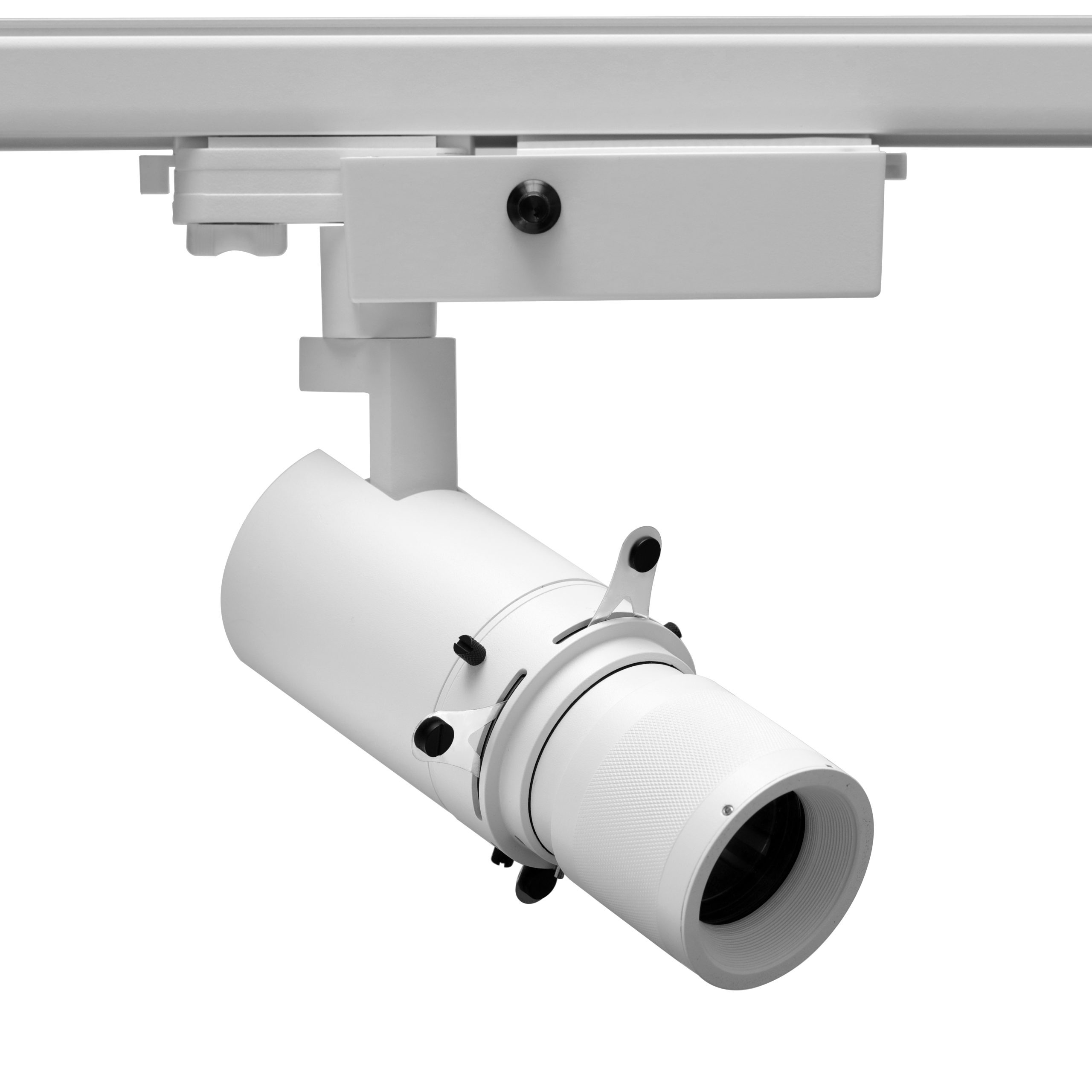
L’art Deluxe Projector with controlled beam optics and high CRI
The l’art Deluxe Projector is purpose built for gallery lighting in large spaces, high ceilings, and statement installations where standard fixtures lose impact. It projects a focused, controlled beam over longer distances, making it ideal for large paintings, sculptures, and feature artworks in expansive gallery settings. This ensures the artwork remains the visual focal point without excessive light spill or uneven brightness. The projector style design aligns with museum and exhibition lighting principles, delivering precision illumination with minimal glare. Using advanced integrated LED technology, the Deluxe provides stable output, accurate color rendering, and long-term performance suited for professional gallery environments and high-end collections.
Lighting Gallery for Museums and Fine Art Institutions

Conservation safe lighting inside exhibition space
Museums follow strict lighting gallery standards to protect and enhance artwork. Light intensity, UV exposure, and heat output must all be carefully controlled to preserve delicate materials.
Museum lighting gallery techniques prioritize:
- Low heat LED technology
- High CRI (Color Rendering Index)
- Precise beam angles
- Conservation-safe illumination
Museum-grade lighting gallery systems ensure that artworks are not only visually stunning but also protected from long-term light damage.
Lighting Gallery for Luxury Homes and Private Collectors

Private art collection illuminated in living room
Luxury homeowners are increasingly adopting gallery lighting at home to display their art collections professionally. Instead of relying on generic ceiling lights, collectors are installing dedicated lighting gallery fixtures designed specifically for artwork.
Gallery lighting for home collections creates:
- A museum-like atmosphere
- Higher perceived art value
- Stronger visual focus
- Enhanced interior aesthetics
For collectors with large paintings or curated gallery walls, a specialized lighting gallery system is essential rather than optional.
Lighting Gallery Color Temperature and Its Impact on Art
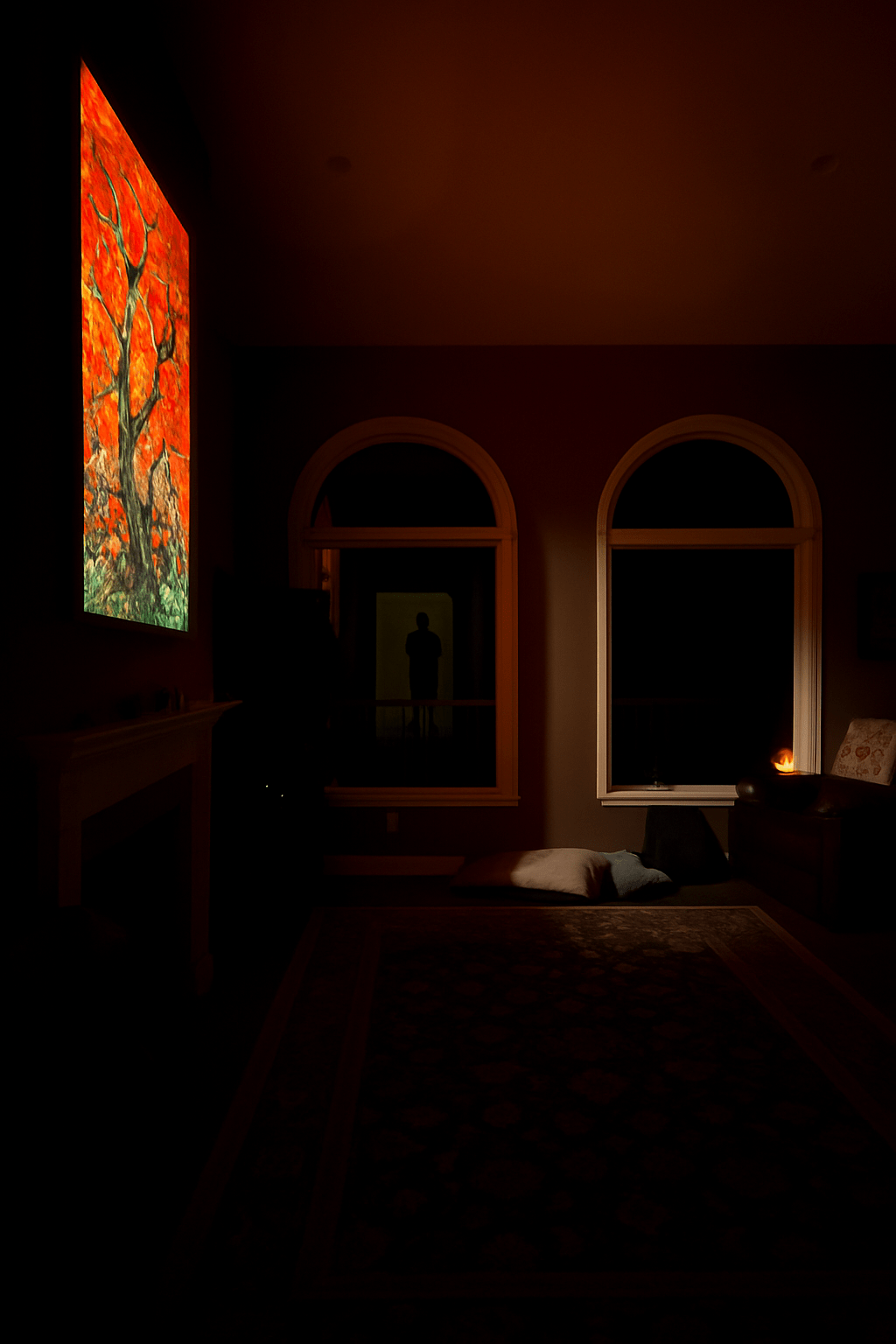
Neutral gallery lighting revealing accurate colors
Color temperature plays a major role in lighting gallery design. The wrong temperature can drastically alter how artwork appears.
Warm lighting (2700K–3000K) enhances:
- Classic paintings
- Oil artworks
- Warm-toned art pieces
Neutral lighting (3000K–3500K) is often used in galleries because it provides balanced, accurate color representation without appearing too warm or too cool.
Consistent color temperature across all gallery lighting fixtures is critical for maintaining visual harmony within a gallery space.
Lighting Gallery Placement and Beam Angle Fundamentals

Correct beam spread across canvas surface
Proper lighting gallery placement determines how effectively artwork is illuminated. One of the most important principles is the 30-degree rule, where light is angled to minimize glare while maximizing coverage. This approach reflects the principles of effective gallery lighting design, which prioritize visibility, comfort, and balanced illumination.
Key placement factors include:
- Distance from artwork
- Fixture height
- Beam spread
- Viewing angle
Incorrect placement can cause reflections on glass, uneven lighting, and distracting shadows. Professional lighting gallery systems are designed to solve these issues through adjustable optics and precision mounting.
Gallery Lighting for Different Types of Artwork

Layered lighting highlighting sculpture texture
Large Paintings
Large-scale artworks require wider beam angles and higher lumen output to ensure even illumination across the entire canvas. A properly designed lighting gallery setup prevents dim edges and overexposed centers.
Sculptures and 3D Art
Three-dimensional artwork benefits from layered gallery lighting that highlights form and texture without flattening depth.
Photographs and Prints
Photographic works require glare-controlled gallery lighting due to reflective surfaces such as glass frames. Precision lighting placement is essential in these cases.
Lighting Gallery Trends in Modern Interior Design
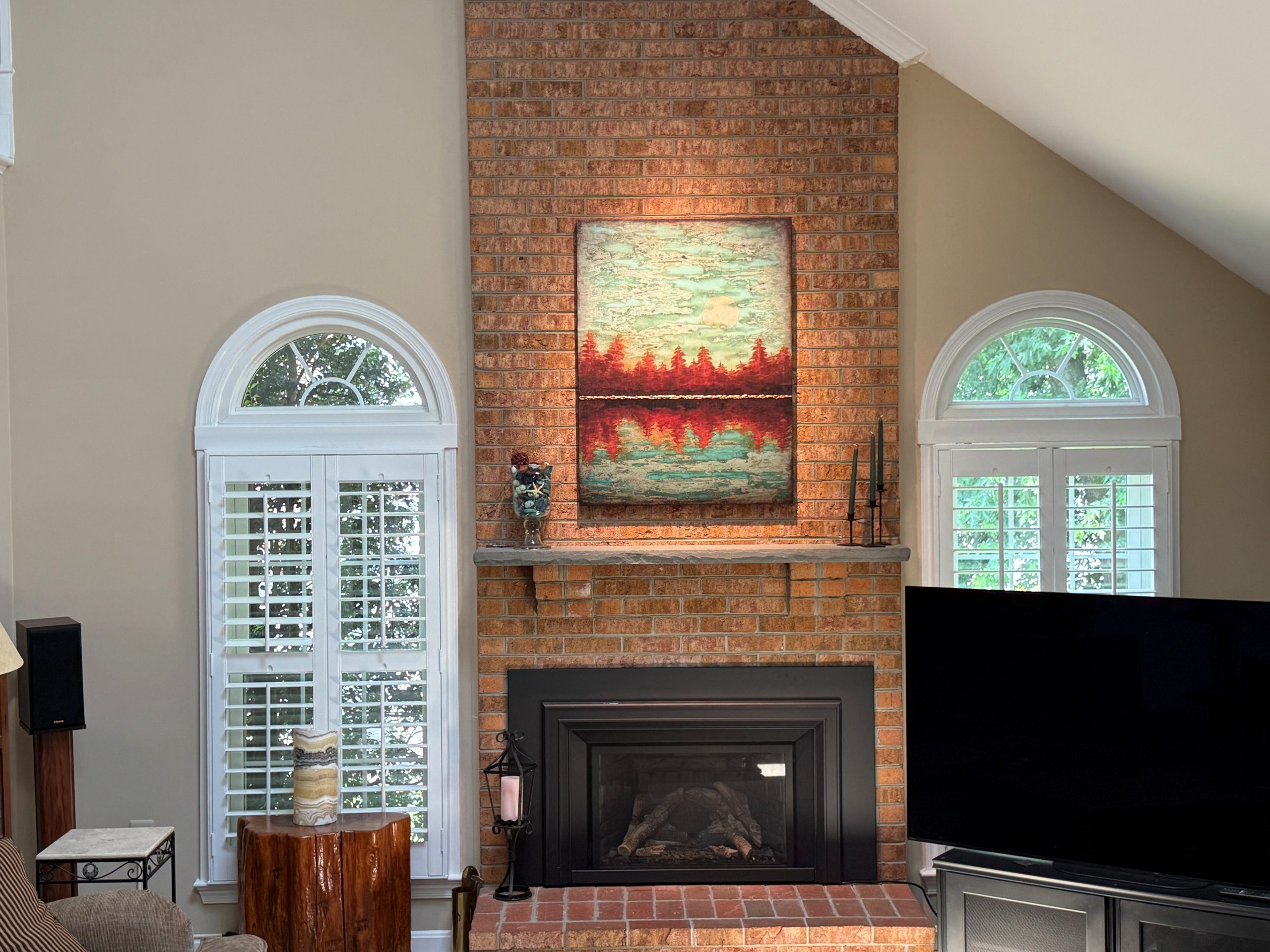
Smart dimmable art lighting in modern home
Modern interior designers now treat artwork as a focal architectural element rather than decoration. This shift has significantly increased demand for professional lighting gallery solutions in residential spaces.
Current trends include:
- Minimalist track gallery lighting
- Wireless gallery lighting systems
- Integrated ceiling gallery lighting
- Smart dimmable gallery lighting
These solutions allow homeowners to achieve museum-level presentation without compromising interior design aesthetics.
LED Technology in Lighting Gallery Systems
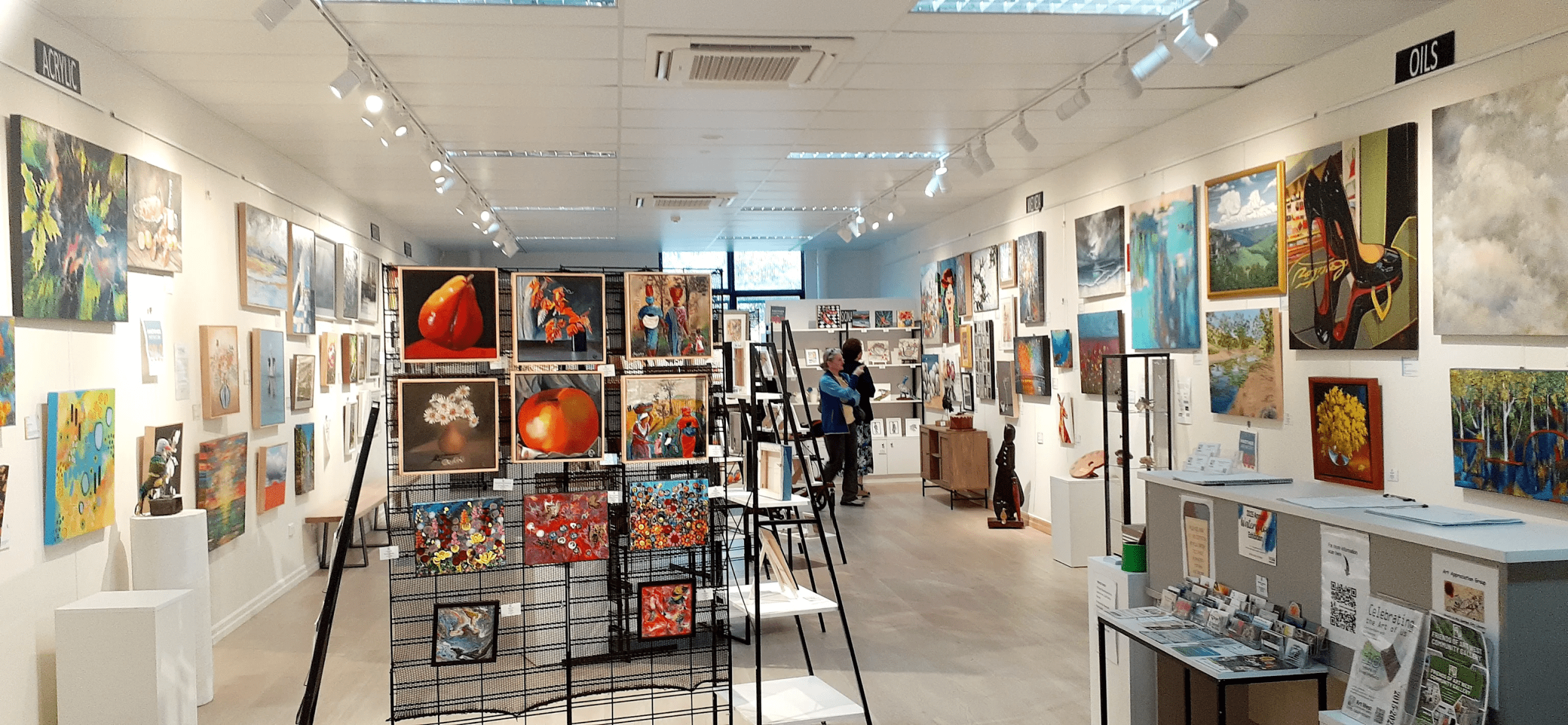
Energy efficient LED gallery lighting installation
LED lighting has become the gold standard for lighting gallery environments due to its efficiency, longevity, and low heat output. Unlike traditional bulbs, modern gallery lighting uses integrated LED chips designed for consistent performance over many years.
Benefits of LED gallery lighting:
- Long lifespan
- Energy efficiency
- Stable color rendering
- Minimal maintenance
- Reduced heat exposure to artwork
High-quality LED gallery lighting systems are particularly important for protecting valuable artworks while maintaining visual clarity.
Lighting Gallery for Gallery Walls and Multi-Art Displays

Multiple artworks uniformly illuminated
Gallery walls require balanced lighting across multiple artworks rather than a single spotlight approach. A professional lighting gallery system ensures uniform illumination so no piece appears brighter or dimmer than the others.
Effective gallery wall lighting involves:
- Even fixture spacing
- Consistent beam angles
- Uniform color temperature
- Controlled brightness levels
This creates a cohesive and elegant visual experience similar to professional art galleries.
Psychological Impact of Proper Lighting Gallery Design

Vibrant artwork under precision illumination
Lighting directly influences how viewers emotionally connect with artwork. A well-lit painting appears more vibrant, valuable, and immersive. Poor lighting, by contrast, can make even significant artworks look dull and lifeless.
Lighting gallery environments create:
- Focused attention
- Emotional engagement
- Visual depth
- Premium perception
This is one of the reasons museums and high-end galleries invest heavily in specialized art lighting systems.
Lighting Gallery Solutions for Designers, Galleries, and Collectors

Professional art lighting installation in luxury space
Professional lighting gallery solutions are tailored to the needs of each environment. Galleries may require flexible track systems, while private collectors may prefer discreet wall-mounted gallery lights that integrate seamlessly into home interiors.
Custom lighting gallery systems offer:
- Adjustable beam precision
- Dimmable control
- Architectural integration
- Scalable configurations
For serious art collectors and galleries, investing in professional gallery lighting is a long-term enhancement to both presentation and value.
Professional Lighting Gallery Systems for High-End Art Spaces

Precision art lighting integrated into architecture
A true lighting gallery environment is never accidental. In professional art gallery lighting and museum lighting installations, every fixture, beam angle, and intensity level is carefully engineered to enhance the artwork while maintaining visual balance within the space. This is why gallery lighting systems are fundamentally different from decorative lighting used in standard residential interiors.
Professional gallery lighting systems are built around precision. Instead of flooding a room with light, they isolate illumination onto artwork surfaces, ensuring clarity without visual distraction. This is particularly important in lighting for art gallery environments where multiple pieces must be displayed under consistent lighting conditions.
High-end lighting gallery installations often combine gallery track lighting, adjustable art lighting fixtures, and museum-grade lighting optics to create a layered and refined visual experience.
Gallery Lighting Design Principles Used by Museums and Elite Galleries

Controlled brightness across curated exhibition
Museum lighting and gallery lighting design follow strict visual and conservation standards. The goal is not just to illuminate artwork but to present it in a way that preserves authenticity and enhances the viewer’s emotional connection.
Key gallery lighting design principles include:
- Directional lighting for artwork
- Consistent color rendering across all pieces
- Controlled brightness levels
- Minimal glare and reflection
- Uniform gallery lighting temperature
Museum lighting for paintings is especially sensitive because excessive brightness or poor placement can damage artwork over time. This is why museum grade lighting prioritizes low heat LED technology and high CRI performance to protect fine art collections.
Gallery Lighting for Art Collectors and Luxury Residences
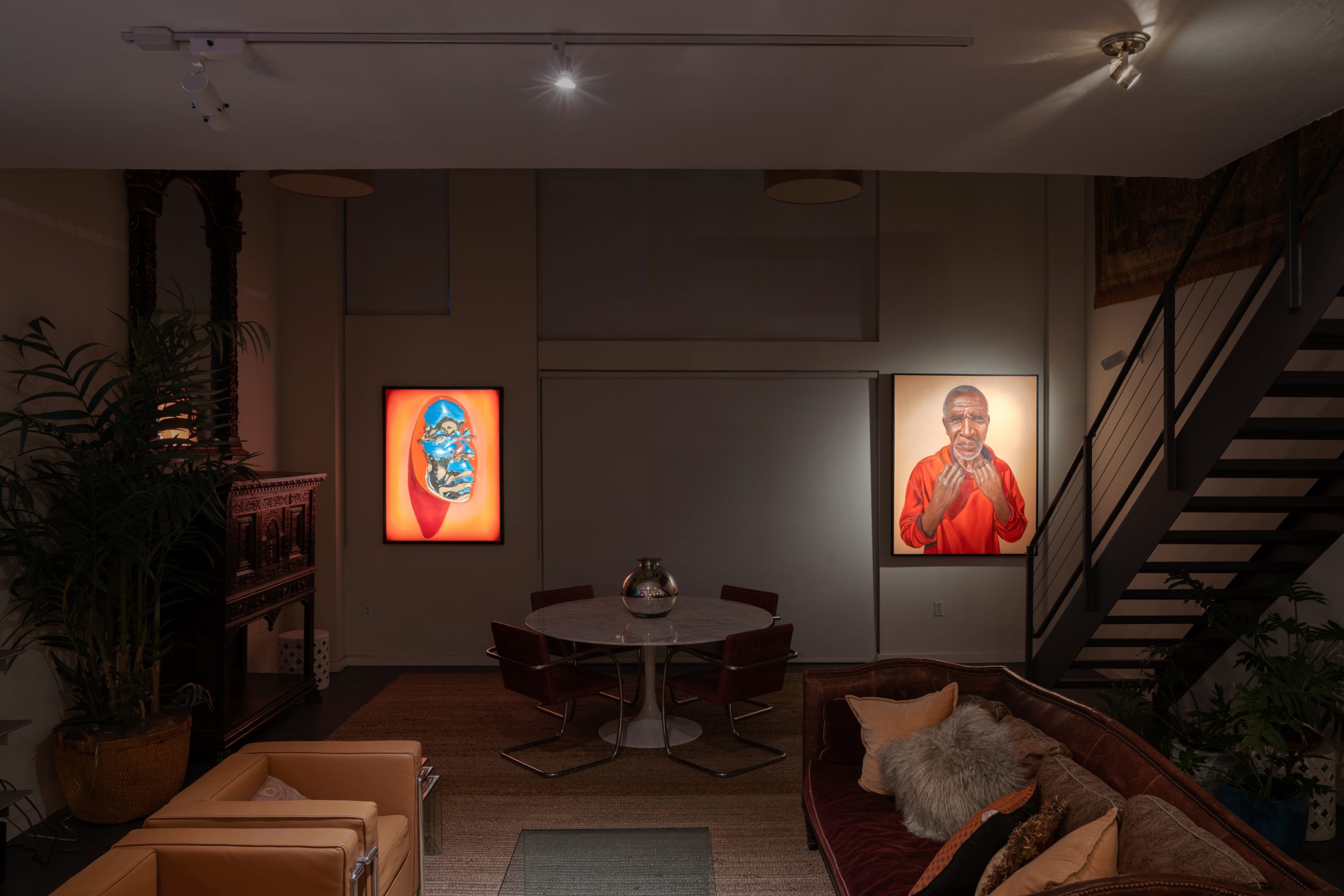
Residential gallery lighting enhancing fine art
For luxury homeowners and private collectors, gallery lighting at home has become a defining feature of premium interior design. Instead of relying on generic ceiling lights, collectors now invest in art gallery lighting systems that replicate museum-quality illumination within residential environments.
Gallery lighting for home collections allows artwork to become the focal point of a space rather than blending into background decor. Proper lighting for artwork enhances depth, contrast, and texture, making paintings and sculptures visually stand out in a sophisticated way.
Lighting for gallery wall installations is particularly important in luxury homes where multiple artworks are displayed together. Balanced gallery wall lighting ensures visual harmony and prevents uneven brightness between pieces.
Art Gallery Lighting vs Museum Lighting: Understanding the Difference
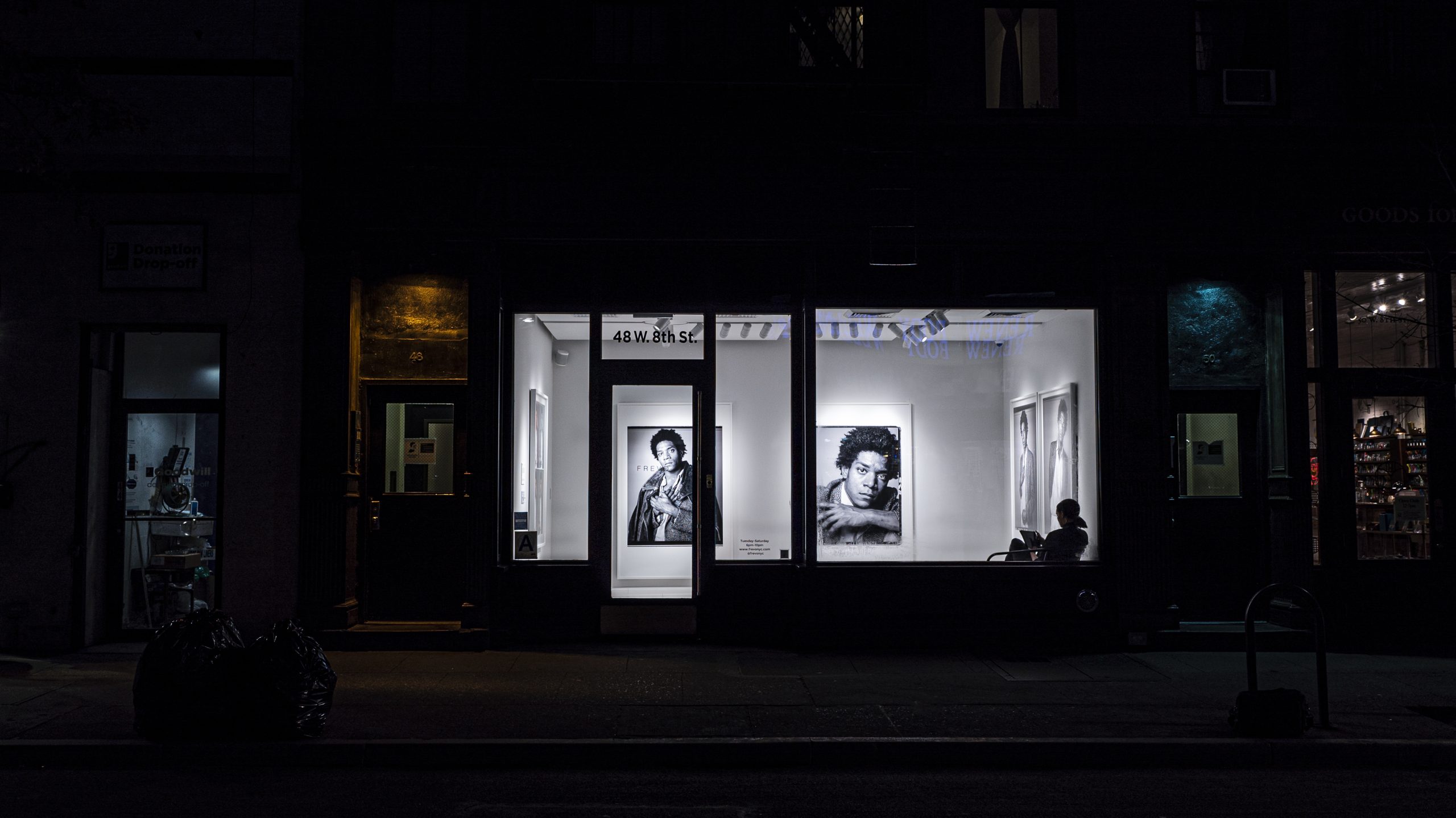
Dynamic gallery lighting for rotating exhibition
While both art gallery lighting and museum lighting share similar principles, their applications differ slightly. Art gallery lighting often focuses on visual impact and flexibility, especially in rotating exhibitions, while museum lighting emphasizes conservation and long-term preservation.
Museum lighting techniques typically involve:
- Lower lux levels for sensitive artworks
- Precision beam control
- Conservation-safe LED lighting
- Specialized museum track lighting systems
Art gallery lighting, on the other hand, may use brighter and more dynamic lighting gallery setups to create dramatic visual presentation and enhance visitor engagement.
Gallery Track Lighting: The Industry Standard for Art Display

Adjustable art fixtures on ceiling track
Gallery track lighting is widely regarded as one of the best fixture options for gallery lighting in both commercial galleries and high-end residential installations. Its flexibility allows lighting designers to reposition fixtures and adjust beam angles as artwork placement changes.
Benefits of gallery track lighting include:
- Adjustable beam direction
- Scalable lighting layouts
- Precision artwork illumination
- Clean architectural integration
Track lighting for art gallery spaces ensures that each artwork receives optimal illumination regardless of wall configuration or exhibition changes. This is why museums, galleries, and collectors consistently choose track-based gallery lighting systems.
Lighting for Artwork: Achieving Museum-Level Presentation

Professional art illumination enhancing texture
Lighting for artwork requires more than simply placing a light above a painting. True professional gallery lighting considers beam spread, intensity, distance, and color temperature to achieve balanced illumination.
Lighting for paintings should:
- Avoid hotspots
- Minimize glare
- Maintain accurate color rendering
- Highlight texture and detail
Lighting for large paintings often requires wider beam angles and multiple fixtures to ensure even coverage. Without proper gallery lighting placement, large artworks can appear unevenly lit, reducing their visual impact.
Museum Grade Lighting and Its Importance in Art Preservation
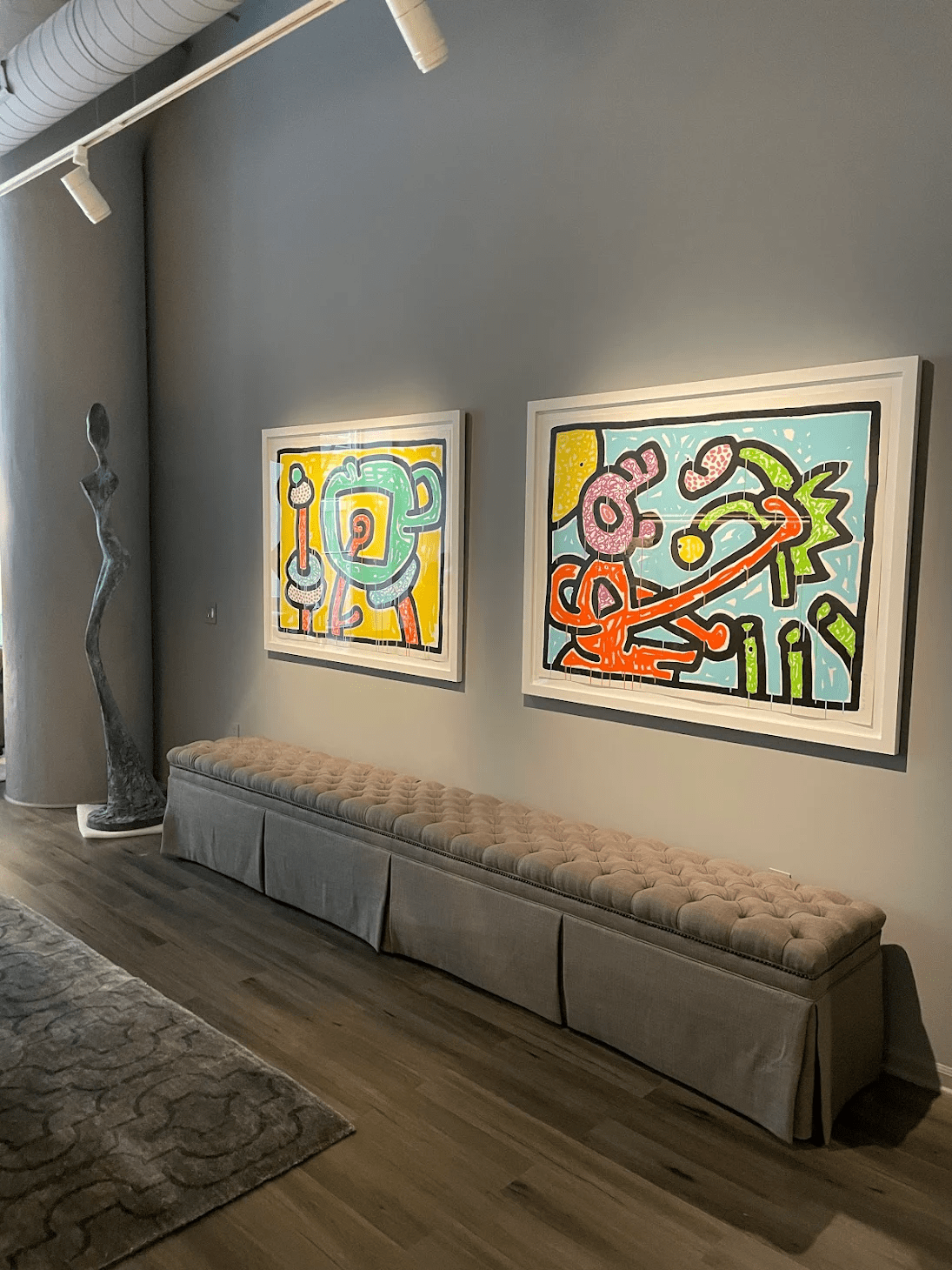
Low heat LED lighting protecting artwork
Museum grade lighting is specifically designed to protect artwork while enhancing visibility. Unlike traditional lighting, museum lighting systems produce minimal UV and heat output, which helps preserve delicate paintings, textiles, and historical artifacts.
Museum lighting solutions typically use:
- High CRI LED technology
- Low heat emission fixtures
- Precision optics
- Dimmable lighting controls
For collectors and galleries investing in valuable artwork, museum lighting for art is a critical component of long-term preservation and professional presentation.
Gallery Lighting Fixtures and Their Role in Art Illumination

Ceiling mounted gallery light over painting
Gallery lighting fixtures are engineered differently from standard lighting products. They are designed with optical precision to deliver controlled beams that enhance artwork without creating glare or shadow distortion. Together, these components form a high-end lighting system for gallery displays that ensures consistent illumination across paintings, sculptures, and curated installations.
Common gallery lighting fixtures include:
- Adjustable art lighting fixtures
- Wall-mounted gallery lights
- Recessed gallery lighting
- Ceiling-mounted art lighting
- Gallery track lighting systems
Modern art lighting fixtures now feature integrated LED chips for longevity, eliminating the need for frequent bulb replacements while maintaining consistent performance.
Lighting for Gallery Wall Installations in Modern Interiors

Balanced illumination across framed artworks
Lighting for gallery wall displays requires a strategic approach to ensure consistency across multiple artworks. Instead of spotlighting individual pieces unevenly, a professional lighting gallery system distributes illumination evenly across the entire wall.
Gallery wall lighting ideas used by designers include:
- Linear track lighting
- Multiple directional spotlights
- Integrated ceiling gallery lighting
- Wireless gallery lighting solutions
This approach creates a cohesive and visually balanced display that mirrors professional gallery lighting environments.
Gallery Lighting Temperature and Color Accuracy

Neutral white lighting in modern gallery
Color temperature is one of the most critical factors in gallery lighting design. Incorrect lighting temperature can significantly alter how artwork appears to the human eye.
Gallery lighting temperature between 2700K and 3000K is often preferred for art lighting because it provides warm, natural illumination without distorting colors. Neutral white lighting may be used in contemporary gallery lighting systems to emphasize clarity and modern aesthetics.
High CRI (Color Rendering Index) lighting is essential for art gallery lighting because it ensures accurate color representation, which is crucial for both collectors and curators.
Lighting for Art Gallery Spaces and Commercial Exhibitions

Commercial gallery with scalable lighting system
Lighting for art gallery environments must be adaptable, scalable, and visually refined. Commercial galleries often rotate exhibitions, requiring flexible gallery lighting systems that can be easily adjusted without major installation changes. This is why many institutions rely on professional lighting solutions for art galleries that offer flexible beam control, adjustable fixtures, and consistent illumination across changing displays.
Lighting design gallery space considerations include:
- Ceiling height and layout
- Artwork scale
- Visitor viewing angles
- Ambient vs accent lighting balance
Professional gallery lighting design ensures that every piece is presented with equal visual importance, regardless of its size or placement within the gallery.
Gallery Lighting Solutions for Designers and Architects

Integrated Gallery Lighting Systems for a Gallery
Interior designers and architects increasingly integrate gallery lighting solutions into luxury residential and commercial projects. Art is no longer treated as an afterthought but as a central design element that requires specialized illumination.
Gallery lighting solutions may include:
- Custom art lighting systems
- Integrated architectural lighting
- Smart dimmable gallery lighting
- Wireless art lighting fixtures
These solutions provide both aesthetic elegance and functional precision, making them ideal for modern art-focused interiors.

The Future of Lighting Gallery Technology

Smart gallery lighting system with dimming control
Advancements in LED technology and smart lighting systems are shaping the future of lighting gallery environments. Modern gallery lighting systems now offer dimming controls, adjustable beam optics, and remote configuration, allowing precise control over artwork illumination.
Emerging trends in lighting gallery technology include:
- Smart gallery lighting systems
- Wireless art lighting solutions
- Ultra high CRI museum lighting
- Energy-efficient LED art lighting
These innovations are particularly valuable for galleries, museums, and collectors who demand long-term performance, sustainability, and museum-level presentation.
Why High-End Galleries and Collectors Invest in Professional Gallery Lighting

Luxury gallery environment with precision illumination
Professional gallery lighting is not just about aesthetics. It directly influences how artwork is perceived, valued, and experienced. Poor lighting can diminish the visual impact of even the most significant artworks, while expertly designed lighting gallery systems elevate presentation to museum standards.
Collectors, galleries, and designers invest in professional gallery lighting because it:
- Enhances artwork visibility
- Increases perceived value
- Creates emotional engagement
- Protects delicate artworks
- Delivers museum-quality presentation
For luxury homes, art galleries, and museums alike, lighting gallery design has become an essential component of sophisticated art display rather than an optional upgrade.
FAQ: Lighting Gallery and Art Lighting
What is gallery lighting?
Gallery lighting is specialized lighting designed to illuminate artwork with precision, accuracy, and controlled beam angles to enhance visual presentation.
What lighting is best for a gallery?
Track lighting with high CRI LED fixtures is widely considered the best lighting gallery solution due to its flexibility and color accuracy.
How do you light artwork like a gallery?
Artwork should be lit using directional gallery lighting placed at an angle to reduce glare and provide even illumination across the surface.
Is gallery lighting different from normal lighting?
Yes. Lighting gallery systems are focused and calibrated for art, while normal lighting is designed for general room illumination.
What color temperature is best for gallery lighting?
Most professional galleries use 2700K to 3000K lighting to maintain natural color rendering and visual warmth.
Can you use gallery lighting at home?
Yes. Gallery lighting at home is increasingly popular among collectors and homeowners who want museum-style art presentation.
Do LED lights damage artwork?
High-quality LED gallery lighting produces minimal heat and UV, making it safe for long-term art illumination when properly specified.
Where should gallery lights be placed?
Gallery lights are typically placed above or angled toward artwork at approximately 30 degrees to minimize glare and maximize visibility.
What is museum-grade lighting?
Museum-grade lighting refers to precision lighting gallery systems designed to protect and enhance artwork using conservation-safe illumination.
Is track lighting good for gallery lighting?
Yes. Track lighting is one of the most effective lighting gallery solutions because it allows flexible positioning and precise control over artwork illumination.
Real Feedback from Art Collectors