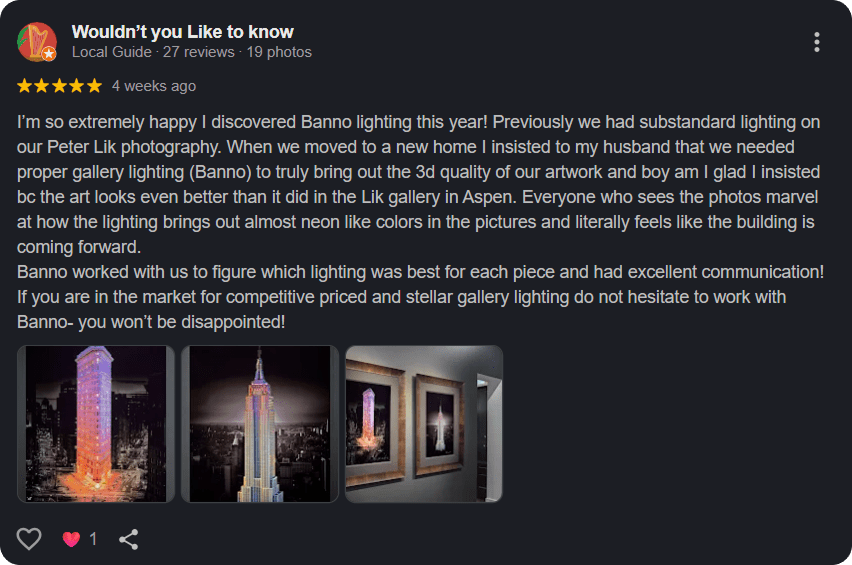
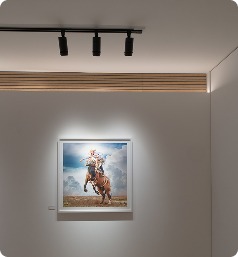
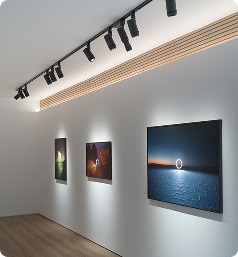
Museum-style spotlight illuminating framed wall painting
Lighting is one of the most important factors in how a painting is perceived. The right lights for paintings can enhance color, reveal texture, create depth, and elevate the emotional impact of the artwork. Poor lighting, on the other hand, can flatten a masterpiece, distort colors, or even damage the artwork over time.
Whether you are lighting oil paintings, canvas art, framed artwork, or large statement pieces, choosing the correct art lighting is not just about brightness. It is about precision, beam control, color accuracy, and long term preservation.
This guide covers everything about lights for paintings on wall, museum lighting standards, LED artwork lighting, wireless picture lights, and professional gallery lighting systems so you can make the best decision for your space. It also serves as a complete guide to lighting paintings and gallery artwork, helping collectors, designers, and galleries understand how to illuminate art properly.
What Are the Best Lights for Paintings on Wall?

Adjustable spotlight highlighting wall-mounted artwork
When people search for lights for paintings on wall, they are typically looking for a lighting solution that:
- Highlights the artwork without glare
- Preserves true colors
- Evenly illuminates the surface
- Looks elegant and architectural
The best lights for artwork on wall are directional and controlled, not general room lighting. Ceiling downlights and ambient lighting are not designed to properly illuminate paintings. Instead, dedicated art lighting such as picture lights, track lighting, or museum spotlights deliver superior results.
Professional art galleries and museums rarely rely on standard ceiling lights. They use adjustable focus lighting that can be precisely aimed at the painting to create balanced illumination across the canvas.

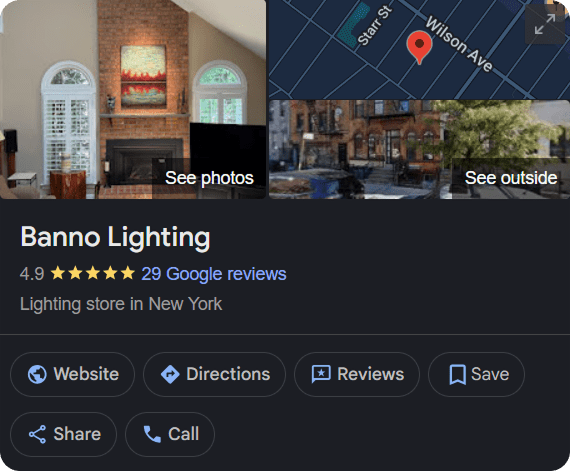
5-Star Google Review for Our Art Lighting Solutions
Lights for Above Paintings vs Lights for Over Paintings

Angled ceiling spotlight positioned over painting
Two of the most searched terms are lights for above paintings and lights for over paintings. While they sound similar, they represent two different lighting approaches.
Lights above paintings typically refer to mounted picture lights or wall-mounted art lights installed directly above the frame. These are common in residential homes and small galleries.
Lights over paintings usually refer to ceiling-mounted directional lights such as track lighting or spotlights positioned at an angle to reduce glare and shadows.
Museum-grade installations often prefer angled lighting at approximately 30 degrees to the artwork surface. This minimizes reflections on varnished paintings and prevents hot spots.
Museum Lights for Paintings (Professional Standard)

Controlled beam lighting large exhibition painting
Museum lighting paintings requires a completely different standard compared to residential lighting. Museums prioritize:
- High CRI (Color Rendering Index)
- Low UV and IR emission
- Precise beam control
- Stable color temperature
- Conservation-safe illumination levels
Museum lights for paintings are typically LED-based with built-in chips designed for longevity and artwork protection. Unlike traditional bulbs, modern art lights use integrated LED modules that maintain consistent output for years without color shift.
For high ceilings and large exhibition spaces, projector-style lighting is often used to throw controlled beams across large paintings without light spill. This is why professional museum lighting systems outperform standard picture lights in both aesthetics and preservation.
Picture Lights for Paintings (Classic and Modern Options)

Slim picture light mounted over framed art
Picture lights for paintings are one of the most popular lighting solutions for framed artwork. These are mounted directly above the artwork and provide a focused wash of light across the piece.
Popular types include:
- Battery operated picture lights for paintings
- Cordless picture lights for paintings
- Wireless picture lights for paintings
- Hardwired picture lights
- Rechargeable picture lights
Battery picture lights for paintings are especially popular for residential users because they require no wiring and can be installed instantly. However, they typically offer less precision and beam control compared to professional art lighting systems.
For high-value artwork, fixed directional lighting is usually the superior choice.
LED Lights for Paintings: Are They Safe for Artwork?

Close-up of glare-free LED art lighting
A common concern is whether LED lights for paintings can damage artwork. The answer depends on the quality of the LED system and whether it is designed as specialised art lighting for paintings rather than general-purpose decorative lighting.
High-quality LED art lighting is actually safer than traditional halogen or incandescent lighting because it produces:
- Minimal UV radiation
- Minimal heat
- Stable color temperature
- Consistent brightness over time
Poor quality LED lights, especially cheap strip lights or generic wall lights, can create uneven lighting and color distortion. This is why museum lighting paintings always uses professional-grade LED fixtures with high CRI ratings (90+ or 95+).
Proper LED lights for artwork preserve the integrity of oil paintings, acrylic paintings, and canvas artwork while enhancing visual clarity.
Spot Lights, Accent Lights and Focus Lights for Paintings

Adjustable focus light illuminating statement painting
Spot lights for paintings are ideal when you want dramatic emphasis and controlled illumination. Accent lights for artwork create a gallery-style effect by isolating the painting from the surrounding environment.
Focus light for paintings is particularly useful for:
- Large wall art
- Statement pieces
- Sculptural paintings
- Museum installations
- Art exhibitions
Adjustable focus lighting allows you to fine-tune beam angles and intensity so the artwork is evenly illuminated without overexposure.
Professional gallery lights for paintings often include zoom functionality to adapt to different painting sizes and wall heights.
Track Lights for Art Gallery and Paintings

Multiple adjustable track heads lighting paintings
Track lights for paintings are considered one of the best lighting systems for serious art collectors, galleries, and designers. Unlike fixed picture lights, track lighting allows flexibility and scalability.
Benefits of track lighting for artwork:
- Adjustable direction and angle
- Expandable system
- Clean architectural aesthetic
- Ideal for multiple paintings
- Perfect for large walls and gallery walls
Track lights for art gallery settings are especially effective because they allow curators to reposition lights as exhibitions change. This makes them a long-term professional lighting systems for paintings and fine art rather than a temporary fix.
Lighting for Large Paintings and High Ceilings

High ceiling gallery with focused art lighting
Lighting large paintings requires stronger output, wider beam angles, and precision optics. Standard wall lights often fail to evenly illuminate oversized artwork, making precision lights designed for illuminating paintings essential for balanced illumination and accurate color presentation.
Lights for large paintings should:
- Provide wide beam distribution
- Maintain even lux levels across the canvas
- Avoid harsh shadows
- Reduce glare on varnished surfaces
In spaces with high ceilings, projector-style art lighting becomes essential. These lights can deliver powerful, focused illumination from a distance while maintaining museum-level color accuracy.
Battery Operated and Wireless Lights for Paintings (Residential Use)

Wireless art light mounted above framed artwork
Since a large percentage of artwork lighting installations happen in homes, wireless lights for paintings have grown in popularity.
Common options include:
- Battery lights for art paintings
- Rechargeable lights for paintings
- Wireless lights for artwork
- Stick-on wall lights for paintings
- Cordless lights for wall art
These solutions are ideal for renters or spaces where wiring is not possible. However, they typically lack the beam precision and optical control of professional art lighting systems.
For high-value paintings, dedicated art lighting is still the recommended choice.
Lights for Framed Paintings and Gallery Walls

Evenly spaced spotlights across gallery wall
Lighting framed paintings requires careful positioning to avoid frame shadows and uneven highlights. Lights for framed artwork should be installed at the correct height and angle to ensure full surface illumination.
Gallery wall lighting techniques include:
- Evenly spaced spotlights
- Linear track lighting
- Dedicated art light fixtures per painting
- Adjustable focus lights
Lights for artwork display in galleries are rarely random. They are carefully calculated to enhance the visual hierarchy of the collection.
How to Light a Painting Correctly (Expert Method)

Controlled brightness lighting protecting artwork from damage
Professional art lighting follows a simple but effective rule: the 30-degree lighting angle. This method minimizes glare while maximizing visibility.
Steps to properly light a painting:
- Position light at a 30-degree angle
- Avoid direct frontal lighting
- Use high CRI lighting (90+)
- Select warm color temperature (2700K to 3000K)
- Ensure even light distribution
- Avoid excessive brightness that may damage artwork
Lighting paintings from below is generally not recommended as it creates unnatural shadows and distortion.
Color Temperature for Painting Lighting

Warm LED light enhancing painting depth
Color temperature significantly affects how artwork appears. Warm lighting (2700K to 3000K) is usually best for paintings because it enhances depth and richness.
Neutral lighting (3500K) may work in modern galleries, while cooler temperatures can make artwork appear flat or washed out.
Museum lighting temperature is carefully selected to match the artwork medium and exhibition environment.
Advanced Lighting Techniques for Paintings (What Most Guides Miss)

Precision optic spotlight with controlled beam
Most basic guides about lights for paintings stop at “use picture lights” or “use LED lights.” However, professional art lighting goes much deeper. The true difference between amateur lighting and museum-grade lighting lies in optics, beam shaping, lux control, and color fidelity. These factors form the foundation of the best lighting techniques for paintings used by galleries and museums.
If you are serious about lighting artwork properly, especially valuable paintings, gallery pieces, or large wall art, there are several advanced factors that are often overlooked but critically important.
These include:
- Beam angle selection
- Glare control
- CRI and R9 values
- Lux level management
- Artwork material sensitivity
- Mounting height and distance
- Optical precision vs flood lighting
Understanding these elements ensures your lights for artwork on wall deliver consistent, premium results rather than harsh, uneven illumination.
Beam Angle: The Hidden Factor in Lighting Paintings

Narrow beam spotlight on small framed art
One of the biggest mistakes people make when choosing lights for paintings on walls is ignoring beam angle. Beam angle determines how wide or narrow the light spreads across the artwork.
For small paintings:
- Narrow beam (10 to 24 degrees) works best
- Focused and dramatic illumination
- Ideal for portrait-sized artwork
For medium paintings:
- Medium beam (24 to 36 degrees) provides even coverage
- Balanced highlight without light spill
For large paintings and canvas art:
- Wide beam (36 to 60 degrees) ensures full surface illumination
- Prevents dark edges and hot spots
Museum lights for paintings almost always use adjustable beam optics so curators can adapt lighting to different artwork sizes without changing fixtures.
Lux Levels for Paintings (Museum Standards)

Moderate LED lighting preserving artwork in home setting
Another commonly missed factor is lux level control. Museums do not just choose lights randomly. They calculate the exact illumination levels to preserve artwork.
Typical museum lighting levels:
- Oil paintings: 150 to 200 lux
- Acrylic paintings: 200 lux
- Watercolor paintings: 50 lux (very sensitive)
- Historic artworks: 50 to 100 lux
Too much brightness can cause long-term pigment fading. That is why museum lighting paintings use controlled LED systems rather than high-output flood lighting.
For residential collectors, moderate lux levels combined with high CRI lighting create the perfect balance between visibility and preservation.
Lights for Oil Paintings vs Acrylic vs Canvas Art

Directional lighting enhancing canvas texture
Not all paintings react the same to light. The material and finish of the artwork affect how lighting should be applied.
Lights for Oil Paintings
Oil paintings often have varnish layers that reflect light. This means glare control is essential. Angled lighting with anti-glare optics is the best solution.
Lights for Acrylic Paintings
Acrylic paintings are slightly less reflective but still require even illumination and accurate color rendering.
Lights for Canvas Art
Canvas textures respond beautifully to directional lighting because angled light enhances depth and brushstroke details.
Professional gallery lights for paintings are designed specifically to reveal texture without creating harsh shadows.
Glare Reduction: How to Light Paintings Without Reflection

Anti-glare spotlight reducing glass reflections
Glare is one of the most common problems when using lights for framed paintings. It occurs when light hits glossy surfaces directly and reflects into the viewer’s eyes.
To reduce glare:
- Use a 30-degree lighting angle
- Avoid direct frontal lighting
- Use anti-glare lenses
- Select high-quality art lighting fixtures
- Avoid placing lights too close to the painting
Museum lighting fixtures are engineered with optical shielding to eliminate glare while maintaining clarity.
CRI and Color Accuracy for Artwork Lighting

Accurate lighting showing subtle tonal details in painting
CRI (Color Rendering Index) is one of the most critical specifications when choosing lights for artwork display. A low CRI light can make paintings look dull, washed out, or color-shifted.
Recommended CRI for paintings:
- Minimum: CRI 90
- Ideal: CRI 95+
- Museum grade: CRI 97+
High CRI lighting ensures that reds, blues, and subtle tones in the painting appear exactly as the artist intended.
Cheap LED lights for pictures often have low CRI, which is why they are not suitable for serious art collectors or galleries.
Lighting Large Paintings and Statement Art Pieces

Multiple track spotlights covering large statement artwork
Large paintings require a completely different lighting strategy compared to small framed art. Using a single picture light for a large artwork often results in uneven brightness and shadow gradients.
Best lights for large paintings include:
- Adjustable track lighting systems
- Wide beam art spotlights
- Projector-style art lights
- Dual light setups for even coverage
For oversized artwork, professional art lighting systems distribute light evenly across the entire surface rather than creating a central hot spot.
Wireless and Rechargeable Lights for Artwork (When to Use Them)

Wireless spotlight illuminating small framed painting
Wireless lights for paintings are increasingly popular due to their convenience and simple installation. They are ideal for:
- Rental homes
- Temporary art displays
- Small paintings
- Gallery walls in residential spaces
Common options:
- Rechargeable lights for paintings
- Battery operated lights for artwork
- Wireless spotlight for artwork
- Cordless picture lights for paintings
However, wireless lighting typically lacks the beam precision and optical quality of hardwired gallery lighting systems. For high-end artwork, wired directional lighting remains the superior long-term solution.
Lighting Paintings in Different Environments

Residential living room with illuminated wall art
Lighting Paintings in Homes
Residential art lighting focuses on aesthetics and atmosphere. Warm color temperatures and elegant fixtures enhance interior design while highlighting artwork.
Lighting Paintings in Galleries
Gallery lighting prioritizes flexibility, adjustability, and visual clarity. Track lighting systems dominate gallery spaces because they allow repositioning as exhibitions change, representing one of the most reliable gallery lighting approaches for displaying paintings in professional settings.
Lighting Paintings in Museums
Museum lighting is conservation-driven. Fixtures are designed to protect artwork from UV exposure, heat, and excessive lux levels while maintaining perfect color accuracy.
Lighting Paintings in Offices and Commercial Spaces
Commercial artwork lighting often uses ceiling-mounted adjustable spotlights combined with ambient lighting for a balanced professional look.
Ceiling Lights vs Dedicated Art Lights for Paintings

Dedicated art spotlight enhancing painting texture
Many people assume ceiling downlights are sufficient for artwork. This is a major misconception.
Ceiling lights:
- Provide general illumination
- Cause uneven lighting on paintings
- Create shadows and glare
Dedicated art lights:
- Precisely illuminate artwork
- Enhance colors and textures
- Provide controlled beam focus
- Create gallery-quality presentation
For serious collectors and designers, dedicated art light fixtures are always recommended over generic ceiling lighting.
Lighting Multiple Paintings on One Wall (Gallery Wall Lighting)

Track lighting evenly illuminating gallery wall
Lighting a gallery wall requires strategic placement rather than a single light source. Using one light for multiple paintings often leads to inconsistent brightness levels.
Best solutions for gallery walls:
- Linear track lighting systems
- Multiple adjustable spotlights
- Even spacing between light fixtures
- Consistent beam angles
Gallery lighting ideas often involve layering light so each artwork receives individual attention while maintaining overall harmony.
Track Lighting vs Picture Lights: Which Is Better?

Modern track lighting system over artwork
Both options serve different purposes when selecting lights for paintings.
Picture Lights
- Mounted directly above artwork
- Elegant and traditional look
- Best for single paintings
- Limited adjustability
Track Lighting
- Highly adjustable
- Ideal for multiple artworks
- Professional gallery aesthetic
- Scalable and flexible
For high-end interiors and art collections, track lighting systems offer significantly more control and future flexibility.
Lighting for Art Exhibitions and Art Shows
Temporary exhibitions require portable and adjustable lighting solutions. Lights for art exhibitions should be:
- Lightweight
- Adjustable
- High CRI
- Low heat output
LED spotlights and portable gallery lighting systems are commonly used in art fairs and exhibitions to ensure consistent artwork presentation across different venues.
Lighting Paintings from Below: Is It Recommended?
Lighting paintings from below is rarely recommended in professional settings. While it may create dramatic effects, it often produces:
- Distorted shadows
- Uneven illumination
- Unnatural viewing angles
Museum lighting techniques almost always favor top-down angled lighting for natural visual perception.
Smart Lighting and Modern Art Lighting Technology

Adjustable beam LED art light fixture
Modern lights for artwork now include advanced features such as:
- Remote dimming control
- Adjustable color temperature
- Wireless smart integration
- Zoom beam optics
- Flicker-free drivers
Smart art lighting allows collectors and galleries to fine-tune brightness levels depending on time of day, exhibition type, or ambient lighting conditions.
How Lighting Enhances the Perceived Value of Paintings

Vibrant painting under premium art lighting
Lighting does not just illuminate artwork. It directly influences how valuable and professional the artwork appears.
Well-lit paintings:
- Look more vibrant
- Reveal brushstroke details
- Create emotional impact
- Appear more premium
Poorly lit paintings:
- Look flat and dull
- Lose color depth
- Appear lower quality
This is why luxury galleries, museums, and collectors invest heavily in specialized lights for paintings rather than standard decorative lighting.
Lighting Paintings in Dark Rooms vs Bright Rooms

Bright room with layered artwork lighting
Dark Rooms
In dark environments, focused art lighting becomes the primary visual source. Controlled beam lighting creates a dramatic gallery effect.
Bright Rooms
In well-lit rooms, art lights must be stronger and more precise to compete with ambient light without overpowering the artwork.
Layered lighting design works best in bright spaces, combining ambient lighting with dedicated artwork lighting.
Common Mistakes When Choosing Lights for Paintings
Many people unintentionally damage the visual impact of their artwork due to poor lighting choices.
Most common mistakes:
- Using low CRI lighting
- Installing lights too close to the painting
- Choosing overly bright lights
- Ignoring beam angle
- Using strip lights instead of art lights
- Relying only on ceiling lighting
- Incorrect mounting height
Avoiding these mistakes ensures artwork is displayed professionally and safely.
Lighting Paintings for Photography and Digital Archives

Even studio lighting capturing framed painting
When photographing paintings, lighting becomes even more technical. Lights for photographing artwork should provide:
- Even illumination
- No glare or reflections
- Neutral color temperature (around 5000K)
- High CRI output
Professional studios often use soft directional lighting combined with diffusers to capture accurate artwork images for catalogs and online galleries.
Future Trends in Art Lighting and Museum Lighting

Advanced LED art lighting with precision optics
The future of museum lighting and gallery lighting is moving toward highly specialized LED systems with advanced optical engineering.
Emerging trends include:
- Ultra-high CRI LED modules
- Micro adjustable focus lights
- Wireless museum lighting systems
- Energy-efficient conservation lighting
- Integrated architectural art lighting
As art collections become more valuable and design-focused, lighting for paintings is evolving from decorative lighting into a precision design discipline used by architects, curators, and luxury interior designers.
Final Thoughts: Choosing the Right Lights for Paintings

Gallery-quality lighting enhancing artwork presence
Selecting the correct lights for paintings is not just about brightness or style. It is about preserving artistic integrity, enhancing visual impact, and creating a museum-quality presentation in any space.
Whether you are lighting:
- Oil paintings
- Canvas art
- Framed artwork
- Gallery walls
- Museum collections
- Large statement pieces
The key principles remain the same:
- High CRI LED lighting
- Controlled beam angles
- Proper mounting height
- Glare reduction
- Even lux distribution
When done correctly, professional art lighting transforms a painting from a simple wall decoration into a focal masterpiece that commands attention, emotion, and visual depth.
l’art Zoom

Zoom optic art light enhancing canvas detail
The l’art Zoom is purpose built for lights for paintings where precision, beam control, and visual clarity are essential. When lighting a painting, especially framed artwork or valuable pieces, the goal is to create an even wash of light without glare, hotspots, or shadowing. The adjustable optic in the Zoom allows you to fine tune the beam angle so the entire painting is illuminated from top to bottom. This makes it ideal for oil paintings, photography, and large wall art where accuracy matters. With high color rendering and low heat output, it enhances texture, brushwork, and true colors while remaining safe for long term artwork display in homes or galleries.
l’art Multi

Balanced illumination across multiple framed artworks
The l’art Multi is an excellent solution for lighting multiple paintings or full gallery walls where consistent illumination is required. Instead of lighting one piece too brightly and leaving others dim, the Multi provides a wider, balanced beam that creates uniform coverage across several artworks. This is especially effective in hallways, staircases, and curated art walls where cohesion is visually important. Its controlled light distribution minimizes glare on glass frames and prevents harsh contrast between pieces. For collectors with rotating displays or multiple paintings in one space, the Multi delivers professional gallery-style lighting that feels intentional, clean, and visually harmonious.

l’art Deluxe Projector

High ceiling art space with focused projection
The l’art Deluxe Projector is designed for large paintings, high ceilings, and statement artwork that require stronger projection and precise long-throw lighting. Standard picture lights often struggle to evenly illuminate oversized canvases or paintings mounted in tall spaces. The Deluxe Projector solves this by delivering a focused, powerful beam that reaches the full surface of the artwork without excessive spill onto surrounding walls. This creates a dramatic yet controlled museum-grade effect that highlights depth, color, and detail. Its integrated LED system ensures stable brightness, minimal heat, and accurate color rendering, making it ideal for serious collectors and gallery-style painting displays.
FAQ: Lights for Paintings

Professional gallery and museum lighting
What are the best lights for paintings on wall?
The best lights for paintings on wall are directional art lights, picture lights, or track lighting with high CRI LEDs that provide even illumination and accurate color rendering.
Are LED lights safe for paintings?
Yes, high-quality LED lights are safe for paintings because they produce low heat and minimal UV radiation, making them ideal for artwork preservation.
Should lights be above or over a painting?
Lights should ideally be positioned above and angled at approximately 30 degrees to reduce glare and ensure even lighting across the painting surface.
What is the best light for oil paintings?
The best light for oil paintings is high-CRI LED art lighting with warm color temperature and controlled beam spread to protect pigments and varnish.
Do museums use special lights for paintings?
Yes, museum lights for paintings are conservation-grade LED fixtures designed to minimize UV exposure, heat, and color distortion.
Are battery operated picture lights good for paintings?
Battery operated picture lights are convenient but less precise than professional art lighting. They are best for residential use rather than museum-grade installations.
What color temperature is best for artwork lighting?
A color temperature between 2700K and 3000K is generally best for artwork as it enhances color richness and depth.
How many lumens are needed to light a painting?
Most paintings require between 200 to 500 lux on the artwork surface, depending on size, medium, and conservation requirements.
Can LED lights damage artwork?
Low-quality LEDs can cause uneven lighting, but professional LED art lights are specifically designed to protect artwork and maintain color stability.
What are museum grade lights for paintings?
Museum grade lights are precision LED fixtures with high CRI, optical control, and conservation-safe output used in galleries and exhibitions.
Are wireless lights for paintings effective?
Wireless lights for paintings are effective for small artworks and residential installations but may lack the precision of track or gallery lighting systems.
What is the best lighting angle for paintings?
The optimal lighting angle is around 30 degrees from the vertical to minimize glare and shadows.
Do spotlights work for paintings?
Yes, spot lights for paintings are excellent when properly adjusted to provide focused and even illumination.
What lights do art galleries use?
Art galleries typically use track lighting, focus spotlights, and museum-grade LED art lights with adjustable beam angles.
Can lights fade paintings over time?
Excessive exposure to UV light and heat can fade paintings, which is why professional art lighting uses low UV LED technology.
How high should a light be above a painting?
Picture lights are typically installed 15 to 30 cm above the frame, depending on painting size and beam angle.
Are picture lights better than ceiling lights?
Yes, picture lights provide targeted illumination, while ceiling lights offer only general ambient lighting.
What lighting is best for large paintings?
Track lighting, projector lights, or wide-beam art lights are best for large paintings to ensure even coverage.
Can I use track lighting for paintings at home?
Yes, track lighting is one of the best professional solutions for lighting paintings in residential spaces.
Do paintings need dedicated lighting?
Yes, dedicated art lighting enhances visibility, protects artwork, and creates a gallery-quality presentation.
Are rechargeable lights for paintings worth it?
Rechargeable art lights are convenient and suitable for renters or temporary installations.
What is the difference between gallery lights and picture lights?
Gallery lights are typically adjustable and ceiling-mounted, while picture lights are mounted directly above the artwork.
How do I reduce glare on paintings?
Use angled lighting, anti-glare optics, and avoid direct frontal illumination.
Is warm or cool light better for paintings?
Warm light (2700K–3000K) is generally better for paintings as it enhances natural tones and depth.
Can lighting improve the look of a painting?
Absolutely. Proper lighting can dramatically enhance color vibrancy, texture visibility, and overall visual impact.
What type of light is best for canvas art?
High CRI LED spotlights or art lights designed specifically for artwork are best for canvas paintings.
Do I need special lights for valuable artwork?
Yes, valuable artwork should always be lit with conservation-safe LED art lighting to prevent damage and fading.
Can I use wall sconces to light paintings?
Wall sconces can work, but dedicated art lights or track lighting provide more precise and professional results.
Are cordless art lights reliable?
Modern cordless art lights are reliable for small to medium paintings but may not suit large artworks or gallery settings.
How do galleries light multiple paintings on one wall?
Galleries use track lighting systems with adjustable spotlights for flexibility and uniform illumination.
What is accent lighting for paintings?
Accent lighting highlights artwork by directing focused light onto the painting to create visual emphasis.
Can I use recessed lights for paintings?
Recessed lights can work if properly angled, but they often lack the precision of adjustable art lighting systems.
Do lights change how colors appear in paintings?
Yes, poor lighting can distort colors, while high-quality art lighting preserves true color accuracy.
What wattage is best for picture lights?
LED picture lights typically range from 5W to 15W depending on painting size and brightness requirements.
Are museum lights brighter than home art lights?
Museum lights are not necessarily brighter, but they are more precise, controlled, and conservation-safe.
Can I install art lights without wiring?
Yes, battery operated and wireless lights for paintings allow easy installation without electrical wiring.
What lighting is best for gallery walls?
Track lighting and adjustable spotlights are the best solutions for gallery wall lighting.
Should artwork be lit from above or the side?
Artwork should ideally be lit from above at an angle rather than from the side to ensure even illumination.
How do professionals light artwork?
Professionals use high CRI LED fixtures, controlled beam angles, and strategic placement to achieve museum-quality lighting.
Are strip lights good for paintings?
LED strip lights are not recommended as primary art lighting because they lack precision and can create uneven illumination.
What is the best lighting system for art collectors?
Track lighting with adjustable art spotlights is widely considered the best long-term solution for serious art collectors.
Can too much light damage paintings?
Yes, excessive light exposure can degrade pigments over time, which is why controlled art lighting is essential.
What is the difference between art lighting and regular lighting?
Art lighting is designed for precision, color accuracy, and preservation, while regular lighting is meant for general illumination.
How do I light a painting in a dark room?
Use a dedicated focus light or picture light with warm LED output and proper beam control.
Are museum lights adjustable?
Yes, museum lighting systems are highly adjustable to suit different artwork sizes and exhibition layouts.
Can art lighting increase artwork value perception?
Yes, premium lighting significantly enhances the perceived value and visual impact of artwork.
What is the best long-term lighting for paintings?
Integrated LED art lights with built-in chips and long lifespan are the best long-term solution for lighting paintings professionally.
Real Feedback from Art Collectors