How Professional Lighting Reveals Paintings, Protects Value, and Drives Sales?

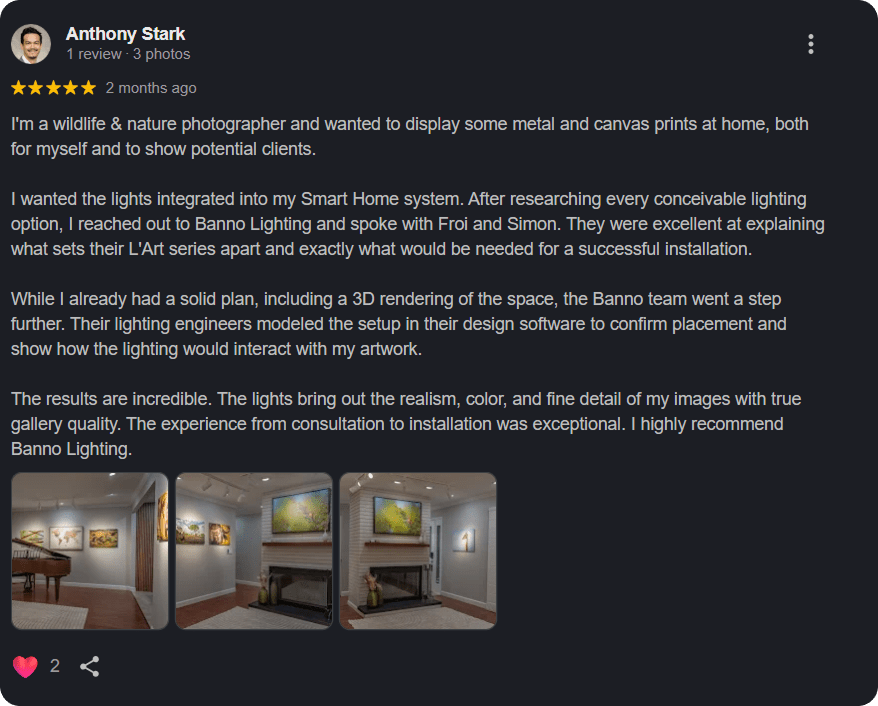
Precision spotlight revealing subtle tonal shifts and brushwork
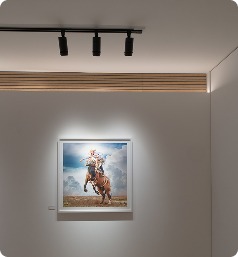
Gallery lights for paintings are not about making walls bright. They are about precision lighting for paintings and artwork, revealing colour, texture, and intent without distortion.
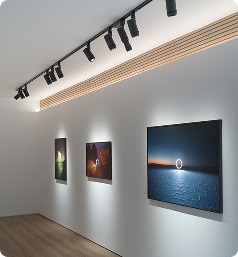
Paintings are among the most sensitive and demanding artworks to light. Subtle tonal shifts, brushwork, surface texture, varnish, and framing all respond differently to light. When lighting is wrong, paintings lose depth and credibility. When lighting is right, they feel alive, confident, and valuable.
This complete art gallery lighting guide explains how gallery lighting for paintings should be approached, why generic picture lights and fittings fail, and how professional systems built around track lighting and specialist solutions such as Zoom, Multi, and Deluxe achieve consistent results that meet museum-grade lighting for paintings.
Paintings demand a different lighting approach
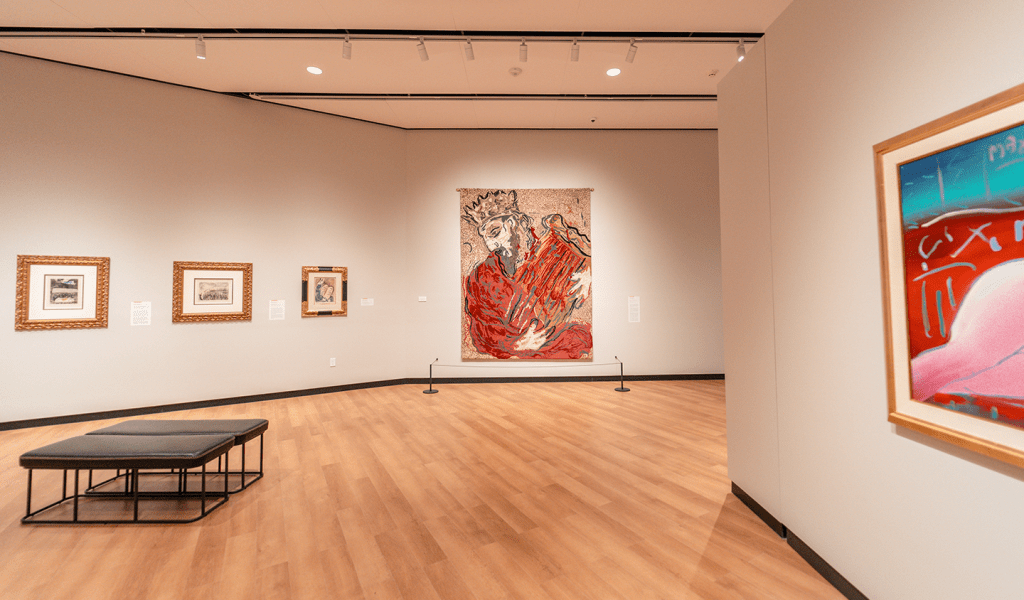
Controlled spotlight enhancing framed painting without distortion
Paintings are not flat objects, even when they appear to be.
Light interacts with:
• Pigment density
• Brushstroke texture
• Canvas weave
• Varnish and glazing
• Frame depth and finish
Poor lighting flattens this complexity. It hides texture, distorts colour, and introduces glare that disrupts viewing.
Professional lighting for paintings in galleries are designed to respect these characteristics rather than overpower them.

4.9-star rated by art collectors and gallery professionals
The painting viewing experience
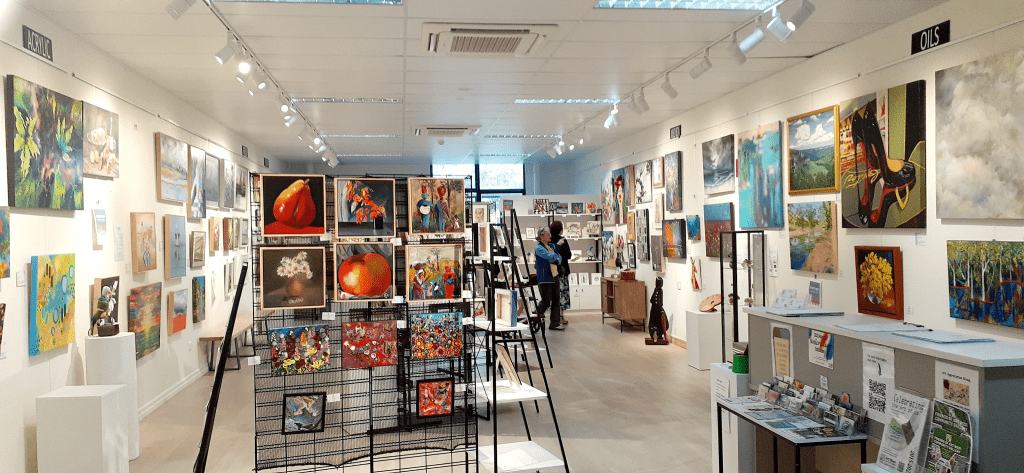
Controlled spotlight enhancing framed painting without distortion
People engage with paintings emotionally and physically.
They step closer.
They step back.
They move side to side.
Lighting must support this movement without causing glare, reflection, or visual fatigue.
Good lighting allows viewers to:
• Read surface detail comfortably
• See colour consistently from different angles
• Focus on the artwork rather than the light
This comfort directly affects how long people engage with a painting and how confident they feel about it.
How lighting affects painting sales?

Refined beam clarity reinforcing value and confidence
Paintings are often the highest value works in a gallery.
Buyers need confidence that:
• Colours are accurate
• Texture is honest
• The painting will translate into another space
Lighting plays a central role in creating that confidence.
Professional gallery lights for paintings:
• Reveal true colour and tonal range
• Enhance depth and surface texture
• Avoid glare on varnish or glass
• Signal professionalism and care
Poor lighting introduces doubt. Buyers may not articulate it, but hesitation grows and decisions slow.
Why generic lights fail paintings?
Many galleries attempt to light paintings with:
• Standard architectural downlights
• Retail track lights
• Domestic picture lights
These solutions are not designed for paintings.
They often suffer from:
• Wide, uncontrolled beams
• Harsh hotspots
• Glare on varnished surfaces
• Inconsistent colour
• Poor framing of artworks
The result is paintings that feel flat, washed out, or visually uncomfortable to view.
Gallery lighting for paintings must start with a plan

Track layout mapped carefully along gallery walls
Professional painting lighting always begins with a lighting plan.
A proper plan considers:
• Wall heights and lengths
• Painting sizes and formats
• Viewing distances
• Track placement relative to walls
• Future exhibition changes
Without a plan, galleries rely on trial and error. Lights are adjusted constantly and still never feel resolved.
A lighting plan ensures paintings are consistently and confidently presented.
Track lighting as the foundation for painting galleries

Clean architectural integration maintaining visual restraint
Track lighting is the dominant infrastructure for lighting paintings in galleries.
It allows:
• Precise aiming for individual paintings
• Easy repositioning as exhibitions change
• Clean ceilings and minimal visual clutter
• Long term flexibility
However, not all track lighting is suitable for paintings.
Gallery track lighting versus generic track lighting

High colour accuracy spotlight enhancing painting clarity
Generic track lights are designed for broad applications. Gallery track lights for paintings are designed for precision.
Gallery grade track lighting prioritises:
• Controlled beam edges
• High colour accuracy
• Minimal glare
• Visual restraint
This difference is immediately visible in how paintings read on the wall.
Beam control is critical for paintings
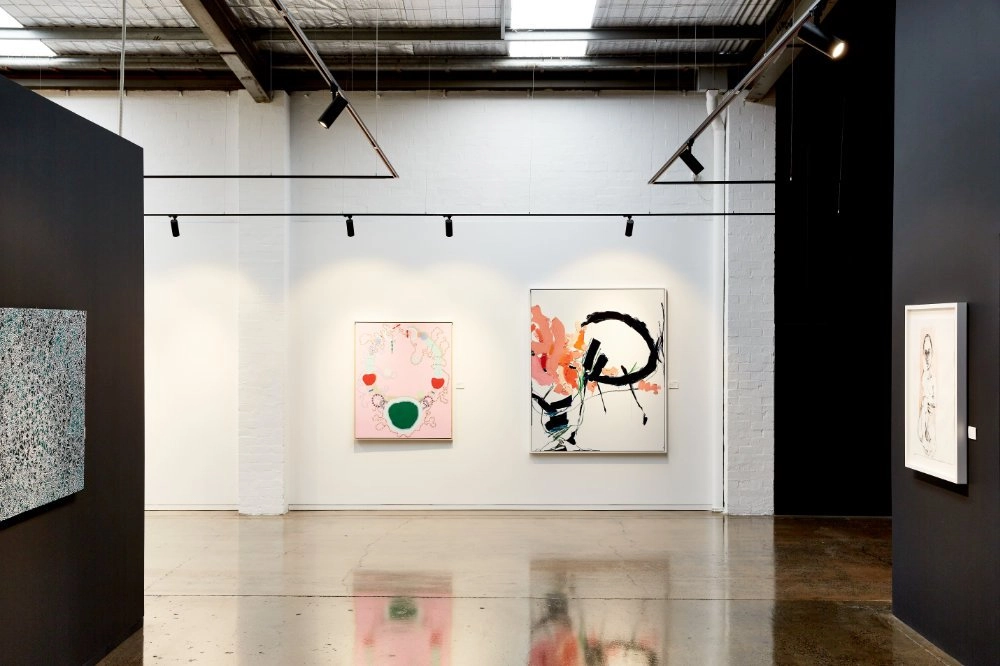
Focused illumination enhancing contrast and depth
Paintings demand precise beam control.
Controlled beams:
• Frame paintings cleanly
• Prevent spill onto adjacent works
• Enhance contrast and depth
• Reduce reflections and glare
Wide beams wash out paintings and reduce impact. Precision beams give paintings presence and clarity.
Zoom lighting for paintings of varying sizes

Flexible lighting solution simplifying gallery rehanging
Zoom lighting systems are ideal for galleries showing paintings of different sizes.
Zoom allows:
• Adjustable beam angles from a single fixture
• Tight framing for small works
• Wider coverage for large paintings
• Fast adaptation during rehanging
This flexibility is invaluable in galleries where wall layouts and painting sizes change regularly.
Zoom lighting reduces the need for multiple fixture types while maintaining professional results.
Multi lighting for curated painting exhibitions

Balanced lighting treatments maintaining overall cohesion
Multi lighting systems are used when painting exhibitions require nuance.
They are particularly effective when:
• Paintings vary significantly in style or medium
• Certain works need emphasis
• Curatorial hierarchy matters
• Master works are present
Multi systems allow galleries to apply different lighting treatments while maintaining cohesion across the space.
Lighting becomes part of the curatorial language rather than a one size fits all solution.
Deluxe lighting for high value paintings

Museum grade spotlight elevating premium painting presentation
Deluxe lighting systems are chosen for galleries showing high value paintings.
They are used where:
• Presentation quality must be unquestionable
• Colour fidelity is critical
• Visual intrusion must be minimal
Deluxe lighting focuses on:
• Exceptional beam quality
• Superior colour stability
• Long term consistency
In these environments, lighting should almost disappear while allowing the painting to command full attention.
Colour temperature for painting galleries

Warm controlled illumination enhancing emotional presence
Most professional galleries light paintings at 3000K.
3000K:
• Feels warm yet neutral
• Preserves colour accuracy
• Supports a wide range of painting styles
• Builds buyer confidence
Some galleries use 2700K selectively on master paintings where warmth enhances emotional presence. Lighting old master paintings correctly requires this to be done carefully, often with Multi control, to avoid yellowing whites or distorting cooler tones.
Cooler temperatures are rarely used for paintings as they flatten tonal nuance.
Glare control on varnished and glazed paintings
Glare is one of the biggest challenges when lighting paintings.
Professional gallery lights address glare through:
• Precision optics
• Proper beam angles
• Correct track placement
• Thoughtful aiming
When glare is controlled, viewers can approach paintings comfortably and engage fully with the surface — a key goal of art lighting techniques for paintings.
Consistency across painting displays

Stable colour output across multiple fixtures
Consistency is critical in painting galleries.
Lighting should:
• Match in colour and intensity across fixtures
• Feel balanced wall to wall
• Remain stable over time
Inconsistent lighting undermines trust and professionalism. Collectors notice when paintings look different under different lights.
Professional systems are designed to maintain consistency.
Long term thinking for painting lighting

Scalable track infrastructure adapting to change
Gallery lights for paintings should be designed once, properly.
A professional system allows:
• Years of exhibitions without replacement
• Easy rehanging
• Reduced maintenance
• Long term cost efficiency
Short term fixes always lead to long term compromise.
Why galleries need specialist guidance for painting lighting?

Professional advice preventing overlighting and glare
Lighting paintings is nuanced.
Without specialist guidance, galleries often:
• Overlight works
• Create glare
• Distort colour
• Lose consistency
A specialist lighting partner provides:
• Painting specific lighting plans
• System level thinking
• Product selection based on artwork needs
• Ongoing support
At Banno Lighting, our role is to guide galleries on how to properly light large paintings so painting lighting becomes a strength rather than a constant challenge.
Gallery lighting as a signal of credibility
Paintings demand respect.
Artists notice how their work is lit.
Collectors notice accuracy and care.
Institutions notice consistency.
Professional gallery lights for paintings signal:
• Curatorial seriousness
• Respect for artwork
• Authority and trust
Poor lighting quietly undermines reputation.
Final perspective on gallery lights for paintings

Balanced illumination enhancing painting presence confidently
Gallery lights for paintings are not decorative accessories. They are part of the artwork’s presentation.
When lighting is done properly:
• Paintings feel present
• Texture and colour are revealed
• Visitors engage longer
• Buyers feel confident
• The gallery’s reputation strengthens
This is the role of professional proper lighting for paintings.
Why galleries choose Banno Lighting?
Galleries work with Banno Lighting because we understand paintings and lighting at a gallery level.
We provide:
• Expert guidance
• Professional lighting plans
• Track based gallery lighting systems
• Zoom, Multi, and Deluxe solutions
• Long term support
If you want best lighting options for paintings that respect the artwork, support sales, and adapt over time, professional systems and guidance are essential.
The Role of Light in Revealing True Colour Accuracy
Accurate colour representation is one of the most critical requirements when lighting paintings. Even slight inconsistencies in lighting can alter how a viewer perceives hue, saturation, and tonal balance. This is particularly important for collectors who rely on what they see in a gallery to make purchasing decisions.
Professional gallery lighting systems are designed with high colour rendering capabilities to ensure that pigments appear as the artist intended. Subtle differences between warm and cool tones, as well as delicate transitions within a composition, must remain intact under artificial light.
Without proper colour accuracy, paintings can appear dull, overly warm, or unnaturally cool. This not only diminishes the visual impact but can also create hesitation in buyers who are unsure whether what they see is reliable. Ensuring consistent and accurate colour presentation builds trust and reinforces the credibility of the gallery environment.
Managing Contrast and Shadow for Visual Depth

Balanced lighting enhancing three-dimensional brushwork and composition depth naturally.
Lighting does more than illuminate; it shapes how depth and contrast are perceived within a painting. The interplay between light and shadow is essential in revealing the dimensional qualities of brushwork and composition.
Well-balanced lighting enhances:
• Contrast between light and dark areas
• Subtle shadowing created by textured paint
• The illusion of depth within the artwork
If lighting is too flat, the painting loses its dimensionality and appears lifeless. On the other hand, overly harsh lighting can exaggerate contrast and distort the artist’s intent.
Professional gallery lighting strikes a balance, using controlled intensity and beam angles to preserve the natural depth of the painting. This allows viewers to experience the artwork as it was meant to be seen, with all its complexity and nuance intact.
The Importance of Viewing Angles in Painting Illumination
Paintings are rarely viewed from a single fixed position. Visitors approach from different angles, distances, and heights, which means lighting must perform consistently across multiple perspectives.
Improper lighting can create:
• Reflections on varnished surfaces
• Glare when viewed from the side
• Uneven brightness across the canvas
To avoid these issues, lighting must be carefully positioned and angled relative to both the artwork and the viewer’s line of sight. This ensures that the painting remains clear and legible regardless of where the viewer stands.
By considering viewing angles during the lighting design process, galleries create a more comfortable and immersive experience. Visitors can move naturally without encountering distracting reflections or losing visual clarity.
Lighting as a Tool for Curatorial Emphasis

Directed illumination guiding visitor movement toward featured gallery focal points.
Not all paintings within an exhibition carry the same weight. Some works are focal points, while others provide context or support the overall narrative. Lighting plays a key role in establishing this hierarchy.
Through subtle adjustments in intensity and beam focus, galleries can:
• Draw attention to key paintings
• Create visual rhythm along walls
• Guide visitors through the exhibition
This approach transforms lighting into a curatorial tool rather than a purely technical requirement. It allows galleries to communicate intention and direct engagement without the need for overt signage or instruction.
When used effectively, lighting helps tell the story of the exhibition, ensuring that important works receive the attention they deserve while maintaining balance across the space.
Reducing Visual Fatigue in Long Viewing Sessions
Galleries often expect visitors to spend extended periods engaging with artworks. In such environments, lighting must be comfortable and non-intrusive.
Poor lighting conditions can lead to:
• Eye strain
• Difficulty focusing on details
• Reduced engagement over time
Professional lighting addresses these issues by maintaining balanced brightness levels, minimising glare, and ensuring smooth transitions between illuminated areas.
Comfortable lighting encourages visitors to stay longer, explore more deeply, and engage more meaningfully with the paintings. This not only enhances the overall experience but also increases the likelihood of sales and positive impressions.
Integrating Lighting with Gallery Architecture

Integrated lighting systems becoming invisible to prioritize the artwork presence.
Lighting should work in harmony with the architectural features of the gallery rather than competing with them. Clean ceiling lines, discreet fixtures, and thoughtful placement all contribute to a cohesive visual environment.
A well-integrated lighting system:
• Maintains a minimal and uncluttered ceiling appearance
• Aligns with structural elements such as beams and walls
• Supports the overall design language of the space
When lighting feels integrated, it becomes almost invisible. The focus remains entirely on the paintings, which is the ultimate goal of any gallery environment.
This level of integration requires careful planning and coordination between lighting design and architectural layout from the outset.
Adapting Lighting for Different Painting Styles
Different styles of painting respond uniquely to light. For example, heavily textured works benefit from angled lighting that enhances shadow and depth, while smooth, minimal works may require softer, more even illumination.
Considerations include:
• Impasto techniques that require shadow definition
• Glossy or varnished finishes that increase reflectivity
• Dark tonal works that need careful contrast management
• Light, delicate works that can be easily overpowered
A flexible lighting system allows galleries to adapt to these variations without compromising overall consistency. This adaptability is essential for galleries that host diverse exhibitions.
Supporting Long Term Artwork Preservation

Controlled LED sources protecting sensitive pigments from fading over time.
While presentation is the primary focus, lighting must also consider the long term preservation of paintings. Excessive exposure to light, particularly certain wavelengths, can contribute to fading and material degradation over time.
Professional lighting systems address this by:
• Using controlled LED sources with stable output
• Minimising unnecessary exposure
• Maintaining appropriate intensity levels
This ensures that paintings are not only displayed beautifully but also protected for future generations. Balancing visibility and preservation is a fundamental responsibility in gallery lighting design.
Enhancing Perceived Value Through Lighting Precision
Lighting has a direct impact on how value is perceived. Paintings presented under precise, controlled lighting appear more refined and intentional.
This perception is influenced by:
• Clean framing of the artwork with light
• Absence of visual distractions
• Consistent presentation across the gallery
When lighting communicates care and precision, it elevates the perceived quality of both the artwork and the gallery itself. This subtle effect can significantly influence buying behaviour.
Collectors are more likely to invest when the presentation reinforces the importance and integrity of the work.
Creating a Cohesive Exhibition Atmosphere

Seamless transitions between different exhibition zones for a grounded experience.
Beyond individual paintings, lighting contributes to the overall atmosphere of an exhibition. It sets the tone and influences how the space is experienced as a whole.
A cohesive lighting approach ensures:
• Smooth transitions between different areas
• Balanced illumination across walls
• A unified visual identity
This consistency helps visitors feel grounded and comfortable as they move through the gallery. It also reinforces the professionalism of the exhibition.
Lighting should never feel random or disconnected. Every fixture and beam should contribute to a larger, coherent experience.
The Subtle Influence of Lighting on Decision Making
Many aspects of gallery lighting operate below conscious awareness, yet they have a powerful influence on decision making.
Subtle cues created by lighting include:
• A sense of trust in what is being seen
• Emotional engagement with the artwork
• Confidence in the gallery’s professionalism
These factors combine to create an environment where buyers feel comfortable making decisions. Even when visitors cannot articulate why they feel confident, lighting often plays a central role.
Understanding this influence allows galleries to use lighting strategically to support both experience and sales outcomes.
Preparing Galleries for Future Exhibitions

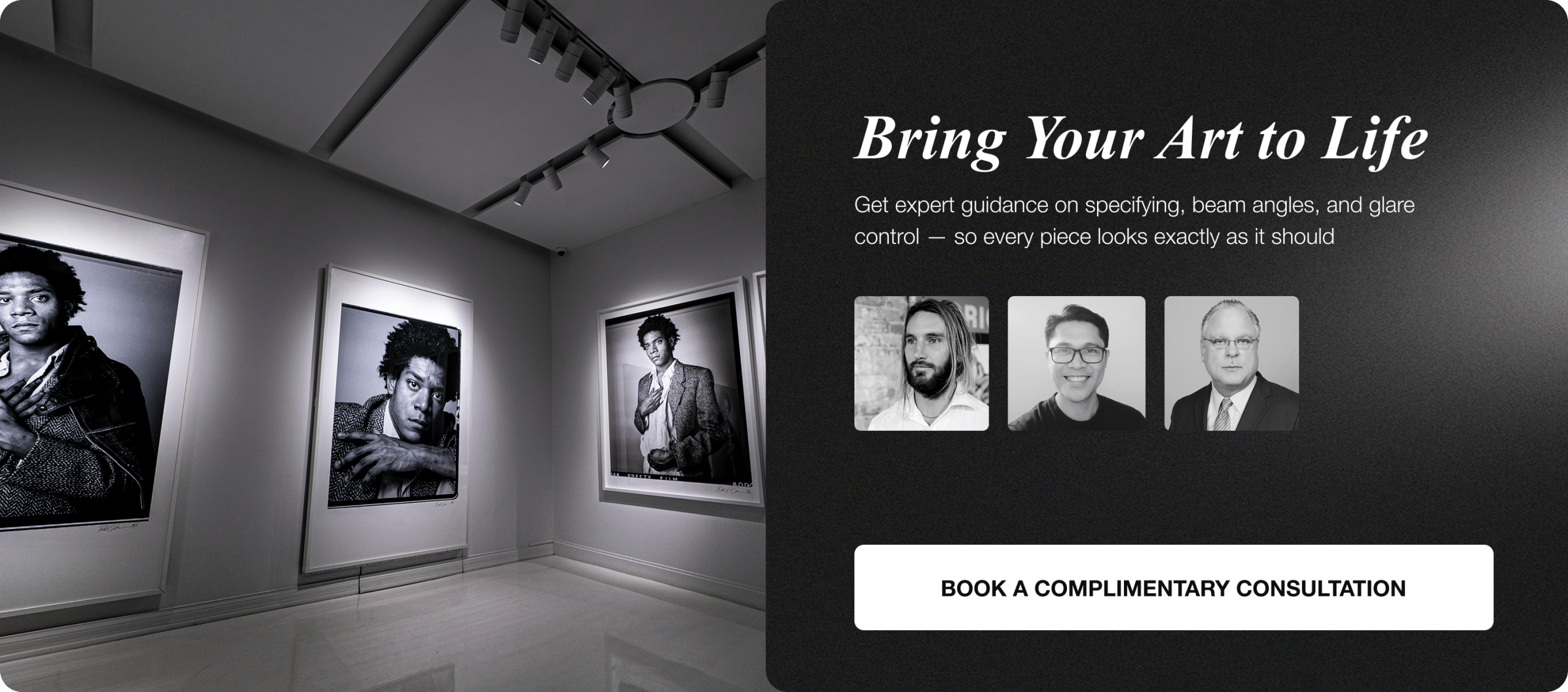
Scalable lighting infrastructure supporting various exhibition sizes and art formats.
A well-designed lighting system is not limited to a single exhibition. It must support the evolving needs of the gallery over time.
Future-proof lighting systems provide:
• Flexibility for different painting sizes and layouts
• Consistent performance across changing exhibitions
• Ease of adjustment without technical complexity
This adaptability reduces the need for frequent upgrades or replacements, allowing galleries to focus on curatorial work rather than technical challenges.
Planning for the future ensures that lighting remains an asset rather than a limitation.
Reinforcing Brand Identity Through Lighting
Lighting contributes to how a gallery is perceived as a brand. Consistent, high-quality lighting creates a recognisable visual identity that distinguishes a gallery from others.
This identity is built through:
• Consistent lighting style across exhibitions
• Reliable presentation of artworks
• Attention to detail in every installation
Over time, this consistency builds trust with artists, collectors, and institutions. Lighting becomes part of the gallery’s signature, reinforcing its reputation and positioning within the art world.
Final Addition to Painting Lighting Strategy

Optimized viewing environments where paintings are understood and appreciated fully.
Lighting paintings at a professional level requires a balance of technical precision, aesthetic sensitivity, and long-term thinking. Every decision, from beam angle to colour temperature, contributes to how the artwork is experienced and valued.
When galleries invest in proper lighting systems and thoughtful design, they create an environment where paintings can be seen clearly, understood deeply, and appreciated fully. This not only enhances the visitor experience but also strengthens the gallery’s ability to present, sell, and sustain high-quality artwork over time.
FAQs
1. Why do paintings require a different lighting approach than other artworks?
Paintings are unique because light interacts with varying pigment densities, brushstroke textures, and canvas weaves. Unlike flat objects, the "topography" of a painting (like impasto) creates tiny shadows that require precise angles to reveal depth without washing out detail.
2. How does professional lighting protect the financial value of a painting?
Value is tied to condition and perception. Professional systems use museum-grade LEDs that minimize UV and infrared radiation, preventing fading. Furthermore, high-quality light reveals the "honesty" of the work, building the buyer confidence necessary for high-value sales.
3. What is the "30-degree rule" for lighting framed paintings?
To minimize glare—especially on varnished or glass-covered works—lights are typically aimed at a 30-degree angle from the vertical. This ensures reflections bounce toward the floor rather than into the viewer's eyes.
4. Can I use standard "picture lights" for a professional gallery display?
Generic picture lights often create "hotspots" at the top of the frame and leave the bottom in shadow. They also lack the color accuracy (CRI) needed to show pigments truthfully. Professional track systems provide even, edge-to-edge illumination.
5. Why is 3000K considered the standard color temperature for paintings?
3000K offers a "warm-neutral" balance. it is warm enough to make the environment feel inviting but neutral enough to ensure whites don't look yellow and blues don't look muddy, preserving the artist's original intent.
6. When should I consider using 2700K for paintings?
2700K is often reserved for "Old Masters" or classical works. The extra warmth enhances the emotional presence of earth tones and gold frames, though it must be used carefully to avoid distorting cooler highlights.
7. What are the benefits of "Zoom" fixtures for rotating exhibitions?
Zoom fixtures allow you to manually adjust the beam spread. This means you can tightly frame a small portrait or widen the beam for a large-scale landscape using the same fixture, making rehanging much faster and more efficient.
8. How do I prevent glare on heavily varnished oil paintings?
Beyond the 30-degree rule, professional glare control relies on precision optics. Using "honeycomb louvers" or "snoots" on track heads can further restrict stray light, ensuring the beam only hits the canvas.
9. What is High CRI, and why is it non-negotiable for art?
CRI (Color Rendering Index) measures how accurately a light reveals colors. Galleries require a CRI of 95 or higher. Low CRI lighting makes expensive pigments look "flat" or "dead," which can directly result in lost sales.
10. How does lighting reveal the texture of a brushstroke?
By using directional "point source" lighting rather than diffuse ambient light, the shadows created by the peaks and valleys of the paint (impasto) become visible, adding a three-dimensional quality to the canvas.
11. Why is a lighting plan more important than the fixtures themselves?
A plan accounts for the relationship between ceiling height and wall distance. Without a plan, you might install tracks too close to the wall (causing steep shadows from frames) or too far away (causing glare).
12. How does lighting influence a buyer’s decision-making process?
Subtle cues—like a lack of visual fatigue and a "trust" in the color accuracy—allow buyers to stay longer and engage emotionally. If a buyer can't see the detail clearly, they are less likely to commit to a purchase.
13. How do you light a very large painting without multiple "hotspots"?
Large works often require "wall washing" techniques or multiple fixtures with overlapping, soft-edge beams to create a single, seamless field of light across the entire surface.
14. Can modern LED lights cause paintings to fade?
While LEDs are much safer than halogen (which emits high heat and UV), any light can cause damage over time. Professionals manage this by keeping light levels (lux) at appropriate conservation standards for sensitive pigments.
15. What is the "Multi" lighting system mentioned in the guide?
Multi systems allow you to apply different lighting "scenes" or treatments within the same track. This is perfect for curated shows where some paintings need a dramatic spotlight while others require a softer, more ambient feel.
16. How does lighting help establish a curatorial hierarchy?
By making "hero" paintings slightly brighter (or using a tighter beam) than secondary works, curators can lead the viewer's eye through the exhibition narrative without using overt signage.
17. Why should I avoid "cool" color temperatures (4000K+) for art?
Cooler light can feel clinical and "office-like." It often flattens the tonal nuance of a painting, making the space feel uninviting and reducing the "preciousness" of the artwork.
18. Does professional lighting help a painting "translate" to a collector’s home?
Yes. High-quality gallery lighting reveals the "truth" of the color. If a painting is lit poorly in a gallery, it may look completely different (and disappointing) once it is hung in a collector's private space.
19. What is the "Deluxe" lighting option?
Deluxe systems represent the highest tier of stability and beam quality. They are typically used for high-value "investment" art and flagship galleries where the lighting hardware must be as discreet and high-performing as possible.
20. Why is track lighting the preferred infrastructure for art?
It offers total flexibility. Because painting sizes and positions change with every show, a track system allows you to click fixtures in and out and move them along the line without calling an electrician.
What art collectors and gallery clients say about us