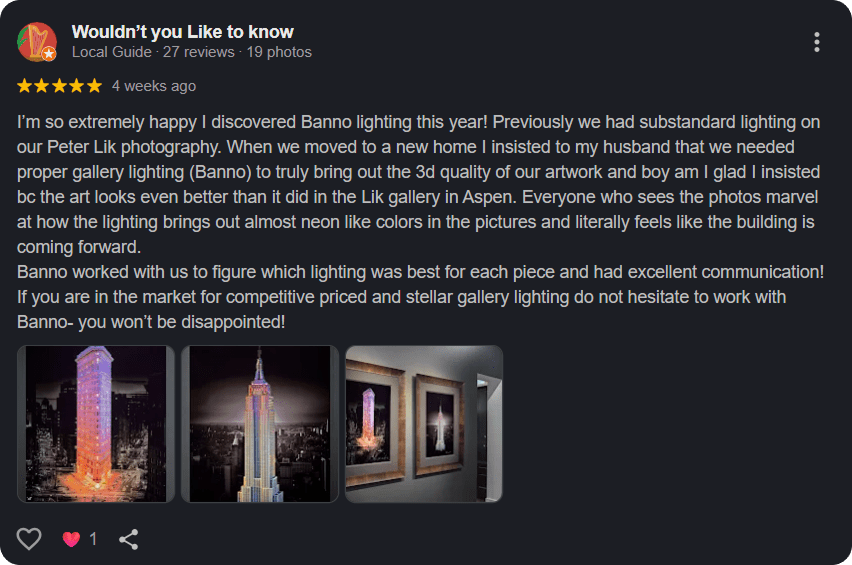
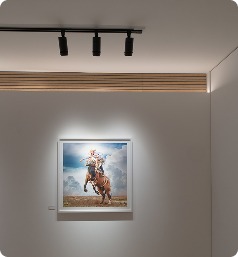
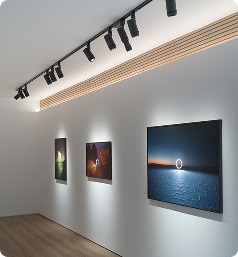
Gallery with precision track lighting on paintings
This expert guide to lighting museums and galleries explains how museum lights are specialised lighting systems designed to illuminate artwork, artefacts, and exhibitions with precision, consistency, and conservation in mind. Unlike standard commercial or residential lighting, museum lighting must balance visual presentation with long-term preservation, ensuring that artworks are displayed beautifully without causing damage over time.
For museums, galleries, collectors, and luxury interiors, the quality of lighting directly influences how art is perceived. Proper museum lights enhance colour accuracy, reveal texture, and create a controlled viewing experience that reflects professional exhibition standards.
What Are Museum Lights?

Close-up of high-CRI museum spotlight fixture
Museum lights are high-performance lighting fixtures engineered specifically for illuminating paintings, sculptures, and sensitive historical objects. These lights typically feature high colour rendering, controlled beam angles, low heat output, and minimal ultraviolet (UV) emission.
Unlike generic lighting, museum-grade lighting is designed to:
- Preserve delicate materials such as canvas, paper, and textiles
- Deliver accurate colour representation
- Provide even, glare-free illumination
- Maintain consistent lux levels across displays
This is why museums and high-end galleries rely on specialised lighting systems rather than decorative fixtures or standard ceiling lights.

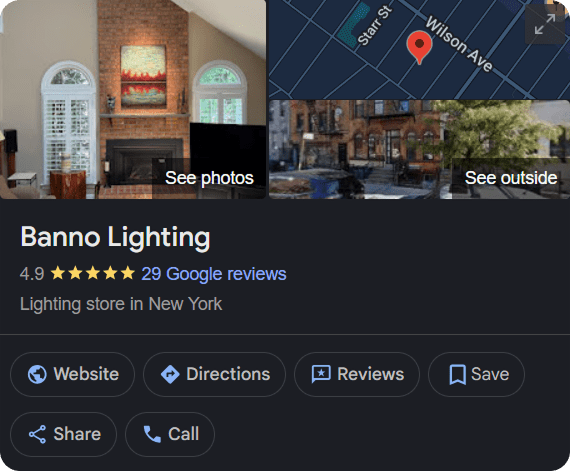
5-Star Google Review for Our Art Lighting Solutions
Why Museum Lighting Is Different from Regular Lighting
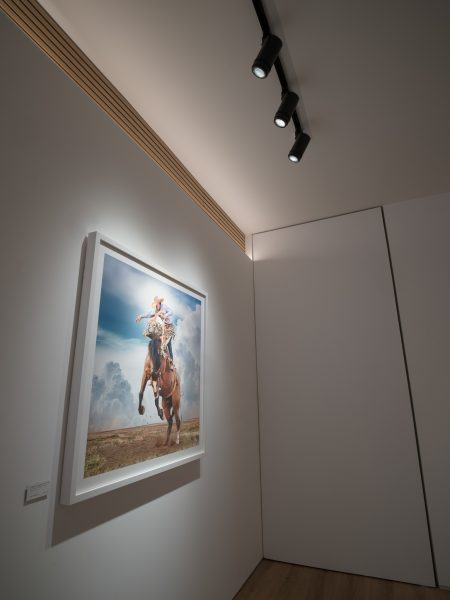
Artwork under precise museum beam control
Standard lighting is built for general visibility. Museum lighting is built for visual storytelling and conservation. The goal is not just to make objects visible, but to present them exactly as intended by the artist or curator.
Key differences include:
- Higher CRI for true colour accuracy
- Precise optical control for focused illumination
- Reduced UV and infrared exposure
- Adjustable brightness to meet conservation standards
- Uniform light distribution across exhibition surfaces
Poor lighting can flatten colours, create glare on glass frames, and visually diminish the impact of important artworks.
Museum Lighting for Paintings and Artwork

Even edge-to-edge lighting on framed canvas
Paintings require soft, controlled illumination that reveals depth, brushwork, and tonal variation without causing reflections or hotspots. Museum lights for paintings are typically mounted above or angled toward the artwork to ensure balanced coverage.
Best practices for lighting paintings include:
- Using high CRI (95+) LED museum lights
- Maintaining appropriate lux levels
- Positioning lights at a 30-degree angle
- Avoiding direct frontal glare
- Ensuring even edge-to-edge illumination
This approach ensures the artwork remains the focal point while preserving its condition over time.
Museum Lighting Design and Lux Levels

Dimmed museum lighting protecting sensitive watercolours
Professional museum lighting design is guided by strict lux level recommendations to protect sensitive materials. Excessive brightness can accelerate fading and deterioration, especially for watercolours, prints, and historical documents.
Typical museum lighting lux guidelines:
- Highly sensitive works (paper, textiles): 50 lux
- Moderately sensitive works (paintings, wood): 150–200 lux
- Durable objects (stone, metal): up to 300 lux
Museum lights are often dimmable and adjustable to meet these conservation standards while maintaining excellent visual clarity.
Colour Temperature in Museum Lighting
Colour temperature plays a major role in how artwork appears under museum lights. The most commonly used range in museums is between 2700K and 3000K, as it provides a warm, natural appearance without distorting colours.
Warmer temperatures (2700K–3000K) are ideal for:
- Classical paintings
- Oil artworks
- Historic collections
Neutral temperatures (3000K–3500K) are often used for:
- Contemporary galleries
- Photography exhibitions
- Mixed media displays
Choosing the correct colour temperature ensures visual harmony and authenticity in presentation.
Museum Lighting Fixtures and Systems

Track lighting system in modern ceiling
Modern professional museum and gallery lighting systems typically include a combination of track lights, spotlights, display case lighting, and picture lights. Each serves a specific purpose depending on the exhibition layout and artwork type.
Common museum lighting fixtures:
- Track lighting for flexible exhibitions
- Spotlights for feature artworks
- Display case lighting for artefacts
- Picture lights for framed pieces
- Recessed lighting for ambient balance
A layered lighting system creates depth and a refined exhibition environment.
Zoom, Multi, and Deluxe Museum Lighting Solutions

Evenly lit gallery wall with multiple artworks
Zoom Series Museum Lights
The Zoom series museum lights are designed for precision-focused illumination where beam control is critical. With adjustable optics, curators and designers can fine-tune the beam angle to match the exact size of the artwork or object. This makes Zoom lights ideal for museums, galleries, and collectors who require targeted lighting for individual masterpieces. The result is sharp, controlled light that enhances texture, colour accuracy, and visual depth without excessive spill or glare.
Multi Series Museum Lights
The Multi series museum lights are engineered for broader coverage and uniform illumination across larger exhibition walls or multiple artworks. These fixtures are particularly effective in gallery environments where consistency is essential. By delivering even light distribution, the Multi series ensures cohesive presentation while maintaining museum-grade colour accuracy and visual comfort for viewers.
Deluxe Series Museum Lights
The Deluxe series represents a premium, museum-grade lighting solution built for high-value collections and luxury exhibition spaces. Featuring ultra-high CRI, refined optical engineering, and elegant design, these lights provide exceptional clarity and conservation-friendly illumination. The Deluxe series is ideal for museums, collectors, and architectural projects where both preservation and presentation must meet the highest professional standards.
Museum Display Lighting and Case Lighting

Glare-free lighting inside glass display case
Museum display lights are essential for illuminating artefacts housed in glass cases. These lighting systems must be carefully designed to avoid reflections, overheating, and uneven brightness.
Effective museum case lighting focuses on:
- Low heat emission
- Soft, indirect illumination
- Hidden fixture integration
- Glare-free viewing angles
This ensures visitors can view artefacts clearly without visual discomfort or conservation risks.
LED Museum Lights and Conservation Benefits

Conservation-safe lighting in art gallery
LED technology has become the preferred choice for museum lighting due to its stability and safety. Unlike halogen lighting, LED museum lights emit minimal UV and infrared radiation, reducing the risk of long-term damage to sensitive artworks.
Benefits of LED museum lights:
- Lower energy consumption
- Reduced maintenance
- Minimal heat output
- Stable colour consistency
- Long operational lifespan
These advantages make LED lighting the global standard for modern museums and galleries.
Museum Lighting for Galleries, Collectors, and Luxury Homes

Private art collection with museum-style lighting
Museum-grade lighting for paintings and collections is no longer limited to institutional settings. High-end residential projects and private collectors increasingly use museum lights to elevate their artwork presentation.
Applications include:
- Private art collections
- Luxury residences
- Showrooms and exhibitions
- Hospitality and cultural spaces
- Architectural feature walls
Museum lighting transforms artwork into a focal experience rather than a decorative afterthought.
Common Mistakes in Museum Lighting
Using overly bright lighting, low-CRI fixtures, or incorrect beam angles can significantly reduce the visual impact of an exhibition. Another common mistake is relying on general ceiling lights instead of dedicated museum lighting systems.
Mistakes to avoid:
- Uneven illumination across artwork
- Excessive glare on framed pieces
- Incorrect colour temperature
- Lack of dimming control
- Ignoring conservation lux standards
Professional museum lights eliminate these issues through precision engineering and controlled performance.
The Future of Museum Lighting Technology
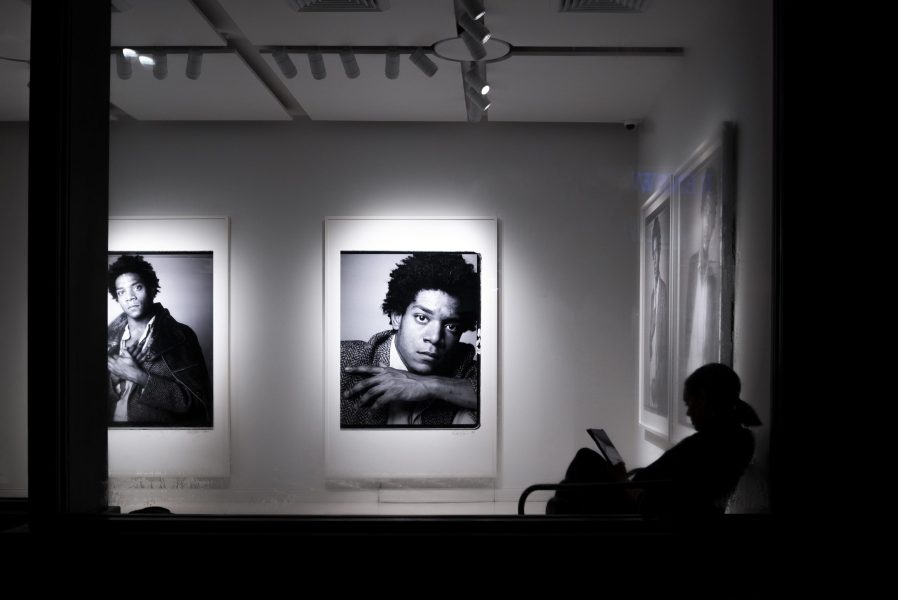
Adaptive LED lighting in modern exhibition space
Museum lighting continues to evolve with advancements in smart controls, precision optics, and conservation-focused LED technology. Modern systems now allow remote dimming, programmable lighting scenes, and adaptive illumination based on exhibition requirements.
As museums and collectors place greater emphasis on preservation and presentation, specialised museum lights will remain a critical component of exhibition design and cultural display.
FAQ: Museum Lights
What are museum lights called?
Museum lights are commonly referred to as museum lighting fixtures, gallery lights, art display lights, or museum-grade lighting systems designed specifically for artwork and exhibition illumination.
What type of lighting do museums use?
Most museums use high-CRI LED lighting systems, including track lights, spotlights, and display case lighting, to ensure accurate colour rendering and conservation-safe illumination.
Are LED museum lights safe for paintings?
Yes, high-quality LED museum lights emit very low UV and infrared radiation, making them safe for paintings, prints, and sensitive artworks when used within recommended lux levels.
What lux level is recommended for museum lighting?
Sensitive materials like paper and textiles are typically displayed at around 50 lux, while paintings and less sensitive objects may be illuminated between 150 and 200 lux.
What colour temperature is best for museum lighting?
A colour temperature between 2700K and 3000K is most commonly used in museums, as it provides a natural and accurate representation of artwork colours.
Can museum lights be used in homes?
Yes, museum-style lighting is increasingly used in luxury homes and private collections to achieve gallery-quality artwork presentation and professional visual impact.
Why is high CRI important in museum lights?
High CRI ensures that artwork colours appear accurate and vibrant, preserving the artist’s intended visual expression without colour distortion.
Do museum lights produce heat?
Premium LED museum lights produce minimal heat compared to traditional halogen lighting, making them safer for delicate and high-value artworks.
What is the difference between gallery lighting and museum lighting?
Gallery lighting focuses on presentation and flexibility, while museum lighting places stronger emphasis on conservation, controlled lux levels, and long-term preservation of artefacts.
Are dimmable museum lights necessary?
Yes, dimmable museum lights are highly recommended because they allow precise control over brightness levels, ensuring both optimal viewing conditions and artwork protection.
Advanced Museum Lighting Standards for Professional Exhibitions

Controlled lighting setup in professional exhibition
Museum lights are not chosen based on aesthetics alone. In professional environments, lighting decisions are guided by conservation science, curatorial intent, and strict international lighting standards. The purpose of museum lighting is to present artwork in its most authentic form while preventing long-term deterioration caused by excessive exposure to light, heat, and ultraviolet radiation.
Institutions, collectors, and lighting designers all follow structured lighting frameworks to ensure that museum lighting remains both visually refined and conservation-safe. This is especially important for rare paintings, historical artefacts, and archival materials that are highly sensitive to environmental conditions.
Museum Lighting and Conservation Requirements

High-CRI lighting revealing true artwork colours
One of the most critical roles of museum lights is preservation. Light exposure, even from high-quality sources, can gradually cause fading and material degradation if not properly controlled. This is why museums carefully monitor lux levels, exposure duration, and spectral output.
Conservation-focused museum lighting typically prioritises:
- Low UV emission
- Low infrared radiation
- Stable light output
- Controlled exposure time
- Accurate colour rendering
By using specialised LED museum lights, institutions can significantly reduce the risk of fading while maintaining exceptional visual clarity.
Museum Lighting Guidelines and Professional Standards

Uniform lighting on multiple framed artworks
International museum lighting guidelines recommend precise illumination strategies based on the sensitivity of displayed objects. Curators and lighting designers often collaborate to ensure that each exhibition space meets conservation and presentation requirements.
Key museum lighting standards include:
- Limiting light exposure for sensitive works
- Using dimmable and adjustable fixtures
- Maintaining consistent colour temperature
- Avoiding direct light hotspots
- Ensuring uniform illumination across displays
These standards help preserve cultural heritage while enhancing the visitor experience.
Museum Lighting Design for Exhibition Spaces
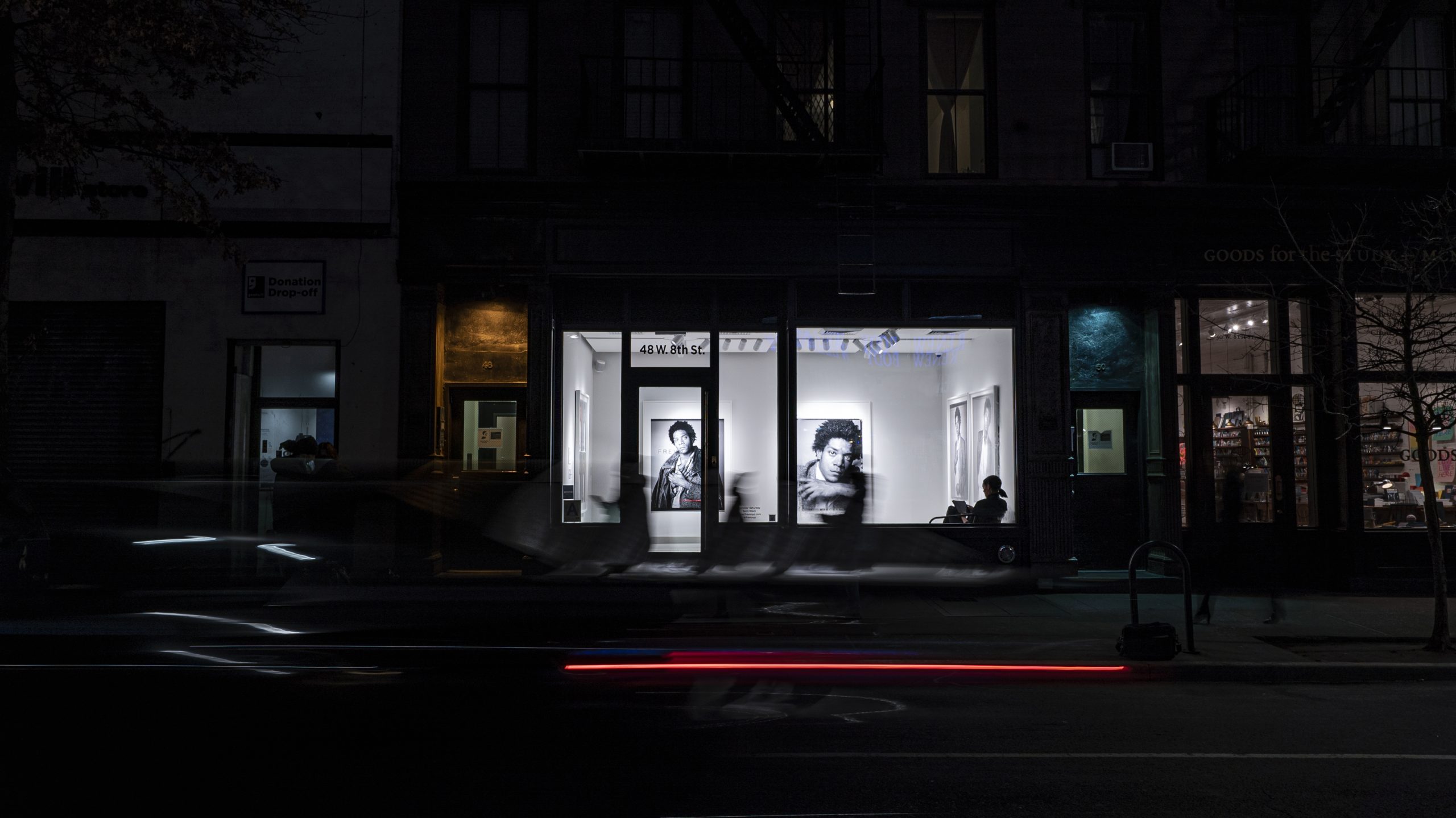
Layered lighting in contemporary gallery
Museum lighting design follows professional museum lighting principles, carefully considering spatial layout, visitor flow, artwork placement, and architectural elements. Unlike standard lighting plans, museum lighting must be adaptable to changing exhibitions and rotating collections.
Effective museum lighting design involves:
- Layered lighting systems (ambient, accent, and display lighting)
- Flexible track lighting for curatorial adjustments
- Precise spotlighting for focal artworks
- Subtle ambient lighting for atmosphere
This layered approach creates depth, visual hierarchy, and a more immersive exhibition environment.
Museum Track Lights and Spotlighting Techniques

Adjustable track spotlight highlighting artwork
Track lighting is widely used in museums because it allows curators to position precision lights for museum artworks and exhibits with exceptional flexibility and control. As exhibitions change, these adjustable museum track lights can be repositioned and fine-tuned without requiring structural modifications.
Spotlighting techniques in museums focus on:
- Highlighting key artworks
- Creating visual emphasis
- Controlling beam spread
- Eliminating shadows and glare
Professional museum lights often feature interchangeable optics, allowing curators to adapt the beam angle depending on the artwork size and medium.
Museum Lighting for Different Exhibition Types

Evenly illuminated gallery wall display
Fine Art Exhibitions
Fine art exhibitions require soft, high-CRI illumination, which is why curators carefully select the best fixture types for museum lighting to accurately reveal colour, brushwork, and texture. Even illumination is essential to avoid distracting hotspots or uneven brightness.
Historical Artefacts and Archives
Sensitive artefacts such as manuscripts, textiles, and historical documents require extremely low lux levels and carefully filtered lighting to prevent irreversible damage.
Contemporary and Multimedia Exhibitions
Modern exhibitions may use dynamic museum lighting systems that integrate adjustable brightness and programmable scenes while still maintaining conservation standards.
Museum Lighting Systems and Smart Control Technology

Precision LED fixtures with stable light output
Modern museum lights increasingly incorporate smart control systems that allow precise adjustment of brightness, colour temperature, and exposure duration. This level of control ensures that lighting can be adapted to different exhibitions without compromising conservation requirements.
Smart museum lighting systems offer:
- Remote dimming capabilities
- Scene-based lighting presets
- Automated scheduling
- Energy monitoring
- Consistent light calibration
These technologies improve operational efficiency while maintaining museum-grade presentation standards.
Museum Lighting Colour Accuracy and CRI Importance

Premium fixture designed for longevity and performance
Colour Rendering Index (CRI) is one of the most important technical metrics in museum lighting. A high CRI rating ensures that artwork colours appear natural and true to the artist’s original intent.
Museum-grade lighting typically features:
- CRI 90+ for professional applications
- CRI 95–97+ for fine art and conservation environments
Low-CRI lighting can distort colours, flatten tonal depth, and negatively affect how visitors perceive artwork.
Museum Lighting and Visitor Experience
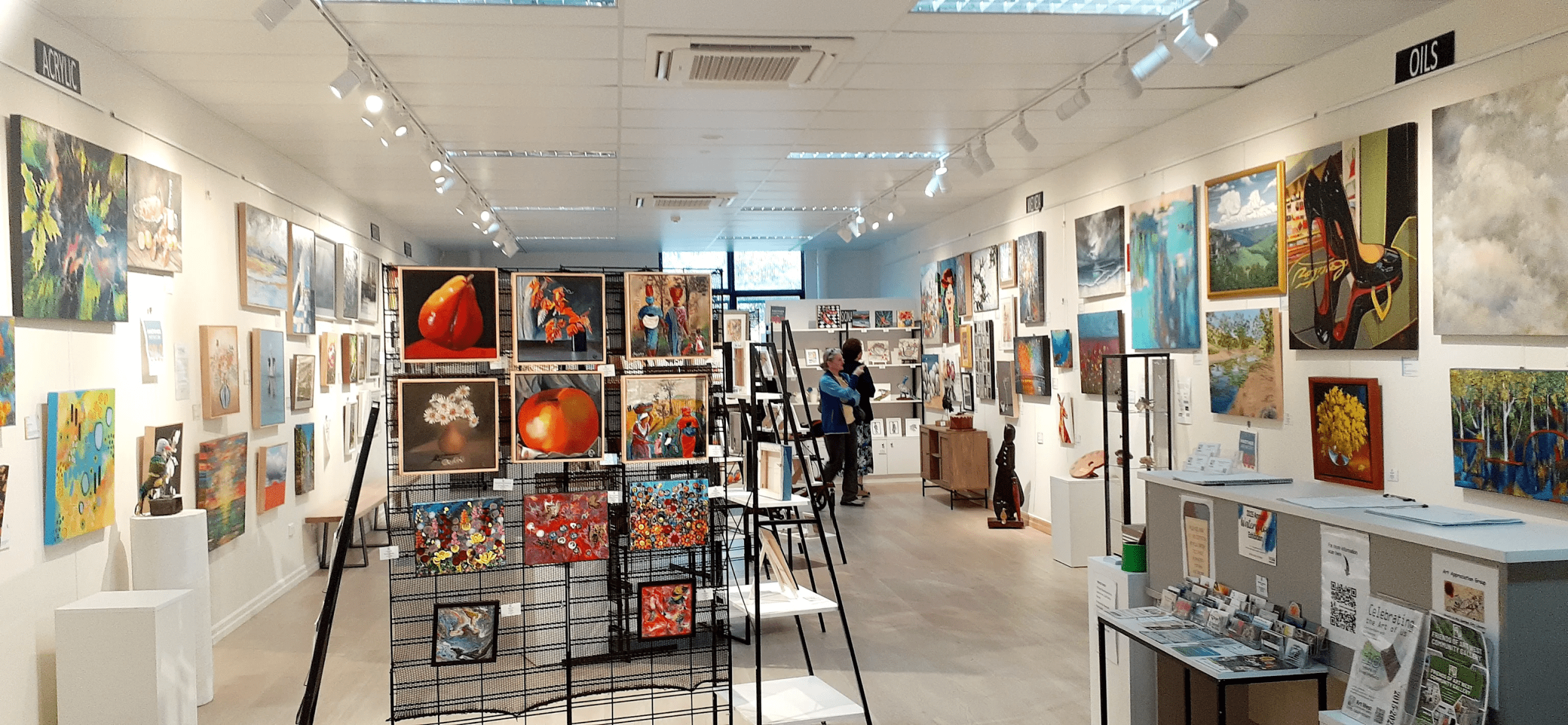
Visitors viewing art under balanced lighting
Lighting plays a powerful psychological role in how visitors engage with exhibitions. Proper museum lights guide attention, create emotional impact, and enhance storytelling within the space.
Well-executed museum lighting improves:
- Visual comfort
- Engagement with exhibits
- Perceived quality of the collection
- Overall exhibition atmosphere
Balanced illumination ensures that visitors can view artwork clearly from multiple angles without eye strain or distraction.
Museum Ceiling Lights and Ambient Balance
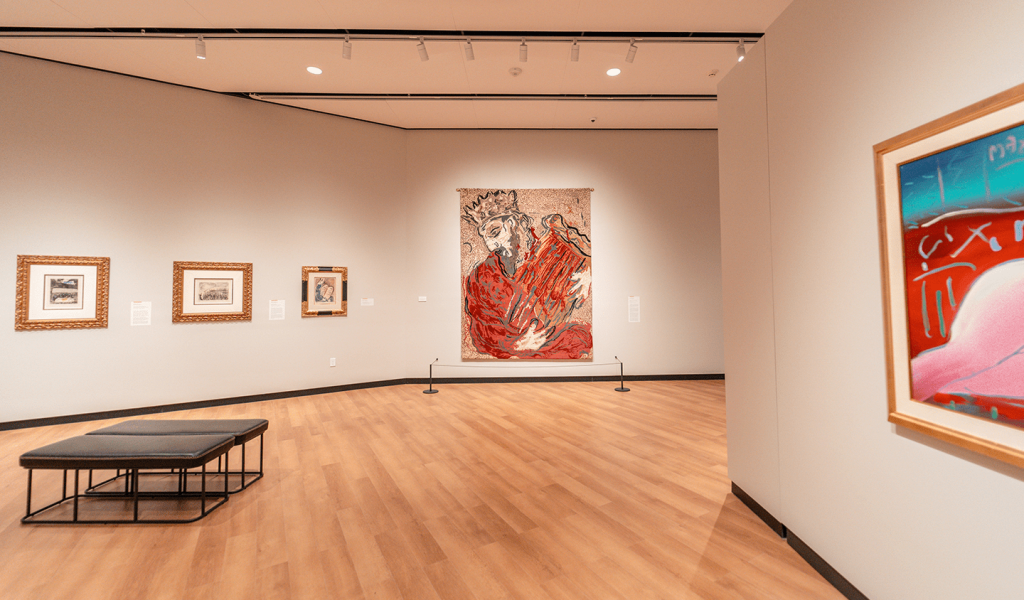
Recessed ceiling lights supporting gallery display
While accent lighting is essential, ambient museum lighting also plays a supporting role. Ceiling lights provide overall illumination that complements display lighting without overpowering focal pieces.
The goal of ambient museum lighting is to:
- Maintain visual balance within galleries
- Support safe navigation for visitors
- Prevent harsh contrast between lit and unlit areas
A refined balance between ambient and accent lighting creates a cohesive exhibition environment.
Museum Lighting for Display Cases and Glass Enclosures

Adjustable LED lighting inside glass display case
Display case lighting requires specialised museum lights that minimise reflections and heat buildup. Artefacts displayed in enclosed cases are particularly sensitive to environmental changes, making low-heat LED lighting essential.
Best practices for museum case lighting include:
- Concealed lighting integration
- Diffused illumination
- Controlled brightness levels
- Glare-free positioning
This approach ensures artefacts remain clearly visible while maintaining conservation safety.
Museum Lighting Solutions for Architects and Designers
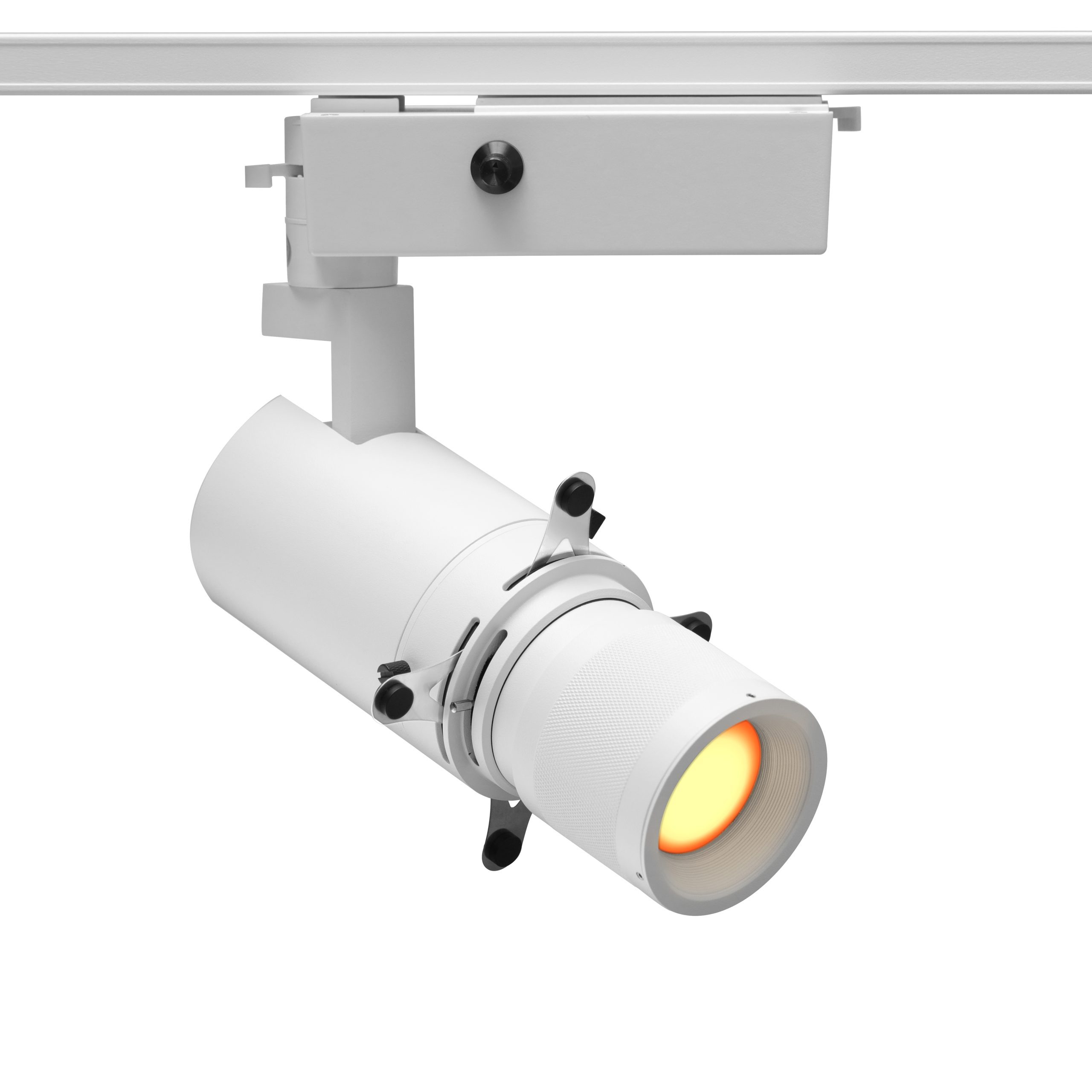
Premium art lighting with refined visual impact
Architects and lighting designers increasingly specify museum lights in luxury residential and commercial projects. Museum-style lighting provides a refined, gallery-quality presentation that elevates interior design and enhances artwork value.
Design professionals prefer museum lighting solutions because they offer:
- Precision optical control
- Elegant fixture design
- Long-term reliability
- High-end visual impact
This makes museum lights ideal for showrooms, cultural institutions, and premium interior spaces.

Energy Efficiency and Sustainability in Museum Lighting

Energy-efficient LED track lighting system
Sustainability is a growing priority in modern museums. LED museum lights consume significantly less energy than traditional lighting systems while delivering superior performance and longevity.
Sustainable benefits include:
- Reduced energy consumption
- Lower maintenance requirements
- Long operational lifespan
- Reduced environmental impact
Energy-efficient museum lighting systems align with both conservation and sustainability goals.
Museum Lighting Maintenance and Long-Term Performance

Properly maintained fixtures preserving exhibition quality
Consistent maintenance is essential to ensure museum lights continue performing at optimal levels. Over time, lighting fixtures may require recalibration, cleaning, or repositioning to maintain uniform illumination across exhibitions.
Maintenance considerations include:
- Regular fixture inspections
- Light output consistency checks
- Optical lens cleaning
- System recalibration for new exhibitions
Proper maintenance preserves both lighting quality and artwork presentation standards.
Additional FAQ: Museum Lights
Why are museum lights dimmer than regular lighting?
Museum lights are intentionally dimmer to protect sensitive artworks from excessive light exposure that can cause fading and deterioration over time.
What lighting do museums use for paintings?
Museums typically use high-CRI LED spotlights and picture lights with controlled beam angles to provide even, glare-free illumination for paintings.
How do museums prevent light damage to artwork?
Museums use low UV LED lighting, controlled lux levels, dimmable systems, and limited exposure durations to minimise long-term damage to artworks and artefacts.
Are museum lights always LED?
Most modern museums use LED lighting because it is energy-efficient, stable, and safer for conservation compared to halogen or fluorescent lighting.
What is museum-grade lighting?
Museum-grade lighting refers to professional lighting systems designed specifically for artwork preservation, accurate colour rendering, and controlled illumination in exhibition environments.
Can museum lighting be customised for different exhibitions?
Yes, professional museum lighting systems are highly adaptable and can be adjusted in brightness, beam angle, and positioning to suit different exhibitions and artwork types.
Do museum lights create glare on glass frames?
High-quality museum lights are designed with advanced optics and positioning techniques to minimise glare and reflections on framed or glass-covered artwork.
How long should artwork be exposed to museum lighting?
Exposure duration depends on the sensitivity of the artwork. Museums often rotate exhibits and control lighting schedules to reduce cumulative light exposure.
Are museum lights suitable for private collectors?
Yes, museum lights are widely used by private collectors and luxury homeowners who want gallery-quality lighting that enhances and protects their artwork.
What is the difference between museum lighting and commercial gallery lighting?
Museum lighting focuses heavily on conservation and strict lux control, while gallery lighting prioritises presentation and flexibility, although both require high colour accuracy and precision illumination.
Real Feedback from Art Collectors