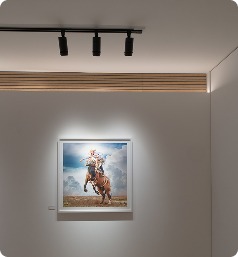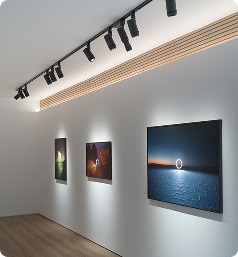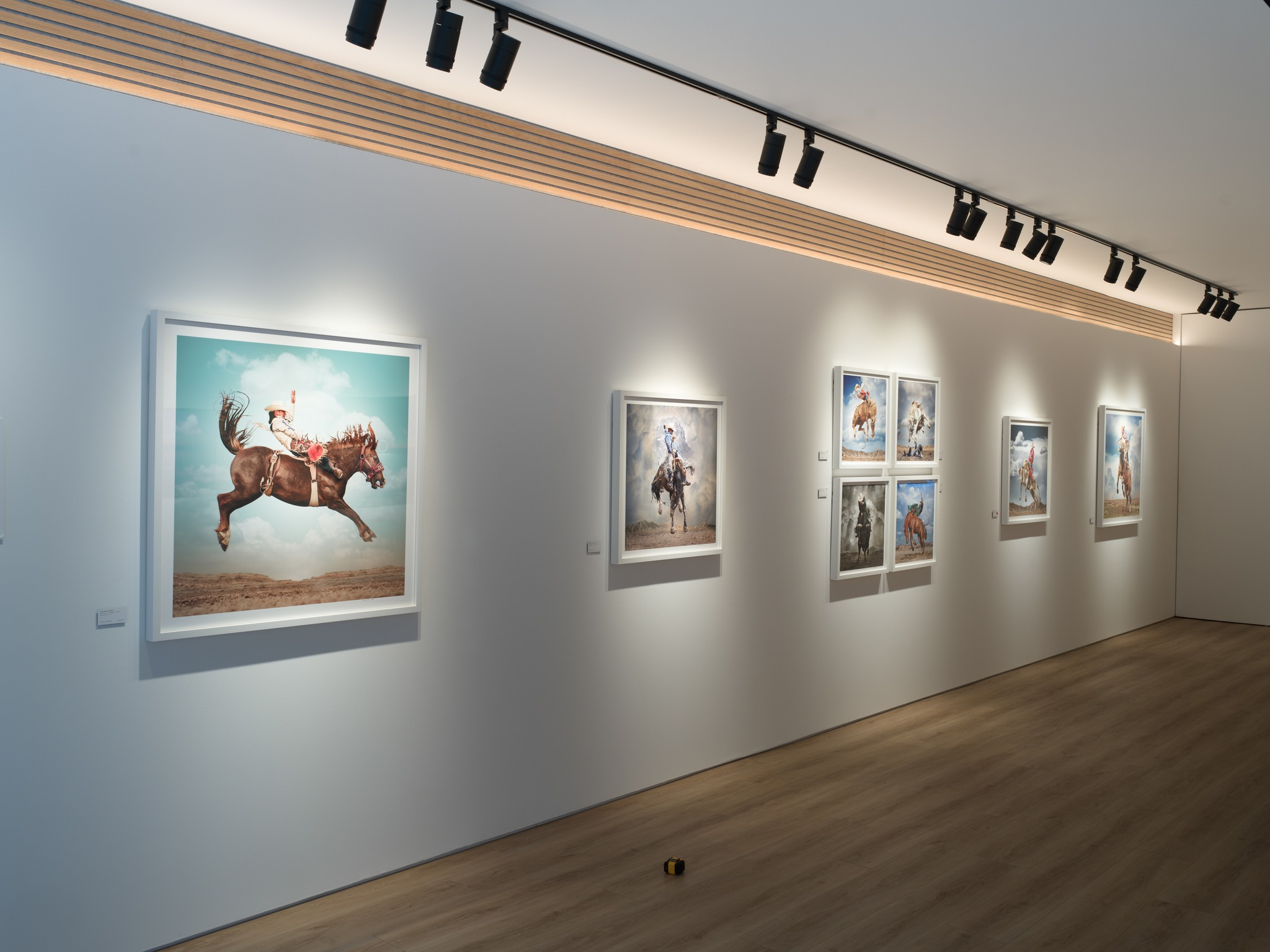
Adjustable art lighting fixture highlighting framed artwork on gallery wall
Artwork deserves more than general room lighting. It deserves lighting designed specifically to reveal detail, preserve color, and create visual focus. That is where light fixtures for artwork come in.
Unlike standard ceiling lights that simply brighten a space, professional art lighting fixtures are built to control beam shape, direction, and quality of light — a key part of understanding how to design lighting for art displays.
At Banno Lighting, we design lighting solutions used in both homes and commercial galleries where presentation matters.
Why standard lighting fails artwork
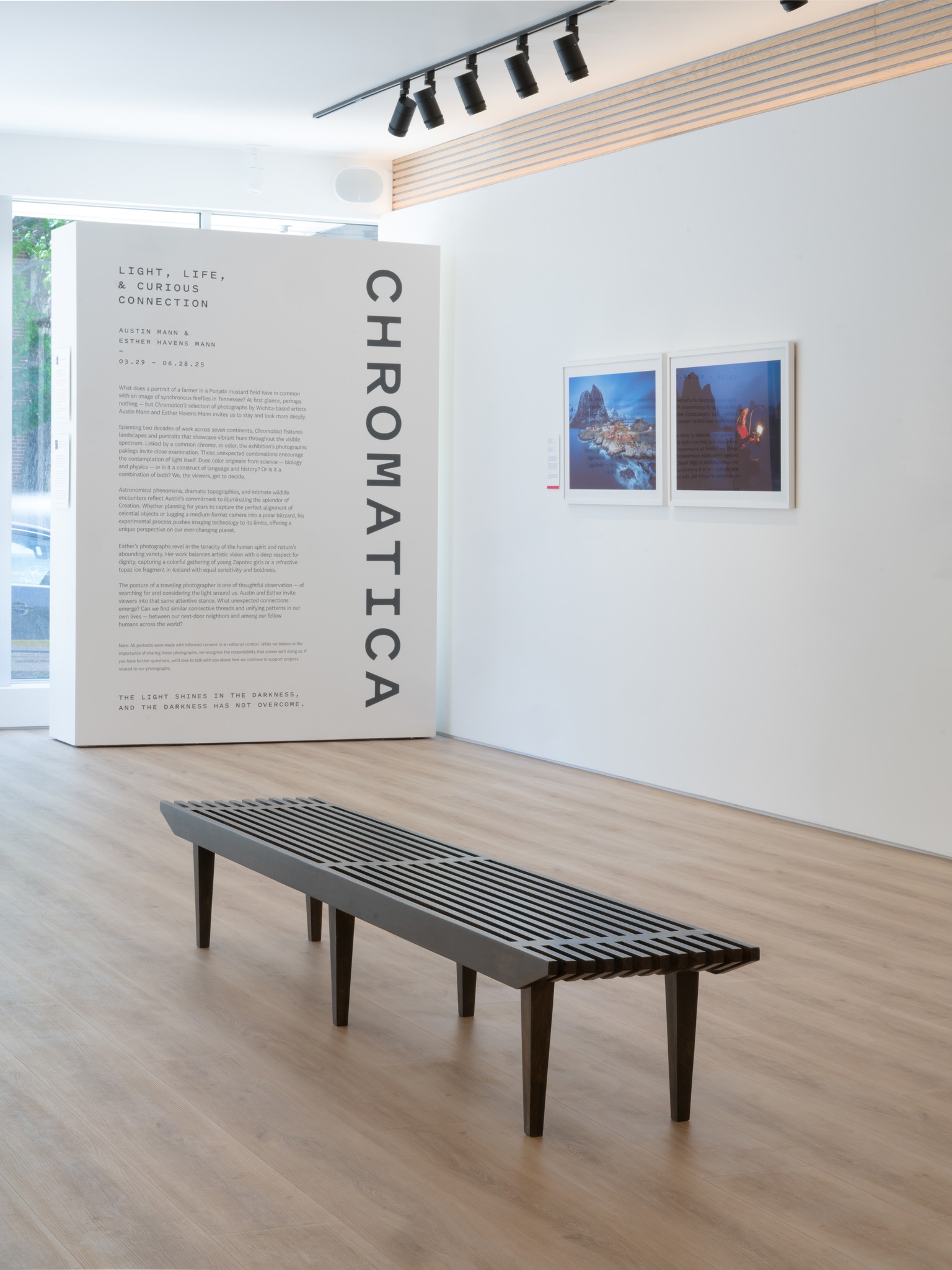
Track lighting system designed for professional art display
Most homes and many commercial spaces use general downlights. These spread light widely and evenly. While that works for circulation and visibility, it does not work for art.
Poor lighting causes:
- Flat appearance
- Washed-out colors
- Glare on glass
- Bright walls competing with the artwork
- Loss of texture and depth
Great art can look average under the wrong light. Proper light fixtures for artwork correct this.

4.9-star rated by art collectors and gallery professionals
What makes a fixture suitable for artwork
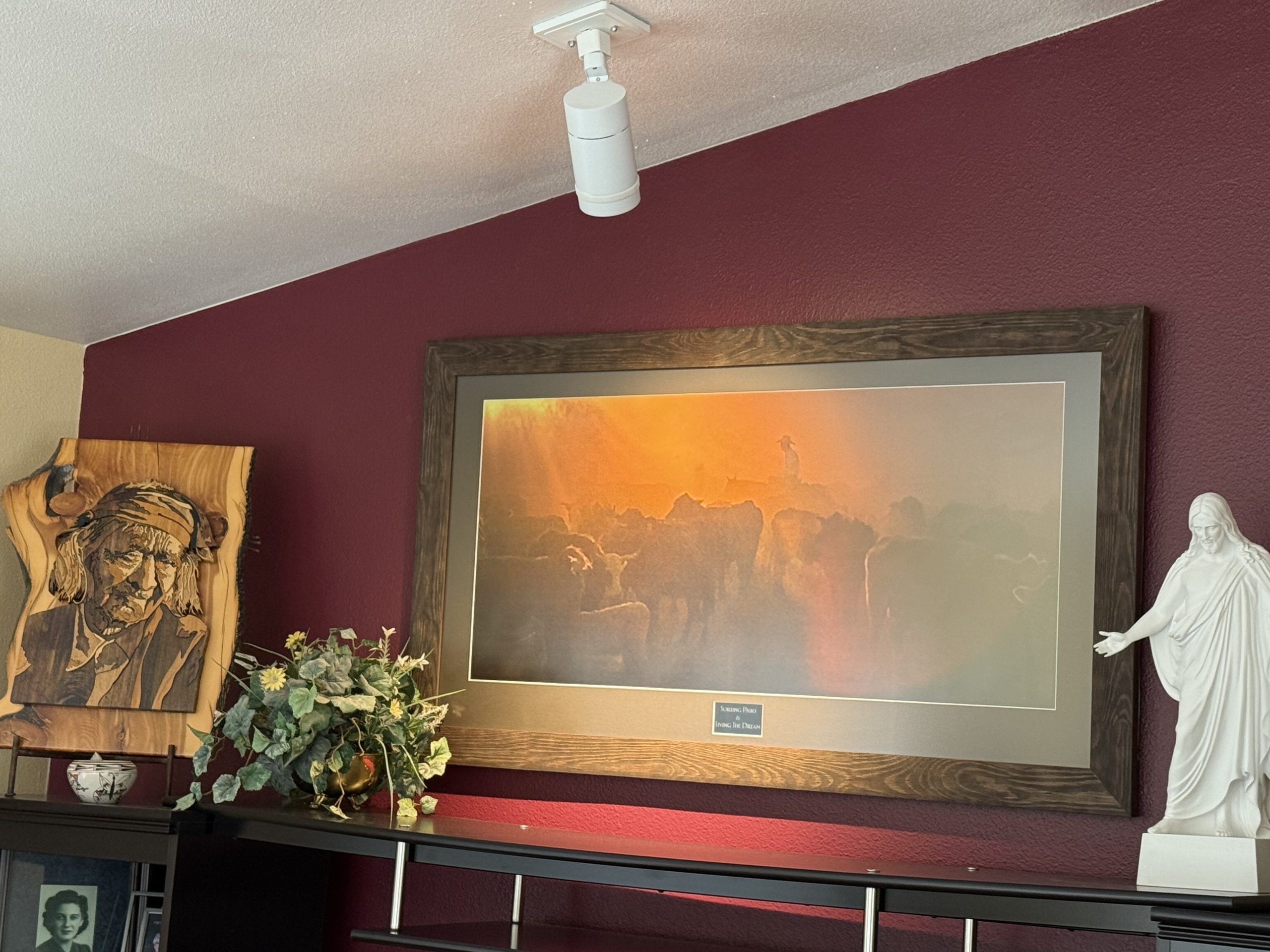
Precision beam spotlight focused on contemporary painting
Lighting artwork is about control and accuracy. Professional art lighting fixtures provide:
- Adjustable beam control
- High color rendering
- Controlled spill
- Directional aiming
- Dimming capability
Each of these elements ensures light enhances the artwork rather than overpowering it.
Beam control is everything
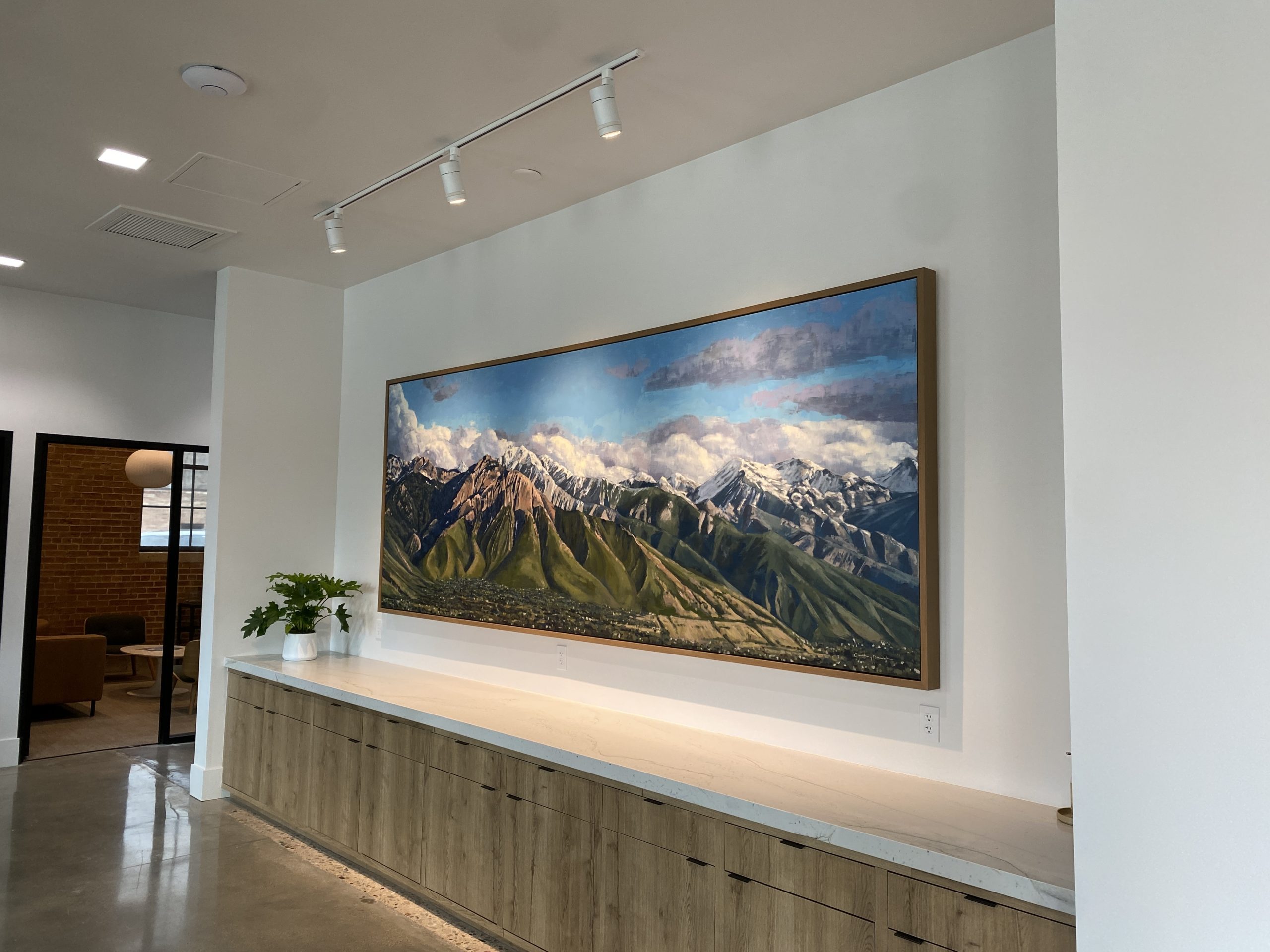
Art lighting fixture with controlled beam and minimal spill
One of the biggest differences between general lighting and art lighting is beam precision.
Standard lights spill light everywhere. Professional light fixtures for artwork create precision picture lighting for artwork, shaping light to the exact size of the piece.
This removes the “halo” effect where light surrounds the artwork and reduces contrast. Instead, the art stands out with clear focus and clean edges.
Adjustable beams are essential
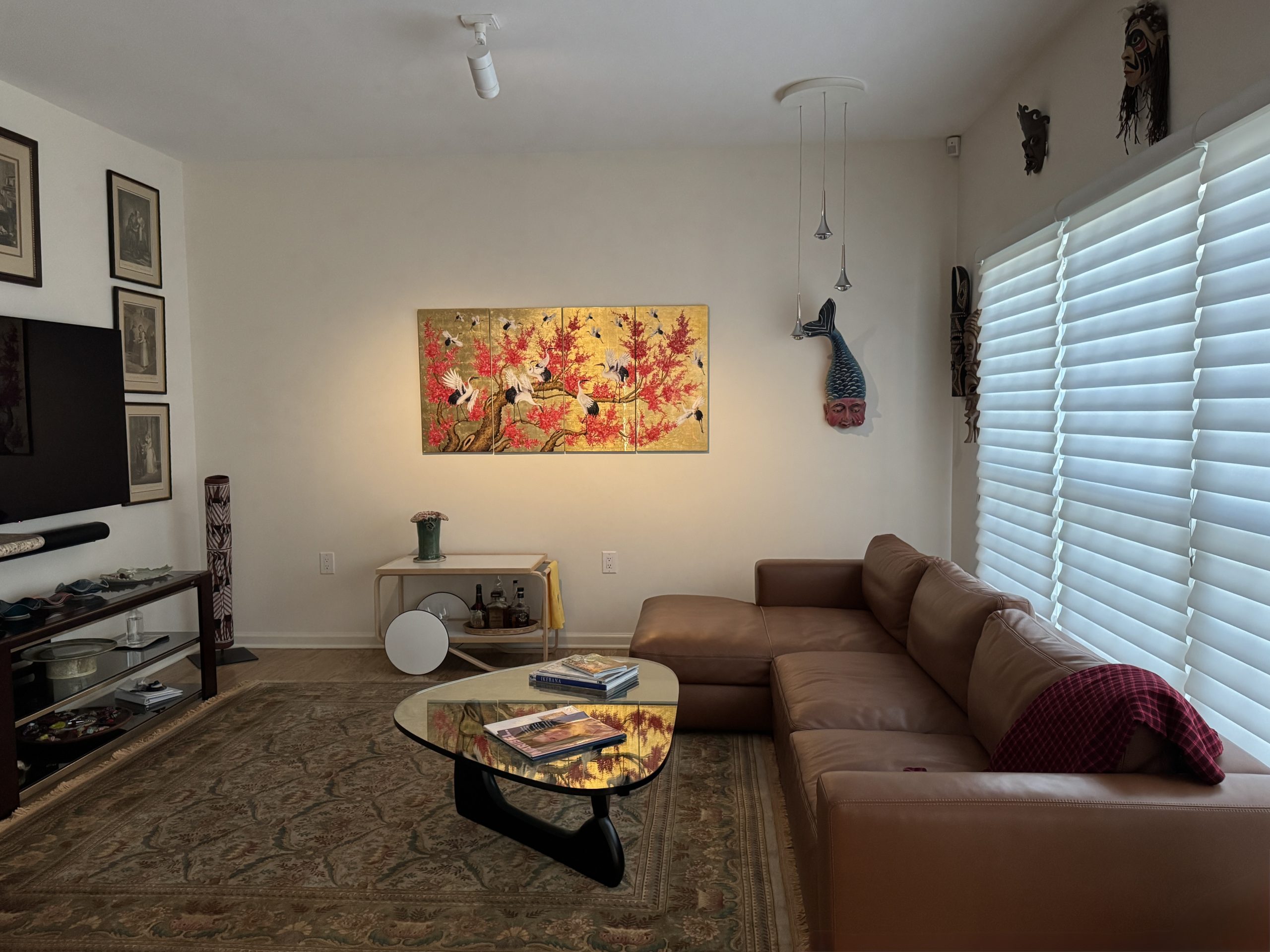
Gallery wall illuminated with focused accent lighting
Artwork sizes vary. Collections change. Fixtures must adapt — a fundamental part of the best lighting techniques for paintings used in homes and galleries.
This is why adjustable systems are preferred in both residential and commercial settings.
Zoom
The Zoom fixture allows beam adjustment from approximately 10° to 70°. This means one fitting can spotlight small works or open wide for large pieces without replacing lenses.
Multi
The Multi uses interchangeable click-in lenses, allowing beam shaping tailored to each artwork and wall condition.
Deluxe
The Deluxe range offers premium optical refinement and the highest level of beam control for museum-grade art gallery lighting systems.
All of these are purpose-built light fixtures for artwork, not general architectural lights.
Why 3000K is ideal for artwork

Residential art lighting creating gallery-style presentation
Color temperature changes how art feels.
3000K provides natural warmth while preserving color accuracy. It works for modern and classical art and feels comfortable in both homes and galleries.
Cooler light can feel clinical. Warmer light can distort tones. 3000K is the professional balance.
Why 97 CRI is critical
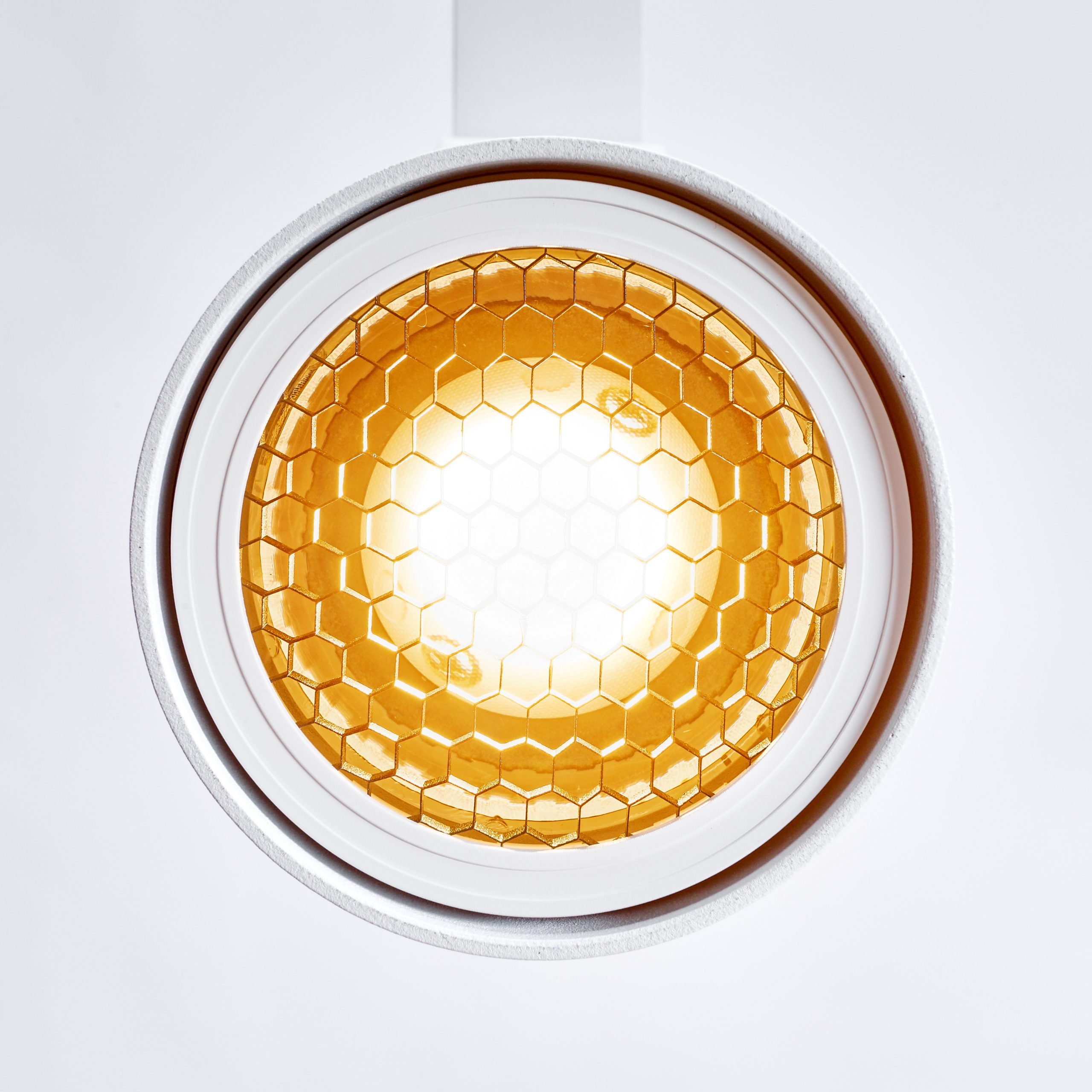
Close-up of high CRI lighting revealing artwork color accuracy
CRI measures color accuracy. Art relies on precise color perception.
Fixtures with 97 CRI ensure:
- True reds
- Accurate blues
- Natural skin tones
- Correct contrast
Low CRI lighting alters artwork appearance and reduces trust in the viewing experience.
Light fixtures for artwork in homes

Gallery wall illuminated with focused accent lighting
Residential art lighting must blend performance with aesthetics.
Home collectors benefit from:
- Flexible aiming as art is moved
- Adjustable beams for mixed piece sizes
- Dimming for mood control
- Minimal glare in living spaces
Proper lighting elevates a home collection and creates a gallery-quality feel.
Light fixtures for artwork in galleries

Museum-grade lighting fixture with refined optical control
Commercial art spaces demand even higher control.
Gallery lighting must:
- Create hierarchy between works
- Maintain consistent color
- Adapt to rotating exhibitions
- Minimize maintenance
- Support curatorial intent
Professional track systems with adjustable optics are the industry standard.
Lighting creates hierarchy

Multi lens art lighting system with interchangeable optics
Not every piece should have equal emphasis. Lighting guides the viewer.
Hero works receive tighter beams and slightly higher intensity. Supporting pieces remain softer. This creates rhythm across walls.
Glare control matters
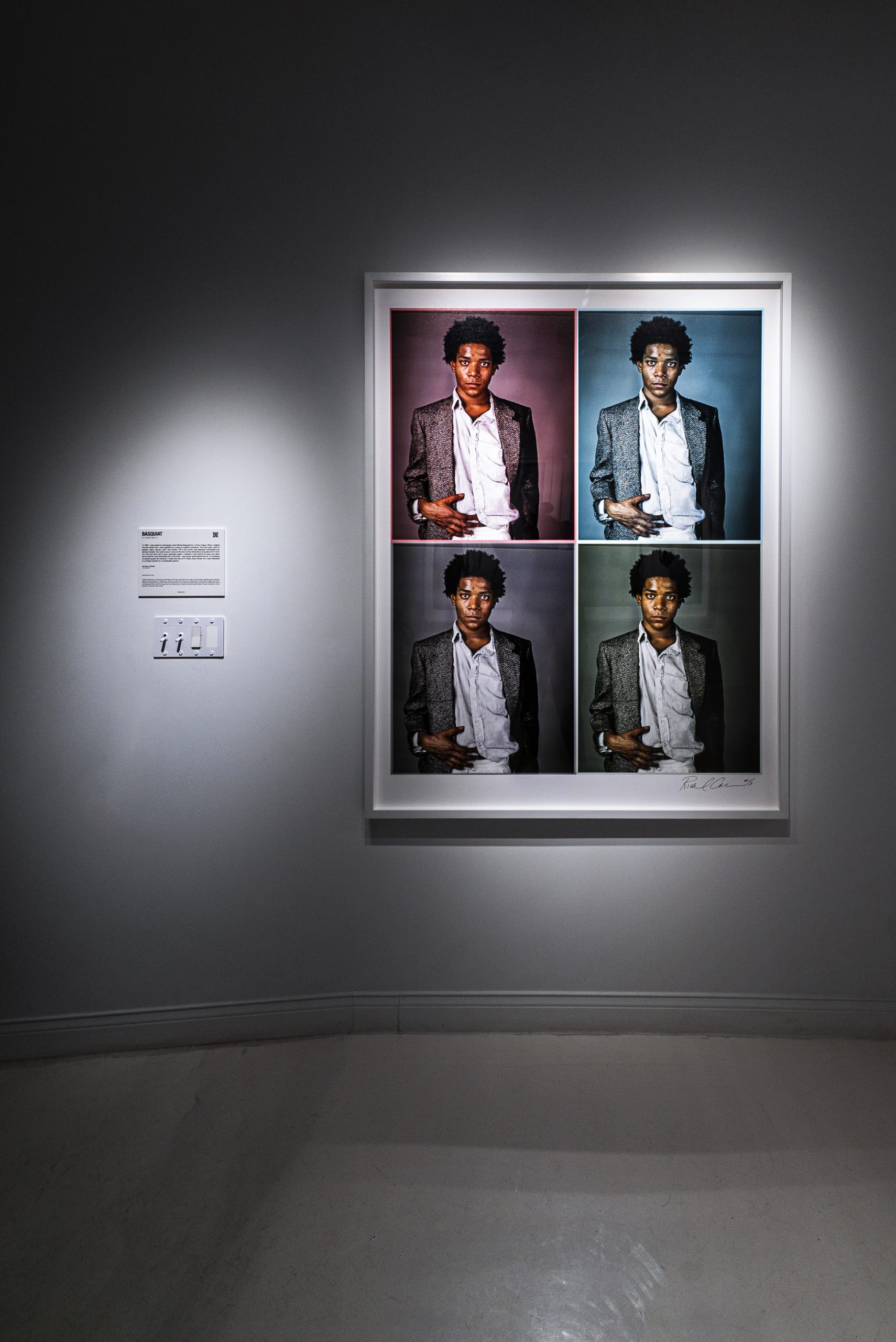
Controlled spotlight eliminating halo effect around artwork
Reflections break immersion. To reduce glare:
- Aim lights at roughly 30°
- Position fixtures forward of artwork
- Use controlled optics
- Avoid overhead placement in viewing paths
Good art lighting should feel invisible.
Wall wash versus focused lighting
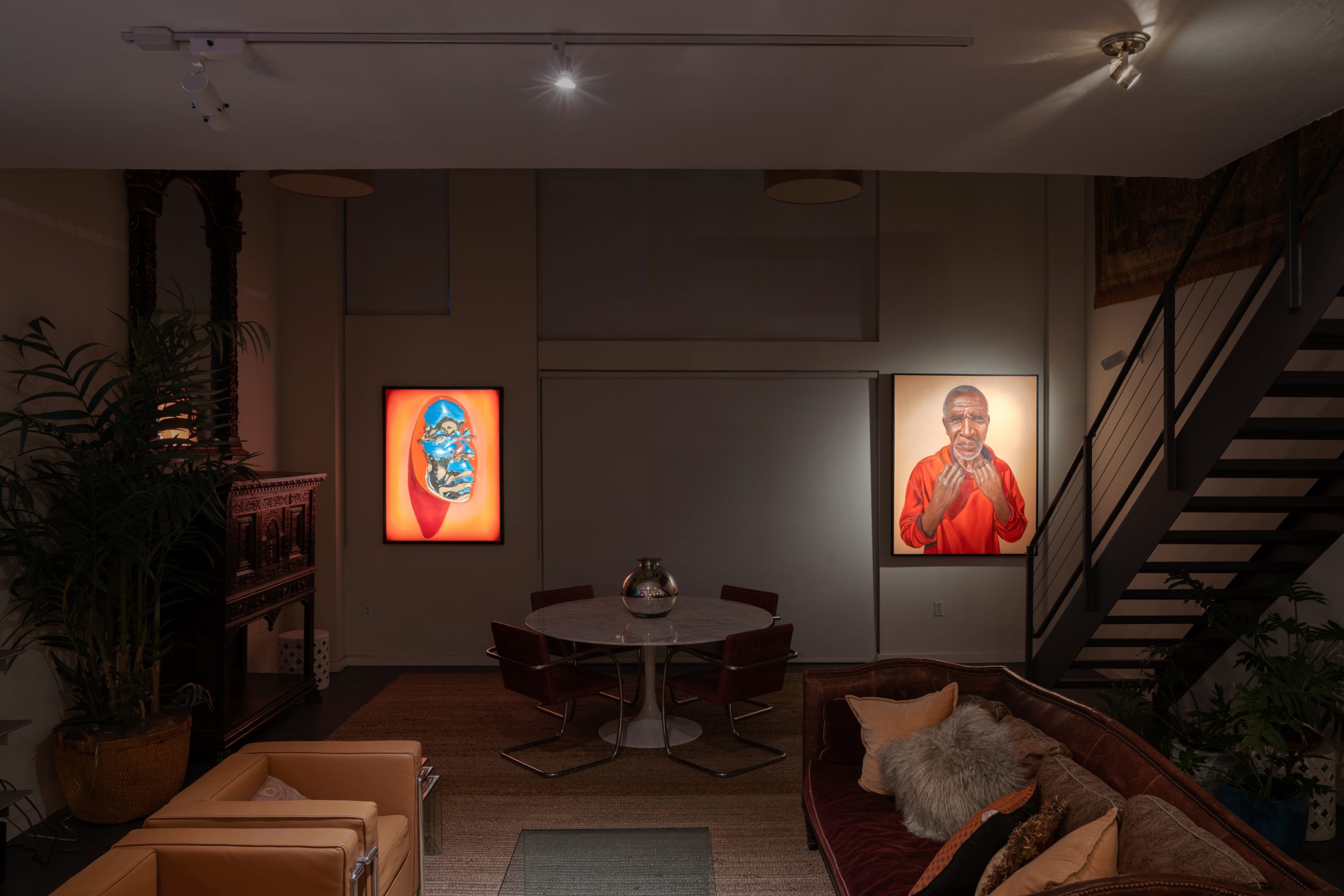
Deluxe art lighting fixture for premium installations
Wall washing provides ambient brightness. Focused lighting gives art presence.
Most professional spaces combine both, but the real impact comes from controlled accent lighting using purpose-built light fixtures for artworks -one of the core professional art display lighting methods used in galleries.
Adaptability protects investment
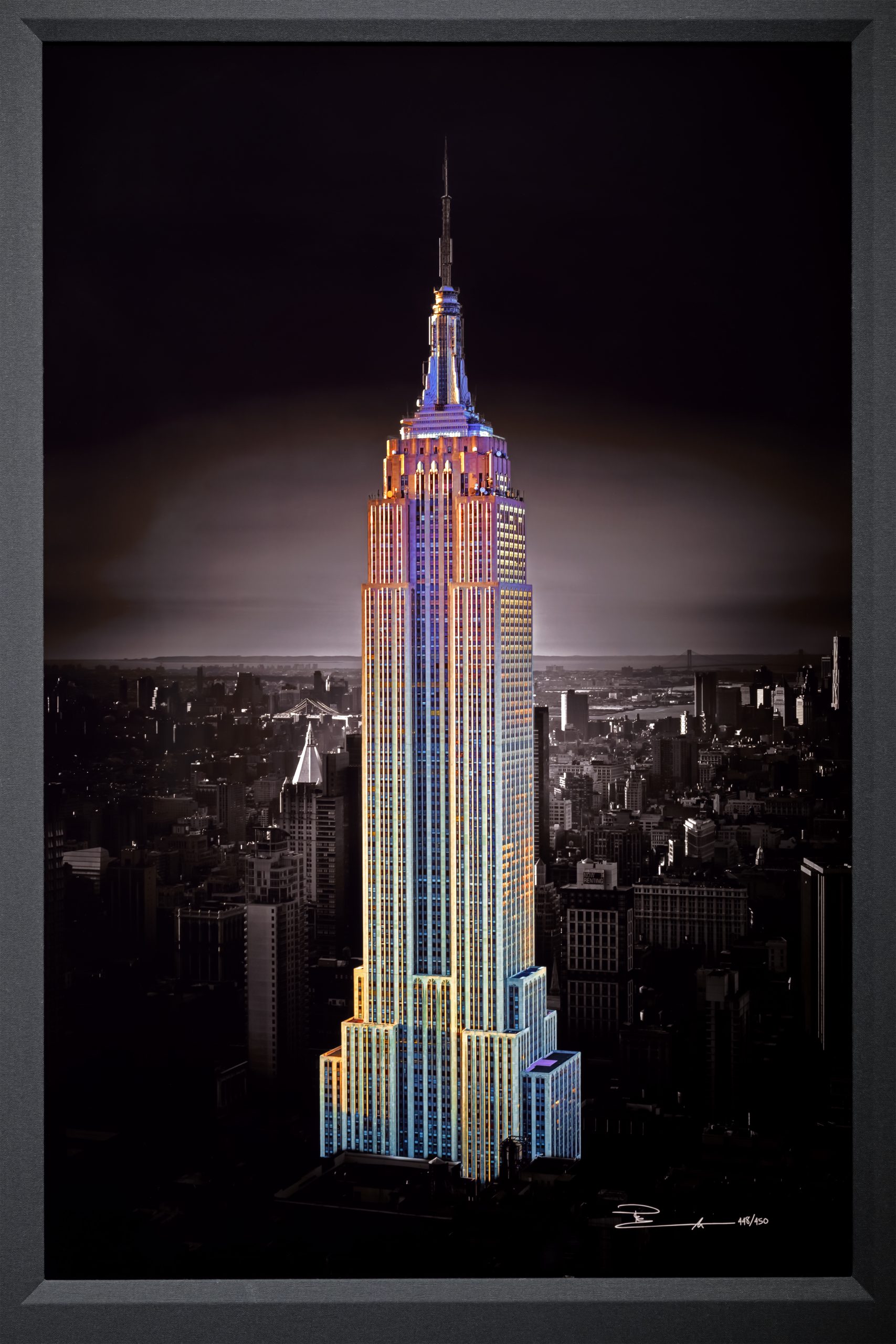
Track-mounted art lights allowing flexible repositioning
Collections evolve. Walls change. Exhibitions rotate.
Fixed lighting quickly becomes misaligned. Adjustable track systems allow instant repositioning without ceiling modifications.
Professional optics separate art lighting from commercial lighting
Focused artwork lighting creating depth and texture on canvas
Cheap fixtures create hot spots and uneven beams. Professional optics deliver:
- Clean beam edges
- Smooth falloff
- Controlled spill
- Consistent performance
This is why serious spaces use specialized art lighting fixtures.
Energy efficiency and artwork protection
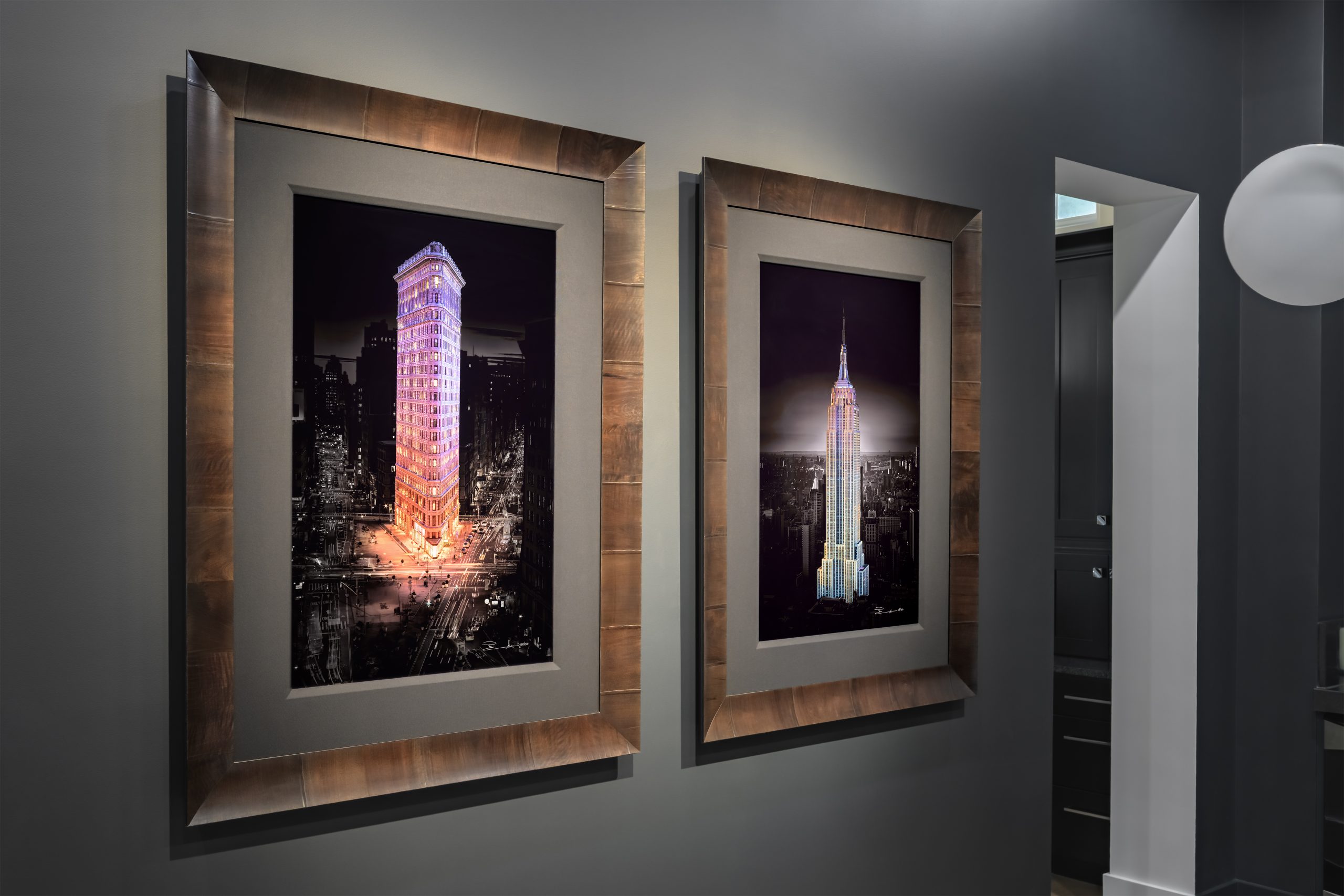
Minimalist art lighting integrated into modern interior
Modern LED systems produce minimal UV and heat compared to older technologies. This helps protect sensitive artwork over time while reducing energy consumption.
We guide lighting decisions
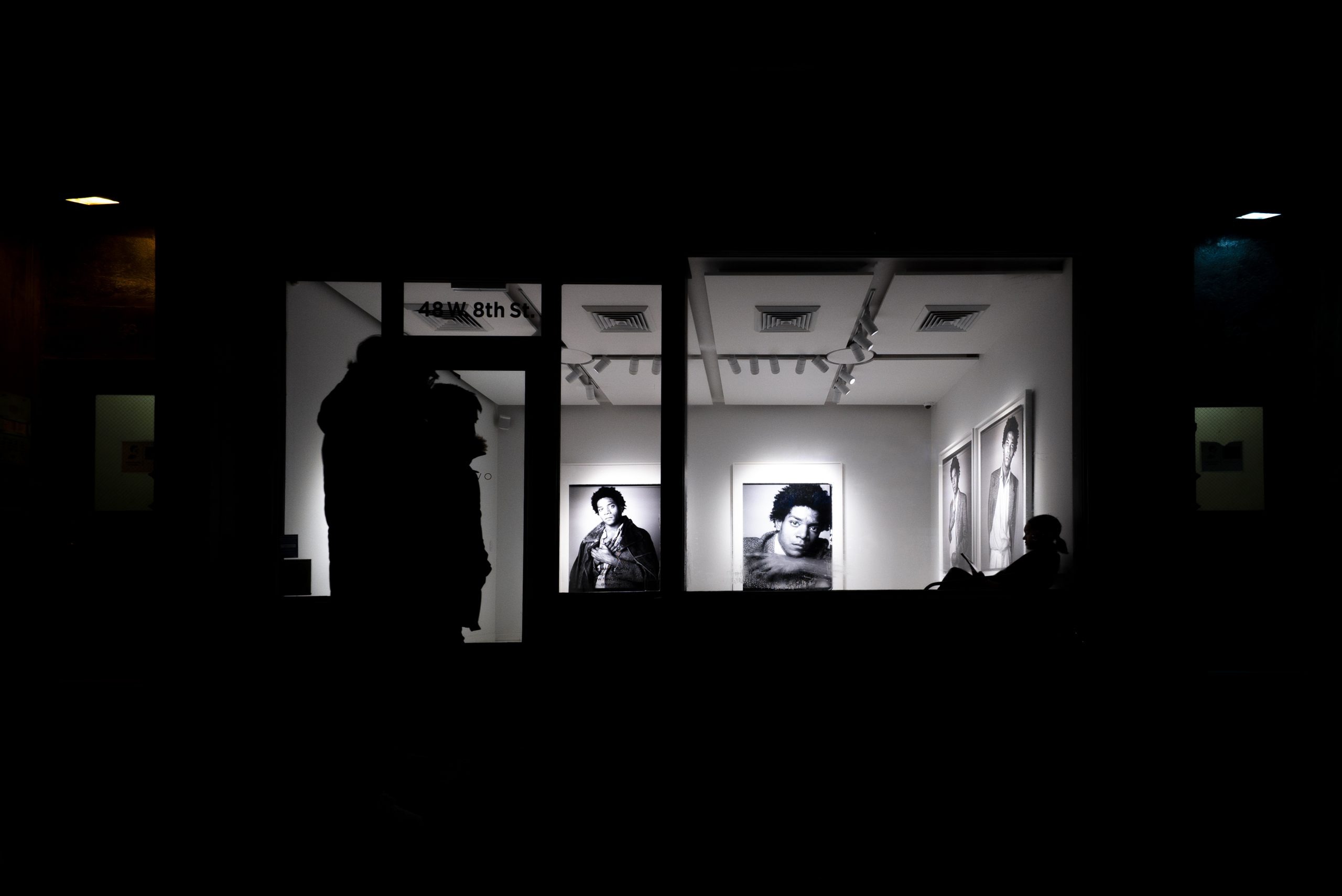
Lighting hierarchy guiding attention across gallery artworks
Lighting art involves beam size, fixture placement, spacing, and mounting height. It is not guesswork. These principles form the foundation of any complete guide to professional gallery lighting.
At Banno Lighting, we help homeowners, designers, architects, and galleries choose the right light fixtures for artwork based on collection type and space layout.
Choosing the best light fixtures for artwork
Choosing the best light fixtures for artwork involves more than selecting a stylish fitting. The fixture must be able to reveal the artwork clearly, preserve color accuracy, and guide the viewer’s attention.
The best lighting for artwork provides directional control. Instead of spreading light throughout the entire room, it concentrates illumination on the piece itself.
When selecting light fixtures for paintings or framed pictures, several elements should be considered:
- Beam control
- Color rendering
- Light direction
- Fixture placement
- Adjustability
Each of these factors influences how the artwork appears to the viewer.
Professional art lighting fixtures are designed with these considerations in mind. They allow collectors, designers, and galleries to illuminate artwork precisely without overwhelming the surrounding space.
Light fixtures for paintings and framed pictures
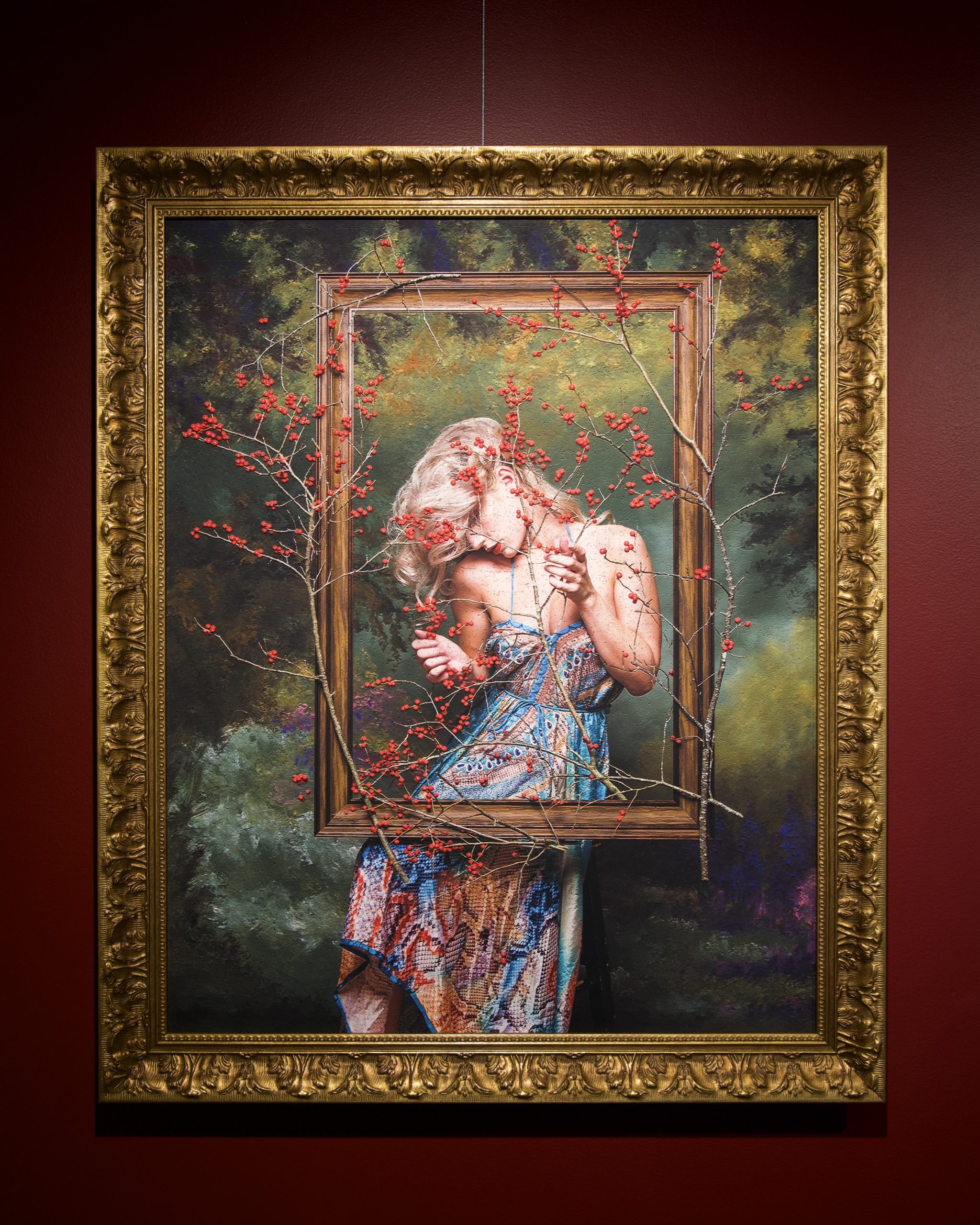
Close view of directional fixture highlighting brushwork on canvas painting
Light fixtures for paintings require controlled beams and proper positioning. Paintings often include subtle textures, layered brushwork, and delicate color transitions. These details can disappear under poor lighting.
Light fixtures for pictures should illuminate the artwork evenly from top to bottom. Uneven lighting can create bright areas and dark shadows that distort the visual balance of the piece.
When lighting framed artwork, glare is also a concern. Glass surfaces can reflect light back toward the viewer if the fixture is placed incorrectly.
To avoid this, the fixture should be aimed toward the artwork at an angle rather than positioned directly above the viewer’s line of sight.
This technique ensures that the painting remains visible without distracting reflections.
Professional art lighting fixtures use carefully designed optics that spread light smoothly across the artwork surface while maintaining clear edges.
Light fixtures for wall art displays
Light fixtures for wall art are used in both homes and galleries to highlight collections displayed along vertical surfaces.
Wall art lighting works best when fixtures are positioned slightly forward from the wall and aimed downward toward the artwork. This creates depth and contrast while keeping the surrounding wall relatively neutral.
Track lighting fixtures for art are particularly effective for this purpose because they allow lights to be positioned exactly where needed along the wall.
If artworks vary in size, adjustable beam angles become important. Smaller pieces require tighter beams to avoid spill, while larger artworks benefit from broader coverage.
The goal is to illuminate the artwork evenly while preserving contrast between the artwork and the wall behind it.
This controlled lighting approach ensures that the viewer’s attention remains on the art itself.
Light fixture placement above artwork
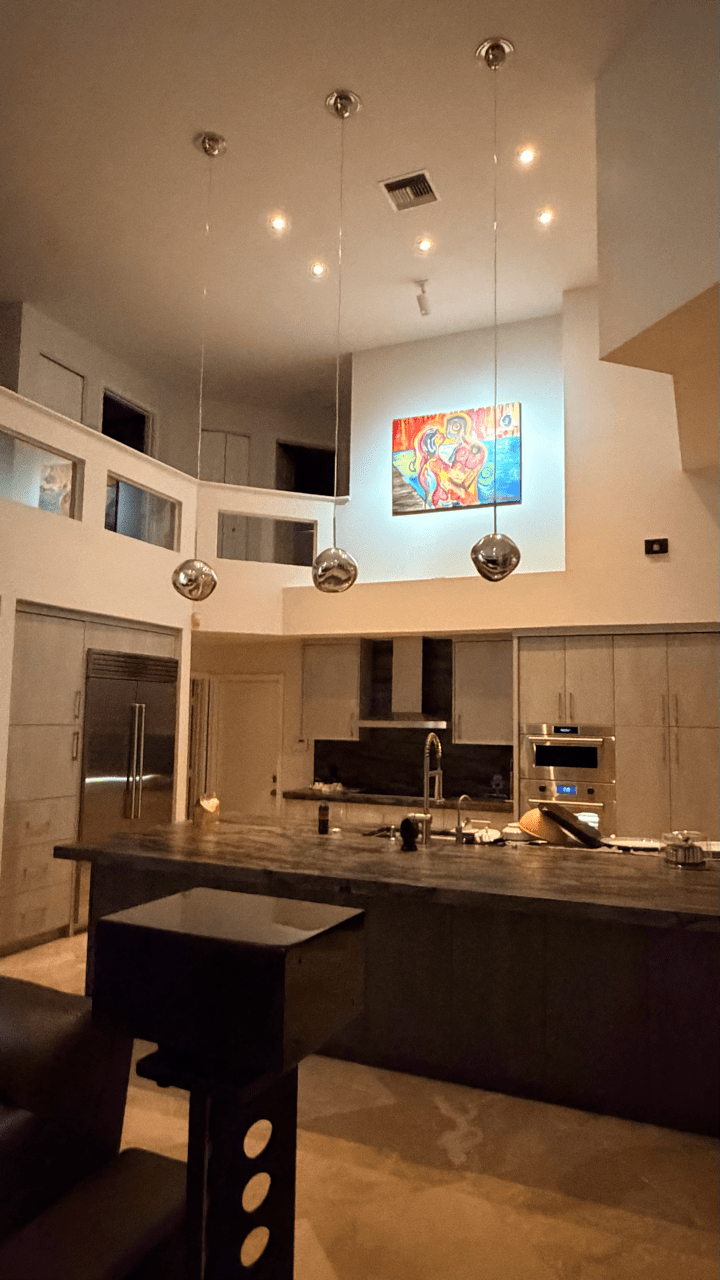
Ceiling mounted spotlight angled thirty degrees toward framed wall painting
A light fixture above artwork must be positioned carefully to achieve balanced illumination.
If the fixture is placed too close to the wall, the top of the artwork may appear brighter than the bottom. If it is positioned too far away, the beam may spill beyond the frame and illuminate surrounding areas.
The most effective positioning typically places the fixture slightly forward of the artwork with the beam aimed downward at approximately thirty degrees.
This angle helps distribute light evenly across the surface while minimizing reflections and glare.
A light fixture over artwork should also match the width of the piece. Fixtures that are too narrow may create uneven coverage, while fixtures that are too wide may illuminate areas beyond the artwork.
Adjustable optics allow the beam to be refined so the edges of the light align with the artwork boundaries.
When installed correctly, the lighting appears subtle and natural, allowing the artwork to remain the visual focal point.
Wall mounted light fixtures for art
Wall mount light fixtures for art are often used when a specific piece remains permanently displayed.
These fixtures are typically installed directly above the artwork and cast light downward across the surface.
Picture lights are a common example of this approach. They provide a soft, controlled beam that highlights the artwork without requiring ceiling mounted fixtures.
When choosing a wall mount light fixture for art, several factors should be considered.
The fixture should provide even coverage across the artwork surface. It should also have high color rendering so that colors appear accurate and vibrant.
The mounting position should allow the beam to reach the entire piece without creating harsh shadows or glare.
For collectors who prefer a minimalist ceiling appearance, wall mounted lighting can be an effective solution.
Track lighting fixtures for art collections
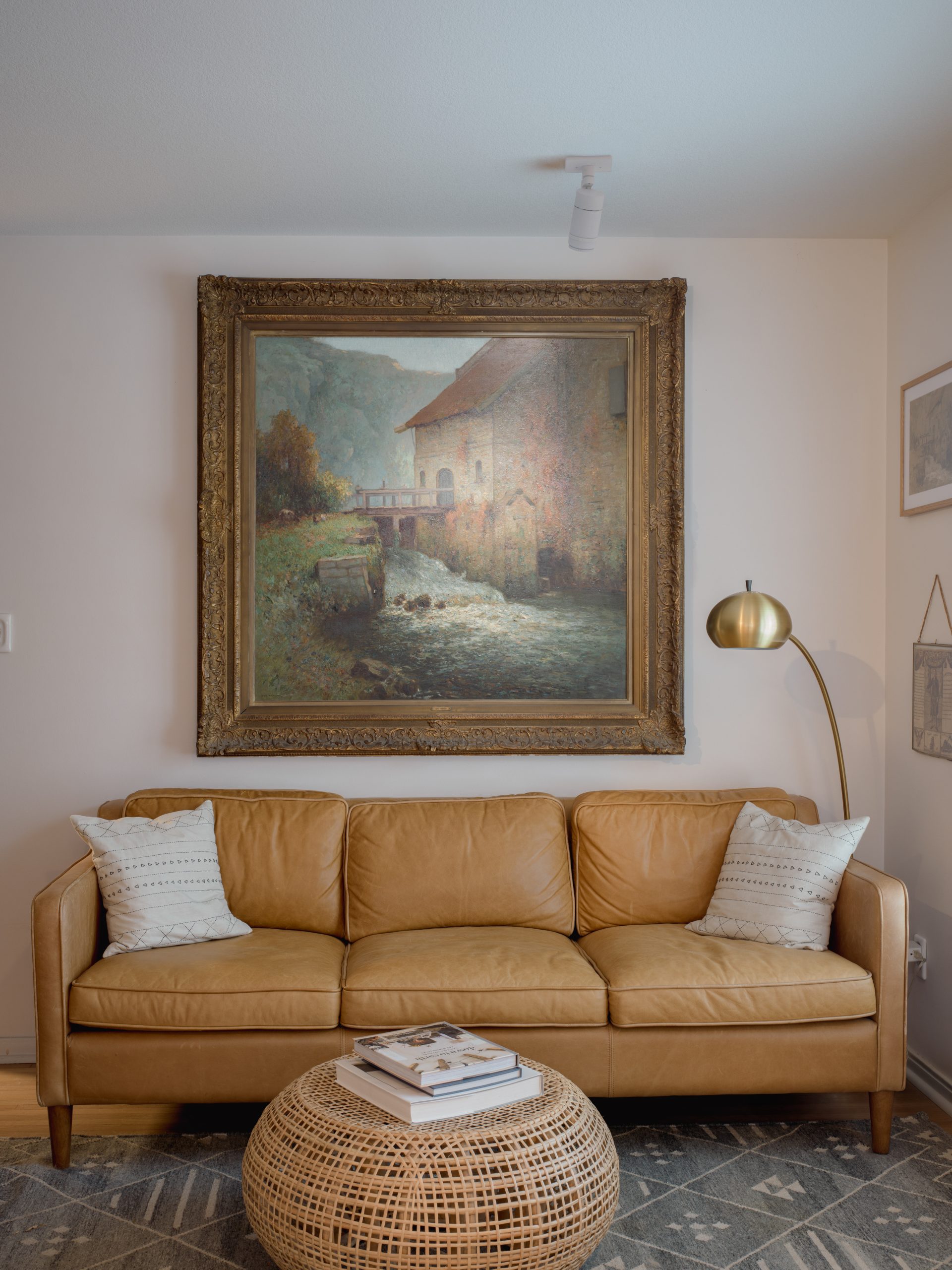
Adjustable track spotlights aimed individually toward artworks in private collection
Track lighting fixtures for art provide the highest level of flexibility when lighting multiple artworks within the same space.
A track system allows multiple fixtures to share a single power rail mounted on the ceiling. Each fixture can then slide along the track and be aimed independently.
This makes track lighting ideal for galleries and private collections where artwork positions change over time.
Track lighting fixtures for art allow curators and collectors to reposition lights whenever a painting is moved or replaced.
Beam angles can also be adjusted to suit the size of each artwork.
This adaptability ensures that lighting remains aligned with the artwork even as collections evolve.
Because of this flexibility, track lighting is widely considered the best lighting system for art display environments.
Light fixtures for art studio environments
Artists require lighting that reveals color accurately while working. Light fixtures for art studio spaces must provide balanced illumination without distorting tones.
In a studio environment, lighting often serves two purposes.
Task lighting allows artists to see details while painting or drawing. Ambient lighting keeps the room comfortable and prevents harsh shadows.
The best light fixtures for art studio use provide high color accuracy and adjustable positioning.
Track lighting or directional ceiling fixtures allow artists to move light sources depending on where they are working.
This flexibility is particularly useful for painters who work on different canvases throughout the studio.
By adjusting beam angles and intensity levels, artists can evaluate their work under conditions similar to gallery display.
Lighting design for art studios

Balanced studio lighting combining ambient ceiling lights with directional task fixtures
Lighting design for art studio environments focuses on creating stable, accurate illumination.
Natural light is often valued by artists because it reveals colors clearly. However, natural light changes throughout the day and can be inconsistent.
Professional lighting systems allow artists to maintain consistent lighting conditions regardless of time or weather.
Directional fixtures can highlight the artwork being created while broader lighting fills the room with soft ambient illumination.
Lighting ideas for art studio spaces often combine adjustable task lighting with overhead lighting that maintains general brightness.
This layered approach helps artists focus on their work while maintaining visual comfort throughout the studio.
Art lighting fixtures and visual hierarchy
Lighting influences how viewers perceive artwork within a space.
Art lighting fixtures allow curators and collectors to create visual hierarchy by adjusting brightness levels between different pieces.
Important artworks may receive slightly stronger illumination, drawing attention immediately when someone enters the room.
Supporting pieces can be lit more softly, allowing them to complement the overall display without competing with the focal work.
This subtle balance helps guide the viewer’s eye naturally across the collection.
Professional lighting design considers both the individual artwork and the overall arrangement of pieces within the room.

Lighting for artwork in galleries and homes
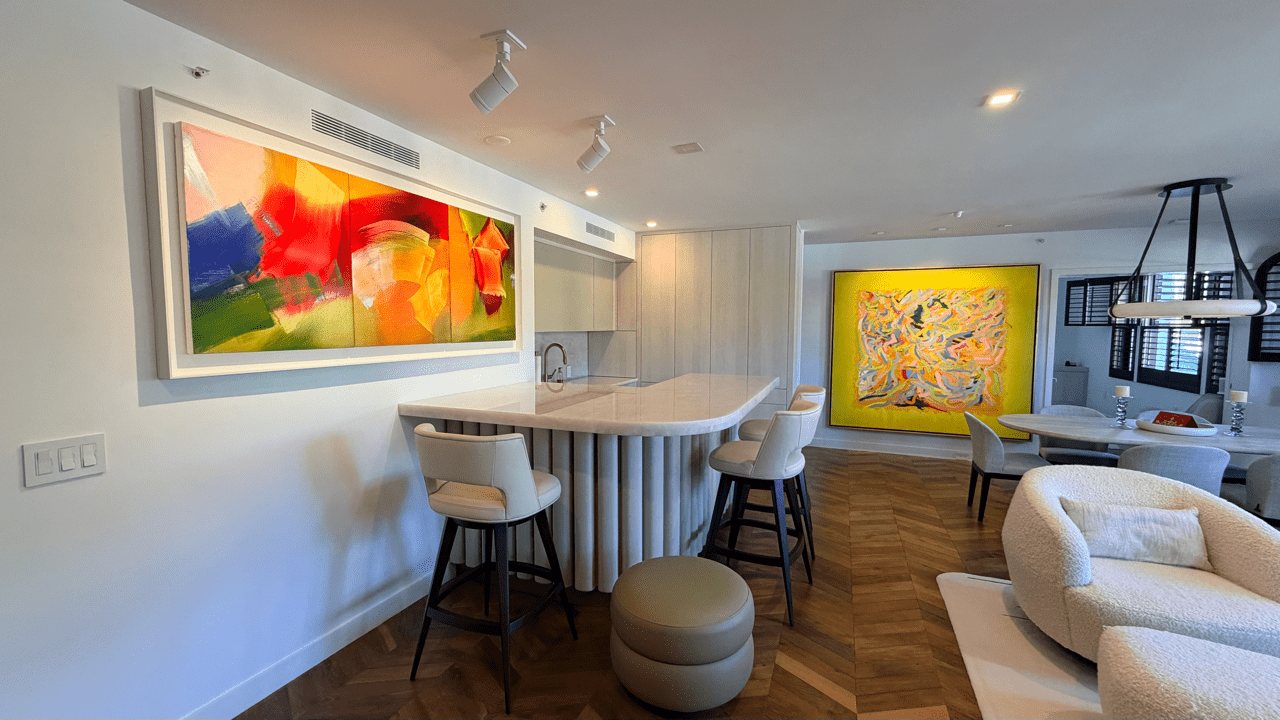
Residential art display wall accented with subtle ceiling mounted fixtures
Lighting for artwork must balance aesthetics, performance, and flexibility.
In galleries, lighting systems must support rotating exhibitions and changing layouts. Fixtures must be repositioned easily as collections evolve.
In residential spaces, collectors often want lighting that blends into the architecture while still highlighting artwork effectively.
Track lighting fixtures for art are commonly used in both environments because they provide the adaptability needed for long term collections.
Adjustable beams allow lighting to be tailored to different artworks while maintaining consistent color and contrast.
By using dedicated art lighting fixtures rather than general ceiling lights, both galleries and collectors can present artwork with clarity and precision.
What is the best lighting for artwork
The best lighting for artwork combines several key characteristics.
High color rendering ensures that pigments appear accurate and vibrant.
Controlled beam angles allow the light to match the dimensions of the artwork.
Directional aiming helps prevent glare and reflections on framed pieces.
Adjustability allows the lighting system to adapt as artwork changes.
When these elements are combined, the result is lighting that enhances the artwork while remaining visually unobtrusive.
Rather than dominating the space, the lighting quietly supports the artwork and allows it to take centre stage.
FAQs about light fixtures for artwork
What are the best light fixtures for artwork?
Adjustable, high-CRI fixtures with controlled beams and directional aiming are ideal.
Why is CRI important for art lighting?
CRI affects color accuracy. 97 CRI ensures artwork appears true to life.
What color temperature is best?
3000K provides natural warmth without distorting colors.
Should art lighting be bright?
Art lighting should be focused and controlled, not simply bright.
Can art lighting be used in homes?
Yes. Professional fixtures enhance residential collections and provide flexibility.
Why use track lighting?
Track systems allow repositioning and beam adjustment as artwork changes.
How do you avoid glare?
Use a 30° angle, precision optics, and forward fixture placement.
Final thoughts

Zoom adjustable beam light fixture for artwork
Art lighting is about precision, control, and respect for the artwork. Professional light fixtures for artwork remove spill, enhance color, and give art presence in both homes and galleries.
With adjustable systems like Zoom, Multi, and Deluxe, engineered at 3000K, 97 CRI, Banno Lighting provides lighting designed specifically for artwork — not just rooms.
You’re working with dedicated art lighting experts