Modern art gallery interior featuring professional overhead track lighting systems.
Lighting is one of the most powerful yet overlooked elements inside an art gallery. It does not simply make artwork visible. It shapes emotion, directs attention, protects delicate materials, and influences the perceived value of every piece on display. A well engineered art gallery lighting system becomes part of the exhibition itself, quietly enhancing the art without drawing attention to the technology behind it.
Modern galleries combine museum-level conservation standards, architectural design, and commercial presentation. The lighting must support all three. It must deliver accurate color, flexible focus, and visual comfort while allowing curators to reconfigure exhibitions quickly. That balance is why professional systems rely heavily on advanced art gallery track lighting systems designed specifically for artwork display.
What Defines a Professional Art Gallery Lighting System
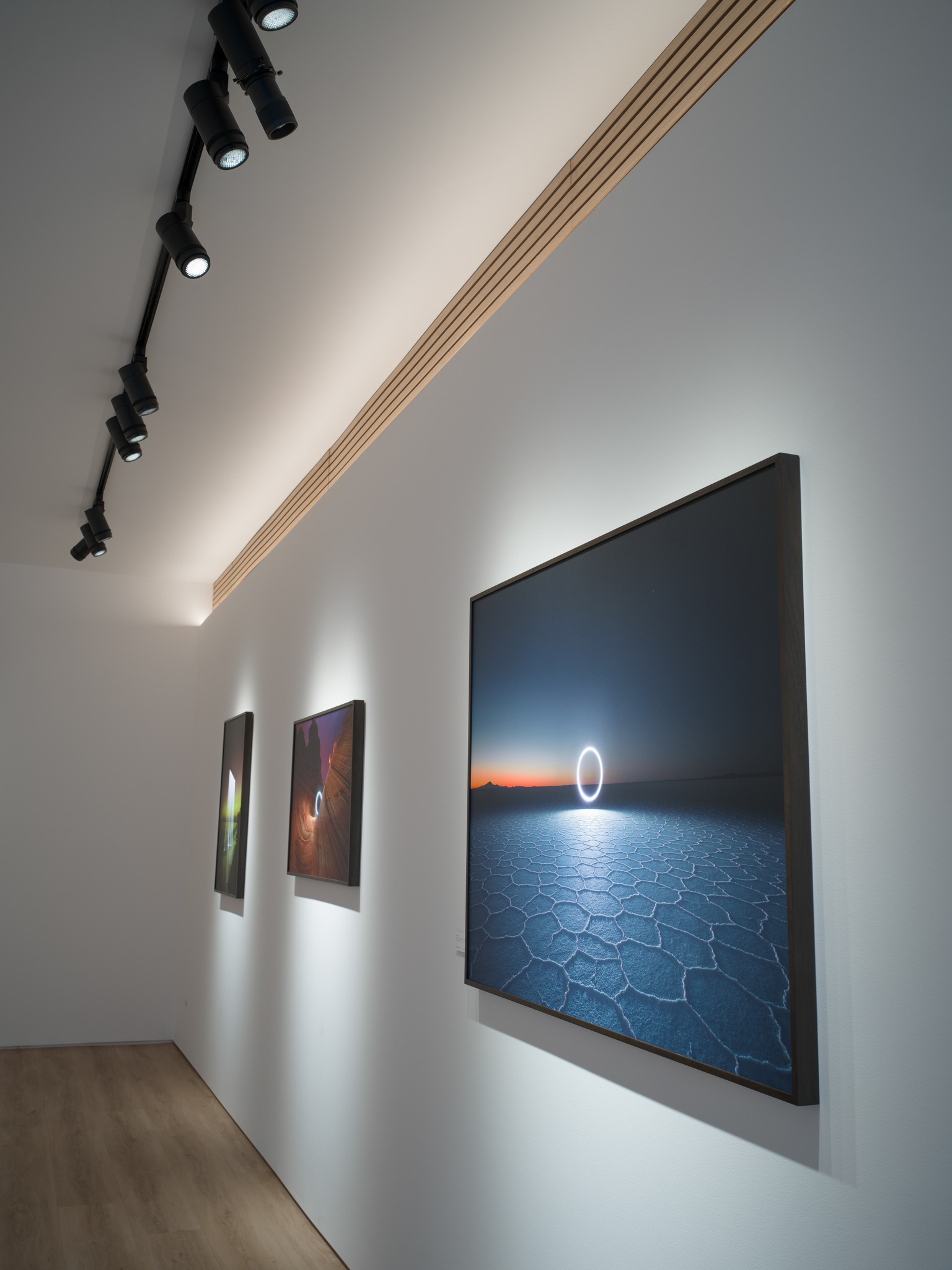
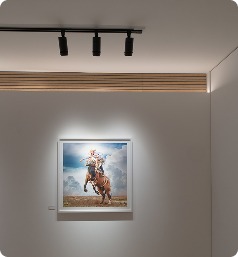
Sleek white track lighting illuminating a contemporary art exhibition space.
An art gallery lighting system is a coordinated setup of track infrastructure, adjustable fixtures, precision optics, and control systems, forming a high-performance lighting system for artwork designed to be flexible, long lasting, and visually subtle.
Unlike standard commercial lighting, these systems prioritize
- High color rendering for true artwork tones
- Beam control to suit different artwork sizes
- Minimal glare for viewing comfort
- Low UV and heat emission for preservation
- Easy repositioning as exhibitions change
This is where modular track lighting platforms become essential.

4.9-star rated by art collectors and gallery professionals
The Importance of Art Gallery Track Lighting Systems
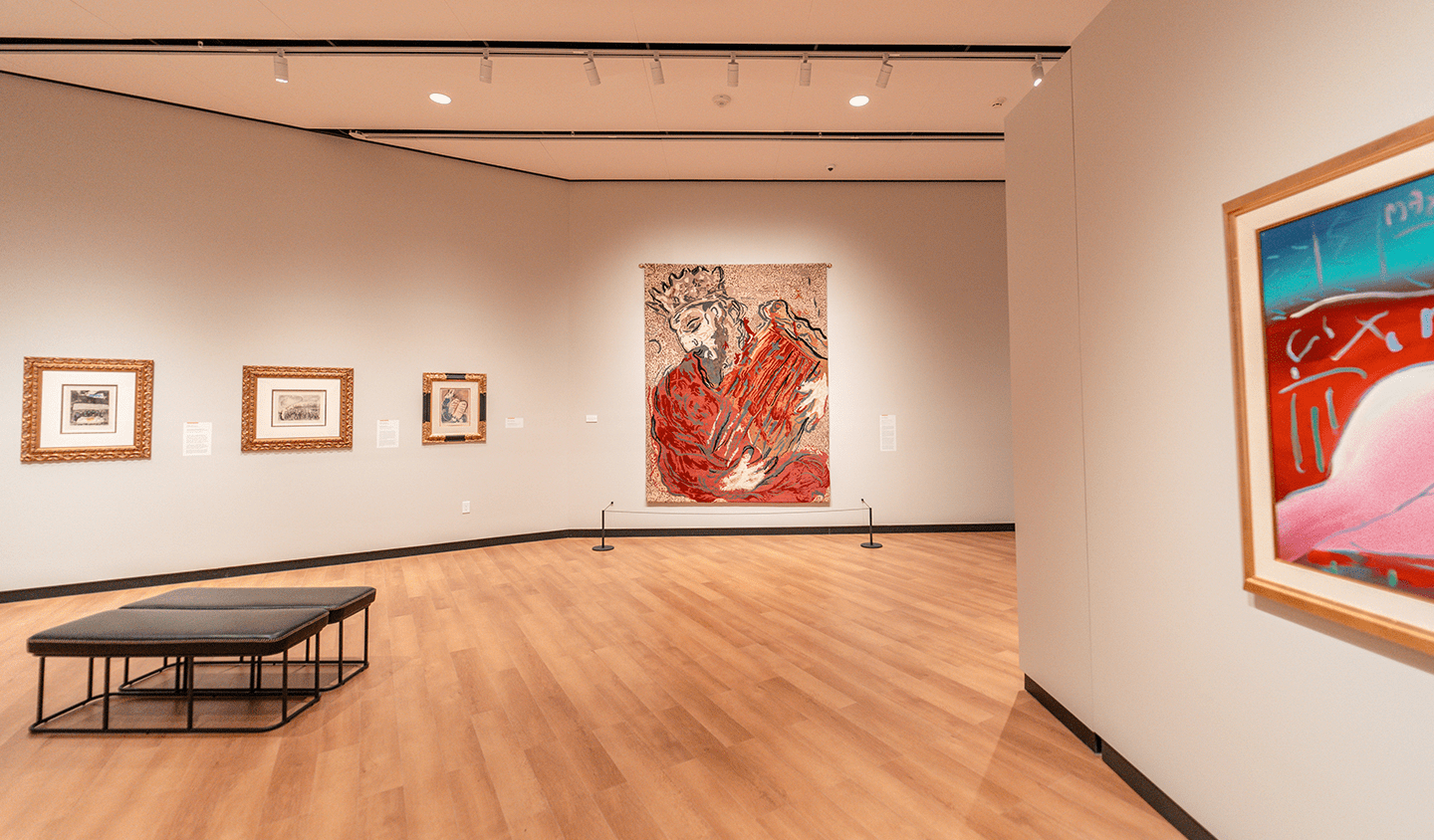
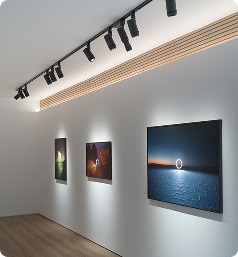
Long ceiling-mounted track rails installed in a minimalist gallery hallway.
Most professional galleries use art gallery track lighting systems because they provide unmatched flexibility. This explains why track lighting is used in art galleries, as track rails installed on ceilings allow fixtures to slide, rotate, and be replaced without electrical changes.
As artwork rotates, lighting must adapt. One exhibition may feature large canvases. The next may include small framed works or sculptures. A track system allows instant repositioning and beam adjustments, ensuring each piece receives ideal illumination.
Precision Optics and Beam Control

Banno L’Art Deluxe fixture demonstrating its adjustable beam diameter control.
Beam angle determines how focused or wide the light appears. Professional gallery lighting includes narrow beams for dramatic highlighting, medium beams for balanced coverage, and wide beams for wall washing.
Your Banno Lighting L’Art series is built specifically for this purpose. These fixtures offer interchangeable optics and zoom control, allowing curators to adjust focus without replacing fittings. This flexibility reduces equipment needs while increasing control.
Color Rendering and Artwork Accuracy
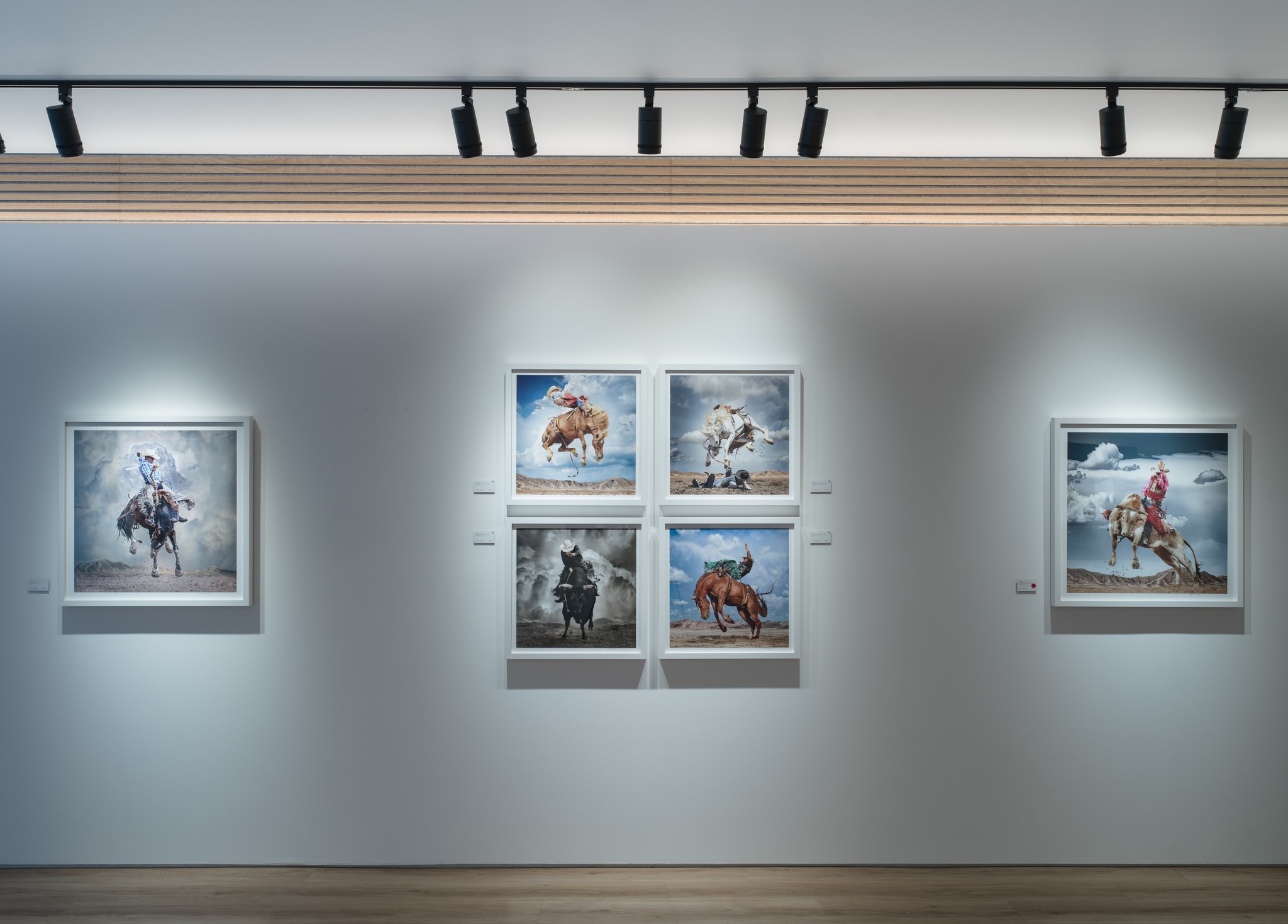
Vibrant artwork illuminated to show true and accurate colors.
Color rendering index is critical in art environments and is a key component of museum-style art display lighting techniques that ensure artwork colors appear exactly as the artist intended. Poor lighting can distort tones, dull vibrant colors, or flatten subtle gradients.
The L’Art Deluxe and L’Art Zoom models are engineered with high color fidelity LEDs designed to reveal artwork naturally. This ensures paintings, photography, and mixed media works appear as intended by the artist.
Color Temperature and Exhibition Atmosphere
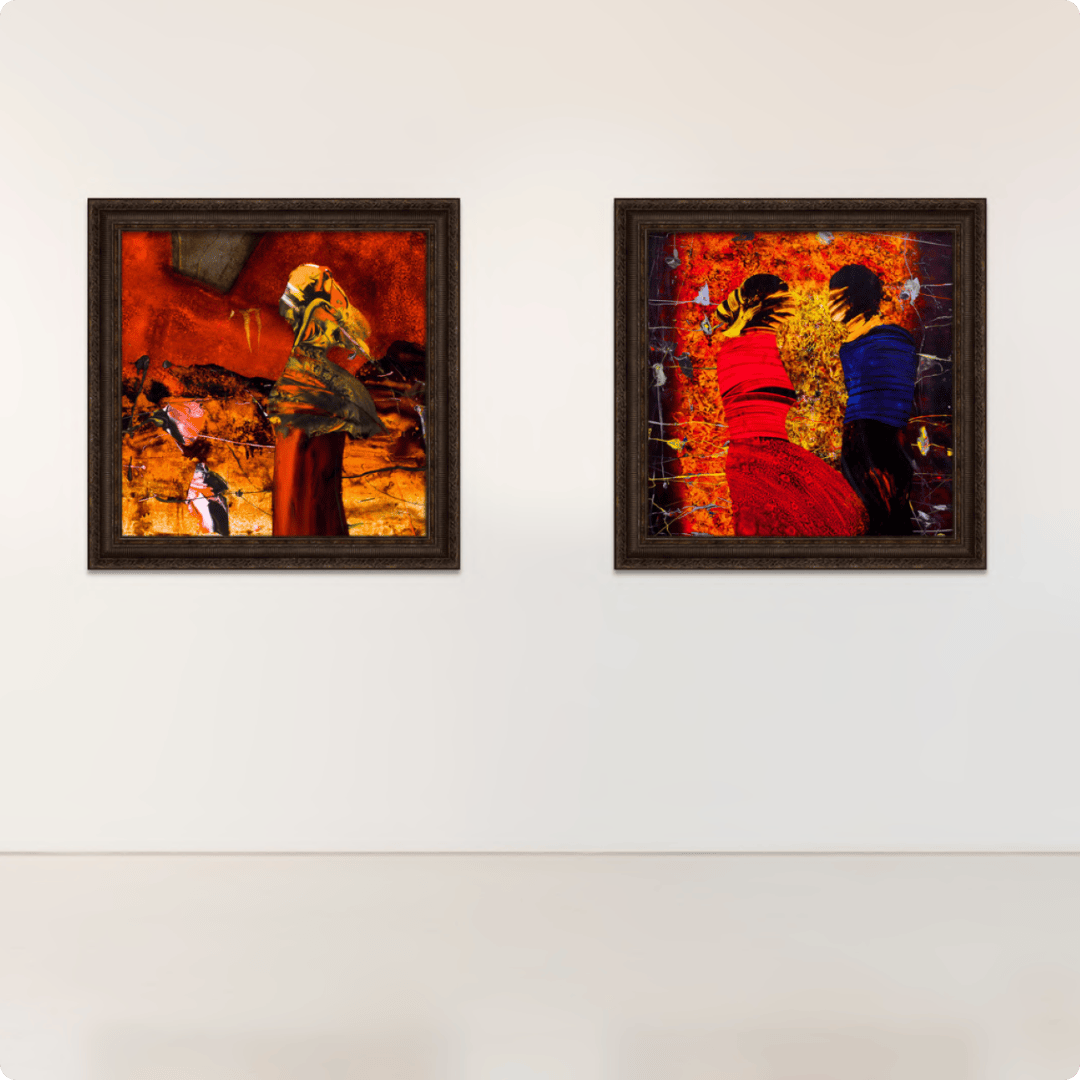
Warm-toned lighting creating an intimate atmosphere for paintings.
Color temperature influences mood. Warmer tones enhance classical oil paintings. Neutral tones complement contemporary spaces.
Your track systems allow consistent color performance across the gallery, creating a cohesive visual environment while supporting curatorial storytelling.
Glare Control and Visitor Experience

Deep-set fixture optics designed to hide the light source.
Glare distracts viewers and reduces comfort. Professional fixtures use deep set optics and glare control accessories to keep the light source hidden.
The L’Art track fixtures incorporate precision shielding that maintains focus on artwork rather than the fixture itself.
Lighting Different Types of Artwork

Focused spotlights highlighting a textured artwork from multiple angles.
Different mediums require different lighting strategies. Understanding these variations is part of the best practices for gallery lighting design, ensuring each artwork type receives appropriate illumination.
Paintings benefit from angled light that reveals texture. Sculptures need multidirectional modeling. Photography requires glare reduction. Paper works need lower intensity for conservation.
A flexible track lighting system with adjustable optics supports all these needs within one infrastructure.
Wall Washing and Accent Lighting Balance

Dramatic accent lighting creating a focal point on a single masterpiece.
Galleries typically combine wall washing and accent lighting. Wall washing provides uniform background light. Accent lighting creates focal points.
Your track systems allow both approaches using interchangeable optics within the same rail, maintaining a clean ceiling aesthetic.
Lighting Controls and Scene Flexibility

Smart tablet interface controlling digital dimming for gallery light zones.
Control systems allow dimming, zoning, and scene presets. Galleries can shift ambiance for events or reduce exposure for conservation.
This flexibility supports both operational needs and artwork preservation.
Art Gallery Lighting Systems Australia

Energy-efficient LED lighting system installed in a modern museum.
When designing art gallery lighting systems Australia, daylight integration and energy efficiency standards are important. Efficient LED systems like the L’Art series help manage heat load while delivering strong optical performance.
Art Gallery Lighting Systems USA

High CRI track lighting revealing vibrant, true-to-life colors in a painting.
Art gallery lighting systems USA often align with museum conservation practices and large ceiling heights. Strong optical precision and high color rendering are essential.
Track systems with adjustable beams, like your L’Art range, are ideal for these spaces.
Installation and Long Term Flexibility

Modular track system allowing for future expansion and easy upgrades.
Track placement must allow full wall coverage and future expansion. Modular systems allow upgrades without replacing infrastructure. These planning considerations form part of any comprehensive guide to professional gallery lighting, helping galleries maintain flexibility as exhibitions evolve.
Investing in a high quality track platform ensures decades of adaptability.

Why Galleries Choose Professional Systems

Professional lighting enhancing artwork perception while ensuring conservation safety and flexibility.
Galleries choose specialized systems because lighting directly affects
- Artwork perception
- Visitor experience
- Conservation safety
- Exhibition flexibility
- Commercial outcomes
Conclusion

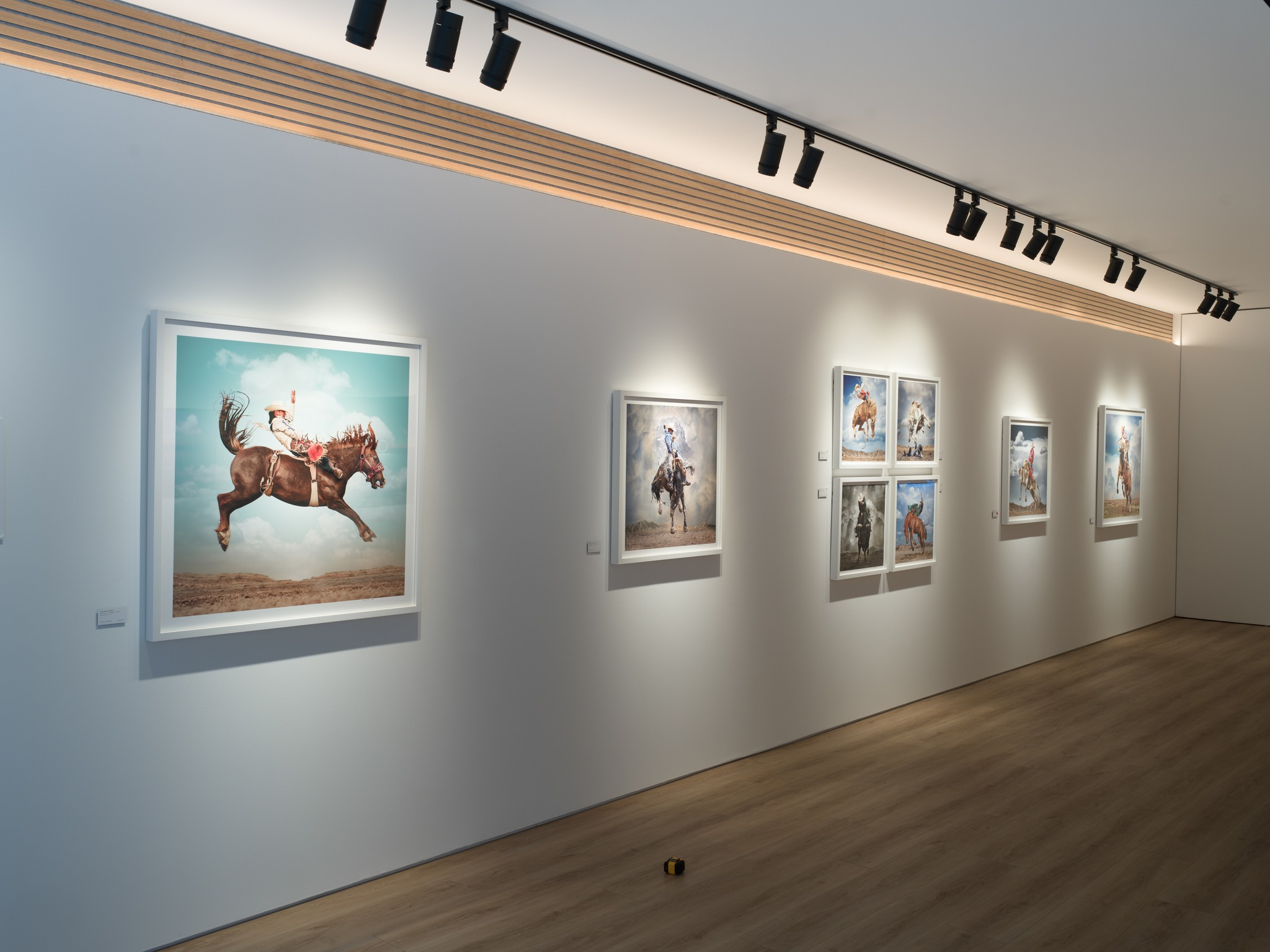
Finished exhibition space beautifully lit by the Banno L’Art series.
A professional art gallery lighting system is a blend of science and subtle artistry. It protects, enhances, and adapts. Whether specifying art gallery track lighting systems, planning installations in Australia, or designing systems in the USA, the goal remains the same: present art truthfully and beautifully.
Advanced systems like the Banno Lighting L’Art track series give galleries the precision, flexibility, and color performance required to meet this standard.
Lighting in a gallery is not background. It is part of the exhibition experience.
Hear from art collectors and clients who trust us