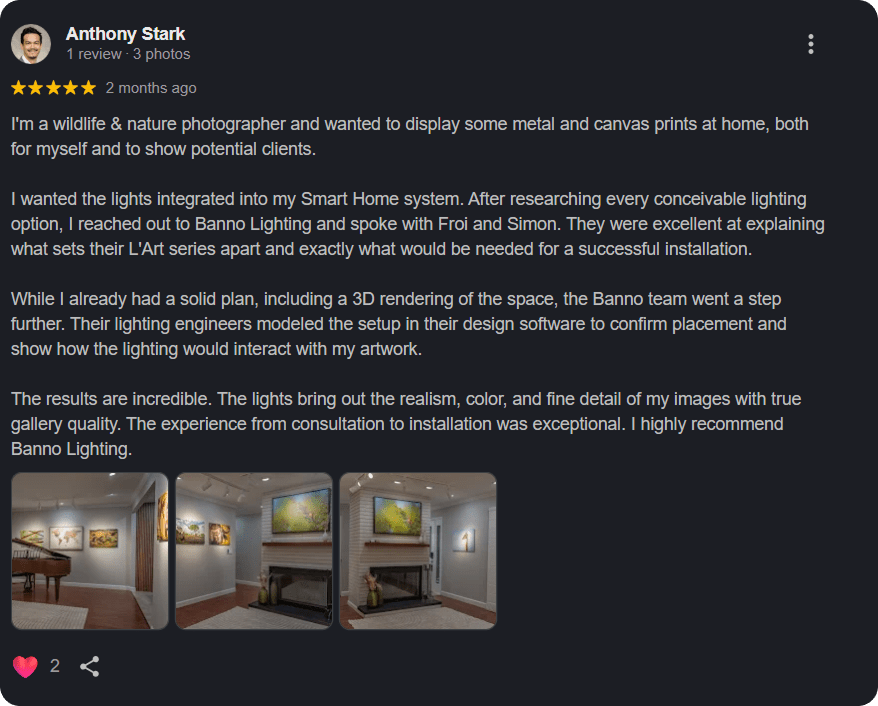
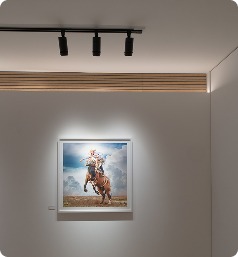
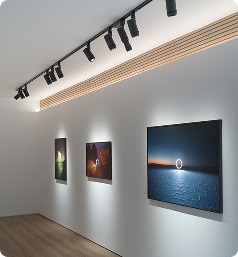
How to Light Artwork Properly in Your Home or Gallery Without Damaging Your Collection

Professional art lighting protecting canvas from heat
If you own original art, limited edition photography, valuable prints, or even deeply personal pieces that you want to display with pride, the light above it matters more than most people realize. A great artwork can look flat, dull, or lifeless under the wrong light. Even worse, the wrong lighting can quietly damage pigments, paper, canvas, and varnish over time. That is why the right art light is not a decorative extra. It is a preservation and presentation tool.
When people search “art light,” they often mean a light fixture designed specifically to illuminate artwork on a wall. In high quality art lighting, the goal is simple: reveal the true colors, texture, and depth of the piece with clean controlled light, while minimizing glare and protecting the artwork for years.
What Is an Art Light

Adjustable white track light head with precision optic
An art light is a purpose built fixture designed to illuminate artwork evenly and accurately. Unlike general room lighting, an art light is aimed, shaped, and positioned to highlight a specific piece. The best art lighting creates a gentle wash across the artwork, making the image feel dimensional and intentional, rather than harsh or spotty.
Art lights are commonly installed above paintings, photographs, framed prints, and gallery walls. They can be wall mounted above the frame, ceiling mounted in front of the piece, recessed into the ceiling, or integrated into track lighting systems for flexible aiming. The right approach depends on your wall layout, ceiling height, and the type of art you are lighting.

Highly Rated by Our Clients
Why Art Lighting Changes How Your Collection Feels

Gallery style lighting creating focal point on painting
Most homes rely on ceiling downlights or a central pendant to light a room. These lights are not designed to show artwork at its best. They create uneven lighting, hot spots, glare on glass, and shadows that cut across frames. The result is that your art feels like an afterthought, even if it is the centerpiece of the space.
A proper art light changes that immediately. It creates a focal point, improves perceived quality of the room, and makes the artwork feel like it belongs in a gallery. In galleries and museums, lighting is not optional. It is part of the experience. The same principle applies at home, especially if you have a collection that deserves to be seen properly.
Does LED Light Damage Paintings

LED art light positioned safely above canvas
This is one of the most important questions collectors ask, and the answer is nuanced. Light damage is primarily caused by ultraviolet and infrared radiation, heat, and excessive exposure over time. Traditional halogen lights and older lamps can produce more heat and can contain components that are not ideal for sensitive works.
High quality LED systems are generally safer for artwork because they produce far less heat and can be engineered to reduce or eliminate UV and IR output. That said, any light can contribute to fading if it is too bright, too close, or left on constantly. Museum grade lighting is about controlling the full system, not just choosing LED.
The safest approach is to use a high quality LED art light with controlled optics, appropriate brightness, high color accuracy, and smart placement so you get a premium look without overexposing the artwork.
Museum Grade Lighting vs Typical Picture Lights

Museum grade fixture with controlled beam on artwork
Many consumer “picture lights” are basically decorative bars with a bulb inside. They can look nice from a distance, but they often lack proper beam control, produce uneven light, and create glare on glass. They also tend to have inconsistent color, which changes how the art looks.
Museum grade art lighting is different. It is engineered to deliver controlled light distribution, accurate color rendering, and stable performance over long lifespans. The light output is shaped to avoid harsh hotspots and minimize glare. It is designed to make artwork look exactly how it should, with clarity, depth, and true color.
This matters most in photography, contemporary prints, and paintings where subtle tone changes and surface texture are part of the work.
Art Light Fixtures and the Most Common Types

Track lighting heads aimed at gallery wall
There are several effective ways to light artwork, and each has its place depending on the space. Choosing the right fixtures for artwork lighting depends on the wall layout, ceiling height, and how often the artwork changes.
Wall mounted art light fixtures are the classic solution. These are mounted above the frame and aimed downward to wash the artwork. They work well when you have a single hero piece or a clean line of frames at consistent heights.
Ceiling mounted fixtures work well when you want the wall to remain clean or when the artwork changes regularly. A ceiling fixture can be precisely aimed to reduce glare and can create a more museum like lighting angle.
Recessed art lighting is a minimalist architectural option. Recessed fixtures can be positioned in front of the art so the ceiling stays visually clean while still delivering controlled lighting. The key is proper placement. A recessed downlight placed too close will create harsh shadows and glare, while a properly set art light creates a smooth wash.
Track lighting for artwork is one of the most flexible options and is widely used in galleries, studios, and modern homes. Track systems allow you to adjust and reposition fixtures as your collection changes. If you rotate pieces, add new works, or frequently rehang art, track lighting is often the best long term solution.
How to Light a Painting Without Glare

Proper beam spread across canvas surface
Glare is one of the biggest problems in art lighting, especially with glass framed works and photography. Glare happens when the light angle reflects directly into the viewer’s eyes. The solution is not to avoid lighting the piece. The solution is to control angle, beam, and placement.
A proven approach is to light artwork from above at an angle that reduces reflections. Many professionals work with the idea of a 30 degree lighting angle from the vertical plane of the artwork. This helps spread light evenly and reduces the chance that reflections bounce straight back at the viewer.
Beam control also matters. A narrow beam can create hot spots. A wide uncontrolled beam can spill everywhere and create glare. A controlled beam designed for artwork gives you even illumination with minimal spill.
Art Light Placement and the Most Common Rule

Ceiling mounted fixture aimed at artwork
If you are installing an art light above a frame, the goal is to illuminate the entire artwork rather than just the upper edge. Achieving this balance is one of the best lighting methods for paintings, helping the image appear evenly lit from top to bottom. Placement depends on the size of the piece, the depth of the frame, and the optic of the fixture, but there are practical guidelines that work well in most homes.
The light should sit above the top edge of the frame, centered, and angled so the brightest part of the beam hits the center of the artwork. If the light is too close, you get a bright top and a dark bottom. If it is too far, the light spills onto the wall and reduces contrast.
For ceiling mounted or track lighting, you typically position the fixture in front of the artwork and aim it so the beam spreads across the surface without reflecting. The goal is a smooth wash that feels effortless.
l’art Zoom – Precision Lighting for Versatile Artwork Displays

Adjustable beam art light on rotating gallery wall
The l’art Zoom is engineered for collectors and designers who need flexibility without compromising on visual quality. This fixture allows precise beam adjustment, making it ideal for lighting paintings of different sizes with a single system. Instead of a fixed wash, the Zoom optic lets you narrow or widen the beam so the light fully covers the artwork without spill onto the surrounding wall. This creates a clean, gallery-grade presentation that feels intentional and refined.
Because it uses integrated LED chips rather than replaceable bulbs, the output remains stable over time with consistent color accuracy. This is especially important for original art, limited edition prints, and textured paintings where tone and detail matter. The l’art Zoom works exceptionally well for gallery walls, rotating collections, and spaces where artwork changes regularly, as it can be re-aimed and refined without reinstalling the fixture.
l’art Multi – Balanced Wash Lighting for Gallery Walls and Collections

Even wash lighting across multiple framed artworks
The l’art Multi is designed to deliver an even, balanced wash of light across multiple artworks or wider pieces. Where narrow spot lighting can create hotspots, the Multi optic spreads light smoothly across the surface, making it ideal for gallery walls, large framed photography, and long horizontal artworks. This approach mirrors how professional galleries light collections to maintain consistency and visual harmony across several pieces.
Its integrated LED system ensures longevity, low heat output, and high color accuracy, which helps preserve pigments and materials over time. The Multi is particularly effective in residential settings where collectors want their art to feel curated rather than casually lit. By reducing glare and creating uniform illumination, it enhances perceived artwork quality while keeping the wall visually clean and cohesive.
l’art Deluxe Projector – Museum Grade Lighting for High Ceilings and Statement Pieces

Integrated LED projector fixture with architectural finish
The l’art Deluxe Projector is built for large spaces, high ceilings, and museum-level installations where standard picture lights are not sufficient. With powerful, controlled optics, it projects a precise beam over long distances while maintaining clarity, depth, and accurate color rendering. This makes it ideal for oversized paintings, feature walls, sculptures, and architectural art displays where scale and ceiling height require professional-grade performance.
Unlike decorative fixtures that lose intensity over distance, the Deluxe Projector maintains a focused, even wash that enhances texture and detail without harsh glare. Its integrated LED technology provides stable output, low maintenance, and long-term reliability, aligning with museum lighting principles. For collectors and galleries seeking a premium, architectural lighting solution, the Deluxe Projector delivers a true focal-point effect while protecting artwork through controlled, high-quality illumination.
Color Temperature and Kelvin for Art Lighting

Consistent Kelvin lighting across gallery wall
Color temperature is measured in Kelvin and affects whether the artwork looks warm, neutral, or cool. There is no single best Kelvin for every collection, but there are common standards used by galleries and museums.
Warmer light can make spaces feel intimate and rich, often flattering traditional paintings and warm toned palettes. Neutral white light is commonly used for accurate representation and can be ideal for modern art and photography. Cooler light can look crisp but can also make some art feel sterile if overdone.
The most important point is consistency. If your art wall has mixed color temperatures, your collection will look uneven and the room will feel visually messy. Professional art lighting maintains consistent Kelvin across the display and uses high color accuracy to reveal true hues.
Museum Lighting Guidelines and Standards in Practice

Museum grade fixture with controlled beam on artwork
Museum lighting standards focus on balancing appearance and conservation. Sensitive works on paper, textiles, and watercolors typically require lower light levels than oil paintings or sculptures. Museums also manage exposure time by controlling how long lights remain on, using sensors, zoning, and thoughtful operational habits.
For homeowners, the principle is similar. Use only as much brightness as you need, do not blast the artwork with excessive light, and avoid leaving high output lighting on all day if the piece is sensitive. The right fixture makes this easy because the beam is controlled, the color is accurate, and the system is stable.
Track Lighting Systems for Art and Gallery Walls

Modern track system illuminating long hallway gallery
Track lighting is often the easiest way to achieve gallery level results, especially if your collection evolves. You can add fixtures, reposition heads, adjust angles, and scale the system over time. This is why galleries use track systems so heavily. They are flexible without compromising professional performance.
Modern track lights designed for art can deliver precise beams and controlled washes, allowing you to light one hero piece or an entire gallery wall with consistent quality. This approach is also ideal for long hallways, staircases, and open plan spaces where art runs across multiple walls.
Choosing the Best Lighting for Artwork

High color accuracy art light revealing brush texture
The best art light is not about being the brightest. It is about following the key principles of lighting for art displays, delivering clean, controlled, and accurate illumination with minimal glare and minimal long-term risk to the artwork.
When choosing an art light fixture, prioritize these elements.
High color accuracy so the art looks real and vibrant rather than dull or distorted. Controlled optics so the beam washes the artwork evenly rather than creating harsh hotspots. Low glare design so the viewing experience is clean and premium. Stable long life performance so you are not constantly replacing components or dealing with inconsistent output over time.
In professional systems, the most refined fixtures use built in LED chips engineered for longevity and performance, rather than relying on replaceable bulbs. This improves consistency, reduces maintenance, and allows better optical control inside the fixture.
Art Lighting for Home Collectors

Living room gallery wall with professional lighting
High end art lighting is not just for museums. Many collectors now use professional art gallery lighting systems for collections in residential spaces because the artwork is part of daily life. When lighting is done correctly, the home feels curated. Pieces look more valuable, the room feels intentional, and the entire collection gains presence. Most importantly, you can enjoy the artwork the way it was meant to be seen.
Whether you have one major piece above a sofa, a full stairwell gallery wall, or a dedicated art room, the right art light creates the difference between hanging art and presenting it.
Art Light Fixtures and Professional Installation Considerations

Close up of precision optic inside art light
When selecting an art light fixture, it is important to understand that not all fixtures are engineered for artwork illumination. Many decorative picture lights on the market are aesthetic products first and lighting tools second. A true art lighting fixture is designed with optical precision, correct beam spread, and consistent output that enhances the artwork rather than overpowering it.
Professional art gallery light fixtures and museum quality lighting systems are built around longevity and accuracy. Instead of relying on replaceable bulbs that degrade unevenly, premium art light systems use integrated LED technology for stable color output and extended lifespan. This ensures the artwork looks the same year after year, rather than slowly shifting in tone due to aging light sources.
Art Light Placement, Direction, and Distance from Wall

Properly angled art light creating smooth wash
Correct art light placement is one of the most overlooked factors in residential and gallery installations. Even a high-end art light will perform poorly if the direction and distance from the wall are incorrect.
Art light direction should always aim to create an even wash across the artwork surface rather than a concentrated hotspot. If the light is positioned too close to the wall, the top of the painting will appear overly bright while the lower section falls into shadow. If the art light distance from wall is too far, the beam spreads excessively and reduces visual focus.
For optimal results, the art light over painting should be positioned and angled so the beam reaches the center of the artwork, creating balanced illumination from top to bottom. This approach is standard in museum lighting guidelines and museum lighting standards where visual clarity and conservation are equally important.
Wall Art Light vs Ceiling and Track Solutions

Ceiling track lighting illuminating multiple artworks
A wall art light is ideal for single statement pieces or symmetrical gallery walls where consistency is key. Mounting an art light on wall directly above the frame creates a refined, intentional presentation that mirrors professional gallery environments.
However, in larger collections or rotating exhibitions, track lighting for artwork provides greater flexibility. Track systems allow curators and homeowners to adjust beam direction, spacing, and intensity as the collection evolves. This is why track lighting is commonly used in museums and high-end galleries, as it aligns with museum lighting requirements for adaptable and controlled illumination.
Recessed lighting for artwork is another architectural solution that maintains a minimalist ceiling while delivering focused art illumination. When properly specified, recessed art lighting can provide museum-grade results without visible fixtures dominating the aesthetic.

Art Light for Painting and Color Accuracy

Accurate color rendering on oil painting
Using an art light for painting requires careful attention to color temperature and color rendering. Paintings, especially oil and acrylic works, contain subtle tonal variations that can be distorted under poor lighting. Museum lighting color temperature is typically selected to enhance true color perception while avoiding excessive warmth or coolness that alters the artist’s intent.
The best lighting for artwork is not simply the brightest option, but the most accurate and controlled. High-quality art lighting fixtures are designed to reveal texture, brushwork, and depth without introducing glare or color shift. This is particularly critical when lighting valuable paintings, limited edition prints, and museum-grade collections.
How to Light Artwork Like a Gallery or Museum

Museum style lighting highlighting feature painting
Understanding how to light artwork properly involves more than simply installing a fixture. Professional spaces rely on high-precision lighting for fine art and exhibitions, where every element is carefully considered. This requires a system approach that takes into account fixture type, beam angle, mounting height, and environmental exposure. Museum quality lighting focuses on consistency, conservation, and visual enhancement at the same time.
A well-executed art lighting system integrates art light fixtures, proper placement, and calibrated brightness levels to ensure the artwork remains the focal point of the space. Whether using a picture light for wall art, recessed art lighting, or track lighting systems, the goal is always the same: elevate the artwork while protecting it through controlled, professional illumination.
When executed correctly, art lighting transforms a simple wall display into a curated visual experience that reflects the standards of galleries, museums, and serious collectors.
Conclusion
Art light is about two outcomes: make the artwork look incredible and protect it over time. These priorities reflect the same principles found in an expert guide to lighting art in galleries and museums. With the right fixture type, correct placement, controlled beam angle, and appropriate color temperature, you can achieve museum grade results in a home environment without glare or harshness.
If you want your collection to feel elevated and professional, start by treating art lighting like part of the art itself. Because once you see a painting properly lit, you will never unsee the difference.
FAQ Art Light
What is an art light?
An art light is a fixture designed specifically to illuminate artwork evenly and accurately with controlled beam spread and minimal glare.
How do you light a painting properly?
Use a controlled light aimed at the artwork, typically from above, positioned so it washes the surface evenly without bright hotspots or reflections.
What Kelvin is best for art lighting?
Many collectors prefer a warm to neutral range depending on the artwork, but consistency and high color accuracy matter more than one exact Kelvin number.
Does LED light damage artwork?
High quality LED lighting is generally safer than older halogen because it produces less heat and can reduce UV and IR output. Excessive brightness and long exposure can still contribute to fading over time.
What is the best lighting for artwork on a wall?
The best solution is a controlled art light fixture, recessed art light, or professional track lighting system designed for artwork illumination and glare control.
How high should an art light be above a painting?
It should be positioned so the beam covers the entire piece evenly. The exact height depends on the fixture optics and artwork size, but correct aiming is more important than a single fixed distance.
How do you avoid glare on framed art?
Use the correct lighting angle, avoid aiming directly at the viewer’s sightline, and choose fixtures with controlled optics designed to reduce reflections.
Client Feedback and Real Project Success Stories