A Collector’s Guide To Bringing Historical Art To Life

The Night Watch
Quick FAQs
What is the best lighting for Old Master paintings
High CRI LED lighting at 2700K with precise beam control and anti glare optics.
How do I avoid glare on varnished Old Master artworks
You need controlled beams, the correct angle and anti glare filters such as honeycomb lenses.
Old Master paintings are some of the most rewarding artworks to own. They carry history, soul, texture and a sense of timeless craft that modern pieces rarely achieve. Yet they are also the most challenging artworks to light. Every varnish layer, every crack, every glaze and every brushstroke behaves differently under light. When Old Masters are displayed at Sotheby’s or the Rijksmuseum, the lighting has been tuned with surgical precision. At home this level of control is rarely present.
Collectors often notice the difference immediately. An Old Master that looked breathtaking in the auction room can look flat, harsh or full of glare in a residential setting. The good news is that you can achieve museum-grade lighting for high-value artworks at home when you use the correct tools and the correct approach. This complete art gallery lighting guide explains explains exactly how lighting techniques for old master paintings properly and why the l’art Multi is the ideal system for this type of artwork.
Why Old Master Paintings Are Hard To Light In Homes

Girl with a Pearl Earring
Old Masters were painted long before electric lighting existed. They were viewed under candlelight or daylight, which means modern LEDs must be selected carefully to preserve the artist’s intention. Homes also create new challenges:
Windows create high angle reflections.
Downlights cast hard shadows.
Warm domestic bulbs distort pigment.
Varnish reflects like glass.
Ceiling heights vary.
Furniture and glossy floors bounce light.
Museums can engineer perfect conditions. A home cannot.
That is why your lighting needs more flexibility than a fixed ceiling downlight or standard track head can offer.

4.9-star rated by art collectors and gallery professionals
Why 2700K Is The Ideal Colour Temperature For Old Masters

Warm illumination enriching deep glazes and shadow tones.
Most people assume museum lighting standards for paintings is the goal. Museums typically use around 3000K for general display because it appears neutral under gallery conditions. But in homes, the atmosphere is different. Walls are warmer. Floors are darker. Natural light levels fluctuate. In this environment Old Masters almost always look richer, deeper and more authentic under 2700K high CRI light.
2700K restores the warm glow that would have existed in the period the artwork was created. It enhances glazes and shadows without bleaching the subtleties. It reduces visual harshness on varnished surfaces. It simply feels more honest to the painting.
The l’art Multi is specifically designed with a true 2700K option because historical artworks deserve historical warmth, not clinical neutrality.
Why The l’art Multi Is Built For Old Master Paintings
Old Masters require more than brightness. They require control. Control over glare, control over beam shape, control over intensity and control over reflections. The l’art Multi provides all of this through three main features.
Anti Glare System

Close detail of anti glare optics in fixture.
Old Masters often have glossy varnish. The nine lens array minimises frontal glare and softens the light output so the beam illuminates the artwork without bouncing back into the viewer’s eyes.
Individual Dimming Per Light

Close view of brightness control on art lighting system.
Not all Old Masters are equal. Some absorb light deeply. Some reflect strongly. Some have heavy textures that catch highlights. Being able to dim each fitting allows you to tune each painting perfectly.
Honeycomb Filters
These reduce specular reflection and create a softer beam edge. For varnished paintings, this is essential. It gives you the ability to control reflections far better than any standard track head.
Lens Kits and Beam Options

Interchangeable lenses displayed
Old Masters vary in size and framing. You need different beam shapes to match them.
Spot
Narrow
Wide
Square
Wallwash
These allow you to shape the light to the artwork without flooding the wall or lighting the frame unevenly.
This is exactly why the l’art Multi is the system we recommend for serious collectors.
Understanding Varnish, Glare And Reflectivity

The Assumption of the Virgin painted by Titian
Varnish behaves like a mirror. It reflects the light source directly back at the viewer if the angle is wrong. In museums, this is managed with carefully calculated mounting distances and controlled beam shaping.
In a home the challenges are multiplied.
More windows.
More downlights.
More varying ceiling heights.
More reflection surfaces.
To avoid glare you must control three things.
The angle
Ideally between 30 and 35 degrees.
The distance
Around one metre to one point three metres from the artwork.
The beam
Narrow and sculpted, not wide and uncontrolled.
The l’art Multi allows you to achieve all of this because the optics are designed for refined glare control.
Beam Control. The Secret To Making Old Masters Glow

Portrait of a Man Holding a Prayer Book
A standard track light is simply too broad for Old Master works. It floods the wall, creates hotspots and destroys depth. Old Masters come alive when the beam is shaped to the artwork and when the edges of the beam feather off gently.
Beam control allows you to reveal the painting without overlighting it. The Multi’s interchangeable lenses make it easy to select the exact spread needed for each painting. Whether you want a soft wallwash for a large canvas or a tight spot for a small portrait, you can tune the beam shape to the artwork’s proportions with proper lighting for large-scale paintings.
This is exactly how museums make paintings appear to glow from within. Precision beam lighting for masterpieces.
Lighting Texture, Impasto And Craquelure Correctly
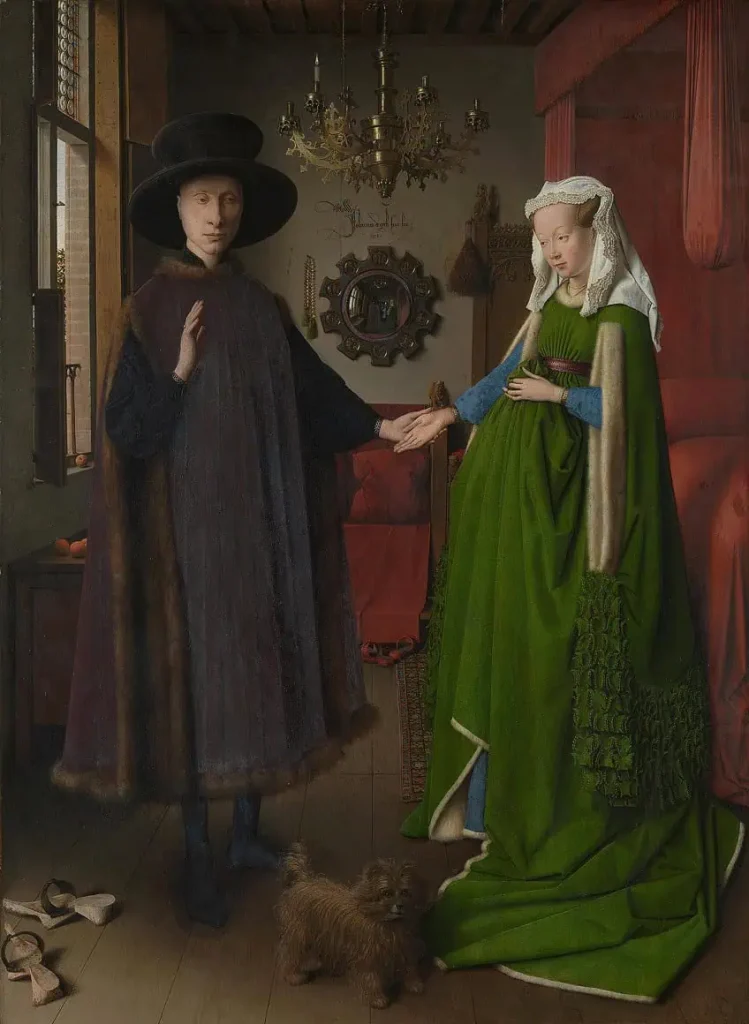
The Arnolfini Portrait
Old Master paintings can have:
Thick impasto
Delicate glazing
Visible craquelure
Uneven surfaces
Hundreds of years of restoration history
Too much raking light will exaggerate texture and make the painting look damaged. Too little light makes it look flat. The correct approach is to balance beam intensity with angle so the texture is revealed softly without harsh distortion.
This is where individual dimming is powerful. You can lower intensity on heavily textured sections and increase intensity on smoother works. With the Multi, this level of precision is simple.
Placement And Distance For Lighting Old Masters At Home
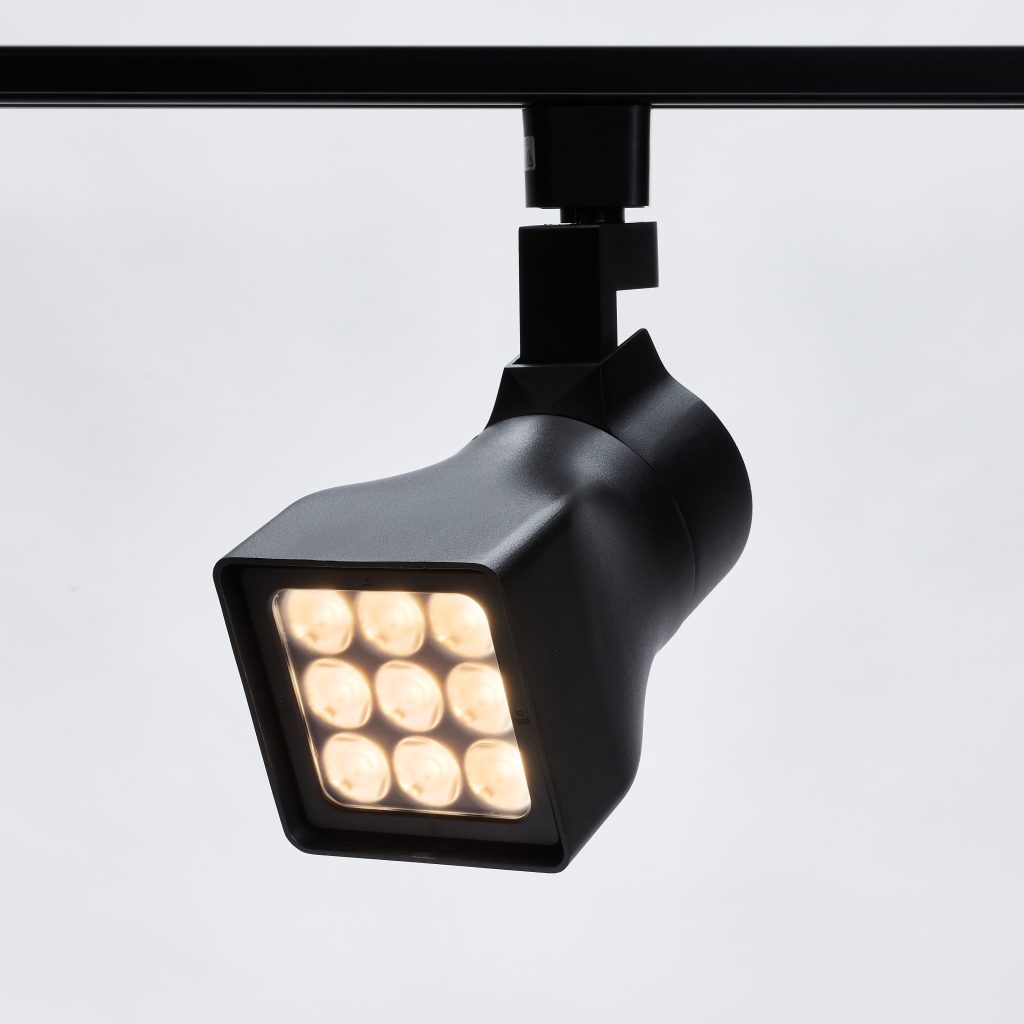
Angled track light aimed precisely at classical painting
The general rule:
Position the light one metre to one point three metres in front of the artwork.
Aim at a thirty to thirty five degree angle.
Shape the beam so it fits the artwork cleanly.
Feather the beam off the frame so it does not hotspot.
In homes with lower ceilings you may need a slightly tighter angle. In homes with high ceilings you may need a slightly wider angle or a longer throw. This is exactly why beam flexibility is essential and why static lights rarely perform well on Old Masters.
Creating A Museum Grade Display In A Private Home

Premium Lart product box with minimalist branding.
Museum grade lighting at home is no longer difficult. It simply requires using the right product with the right settings. When lighting Old Masters in a home you want to achieve three things.
Warmth
Control
Depth
Warmth comes from 2700K.
Control comes from the Multi’s lenses, filters and dimming.
Depth comes from precise beam shaping that reveals texture gently.
When these elements come together the artwork looks as powerful as it did in the auction room.
Common Mistakes Homeowners Make When Lighting Old Masters

Using dimmable lighting restores depth in classical paintings
These are the errors that ruin masterpieces.
Using general ceiling downlights
Using warm domestic bulbs that distort pigment
Using wide beam track lights
Lighting from straight overhead
Using lights without dimming
Lighting only from one direction
Not controlling glare or reflections
Using 4000K or cool white LEDs
These mistakes can turn a masterpiece into a dull canvas. Correct lighting restores its true presence.
How To Light Oil Paintings At Home Without Compromising Authenticity
Lighting Old Master paintings in a residential setting requires more than simply installing high-quality fixtures. It requires sensitivity to how oil paint behaves under light and how the home environment differs from a gallery.
Oil paintings are layered objects. Glazes, pigments, varnish and age all influence how light is absorbed and reflected. If the lighting is too aggressive, the painting loses subtlety. If it is too weak or uncontrolled, it loses depth.
The goal is not to make the artwork brighter. The goal is to make it truer.
Understanding Light Absorption in Oil Paint
Unlike prints or modern acrylics, oil paintings absorb light unevenly.
Dark pigments tend to absorb more light, while lighter pigments reflect more. Over time, oxidation and varnish layers can further alter this balance. This is why some Old Masters appear darker in certain areas when poorly lit.
Proper lighting compensates for this without flattening contrast.
It reveals detail in darker passages while preserving the richness of shadows.
Why Directional Lighting Is Essential for Oil Paintings
Diffuse light from general fixtures spreads too widely and removes contrast.
Directional lighting, on the other hand, allows you to control exactly where light falls.
This creates:
stronger visual structure
better separation between subject and background
enhanced readability of fine detail
For Old Masters, this control is essential because the compositions were designed with light in mind.
Lighting Varnished Paintings Without Reflection Issues
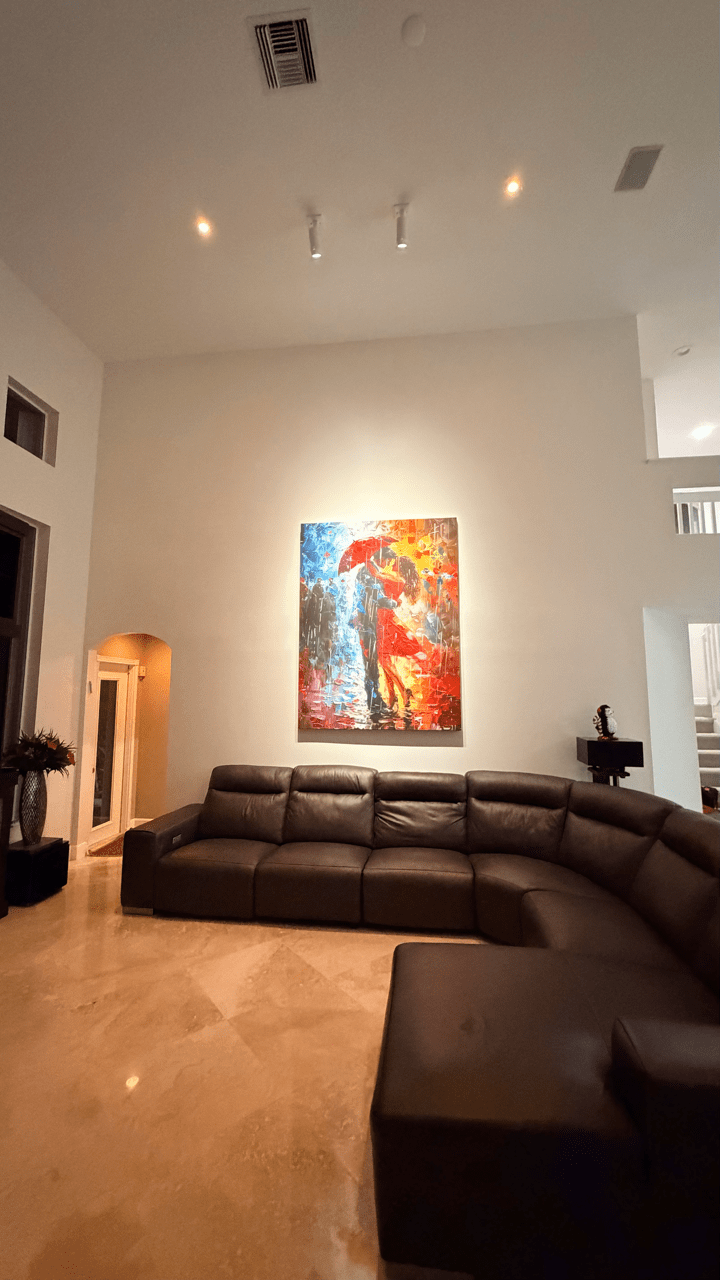
Residential lighting interacting with reflective varnish layers on painting
One of the defining characteristics of Old Master paintings is varnish.
While varnish protects the painting, it also creates a reflective surface that can easily produce glare.
Why Varnish Reflects So Strongly
Varnish behaves similarly to polished glass.
When light hits it at the wrong angle, it reflects directly back toward the viewer. This creates bright hotspots that obscure the artwork.
In homes, this effect is intensified by:
multiple light sources
windows and daylight
glossy floors or furniture
How To Achieve Glare-Free Lighting for Paintings
To properly light varnished artwork, three elements must work together:
Angle
A controlled angle between 30 and 35 degrees helps redirect reflections away from the viewer.
Beam Control
A narrow, shaped beam ensures that light is focused only on the artwork, reducing spill and unwanted reflections.
Optical Filtering
Anti-glare accessories such as honeycomb filters break up direct reflections and soften the visual output.
When these elements are aligned, glare is significantly reduced and the painting becomes fully visible from normal viewing positions.
Lighting Historical Artworks With Respect To Age And Condition
Old Master paintings are not uniform objects.
Each piece carries a unique history that affects how it should be lit.
Aging and Surface Variation
Over centuries, paintings can develop:
craquelure (fine cracking)
uneven varnish layers
areas of restoration
pigment shifts
These variations interact with light in complex ways.
Lighting must be adapted to the condition of the artwork rather than applied uniformly.
Avoiding Overexposure on Sensitive Areas
Certain sections of a painting may reflect more light than others.
Applying uniform intensity across the entire surface can exaggerate these differences and create imbalance.
Instead, subtle adjustments in intensity allow the painting to appear cohesive and natural.
Best Lighting Practices for Classical Paintings in Modern Interiors
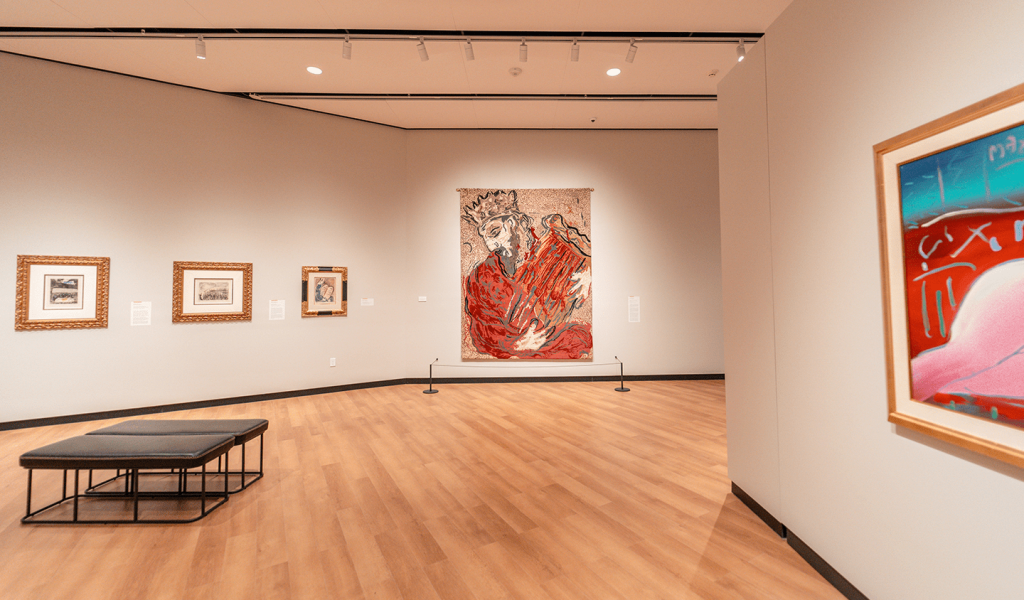
Mixed light sources balanced to maintain artwork colour accuracy indoors
Modern homes introduce variables that did not exist when Old Masters were created.
Lighting must bridge this gap.
Dealing With Mixed Light Sources
Most homes contain a mix of:
daylight
ceiling lights
decorative fixtures
These sources often vary in colour temperature and intensity.
If not managed, they can distort the appearance of artwork.
A dedicated art lighting system isolates the painting visually, ensuring consistency regardless of surrounding light.
Minimising Interference From Windows
Natural light is dynamic and unpredictable.
It changes throughout the day and can introduce strong reflections.
While it cannot always be eliminated, it can be managed by:
positioning artwork away from direct light paths
using controlled artificial lighting to dominate the visual field
This ensures that the artwork remains stable in appearance.
Lighting Large Versus Small Old Master Paintings
Size plays a significant role in how lighting should be applied.
Lighting Large-Scale Paintings
Larger works require:
wider or multiple beams
careful blending between light sources
consistent intensity across the surface
Without proper beam overlap, large paintings can appear uneven or segmented.
Lighting Smaller Works
Smaller paintings benefit from tighter, more focused beams.
This creates:
stronger emphasis
better isolation from the surrounding wall
a more intimate viewing experience
Precision becomes more important as scale decreases.
How To Light Multiple Old Masters In One Collection

Cohesive lighting creating unified visual tone across multiple artworks
Many collectors display several works within the same room.
Lighting must account for relationships between pieces.
Creating Hierarchy Within a Collection
Not every painting needs the same level of emphasis.
By adjusting intensity slightly, you can create a natural hierarchy:
primary works draw attention
secondary works support the overall composition
This prevents visual overload.
Maintaining Cohesion Across Different Works
Even with variation in intensity, consistency is key.
All artworks should share:
the same colour temperature
similar beam quality
a unified visual tone
This ensures the collection feels curated rather than fragmented.
How To Avoid Common Lighting Problems With Old Masters
Even well-intentioned setups can lead to issues if certain principles are ignored.
Uneven Illumination
This occurs when:
beam angles are too wide
fixtures are poorly positioned
The result is bright centres and dark edges.
Proper beam selection eliminates this issue.
Colour Distortion
Low-quality lighting can shift colours subtly but significantly.
Reds may appear dull. Blues may become muted. Skin tones may lose warmth.
High colour accuracy is essential to preserve the integrity of the painting.
Excessive Brightness
Too much light can:
flatten shadows
reduce depth
create visual fatigue
Old Masters benefit from controlled, moderate illumination rather than intensity.
Museum Lighting Standards Adapted for Residential Use
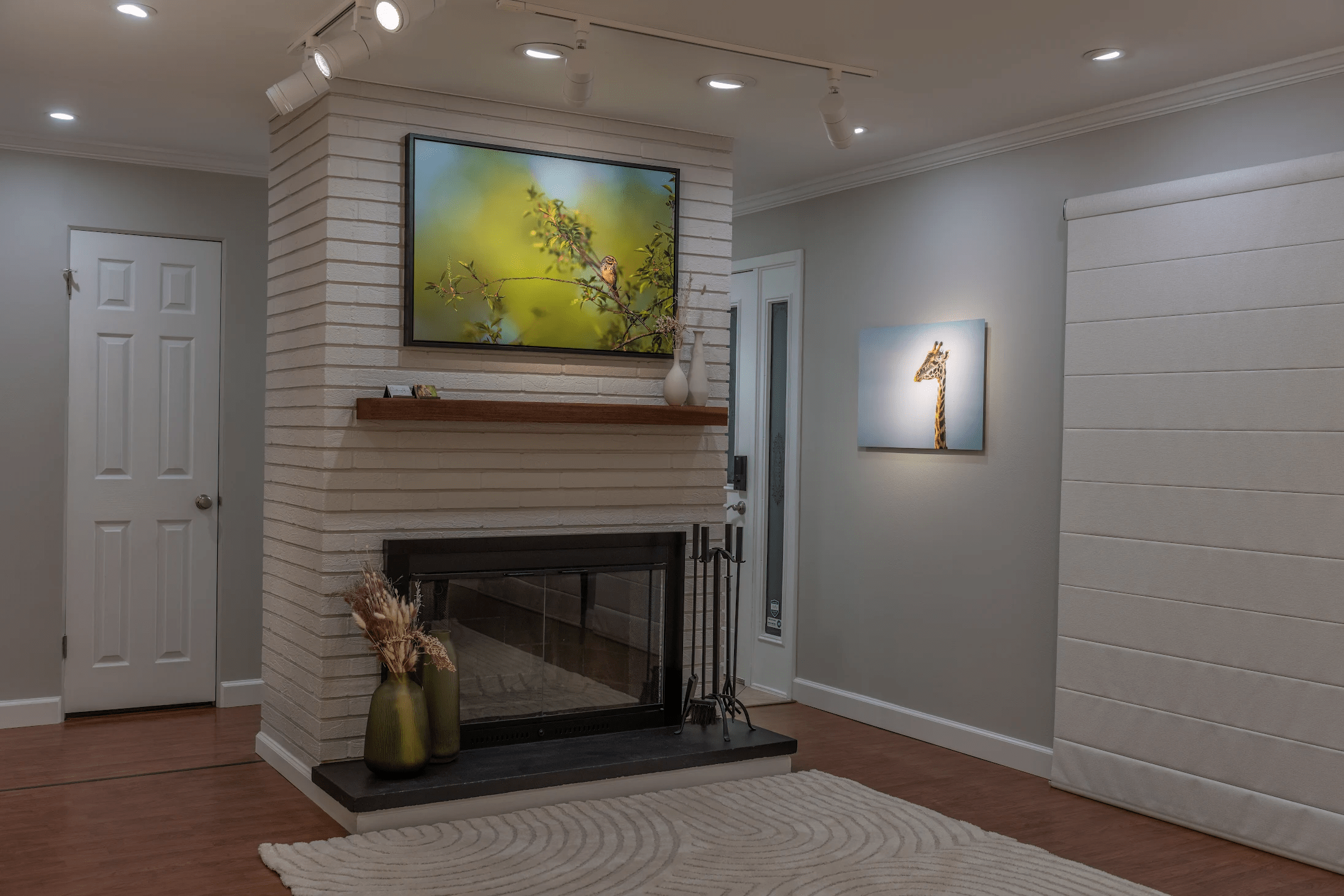
Museum style lighting adapted for comfortable residential interior setting
Museum lighting principles provide a strong foundation, but they must be adapted for homes.
Why Museums Use Neutral Lighting
Museums often use neutral colour temperatures to maintain consistency across large collections.
However, residential spaces are more intimate and atmospheric.
Adapting Standards for Home Environments
In homes, lighting should:
feel comfortable
integrate with interior design
enhance the emotional presence of the artwork
This often means using slightly warmer tones and more controlled intensity.
The Role of Lighting in Revealing Artistic Intent
Old Master painters used light deliberately within their compositions.
Lighting the artwork correctly allows you to see these decisions clearly.
Highlighting Composition and Contrast
Proper lighting reveals:
focal points
transitions between light and shadow
subtle tonal variations
This enhances the narrative of the painting.
Restoring Visual Balance
Incorrect lighting can distort balance within the artwork.
Areas that should recede may become too prominent, and vice versa.
Controlled lighting restores the intended hierarchy.

Lighting As A Long-Term Investment For Art Collectors

High quality lighting preserving artwork condition and colour over time
For serious collectors, lighting is not a finishing touch.
It is part of the collection itself.
Preserving Value Over Time
Proper lighting helps maintain:
colour stability
surface integrity
overall condition
This protects both the aesthetic and financial value of the artwork.
Enhancing Daily Interaction With Art
When artwork is properly lit, it becomes more engaging.
Collectors spend more time observing, appreciating and connecting with their pieces.
Final Thought: Bringing Historical Art Into Modern Life
Old Master paintings were created in a completely different visual world.
Lighting is what allows them to exist meaningfully in a modern home.
When done correctly, it does not modernise the artwork.
It respects it.
It allows centuries-old craftsmanship to be experienced with clarity, depth and authenticity.
And it transforms the act of viewing into something far more immersive and rewarding.
FAQs

Man standing closely observing classical masterpiece.
What is the best lighting for Old Master paintings
High CRI 2700K LED lighting with beam control and anti glare optics.
Is 2700K or 3000K better for Old Masters
2700K is usually best in homes because it matches historical viewing conditions and enhances glazes.
How do I avoid glare on varnished paintings
Use a thirty to thirty five degree angle, a narrow controlled beam and a honeycomb filter.
Is LED safe for historical paintings
Yes. High quality LED with low UV and low IR output is conservation safe.
What beam angle is best for Old Masters
A narrow or controlled beam that fits the artwork without spilling onto the wall.
Should art lights be dimmable
Yes. Old Masters vary in reflectivity and benefit from individual tuning.
How far should the light be from the artwork
Around one to one point three metres depending on ceiling height.
Why does my Old Master look flat at home
Incorrect colour temperature, wide beams or overhead downlights often flatten depth and texture.

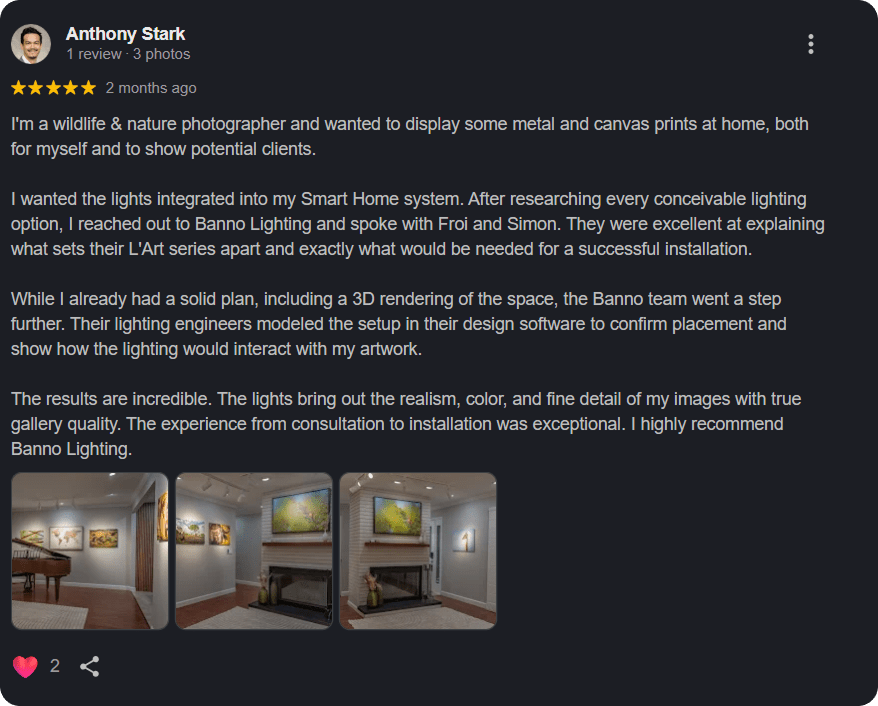
What art collectors and gallery clients say about us