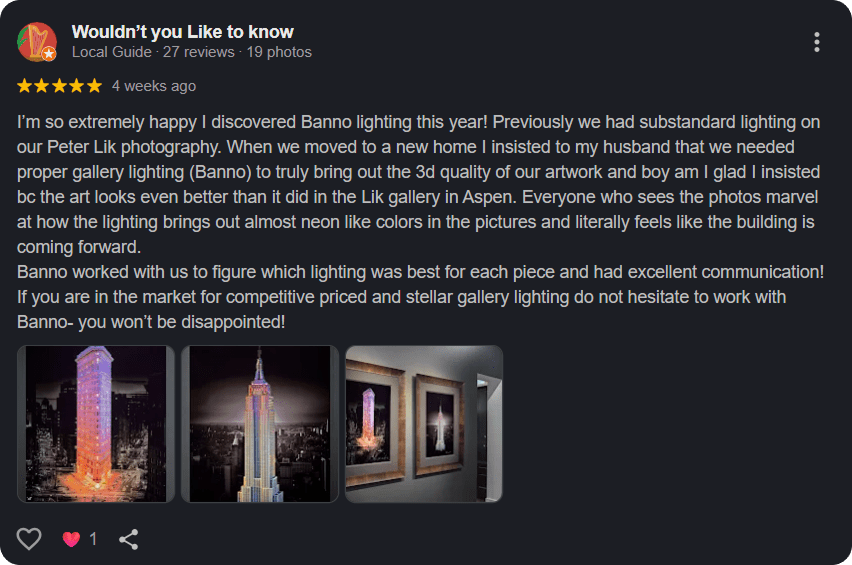
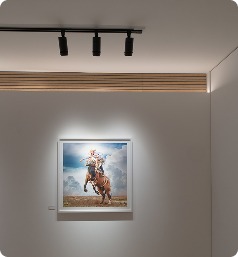
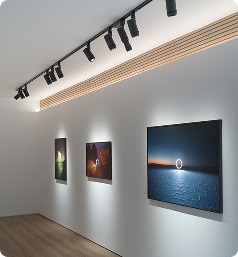
Gallery wall with balanced artwork lighting
A light for painting is a specialised lighting solution designed to illuminate paintings, canvas art, and framed artwork with precision, clarity, and conservation in mind. Unlike general room lighting, a dedicated light for painting enhances colour accuracy, reveals texture, and creates a focused visual emphasis on the artwork without causing glare or long-term damage.
As a complete guide to lighting paintings and fine art, this article explains how the right light for painting can dramatically transform how artwork is perceived in galleries, museums, studios, and luxury homes. Proper lighting can make a painting appear more vibrant, dimensional, and valuable, while poor lighting can flatten colours and significantly reduce visual impact.
For collectors, artists, and interior designers, choosing the correct light for painting is not just an aesthetic decision. It is a technical and strategic one.
What Is a Light for Painting?

Adjustable artwork light mounted above canvas
A light for painting is a purpose-built lighting fixture designed specifically to illuminate artwork on walls, easels, or display surfaces. These lights are engineered to provide controlled, even illumination that enhances the painting while protecting sensitive materials such as canvas, oil, acrylic, and mixed media.
Professional lights for paintings typically include:
- High colour rendering (CRI 90–97+)
- Low UV and heat output
- Adjustable beam angles
- Glare control optics
- Dimmable brightness
- Stable colour temperature
This combination ensures that the painting is displayed in its most accurate and visually compelling form.

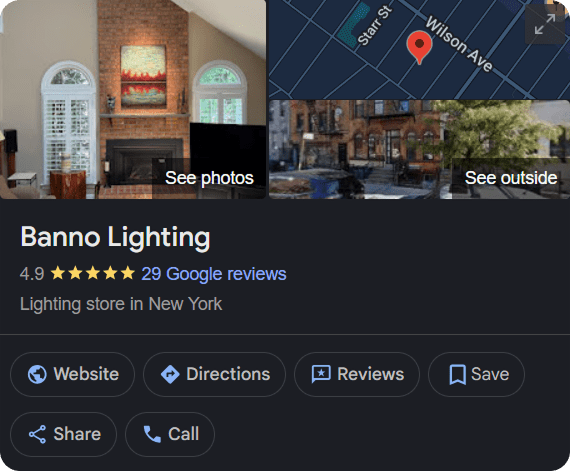
4.9-Star Google Review for Our Art Lighting Solutions
Why Proper Lighting for Paintings Matters

Brushstroke detail revealed under angled light
Lighting is one of the most influential factors in how a painting is experienced. Even a high-value oil painting can appear dull under incorrect lighting, while a well-positioned light for painting can reveal brushwork, colour depth, and fine details.
Key benefits of using a dedicated light for painting include:
- Accurate colour representation
- Enhanced texture visibility
- Reduced glare on framed paintings
- Increased visual focus on the artwork
- Professional gallery-style presentation
For high-end residential collectors, who make up a large portion of art lighting buyers, professional lighting systems for paintings and art collections directly influence the perceived luxury and value of both the artwork and the surrounding interior space.
Best Light for Painting on Walls and Large Artwork
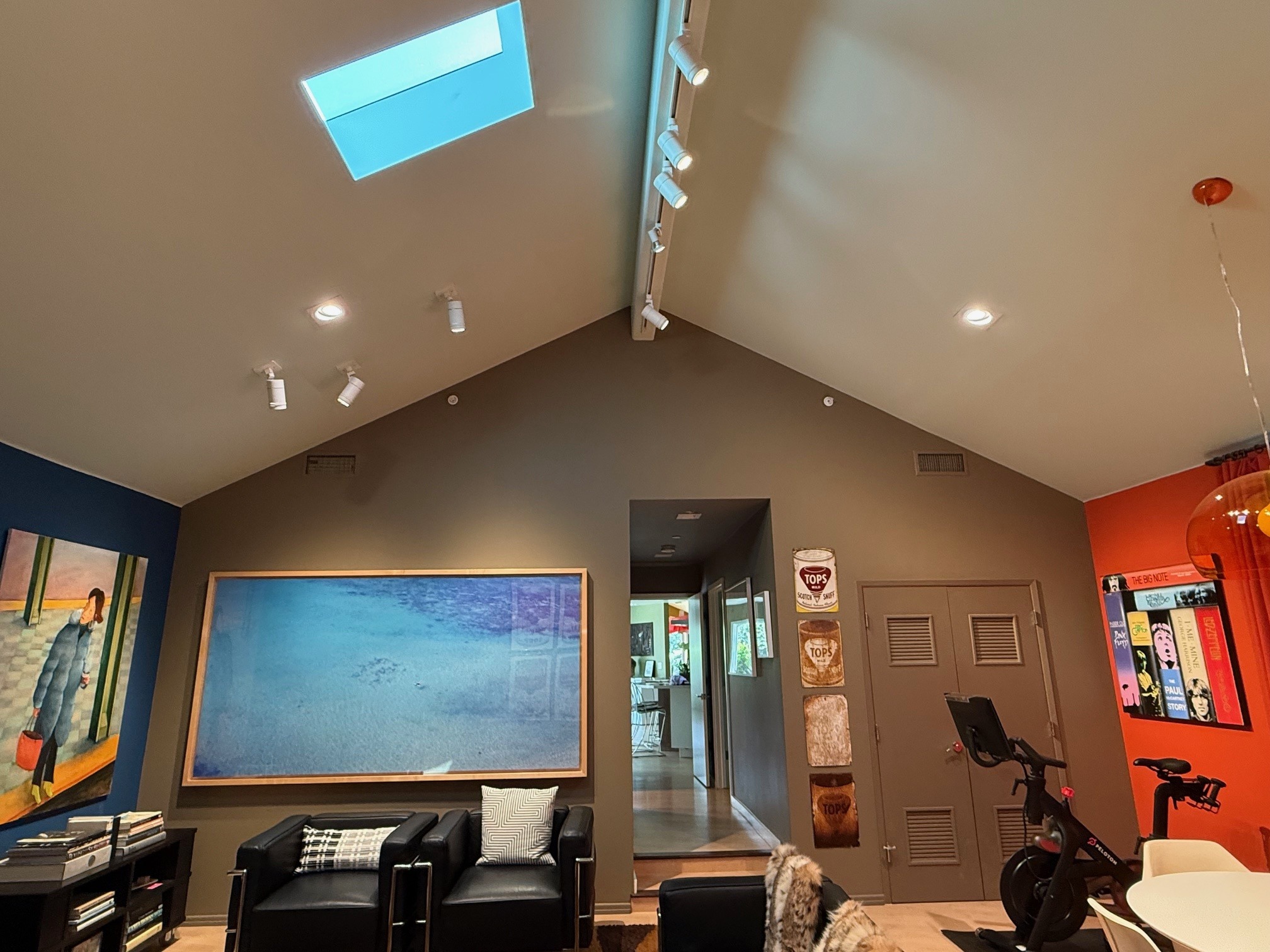
Wide beam light covering oversized canvas
When selecting a light for painting on a wall, beam control and placement are critical. Wall-mounted paintings require even edge-to-edge illumination to avoid hotspots in the centre and shadows along the edges.
For large paintings and canvas artwork, the ideal lighting should:
- Provide wide beam coverage
- Maintain consistent brightness
- Avoid direct frontal glare
- Be mounted slightly above the painting
- Use high-CRI LED technology
A light positioned above the painting at approximately a 30-degree angle is widely considered the professional standard in galleries and museums.
Light for Above Painting vs Ceiling Lighting

Dedicated picture light highlighting framed art
Many people assume ceiling lights are sufficient for artwork, but this is rarely effective. General ceiling lighting spreads illumination across the entire room rather than focusing on the painting.
A dedicated light for above painting offers:
- Targeted illumination
- Reduced reflections on glass frames
- Stronger visual emphasis
- Better depth and colour accuracy
Ceiling lighting should act as ambient support, while the primary light source for paintings should be a focused artwork light installed above or directed toward the piece.
LED Light for Painting and Artwork Protection
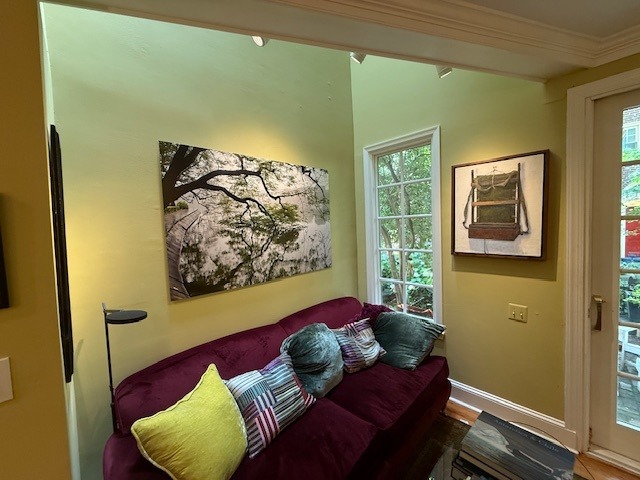
LED light protecting delicate oil painting
LED technology has become the global standard for lighting paintings due to its conservation-friendly performance. Traditional halogen lighting emits excessive heat and UV radiation, which can gradually damage pigments, canvas, and varnish.
Advantages of LED lights for painting:
- Minimal heat emission
- Low UV exposure
- Long lifespan (30,000–50,000+ hours)
- Consistent colour output
- Energy efficiency
This makes LED lighting ideal for oil paintings, acrylic artwork, watercolours, and valuable framed pieces.
Light for Painting Studio and Artist Workspaces
Artists require accurate lighting conditions to ensure colour consistency while painting. A high-quality light for painting in a studio should replicate natural daylight without harsh glare or colour distortion.
Best lighting practices for painting studios include:
- Using 3000K to 4000K colour temperature
- High CRI lighting (95+)
- Even illumination across the canvas
- Adjustable task lighting near easels
- Shadow-free positioning
Proper studio lighting ensures that colours appear true both during creation and final display.
Battery Operated and Wireless Light for Painting

Clean installation without visible cables
Modern collectors and designers increasingly prefer wireless and battery operated lights for paintings due to their flexibility and clean installation. These solutions are especially useful in:
- Rental properties
- Heritage buildings
- Gallery walls
- Temporary exhibitions
- Minimalist interiors
High-quality wireless lights for painting can still deliver professional illumination when designed with precision optics and high-CRI LEDs.
Light for Painting Display: Zoom, Multi, and Deluxe Lighting Solutions

Uniform lighting across multi-piece display
Zoom Series – Precision Light for Painting
The Zoom series is designed as a precision light for painting where focused illumination is essential. With adjustable beam control, it allows the light to be directed exactly onto the painting surface, making it ideal for feature artworks, framed paintings, and statement pieces. The controlled optics minimise glare and light spill, ensuring a refined, gallery-quality presentation while enhancing texture and colour depth.
Multi Series – Uniform Light for Painting Walls and Collections
The Multi series provides broader and more even illumination, making it an excellent light for painting walls, large canvas artworks, and multi-piece art displays. This series is particularly suitable for gallery-style residential interiors and exhibition spaces where consistent lighting across multiple paintings is required. The uniform beam distribution ensures visual balance without hotspots or uneven brightness.
Deluxe Series – Museum-Grade Light for Painting

Museum-grade lighting enhancing painting depth
The Deluxe series represents a premium, museum-grade light for painting designed for high-value artwork and luxury environments. Featuring ultra-high CRI, advanced optical engineering, and conservation-friendly LED technology, the Deluxe series delivers exceptional colour accuracy and depth. It is ideal for collectors, galleries, and designers who require superior presentation quality and long-term artwork protection.
Colour Temperature for Lighting Paintings

Neutral white light on modern artwork
Colour temperature significantly affects how a painting appears under light. Incorrect temperature can distort colours and alter the artist’s original intent.
Recommended colour temperatures:
- 2700K: Warm tone for classical and traditional paintings
- 3000K: Balanced lighting for most artwork
- 3500K: Contemporary and modern art displays
Maintaining consistent colour temperature across all lights for paintings ensures visual harmony within the space.
Light for Oil Paintings, Canvas, and Framed Artwork

Canvas art evenly lit across surface
Different painting mediums respond differently to light exposure. Selecting the correct light for painting depends on the artwork material.
Oil Paintings
Require controlled warmth and even illumination to highlight texture and brush detail.
Canvas Art
Benefits from wide beam lighting to ensure full surface coverage.
Framed Artwork with Glass
Needs anti-glare lighting and angled positioning to prevent reflections.
Watercolours and Prints
Require lower lux levels and soft lighting to prevent fading over time.
How to Position a Light for Painting Correctly
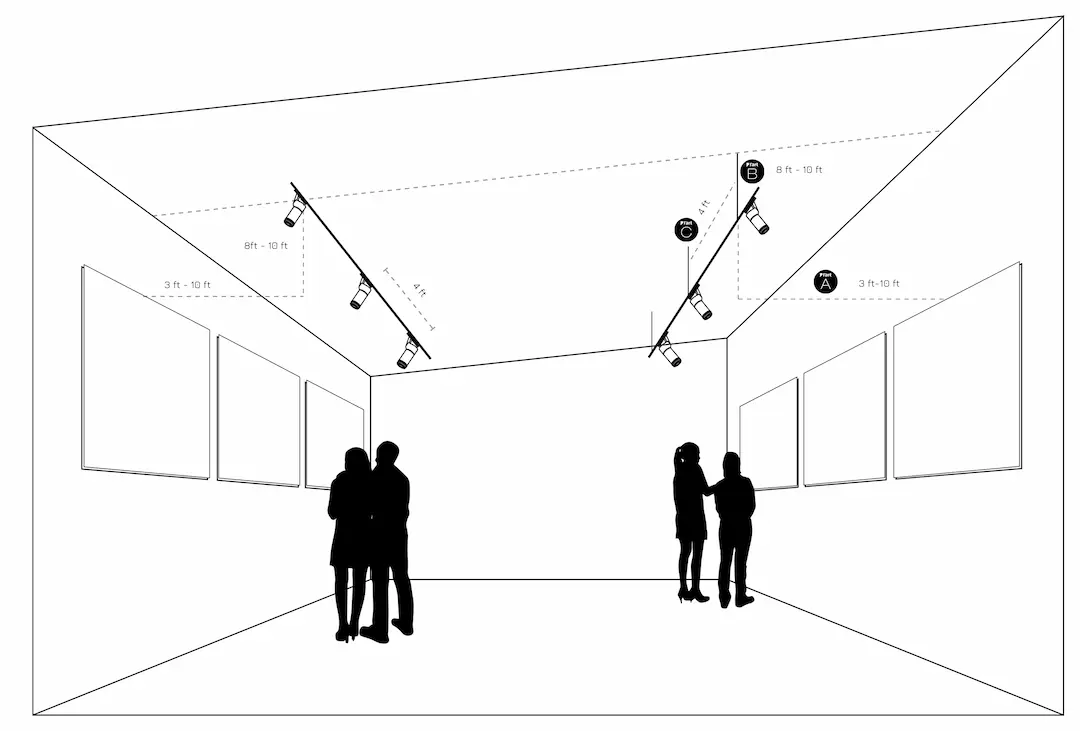
Light mounted above painting at angle
Understanding the best lighting techniques for paintings starts with proper positioning, which is essential for achieving professional results. When a light is placed incorrectly, it can create glare, unwanted shadows, or washed-out colours that reduce the visual impact of the artwork.
Best positioning guidelines:
- Mount the light above the painting
- Use a 25–35 degree angle
- Avoid direct frontal lighting
- Ensure edge-to-edge coverage
- Match beam width to painting size
Correct placement enhances depth, clarity, and viewer engagement.
Light for Painting in Luxury Homes and Interior Design
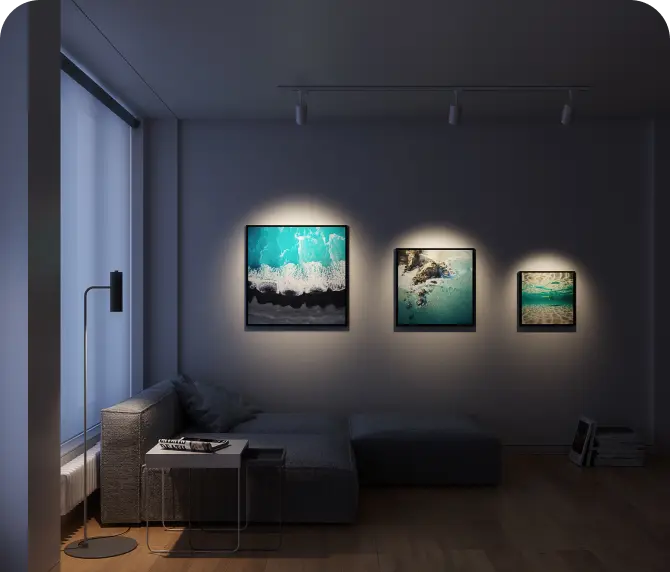
Luxury living room with illuminated feature painting
Gallery-style lighting is increasingly used in luxury residential interiors. Instead of relying on general room lighting, homeowners install dedicated lights for paintings to create a curated, museum-like environment.
Common residential applications include:
- Living room feature walls
- Hallway gallery displays
- Staircase artwork installations
- Private art collections
- Designer interior spaces
This approach elevates both the artwork and the overall interior aesthetic.
Common Mistakes When Choosing a Light for Painting
Using incorrect lighting can significantly reduce the visual impact of artwork. Many collectors and homeowners unknowingly use standard ceiling lights instead of specialised painting lights.
Mistakes to avoid:
- Using low-CRI lighting
- Choosing overly bright fixtures
- Incorrect beam angles
- Poor placement causing glare
- Ignoring dimming control
- Using heat-emitting lights near artwork
Selecting a dedicated light for painting ensures professional presentation and long-term preservation.
The Future of Light for Painting Technology

Modern gallery with advanced LED optics
Advancements in LED optics, smart dimming, and precision beam control are shaping the future of painting lighting. Modern systems now offer:
- Remote brightness adjustment
- Adjustable beam angles
- Smart lighting scenes
- Conservation-focused illumination
- Wireless installation options
As collectors and galleries increasingly prioritise presentation and preservation, specialised lighting systems like Zoom, Multi, and Deluxe are becoming essential for professional artwork display.
Advanced Lighting Techniques for Paintings and Artwork Displays

Precision beam shaping on framed art
Choosing the right light for painting goes beyond simply installing a fixture above the artwork. Professional lighting design involves understanding beam spread, lux levels, material sensitivity, and the surrounding environment. In galleries and high-end residential spaces, lighting is carefully calibrated so the painting remains the focal point without visual distraction.
A well-designed lighting setup ensures:
- Even illumination across the entire painting surface
- No harsh shadows or dark edges
- Minimal glare on glass or varnished finishes
- Accurate colour perception in different viewing angles
This level of control is what separates professional art lighting from standard decorative lighting.
Lux Levels and Professional Lighting Standards for Paintings
In museum and gallery environments, lighting is often measured in lux rather than just brightness perception. Lux refers to the amount of light falling on the surface of the painting, which directly affects both visibility and conservation.
Typical recommended lux levels:
- 50 lux: Highly sensitive artworks (watercolours, prints, textiles)
- 150–200 lux: Oil paintings and durable canvas works
- 200+ lux: Contemporary and less light-sensitive artwork
Using a high-quality light for painting with dimming capability allows precise control over lux levels, ensuring both optimal presentation and long-term preservation.
Light for Painting Frames and Picture Frames

Anti-glare optics on picture frame
Lighting a framed painting requires a slightly different approach than lighting unframed canvas artwork. Frames with glass can create reflections if the light is positioned incorrectly, reducing visibility and viewer engagement.
Best practices for lighting framed paintings:
- Use anti-glare lighting optics
- Position the light at a slight angle
- Avoid direct downward lighting onto glass
- Ensure soft, diffused beam spread
Specialised picture and frame lighting fixtures are often designed to reduce reflections while maintaining clarity and depth.
Light for Painting in Dark Rooms and Night Environments

Focused spotlight in low-light setting
Many collectors display artwork in spaces with limited natural light, such as hallways, media rooms, or evening-lit living areas. In these environments, a dedicated light for painting becomes even more essential.
Ideal solutions for low-light environments include:
- Dimmable LED artwork lights
- Warm colour temperature (2700K–3000K)
- Focused beam control
- Low glare optics
This creates a dramatic and gallery-like effect while ensuring the painting remains visually prominent even at night.
Lighting for Large Paintings and Feature Walls

Track lighting above large canvas
Large-scale paintings require wider beam distribution and careful fixture spacing. Using a single narrow beam light for a large canvas can result in bright centres and dark edges, which reduces visual balance.
For oversized paintings and feature walls, lighting designers often use:
- Wide beam artwork lights
- Multi-fixture configurations
- Track-mounted lighting systems
- Even spacing across the artwork width
This approach ensures consistent illumination and a cohesive viewing experience.
Light for Painting on Easels and Artist Workstations
Artists and studios require different lighting compared to display environments. A light for painting on an easel should replicate natural daylight while minimising shadows across the canvas.
Recommended features for easel lighting:
- Adjustable task lighting arms
- Neutral white lighting (3000K–4000K)
- High CRI for colour accuracy
- Flicker-free illumination
Proper easel lighting ensures that the artist sees true colour values, which is critical during the creation process.
Wireless and Rechargeable Light for Painting Installations

Temporary exhibition using wireless lighting
Wireless and rechargeable lights for paintings are becoming increasingly popular due to their flexibility and clean aesthetic. These lighting solutions eliminate the need for visible wiring while still providing professional-level illumination.
They are especially suitable for:
- Rental homes and apartments
- Temporary exhibitions
- Historic buildings
- Minimalist interior designs
- Rotating art collections
Modern rechargeable painting lights can deliver high CRI, stable brightness, and remote dimming, making them comparable to hardwired systems in many cases.
Glare Control and Optical Precision in Painting Lighting

Precision optic spotlight on canvas
Glare is one of the most common issues when lighting artwork, particularly with glossy varnish, glass frames, or textured surfaces. Poor glare control can reduce the visibility of fine details and create visual discomfort.
Professional lights for painting incorporate:
- Anti-glare lenses
- Precision beam shaping
- Honeycomb louvre accessories
- Soft diffusion technology
These optical features ensure that the viewer’s attention remains on the painting rather than the light source itself.
Light for Painting in Galleries, Museums, and Commercial Spaces

Gallery display with layered illumination
In professional environments such as galleries and museums, curators rely on specialised art lighting for paintings as part of a broader exhibition strategy. The goal is to create a clear visual hierarchy where key paintings receive focused illumination while ambient lighting supports the overall atmosphere.
Common commercial applications include:
- Art galleries and exhibitions
- Museums and cultural institutions
- Showrooms and luxury retail spaces
- Hotels and hospitality interiors
- Corporate art collections
In these settings, specialised lighting systems like Zoom, Multi, and Deluxe are often used as part of gallery lighting approaches for displaying paintings, helping achieve museum-grade presentation standards.
Conservation Considerations When Lighting Paintings
LED lighting protecting delicate artwork
Long-term exposure to improper lighting can cause irreversible damage to artwork. Excessive heat, UV radiation, and uncontrolled brightness can lead to pigment fading, canvas degradation, and varnish deterioration.
Conservation-focused lighting strategies include:
- Using LED lights with minimal UV output
- Limiting exposure duration
- Using dimmable fixtures
- Avoiding heat-emitting halogen lights
- Maintaining stable illumination levels
A high-quality light for painting is not just about aesthetics. It is also a protective investment for valuable artwork.
Smart Lighting and Modern Control Systems for Paintings
Modern painting lighting systems now include advanced smart control features that allow users to customise brightness and lighting scenes based on time of day or display needs.
Smart lighting benefits include:
- Remote dimming via app or remote
- Adjustable colour temperature
- Programmable lighting scenes
- Energy efficiency monitoring
- Automated lighting schedules
This level of control is particularly valuable for collectors, galleries, and luxury interiors that prioritise both presentation and convenience.

Light for Painting in Residential vs Professional Settings

Residential living room with art spotlight
While galleries and museums use highly technical lighting systems, residential collectors increasingly adopt professional lighting techniques to create gallery-style interiors.
Residential lighting priorities:
- Seeing the artwork clearly in daily living spaces
- Enhancing interior design aesthetics
- Clean and discreet installation
- Wireless or rechargeable options
Professional lighting priorities:
- Conservation-grade illumination
- Accurate lux control
- Exhibition flexibility
- High CRI precision lighting
Understanding this distinction helps in selecting the correct light for painting based on the environment and purpose.
Psychological Impact of Proper Lighting on Artwork Perception

Vibrant painting under professional lighting
Lighting significantly influences how viewers emotionally respond to artwork, and a precision light for illuminating paintings can make a dramatic difference in presentation. When properly illuminated, a painting appears more vibrant, detailed, and visually valuable, enhancing viewer engagement and appreciation.
Professional painting lighting can:
- Increase viewer attention span
- Enhance emotional connection to the artwork
- Highlight artistic details and textures
- Create a premium gallery atmosphere
This is why high-end galleries invest heavily in specialised painting lighting systems rather than relying on general illumination.
FAQ: Light for Painting
What is the best light colour for painting artwork?
Warm white (2700K–3000K) is typically best for paintings as it preserves natural colour tones and visual warmth without making artwork appear overly cool or harsh.
Can you use ceiling lights to light a painting?
Ceiling lights can provide ambient illumination, but they are not ideal for highlighting paintings. A dedicated artwork light provides focused and controlled lighting for better visual results.
Do wireless lights for paintings provide enough brightness?
Yes, high-quality wireless and rechargeable painting lights can provide professional illumination when designed with high-CRI LEDs and proper beam control.
How far should a light be from a painting?
Most artwork lights should be mounted slightly above the painting, with the beam angled around 25–35 degrees to achieve even coverage without glare.
Is natural light good for paintings?
Natural light can enhance viewing but prolonged direct sunlight can damage artwork over time. Controlled artificial lighting is generally safer for long-term preservation.
What type of fixture is best for lighting a painting?
Specialised picture lights, track spotlights, and precision artwork lights with adjustable beams are considered the best fixtures for lighting paintings.
Can lighting improve the value perception of a painting?
Yes, professional lighting enhances colour, depth, and visual clarity, which can significantly increase the perceived value and impact of a painting in both residential and gallery settings.
Should lights for paintings be dimmable?
Dimmable lighting is highly recommended as it allows fine control over brightness levels depending on artwork sensitivity, room lighting conditions, and desired visual mood.
Additional FAQ: Light for Painting
What is the best light for a painting?
The best light for a painting is a high-CRI LED artwork light with adjustable beam angles and low heat output, typically mounted above the painting for even illumination.
Should a light be above or in front of a painting?
A light should generally be positioned above the painting at a 30-degree angle to reduce glare and provide balanced, professional illumination.
Are LED lights safe for paintings?
Yes, high-quality LED lights emit minimal UV and heat, making them safe for oil paintings, canvas art, prints, and delicate artworks.
What brightness is best for lighting a painting?
Moderate, controlled brightness is ideal. Overly bright lighting can wash out colours and potentially damage sensitive artwork over time.
Can battery operated lights be used for paintings?
Yes, premium battery operated and rechargeable lights for paintings can provide excellent illumination, especially in residential and gallery-style environments where wiring is limited.
What CRI is best for lighting paintings?
A CRI of 90+ is recommended, while CRI 95–97+ is ideal for galleries, museums, and collectors who require accurate colour representation.
What colour temperature is best for lighting artwork?
A colour temperature between 2700K and 3000K is generally best for paintings as it maintains natural colour tones and visual warmth.
How do you light a large painting on a wall?
Large paintings should be illuminated using wide beam lighting or multiple fixtures to ensure even edge-to-edge coverage without hotspots.
Can lighting damage a painting over time?
Yes, excessive heat, UV exposure, and uncontrolled brightness can cause fading and material degradation. This is why conservation-grade LED lighting is recommended.
Is a specialised light for painting better than ceiling lighting?
Yes, specialised lights for paintings provide focused illumination, better colour accuracy, reduced glare, and a professional gallery-style presentation compared to general ceiling lighting.
Real Feedback from Art Collectors