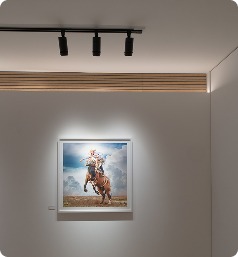
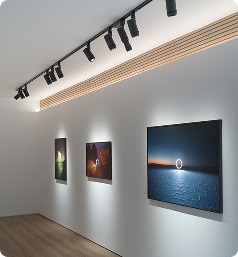
Glare-free lighting enhancing artwork colour and texture
An LED art light is specifically designed to illuminate paintings, photography, and wall-mounted artwork with controlled, high-quality light that enhances colour, texture, and depth. Unlike generic lighting, a purpose-built LED art light reveals the true detail of an artwork while protecting it from long-term damage caused by heat, UV, and poor colour rendering.
Whether you are a collector, gallery owner, interior designer, or homeowner with valuable artwork, this comprehensive guide to LED lighting for art and galleries explains why the lighting above a piece is just as important as the artwork itself. The wrong light can make a masterpiece look flat, washed out, or full of glare, while the right LED art light brings the work to life and creates a museum-level presentation.
What Is an LED Art Light?

Focused beam highlighting detailed artwork
An LED art light is a specialised lighting fixture designed to illuminate artwork with precision. These lights typically feature high colour rendering, controlled beam angles, low heat output, and even light distribution across the artwork surface.
Unlike standard ceiling lights or decorative wall lights, a dedicated LED art light is engineered to:
- Reveal true colours accurately
- Reduce glare and reflections
- Protect delicate materials like canvas, paper, and pigments
- Provide focused, even illumination
This is why galleries, museums, and serious collectors rarely rely on generic lighting solutions.

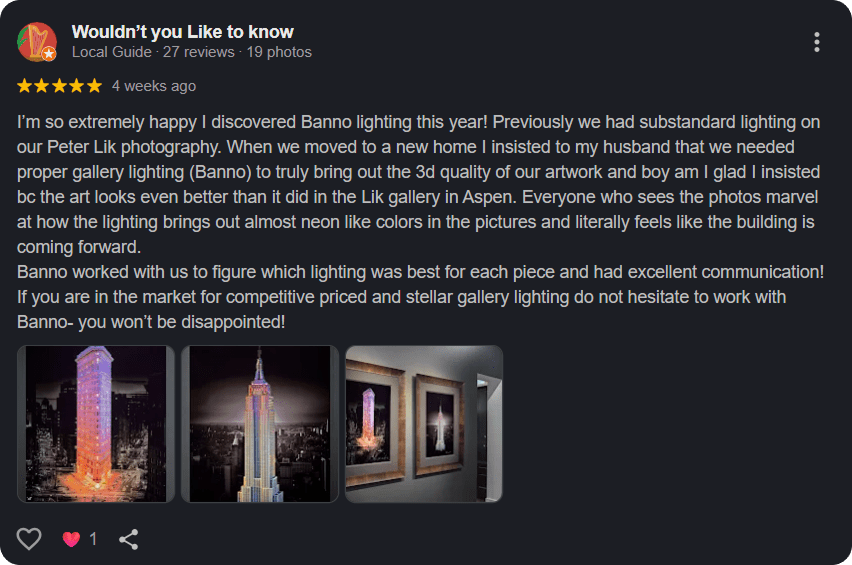
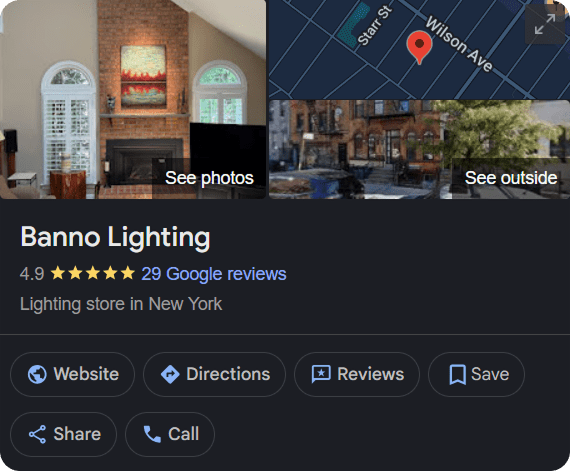
5-Star Google Review for Our Art Lighting Solutions
Why LED Is the Best Light Source for Artwork

High-quality LED enhancing artwork without UV damage
LED technology has become the gold standard for art lighting due to its efficiency, stability, and safety for sensitive materials. Traditional halogen lights produce excessive heat and UV radiation, both of which can degrade artwork over time.
High-quality LED art lights offer:
- Minimal UV and infrared emission
- Low heat output
- Stable colour temperature
- Long lifespan
- Energy efficiency
For high-value artwork, preservation is just as important as presentation, and LED lighting supports both.
Does LED Light Damage Paintings?
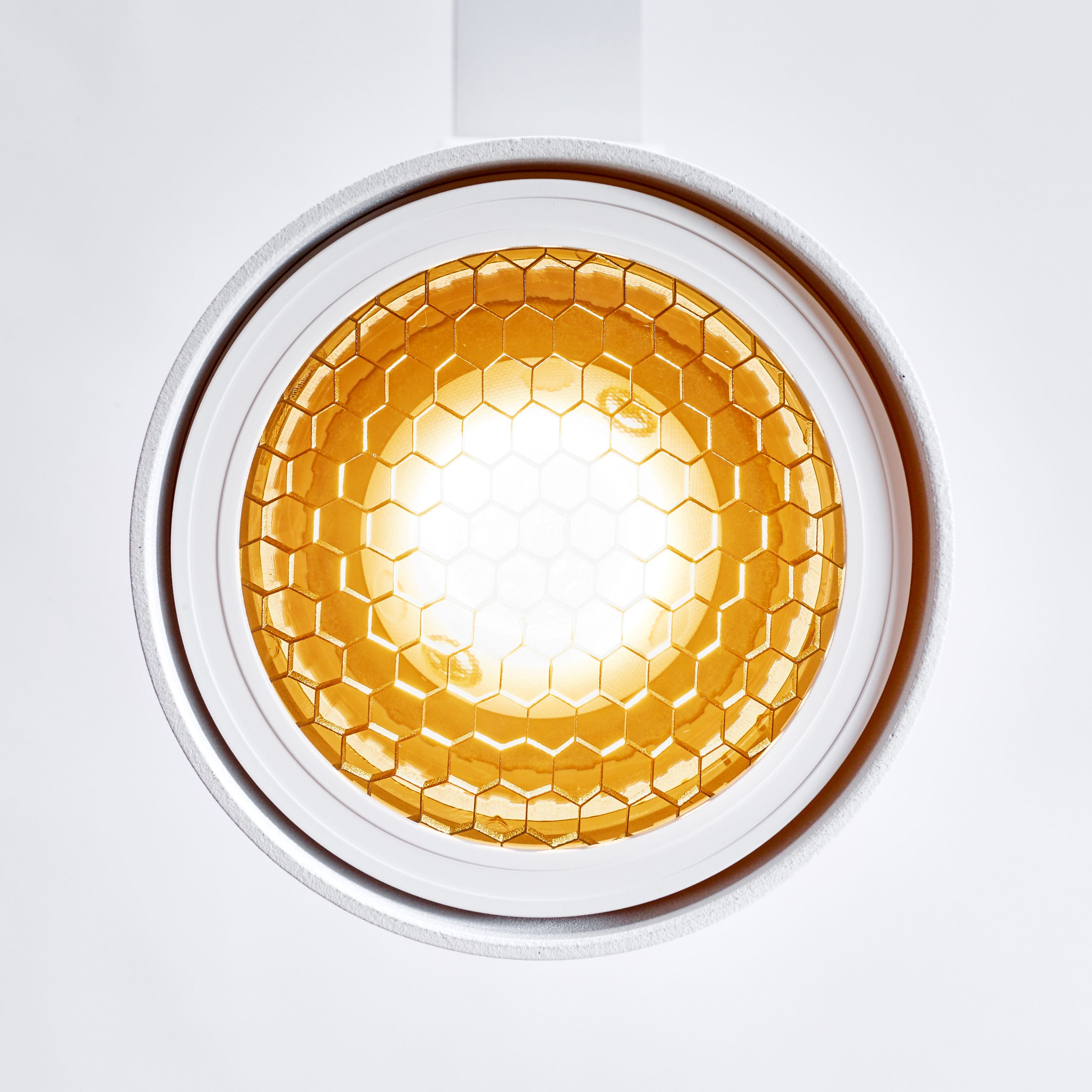
Even illumination with minimal heat output
No, high-quality LED art lights are considered safe for artwork when properly specified. Premium LEDs emit very low UV and infrared radiation, which are the primary causes of fading and material degradation.
However, poor-quality LEDs with inconsistent colour rendering or excessive brightness can still negatively affect the visual experience of the artwork. The key is choosing museum-grade lighting with high CRI (Colour Rendering Index) and controlled beam spread.
Key Features to Look for in the Best LED Art Light

High CRI LED revealing true artwork colours
Understanding the key considerations when lighting artwork helps determine which features matter most in an LED art light, including colour accuracy, glare control, and even illumination.
High CRI (Colour Accuracy)
A CRI of 90+ (ideally 95–97+) ensures the artwork’s true colours are visible without distortion, which is why high-CRI LED lighting for fine art displays is considered essential in professional galleries and collector spaces.
Glare Control
Professional LED art lights use optical lenses and beam control to prevent harsh reflections, especially on framed or glass-covered artwork.
Even Light Distribution
Uneven lighting creates hotspots and shadows. A premium LED art light should evenly wash the artwork from edge to edge.
Correct Colour Temperature
Most artwork looks best under:
- 2700K for warm, classic pieces
- 3000K for modern interiors
- 4000K for galleries and museums
How to Light Artwork Properly Using an LED Art Light
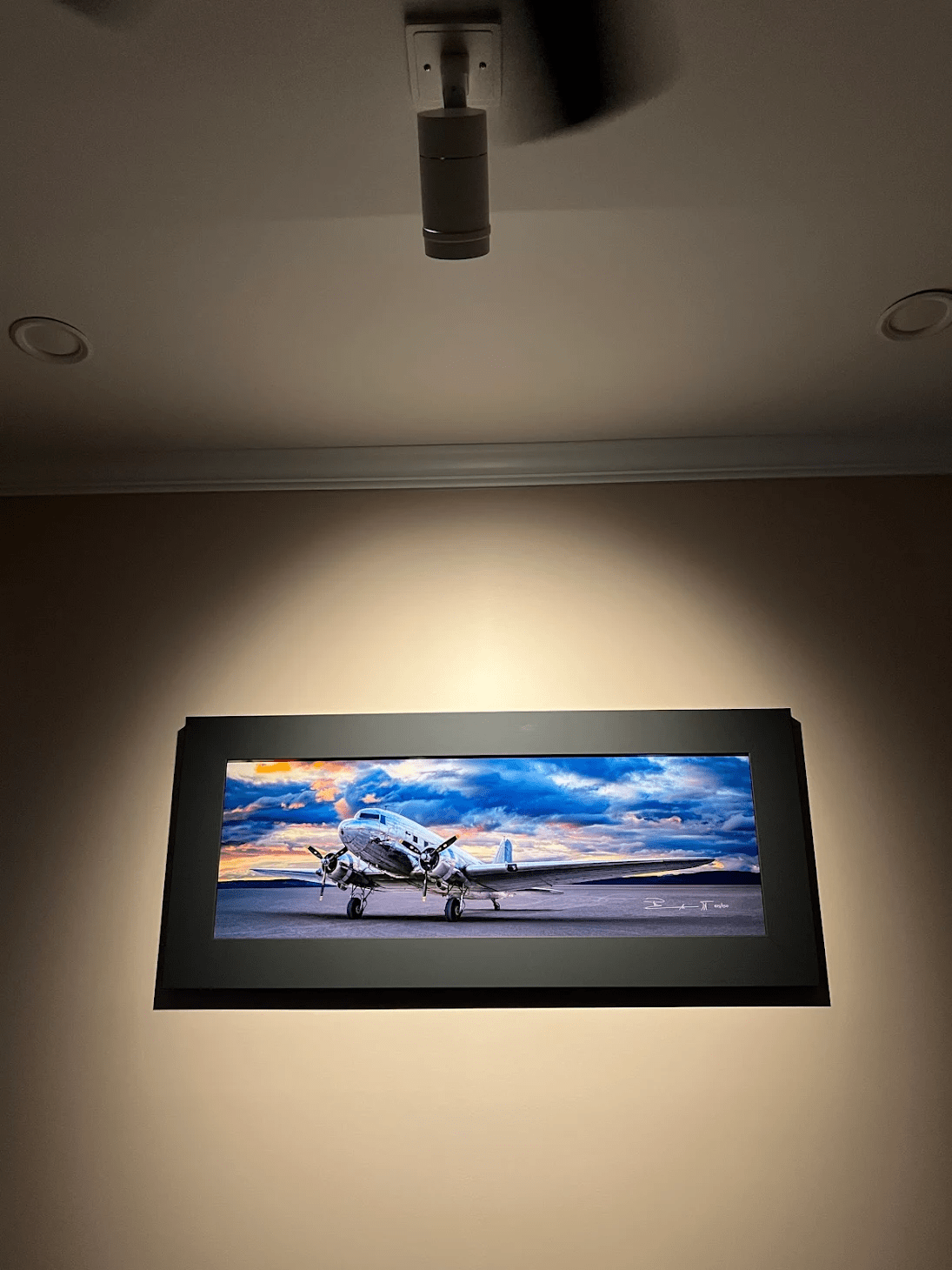
Balanced lighting reducing reflections on artwork
Positioning matters just as much as the fixture itself. The standard professional approach is to mount the light above the artwork at a 30-degree angle to reduce glare and create natural depth.
Best practices include:
- Mounting the light slightly above the frame
- Avoiding direct frontal lighting
- Using dimmable fixtures for flexibility
- Matching beam angle to artwork size
Proper placement ensures the artwork looks intentional, premium, and visually striking.
LED Art Light Options: Zoom, Multi, and Deluxe

Adjustable beam LED art light highlighting painting
Zoom Series LED Art Light
The Zoom series is designed for precision-focused artwork lighting where beam control is essential. Its adjustable optics allow you to fine-tune the beam spread depending on the size and shape of the artwork. This makes it ideal for galleries, collectors, and high-end residential installations where each piece requires tailored illumination. The Zoom series provides sharp, controlled light that enhances texture and depth without spill onto surrounding walls.
Multi Series LED Art Light
The Multi series is engineered for versatility and even coverage across larger artworks or gallery walls. With wider beam distribution and consistent illumination, it is perfect for lighting multiple pieces in a cohesive space. Interior designers and art consultants often prefer this option when creating layered lighting environments that maintain visual balance while showcasing artwork professionally.
Deluxe Series LED Art Light
The Deluxe series represents a premium, museum-grade solution for serious collectors and luxury interiors. It combines ultra-high colour rendering, refined optics, and elegant design to deliver exceptional visual clarity. This series is ideal for valuable paintings, limited editions, and statement pieces where both preservation and presentation are critical. The result is a sophisticated lighting effect that elevates the perceived value of the artwork.
LED Art Light vs Regular Picture Lights

Professional LED art light with controlled beam
Many traditional picture lights are decorative rather than functional. They often produce uneven light, poor colour accuracy, and unwanted glare.
A professional LED art light differs by offering:
- Higher colour accuracy
- Better beam control
- Safer illumination for artwork
- Cleaner aesthetic integration
- Longer lifespan and lower maintenance
For high-end artwork, this difference is immediately noticeable.
Best Applications for LED Art Lights

Gallery wall illuminated with precision LED lighting
LED art lights are widely used in:
- Art galleries
- Museums
- Luxury homes
- Showrooms
- Offices with feature artwork
- Hospitality spaces and hotels
In each of these environments, lighting directly influences how the artwork is perceived and valued.
Conclusion: Choosing the Right LED Art Light

Balanced illumination transforming artwork presentation
Selecting the right LED art light is not just about brightness. It is about precision, colour accuracy, preservation, and visual impact. A well-designed art light transforms artwork from a decorative object into a focal point, enhancing both the space and the piece itself.
For collectors and professionals who care about presentation, a high-quality LED art light is an essential investment rather than an optional accessory.
Advanced Considerations When Choosing an LED Art Light for High-Value Artwork

Beam angle comparison on different artwork sizes
When investing in an LED art light, especially for premium artwork, it is important to think beyond basic brightness. Serious collectors, galleries, and designers often apply modern techniques for lighting art because lighting directly affects how the artwork is emotionally perceived and financially valued.
An artwork under poor lighting can appear dull, flat, or lifeless. The same piece under a high-quality LED art light can suddenly reveal brush strokes, colour depth, and texture that were previously invisible. This transformation is why professional art lighting is treated as a specialised discipline rather than a simple decorative choice.
Beam Angle and Artwork Size Matching
One of the most overlooked factors in art lighting is beam angle. A narrow beam angle is ideal for smaller artworks because it creates focused, dramatic illumination. Larger artworks require a wider beam spread to ensure the entire piece is evenly lit without dark edges or hotspots.
If the beam is too narrow:
- The centre becomes overly bright
- Edges appear dim
- Visual imbalance occurs
If the beam is too wide:
- Light spills onto surrounding walls
- The artwork loses focus
- The display looks less intentional
Premium LED art light systems allow for optical control so the beam can be tailored precisely to the artwork dimensions.
The Role of LED Art Lighting in Luxury Interiors

Statement painting highlighted in elegant living room
In high-end residential spaces, artwork is often a central design feature rather than an afterthought. Interior designers carefully layer lighting to create mood, depth, and focal points. A dedicated LED art light ensures the artwork stands out without overpowering the rest of the room.
Luxury homes commonly use art lighting to:
- Highlight statement paintings in living rooms
- Illuminate hallway gallery walls
- Accentuate sculptures and mixed media pieces
- Enhance visual storytelling within a space
Without proper art lighting, even expensive artwork can visually disappear into the background.
LED Art Light for Galleries and Museums
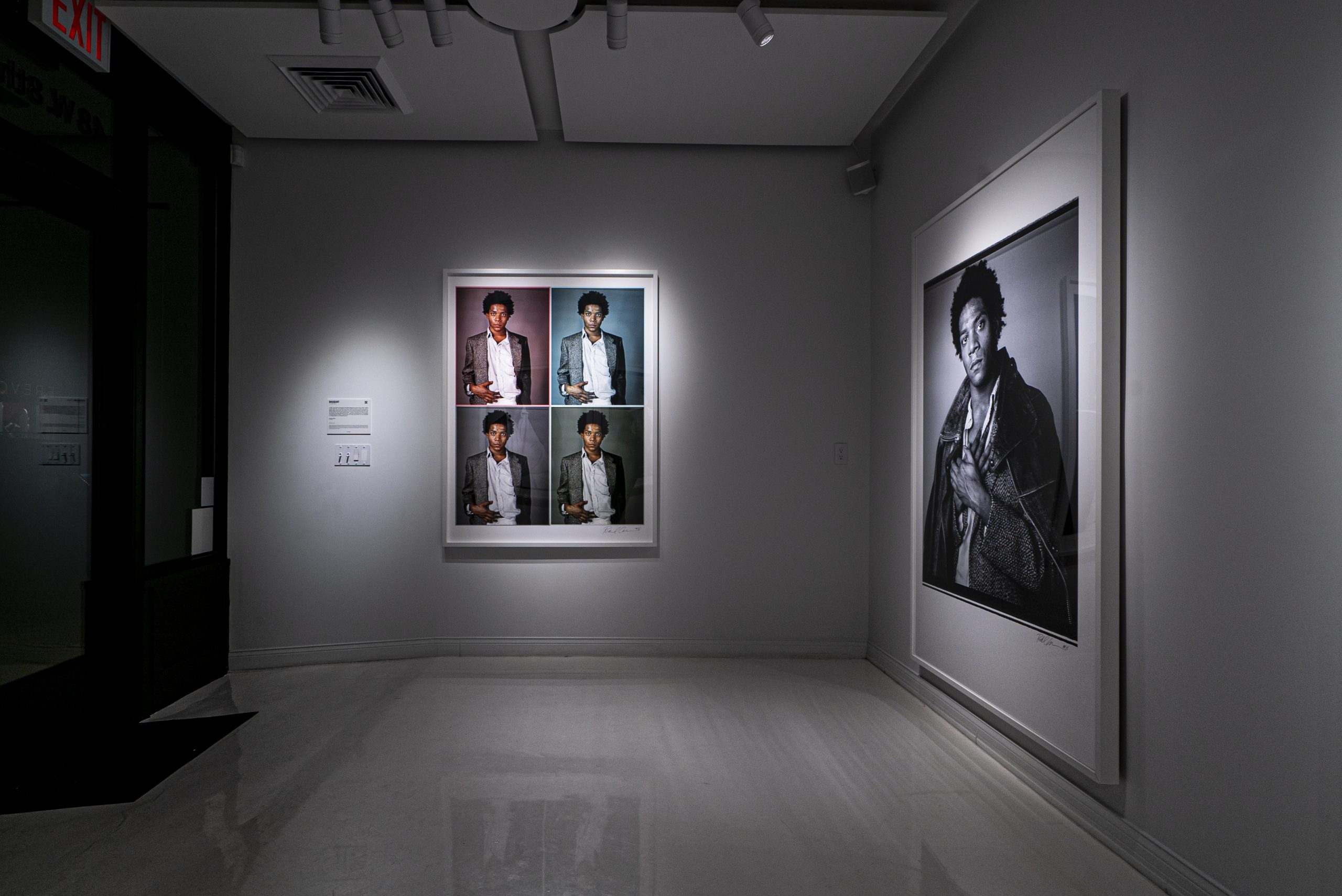
Ultra-high CRI lighting preserving exhibition artwork
Professional galleries and museums use professional LED lighting systems for artwork and galleries because consistency and preservation are critical. Unlike residential lighting, gallery environments must maintain stable illumination across multiple artworks while preventing long-term damage.
Key requirements in gallery-grade LED art lighting include:
- Ultra-high CRI for colour fidelity
- Flicker-free performance
- Controlled lux levels to protect sensitive materials
- Uniform light distribution across exhibition walls
This level of lighting ensures each artwork is presented as the artist intended, without distortion or visual interference.
Glare Reduction and Viewing Comfort
Glare is one of the biggest issues with standard lighting solutions. Reflections from glass frames or glossy surfaces can make artwork difficult to view from different angles. A professional LED art light uses advanced optics and strategic positioning to minimise glare and enhance viewing comfort.
Effective glare control improves:
- Visitor experience in galleries
- Client perception in showrooms
- Daily enjoyment in residential settings
Soft, controlled illumination creates a more refined and professional display.
Dimmable LED Art Lights and Lighting Flexibility

Dimmable LED art light adjusting brightness levels
Dimmable LED art lights provide essential flexibility, especially in spaces where ambient lighting changes throughout the day. Natural daylight, artificial lighting layers, and evening moods all influence how artwork appears.
With dimmable functionality, you can:
- Adjust brightness for different times of day
- Reduce intensity for delicate artworks
- Create dramatic spotlight effects
- Maintain visual harmony within the room
This level of control is particularly valuable for collectors and designers who want a dynamic yet balanced lighting environment.
LED Art Light Installation: Wired vs Wireless Options
Modern LED art lights are available in both wired and wireless configurations, each suited to different installation scenarios.
Wired LED art lights are ideal for:
- Permanent gallery installations
- Luxury homes with integrated lighting plans
- Large-scale art collections
Wireless and rechargeable LED art lights are ideal for:
- Rental properties
- Temporary exhibitions
- Historic buildings where wiring is restricted
- Quick, clean installations without wall modification
Both options can deliver professional results when high-quality fixtures are selected.
Energy Efficiency and Long-Term Cost Benefits

Energy-efficient LED art light illuminating collection
Another major advantage of LED art lights is their energy efficiency, which is one of the key benefits of LED lighting for artwork in galleries, homes, and commercial display spaces. Compared to traditional halogen or incandescent picture lights, LEDs consume significantly less electricity while lasting much longer.
Long-term benefits include:
- Lower energy consumption
- Reduced maintenance costs
- Longer lifespan (often 30,000–50,000+ hours)
- Consistent light output over time
For galleries, commercial spaces, and collectors with multiple artworks, these savings become substantial over the years.
How LED Art Light Enhances Perceived Artwork Value

Dramatic lighting increasing artwork visual impact
Lighting has a psychological impact on how people perceive artwork. Proper illumination can make colours appear richer, textures more defined, and compositions more engaging. This directly influences how viewers emotionally connect with a piece.
In commercial settings such as galleries or showrooms, better lighting can:
- Increase viewer engagement
- Improve perceived quality
- Support higher sales value
- Strengthen brand presentation
For collectors, this means their artwork is always presented at its highest visual standard.
Common Mistakes to Avoid When Using LED Art Lights
Using Standard Ceiling Lights Instead of Dedicated Art Lights
General lighting rarely provides the correct angle or colour accuracy required for artwork display.
Overlighting the Artwork
Excessively bright lighting can wash out colours and reduce the subtle details of the piece.
Ignoring Colour Rendering Index (CRI)
Low-CRI lights distort colours and make artwork appear unnatural or flat.
Incorrect Placement Height
Mounting the light too high or too close can create uneven illumination and glare issues.
Avoiding these mistakes ensures the artwork remains the true focal point of the space.

LED Art Light for Different Types of Artwork
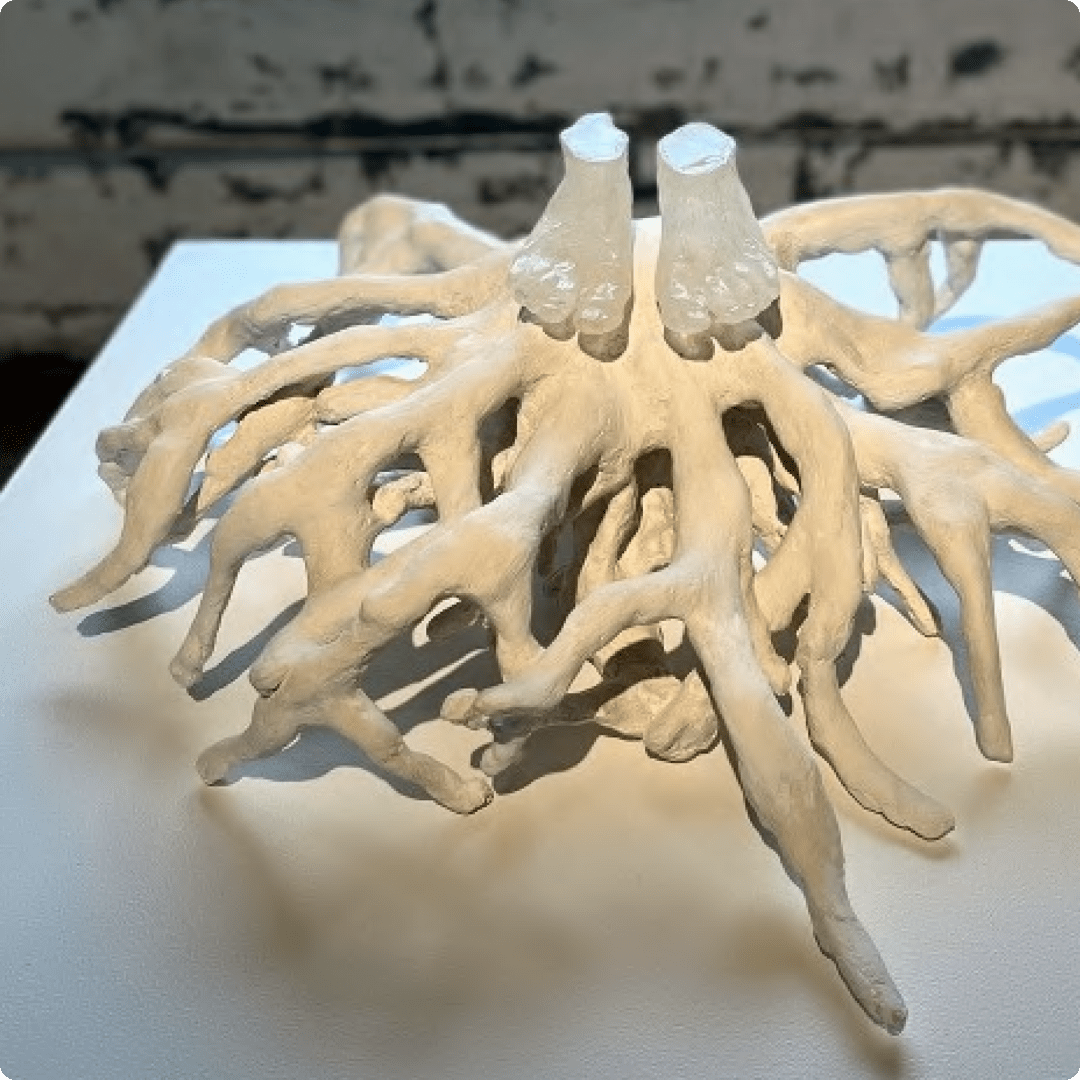
Angled lighting enhancing sculptural artwork depth
Different mediums require slightly different lighting approaches.
Paintings on canvas benefit from soft, even illumination that reveals brush texture without harsh shadows.
Photography and prints require glare-controlled lighting to avoid reflections from glass frames.
Sculptural or textured artwork may benefit from angled lighting that enhances depth and dimension.
A high-quality LED art light can be adapted to suit all of these applications with the correct beam control and positioning.
The Future of LED Art Lighting
LED art lighting continues to evolve with advancements in optics, smart controls, and ultra-high colour accuracy. Modern systems now offer remote dimming, adjustable colour temperature, and precision beam shaping, allowing users to fine-tune how artwork is experienced in a space.
As collectors and designers become more aware of the importance of lighting, LED art lights are increasingly seen as an essential component of art display rather than an optional upgrade.
Extended FAQ: LED Art Light
What makes an LED art light different from a regular LED wall light?
An LED art light is specifically engineered for artwork illumination with higher colour accuracy, controlled beam angles, and glare reduction. Regular LED wall lights are designed for general lighting and do not provide the precision needed for art display.
Is a rechargeable LED art light powerful enough for large artwork?
Yes, high-quality rechargeable LED art lights can effectively illuminate medium to large artworks, especially when designed with professional optics and high lumen output. For very large pieces, multi-light configurations may be recommended.
How long do LED art lights last?
Most premium LED art lights have a lifespan of 30,000 to 50,000 hours or more, making them a long-term lighting solution with minimal maintenance requirements.
Can LED art lights be used in commercial galleries?
Absolutely. LED art lights are the industry standard in galleries and museums due to their energy efficiency, low heat output, and accurate colour rendering.
What CRI rating is best for an LED art light?
A CRI of 90 or above is considered good, while 95–97+ is ideal for fine art, galleries, and collectors who want true colour representation.
Should artwork lighting be warm or cool?
Warm white (2700K–3000K) is typically preferred for artwork because it creates a natural and inviting appearance. Cooler temperatures may be used in modern galleries depending on the exhibition style.
Do LED art lights require professional installation?
Not always. Many wireless and rechargeable LED art lights are designed for easy installation, while wired systems may benefit from professional installation for optimal placement and performance.
Are wireless LED art lights reliable?
Yes, premium wireless LED art lights are highly reliable and convenient, especially when they feature rechargeable batteries, remote controls, and consistent light output.
How many LED art lights do I need for a gallery wall?
This depends on the size and spacing of the artworks. Larger gallery walls often require multiple LED art lights or a track lighting system to ensure even and cohesive illumination.
Can LED art lights be dimmed?
Most high-quality LED art lights are dimmable, allowing users to adjust brightness levels to suit the environment, time of day, and artwork sensitivity.
Are LED art lights suitable for museums and conservation environments?
Yes, museum-grade LED art lights are specifically designed to meet conservation standards by minimising UV exposure, reducing heat, and maintaining stable illumination levels for sensitive artworks.
FAQ: LED Art Light

Balanced lighting preserving fine art details
What is the best LED art light for paintings?
The best LED art light for paintings is one with high CRI (95+), low glare optics, and even beam distribution. Museum-grade LED fixtures are ideal for preserving colour accuracy and protecting delicate artwork materials.
Can LED lights fade artwork over time?
High-quality LED lights emit minimal UV and infrared radiation, making them much safer than halogen or fluorescent lighting. When used correctly, they significantly reduce the risk of fading.
What colour temperature is best for artwork lighting?
Most professionals recommend 2700K to 3000K for artwork, as it provides a natural and warm presentation. Galleries may use 3000K–4000K depending on the artwork style and environment.
Are battery-powered LED art lights good?
Battery-powered LED art lights can work well for residential installations and rental spaces, especially when wiring is not possible. However, premium wired or rechargeable options typically offer stronger and more consistent illumination.
How bright should an LED art light be?
Brightness depends on artwork size and ambient lighting, but the goal is balanced illumination without hotspots. Dimmable LED art lights are recommended to fine-tune the visual effect.
Do LED art lights produce heat?
Quality LED art lights produce very low heat compared to halogen lights, making them safer for paintings, prints, and sensitive materials.
Where should an LED art light be positioned?
Ideally, the light should be mounted above the artwork at a slight angle (around 30 degrees) to reduce glare and evenly illuminate the entire surface.
Are LED art lights suitable for galleries and museums?
Yes, LED art lights are the preferred standard in galleries and museums due to their colour accuracy, energy efficiency, and artwork-safe illumination.
Real Feedback from Art Collectors