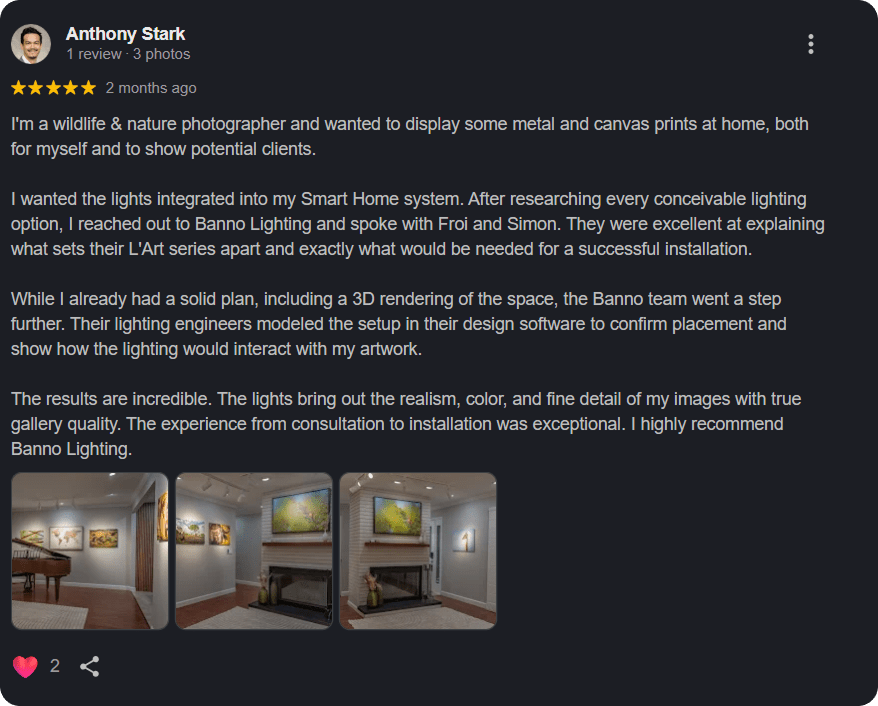
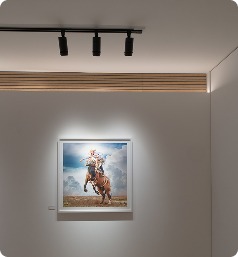
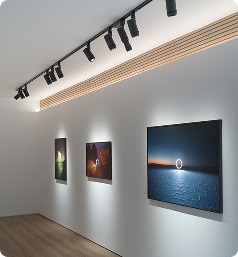
Professional art studio illuminated with precision ceiling lighting
Art studio lighting fixtures are one of the most overlooked yet critical elements in any creative space. Whether you are a professional painter, a fine artist, a collector, or running a dedicated studio, the lighting you choose directly impacts colour accuracy, depth perception, shadow control, and the overall quality of your work. Poor lighting can distort colours, flatten textures, and create eye strain over long sessions. Proper art studio lighting, on the other hand, enhances detail, improves workflow, and allows artwork to be seen as it was truly intended.
From our experience as art lighting consultants, the biggest mistake artists make is relying on generic ceiling lights or soft ambient lighting instead of purpose-built art studio lighting fixtures designed for precision, control, and true colour rendering.
Why Art Studio Lighting Fixtures Matter More Than Standard Lighting

Brush textures revealed under high CRI studio fixture
Standard residential lighting is designed for general visibility, not for artistic accuracy. Art studio lighting fixtures must do something very different. They must reveal brush strokes, textures, tonal variation, and true pigment colours without glare or hotspots.
Lighting for artists is not just about brightness. Several key considerations for art studio lighting ensure the work is produced accurately, including:
- Beam control
- Colour rendering (CRI)
- Even illumination
- Shadow management
- Focused accent lighting
When an artist paints under poor lighting, they often compensate subconsciously. The artwork may look balanced in the studio but completely different in a gallery, home, or museum environment. This is why professional art studio lighting and museum lighting principles overlap heavily.

4.9-star rated by art collectors and gallery professionals
Types of Art Studio Lighting Fixtures (Professional Breakdown)

Multiple art lighting fixture types displayed in studio
Ceiling Mounted Art Studio Lighting Fixtures
Ceiling-mounted art lighting fixtures are one of the most effective solutions for studios because they provide clean, unobstructed illumination without taking up floor space. These fixtures are ideal for:
- Large canvases
- Wall-mounted artwork
- Open studio layouts
- Multi-workstation studios
Ceiling mounted systems using adjustable beams allow artists to control exactly where light lands, rather than flooding the entire room with flat lighting.
Track Lighting for Art Studios
Track-based art studio lighting fixtures are widely used in professional studios and galleries. A track lighting system allows multiple adjustable heads to be positioned along a rail, making it extremely flexible for evolving workspaces.
Benefits include:
- Adjustable direction
- Expandable layout
- Precision spotlighting
- Minimal ceiling clutter
This is especially useful for artists working on multiple pieces simultaneously or rotating artwork frequently.
Precision Spot Lighting for Artwork
Focused spot lighting is essential when working on detailed pieces, fine art, or textured mediums. Instead of using many lights, fewer high-quality precision fixtures create superior visual clarity.
This aligns with museum lighting philosophy:
Less lights. More control. Better focus on the artwork.
Micro Fixtures for Detail Work
Small-scale art studio lighting fixtures, such as micro zoom lights, are ideal for:
- Detailed painting work
- Sculpture lighting
- Cabinet artwork
- Miniature art pieces
Ultra-compact fixtures (some as small as a coin) can zoom into pinpoint beams, providing incredible control without overwhelming the studio environment.
The Best Art Studio Lighting Setup (Museum-Level Approach)

Museum-style fixture spacing over paintings
A professional art studio lighting setup is not about flooding the room with light. It is about layered lighting.
A well-designed setup includes:
- Primary ceiling-mounted art lights
- Adjustable track lighting for artwork zones
- Accent lighting for specific pieces
- Controlled ambient lighting
Museum-grade studios often use fewer fixtures but with higher performance specifications such as high CRI (95+), adjustable beam angles, and neutral colour temperatures around 3000K–4000K.
Introducing Professional Art Studio Lighting Fixtures (Zoom, Multi, Deluxe Range)

Range of professional studio lighting fixtures displayed
From a consultant perspective, the most effective professional lighting systems for studios and art collections are those that provide precision, flexibility, and museum-grade colour accuracy. Our range is engineered to meet these exacting standards.
Zoom Series – Precision Beam Control for Artwork
Zoom fixtures are designed for artists who require pinpoint lighting. The adjustable beam angle allows you to focus light directly onto a canvas, eliminating spill light and visual distraction. This is especially valuable in studios where multiple artworks are displayed on one wall.
Multi Series – Even Illumination for Larger Studios
Multi lighting fixtures are ideal for studios requiring broader, balanced illumination without losing colour accuracy. They provide a soft yet controlled spread of light that supports long painting sessions without eye fatigue.
Deluxe Series – Premium Art Studio Lighting Fixtures
Deluxe fixtures are used in high-end studios, galleries, and collector environments. They offer superior beam consistency, high CRI output, and architectural integration into ceiling or track systems, making them both functional and aesthetically minimal.
Mini Zoom – Micro Precision for Detailed Artwork
Mini Zoom fixtures are extremely compact (approximately the size of a coin) and can zoom to a very narrow beam. These are perfect for cabinet displays, small artworks, and detail-focused studio work where subtle lighting control is essential.
How to Light an Art Studio Properly (Step-by-Step)
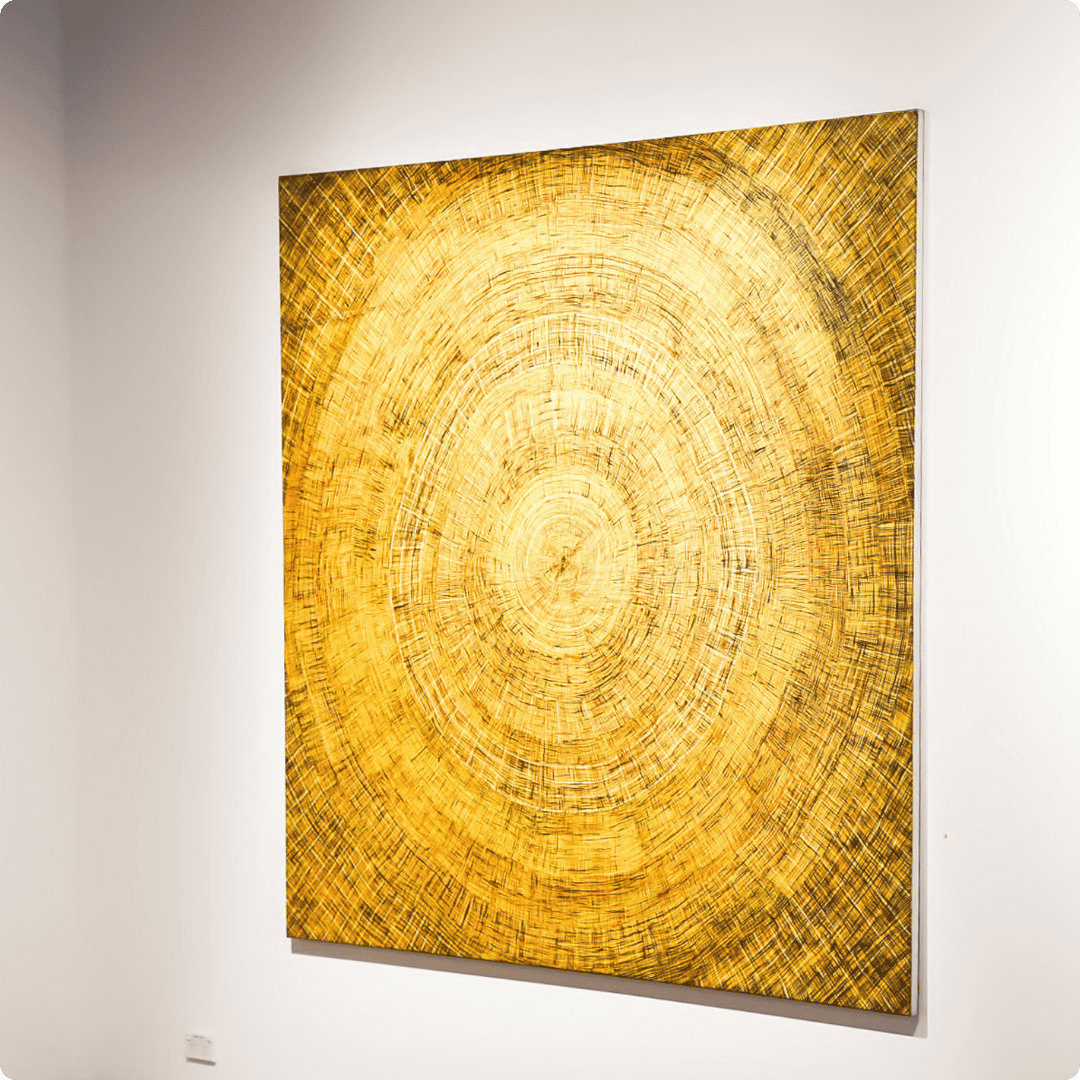
Directional fixture positioned slightly forward of painting
Following a complete guide to lighting art studios and galleries ensures that your creative space meets professional exhibition standards.
Step 1: Define Your Primary Work Zone
Identify where you create most of your artwork. This area should have the highest quality lighting fixtures with accurate colour rendering and adjustable direction.
Step 2: Use Neutral Colour Temperature
For art studio lighting, 3000K to 4000K is typically ideal. This range mimics natural gallery lighting and avoids overly warm or overly cool distortions.
Step 3: Focus on High CRI Lighting
CRI (Colour Rendering Index) should be 95+ for professional art studios. This ensures colours appear true to life.
Step 4: Avoid Harsh Downlights Only
Generic ceiling downlights create shadows and uneven lighting across canvases. Instead, use directional art lighting fixtures with beam control.
Step 5: Layer Your Lighting
Combine:
- Ceiling mounted art lights
- Track lighting for artworks
- Accent lights for focal pieces
Ceiling vs Track vs Spotlight Fixtures for Art Studios
Understanding the different fixture types used for art lighting setups is essential for a functional workspace.
Ceiling fixtures provide clean general illumination and architectural integration. Track lighting offers flexibility and repositioning as artwork changes. Spotlights deliver precision and dramatic focus on individual pieces.
For most professional studios, a hybrid system utilizing adjustable fixtures for studio and artwork lighting works best.
This typically involves ceiling-mounted adjustable fixtures paired with directional track lighting for artwork walls.
Colour Temperature and CRI for Art Studio Lighting Fixtures

High CRI light revealing accurate pigment tones
Lighting quality is defined less by brightness and more by colour accuracy. Artists should avoid low-CRI lighting as it alters how pigments appear.
Key recommendations:
- CRI: 95–97+
- Colour Temperature: 3000K–4000K
- Flicker-Free Output
- UV-safe LED technology to protect artwork
High-quality LED art lighting fixtures do not damage paintings when properly specified and positioned.
Common Mistakes Artists Make With Studio Lighting
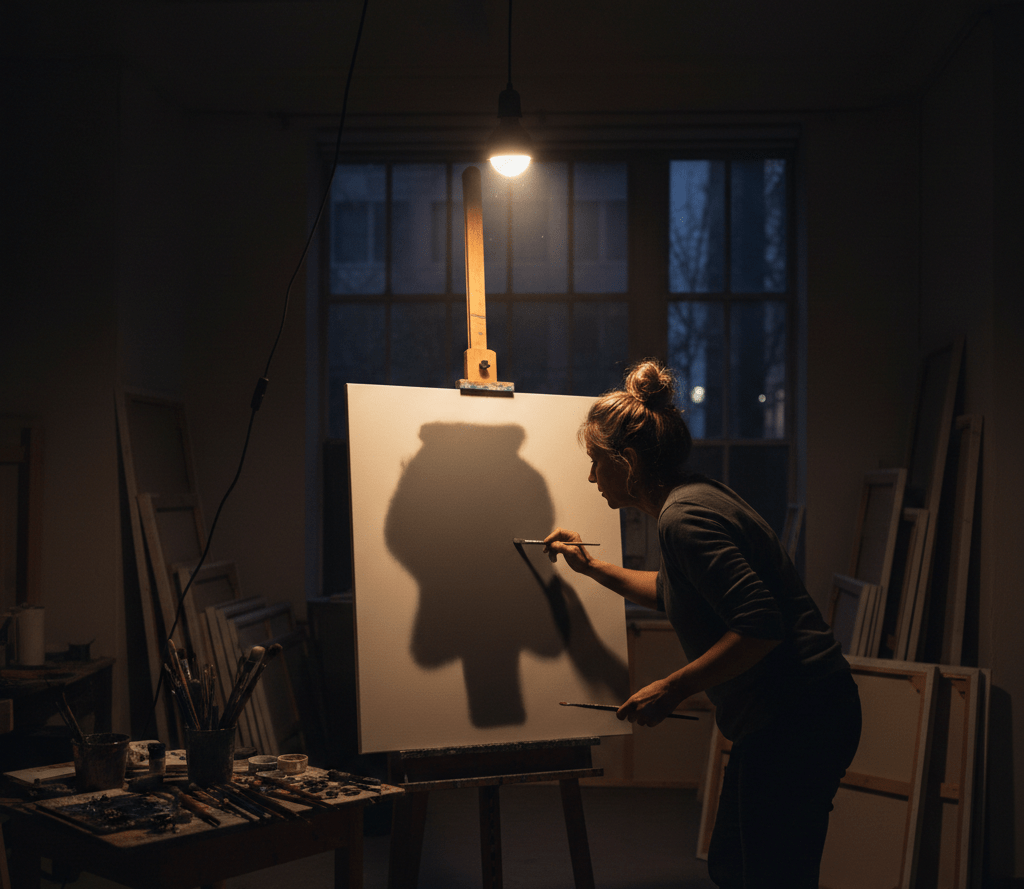
Overhead-only lighting casting heavy canvas shadow
One of the most common errors is relying on a single overhead light source. This creates shadows and uneven colour perception. Another mistake is using decorative lighting instead of functional art lighting fixtures. Battery-operated lights and low-cost lamps often lack the consistency required for serious artwork.
Over-lighting is another major issue. Many studios install too many lights, which flattens the artwork visually. Controlled, directional lighting with fewer fixtures produces a far superior result.

Museum-Level Lighting Principles Applied to Art Studios

Strategic fixture placement above framed painting
Museums use highly controlled lighting systems to preserve and present artwork. The same principles apply to studios:
- Focused beams rather than flood lighting
- Minimal glare
- Controlled lux levels
- Strategic fixture placement
Less lighting, when properly positioned, often produces a more professional and visually accurate studio environment.
Lighting Design for Different Types of Art Studios

Home art studio with compact ceiling fixtures
Implementing the best practices for lighting different forms of art is essential because each medium interacts with light uniquely.
Painting Studios
Require high CRI, adjustable directional lighting, and balanced ambient illumination to reveal true pigment tones.
Sculpture Studios
Need multi-angle lighting to reveal form, texture, and shadow depth.
Digital Art Studios
Benefit from soft, even lighting that reduces screen glare while maintaining colour accuracy in the workspace.
Home Art Studios
Should use professional-grade art studio lighting fixtures rather than standard household lighting to replicate gallery-quality viewing conditions.
FAQ: Art Studio Lighting Fixtures
What are art studio lighting fixtures?
Art studio lighting fixtures are specialized lights designed to provide accurate colour rendering, adjustable beam control, and professional illumination for artwork creation and display.
What is the best lighting for an art studio?
High CRI LED lighting with adjustable beam angles and neutral colour temperature between 3000K and 4000K is ideal.
Are LED lights good for art studios?
Yes, high-quality LED art lighting is energy efficient, stable, and safe for artwork when properly specified.
How many lights should an art studio have?
Fewer, high-quality directional lights are better than many low-quality lights. Focused lighting is more effective than excessive brightness.
Should art studio lighting be warm or cool?
Neutral white lighting (3000K–4000K) is best for accurate colour perception.
Do LED lights damage artwork?
Museum-grade LED lighting with low UV and controlled output is safe for paintings and fine art.
What CRI is best for artists?
A CRI of 95 or higher is recommended for true colour accuracy.
Is track lighting good for art studios?
Yes, track lighting is excellent because it allows flexible positioning and directional control.
Can ceiling mounted lights work in an art studio?
Yes, especially adjustable ceiling-mounted art lighting fixtures designed for artwork illumination.
How do I avoid glare on paintings?
Use adjustable beam lighting and position fixtures at a slight angle rather than directly overhead.
What lighting do professional art studios use?
Professional studios use high CRI LED fixtures, track systems, and precision beam art lights similar to gallery and museum environments.
Should lighting point directly at the canvas?
It should be angled slightly to reduce glare while evenly illuminating the surface.
Is natural light enough for an art studio?
Natural light is beneficial but inconsistent. Professional artificial lighting ensures stable colour accuracy.
What is the best lighting setup for artists?
Layered lighting with ceiling fixtures, directional art lights, and controlled ambient illumination.
Can small studios use professional art lighting fixtures?
Yes, compact fixtures like micro zoom lights are ideal for small studio environments.
What lighting is best for painting fine details?
Precision adjustable beam lighting that can zoom and focus on specific areas.
Should art studio lights be dimmable?
Yes, dimmable lighting allows better control depending on time of day and artwork type.
What is museum-grade lighting?
Lighting designed to preserve artwork while accurately displaying colour, texture, and depth.
Are spotlights good for art studios?
Yes, when used as accent lighting for specific artworks or detail zones.
How do I light large artworks in a studio?
Use adjustable beam fixtures positioned above or slightly in front of the artwork for even coverage.
Is overhead lighting enough for artists?
No, overhead lighting alone creates shadows and uneven illumination.
What type of fixtures do galleries use?
Galleries typically use track lighting, ceiling-mounted art lights, and precision spotlights.
Should art studio lighting be bright?
It should be controlled and accurate, not excessively bright.
Can lighting affect how I paint colours?
Yes, poor lighting can distort colour perception and lead to inaccurate painting results.
What lighting is best for home art studios?
Professional-grade art studio lighting fixtures with high CRI and adjustable direction.
Do I need different lights for different art mediums?
Yes, sculpture, painting, and mixed media often require different lighting approaches.
What beam angle is best for artwork lighting?
Adjustable beam angles provide the most flexibility for different artwork sizes.
Is directional lighting better than ambient lighting?
Yes, directional lighting enhances detail and focus on artwork.
Why do museums use fewer lights?
Fewer lights reduce glare and create stronger visual emphasis on the artwork.
Can art lighting improve workflow?
Absolutely. Proper lighting reduces eye strain, improves colour accuracy, and enhances creative precision.
What Our Clients Say About Our Gallery Lighting