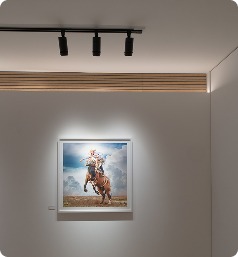
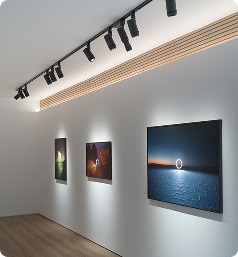
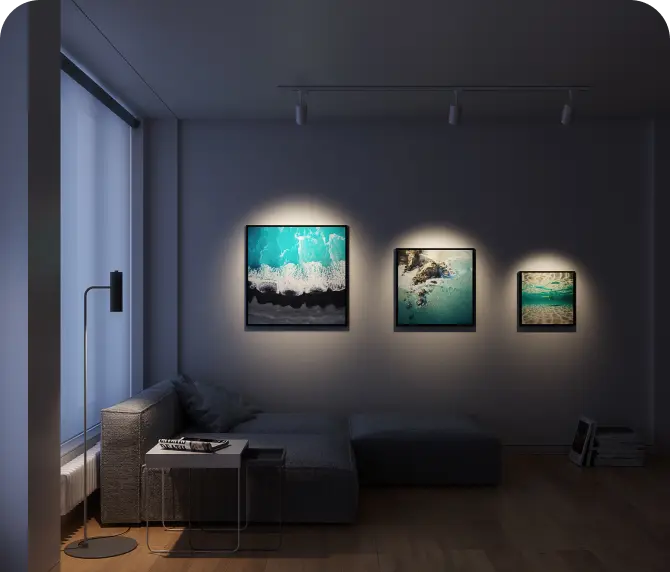
Professional art studio with balanced layered lighting system
Art studio lighting is one of the most critical yet misunderstood elements of a successful creative workspace. Whether you are a professional painter, illustrator, sculptor, or digital artist, the lighting in your studio directly affects color accuracy, depth perception, mood, and ultimately the quality of your work. Poor lighting can distort colors, create harsh shadows, and cause eye fatigue, while well-designed artist studio lighting enhances precision, focus, and creative flow.
Unlike standard residential lighting, art studio lighting is designed specifically to support visual accuracy and consistent illumination across canvases, easels, and work surfaces. From art studio lighting fixtures and track lighting to daylight-balanced lamps and LED art studio lights, every lighting choice should serve the purpose of clarity, consistency, and longevity.
In a professional environment, studio lighting for art is not just about brightness. It is about control. Artists need lighting that reveals true tones, minimizes glare, and replicates gallery-level illumination so artworks appear exactly as intended during creation and display. This is why many professionals rely on professional art lighting systems for studios and galleries designed to maintain consistent color accuracy and visual clarity.
What Is Art Studio Lighting and Why It Matters?

Premium fixture designed for longevity and performance
Art studio lighting refers to specialized lighting systems designed to support artistic work such as painting, drawing, sculpture, and mixed media creation. Unlike typical home lighting, artist studio lighting solutions prioritize color rendering, uniform distribution, and visual comfort over decorative aesthetics.
Lighting for artists must meet higher standards because even slight shifts in color temperature or shadow direction can change how paint, texture, and composition are perceived. This is especially important in painting studios where accurate lighting painting studio conditions ensure that artwork looks the same in galleries, exhibitions, and client spaces.
Professional art studio lighting also reduces eye strain during long creative sessions. Artists often work for extended periods under intense visual focus, making consistent and flicker-free illumination essential for both productivity and health.

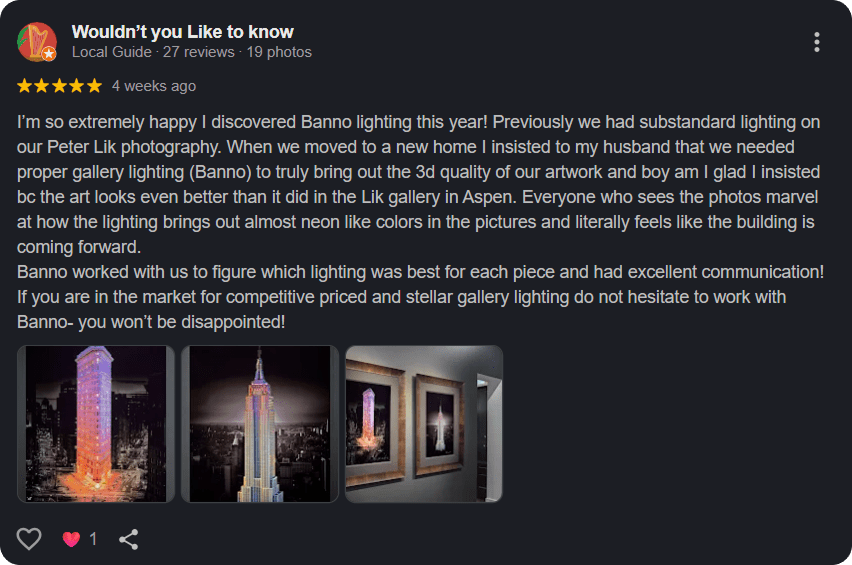
5-Star Google Review for Our Art Lighting Solutions
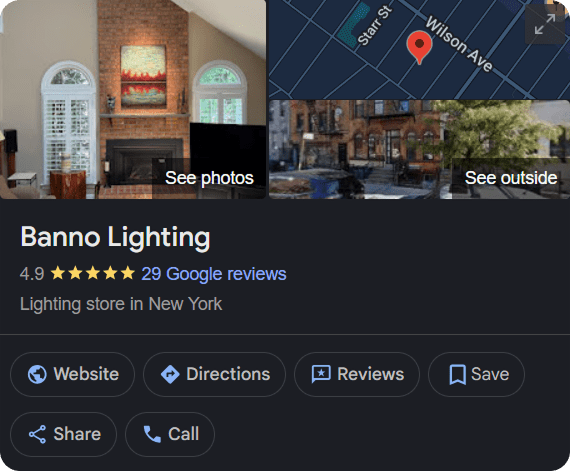
Best Art Studio Lighting for Painting

High-CRI LED lights illuminating painter’s canvas
When discussing art studio lighting for painting, the goal is to replicate neutral, museum-quality lighting conditions. Painters rely heavily on precise color mixing, which means the lighting must reveal true pigment tones without warm or cool distortion. These conditions are essential when designing the best lighting setups for paintings and artworks, allowing artists to evaluate color and value with confidence.
The best art studio lighting for painting typically includes high-CRI LED fixtures combined with directional lighting aimed at the canvas. This setup ensures that brushstrokes, textures, and subtle tonal transitions remain visible under consistent illumination.
Painting studio lighting setup should avoid overly warm bulbs that make colors appear yellow or overly cool lights that introduce blue bias. Instead, neutral white lighting with excellent color rendering allows artists to judge values and hues accurately.
Another key factor is shadow control. Poorly positioned lighting can cast unwanted shadows across the canvas, especially when working on large paintings. Properly positioned art studio track lighting or overhead lighting solves this by distributing light evenly across the work surface.
Art Studio Lighting Setup: How to Design It Properly

Evenly distributed overhead lighting across creative studio space
An effective art studio lighting setup should be layered rather than relying on a single light source. The most successful studios use a combination of ambient, task, and directional lighting to create a balanced environment. These principles form the foundation of a complete guide to lighting art and creative spaces, ensuring that artists can work under consistent and visually accurate conditions.
Ambient lighting provides overall illumination across the room and is usually achieved through ceiling-mounted art studio ceiling lighting or overhead lighting. This ensures the entire studio is well lit without dark corners that strain the eyes.
Task lighting is essential for detailed work. An art studio desk lamp or artist studio lamp daylight positioned near the easel or workspace allows precise visibility for fine brushwork and sketching.
Directional lighting, such as art studio track lighting or adjustable fixtures, should be aimed directly at the artwork. This mimics gallery lighting conditions and ensures that artworks are seen under realistic display lighting while being created. Proper positioning of lights is one of the professional art lighting techniques used to maintain even illumination and reduce glare.
For a professional painting studio lighting setup, lights should be angled at approximately 30 degrees toward the artwork to reduce glare and reflections while maintaining even illumination.
Natural Light vs Artificial Light in an Art Studio

Modern LED fixtures in windowless art studio
Many artists believe natural light is the gold standard, and while art studio natural light can be beneficial, it is not always reliable. Sunlight changes throughout the day, altering color perception and shadow intensity, which can lead to inconsistencies in artwork.
In studios with strong window exposure, natural light should be diffused using curtains or blinds to prevent harsh glare. North-facing light is often preferred because it is softer and more consistent compared to direct sunlight.
However, modern LED art studio lighting has reached a level where artificial lighting can outperform natural light in consistency. For artists working in an art studio with no natural light, high-quality LED fixtures with stable color temperature provide a controlled environment that remains constant throughout the day.
Home art studio lighting often benefits from combining diffused natural light with artificial lighting to create a stable and flexible workspace.
Art Studio Lighting Fixtures and Equipment

Ceiling track lighting system in workspace
Choosing the right art studio light fixtures is fundamental to achieving professional results. Different fixtures serve different purposes depending on the studio layout and artistic discipline.
Art studio ceiling lighting provides general illumination and should be evenly distributed across the space. Recessed or track-based systems are ideal for maintaining a clean and uncluttered ceiling while delivering strong ambient lighting.
Art studio wall lights can be used to highlight vertical artworks or reduce shadow contrast near workstations. Meanwhile, art studio floor lamps and adjustable artist studio light stands offer flexibility for artists who frequently reposition their workspace.
Track systems remain one of the most versatile solutions for artist studio track lighting because they allow multiple adjustable heads to be aimed at canvases, sculptures, and worktables simultaneously. This makes them an ideal form of adjustable lighting for studios and artwork, giving artists the flexibility to adapt illumination as their workspace or projects change.
LED art studio lights are now the preferred option due to their longevity, energy efficiency, and stable output compared to traditional bulbs.
Understanding Lumens, Brightness, and Light Output

Bright overhead studio lighting evenly distributed
Art studio lighting lumens play a crucial role in determining how bright and usable the studio environment feels. Insufficient lumens can make colors appear dull, while excessive brightness can cause glare and eye fatigue.
For most studios, the recommended range is high ambient lighting combined with focused task lighting. Understanding how many lumens for art studio use depends on room size, ceiling height, and type of artwork being created.
Large studios with high ceilings require stronger overhead lighting, while small art studio lighting setups benefit from layered light sources to prevent harsh contrast. Studio lumens should always be balanced rather than relying on a single high-output fixture.
Professional artists often prefer evenly configured lighting rather than overly bright hotspots that distort perception.
l’art Zoom
The l’art Zoom is exceptionally effective in art lighting studio environments where precision and visual accuracy are critical for both creating and evaluating artwork. Artists need controlled, directional light that reveals true color, brushwork, and texture without glare or uneven hotspots. The adjustable beam of the Zoom allows studio users to fine tune illumination depending on canvas size, easel position, or wall display. This makes it ideal for painters, photographers, and mixed media artists who require consistent lighting across their workflow. With high color accuracy and stable integrated LED chips, the Zoom supports long studio sessions while maintaining reliable, museum-grade visual clarity and minimal heat output.
l’art Multi
The l’art Multi is designed for art lighting studios that require even, ambient yet controlled illumination across multiple artworks, workstations, or display walls. In a studio setting, lighting must be balanced so artists can move between pieces without dramatic lighting inconsistencies that distort perception of color and contrast. The Multi delivers a wider, uniform beam spread that works well for studio walls, gallery-style studio displays, and creative workspaces. Its low glare optics reduce eye strain during long creative sessions while preserving accurate tonal representation. With long-life integrated LED technology and consistent output, the Multi creates a professional studio lighting environment that supports both artistic production and presentation.
l’art Deluxe Projector
The l’art Deluxe Projector is ideal for larger art lighting studios with high ceilings, large canvases, or statement-scale artworks that require long-throw, focused illumination. In professional studios, especially those working on oversized paintings or installations, standard fixtures often fail to deliver sufficient reach and beam control. The Deluxe Projector provides a powerful yet precise beam that can be directed onto large surfaces without excessive spill or harsh glare. This ensures artists can accurately assess composition, color balance, and surface detail from a distance. Its integrated LED system offers stable color rendering, low heat emission, and long-term performance, making it a premium solution for high-end studio lighting setups.
Color Temperature and Accuracy in Art Studio Lighting

Neutral white lighting showing true paint tones
Art studio light temperature directly affects how colors are perceived. This is one of the most overlooked aspects of studio lighting design.
Warm lighting can make paintings appear more yellow and muted, while cool lighting can exaggerate blues and reduce warmth in skin tones and landscapes. Neutral lighting is generally considered ideal for accurate color evaluation.
Artist studio lamp daylight options are commonly used because they simulate natural daylight conditions while remaining consistent throughout the day. This is especially valuable for painters who need stable color references.
Color accuracy is also influenced by the quality of LED art studio lighting. High-quality lighting ensures that artworks appear the same in galleries, exhibitions, and client spaces.
Professional Art Studio Lighting vs Home Studio Lighting
Compact home studio with adjustable LED lights
Professional art studio lighting typically involves carefully planned layouts with multiple light layers, high-performance fixtures, and consistent illumination zones. These studios are designed for production-level work where accuracy and visual control are essential.
Home art studio lighting, on the other hand, often needs to balance function with space limitations. Small art studio lighting setups should prioritize adjustable fixtures, compact track lighting, and high-quality LED sources that maximize output without overwhelming the room.
Even in a home environment, lighting your art studio properly can significantly elevate the quality of your work. Strategic placement of lights and proper fixture selection can transform a simple room into a professional creative space.
LED and Modern Lighting for Art Studios

Energy-efficient LED fixtures over workspace
Art studio LED lighting has become the industry standard due to its reliability and efficiency. LED art studio lights offer consistent brightness, long lifespan, and minimal heat emission, making them ideal for prolonged artistic sessions.
Unlike traditional bulbs, LED systems maintain stable illumination levels and reduce flickering, which is essential for detailed artistic work. They also integrate seamlessly into art studio lighting design through track systems, ceiling fixtures, and directional lighting heads.
Modern studios increasingly adopt LED lighting for artists because it provides precision control while maintaining energy efficiency and durability.

Lighting Ideas for Different Art Studio Types

Balanced studio lighting layout with layered illumination
Art studio lighting ideas should be tailored to the specific discipline and workspace layout. Painters benefit from directional lighting aimed at canvases, while sculptors may require multi-angle lighting to reveal form and texture.
Artists working in photography or mixed media may combine fine art photography lighting setup techniques with traditional studio lighting artwork systems to achieve balanced illumination.
Basement art studio lighting requires brighter artificial lighting due to limited natural light, while larger studios may incorporate overhead lighting combined with wall-mounted fixtures for even distribution.
Thoughtful lighting ideas for art studio environments always prioritize flexibility, accuracy, and visual comfort.
How to Light an Art Studio for Maximum Performance

Directional lights reducing glare on canvas
Learning how to light an art studio effectively involves understanding light placement, fixture quality, and environmental balance. Lights should be positioned to eliminate glare, reduce shadows, and evenly illuminate the workspace. These practices follow the core principles of lighting for art, allowing artists to evaluate color, texture, and composition with confidence.
Lighting an art studio should never rely on a single overhead source. Instead, a layered system combining ceiling lighting, task lighting, and directional lighting provides the most professional results.
Artists who focus on large-scale works should ensure their lighting setup for painting studio conditions replicates gallery lighting standards so their artwork translates seamlessly into exhibition environments.
FAQ: Art Studio Lighting
What is the best lighting for an art studio?
The best art studio lighting combines high-CRI LED fixtures, neutral color temperature, and layered lighting including ambient, task, and directional lighting to ensure accurate color perception and minimal shadows.
How many lumens do I need for an art studio?
The required art studio lighting lumens depend on studio size, but most studios benefit from strong ambient lighting supplemented with focused task lighting to maintain clarity and balance.
Is natural light better than artificial light for art studios?
Art studio natural light is useful but inconsistent. Modern LED art studio lighting provides more stable and controlled illumination, especially in studios with no natural light.
What color temperature is best for painting studios?
Neutral daylight-style lighting is ideal because it maintains accurate color rendering and prevents warm or cool color distortion during painting.
How do you set up lighting for a painting studio?
A painting studio lighting setup should include overhead ambient lighting, directional lighting aimed at the canvas, and adjustable task lighting for detailed work.
Can you use track lighting in an art studio?
Yes, art studio track lighting is one of the most effective solutions because it allows adjustable light positioning for canvases, sculptures, and workstations.
What lighting do professional artists use?
Professional artists typically use high-quality LED art studio lights with excellent color rendering, layered lighting systems, and adjustable fixtures for precise control.
Is LED lighting good for art studios?
LED art studio lighting is ideal due to its consistency, energy efficiency, low heat output, and long lifespan compared to traditional bulbs.
How do you light a small art studio?
Small art studio lighting should focus on layered lighting, compact fixtures, and directional lighting to maximize brightness without creating glare or shadows.
Does lighting affect paint color accuracy?
Yes, poor lighting can distort color perception. Proper artist studio lighting ensures pigments appear true and consistent under different viewing conditions.
What is the best lighting setup for artists?
The best studio lighting for artists includes ambient ceiling lighting, adjustable task lamps, and directional lighting aimed at the artwork to create a balanced and professional environment.
Should an art studio have overhead lighting?
Yes, art studio overhead lighting is essential for general illumination and should be complemented with directional and task lighting for optimal performance.
Why Designers and Collectors Trust Our Gallery Lights