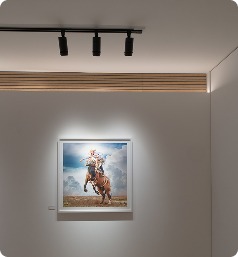
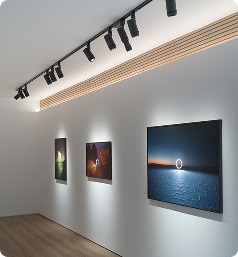
Why LED Has Become the Professional Standard for Modern Galleries?
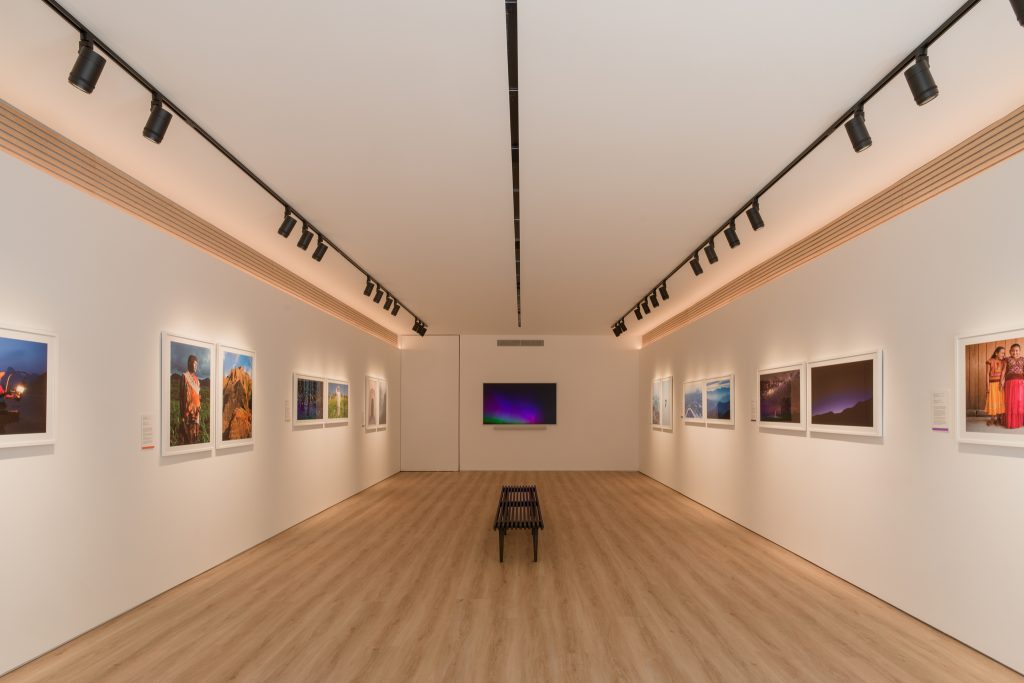
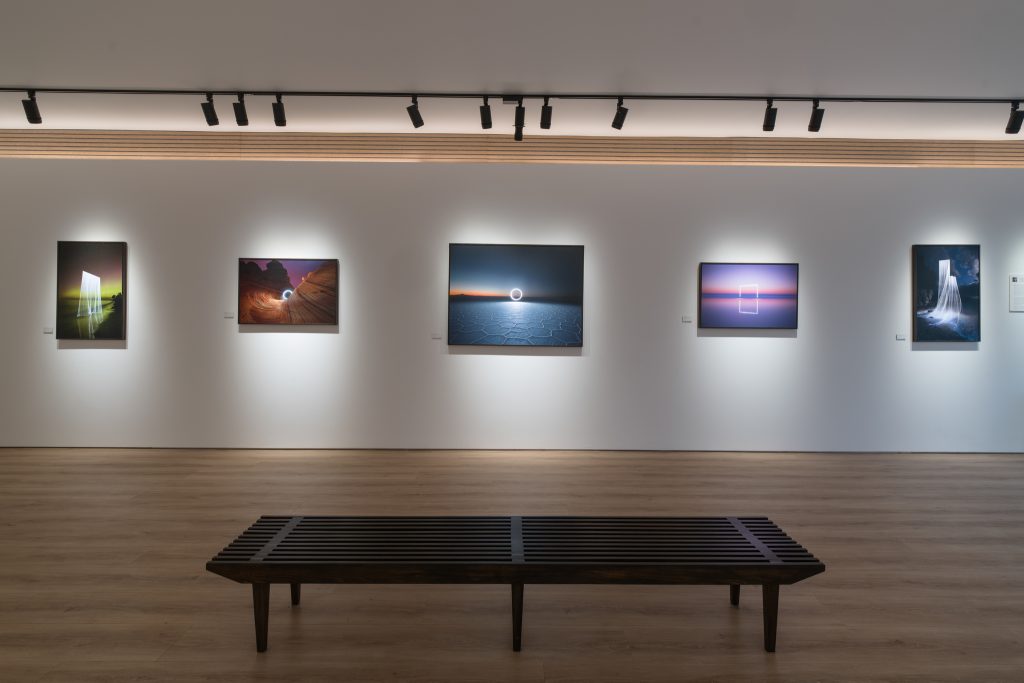
Minimal ceiling integration supporting modern gallery presentation
Art gallery LED lighting is no longer a compromise or a cost driven alternative. It is the professional standard used by leading galleries, museums, and private collections worldwide.
When specified correctly, LED lighting offers precision, consistency, longevity, and control that traditional light sources simply cannot match. When specified poorly, it creates colour distortion, glare, and a flat viewing experience that undermines artwork and sales.
This complete art gallery lighting guide explains what art gallery LED lighting really is, why it dominates modern gallery design, how it shapes experience and buying behaviour, and why professional LED systems matter far more than generic LED fixtures.
At Banno Lighting, we specialise in LED-focused gallery lighting design, creating LED lighting systems for galleries using track-based infrastructure and specialist solutions such as Zoom, Multi, and Deluxe.
Why galleries moved to LED lighting?
Gallery upgrading ceiling lights to efficient LED systems
Galleries did not adopt LED lighting because it was trendy. They adopted it because it solved real problems.
Traditional halogen and discharge lighting suffered from:
• Excessive heat near artwork
• High energy consumption
• Short lamp life
• Inconsistent colour over time
• Ongoing maintenance costs
LED lighting addressed all of these issues while adding new advantages that are particularly valuable in galleries.

4.9-star rated by art collectors and gallery professionals
The key advantages of LED lighting in art galleries
Energy efficient lighting supporting daily gallery operations
Low heat and artwork protection
LED lighting produces significantly less radiant heat than traditional sources. This is critical for protecting artworks, particularly works on paper, textiles, photographs, and mixed media.
Lower heat reduces stress on materials and supports conservation standards without compromising presentation.
Colour stability over time
Professional LED gallery lighting is engineered to maintain consistent colour output for many years.
In galleries, colour drift undermines trust. Collectors notice when artworks look different under different lights or over time.
High quality LED systems are designed to remain stable, exhibition after exhibition.
Precision optics and beam control
LED technology allows for advanced optics that are not possible with older light sources.
This enables:
• Clean beam edges
• Precise control of light placement
• Reduced spill and glare
• Better separation between artworks
Beam control is one of the defining features of professional gallery LED lighting.
Energy efficiency and operational savings
While energy savings are not the primary reason galleries choose LED, they are a meaningful benefit.
LED lighting:
• Reduces energy consumption
• Lowers cooling loads
• Minimises maintenance
• Supports long term operational efficiency
These savings compound over time, particularly in galleries that operate daily.
LED lighting and the gallery experience
Even brightness reducing visual fatigue during exhibitions
A gallery is an experience before it is a sales environment.
LED lighting shapes that experience by:
• Creating calm, consistent illumination
• Allowing artworks to stand out without drama
• Reducing visual fatigue
• Supporting long viewing periods
When LED lighting is specified professionally, visitors slow down, engage more deeply, and feel that the gallery is intentional and refined.
Poorly specified LED lighting does the opposite. It can feel harsh, flat, or synthetic, breaking immersion.
LED lighting and art sales

Accurate colour reproduction increasing buyer confidence
Art sales rely on confidence.
Collectors need to trust what they are seeing. LED lighting supports this when it is designed properly.
Professional LED gallery lighting:
• Reveals accurate colour and texture
• Avoids exaggerated warmth or coolness
• Reduces glare on glass and varnish
• Creates a sense of value and care
When lighting is inconsistent or generic, buyers hesitate. LED technology amplifies both good and bad decisions. This is why system design matters more than the light source itself.
Track based LED lighting systems in galleries

Adjustable LED track heads aligned across ceiling grid
Track lighting is the dominant infrastructure for LED gallery lighting.
Track based LED systems allow:
• Fixtures to be repositioned easily
• Exhibitions to change without rewiring
• Clean architectural integration
• Long term flexibility
However, not all LED track lighting is suitable for galleries.
Generic LED track heads are designed for retail and architectural spaces. Professional gallery LED track systems rely on high CRI LED art lighting fixtures designed specifically for artwork.
The difference between generic LED lighting and gallery grade LED lighting

Consistent colour output
Generic LED lighting prioritises:
• Cost
• Broad illumination
• Versatility across environments
Gallery grade LED lighting prioritises:
• Precision optics
• Colour fidelity
• Glare control
• Consistency across fixtures
• Visual restraint
This difference is immediately visible in the quality of presentation and the comfort of viewing.
Colour temperature in LED art gallery lighting

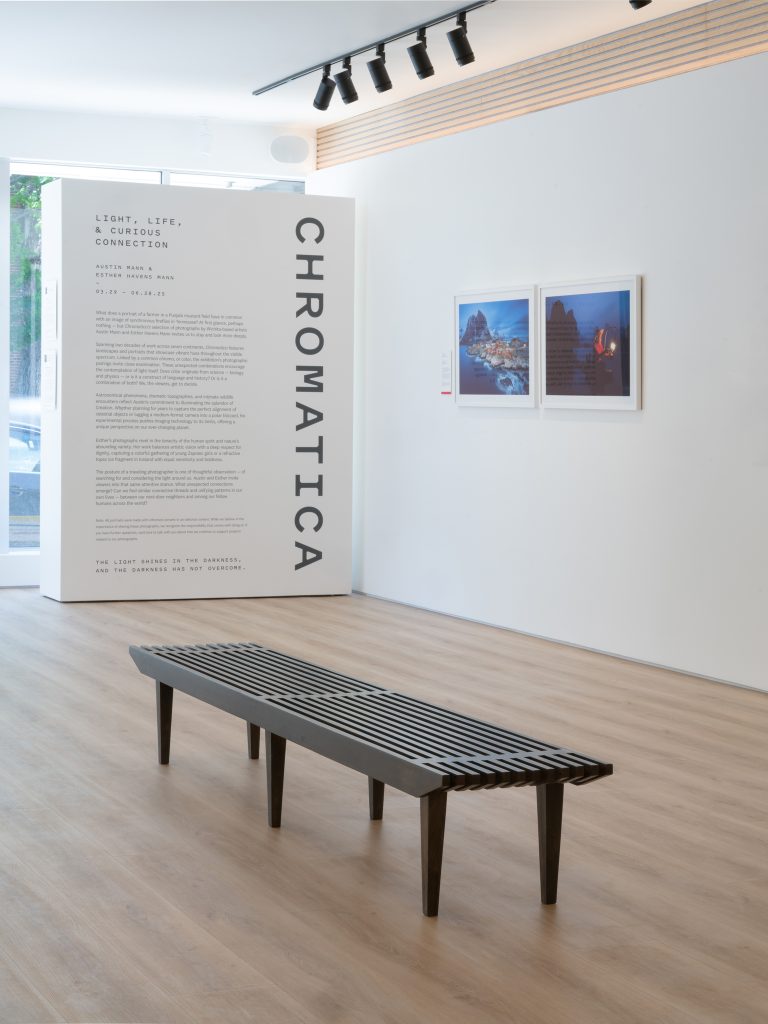
Consistent colour temperature across entire gallery wall
Most professional galleries use 3000K LED lighting as the standard LED color temperature for artwork.
3000K provides:
• A neutral yet warm appearance
• Accurate colour representation
• Consistent results across exhibitions
• Buyer confidence
Some galleries use 2700K LED lighting selectively on master works where warmth enhances emotional presence. This is done carefully and usually with Multi control to avoid visual inconsistency.
Cooler LED temperatures are rarely used in galleries because they feel clinical and flatten tonal nuance.
Zoom LED lighting for flexible galleries

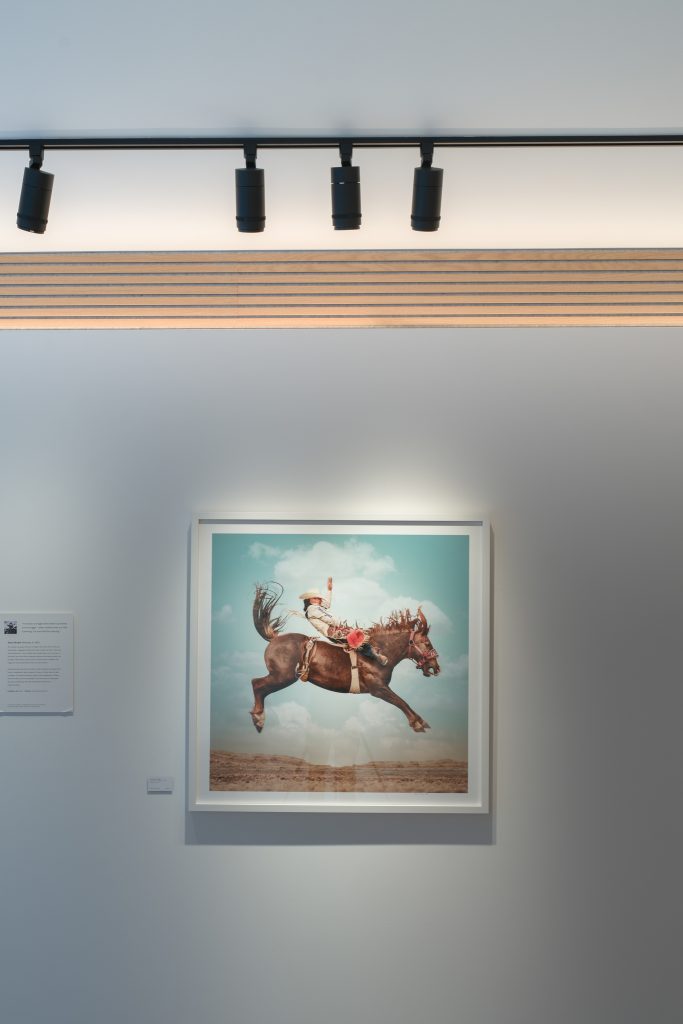
Adjustable beam angle reframing artwork precisely
Zoom LED lighting systems are widely used in galleries with changing exhibitions.
Zoom allows:
• Adjustable beam angles from a single LED fixture
• Precise framing of artworks
• Reduced need for multiple fixture types
• Faster installation and rehanging
This flexibility is particularly valuable in commercial galleries and exhibition spaces where efficiency matters.
Zoom LED lighting delivers professional control without operational complexity.
Multi LED lighting for nuanced exhibitions
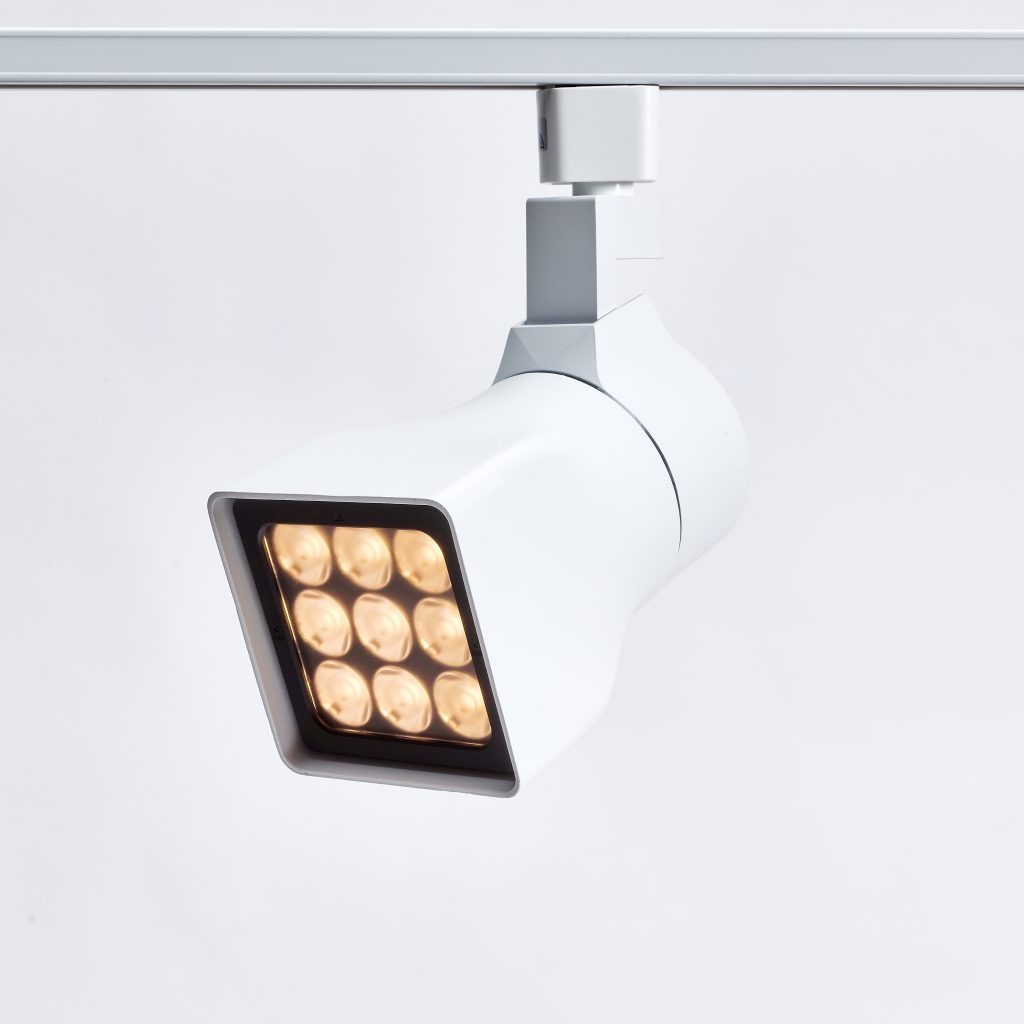
Balanced contrast supporting mixed media installations
Multi LED lighting systems are designed for galleries that curate layered or conceptually complex exhibitions and rely on professional LED lighting for art galleries.
They allow galleries to:
• Apply different lighting treatments within the same system
• Highlight master works selectively
• Maintain cohesion across the space
• Balance contrast and subtlety
Multi systems transform LED lighting into a curatorial tool rather than just illumination.
Deluxe LED lighting for flagship and museum spaces
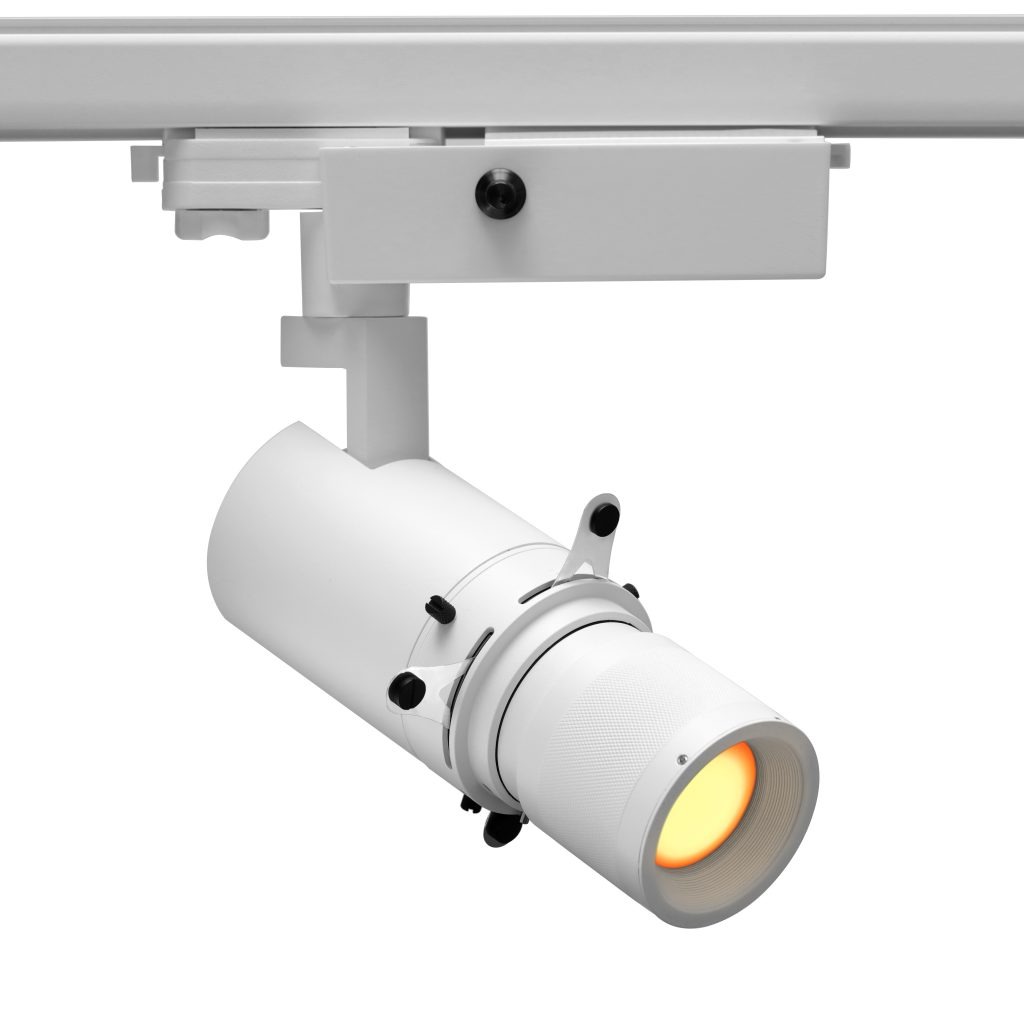
Minimal fixture presence within premium exhibition interior
Deluxe LED lighting systems represent the highest level of gallery grade LED performance.
They are chosen for:
• Flagship galleries
• Museums
• Private collections
• High value artworks
Deluxe LED systems focus on:
• Exceptional beam quality
• Superior colour stability
• Minimal visual presence
• Long term consistency
In these spaces, LED lighting should be invisible while elevating the artwork completely.
Glare control in LED gallery lighting

Comfortable viewing angle supporting extended engagement
Glare is one of the most common failures in LED lighting.
Professional LED gallery lighting systems address glare through:
• Advanced optics
• Controlled beam shaping
• Proper track placement
• Thoughtful aiming
LED lighting magnifies poor design choices. Without control, glare becomes unavoidable. With the right system, LED lighting delivers exceptional comfort and clarity.
Lighting plans and LED systems
Professional LED gallery lighting always begins with a lighting plan.
A proper plan considers:
• Wall heights and layouts
• Ceiling structure
• Track placement
• Viewing distances
• Future exhibition flexibility
Without a plan, even high quality LED fixtures fail to perform as intended.
Long term thinking with LED lighting

Durable LED system supporting years of exhibitions
One of LED’s greatest strengths is longevity.
A professional LED lighting system should:
• Perform consistently for many years
• Support multiple exhibition cycles
• Reduce replacement and maintenance
• Maintain colour accuracy over time
This long term reliability aligns perfectly with gallery operations.
Why galleries need guidance with LED lighting?
LED lighting appears simple, but galleries face unique challenges.
Without specialist guidance, galleries often:
• Choose LEDs with poor colour quality
• Struggle with glare
• Lose consistency across fixtures
• Feel limited by generic systems
A specialist partner provides:
• System level thinking
• Gallery specific lighting plans
• Product selection based on art, not trends
• Ongoing support
At Banno Lighting, our role is to guide galleries so LED lighting becomes a strength rather than a compromise.
LED lighting as part of gallery credibility

Sophisticated gallery interior reflecting professional lighting standards
Lighting communicates professionalism.
Artists notice how their work is lit.
Collectors notice consistency and care.
Institutions notice attention to detail.
Professional LED track lighting for galleries signals:
• Curatorial seriousness
• Respect for artwork
• Long term thinking
• Authority and trust
Poor LED lighting quietly undermines even strong programs.
Final perspective on art gallery LED lighting
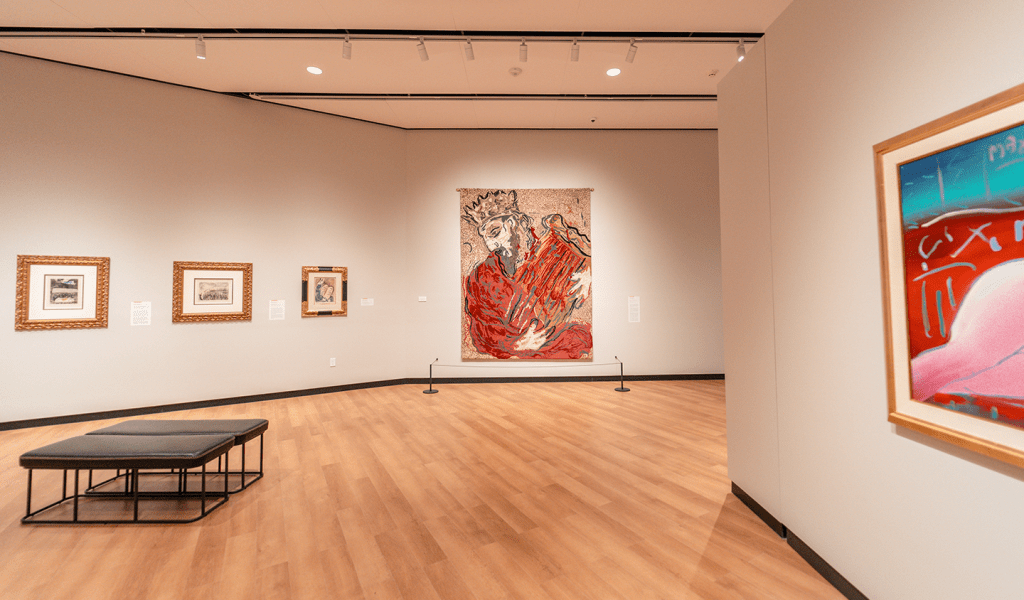
Professional track system installed for curated exhibition
Art gallery LED lighting is not about efficiency alone. It is about control, experience, and trust.
When designed properly:
• The art feels honest
• The space feels calm
• The lighting disappears
• Visitors engage deeply
• Buyers feel confident
This is the role of professional LED lighting in galleries.
Why galleries choose Banno Lighting?
Galleries work with Banno Lighting because we understand LED gallery lighting system setups as complete systems, not just individual products
We provide:
• Expert guidance
• Professional lighting plans
• Track based LED gallery systems
• Zoom, Multi, and Deluxe solutions
• Long term support
If you want art gallery LED lighting that enhances experience, supports sales, and evolves with your exhibitions, professional systems and guidance are essential.
Advanced Strategies in Art Gallery LED Lighting Design
While LED lighting has become the standard in modern galleries, the difference between adequate lighting and exceptional lighting lies in how systems are designed and applied. High-performing galleries move beyond basic illumination and treat LED lighting as a precision tool that supports curatorial intent, spatial clarity, and long-term flexibility.
Professional art gallery lighting design is not about brightness. It is about control, consistency, and how light interacts with both artwork and architecture.
Beam Angle Selection and Artwork Framing
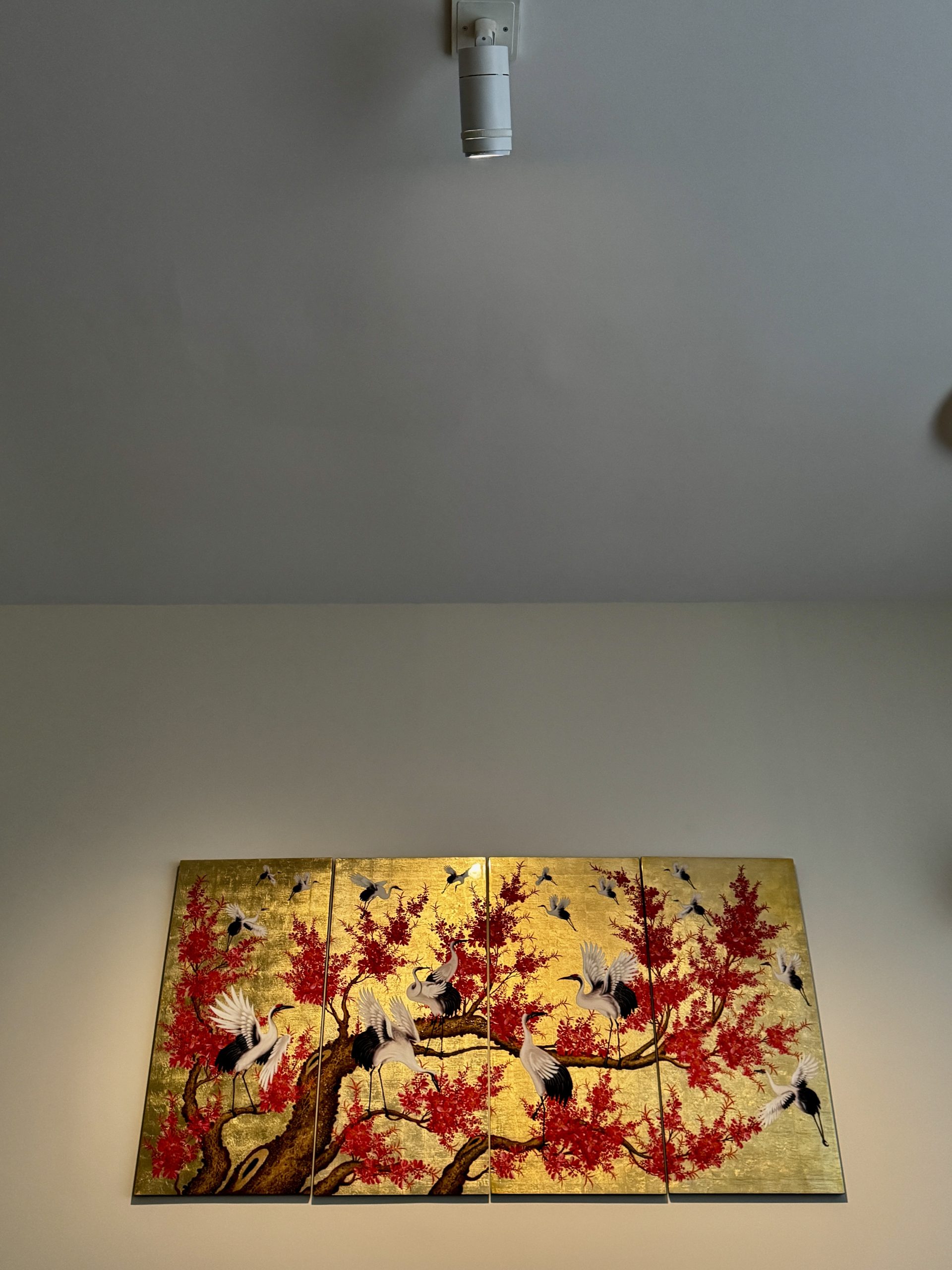
Wide beam LED fixtures creating even distribution for large murals.
One of the most important yet often overlooked aspects of art gallery LED lighting is beam angle selection.
Beam angle determines how light is distributed across an artwork. When poorly matched, it creates hotspots, uneven edges, or unnecessary spill onto surrounding walls.
Professional galleries carefully match beam angles to artwork size and viewing distance:
- Narrow beams (10°–20°) for small or high-value pieces requiring focus
- Medium beams (24°–36°) for standard paintings and photography
- Wide beams (40°+) for large-scale works
With LED track lighting for art gallery systems, this control becomes highly adaptable. Adjustable optics or zoom fixtures allow precise framing without repositioning the entire fixture.
Correct beam selection ensures that the artwork feels intentional, balanced, and visually contained within its space.
The Importance of CRI in Gallery Lighting
Colour accuracy is fundamental in any gallery environment.
CRI (Colour Rendering Index) measures how accurately a light source reveals colours compared to natural light. In professional art gallery lighting, high CRI is non-negotiable.
Low-quality LED lighting often results in:
- Muted reds
- Distorted blues
- Flattened tonal depth
High-quality systems, typically CRI 90–98+, ensure that artworks are presented truthfully.
This directly answers one of the most common concerns: does LED light damage paintings or alter their appearance? The answer depends entirely on quality. Properly specified LED systems maintain colour integrity while also minimising harmful UV and infrared output.
Spacing and Track Layout Principles

Consistent fixture spacing eliminating dark spots on gallery display walls.
A lighting system is only as effective as its layout.
Track placement plays a critical role in achieving consistent and flexible gallery lighting for art. Poor spacing results in uneven illumination, glare, or limitations when exhibitions change.
Standard professional guidelines include:
- Track positioned approximately 1/3 of the ceiling-to-wall distance
- Consistent spacing between fixtures to avoid gaps or overlaps
- Alignment with architectural lines for visual clarity
A well-planned art gallery track lighting system allows artworks to be illuminated from optimal angles while maintaining clean ceiling integration.
Without this planning, even high-end fixtures cannot perform effectively.
Lighting Ratios and Visual Hierarchy
Lighting in galleries is rarely uniform. Subtle variation in intensity is used to create hierarchy.
Professional art exhibition lighting design uses controlled lighting ratios to guide attention without overwhelming the viewer.
Typical strategies include:
- Slightly higher intensity on key artworks
- Balanced illumination across secondary pieces
- Lower ambient levels to maintain contrast
This approach ensures that visitors intuitively understand where to look, without the need for signage or direction.
In modern art gallery lighting, hierarchy is achieved quietly, reinforcing the calm and refined atmosphere expected in contemporary spaces.
Glare Reduction Through Precision Positioning

Strategic light placement ensuring visual comfort for close artwork inspection.
Glare is one of the most common issues in poorly executed art gallery lighting systems.
It occurs when light reflects directly into the viewer’s eye, particularly on:
- Framed works with glass
- Varnished paintings
- Glossy surfaces
Effective glare control relies on:
- Correct fixture positioning relative to artwork
- Appropriate beam angles
- High-quality optics
A general rule in lighting an art gallery is the 30-degree aiming angle, which helps minimise reflection while maintaining even coverage.
When properly controlled, glare disappears entirely, allowing viewers to engage with artwork comfortably over extended periods.
Lighting for Different Exhibition Scenarios
Not all galleries operate the same way. Lighting must adapt to different exhibition types.
Commercial galleries
These spaces prioritise flexibility and speed. LED gallery lighting systems must allow rapid reconfiguration, often using track-mounted fixtures with adjustable optics.
Museums
Museums focus on conservation and consistency. Lighting levels are carefully controlled, particularly for sensitive works, while maintaining high colour accuracy.
Private collections
These environments often require a balance between residential comfort and professional presentation, making art gallery lighting for home a specialised category within the broader field.
Each scenario requires a tailored approach, even when using similar LED technology.
Balancing Artificial and Natural Light

Artificial lighting acting as the primary stable source for galleries.
Natural light can enhance a gallery, but it introduces variability.
Unlike LED systems, natural light changes throughout the day in:
- Intensity
- Direction
- Colour temperature
To maintain consistency in art gallery lighting design, artificial lighting must compensate for these fluctuations.
Strategies include:
- Using controlled daylight through diffusers or filters
- Positioning artworks away from direct sunlight
- Ensuring LED systems maintain stable colour temperature
In most professional environments, artificial lighting remains the primary source, with natural light used carefully and selectively.
Maintenance and System Longevity
One of the key advantages of LED lighting is longevity, but only when systems are designed correctly.
A professional art gallery lighting system should:
- Maintain consistent output over time
- Avoid noticeable colour shift between fixtures
- Require minimal maintenance
Low-quality systems often degrade unevenly, leading to visible inconsistencies across gallery walls.
Investing in high-quality LED solutions ensures that lighting remains reliable across multiple exhibition cycles, supporting both operational efficiency and visual consistency.
Sustainability in Gallery Lighting
Sustainability is becoming increasingly important in gallery design.
LED lighting supports this through:
- Reduced energy consumption
- Lower heat output
- Longer lifespan
However, sustainability must not compromise presentation quality.
Professional LED art gallery lighting achieves both by delivering high performance with minimal waste, aligning environmental responsibility with curatorial standards.
Avoiding Common Mistakes in LED Gallery Lighting
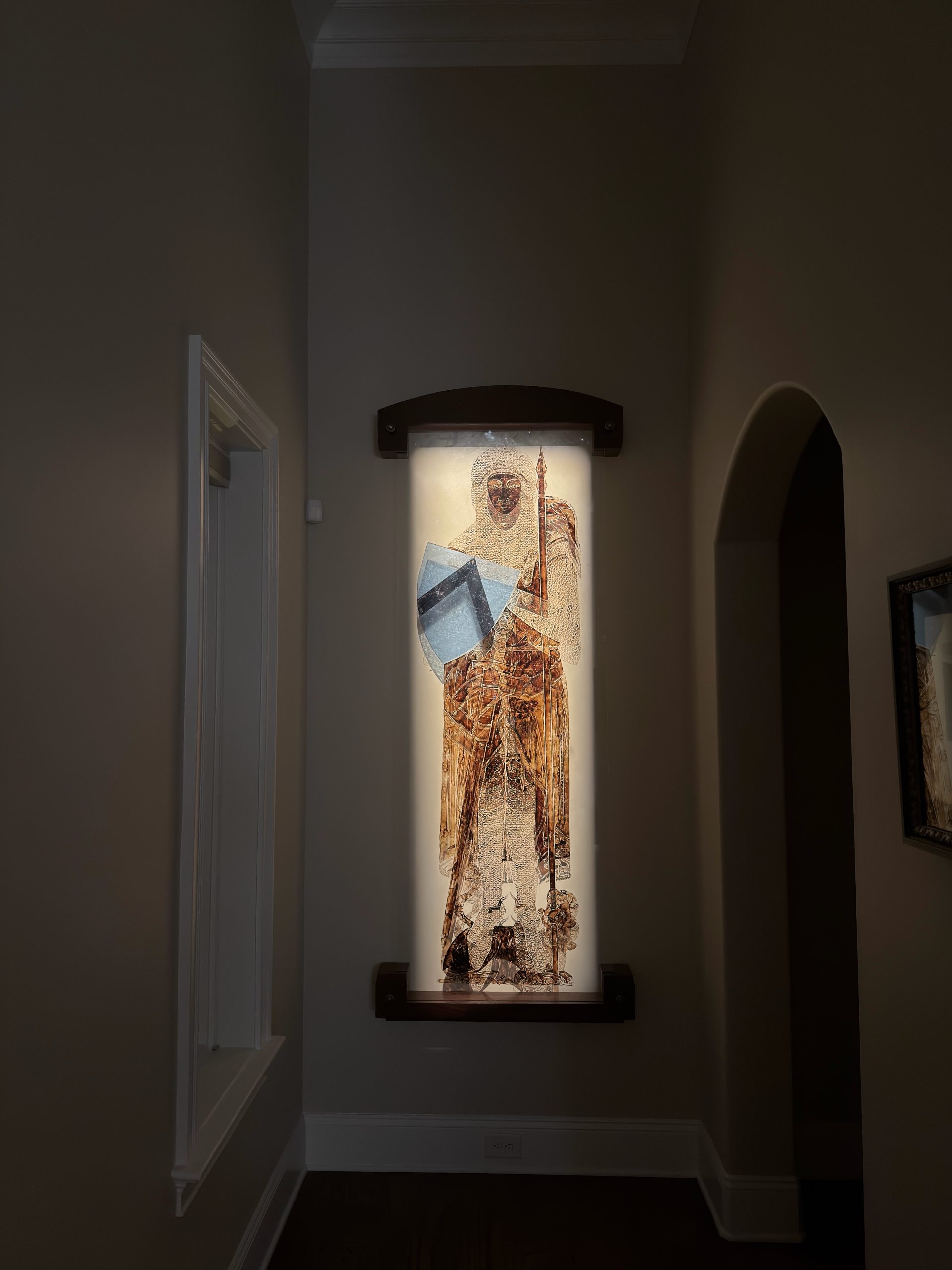
Correcting poor color rendering to restore artwork tonal depth effectively.
Even with advanced technology, mistakes in lighting for art gallery environments are common.
Key issues include:
- Using fixtures with poor colour rendering
- Over-lighting artworks, reducing contrast
- Inconsistent colour temperature across the space
- Poor track placement limiting flexibility
These mistakes often stem from treating lighting as a secondary consideration rather than a core design element.
Professional guidance ensures that systems are designed holistically, avoiding costly corrections later.
The Role of Lighting in Perceived Artwork Value
Lighting does more than illuminate—it influences perception.
Well-executed gallery lighting for art enhances:
- Depth and texture
- Colour richness
- Material quality
This directly impacts how artworks are perceived by collectors.
Inconsistent or poorly designed lighting can make high-quality work appear flat or less valuable. Conversely, professional lighting reinforces the integrity and presence of the artwork.
This is why best art gallery lighting is always intentional, never incidental.
Flexibility for Future Exhibitions

Adjustable LED fixtures evolving alongside changing contemporary art exhibition layouts.
Galleries are dynamic environments. Lighting systems must evolve alongside changing exhibitions.
Key requirements include:
- Adjustable fixtures
- Modular track systems
- Consistent performance across different configurations
LED track lighting for art gallery environments is particularly effective because it allows continuous adaptation without structural changes.
This flexibility ensures that the lighting system remains relevant over time, supporting both current and future curatorial needs.
The Psychological Impact of Lighting in Gallery Spaces
Lighting shapes how a gallery is experienced, not just how it looks.
Well-executed art gallery lighting creates a calm, distraction-free environment where visitors can focus entirely on the artwork. This visual comfort encourages longer engagement and supports deeper connection.
Consistency is critical. When light levels and colour temperature remain stable, the space feels intentional and professional. In contrast, uneven or harsh lighting quickly breaks immersion.
Subtle variation in intensity also helps guide movement. In art exhibition lighting, this creates natural flow without relying on signage or direction.
Even spatial perception is affected. Balanced gallery lighting for art can make a space feel more open and refined, while poor lighting can feel flat or tiring.
At its best, professional art gallery lighting becomes invisible—quietly shaping how visitors see, move, and respond to the artwork without ever drawing attention to itself.
The Importance of Consistency Across Viewing Environments

Consistent color temperatures ensuring art translates perfectly from gallery home.
Art is rarely viewed in just one place. Collectors often see works in galleries, art fairs, private viewings, and eventually in their own spaces. This makes consistency in art gallery LED lighting critically important.
When lighting conditions vary too much, artworks can appear different from one environment to another. This creates uncertainty and can reduce buyer confidence.
Professional art gallery lighting design ensures that colour temperature, intensity, and beam quality remain predictable and aligned with industry standards. This allows collectors to trust what they are seeing, knowing the artwork will translate well beyond the gallery.
Consistency also strengthens a gallery’s identity. When every exhibition is presented under controlled, reliable lighting, it reinforces professionalism and builds long-term credibility with both artists and collectors.
Final Considerations on Professional LED Gallery Lighting
As galleries continue to evolve, expectations for lighting will only increase.
Professional art gallery LED lighting must deliver:
- Precision in light placement
- Consistency in colour and intensity
- Flexibility for changing exhibitions
- Integration with architectural design
When these elements come together, lighting becomes invisible, allowing the artwork to define the space.
This is the defining characteristic of successful modern art gallery lighting—not the presence of light, but the absence of distraction.
In the end, the goal is simple: create an environment where the artwork is seen clearly, experienced fully, and trusted completely.
Art Gallery LED Lighting: FAQs
1. Why has LED become the standard for professional art galleries?
LED has replaced traditional halogen because it solves critical gallery issues: it produces almost no radiant heat (protecting sensitive art), consumes significantly less energy, offers a much longer lifespan, and maintains consistent color stability over years of use.
2. Does LED lighting damage paintings or sensitive artworks?
When specified professionally, LED is actually safer than older light sources. High-quality gallery LEDs emit minimal UV and infrared radiation. However, low-quality LEDs can still cause damage, so using museum-grade fixtures with controlled output is essential for conservation.
3. What is CRI, and why does it matter for art?
CRI (Color Rendering Index) measures how accurately a light source reveals colors. In galleries, a CRI of 95+ is the professional standard. High CRI ensures that reds are vibrant, blues are deep, and the artist's original palette is represented truthfully to the collector.
4. What is the best color temperature for an art gallery?
Most professional galleries use 3000K (Warm White). It provides a neutral yet inviting baseline that works across almost all mediums. 2700K is sometimes used for a more intimate, "residential" feel for masterworks, while cooler temperatures (4000K+) are generally avoided as they feel clinical.
5. How does LED lighting influence art sales?
Art buying is driven by confidence. Professional LED lighting reveals the true texture and color of a piece, removing visual "friction" and doubt. When a work looks "resolved" and cared for under expert light, collectors feel more secure in its value.
6. What are the benefits of a "Zoom" LED lighting system?
Zoom fixtures allow you to adjust the beam angle (e.g., from 15° to 60°) without changing the lens or fixture. This is ideal for galleries with rotating exhibitions, as one light can perfectly frame a small sketch today and a large mural tomorrow.
7. How do you prevent glare on glass-covered or varnished art?
Glare is managed through the "30-degree rule"—aiming the light at an angle that bounces reflections away from the viewer’s eyes. Using precision optics and narrow beams also helps by reducing "spill" light that hits the glass at awkward angles.
8. Why is "track-based" lighting preferred over fixed lighting?
Track systems provide modularity. Because exhibitions change in size and layout, track lighting allows you to move, add, or subtract fixtures instantly without expensive rewiring or ceiling repairs.
9. What is the difference between "generic" and "gallery-grade" LEDs?
Generic LEDs (from hardware stores) often have "color shift," where the light turns green or pink over time. Gallery-grade LEDs are engineered for color stability, precision beam edges (no "halos"), and advanced glare control.
10. How do you light a sculpture differently than a painting?
Paintings require even, flat illumination. Sculptures require "layered shadows" created by using multiple light sources at different angles. This reveals the three-dimensional form, depth, and material texture of the work.
11. How can lighting create a "visual hierarchy" in an exhibition?
By using different lighting ratios. A curator might set the spotlight on a "star" piece to be slightly brighter than the surrounding works, instinctively guiding the visitor’s attention through the space without needing signs.
12. Does LED lighting save galleries money in the long run?
Yes. Beyond the 70-80% reduction in electricity bills, the primary savings come from reduced maintenance. LEDs last for 50,000+ hours, meaning staff don't have to climb ladders to change bulbs in the middle of a busy exhibition.
13. How do you balance natural daylight with LED systems?
Natural light is variable and contains high UV. Professional galleries use filters or blinds to limit daylight and use artificial LED lighting as the stable primary source. This ensures the art looks the same at 10:00 AM as it does at 4:00 PM.
14. What is a "Multi" LED lighting system?
Multi systems allow for varied lighting treatments within one track. For example, you can have a sharp, framed spot on a painting next to a soft, wide wash on a nearby installation, all while maintaining a cohesive visual language.
15. Why is a professional lighting plan necessary?
A lighting plan calculates the "throw distance" and spacing to ensure there are no dark spots or "hot spots" on the walls. It ensures the track is placed at the correct distance from the wall (usually 1/3 of the ceiling height) to avoid glare.
16. How does lighting affect the "perceived value" of art?
Psychologically, precise and intentional lighting signals that an object is "precious." If a work is lit poorly with generic, flickering lights, a collector may subconsciously perceive it as lower quality or less valuable.
17. What are the "Deluxe" LED systems mentioned in the guide?
Deluxe systems are the "flagship" of gallery lighting. They offer the highest color stability and the most minimal architectural presence. The goal is for the lighting fixture to be invisible so the focus remains 100% on the art.
18. How does lighting impact the "rhythm" of a gallery visit?
Lighting shapes movement. Consistent, calm light levels prevent eye fatigue, allowing visitors to stay longer. Subtle shifts in intensity act as a "visual heartbeat" that leads guests naturally from one room to the next.
19. What are common mistakes in LED gallery lighting?
Common errors include choosing "cool white" LEDs that look like an office, over-lighting the walls (which flattens the space), and poor track placement that creates shadows of the visitors' heads on the artwork.
20. Why is "invisible" lighting considered the goal?
In contemporary design, the best lighting is the lighting you don't notice. When glare is gone, colors are true, and there are no distracting fixtures, the light simply serves as a bridge between the artist’s intent and the viewer’s eye.
You’re working with dedicated art lighting experts