Why Track Systems Are the Foundation of Professional Gallery Lighting?

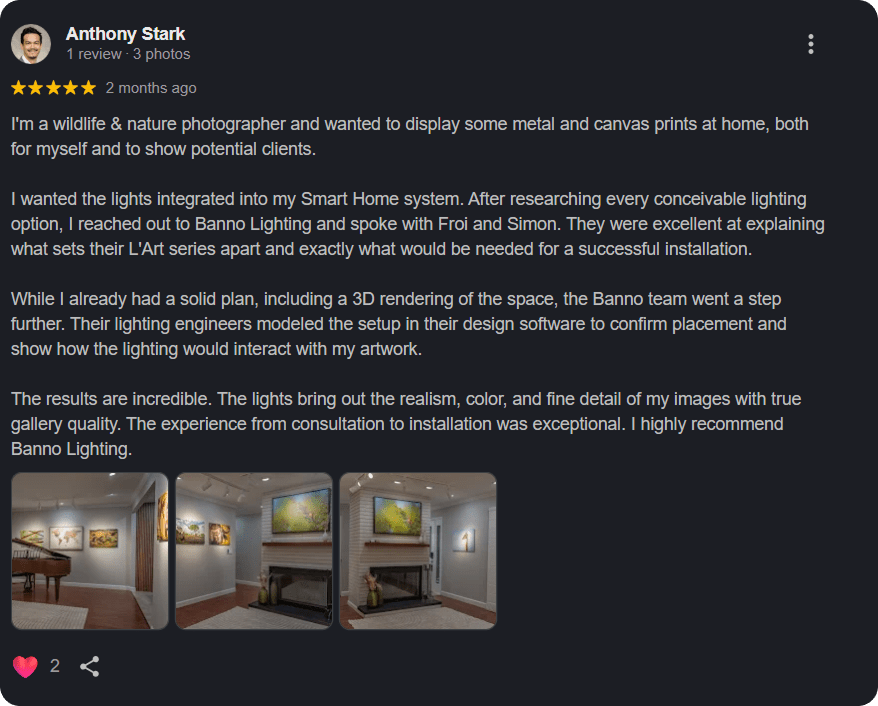
Precision track lights illuminating curated artworks evenly
Art gallery track lighting is not a trend and not a budget choice. It is the backbone of nearly every serious gallery, museum, and private collection in the world.
When designed correctly, track lighting disappears. It gives galleries the flexibility to evolve, the control to respect artwork, and the consistency to build trust with artists and collectors. When done poorly, it becomes a constant source of glare, compromise, and frustration.
This complete art gallery lighting guide explains what art gallery track lighting really is, why it dominates professional spaces, how it shapes experience and sales, and why well-planned art gallery lighting system setups using specialist track systems such as Zoom, Multi, and Deluxe outperform generic alternatives.
Why track lighting is essential in art galleries?

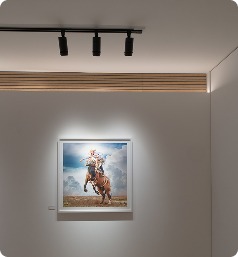
Adjustable track lighting for artwork supporting rotating art exhibitions
Galleries are dynamic spaces.
Walls change.
Exhibitions rotate.
Artwork sizes vary.
Curatorial intent evolves.
Fixed lighting does not survive in this environment. Track lighting does.
LED track lighting for art galleries allows galleries to:
• Reposition lights without rewiring
• Adjust emphasis for different artworks
• Adapt quickly between exhibitions
• Maintain clean ceilings and walls
• Preserve flexibility long term
This adaptability is not a convenience. It is a requirement for professional galleries.

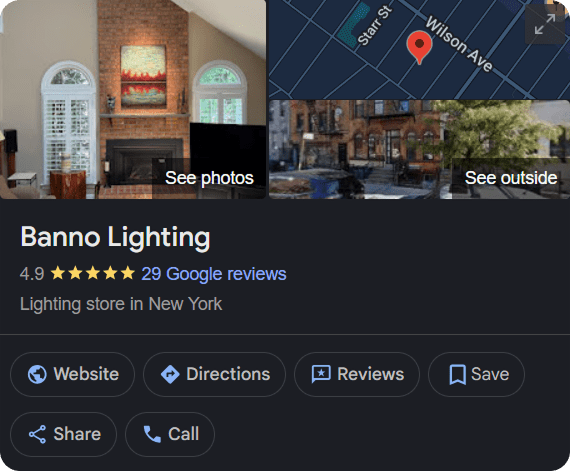
4.9-star rated by art collectors and gallery professionals
Track lighting as a system, not a product

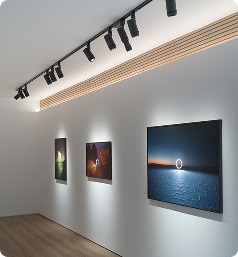
Integrated track layout with balanced power distribution
One of the most common mistakes galleries make is thinking of track lighting as a fixture choice.
In reality, art gallery track lighting is a system.
A proper track lighting system includes:
• Track layout and spacing
• Power distribution
• Fixture selection designed for art
• Optics and beam control
• Colour consistency
• Glare management
• A lighting plan that ties everything together
When these elements are considered together, lighting supports the gallery quietly and reliably. When they are not, even expensive fixtures fail.
The difference between generic track lighting and gallery track lighting

Minimal glare gallery track head beside standard unit
Not all track lighting is suitable for art.
Generic track lights are typically designed for:
• Retail environments
• Offices and hospitality
• Broad illumination
• Cost efficiency
They prioritise coverage, brightness, and versatility across many use cases.
Art gallery track lighting prioritises something very different. In professional track lighting for galleries, the focus is on:
It focuses on:
• Precision beam control
• Minimal glare
• High colour accuracy
• Consistency across walls
• Visual restraint
This is why galleries often feel dissatisfied when they use standard architectural track fittings. The infrastructure is correct, but the lighting language is wrong.
How track lighting shapes the gallery experience?

Focused beams creating clarity within exhibition space
A gallery is an experience before it is a sales environment.
Track lighting plays a central role in shaping that experience by:
• Guiding attention without forcing it
• Creating rhythm across walls
• Establishing calm and clarity
• Allowing artworks to stand apart
When track lighting is planned well, visitors slow down. They move naturally from work to work. The lighting fades into the background and the art becomes the focus.
Poor track lighting creates the opposite effect. Harsh beams, glare, and uneven illumination pull attention away from the artwork and break immersion.
Track lighting and art sales

Professional lighting enhancing perceived artwork value
Lighting directly affects buying behaviour.
Collectors want confidence. They want to trust that what they are seeing is honest and representative of the artwork’s true character.
Professional track lighting supports sales by:
• Revealing accurate colour and texture
• Reducing reflections and glare
• Creating a sense of value and care
• Reinforcing professionalism
When lighting feels generic or inconsistent, buyers hesitate. Doubt enters quietly. Decisions slow.
Track lighting designed for galleries removes friction from the sales process.
Planning track lighting properly

Evenly spaced lighting rails supporting future exhibitions
Track lighting should never be installed without a plan.
A professional art gallery track lighting plan considers:
• Wall lengths and heights
• Ceiling height
• Track placement relative to walls
• Spacing between tracks
• Viewing distances
• Future exhibition changes
Without this planning, galleries end up with dead zones, awkward aiming angles, and inconsistent results that no fixture can fix.
At Banno Lighting, track layouts are always designed in conjunction with the gallery floor plan so lighting works now and in the future.
Beam control is the heart of gallery track lighting

Clean edge spotlight reducing spill onto adjacent wall
The defining difference between gallery track lighting and generic track lighting is beam control.
Art requires light that is:
• Directed
• Controlled
• Adjustable
• Clean at the edges
Wide, uncontrolled beams create spill, glare, and visual noise. Precision beams create clarity and focus.
This is why specialist gallery track systems matter.
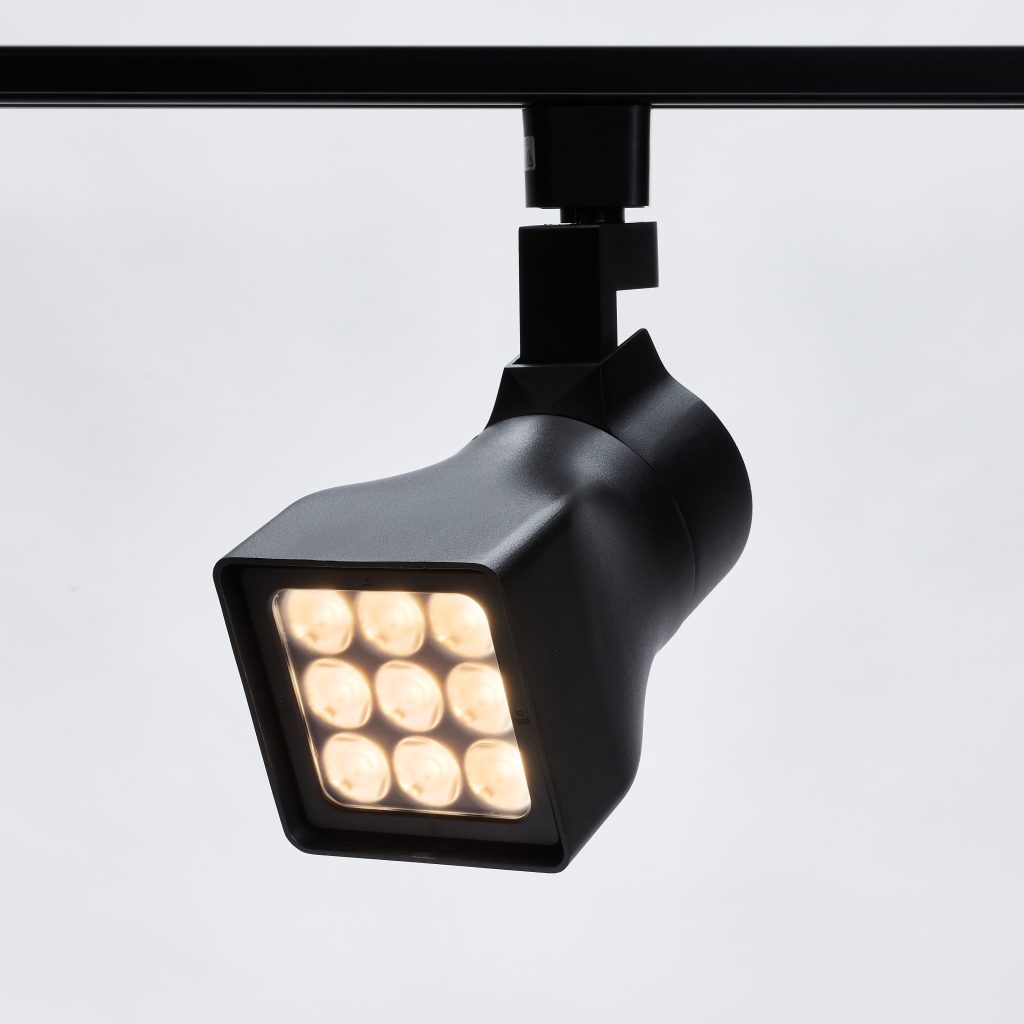
Zoom track lighting for adaptable galleries

Flexible zoom system
Zoom track lighting is ideal for galleries that change exhibitions frequently or display artworks of varied sizes.
Zoom systems allow:
• Adjustable beam angles from a single fixture
• Precise framing of artworks
• Reduced need to swap fittings
• Faster rehanging and setup
With Zoom lighting, one track head can adapt to many situations. This makes it especially effective for commercial galleries and exhibition spaces that value flexibility.
Zoom track lighting reduces complexity while maintaining professional presentation.
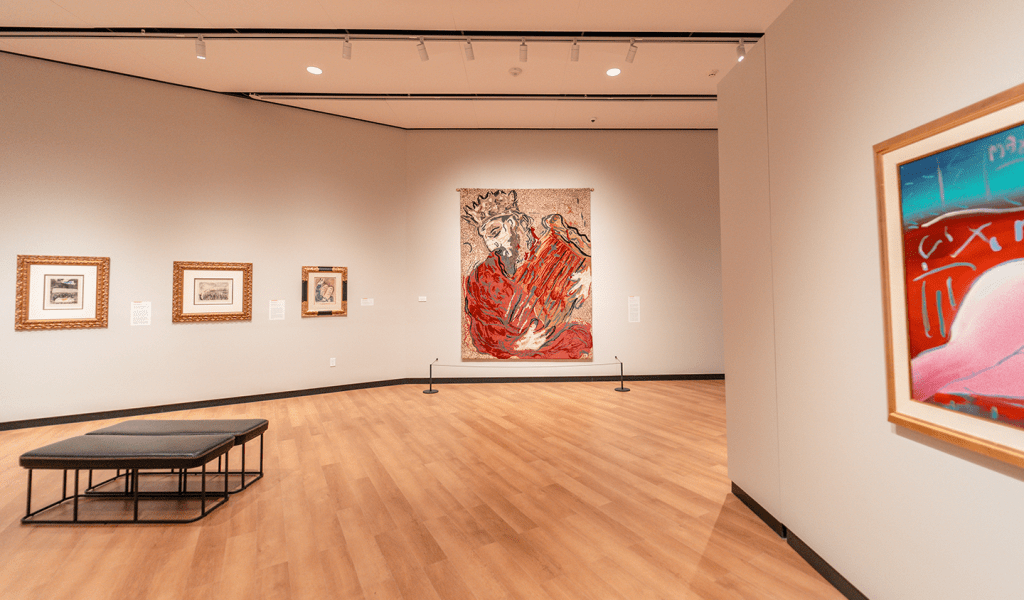
Multi track lighting for layered exhibitions
Controlled contrast supporting complex curatorial narratives
Multi track lighting systems are designed for galleries that curate more complex exhibitions.
They are particularly effective when:
• Multiple mediums are displayed together
• Certain works require stronger emphasis
• Curatorial hierarchy matters
• The exhibition narrative is nuanced
Multi systems allow galleries to:
• Apply different lighting treatments within the same track system
• Maintain overall consistency
• Feature master works selectively
• Control contrast without visual chaos
This transforms track lighting from a technical necessity into a curatorial tool.
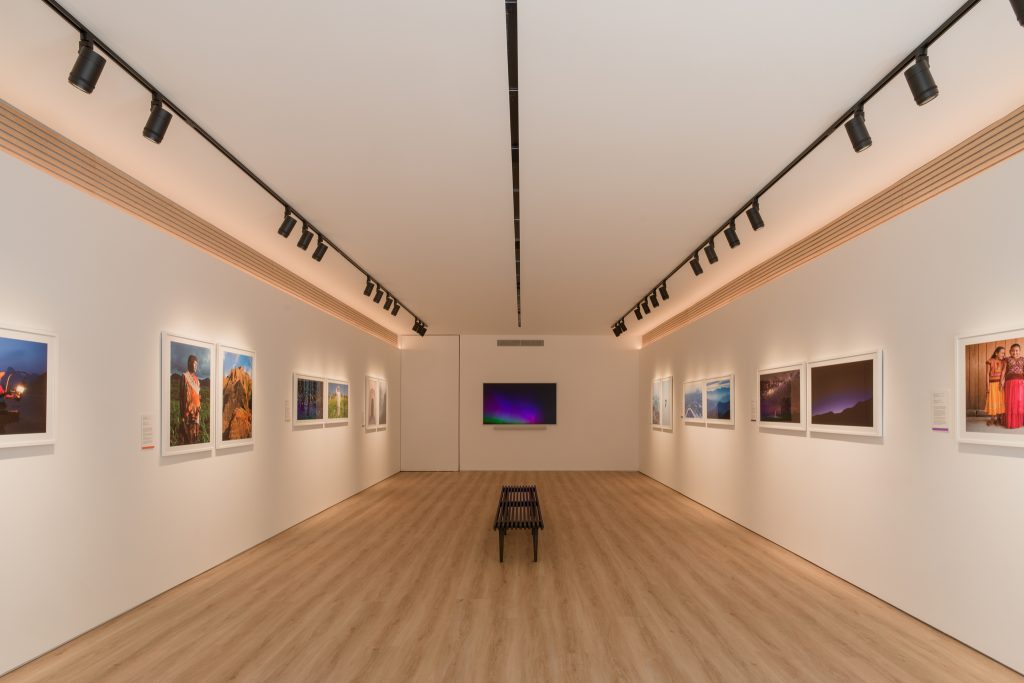
Deluxe track lighting for flagship spaces

Premium gallery ceiling with nearly invisible track
Deluxe track lighting systems are used where presentation quality must be unquestionable.
They are chosen for:
• Flagship galleries
• Museums
• Private collections
• High value artworks
Deluxe systems focus on:
• Exceptional beam quality
• Superior colour accuracy
• Minimal visual presence
• Long term consistency
In these environments, track lighting should be almost invisible while elevating the artwork completely.
Colour consistency across track lighting systems

Stable illumination preserving artwork authenticity over time
Colour consistency is critical in galleries.
All fixtures on a track must:
• Match in colour temperature
• Render colour accurately
• Remain stable over time
Inconsistent colour output undermines trust and professionalism. Collectors notice when artworks look different under different lights.
Professional gallery track lighting systems are engineered for consistency. Generic systems are not.
Glare control and viewer comfort

Soft beam transition preventing harsh visual contrast
Glare is one of the most common failures in track lighting.
Good gallery track lighting addresses glare through:
• Precision optics
• Proper beam shaping
• Correct track placement
• Careful aiming
When glare is controlled, visitors engage longer and more comfortably. They move closer to artworks without discomfort, which directly improves experience and sales outcomes.
Track lighting and architectural integration

Clean architectural lines preserved with slim fixtures
Track lighting is favoured in galleries because it integrates cleanly with architecture.
It allows:
• Minimal ceiling clutter
• Flexible layouts in heritage or modern spaces
• Visual restraint
• Lighting that supports rather than dominates
This architectural sensitivity is another reason track lighting remains the standard in galleries worldwide.
Thinking long term with track lighting
Durable gallery track system built for longevity
Track lighting should be a long term system, not a short term fix.
A well designed system allows:
• Years of exhibitions without replacement
• Consistent presentation over time
• Reduced operational stress
• Lower long term costs
Galleries that invest properly in track lighting once avoid years of compromise and incremental upgrades.
Why galleries need guidance with track lighting?
Track lighting seems simple. In reality, it is nuanced.
Without specialist guidance, galleries often:
• Overlight or underlight works
• Struggle with glare
• Lack consistency
• Feel limited by their system
A specialist lighting partner provides:
• System level thinking
• Lighting plans tied to gallery operation
• Product selection based on use
• Ongoing support as exhibitions change
This guidance is what turns track lighting into a strength rather than a limitation.
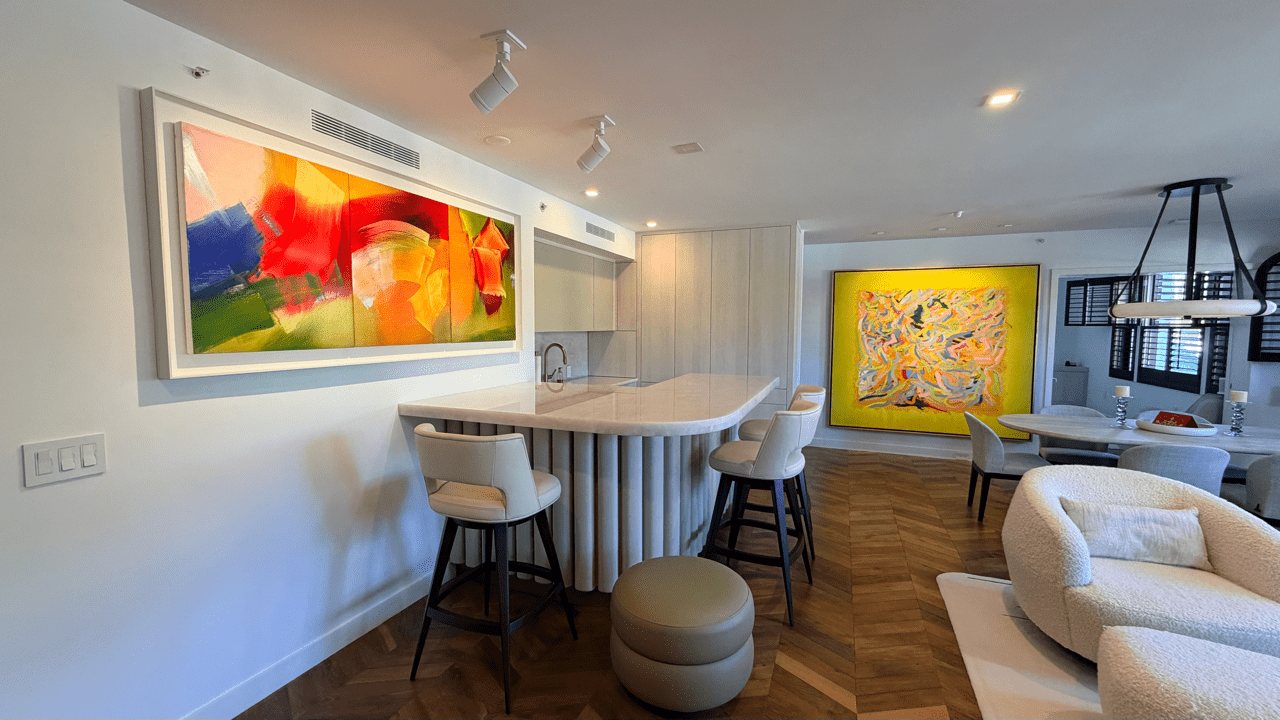
Final perspective on art gallery track lighting
Professional gallery system enhancing visitor immersion
Art gallery track lighting is not about convenience or cost. It is about control, flexibility, and respect for art — which is why it remains one of the best lighting solutions for art galleries.
When designed as a system, track lighting:
• Disappears visually
• Enhances the visitor experience
• Supports confident buying
• Adapts as exhibitions change
• Protects the gallery’s reputation
This is why track lighting remains the foundation of professional gallery lighting worldwide.
Why galleries choose Banno Lighting?
Galleries work with Banno Lighting because we understand track lighting at a gallery level, not just a product level.
We provide:
• Expert guidance
• Professional lighting plans
• Specialist art gallery track lighting systems
• Zoom, Multi, and Deluxe solutions
• Long term support
If you want track lighting that enhances experience, supports sales, and evolves with your gallery, strong gallery lighting design strategies, professional systems, and guidance are essential.
How Track Lighting Adapts to Different Gallery Layouts
Not all galleries are designed the same. Layout has a direct impact on how track lighting performs.
In long, linear spaces, track placement must follow the wall rhythm. Even spacing ensures consistent illumination while avoiding hotspots or dead zones. Poor spacing leads to uneven presentation that no fixture can fully correct.
Open-plan galleries require a different approach. Without clear boundaries, lighting must create structure. Track systems help define zones, guide movement, and establish focal points within a larger space.
Multi-room galleries introduce transitions. Lighting must remain consistent from room to room while still allowing each space to have its own identity. Track systems make this possible by maintaining a unified infrastructure across different environments.
The flexibility of track lighting allows it to adapt to these layouts without requiring structural changes.
The Importance of Track Positioning and Distance
Track lighting positioned at correct distance creating balanced artwork illumination
Track lighting is not just about the fixtures. Positioning determines everything.
Distance from the wall is critical. If tracks are too close, beams become steep and create glare. If too far, light spills and loses precision.
A common professional guideline is to position tracks at a calculated distance based on ceiling height. This creates the correct angle for illumination while maintaining viewer comfort.
Spacing between fixtures also matters. Too close, and the wall becomes overlit. Too far apart, and gaps appear between artworks.
Precision in positioning creates consistency across the entire gallery. Without it, even high-quality fixtures produce inconsistent results.
Understanding Beam Angles in Track Lighting
Beam angle defines how light spreads across an artwork.
Narrow beams are used for:
• Small artworks
• Highlighting specific details
• Creating strong focus
Medium beams are used for:
• Standard paintings
• Balanced coverage
• General gallery display
Wide beams are used for:
• Large artworks
• Wall washing
• Ambient support
Professional galleries rarely rely on a single beam type. Instead, they combine beam angles to create depth and variation.
This flexibility is what allows track lighting to move beyond basic illumination and become a design tool.
Framing Artworks with Precision Lighting

Spotlight precisely aligned with artwork edges avoiding wall light spill
Framing is one of the clearest indicators of professional lighting.
It means aligning the beam exactly with the artwork’s edges.
When done correctly:
• Light stops just before the frame
• No spill hits the surrounding wall
• The artwork feels clean and defined
When done poorly:
• Halos appear around the artwork
• Walls become uneven
• The presentation feels unrefined
Track lighting systems with adjustable optics make precise framing possible.
This level of control is what separates gallery lighting from standard lighting.
How Track Lighting Supports Curatorial Narratives
Lighting is not separate from curation. It supports it.
Track lighting allows curators to:
• Emphasise key works
• Create visual hierarchy
• Guide viewer movement
• Build narrative flow
Not every artwork should compete equally. Lighting helps establish importance without using signage or physical barriers.
Subtle differences in intensity and beam control create rhythm across the exhibition.
This turns a collection of works into a structured, intentional experience.
Managing Light Spill and Visual Noise
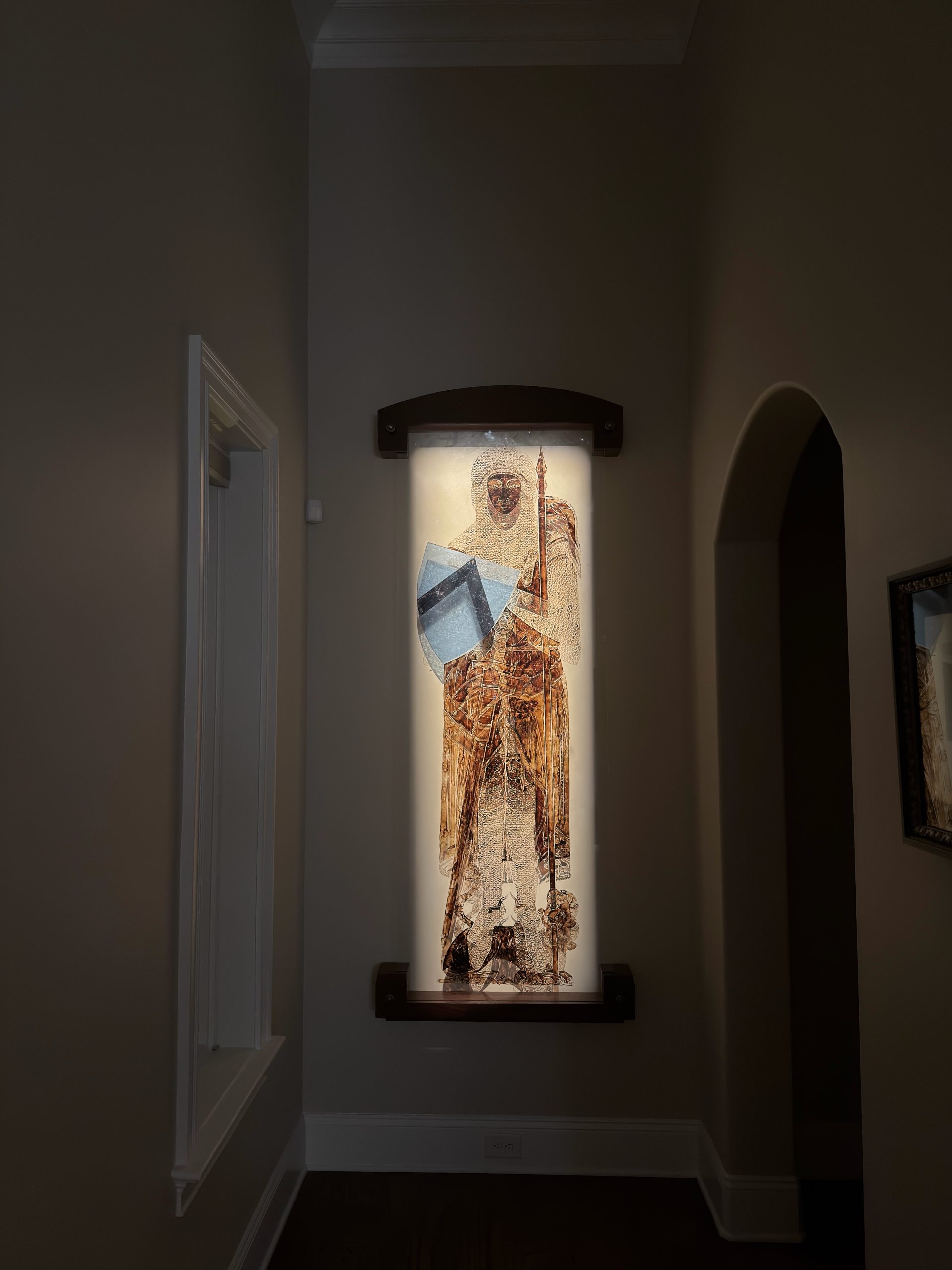
Clean lighting presentation reducing visual noise and improving artwork focus
Light spill is one of the most common issues in poorly designed systems.
It occurs when beams extend beyond the intended area.
This creates:
• Distracting bright patches
• Uneven walls
• Reduced focus on artworks
Professional track lighting minimizes spill through:
• Precise beam angles
• High-quality optics
• Correct positioning
Reducing visual noise allows the artwork to stand out clearly.
The cleaner the light, the stronger the presentation.
Track Lighting and Ceiling Design Integration
Track lighting must work with architecture, not against it.
In modern galleries, tracks are often integrated cleanly into the ceiling. They follow architectural lines and remain visually discreet.
In heritage spaces, flexibility becomes even more important. Track systems allow lighting to be installed without major structural changes.
This adaptability makes track lighting suitable for both contemporary and historic environments.
The goal is always the same: lighting that supports the space without dominating it.
Electrical Planning Behind Track Systems

Track lighting system with balanced power distribution across gallery space
Behind every clean installation is careful electrical planning.
Track systems require:
• Balanced power distribution
• Correct load calculations
• Future capacity for expansion
Poor planning can limit the number of fixtures or create uneven performance.
Professional systems are designed to support long-term use. They allow galleries to expand or adjust without rewiring.
This infrastructure is often invisible, but it is essential to performance.
Maintenance and Longevity of Track Lighting Systems
Track lighting is a long-term investment.
Well-designed systems require minimal maintenance, but regular checks are still important.
Galleries should:
• Clean fixtures to maintain output
• Check alignment after exhibition changes
• Monitor consistency across fixtures
High-quality systems maintain performance over time, reducing the need for replacements.
This reliability is one of the reasons track lighting remains the preferred choice for professional spaces.
How Track Lighting Reduces Operational Complexity

Simplified lighting adjustments allowing focus on artwork presentation tasks
Gallery teams work under time pressure, especially during exhibition changes.
Track lighting simplifies operations by:
• Allowing quick repositioning
• Reducing the need for new installations
• Supporting flexible layouts
Instead of redesigning lighting for every exhibition, teams can adapt existing systems.
This efficiency allows more focus on curation and presentation.
Balancing Ambient and Accent Lighting
Track lighting is primarily used for accent lighting, but it must work alongside ambient light.
Too much ambient light reduces contrast and weakens focus.
Too little ambient light can make the space feel harsh or uncomfortable.
The balance is achieved by:
• Using track lighting for artworks
• Keeping ambient lighting subtle
• Maintaining overall visual comfort
This layered approach creates depth without distraction.

The Role of Dimming in Track Lighting Systems
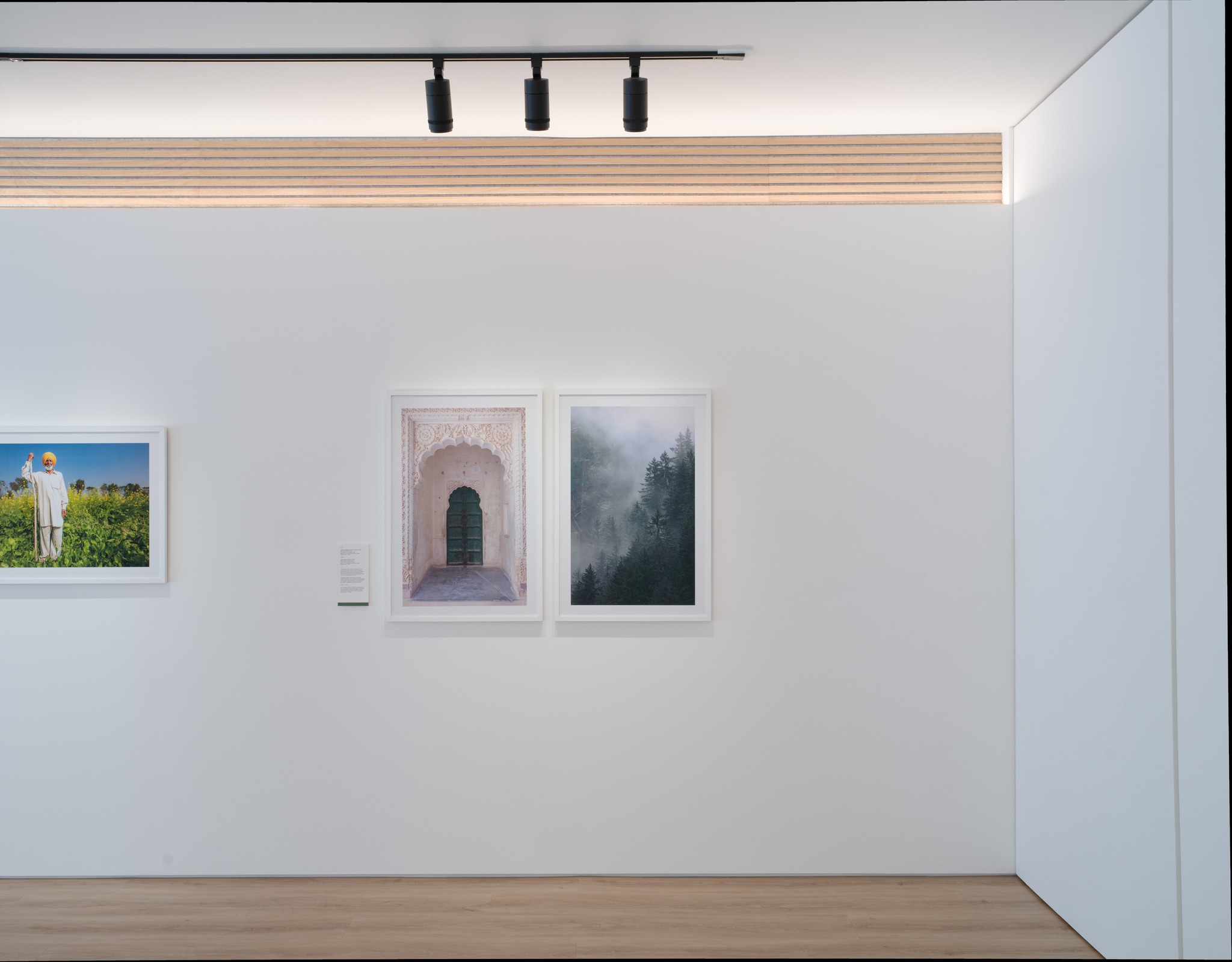
Dimming control adjusting light intensity for different artwork types
Dimming adds another layer of control.
It allows galleries to:
• Adjust intensity for different artworks
• Create subtle contrast
• Adapt to changing conditions
Dimming is particularly useful in exhibitions with varied mediums.
It also helps respond to natural light changes throughout the day without disrupting consistency.
However, it must be used carefully. Overuse can create inconsistency and visual imbalance.
When applied correctly, dimming enhances flexibility while maintaining a stable lighting environment.
Future-Proofing with Track Lighting Systems
Galleries evolve. Lighting must evolve with them.
Track systems support future needs by:
• Allowing easy upgrades
• Supporting new fixture types
• Adapting to changing layouts
This scalability protects the initial investment.
Instead of replacing entire systems, galleries can build on what already exists.
Future-proofing also reduces long-term costs and operational disruptions.
Common Mistakes in Track Lighting Design
Even with the right system, mistakes can happen.
Common issues include:
• Poor track placement
• Incorrect beam selection
• Overlighting artworks
• Ignoring glare control
• Mixing inconsistent fixtures
Another frequent issue is relying on default settings without adjusting fixtures to suit each artwork.
These mistakes reduce the effectiveness of the entire system.
They often result from lack of planning rather than lack of equipment.
Avoiding these errors is just as important as choosing the right products.
How Track Lighting Reinforces Gallery Identity
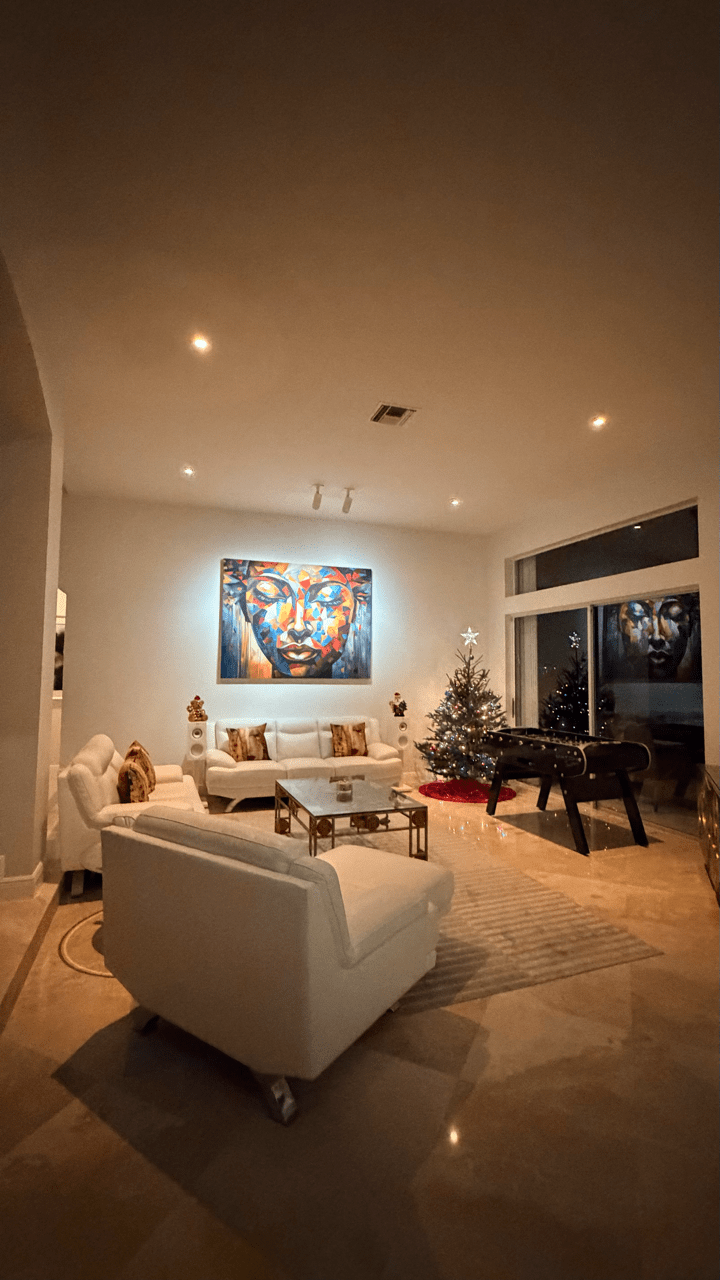
Well lit exhibition enhancing perceived value of displayed artworks
Lighting is part of a gallery’s identity.
Visitors may not consciously notice it, but they feel its effect immediately.
Consistent, well-controlled lighting:
• Signals professionalism
• Builds trust with artists
• Enhances perceived value
• Creates a memorable experience
Over time, lighting becomes part of how a gallery is recognised.
It supports not just individual exhibitions, but the gallery’s long-term reputation and positioning.
Final Insight: Flexibility Defines Professional Lighting
Track lighting remains the foundation of professional gallery lighting for one reason.
It combines flexibility with control.
When designed properly, it:
• Adapts to changing exhibitions
• Maintains consistent quality
• Supports curatorial intent
• Enhances visitor experience
The system disappears, but its impact is clear.
This is what makes track lighting not just a practical choice, but a professional standard.
FAQs
1. What is art gallery track lighting?
Art gallery track lighting is a flexible lighting system that allows fixtures to be repositioned and adjusted to properly illuminate different artworks.
2. Why is track lighting used in art galleries?
Track lighting is used because it provides flexibility, precision, and adaptability for changing exhibitions and varied artwork sizes.
3. How does track lighting differ from regular lighting?
Unlike fixed lighting, track lighting allows fixtures to move along a track, making it easier to adjust direction, focus, and placement.
4. What makes track lighting essential for galleries?
Galleries require constant change, and track lighting supports this by allowing quick adjustments without rewiring or structural changes.
5. Is track lighting better than fixed lighting for galleries?
Yes, because fixed lighting cannot adapt to changing exhibitions, while track lighting offers long-term flexibility and control.
6. What is the biggest advantage of track lighting in galleries?
The biggest advantage is the ability to precisely control light direction and intensity for each individual artwork.
7. What is meant by track lighting as a system?
It means track lighting includes layout design, power distribution, fixtures, optics, and planning working together as one integrated solution.
8. Can any track lighting be used in galleries?
No, generic track lighting lacks the precision, colour accuracy, and glare control required for professional art presentation.
9. Why is beam control important in track lighting?
Beam control ensures light is focused on the artwork without spilling onto surrounding areas, maintaining clarity and visual balance.
10. How does track lighting improve the gallery experience?
It guides attention, reduces distractions, and creates a calm environment where artwork becomes the main focus.
11. Does track lighting affect art sales?
Yes, proper lighting builds buyer confidence by presenting artwork accurately and professionally, which can increase sales.
12. What happens when track lighting is poorly designed?
Poor design leads to glare, uneven lighting, visual discomfort, and reduced engagement with the artwork.
13. What is Zoom track lighting?
Zoom track lighting allows adjustable beam angles from a single fixture, making it ideal for galleries with frequently changing displays.
14. What is Multi track lighting used for?
Multi systems allow different lighting treatments within the same space, helping highlight key works while maintaining overall consistency.
15. What is Deluxe track lighting?
Deluxe track lighting is a premium system designed for high-end galleries and museums where colour accuracy and presentation must be flawless.
16. Why is colour consistency important in track lighting?
Consistent colour ensures artworks appear accurate and comparable, which builds trust with viewers and collectors.
17. How does track lighting reduce glare?
It uses precise optics, proper beam angles, and careful positioning to minimise reflections and visual discomfort.
18. How should track lighting be planned in a gallery?
It should be designed based on wall layout, ceiling height, viewing distance, and future exhibition needs.
19. Is track lighting a long-term investment for galleries?
Yes, a well-designed system can support years of exhibitions without needing major changes or replacements.
20. Why do galleries need professional guidance for track lighting?
Because proper design requires technical expertise to ensure flexibility, consistency, and optimal artwork presentation.
Hear from art collectors and clients who trust us